


Top 10 Cars That Changed the UK Motoring Scene
From the Mini to the Ford Fiesta - cars that shaped British roads
British roads have always had a personality of their own. Tight corners, roundabouts everywhere, red brick terraces packed close to the kerb, and that one street in Stockport where parking feels like a weekly puzzle. Cars here had to fit our lives, not the other way round. That’s why some models didn’t just sell well, they changed what people expected from a car full stop. They altered how families moved around, how new drivers got started, how workers commuted through Manchester rain at half seven in the morning.
At Dace Motor Company, we see these names roll through our sites every week. Some arrive shiny and loved. Others look like they’ve carried kids, dogs, shopping, and half of IKEA Trafford Centre. These cars tell stories. They remind people of first jobs, first holidays, first times stalling at traffic lights outside Stockport bus station.
This list isn’t about horsepower or fancy numbers. It’s about cars that slipped into everyday life and never really left. Cars that made sense on British roads. Cars that felt right outside a terraced house or parked near Heaton Park on a Sunday. You’ll spot a few here that your parents drove, maybe even your grandparents. And chances are, you still see loads of them waiting at lights on the A6 today.
So let’s chat through ten cars that really did leave a mark on the UK. No hype. No fuss. Just the honest impact they had on how we drive.
1. Mini
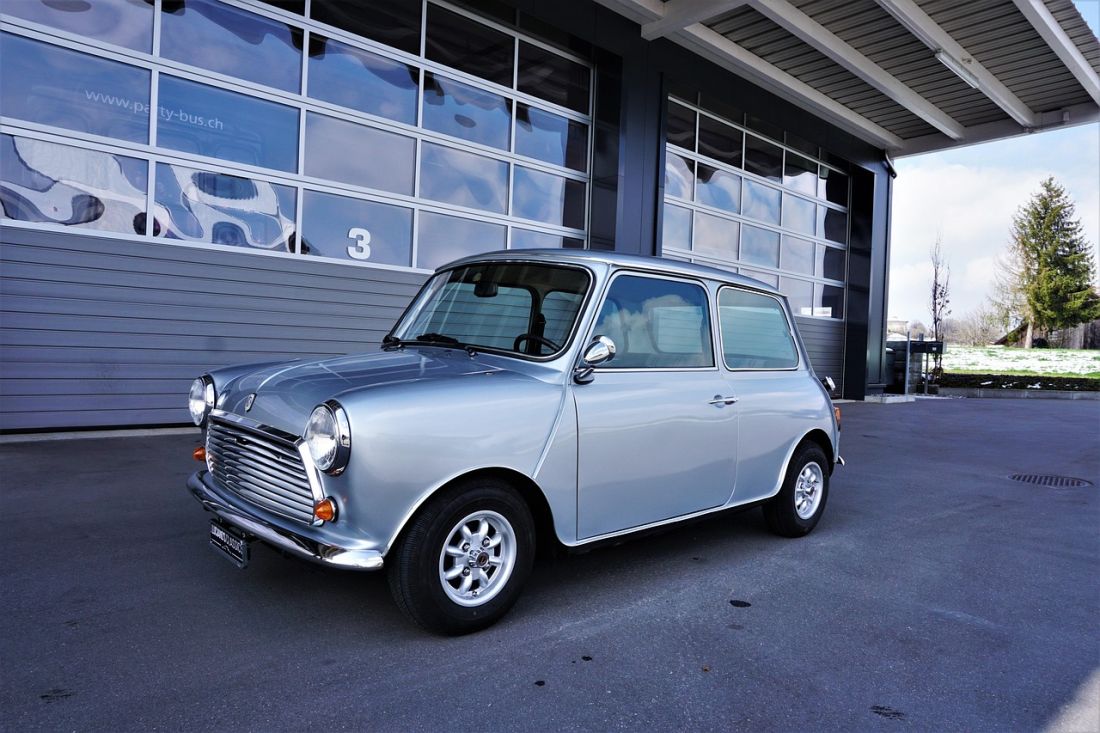
The Mini didn’t just change the UK car scene. It flipped it on its head. When it landed in 1959, British streets were full of bulky cars that drank fuel and took up space we didn’t have. Then along came something tiny, boxy, and clever. The Mini was built by Sir Alec Issigonis, and he squeezed every inch out of it. Wheels pushed to the corners. Loads of room inside. Simple idea, done really well.
People forget how brave it was. Small cars weren’t cool back then. They felt like a compromise. But the Mini didn’t feel like one. Four mates could climb in, you could nip through narrow roads near Stockport Market, and parking was suddenly easy. It felt like the car was in on the joke with you. Then it hit motorsport. This little box beat much bigger cars in the Monte Carlo Rally during the 1960s. That turned it into a hero. A proper British hero. Soon, everyone wanted one. Students. Families. Delivery drivers. It didn’t matter. The Mini fitted.
Decades later, the shape still means something. Even the newer versions keep that cheeky look. When one rolls into our forecourt, people smile before they even sit in it. That tells you everything. Some cars fade away. The Mini never really did.
2. Ford Fiesta
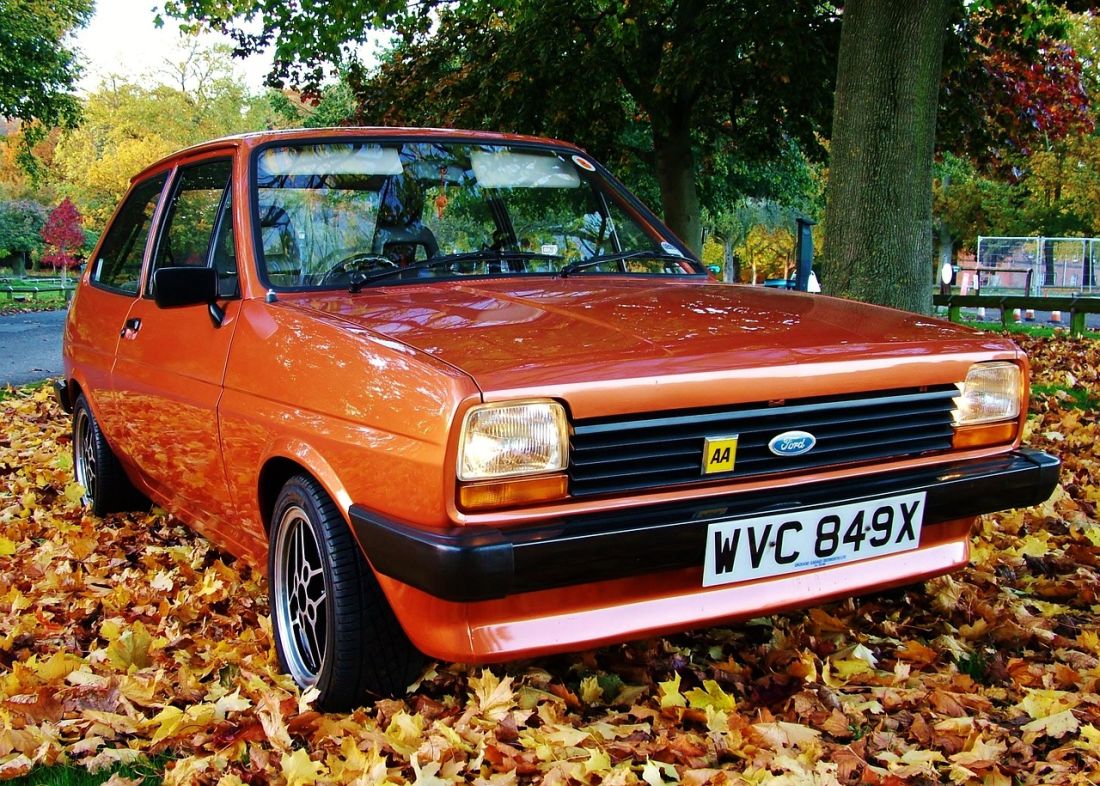
If Britain had a starter car for life, it would be the Ford Fiesta. Since arriving in the late 1970s, it’s been everywhere. School runs. First jobs. Weekend trips up to the Peak District. You name it.
What made the Fiesta special wasn’t flash tricks. It was how easy it felt. You could learn to drive in one without breaking a sweat. Insurance stayed friendly. Fuel money didn’t vanish overnight. And repairs didn’t turn into drama. For young drivers in Manchester or Stockport, it was the safe bet your parents approved of.
Ford kept improving it without wrecking the idea. Each version felt familiar but fresher. Better comfort. Better safety. But still affordable. And let’s be honest, the sporty versions gave people a grin without scaring them silly.
There’s a reason driving instructors filled their fleets with Fiestas. They behaved. They forgave mistakes. They didn’t panic when someone stalled at a hill start. That built trust. And trust sells cars year after year.
Even now, you’ll see them parked all over Greater Manchester like they’ve always belonged there. Because they have.
3. Volkswagen Golf
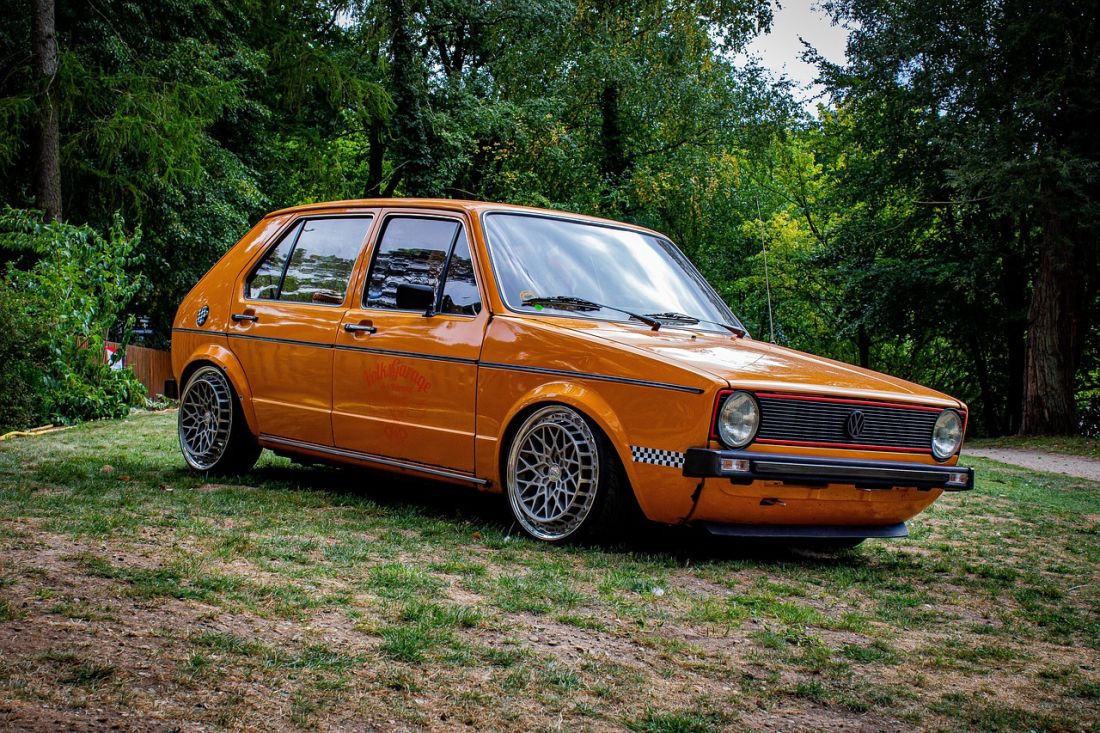
Before the Golf, family cars felt dull. Sensible but boring. The Golf changed that balance. It showed that practical didn’t have to mean lifeless.
Arriving in the 1970s, the Golf brought solid build quality and clever design without shouting about it. It shut with a satisfying thud. It handled wet roads calmly. It felt grown up without feeling old. British drivers noticed.
Then came the sporty versions, and that really sealed it. Suddenly you could have one car that did everything. School run during the week. Motorway miles without stress. Then a lively drive across Snake Pass at the weekend. All in the same car.
The Golf didn’t beg for attention. It earned it slowly. Generation after generation, people trusted it. That trust spread all over the UK. Manchester commuters loved how planted it felt in bad weather. Families liked how it aged gracefully.
At Dace Motor Company, Golfs don’t hang around long. People know what they’re getting. And that quiet confidence is exactly why the Golf shaped British expectations.
4. Morris Minor
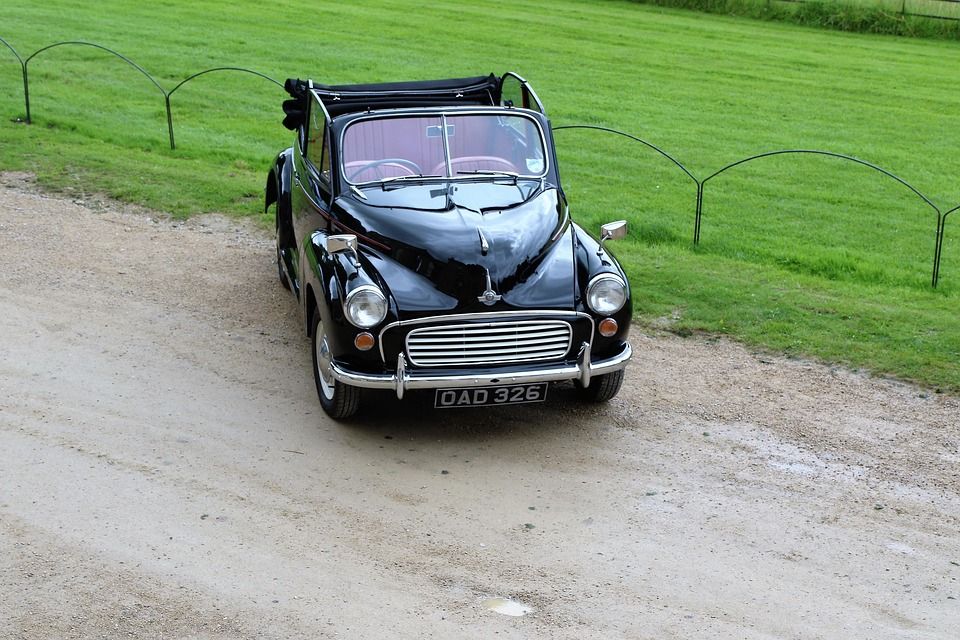
Long before sat navs and car finance chats, there was the Morris Minor. Launched just after the Second World War, it helped a country get moving again.
This car wasn’t fancy. It wasn’t fast. But it was friendly. The design felt warm and simple, like someone had drawn it with families in mind. And for many years, it was the first car a lot of British households ever owned.
It carried tools, shopping, kids, pets, and luggage tied down with string. It went through rain, fog, and roads that looked nothing like they do now. Reliability mattered then, and the Minor delivered it.
You still spot them at vintage shows near Tatton Park or cruising slowly through villages. People wave. Strangers smile. That doesn’t happen with every old car.
The Morris Minor taught Britain that cars could feel personal. Like part of the family. That feeling stuck around long after production stopped.
5. Ford Escort
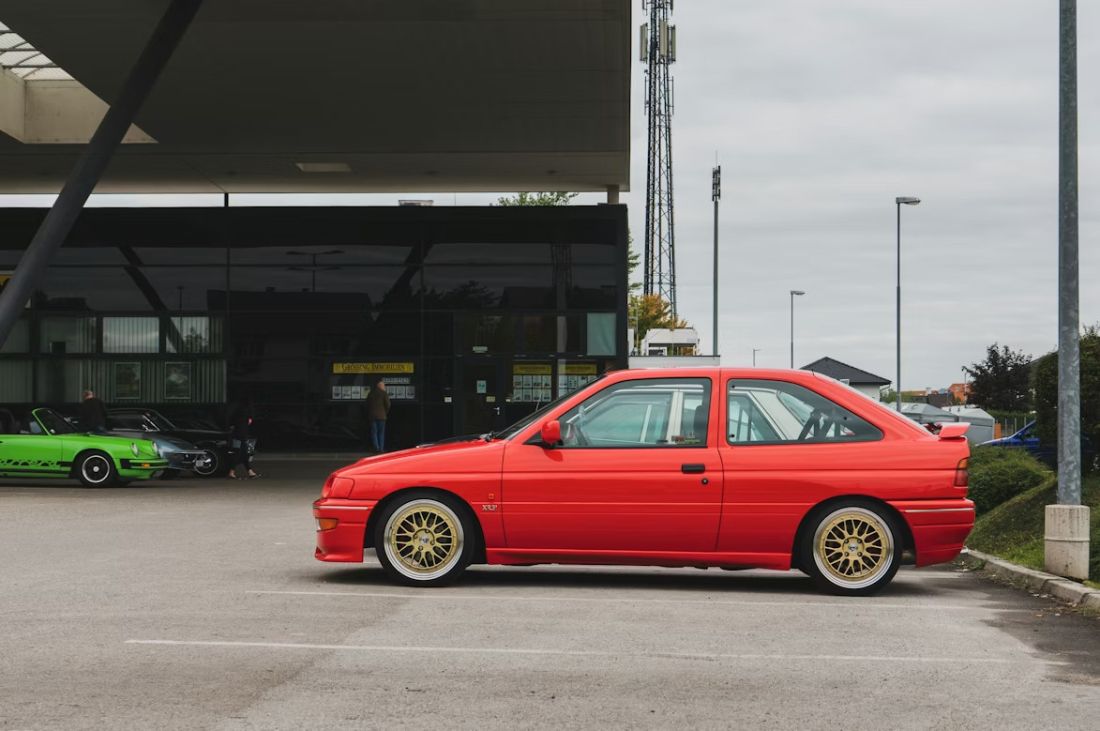
If the Fiesta was Britain’s starter car, the Escort was the family workhorse that followed. From the late 1960s through the 1990s, it ruled the roads.
It was built for real life. Shopping trips. Long commutes. Holidays where half the house came with you. Escorts were advanced for their time, especially in handling. They didn’t feel sloppy on bends, which made British back roads less tiring.
And the sporty versions became legends. Rally wins turned the Escort into something exciting without losing everyday appeal. That mix worked magic.
Plenty of people around Stockport still talk about the Escort their parents owned. Rust spots, funny smells, heater that worked when it wanted. But also memories. Lots of them.
The Escort didn’t try to be trendy. It stuck around because it worked. That steady presence shaped what people expected from family cars for years.
6. Vauxhall Astra
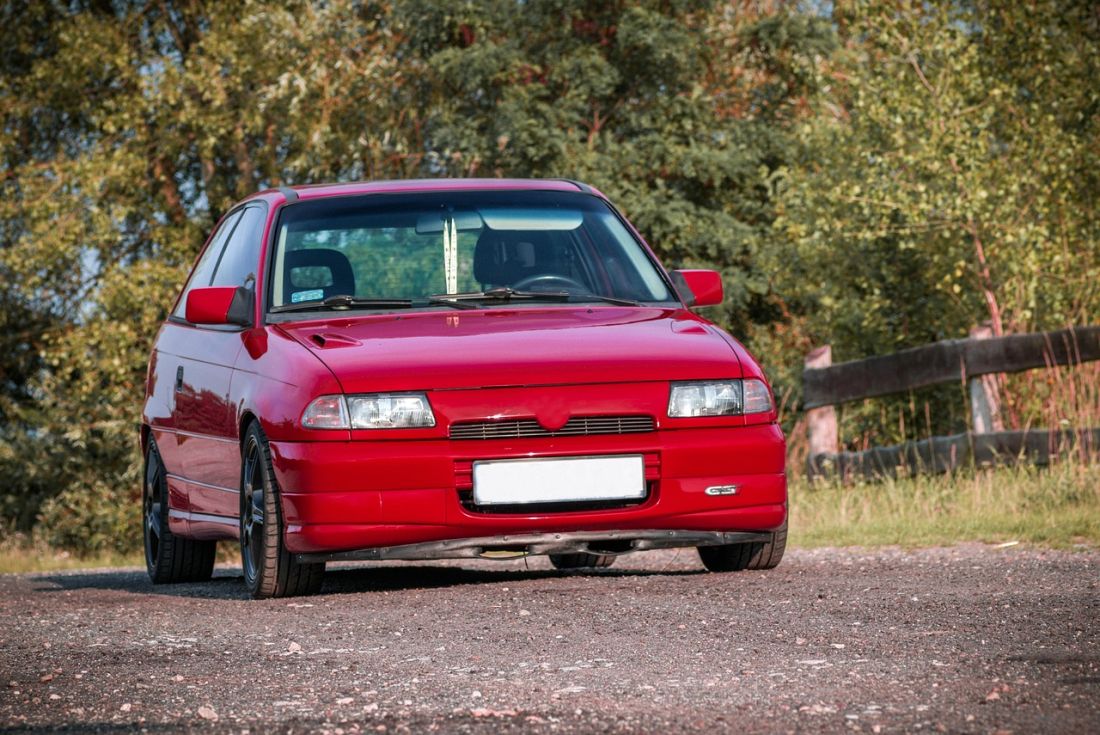
The Astra arrived and quietly became a backbone of British driving. Fleet cars. Company cars. Family cars. It covered a lot of ground without making a fuss.
What made it matter was how adaptable it felt. You could spec it basic and cheap. Or add comfort and feel a bit posh. Either way, it handled daily life without drama.
Taxi drivers trusted it. Sales reps relied on it. Families packed them for holidays. That wide appeal shaped UK roads in a big way.
Vauxhall also understood British tastes. Ride comfort suited rough roads. Engines coped with stop-start traffic near places like Piccadilly Gardens. Everything felt sensible.
That quiet reliability doesn’t grab headlines, but it changes habits. And habits shape markets. That’s why the Astra belongs on this list.
7. Land Rover Defender
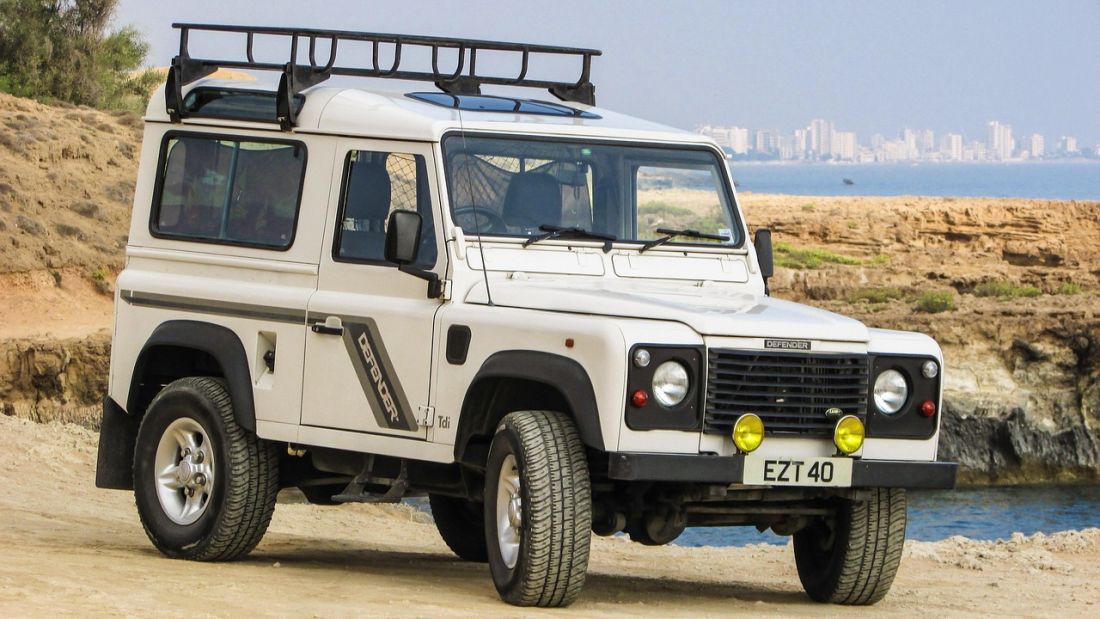
You don’t buy a Defender for looks. Or speed. You buy it because nothing else quite matches it.
Born from farming needs, the Defender became a symbol of toughness. British countryside drivers depended on it. Builders, rescue teams, and explorers trusted it with proper work.
It looked rough because it was built that way. Flat panels. Simple parts. Easy fixes. That honesty showed.
Even in cities, Defenders turned heads. Park one outside a café in Manchester and it starts conversations. People respect it.
The Defender reminded Britain that cars don’t all need soft edges and shiny curves. Some need grit. And that idea still sticks.
8. Jaguar XJ
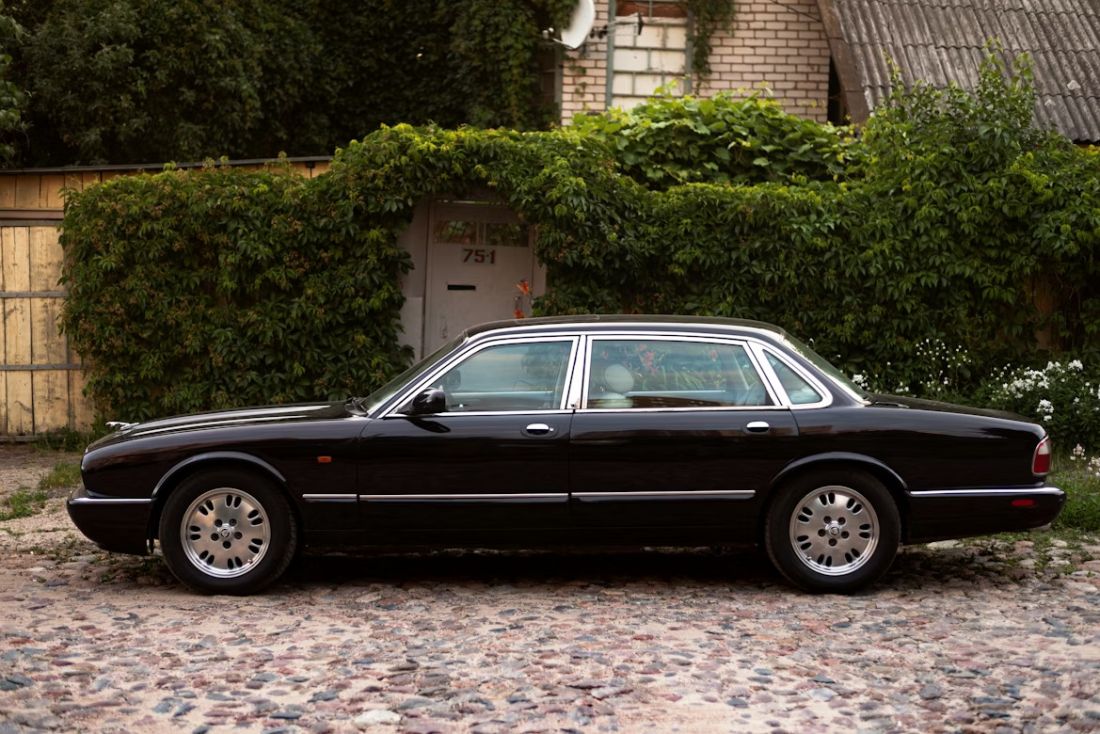
Luxury with a British accent. That sums up the Jaguar XJ. From the late 1960s, it showed that comfort and class didn’t need shouting.
Smooth lines. Quiet cabin. Ride quality that soaked up miles without tiring you. It became the car of choice for bosses, diplomats, and drivers who liked calm sophistication.
Driving one felt special without feeling showy. That balance mattered in the UK. Especially in places where understatement rules.
The XJ also proved Britain could still build world-class luxury cars. That mattered for pride as much as sales.
Even now, the name carries weight. It shaped how people see British luxury on four wheels.
9. Nissan Qashqai
Built in Sunderland, the Qashqai changed family choices across the UK. It blended hatchback ease with SUV height and space. People loved how clear the view felt.
It handled city streets easily while feeling solid on longer runs. Parents liked getting kids in and out without crouching.
Suddenly, traditional family cars changed shape. The Qashqai nudged the whole market in a new direction.
Around Manchester, they’re everywhere. School runs. Shopping centres. Motorway lanes. Proof it struck a chord.
It didn’t change cars with noise. It did it by making sense.
10. Range Rover
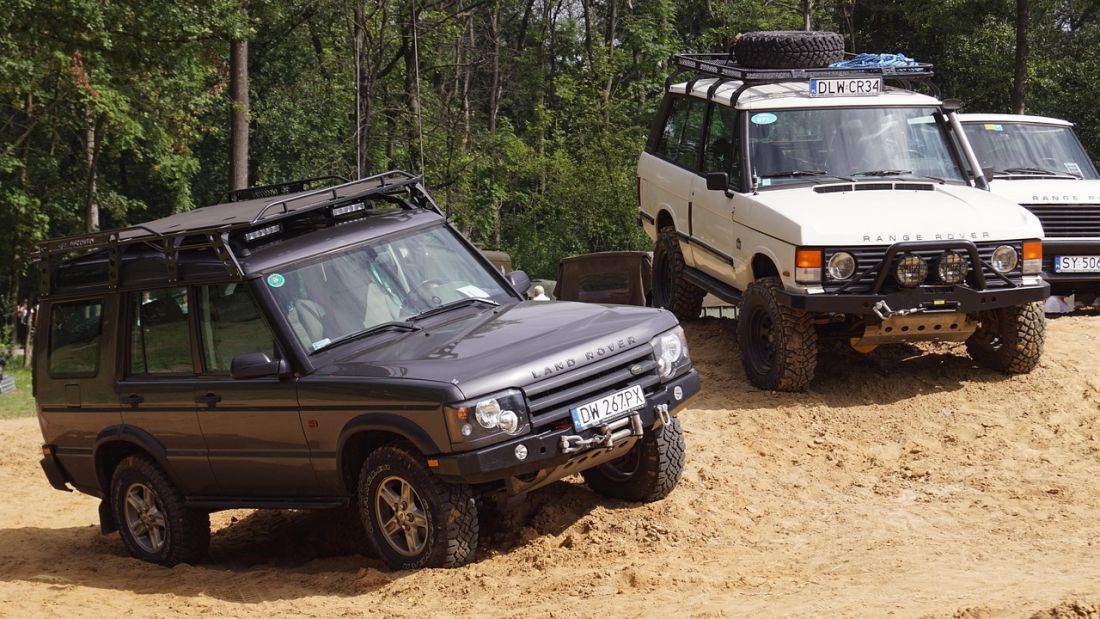
The Range Rover showed Britain that comfort and capability could live together. Launched in 1970, it mixed off-road skills with leather seats. That was new.
Drivers could cross muddy fields and then pull up outside a restaurant without feeling out of place. That flexibility changed expectations.
It created a whole new type of car. Others followed. Some copied. Few matched it.
In towns and countryside alike, the Range Rover became a symbol of British confidence.
Love it or hate it, its influence is impossible to ignore.