


Top 10 Car Hacks That Actually Work (And Save You Money)
Cars can empty your wallet in sneaky ways. It’s rarely the big dramatic thing people worry about first. It’s the slow drip. A bit more fuel here. A tyre wearing out early there. A small problem left too long, then suddenly it’s a bill that lands like a brick. If you drive around Manchester or Stockport, you already know the mix. Stop-start traffic near the M60. Wet roads. Short school-run trips. Crawling through town, then a quicker blast up the A6. That kind of driving can make a car feel far more expensive to run than it should.
At Dace Motor Company, we spend a lot of time around used cars, and you start to spot the same patterns. The people who save money are rarely doing anything flashy. They’re doing the small stuff, again and again. No miracle gadget from a petrol station. No weird bottle of mystery liquid poured into the tank. Just habits that keep fuel use down, tyres alive, and repair bills from getting silly. So here are ten car hacks that really do help. They’re easy to do, they don’t need a mechanic’s course, and they can make day-to-day motoring feel a lot less painful.
Check your tyre pressure properly, not just when one looks a bit sad
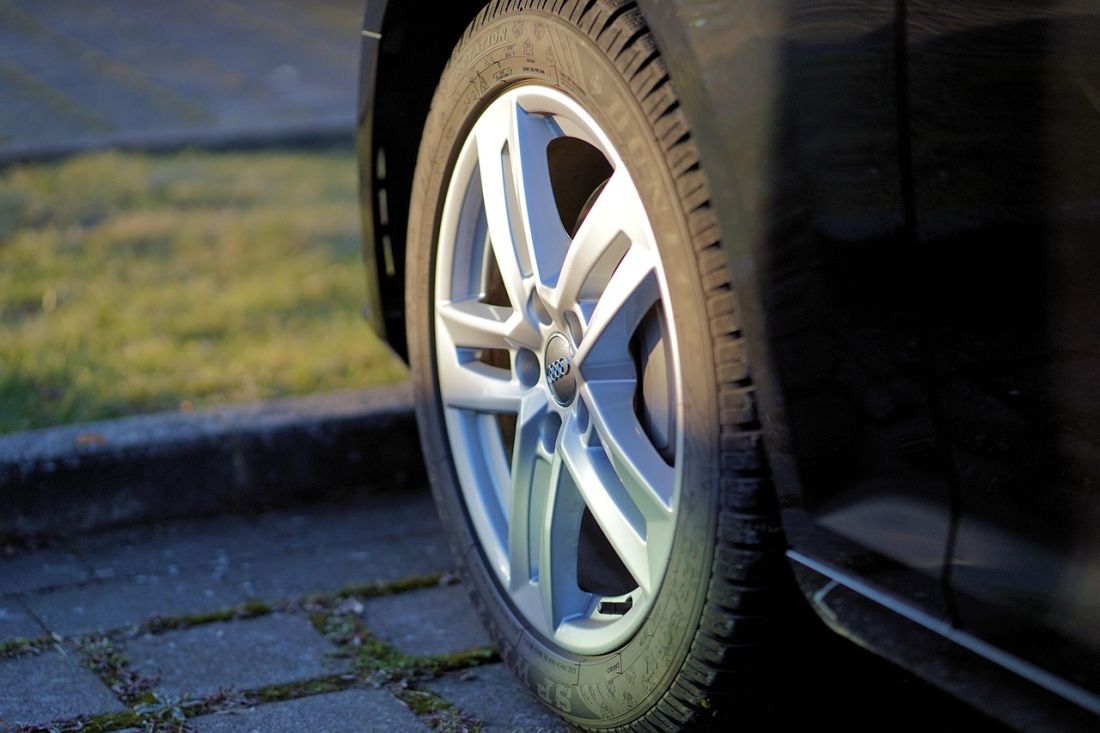
This is the big one because it’s cheap, quick, and people still skip it. A tyre can look fine and still be low on air. That’s the trap. Then the car has to work harder to roll, which means you use more fuel. The tyre also wears out faster, and the steering can feel a bit dull without you even realising why. The smart move is to check the pressure while the tyres are cold and use the number from the sticker inside the driver’s door or your handbook, not the biggest number stamped on the tyre itself. That stamped number is not your target. It’s more like a limit. The Highway Code also says tyres should be inflated to the maker’s spec, and that uneven wear can point to faults that need sorting quickly. So yes, this is a fuel hack, but it’s also a “don’t ruin a perfectly good set of tyres” hack. If you do one boring money-saving job this week, make it this one. It matters more than people think.
Empty the boot and take off the roof bars when you’re done with them
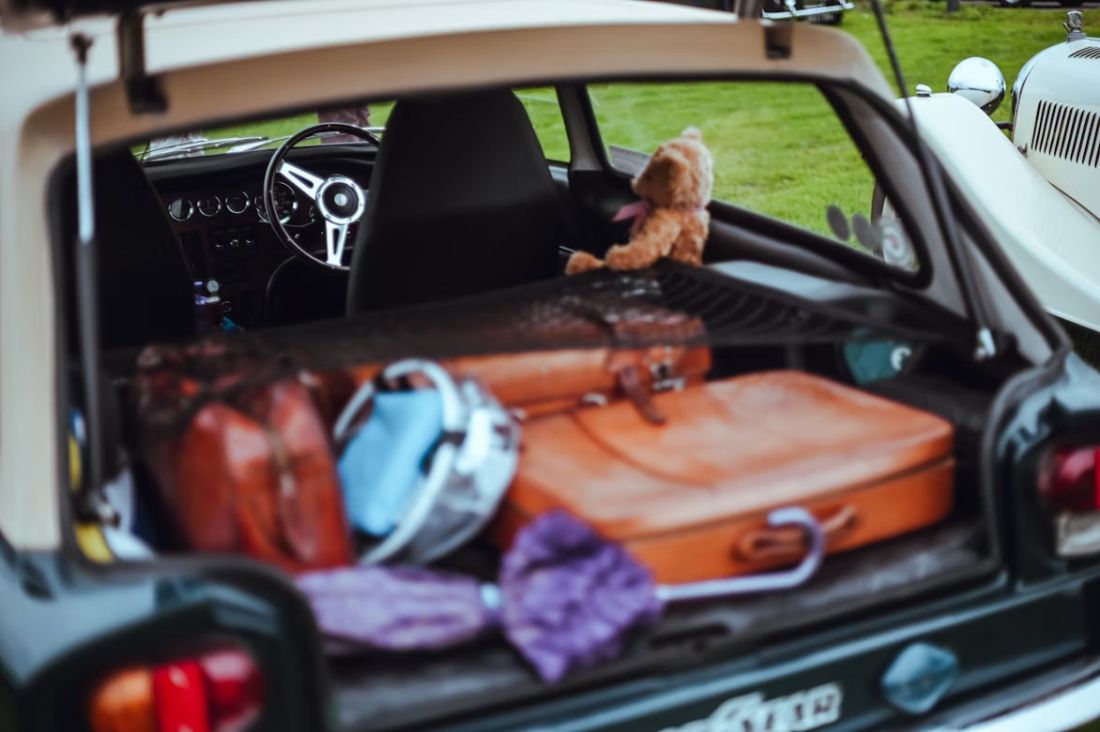
We’ve all done it. The boot becomes a rolling cupboard. Old football boots. A pushchair you meant to bring in three weeks ago. A crate of stuff for the charity shop. Maybe a set of roof bars that went on for one weekend away and never came off. The problem is your car has to carry that weight every single mile. And roof bars are worse than they look because they mess with the air around the car. That extra drag means extra fuel. RAC says an empty roof rack adds 16% drag at 75mph, and a roof box adds 39% at the same speed. That’s not tiny. That’s the sort of thing you feel after a few tanks of fuel. So give the car a clear-out now and then. Keep the things you genuinely need. Bin the rubbish. Take off the roof bars if you’re not using them. It won’t turn your hatchback into a magic fuel miser overnight, but it’s one of those small wins that keeps paying you back. And let’s face it, a lighter, cleaner car just feels better too.
Drive like there’s a full brew on the passenger seat
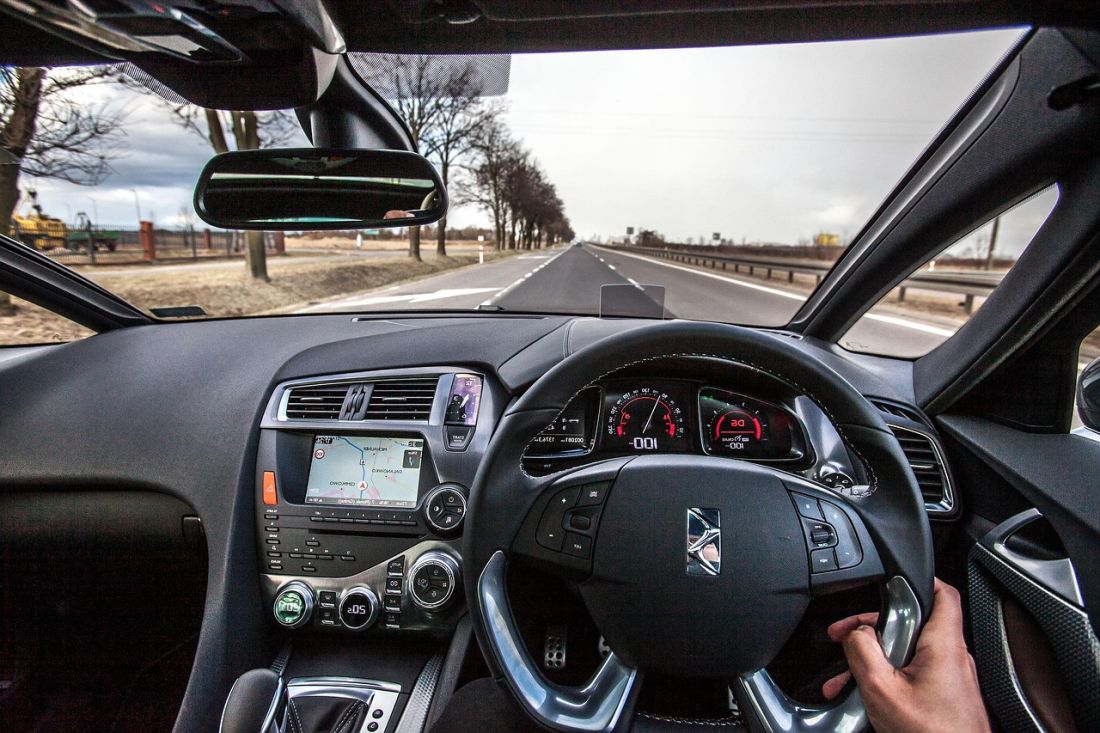
That’s the easiest way to explain smooth driving. If you stamp on the pedals, rush up to red lights, then brake hard, you’re burning fuel for no good reason. You’re also putting more wear on tyres, brakes, and the rest of the car. A much cheaper way to drive is to look further ahead, ease off earlier, and keep the car rolling where you can. RAC says the best advice is to drive as smoothly as possible, and the AA says slowing early for queues and traffic lights can help you avoid fully stopping. There’s another bit people miss too. Speed costs. The AA says driving at 70mph can use up to 9% more fuel than driving at 60mph, and up to 15% more than driving at 50mph. So if you’re flying along just to get to the next set of brake lights near the ring road, you’re not really winning. You’re just spending. In one AA eco-driving trial, staff cut their weekly fuel bills by an average of 10% by changing driving habits, and the best saver cut 33%. That’s huge for something that costs nothing to try.
Batch your trips instead of doing five cold starts in a day
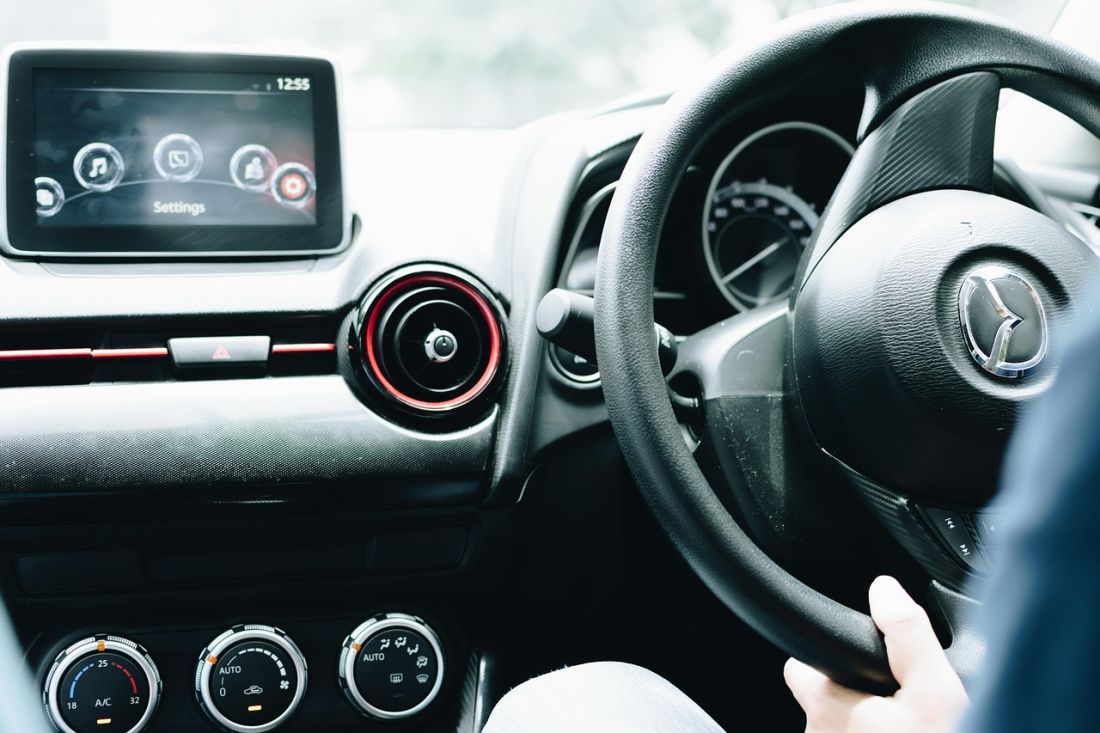
This one sounds too simple, but it works. A car is less efficient when the engine is cold. So if you do a quick dash to the shop, come home, then head back out for the chemist, then later pop to pick someone up, you’re making the car do its least efficient bit again and again. The better move is to tie those jobs together in one run if you can. Pick up the bread, grab the parcel, swing by the supermarket, then head home. The official fuel economy guidance says several short trips from a cold start can use twice as much fuel as one longer trip that covers the same distance. Twice as much. That’s why this is a proper money saver, not just a neat idea. It’s especially handy around places like Stockport or Eccles where lots of short hops can turn into loads of waiting, parking, restarting, and crawling. And while you’re at it, think about timing. If you can dodge the worst traffic, you spend less time sitting there burning fuel and getting annoyed. Not every day lets you do that, of course. Life gets in the way. But even doing it a couple of times a week will help.
Stop warming the car up by idling on the drive
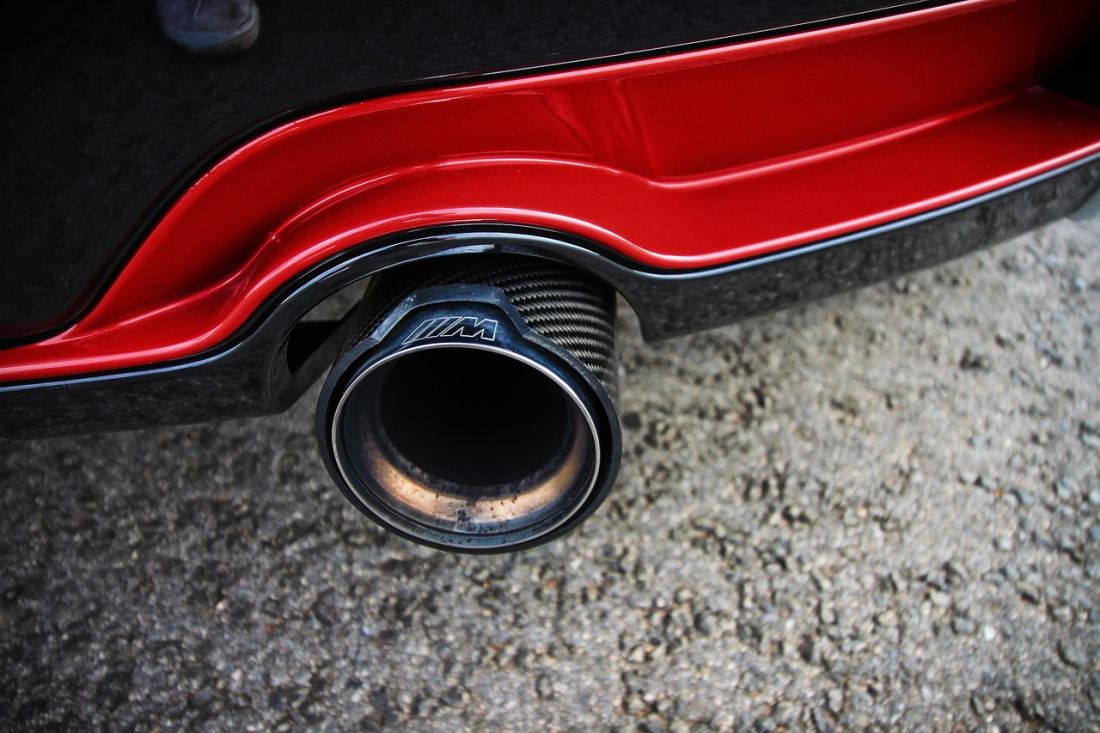
This is one of those habits that hangs around because it feels right. Cold morning. Rain on the glass. You start the car and let it sit there “warming up” while you sort yourself out. The trouble is, that burns fuel while you’re going nowhere. The AA says idling wastes fuel and that the engine warms up more quickly when the car is moving. RAC says much the same. So the cheaper move is to get in, get set, clear the windows properly, and drive off gently once you’re ready. Not like a maniac. Just easy for the first few minutes. That helps the engine warm up in the way it’s meant to. It’s the same in hot weather too. Fuel economy guidance says you shouldn’t sit idling with the air con running before you drive. Get moving, then let the system do its thing. This matters even more if your driving is mostly short local runs, because that’s where little habits stack up. No one’s saying you have to sit there sweating or freezing for the sake of a few pennies. Just don’t let the car sit outside doing a long solo performance while your fuel disappears.
Use the fuel your handbook asks for, not the fancy one with the bigger price tag
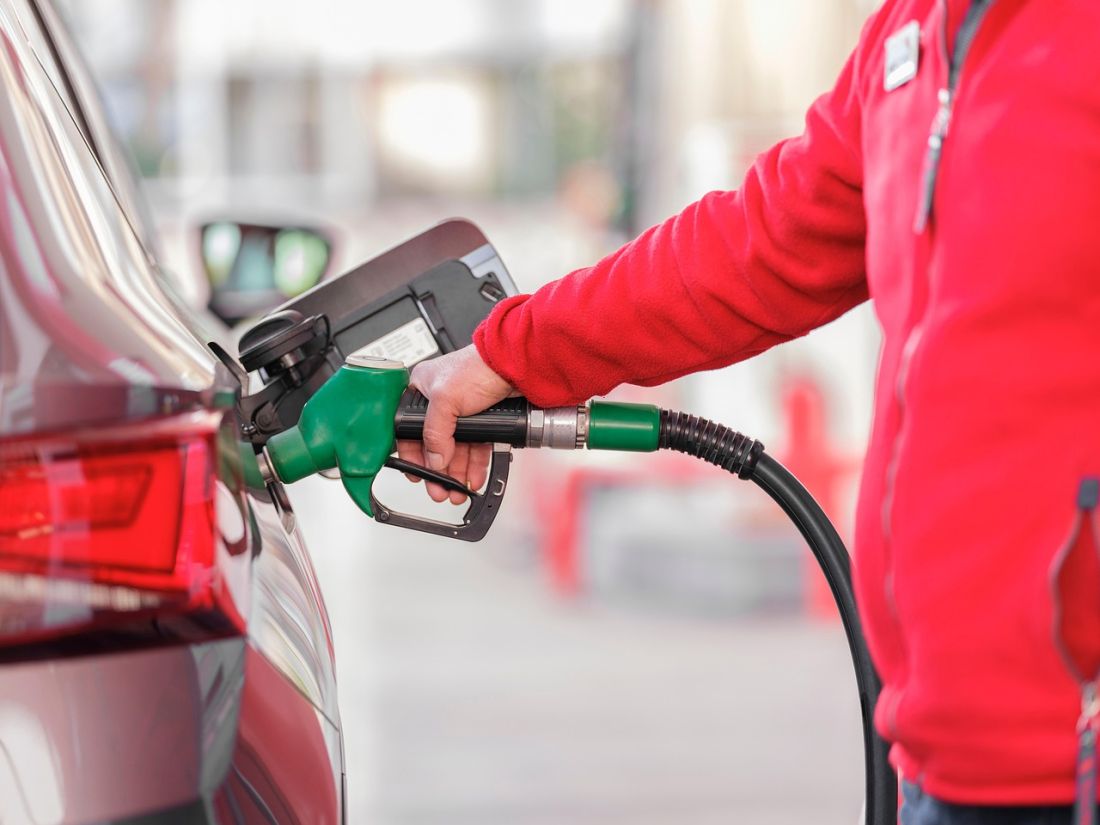
This catches loads of people out. There’s a belief that the pricier fuel must be better, full stop. It sounds smarter. It feels like you’re treating the car well. But the official fuel economy guidance is pretty clear here. Use the fuel grade your maker asks for in the handbook. If your car needs the higher grade, then yes, buy it. If it doesn’t, paying extra can give you little to no benefit in normal driving. That’s the key bit. Little to no benefit. The same guidance also says that if the car doesn’t require the higher grade, the extra cost is usually bigger than any fuel saving. So if you’re filling up a car built to run happily on the standard stuff, pouring in the expensive one every week can just be a nicer way to overspend. And let’s be honest, fuel is costly enough round here without creating an extra bill for yourself. This isn’t about being tight. It’s about matching the fuel to the car, not to the marketing on the pump. Check the handbook once, make a note, and stop guessing at the forecourt.
Use the right oil and stick to the service schedule
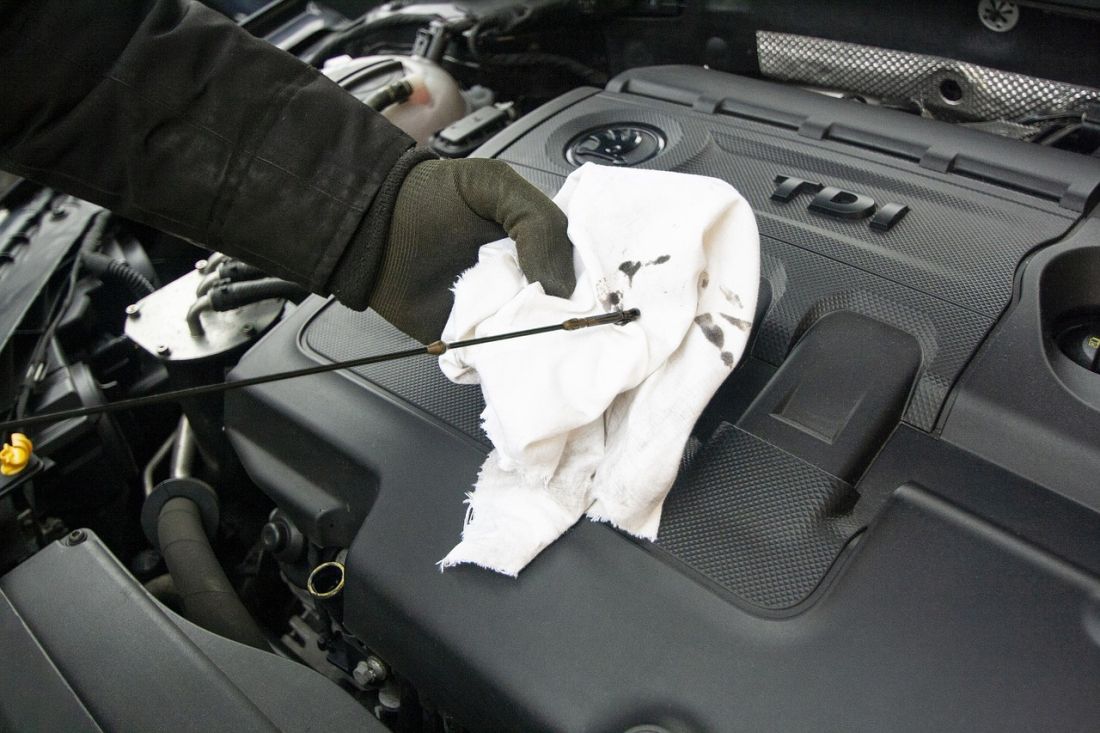
A missed service can feel like money saved right up until it really, really isn’t. Fresh oil, clean filters, and the right grade of oil help the engine do its job with less effort. Official fuel economy guidance says using the maker’s recommended oil grade can improve fuel economy by 1% to 2%. That might not sound wild, but over months of driving it adds up. More to the point, the wrong oil can drag fuel use the wrong way and put extra strain on the engine. The AA also says regular servicing helps a car run more efficiently, and RAC points out that filters clog over time and should be renewed as part of scheduled servicing. This is where people get caught by false savings. They put off the service because money feels tight, then a small issue grows legs and turns into a bigger repair. You know how it is. A cheap job gets delayed, then suddenly it’s not a cheap job anymore. If you’ve bought a used car and you want it to stay good value, this is one of the best habits you can build. Keep to the service schedule. Use the oil grade in the handbook. Don’t wing it.
Treat warning lights like they matter, because they do
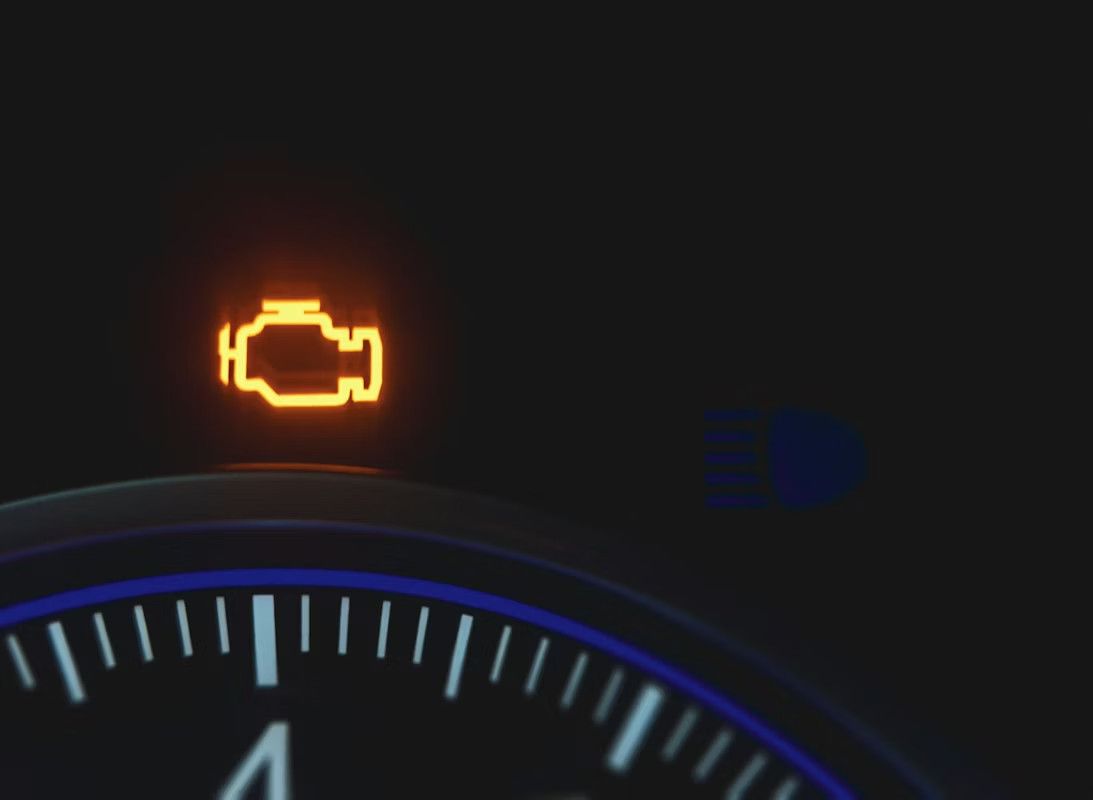
This is less of a fuel hack and more of a “save yourself from a nasty bill” hack, but it absolutely belongs here. A warning light is your car telling you something needs attention. It might be small. It might be a loose fuel cap. But it might also be the start of a problem that gets expensive if you carry on ignoring it. The official fuel economy guidance says a check engine light could point to something minor or something serious that hurts fuel use, increases emissions, or leads to a bigger repair later. The Highway Code says warning signs should not be ignored because they could point to a dangerous fault developing. And that’s really the whole story. People put tape over the light in their mind. If the car still moves, they keep going. Then the small fault has more time to mess with other parts. Same with unusual tyre wear, odd smells, or the car pulling strangely. A used car can be a brilliant buy, but only if small issues get dealt with while they’re still small. So don’t panic when a warning light comes on. Just don’t shrug it off either. Get it checked and keep the cost where it still belongs.
If the car pulls, shakes, or chews tyres unevenly, sort the alignment before it eats your budget

Tyres are expensive, which is why anything that kills them early is worth taking seriously. If the steering wheel sits a bit off, the car drifts to one side, or the tread wears faster on one edge than the other, don’t just live with it. NHTSA says wheel alignment helps maximise tyre life and stops the car veering left or right on a straight road. The Highway Code says uneven tyre wear can come from faults in braking, suspension, or wheels being out of alignment, and those faults should be corrected as soon as possible. In plain English, if the car doesn’t feel right, your tyres may be paying the price. And tyres don’t give refunds. This is one of those “save money by acting sooner” hacks. Leave it, and you can burn through rubber way before you should. Sort it early, and you’ve got a much better shot at getting the full life out of the tyres you already paid for. It also makes the car nicer to drive, which is no small thing if you spend half your week hopping between Stockport, Manchester, and wherever else life drags you.
Be smart with air con instead of leaving it blasting all the time
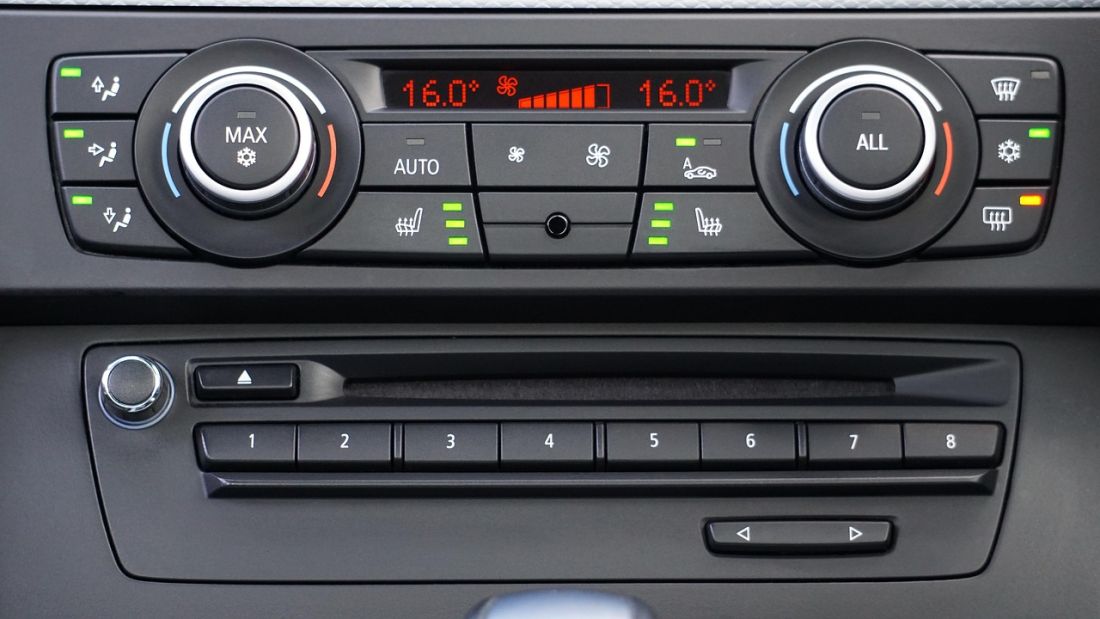
Air con is one of those things people either overuse or avoid completely. The sweet spot is somewhere in the middle. Fuel economy guidance says air con can cut fuel economy by more than 25% in very hot weather, especially on short trips. That’s a lot. But driving with the windows wide open can also hurt fuel use because of drag, mainly at higher speeds. The same guidance says the smart move is windows down at lower speeds and air con at higher speeds. The AA says much the same. So if you’re crawling through town on a warm day, crack the windows and go easy on the air con. If you’re moving faster on a dual carriageway, shut the windows and let the air con do the work. Another easy win is to park in the shade or use a sunshade if the car sits outside. Then the cabin doesn’t feel like an oven, so the system doesn’t have to work as hard when you get back in. It sounds small. It is small. But small is the point here. Small habits are what keep running costs from getting out of hand.
One last thing
The best car hacks are rarely clever in a flashy way. They’re the stuff people put off because it feels too basic. Check the tyres. Clear the junk out. Stop idling. Drive a bit calmer. Use the right fuel and oil. Deal with little faults before they grow teeth. Do even half of that and your car will usually cost less to run, feel nicer on the road, and give you fewer nasty surprises. And that matters, because no one in Manchester or Stockport wants to spend their money on a worn-out tyre, wasted fuel, or a repair that could’ve been headed off weeks earlier. Better to spend it on something you actually enjoy.