



Things That Make Mechanics Instantly Trust (or Distrust) a Used Car
Quick assessment without a lift, just eyeballs and common sense
A mechanic can get a gut feeling about a used car in the first minute. No ramp. No fancy kit. Just that “does this feel right?” radar. You can do the same, standing on the forecourt with your hands in your pockets, like you’re waiting for a mate outside Stockport station. The first thing is how the car sits. If one corner looks like it’s sulking lower than the rest, that’s a worry. Could be a tired spring, a knock, or damage that’s been patched up. Then you walk around it slowly and look for panels that don’t quite match. We’re talking about a front wing that’s a slightly different shade in daylight, or a door gap that’s wider at the top than the bottom. Mechanics distrust that because it hints at repairs done on the cheap. And cheap repairs have a habit of hiding bigger problems.
Then there’s the tyres. Tyres tell stories. If the front tyres are worn more on the inside edge, it can mean the wheels don’t point straight, or parts underneath are worn. If the tyres don’t match side to side, like one brand new and one tired, it can mean the seller’s been doing “just enough to get by.” You’ll also spot trust signals. A car that’s clean in a normal way, not “just valeted so hard it smells like a swimming pool.” A normal clean car still has tiny signs of life: a few bits of dust in the vents, maybe a crumb in the seat rail. When a car is squeaky-clean but the engine bay is sprayed with shiny stuff, mechanics get suspicious. Why spray it? Is someone trying to hide a leak? A quick look under the front bumper helps too. Scrapes happen, sure, especially around Manchester’s tight car parks, but deep cracking or hanging plastic can hint the car’s hit something more than a kerb. And while you’re down there, glance at the ground. Fresh drips are a bad sign. A tiny bit of water from air conditioning is fine. Thick oily drops? That’s the sort of thing that makes a mechanic go quiet and start asking questions.
The paperwork check that takes two minutes and saves you a headache

If you want one “trust move” that mechanics respect, it’s this: check the car’s government test history before you fall in love with the paint colour. In the UK, cars need a yearly road safety test once they’re three years old. You can look up the past pass and fail records, plus the mileage recorded at each test, using the official government service. That history can show patterns, like the same issue coming back year after year, or the mileage jumping in a way that doesn’t make sense. It also shows the reasons for failures, which can be a big deal if it’s the same area again and again. The official “check the test history” service is public and free, and it’s one of those rare things that feels like a cheat code for buyers.
Now, don’t panic if you see a fail in there. A fail can be normal. People miss stuff. Life happens. What you’re watching for is a vibe: does the car get cared for, or does it scrape through with warnings and last-minute fixes? Mileage should climb steadily over time. If it does 60,000 one year, then 52,000 the next, you’ve got to ask why. That’s not “being picky,” that’s basic self-defence.
You can also check when the current test runs out using the official status checker, and you can check key vehicle details using the government’s vehicle information service (things like first registration date and when the log book was last issued). These checks help you match what the seller says with what’s on record.
Mechanics also like seeing normal paperwork habits. Service stamps that look consistent, receipts that match the car, and keys that feel like they belong to it (not one random key and a story about “the other one’s at my mum’s”). It’s not about having a folder as thick as a Harry Potter book. It’s about the seller behaving like someone who looked after a car, not someone flipping it.
The bonnet peek: what looks “honest” and what looks like a cover-up
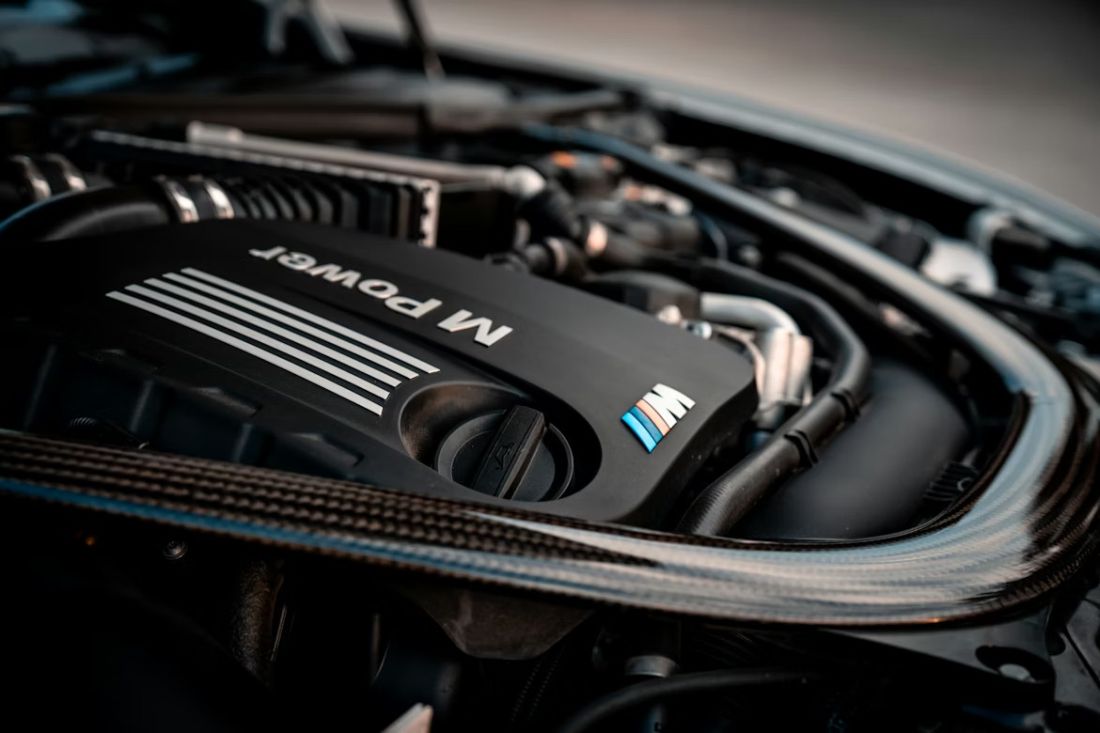
You don’t need to be a mechanic to do a bonnet check that mechanics respect. Pop it, take a breath, and just look. First: does it look like a normal engine bay, or does it look like someone’s been doing arts and crafts with shiny spray? A clean engine bay is fine. A wet-looking, freshly dressed engine bay can make people suspicious because leaks and seepage can get hidden under that gloss.
Then check the obvious fluid spots. You’re not doing a science experiment. You’re looking for extremes. If the oil cap area has thick creamy gunk, that can be a sign of problems, or it can be short trips in cold weather. Either way, it’s a “let’s ask more questions” moment, not a “la la la, ignore it” moment. Look around the edges of the engine for wet oil. See if the coolant tank looks clean and the level looks sensible. Sniff the air a bit. If it smells strongly of fuel under the bonnet, that’s not great. If it smells burnt, like toast that’s been left too long, that’s another flag.
Mechanics also look at the small stuff because small stuff shows attitude. Is the battery held down properly, or is it wobbling? Are there loose wires tied up with random tape? Do hoses look cracked and tired? You don’t need to name the parts. You just need to notice if it looks cared for.
And here’s a sneaky one: ask the seller not to start the car before you arrive, if you can. A cold start tells you more. If the engine is already warm when you get there, mechanics wonder if the seller’s hiding a rough start, smoke, or a rattle that fades once it warms up. When you start it, listen for knocking, tapping, or squealing that hangs around. A brief noise for a second can be normal on some cars. A noise that keeps going like a drummer warming up? That’s the kind of thing that makes a mechanic step back and think, “This is going to cost someone.”
Tyres, tread, and why mechanics stare at the wheels like detectives

If you want a quick “trust or distrust” check without crawling under the car, spend time on the tyres. Mechanics do. The legal minimum tread depth for cars in the UK is 1.6mm across the central three-quarters of the tyre, around the whole way around. That’s the law, but mechanics care about more than “legal.” They care about what the wear pattern is saying. If the tyre is bald on one edge but fine on the other, something’s out of line. If the tyre has weird scalloped dips, parts could be worn. If the tyre looks cracked on the sidewall, it might be old or stored badly. And if the tyres are mismatched, like three budget tyres and one premium tyre, it can show the car’s been running on “minimum spend” for a while. You can do the simple coin check. Drop a 20p into the main grooves. If you can clearly see the outer rim, you’re getting close to the limit and need to think about tyres soon. Safety groups and road safety guides talk about this as a quick home check.
Then look at the wheels themselves. Scuffed alloys aren’t the end of the world. Loads of cars in Stockport have kissed a kerb outside a shop. But if a wheel is buckled, cracked, or has fresh paint that looks like it’s been done yesterday, that can hint at a bigger knock. Check that all four tyres are the same size too. Sounds basic, but you’d be surprised.
Now add brakes into the mix. Without taking anything apart, you can still learn stuff. When you press the brake pedal with the engine running, it should feel firm and predictable, not like stepping on a soggy sponge. On a test drive, if the steering wheel shakes when you brake, that can point to brake or suspension issues. A mechanic hears that and thinks, “This car’s been ignored.” A smooth brake feel, straight stopping, and tyres that look evenly worn? That’s a trust signal.
Inside the car: wear, warning lights, and the smell test nobody talks about

The interior is where mechanics spot “does this match the story?” stuff. If a car claims low miles but the steering wheel is shiny like it’s been sanded, the gear knob looks worn smooth, and the driver’s seat looks collapsed, that mismatch makes people uneasy. It doesn’t prove anything on its own, but it adds up. And you can spot it fast.
Turn the key and watch the dashboard. Warning lights should come on briefly, then go off after the engine starts. If a light stays on, or if you notice a light that never comes on at all (like it’s been covered up), mechanics get suspicious. The AA has a public guide explaining dashboard warning lights and why they matter, and it’s worth a quick look so you know what you’re seeing.
Then do the boring button check. Windows down, windows up. Air blowing cold when it should. Wipers working. Mirrors moving. If loads of small electrical things don’t work, it can mean water’s got in, wiring has been messed with, or the car’s just been neglected. Neglect is a pattern. Patterns get expensive.
And yeah, smell matters. If it smells damp, like a wet coat that’s been left in a boot, that can mean water leaks. Manchester rain doesn’t forgive dodgy seals. Check the boot floor and the spare wheel area if you can. Damp back there is a big clue. Also check the carpets near the front footwells. If they feel wet, something’s wrong.
Look for signs the car’s been lived in hard. Pet hair is fine if it’s honest. A car that smells like air freshener turned up to eleven can be hiding smoke smells or damp. Mechanics trust cars that smell like… cars. Not perfume shops.
The quick test drive: what makes a mechanic relax, and what makes them tense up

A short drive tells you loads, even if it’s just around the block near the dealership and back. Start with the basics. Does it pull to one side when you drive straight? If you’re holding the steering wheel steady and the car drifts like it’s being pulled toward the curb, that can be wheel alignment, tyre wear, brake drag, or worn suspension parts. Any of those can cost money. It can also hint the car’s had a knock at some point. Again, one clue isn’t a verdict, but it’s a clue.
Listen for knocks and clunks over bumps. You don’t need to hunt potholes like you’re doing a tour of Deansgate, but you’ll hit a few uneven patches anyway, because, well, roads. A solid car feels tight. A tired car sounds like a bag of spanners. If you hear a knock every time you go over a small bump, a mechanic’s brain goes straight to worn joints or tired suspension.
Check how the engine feels as it pulls. It should be smooth. If it hesitates, judders, or feels like it’s coughing, that’s a red flag. Same for the gearbox. Gear changes should feel clean, not crunchy. If it’s a manual, the clutch should bite smoothly, not right at the top with a smell. If it’s an automatic, it should shift without big jolts. Jerky changes can be a sign the car hasn’t been cared for, or that it’s got a fault.
Now do a simple “hands off” check (safely). On a quiet straight road, loosen your grip slightly and see if the car tracks straight. Don’t let go fully. You’re just seeing if it behaves.
Also, watch the temperature gauge. It should rise to normal and stay there. If it climbs too high, or swings around, that’s serious. A mechanic sees that and thinks “cooling problems,” and cooling problems can turn into big bills fast. If, by the end of the drive, everything feels calm and consistent, that’s a trust signal. Calm is good.
The big distrust triggers: the stuff that makes mechanics side-eye a car instantly

Some things just scream “something’s being hidden,” and mechanics have seen them a thousand times. One is a seller who won’t answer basic questions. Another is a story that keeps changing. “It’s my auntie’s car.” Then it’s “my mate’s.” Then it’s “I’m selling it for someone.” That might be true, but it’s also the kind of thing that gets used to dodge responsibility. Trust drops.
Fresh underseal sprayed everywhere underneath can also raise eyebrows. Underseal isn’t bad on its own, but if it looks brand new and you can’t see the metal under it, people wonder what it’s covering. Rust repairs. Patches. Cracks. And while you’re at it, check the door shuts and the boot shut for overspray. If paint has misted onto rubber seals or inside edges, it hints at respraying. Respraying can be fine if it was done right, but mechanics want to know why it was needed.
Another distrust trigger is cheap, messy fixes. A dangling exhaust heat shield held on with wire. A battery held with a bungee cord. A missing trim piece with a “don’t worry about that.” Those things say the owner didn’t bother. And if they didn’t bother with the small stuff, what did they do about oil changes and proper repairs?
Then there’s the paperwork mismatch. If the government test history shows repeated advisories for tyres or brakes and the seller shrugs, that’s a pattern of delay. If the mileage story doesn’t line up with the records, that’s a bigger issue. This is why the official history checker matters so much.
Even number plates can give hints. Plates must follow specific rules about how they’re displayed, and if a plate is weirdly spaced or looks dodgy, you might wonder what else has been “creative.” Mechanics don’t judge someone for wanting a nice plate. They judge someone for bending rules and hiding details, because that mindset can show up in car maintenance too.
Where Dace Motor Company fits in: trust signals we like to see, and the checks we back
At Dace Motor Company, we’re in the business of used cars, so we live in this “trust vs distrust” world every day. And to be honest, we like buyers who check. It means you care, and it means you’re less likely to end up stressed later. We’ve got four sites around Stockport and Manchester, so whether you’re closer to Reddish by the big Greg Street showroom, near Buxton Road, over by Manchester Road, or out Eccles way on Liverpool Road, you can do that quick walk-around and see a lot of cars side by side. When you see hundreds of cars, your eyes get trained fast. You start spotting what looks straight, what looks messy, what feels “looked after.”
We also know people worry about finance checks messing with their credit score. That’s why soft checks matter. Credit agencies explain that a soft search doesn’t affect your score and isn’t visible to lenders the way a full application check can be. So if you’re exploring finance, you can get an idea of where you stand without feeling like you’ve set off an alarm. That’s a big relief for a lot of people, especially if you’re juggling rent, bills, and the rest of life.
On the reassurance side, we’re listed as Trading Standards Approved on the Business Approval Register, which is one of those “outside proof” things people like to see. And we talk a lot about warranties because breakdowns are stressful. Our warranty setup is something we’ve put real work into, and we explain it clearly on our site, including how claims work and what cover looks like. We also put a three-month free warranty on cars, because those first weeks are when you just want the car to settle into your life without drama.
And if you’re into the “proof in the pudding” side of things, we’ve been named among finalists in Motor Trader’s Independent Dealer Awards listings, which is another public marker that people can check for themselves. None of this replaces your own checks, by the way. It’s meant to work with them. You do your quick trust scan, you check the history, you take a drive, and you ask the questions you need to ask. No fuss. No pressure. Just a used car that feels right for Manchester and Stockport life.