


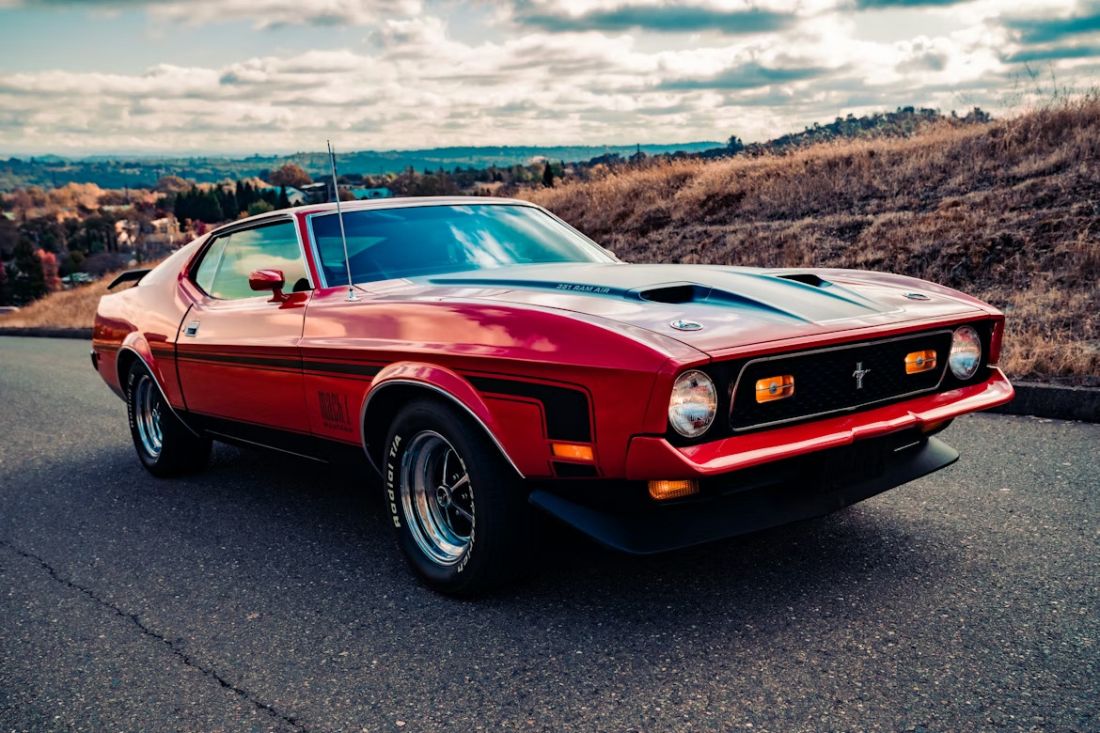
The Untold Story of the Ford Mustang’s Name
You know how some names just feel right? Like they were always meant to be there. “Ford Mustang” is one of those. Say it out loud and it rolls off the tongue. Short. Punchy. A bit wild. But here’s the thing. That name nearly didn’t make it past the meeting room. Back in the early 1960s, Ford wasn’t trying to make a legend. They were trying to fix a problem. Young people were bored with cars. Big, heavy saloons were everywhere, and they all looked like your dad’s company car stuck in traffic on the A6 through Stockport. Ford wanted something lighter, cheaper, and fun. Something that felt like freedom, even if you were just driving from Reddish into town.
Inside Ford, the project had a code name. Carolina II. Sounds nothing like Mustang, right? Early plans were all over the place. Some people wanted a small sports car with two seats. Others pushed for something practical enough to sell in big numbers. Arguments went back and forth, a bit like deciding where to eat on a Friday night in Manchester. Everyone had an opinion. Ford’s bosses knew the car needed a name that young drivers could stick on a bedroom wall. This was the age of pop music, jet planes, and speed. A dull name wasn’t going to cut it.
At Dace Motor Company, we see this sort of thing with used cars all the time. A badge matters. It carries a feeling. When someone walks onto our forecourt and spots a Mustang, even today, their face changes. Same car park. Same Greater Manchester weather. Different mood. But back then, nobody knew that yet. Ford was just hoping to build a car that didn’t sink. The wild part is how close they came to getting it wrong. Really wrong. Because for a while, Mustang wasn’t the favourite at all.
The Plane, the Horse, and a Bit of Confusion
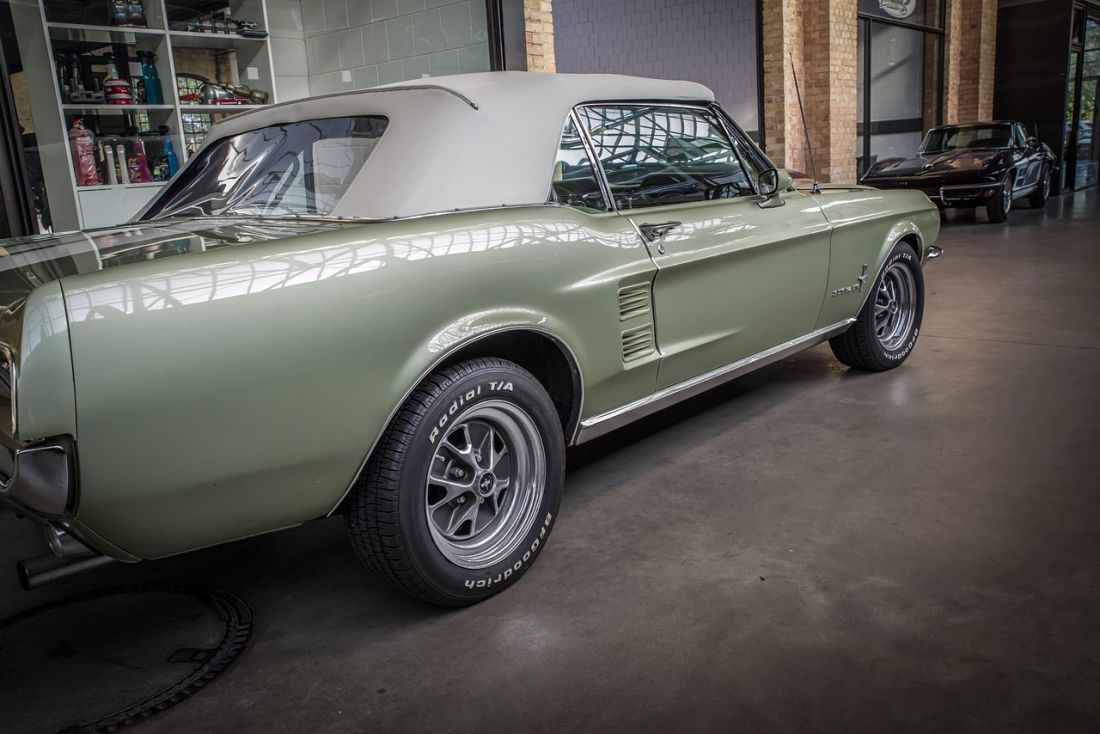
Ask ten people where the Mustang name came from and you’ll get ten answers. Most will say the horse. Makes sense, doesn’t it? Fast, free, strong, running across open land. That image fits the car like a glove. But the real story is messier. And more interesting. One of the key figures at Ford was Lee Iacocca. Big name. Big personality. He later said the car was named after the P-51 Mustang fighter plane from World War II. That plane was known for its speed and range. It helped turn the tide in the air. If you’re trying to sell a car in the Cold War era, tying it to a heroic aircraft wasn’t a bad move.
Here’s where it gets tangled. Some designers truly were thinking about the horse. Early sketches had running horse logos before the name was even locked in. Others inside Ford leaned hard into the plane idea. Even the badge caused debates. Do you show wings, like an aircraft, or muscles, like an animal ready to bolt? Ford never really cleared it up, and to be honest, they didn’t need to. The mystery helped. It let people decide for themselves. Horse lovers saw a stallion. Aviation fans saw aluminium and jet fuel dreams.
You see this same thing with buyers today. Someone from Eccles might tell us they love a Mustang because it reminds them of American films. Someone else says it’s the sound. Or the shape. Or the idea of cruising with the windows down, even though it’s raining sideways outside Tesco. The name soaks all of that up. Back in the 60s, Ford didn’t overthink it in public. They let the story breathe. And people filled in the gaps themselves.
The Names That Lost the Fight
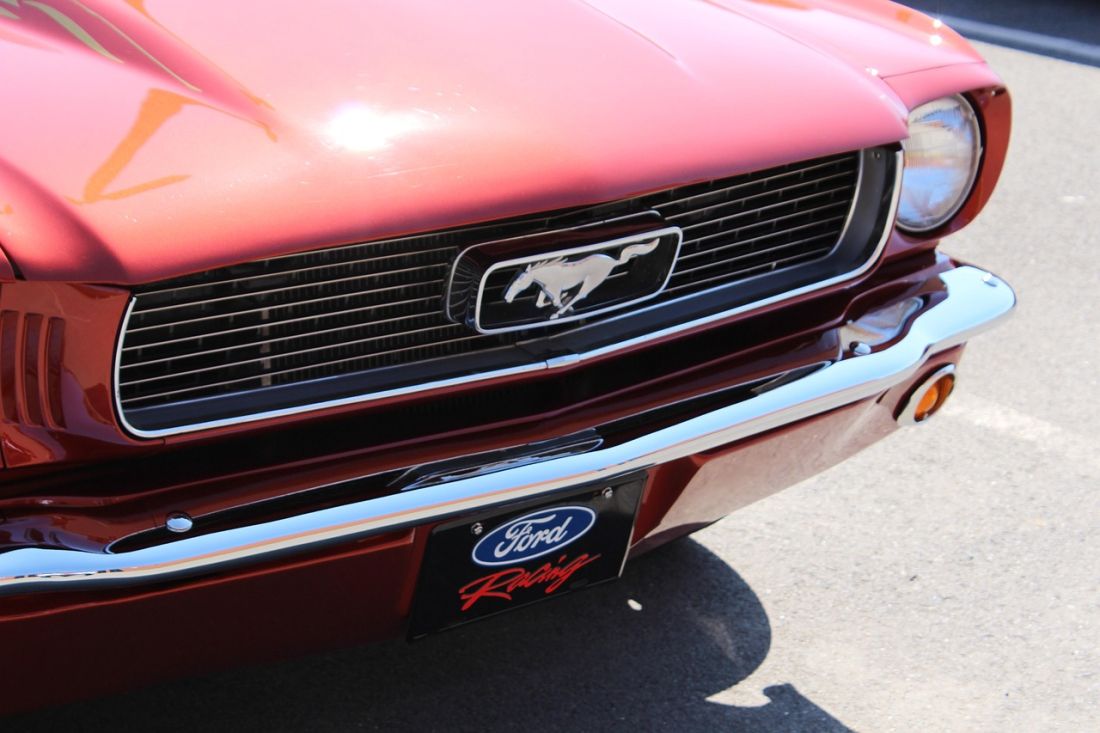
This is where it gets almost painful, especially if you love the Mustang as it is now. Ford had other names lined up. Real ones. Serious contenders. And some of them were… questionable. Cougar was high on the list. Ford Cougar. Not terrible, but it feels different. A bit sneaky. A bit sharp. Then there was Torino. That would later become a model on its own, but at the time it was floated for this new car. Too European sounding, some said. Too city-like. Others wanted Thunderbird II. That one came with baggage. The original Thunderbird was already out there, and tying the new car to it felt risky.
And then there’s the name Ford almost went with. Allegedly, it got very close. The car could have been called the Ford T-Bird II, full stop. Imagine that. No Mustang. No running horse. Just a sequel. That might have killed the whole vibe before it started. Young buyers didn’t want their parents’ leftovers. They wanted something that felt like their own thing. Something that could sit outside a cinema in Manchester city centre and draw a crowd.
At Dace Motor Company, we talk about this stuff with customers without even realising it. A name can pull you in before you even ask about mileage or service history. Say BMW M3. Say MINI Cooper. Same deal. Ford was staring at a list of names that were fine on paper and dull in real life. Mustang stood out because it sparked pictures in your head. Open roads. Noise. Speed. That did the heavy lifting. The others never stood a chance once people started saying Mustang out loud.
Germany, Paperwork, and the Name That Vanished
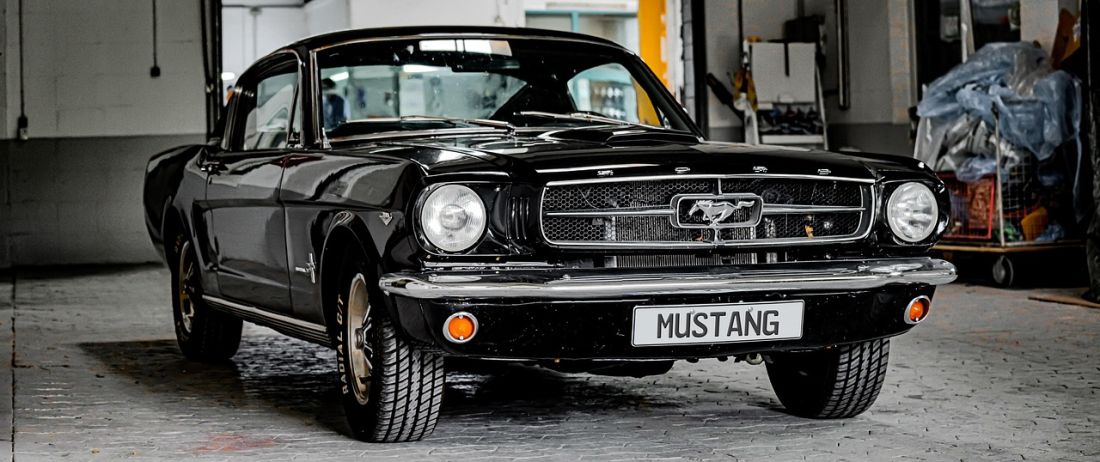
Here’s a bit that feels boring at first, but stick with it. It matters. When Ford launched the Mustang, they planned to sell it all over the place, including Europe. Problem was, in Germany, the name “Mustang” was already taken. A truck manufacturer had the rights. Legal stuff kicked off. Letters. Meetings. Headaches. Ford couldn’t use the Mustang name there, at least not straight away. So they did something odd. In Germany, the car was sold as the Ford T-5.
Same car. Same shape. Same noise. Different badge. Can you imagine walking into a showroom and seeing a T-5 instead of a Mustang? It feels like calling Old Trafford a different name. Just doesn’t sit right. Ford stuck with T-5 in Germany for several years until they finally sorted the rights. By then, people already knew what it really was. Mustang had travelled by word of mouth. Films. Magazines. Soldiers stationed overseas. The name leaked through anyway.
These things sound like small bumps, but they show how fragile the whole idea was. One legal snag and the Mustang legend might’ve been split in two. One name in America. Another elsewhere. At our showrooms around Stockport and Manchester, we’ve seen cars with odd history like that. Imports with different badges. Same metal. Different story. It adds character.
Once Ford finally secured the Mustang name in Germany, everything lined up. The horse was free to run everywhere. And from that point on, there was no stopping it.
April 1964 and the Shockwave
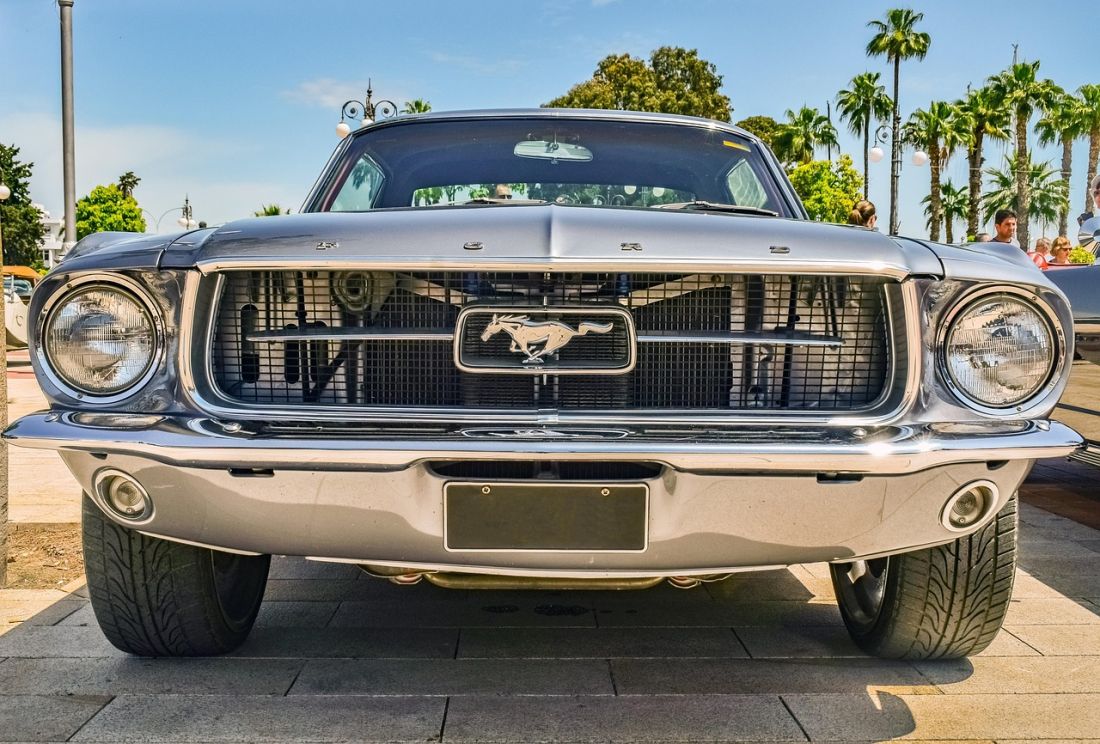
When the Mustang was shown to the public in April 1964, Ford expected interest. What they got was chaos. People packed showrooms. Sales staff worked themselves into the ground. Kids dragged parents in by the sleeve. In the first day alone, Ford reportedly sold over twenty thousand cars. Wrap your head around that. No internet. No live chat. Just excitement spreading from one conversation to another. Like a rumour moving through a school playground.
The name played a big part. Mustang sounded fast even if the engine wasn’t the biggest on offer. It felt affordable, even if you were stretching the budget. That mattered. This wasn’t a toy for the rich. It was a car for normal people who wanted something special. The badge helped you dream a bit bigger. And dreams sell cars.
We see that same reaction now, just quieter. Someone spots a Mustang on Greg Street at our Dace Car Supermarket and slows down. They might not even mean to. The car still does that. Fifty plus years later. You don’t get that staying power by accident. Names burn in slowly. Mustang stuck because it didn’t explain itself. It hinted. And people filled in the rest.
How the Name Kept Saving the Car
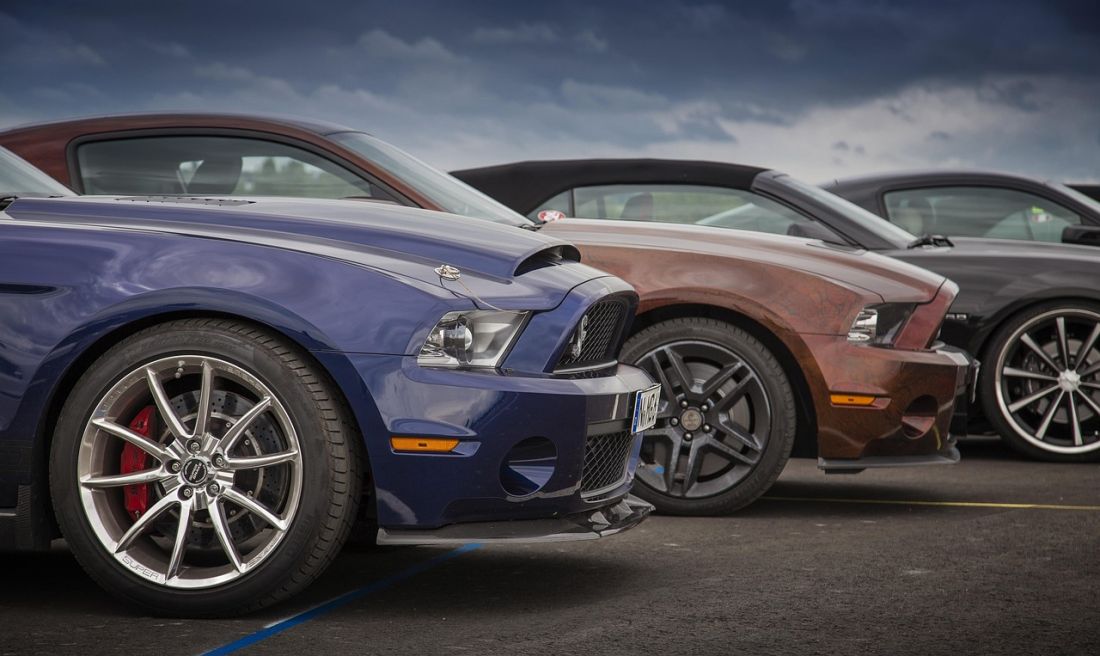
Here’s something people don’t say enough. The Mustang name has saved the car many times. There were rough years. Fuel crises. Rule changes. Shifts in taste. Some versions were… let’s be kind and say controversial. But the name kept the door open. Buyers were willing to forgive a lot because the badge promised something fun underneath.
Ford leaned into that. Every generation tried to reconnect with the idea of speed and freedom. Even when engines got smaller, or shapes changed, Mustang stayed Mustang. That counts for a lot. At Dace Motor Company, we’ve had customers look past scratches, miles, even colour, because the car felt right. The name whispered a promise. That’s powerful stuff.
The Mustang didn’t just rule American roads either. It found fans here in the UK, even if the roads are narrower and the weather’s moodier. Manchester drivers still turn their heads. It stands out from the sea of grey. And that goes back to the name. If it had been called Cougar or Torino, would it have lasted this long? Hard to say. But it feels less likely.
Why This Story Still Matters Today
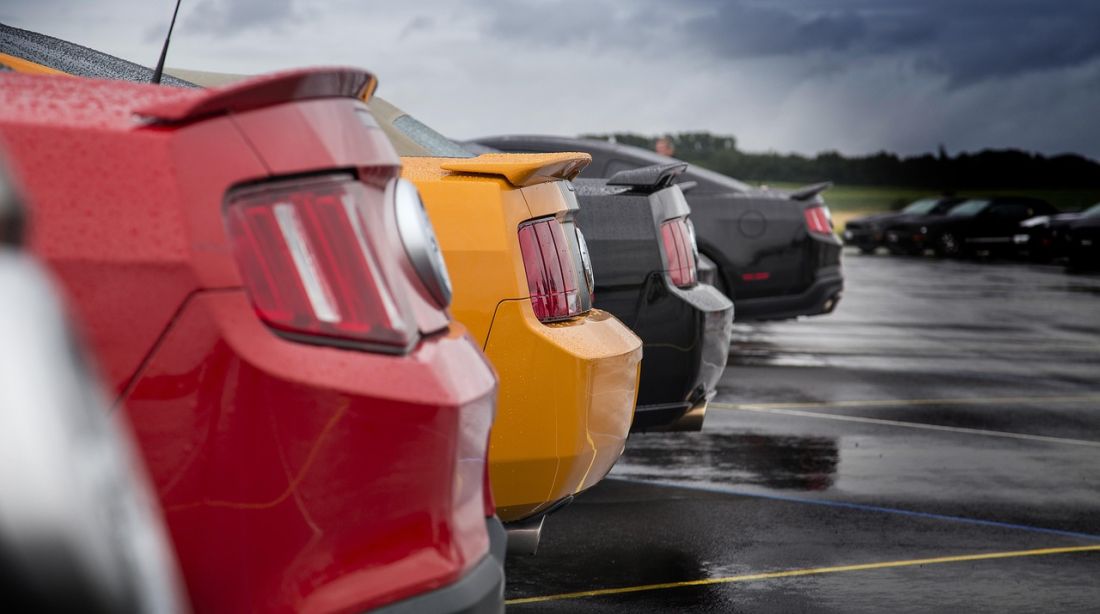
So why talk about all this now? Why does the untold story of a name matter when you’re just trying to pick a car that fits on your drive in Stockport? Because names shape expectations. They shape memories. They shape how we feel behind the wheel. The Mustang name didn’t come from one perfect idea. It came from debate, confusion, and a bit of luck. And that’s kind of comforting.
Cars aren’t born legends. They get there by surviving mistakes. The Mustang nearly missed its own name. Nearly wore someone else’s coat. And yet, here we are. Still talking about it. Still seeing people smile when one passes by. At Dace Motor Company, we love stories like this because they remind us that every car has layers. Metal, rubber, bolts, yes. But also decisions, arguments, and human moments behind the scenes. That’s the untold bit. And once you know it, you never hear the word Mustang the same way again.