


The Strangest Fuel Types Ever Tested in Cars
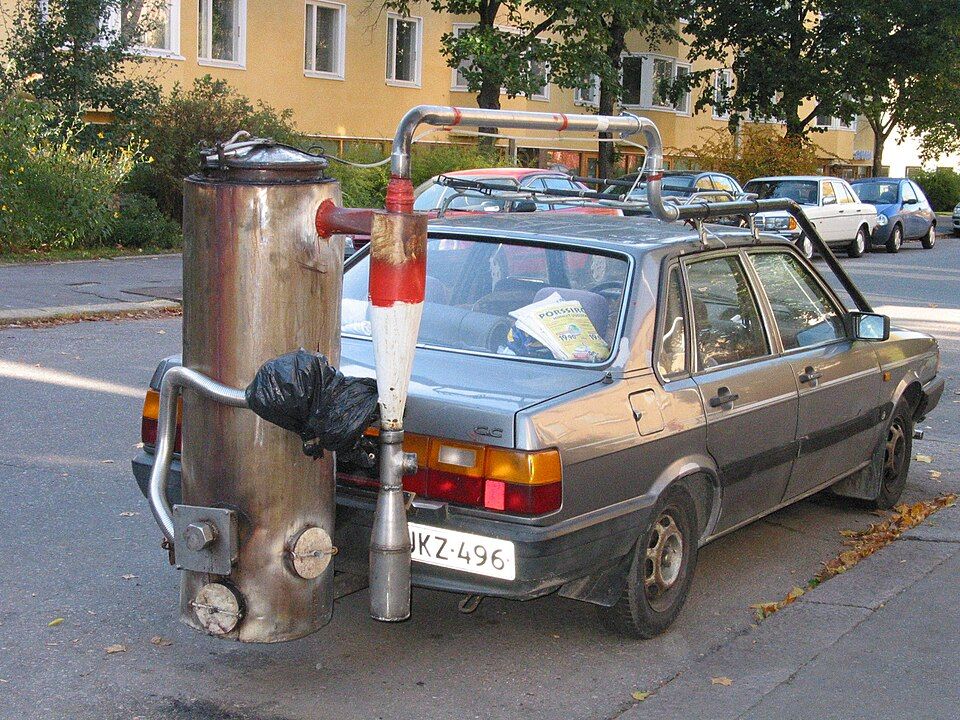
Image: A car powered by wood gas (Abc10, CC BY-SA 3.0, via Wikimedia Commons)
Today we’re going to take a fun and slightly wild ride through some of the weirdest fuel experiments ever done in cars. Picture this: driving around Stockport or Manchester and your car runs on… peanut oil, whisky leftovers, or even wood. Crazy, right? Buckle up.
Peanut Oil and Other Vegetable Oils
Let’s start with something surprisingly sensible. Way back in 1900, Rudolf?Diesel (yes, the same Diesel whose name your engine might bear) had an engine that ran on peanut oil. Here’s the thing: he didn’t invent the modern diesel fuel we buy at the pumps today-he built an engine that could work with different oils. Some accounts say at the 1900 World’s Fair (in Paris) a diesel engine ran “wholly on peanut oil”.
In those days petrol (or gasoline) wasn’t always the automatic go-to, so trying vegetable oils made sense. Over time the engine designs changed, petroleum took over, and vegetable oils became more niche.
Fast-forward to more recent times: people who like to tinker have converted diesel cars to run on used cooking oil or other veggie oils. It’s not super mainstream, but it shows how flexible early engine ideas were.
Why this matters for you:
If you’re browsing for a used car at Dace Motor Company (in Stockport) and you wondered “can I convert this to run on something weird?”, this one shows the idea has been around for over a century. That said, every time you consider alternative fuels you need to think about maintenance, warranty, and local fuel supply. At Dace we check every vehicle carefully (HPI checked, etc.) so if someone told you “I modified this to run on cooking oil”, you’d want full proof and documentation.
What’s the catch:
Vegetable oil (or converted versions) usually need modifications. They may thicken when cold (yep, Manchester winters you’ll feel that!). Also, older engines might handle weird fuels better than modern ones. And warranties? They might be voided or complicated.
Wood Gas / “Producer Gas” (Cars Running on Firewood)
Now this one’s bonkers in a cool way. Imagine your car has a barrel or box filled with chopped wood or charcoal, which makes gas, and that gas powers the engine. That’s essentially the idea of wood gas (sometimes called producer gas).
During World War II, petrol was scarce in many parts of Europe, so lots of vehicles got converted to run on wood gas. According to sources, at one point there were over one million wood-gas vehicles during the war.
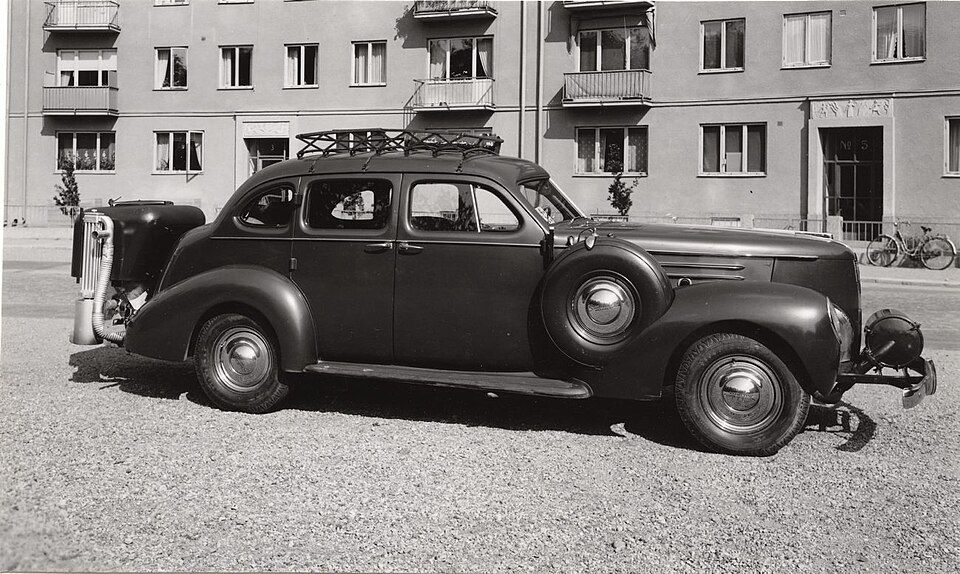
Image: 1939 Studebaker Commander with gas system by Tekniska museet, CC BY 2.0, via Wikimedia Commons
Here’s how it worked (explained simply): you burn wood/biomass in a controlled way (limited oxygen) so you get a mixture of gases (carbon monoxide, hydrogen…) which you feed into the engine instead of petrol. It’s slower, less powerful, but it works.
What this could mean for you:
If you’re in Manchester and thinking “could I use local wood or something weird?”, the technology shows humans have been creative when needed. But converting a modern used car (like the ones at Dace in Stockport or Manchester) to wood gas today would be highly impractical: bulky equipment, major modifications, and local regulations.
Quick reality check:
- Performance is lower (less “oomph” when you step on the accelerator).
- The gasifier takes up space (not great for everyday used cars).
- Fuel is bulky and messy: you need logs or charcoal, a conversion kit, a gas cooler, filters.
- Modern cars are designed for petrol/diesel or now electricity/hybrids - going back to wood gas is more of a novelty or survival tech than mainstream.
Whisky Waste / Biobutanol from Distillery Leftovers
This one’s almost poetic for a British setting. Scotland has a rich whisky industry, and a company called Celtic?Renewables?Ltd. has developed fuel from whisky by-products (the stuff left over after making whisky, like draff and pot ale).
Yes, someone basically used the leftovers from whisky production and made a fuel that could power a car. The fuel is called biobutanol. The test drives reportedly felt just like petrol.
Why this strikes a chord locally:
Since we’re in the UK, and many folks like the idea of sustainability, it’s a neat example of “someone used what we throw away and turned into fuel”. If you popped into one of our Dace sites (Stockport, Eccles) and asked the salesman about “could I ever run my car on whisky fuel?” you’d get a smile. Probably not practical yet for everyday use - but interesting.
But the obvious: what about cost & practicality?
You can’t just slosh whisky from your local pub into the tank. This is refined, processed, and currently niche. Also you’ll want to know how it affects warranty, servicing, emissions, and resale value (especially if you’re buying a used car). With Dace Motor Company we always check used vehicles thoroughly - conversions or non-standard fuels complicate things.
Coal Dust, Powdered Biomass & Other Solid Fuels
Now here’s where things get downright weird. Back in early engine history, there were attempts to make internal combustion engines that ran on mixtures of powdery fuels like coal dust, resin, biomass dust. For example, the French inventors Nicéphore?Niépce and Claude?Niépce built an engine called the Pyréolophore that ran on “controlled dust explosions” of coal dust + resin.
Later on, in the 1980s/90s, companies considered car turbines or engines using pulverised coal or coal dust as a way to reduce dependence on oil.
Imagine that: you’re driving past the Trafford Centre and your “fuel” is a bag of coal dust? Wild.
Why this didn’t catch on for everyday cars:
- Very abrasive: dust destroys injector nozzles, cylinder walls.
- Messy, heavy equipment required.
- Emissions regulations got stricter and made fossil-dust fuels unattractive.
- Modern petrol/diesel infrastructure is just far simpler.
For a used car buyer at Dace Motor Company: if someone claims their car was converted to run on coal dust or biomass dust - you’d want major proof, check for bespoke modifications, and probably walk away unless you’re doing it for novelty. Most of our stock is standard petrol/diesel/hybrid – reliable, well-documented, fully HPI checked.
Turbine Engines That Could Run on “Anything”
Here’s a story: the Chrysler?Turbine?Car from the 1960s (yes, actual production prototypes) had a turbine engine (rather than the usual piston engine) and could reportedly run on many fuels including peanut oil, kerosene, even perfume.
Crazy details: the engine could burn unleaded gasoline, diesel fuel, kerosene, and vegetable oil. Chrysler claimed “the turbine could gulp everything from peanut oil to Chanel No. 5 perfume”.
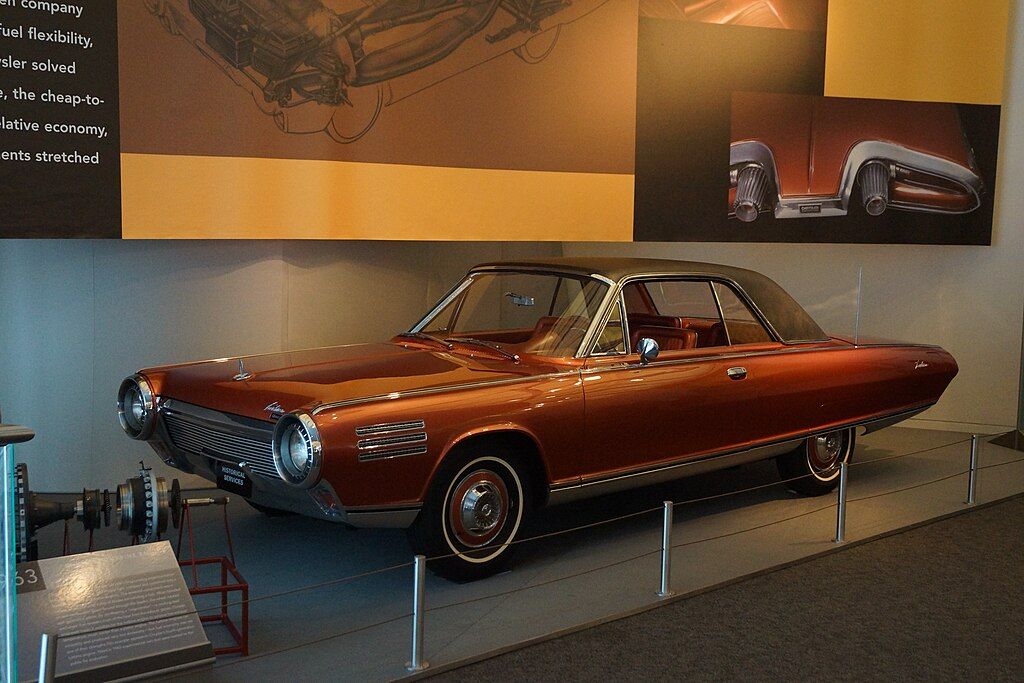
Image: 1963 Chrysler Turbine by Greg Gjerdingen from Willmar, USA, CC BY 2.0, via Wikimedia Commons
Why am I telling you this? Because it shows the lengths manufacturers (and engineers) have gone to experiment with alternative fuel types. And when you’re buying a used car at Dace in Manchester or Stockport, even if you pick a normal petrol or diesel car, it’s cool to know what’s out there.
Lessons for you as a buyer:
- Unusual fuel conversions or prototypes might look cool but can mean higher risk (parts hard to find, servicing tricky, resale value uncertain).
- If you see a “special car” claiming weird fuel ability, check history, service records, modifications.
- At Dace Motor Company we specialise in used cars of known make/models (Alfa Romeo, Audi, BMW, Toyota, etc) with standard fuel systems. That means fewer surprises for you when you drive off into Manchester traffic in your new purchase.
What Does This All Mean for You
Let’s bring it back to your real-life car search. You’re browsing used cars at Dace Motor Company (maybe at Greg Street in Reddish, or Manchester Road, or Eccles). Here are some friendly pointers:
- Whether you pick a small hatchback or a luxurious SUV, standard fuel systems (petrol, diesel, or standard hybrid/electric) are simpler, cheaper to maintain, and easier to resell.
- If someone mentions a car has been “modified to run on vegetable oil” or “wood gas”, ask for full documentation: who did it, what parts changed, how service is handled.
- Warranty matters: Dace offers their in-house warranty (not a third-party) which is a big plus. If a fuel system is heavily modified, you’ll want to check what the warranty covers.
- Fuel availability: weird fuels (wood gas, coal dust) might be fun, but where do you fill up? In Manchester or Stockport you’ll find petrol/diesel easily. Anything more exotic means you’ll need to source fuel yourself.
- Resale value: when you eventually sell or trade-in your car, conventional fuel cars tend to attract more buyers. If you pick a quirky fuel system you might limit your buyer pool.
- For peace of mind: every car at Dace is HPI checked (they check stolen status, outstanding finance, write-off history). So you’re getting a clean base layer of trust. If any fuel conversion exists, it should be part of the record.
Why We Love Talking About Odd Fuels
Hey, we’re car people. At Dace Motor Company we’ve seen all sorts of cars over 25 years in Stockport and Greater Manchester. We’ve seen those that are standard, classy, smooth, and those that are weird and wonderful. Talking about strange fuels is fun because it reminds us that cars are more than just what we see every day on the M60 or A6. Cars are inventions, experiments, stories.
When you’re choosing your next used car – maybe a Kia, a Mercedes-Benz, a Ford or Toyota – knowing a bit of automotive history helps you ask better questions. “Has this car ever been modified?” “What fuel system does it use?” “Who serviced it?” You’re in a stronger position when you know the weird stuff exists.
And in Manchester/Stockport, where we’ve got a mix of urban roads, motorway trips, and rural escape drives – you want something reliable. So while you might be curious about alternative fuels, you’ll likely pick something tried-and-tested.
Some Fun Fuel Trivia to Share at the Pub
Because you probably like weird facts, here are a few good ones to drop while you’re waiting for your coffee near Piccadilly or walking past Stockport Viaduct:
- The first version of the diesel engine did run on peanut oil (or at least demonstrated that possibility).
- During WWII, whole fleets of cars in Europe were running on wood gas (yes, firewood in the design).
- In Scotland, leftover whisky stuff (draff, pot ale) has been turned into a fuel that could run a car.
- Engineers have tried engines that burn coal dust or biomass powder – not on your local high street, but in labs and prototypes.
- The Chrysler Turbine Car could run on a huge variety of fluids (including some odd ones) but for all its promise, it didn’t become our go-to car for Manchester traffic.
So… What’s the Weirdest Fuel For Your Next Car?
If you’re thinking of buying a used car from Dace Motor Company, and you’re wondering: “Could I go weird?” The answer is: yes, theoretically. But practically, day-to-day driving in Stockport or Manchester means you’ll be best off sticking to regular fuel systems. If you really want something alternative (say bio-diesel, or hybrid/electric), ask lots of questions. How was it modified? Who maintains it? What’s the servicing cost? Dace’s team know the local area, know the roads, know what people need – so they’ll guide you. But if your priority is “reliable, good value, simple”, then a regular petrol/diesel car from one of the brands you’ll find at Dace (Audi, BMW, Honda, Toyota, etc) is probably your best bet.