


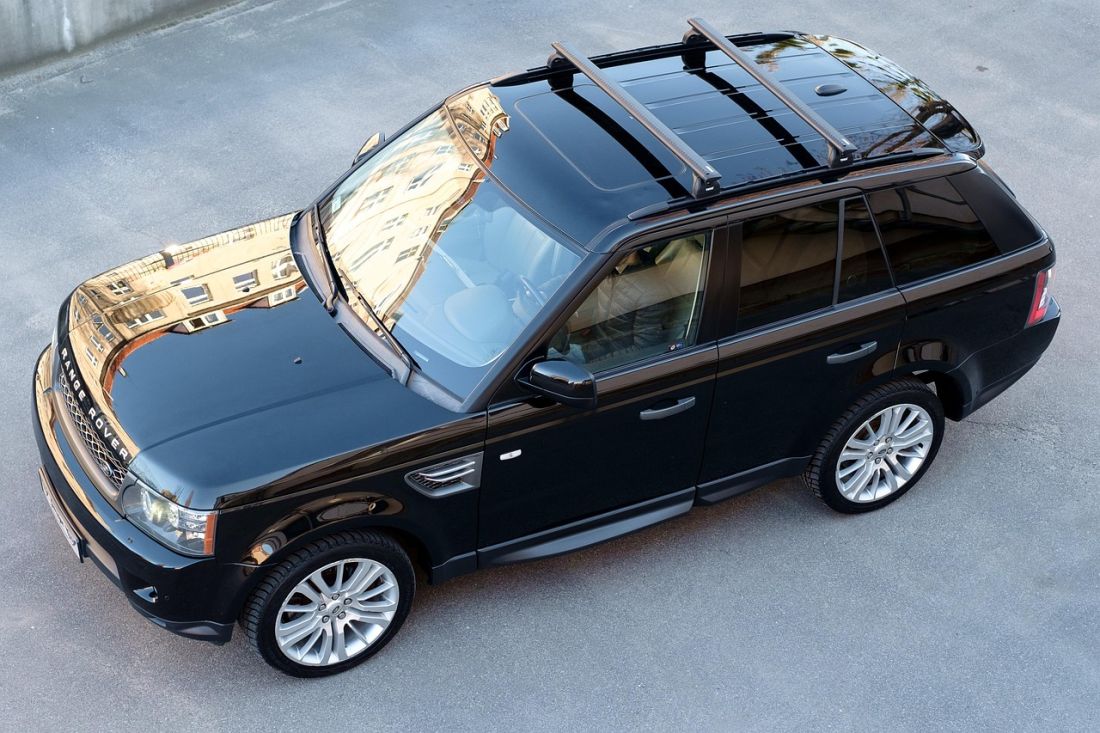
The Story of the Range Rover: From Utility Vehicle to Luxury Benchmark
At Dace Motor Company, we meet plenty of people who like the idea of a Range Rover, even if they’re still figuring out which one fits their life best. And you can see why. A Range Rover has that rare thing some cars just have. It looks right outside a nice hotel, outside a football ground, or parked up after a muddy weekend in the Peaks. But the funny bit is this: that polished image was never the starting point. Land Rover itself grew out of a much tougher, more work-focused past. JLR says the brand first appeared at the Amsterdam Motor Show in 1948, and that early Land Rover was a utility vehicle built for hard use and adventure.
Then, in 1966, work began on what would become the first Range Rover, known inside the company as the “100-inch station wagon.” Charles Spencer King said the idea was to blend the comfort and road manners of a Rover saloon with the off-road ability of a Land Rover. Geof Miller later said it was meant to be a premium leisure vehicle, but “not really a luxury vehicle.” That little detail matters because it tells you a lot about the Range Rover story. Luxury did not arrive first. Capability did. The comfort and status came later, almost like the car grew into them as the years rolled on. That’s part of why the Range Rover still feels different now. It wasn’t born as a shiny pose-mobile. It started life trying to solve a problem. How do you make one vehicle that can slog through muck, cruise on the road, and still feel good to sit in? Back then, that was a bold idea. These days, it sounds normal. That’s because Range Rover helped make it normal.
How the Range Rover Built Its Tough Reputation
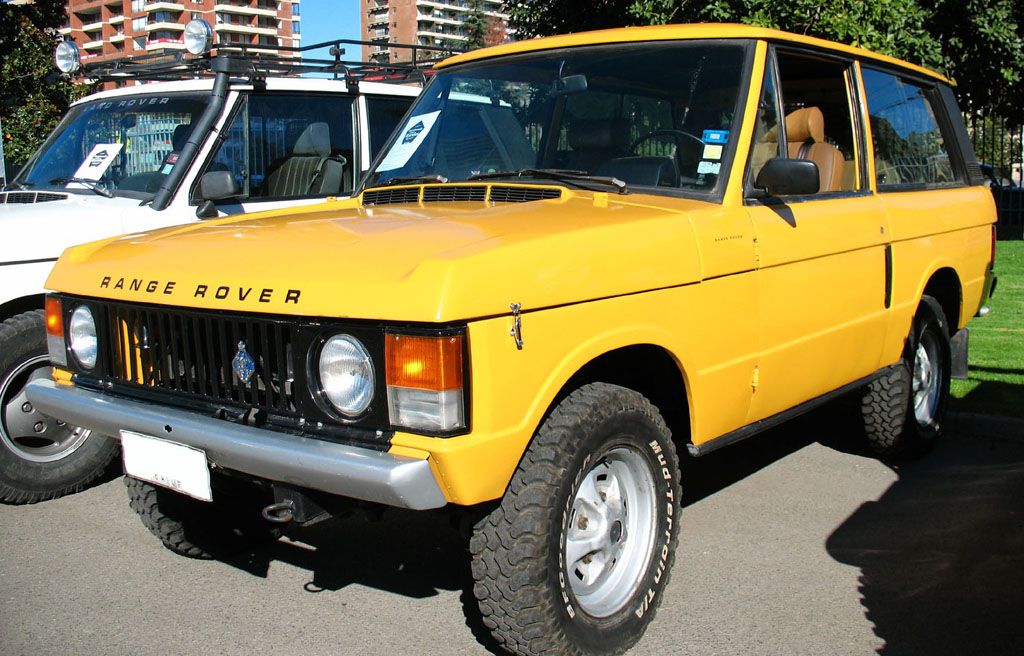
Photo: 1979 Land Rover Range Rover order_242 from Chile, CC BY-SA 2.0, via Wikimedia Commons
When the first Range Rover went on sale on 17 June 1970, it really did feel like someone had shuffled the pack. The original model was a two-door, which feels strange now because most people picture a big family 4x4 with plenty of rear-seat space. But the bones were there from day one. Land Rover says the first model came with a lightweight aluminium V8 engine, full-time four-wheel drive, and disc brakes all round. It also used coil springs front and rear, something Charles Spencer King pushed for because he wanted more comfort on the road without wrecking the car’s off-road ability.
Land Rover later described the Range Rover as the first sport utility vehicle to feature a permanent four-wheel-drive system, and as the first vehicle that felt as good on the road as it did off it. That might sound like normal car-maker chest-thumping, but if you stop and think about the market in 1970, it really was a fresh idea. A lot of 4x4s back then felt like tools first and road cars second. The Range Rover had a different mood. You could imagine it on a farm track, sure, but you could also imagine it rolling through town without the driver feeling like they were wrestling a tractor. And that mix, comfort with proper grit, is the whole point of the Range Rover story. It did not become famous because it was soft. It became famous because it brought a softer, calmer feel to a type of vehicle that had been rough around the edges for years. Think of it like a pair of expensive walking boots that can still get caked in mud and keep going. That’s a big part of the magic.
From Workhorse to Everyday Family 4x4
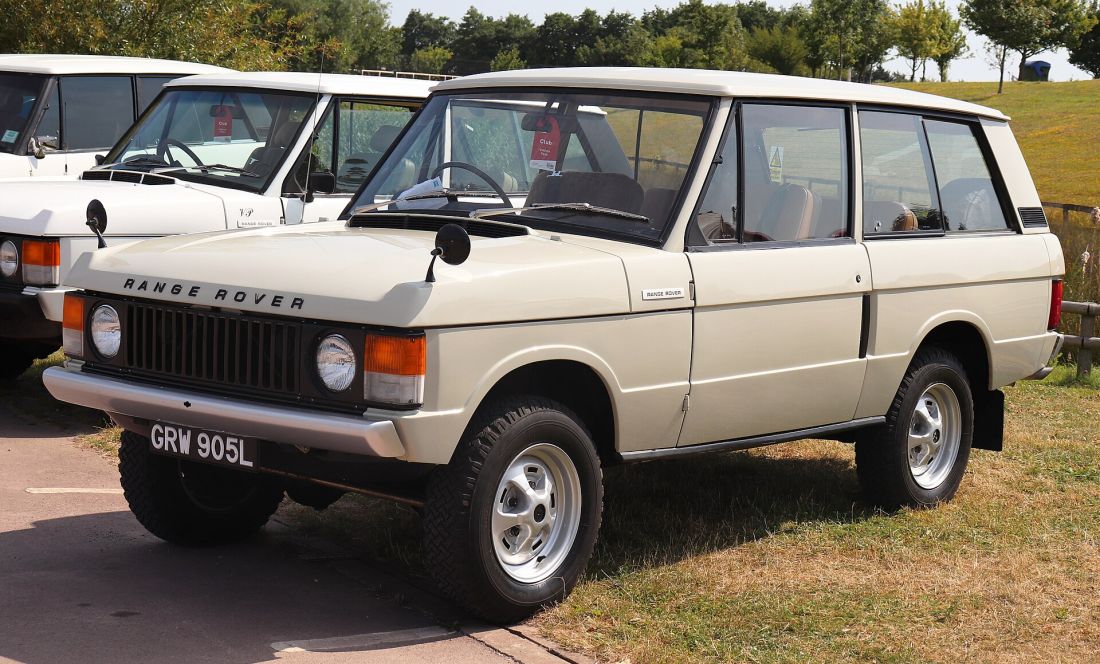
Photo: 1973 Land Rover Range Rover by Vauxford, CC BY-SA 4.0, via Wikimedia Commons
The next bit is where the Range Rover really started building its legend. A car can launch with clever ideas and still fade away. Loads do. But the Range Rover kept proving itself in public, and that matters. In 1971, Land Rover says it received the RAC Dewar Award for technical achievement, and the same era also saw the original Range Rover become the first vehicle displayed at the Louvre in Paris as a piece of industrial design. That’s wild when you think about it. One minute you’ve got a machine with serious rough-ground ability, the next it’s being treated like design art. Then came the big adventures.
In 1972, the Range Rover became the first vehicle to cross the Darién Gap on the British Army Trans-America expedition. In 1974, it completed a west-to-east Sahara expedition of 7,500 miles in 100 days. In 1977, a modified Range Rover won the 4x4 class in the London-Sydney Marathon. In 1979, and again in 1981, a Range Rover won the Paris-Dakar rally. That run of events did something huge for the badge. It told people this wasn’t a soft machine dressed up for show. It could still do the hard stuff, the scary stuff, the sweaty-palm stuff. And here’s the clever bit. Because it was also cleanly styled and nicer to drive than many old-school off-roaders, it could build a reputation in two places at once. One foot in the wild. One foot in the city. That split personality became the whole appeal. You can see why drivers around Manchester and Stockport still warm to that idea. Rain, potholes, school runs, motorway miles, a weekend out into Derbyshire. Real life asks for range, if you’ll pardon the pun. The Range Rover started proving it had that range almost from the start.
When Luxury Became Part of the Plan
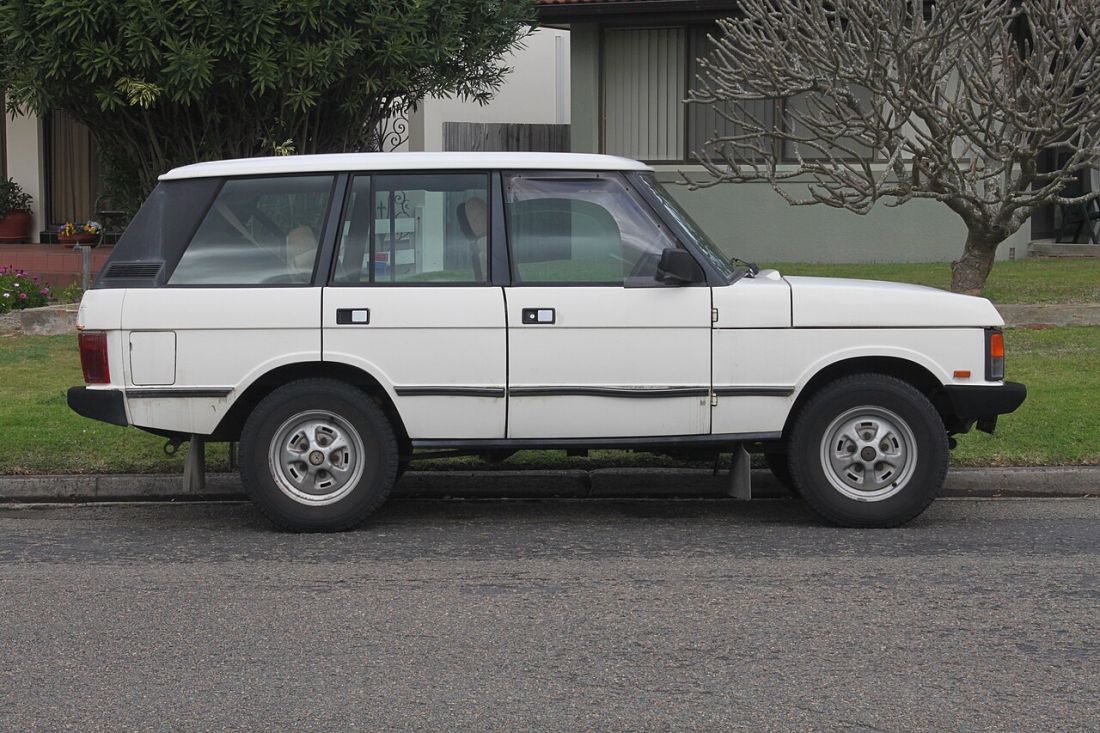
Photo: 1987 Land Rover Range Rover by Jeremy from Sydney, Australia, CC BY 2.0, via Wikimedia Commons
By the 1980s, the Range Rover had done enough heroic stuff to win respect, so the next question was simple. Could it get easier to live with every day? The answer was yes, and this is where the luxury side really starts to come into focus. In 1981, Land Rover brought out the first production four-door Range Rover. The same year also saw the first factory limited edition, called the “In Vogue.” That name tells you a lot. It doesn’t sound like a farm gate, does it? It sounds like a fashion statement. In 1982, automatic transmission arrived. In 1985, the diesel-powered “Bullet” Range Rover broke 27 speed records.
In 1987, the Range Rover finally launched in North America. Then, in 1989, it became the first 4x4 fitted with anti-lock brakes. So the story in this decade is not just “it got posher.” It got broader. More family-friendly with the four doors. Easier in traffic with the automatic. Better at crossing big markets with the North American launch. Safer and more advanced with anti-lock brakes. The car was no longer just a clever British idea. It was turning into a proper global luxury 4x4. And, to be honest, this is the point where the Range Rover really started to look like the thing we know now. If you picture one gliding through town on a wet evening, headlights bouncing off the road, that feeling has roots in these years. It stopped being a vehicle people admired from a distance and became one they could picture living with. You could take the kids out, head up the M60, pull into a smarter postcode, then go away for the weekend without changing cars. That was a big deal then, and it still is now.
The Years That Turned Range Rover into a Global Status Car
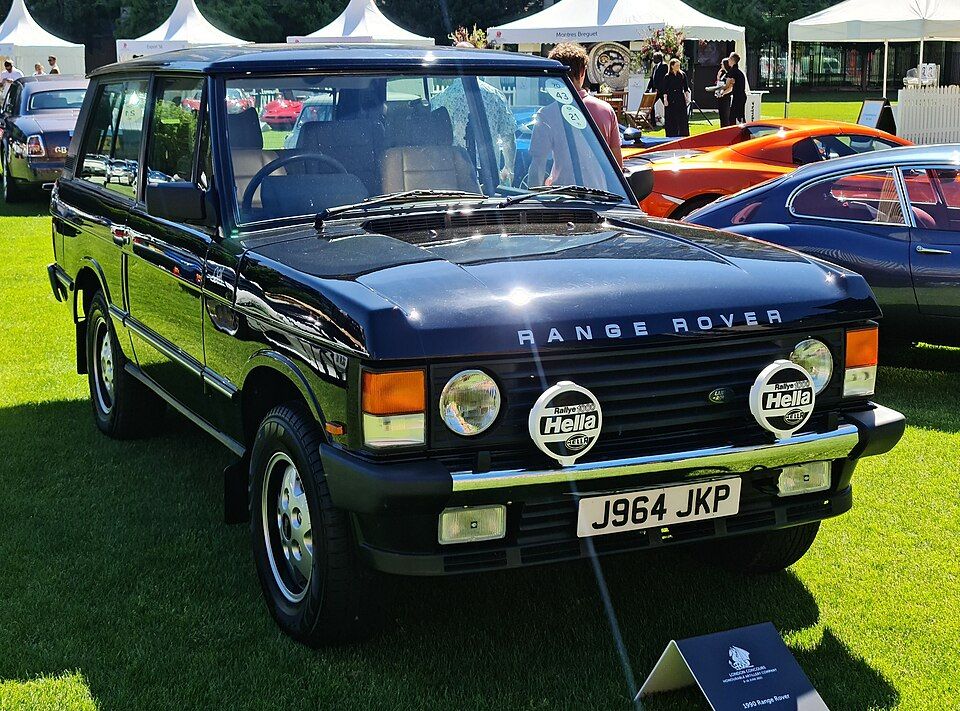
Photo: 1990 Land Rover Range Rover by MrWalkr, CC BY-SA 4.0, via Wikimedia Commons
The 1990s pushed that idea even further, and this is where luxury stopped feeling like a side effect and started feeling baked into the plan. In 1992, the Range Rover became the world’s first 4x4 fitted with electronic traction control and automatic electronic air suspension. Land Rover also launched the long-wheelbase LSE that year, giving the car a more stretched-out shape and a more limo-like feel for passengers. If the 1980s made the Range Rover easier to own, the early 1990s made it feel properly advanced. Electronic traction control meant smarter grip. Air suspension meant the car could change its ride height and keep that smooth, composed feel people had started to expect. Then, in 1994, the second-generation Range Rover, the P38A, arrived.
Land Rover describes it as having a long-wheelbase chassis, a re-styled semi-monocoque body, and upgraded electronic air suspension. That might sound a bit technical, but the simple version is this: it moved the Range Rover further away from the stripped-back utility style of old Land Rovers and deeper into the luxury 4x4 lane it had basically created for itself. The original Classic finally bowed out in 1996 after total production of 317,615 units, which is a solid run for something that started as a bold idea in the mid-1960s. What makes this stage so important is the confidence of it. Land Rover was no longer testing whether a plush, capable 4x4 could work. It already knew it could. Now it was refining the formula and making the gap wider between the Range Rover and most of the field chasing it. By this point, the car had gone from “that clever off-roader with a nicer ride” to “that high-end 4x4 people really aspire to own.” That’s a massive shift, and it happened step by step, not overnight.
How the Range Rover Family Grew
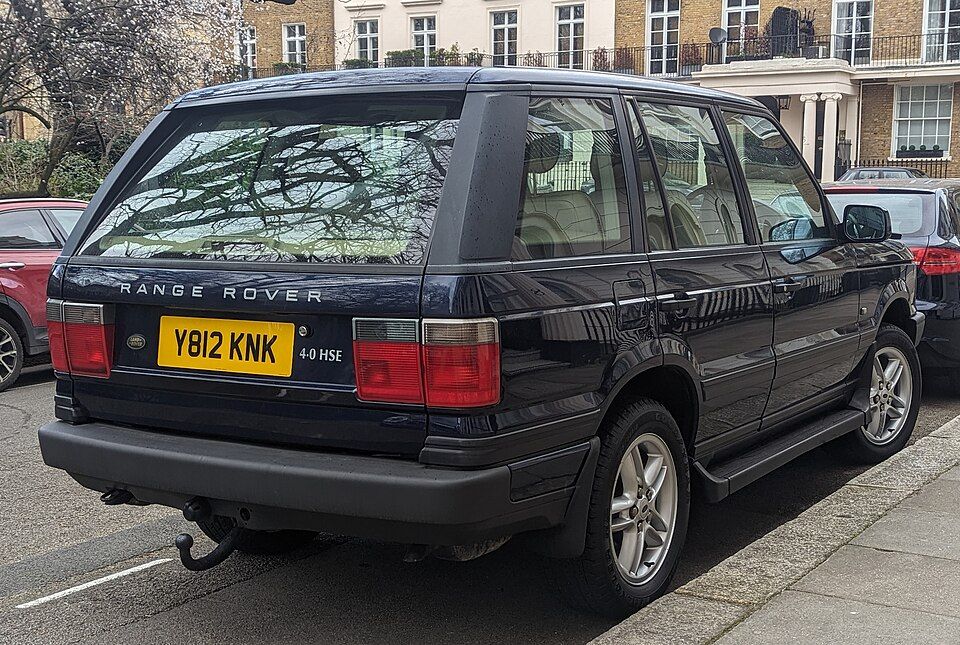
Photo: 2001 Range Rover HSE by Calreyn88, CC BY-SA 4.0, via Wikimedia Commons
Then came the 2000s, and this was the era when the Range Rover became part of a bigger family and a bigger luxury car conversation. In 2001, the third-generation Range Rover, known as the L322, arrived. Land Rover says it launched with all-round independent air suspension, which helped keep that lovely wafting ride people talk about. It was bigger and roomier too, and the design still carried the main Range Rover shape cues, which matters because the model never lost sight of itself. In 2005, the Range Rover Sport joined the line-up, giving the brand a more driver-focused option.
Around the same time, Land Rover introduced Terrain Response to the Range Rover, another sign that the company was keen to keep the off-road side alive even as the cabin and image went upmarket. The business story changed as well. Britannica notes that BMW bought Rover in 1994 and sold the Land Rover brand to Ford in 2000. Then, in 2008, Tata Motors acquired Jaguar Land Rover from Ford for $2.3 billion. These ownership changes were big, but the Range Rover kept its identity through all of them, which says a lot about how strong that identity had become. Some cars feel different every time a company changes hands. Range Rover didn’t. It stayed British in feel, rooted in Solihull, and kept chasing the same idea: comfort, presence, and true go-anywhere ability in one package. That’s probably why the car stayed desirable through a decade when the idea of a luxury 4x4 went from niche to mainstream. Suddenly loads of brands wanted a slice of that market. But Range Rover had the backstory, and that counts for plenty. It had earned its place the hard way.
Why Range Rover Still Sets the Benchmark
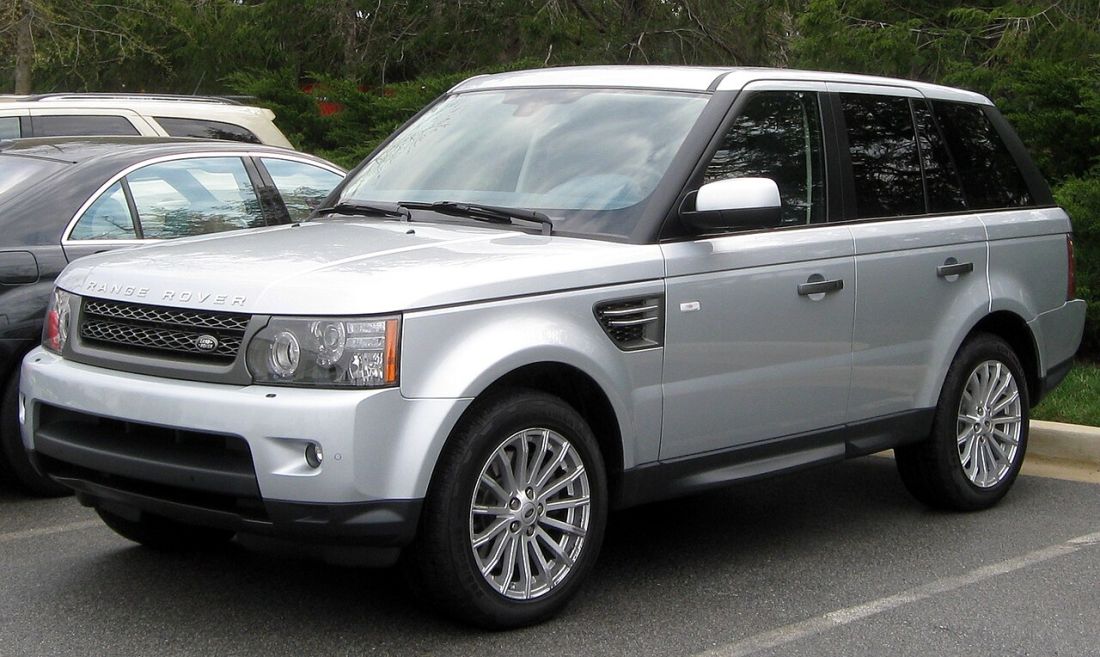
Photo: 2011 Range Rover Sport by IFCAR, Public domain, via Wikimedia Commons.
The 2010s really hammered home just how big the Range Rover idea had become. In 2011, the Evoque went on sale, bringing the badge to a smaller, more urban car. That was a clear sign the company knew the Range Rover name had moved well beyond one big flagship 4x4. Then, in 2012, the fourth-generation Range Rover, the L405, landed as what Land Rover called the world’s first all-aluminium sport utility vehicle, with a weight saving of about 700 pounds compared with the model before it. Lighter weight helped with efficiency, ride, and handling, but the bigger point was what it said about the car’s direction. It was still meant to be hugely capable, yet now the engineering had a cleaner, more modern feel. In 2017, the Velar arrived as the fourth member of the Range Rover family.
That was a nice bit of history looping back on itself, because “Velar” was the secret name used for 26 early pre-production Range Rovers in the 1960s, chosen to hide what the engineers were really working on. And then in 2021 the latest Range Rover brought in a new platform, plug-in hybrid power, and for the first time a seven-seat option. Official Range Rover and Land Rover material also shows the brand moving into fully electric territory, with Range Rover Electric prototypes in testing and official waiting-list pages already live. So the big picture is clear. The Range Rover never stood still for long. It went from one original model into a family. From V8-only old-school muscle into plug-in hybrid versions and electric plans. Yet the core idea still feels familiar. Calm cabin. Serious capability. Big sense of occasion every time you open the door.
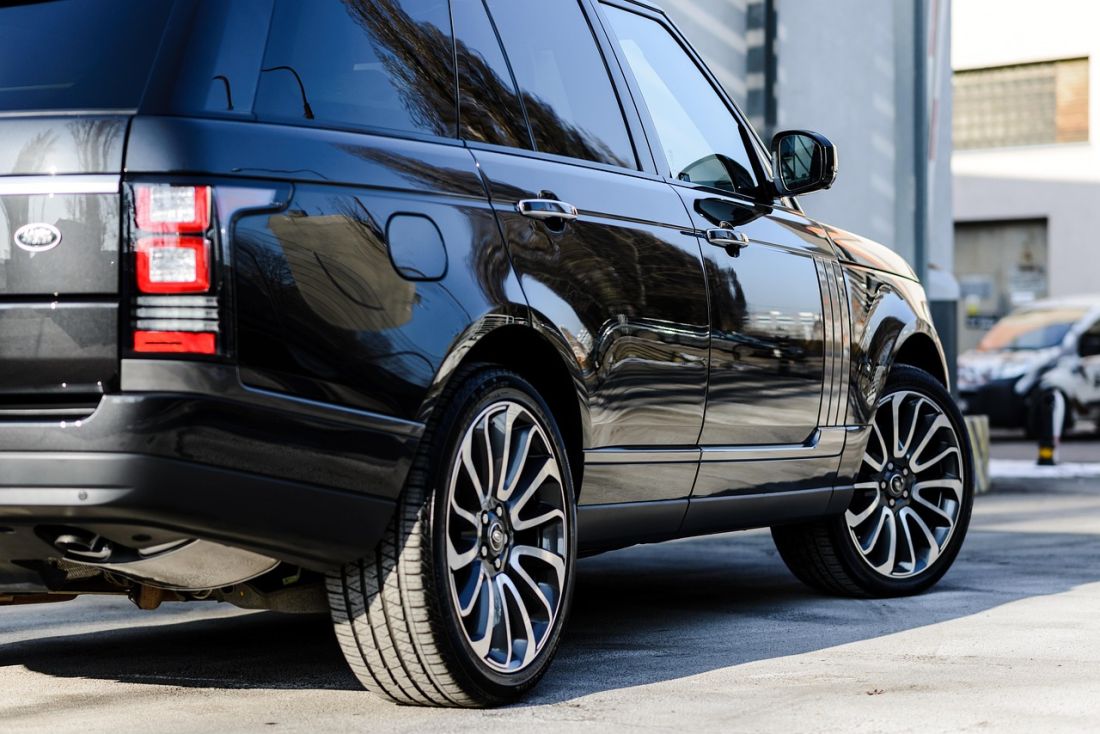
So why did the Range Rover become the luxury benchmark? I think the answer is pretty simple, even if the car itself became very fancy. It never gave up the tough part. That’s the secret sauce. Loads of luxury cars feel nice. Loads of 4x4s can slog through bad weather. Range Rover built its whole name on doing both at the same time, and Land Rover itself has called it the original luxury sport utility vehicle and a benchmark for luxury 4x4s. That matters because people can spot a fake pretty quickly. If a car looks expensive but feels flimsy, people know. If it can handle a rough lane but feels grim on the road, people know that too. The Range Rover built trust by proving itself again and again, from the Darién Gap to Paris-Dakar, from anti-lock brakes in 1989 to air suspension in 1992, from aluminium construction in 2012 to today’s hybrid and electric push. And you can see why that still lands with drivers around Greater Manchester and Stockport.
Real life here isn’t a car advert. It’s rain on a dark school run. It’s tram lines, roundabouts, crowded car parks, bags in the boot, and the odd escape out past Marple, Glossop, or into the Peaks when you need a bit of space. A Range Rover suits that sort of mixed-up life because it was built on mixed-up talent. Smart and muddy. Plush and practical. Fancy, yes, but never meant to be useless. That’s why the story still grabs people. And that’s why, even now, a used Range Rover still gets that second look on the forecourt. It carries all those years with it. You’re not just looking at a car. You’re looking at five decades of a very stubborn idea, and a very good one.