


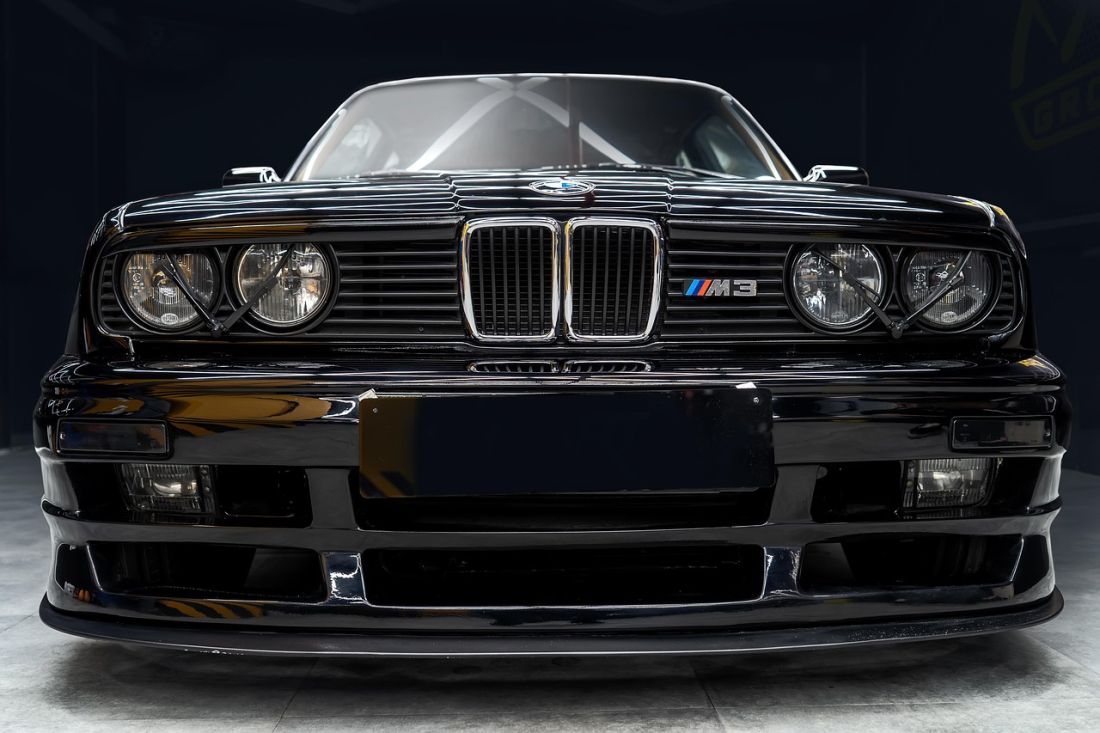
The Story of the BMW E30: How It Became One of the Most Loved BMWs Ever
At Dace Motor Company, we spend a lot of time talking about cars people buy for real life. Cars for the school run, the commute into Manchester, the trip down the A6, the stop at the shops in Stockport when it’s drizzling again and you just want to get parked without any drama. But every now and then, a car comes up that gets people talking in a different way. Not just about price, spec, or boot space. About memories. About feeling. About what made it special. The BMW E30 is one of those cars. It was the second generation of the BMW 3 Series, launched in 1982, and on paper it was meant to do a pretty normal job. It had to follow the first 3 Series, bring in new buyers, and keep BMW moving in the right direction.
That sounds simple enough, but the E30 ended up doing much more than that. BMW’s own archive says the E30 came in a wider mix of versions than the brand had offered before in this part of its range, and by 1991 it had sold more than 2.3 million units, breaking the company’s earlier sales records. That alone tells you it was a hit. But sales figures don’t explain why people still speak about it with a grin. Loads of cars sell well and then fade away. The E30 didn’t. It stayed in people’s heads. It stayed on bedroom posters. It stayed in family stories. It stayed in the kind of chat you hear outside a garage on a Saturday morning, where somebody says, “They just don’t make them like that now,” and for once it doesn’t sound forced. The E30 became loved because it landed in that rare sweet spot. It looked sharp, felt lively, came in loads of useful versions, and then, just to make things even better, it gave the world the first M3. That’s a serious legacy for one model line to carry.
A Shape That Still Looks Right Today
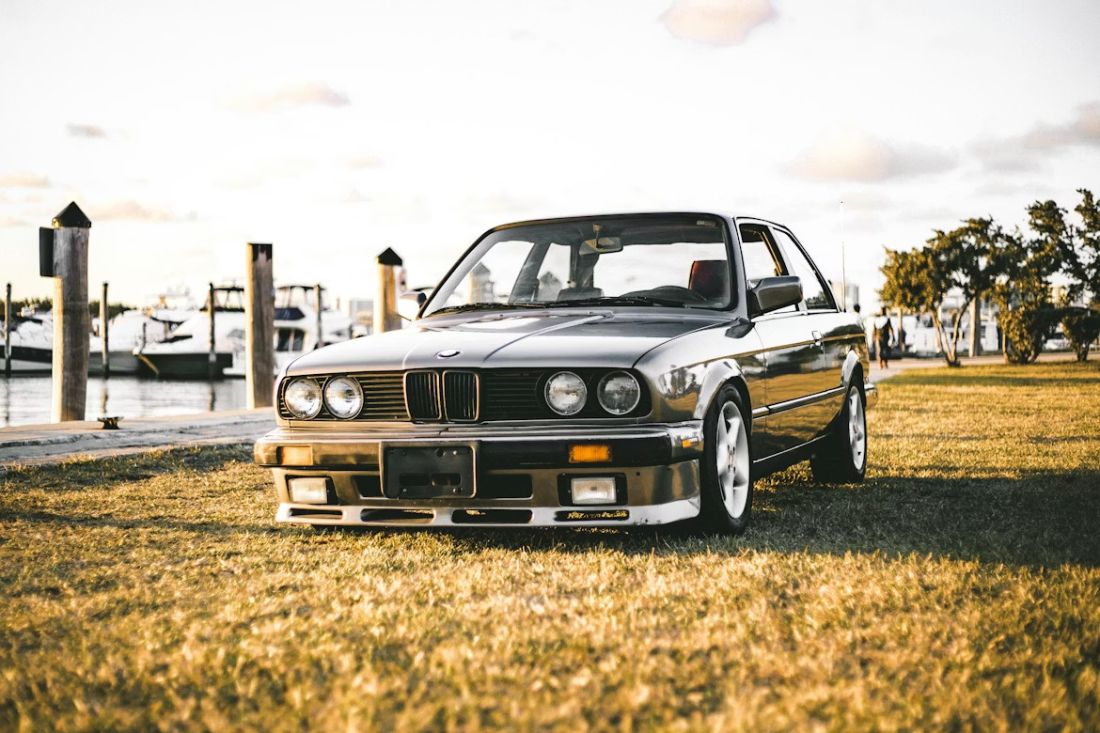
One of the first things people fall for with the E30 is the shape. You don’t need to know a thing about old BMWs to get it. You look at one and it just feels right. The body is neat, square-shouldered, and tidy without looking stiff. The bonnet is low, the windows are generous, and the whole thing has that clean, balanced stance that makes a car seem ready to move even when it’s parked. That matters more than people think. Some cars from the 1980s look stuck in their own time, like they belong next to old tellies and cassette racks. The E30 somehow missed that trap. It still looks smart now. Park one near the cafés in Heaton Moor, outside a restaurant in the city centre, or on a quiet road near Marple, and it still has presence. It doesn’t need silly add-ons or giant grilles to do the job. And let’s face it, that clean look is a big part of why younger drivers still notice it.
The E30 looks honest. It doesn’t shout. It doesn’t beg for attention. It just has it. BMW first launched the E30 as a two-door saloon in 1982, then added a four-door version in 1983, which helped widen its appeal without changing the basic look that made the car stand out in the first place. That shape stayed strong through the whole range, and that gave the car a clear identity. You could see an E30 from a distance and know what it was. That kind of design sticks with people. It makes a car easy to remember and even easier to miss once the roads move on to newer things. There’s another bit people forget too. The E30 came from a time before cars got bloated. You can actually see out of it. That sounds small, but it changes the whole feel of being inside. You sit in it, look around, and feel part of the drive instead of sealed off from it. That simple, direct look inside and out is a huge reason the E30 still gets love now.
The E30 Was More Than Just One Type of Car
A big part of the E30 story is that it wasn’t boxed into one lane. BMW took the basic idea of the 3 Series and stretched it into something much broader without losing what made it good in the first place. That’s harder than it sounds. Plenty of car makers try to do too much with one platform and end up with a range that feels all over the place. The E30 managed to stay recognisable while giving buyers very different ways to own it. There were two-door and four-door saloons, which covered the everyday side of things. Then BMW went further. In 1985, it introduced its own full convertible based on the E30, and according to BMW Classic this was the first factory-developed BMW convertible since the 1956 BMW 503. That gave the range a completely different mood. Same basic bones, same BMW feel, but now with the roof down and a lot more theatre on a sunny day.
Before and alongside that, Baur had already supplied a Topcabriolet version through BMW dealers, which shows there was already a real appetite for open-top E30 driving. Then came the Touring in 1987, shown at the Frankfurt motor show, and this was a big moment too. BMW says it was the last new body version of the second-generation 3 Series and turned the E30 into a compact five-door estate with sporty manners. That gave the car a practical side without killing the fun. The Touring is a huge reason the E30 still has such a broad fan base now. Some people love the crisp coupé-like look of the two-door cars. Some want the easy charm of the convertible. Some want a Touring because it mixes family duty with genuine character. BMW also launched the 325iX in 1985 as its first post-war passenger car with four-wheel drive, and that widened the range again. So the E30 didn’t become loved just because one version was brilliant. It became loved because buyers could find an E30 that suited the way they lived. And once a car works its way into real life like that, it tends to stay in people’s hearts.
How the E30 M3 Changed Everything
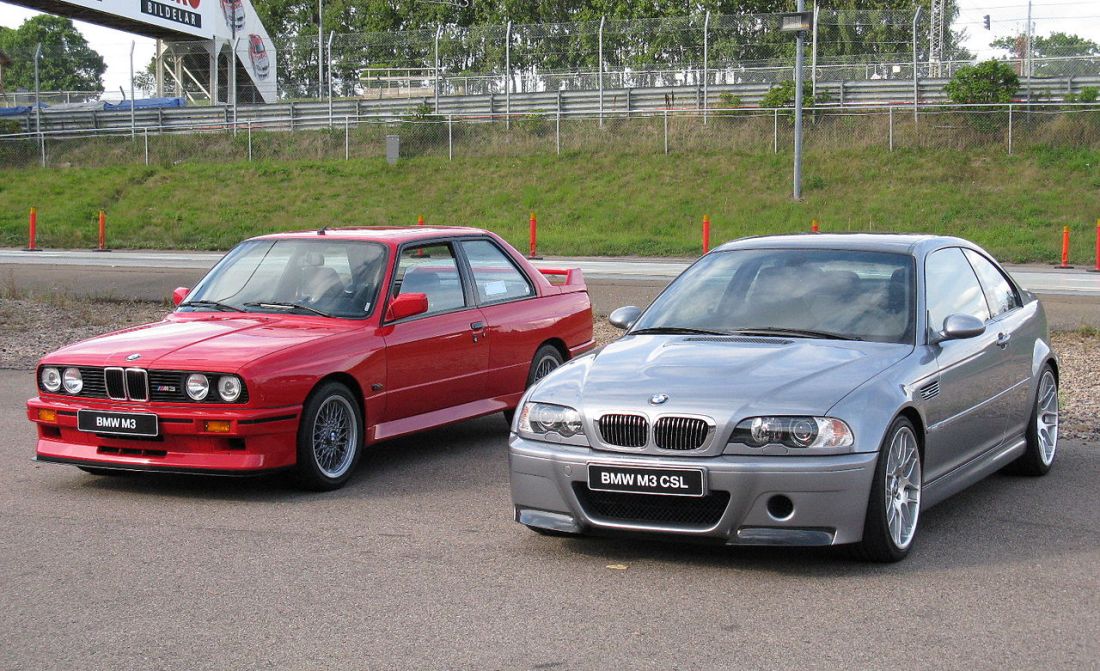
Photo: BMW M3 E30 and BMW M3 CSL by nakhon100, CC BY 2.0, via Wikimedia Commons.
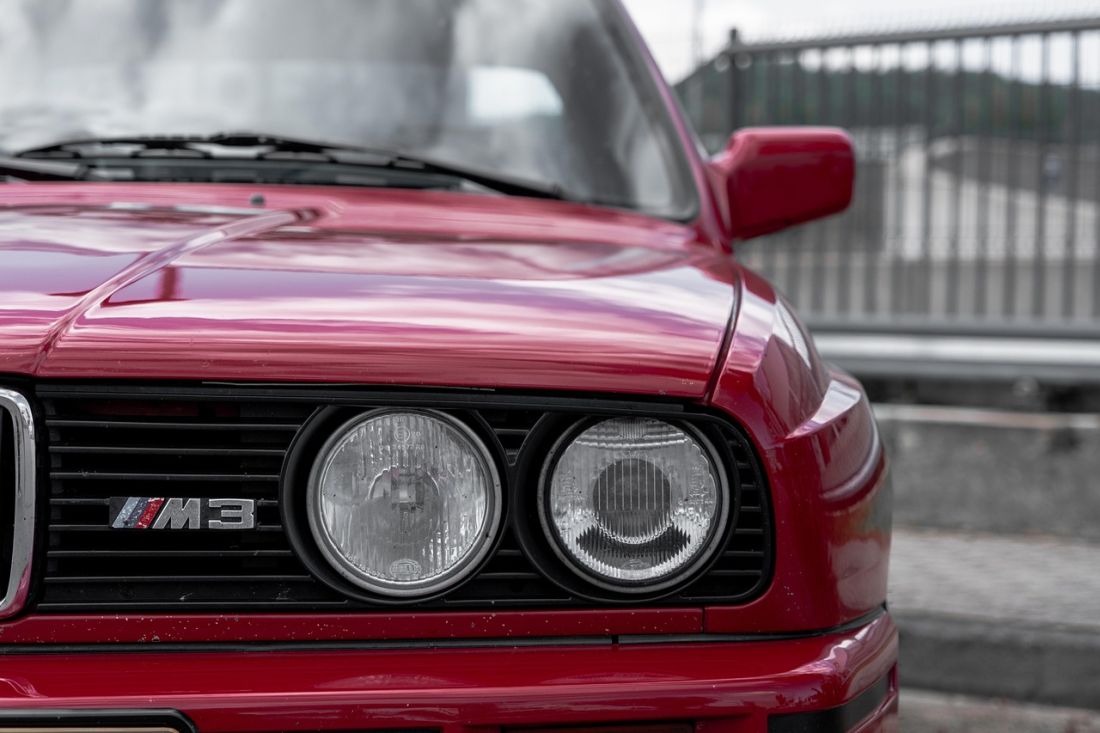
Then you get to the M3, and this is where the whole E30 story starts to glow a bit brighter. The first BMW M3 was based on the E30, and it gave the entire range a kind of fame that regular sales success could never buy. The thing that makes the E30 M3 so special is that it wasn’t cooked up as a flashy trim level or a showroom trick. BMW M says the car was created as a road-going version of a race car so it could qualify for Group A touring car competition. The rules said at least 5,000 road-legal examples had to be sold within twelve months, so BMW had a very real reason to build it. That purpose shaped everything. Production started in 1986 after its debut in 1985, and the car came with a 2.3-litre four-cylinder engine developed from the two-litre four-cylinder used in the 3 Series.
BMW M reworked it heavily, added a four-valve cylinder head, and brought the output to 200 horsepower in the early road version. That was a serious number for the time, and because the car weighed about 1,200 kilograms, it could get from 0 to 100 km/h in 6.7 seconds and hit 235 km/h. Those figures still sound lively now, never mind back then. But the real magic is that the M3 didn’t just go faster than the standard E30. It looked like it meant it. BMW says the body was changed in key areas to improve airflow and stability, which is why the M3 has those tougher, more planted lines. It looked sharper because it had a job to do. That honesty matters. People can feel when a car has been built for a reason. And once the E30 got the M3 attached to its name, the whole model family picked up some of that shine. Even people who never owned an M3 started looking at the E30 range in a different way. Suddenly, this wasn’t just a tidy compact BMW. It was the car that gave birth to one of the most loved performance saloons ever made.
Why Motorsport Sealed the E30’s Reputation
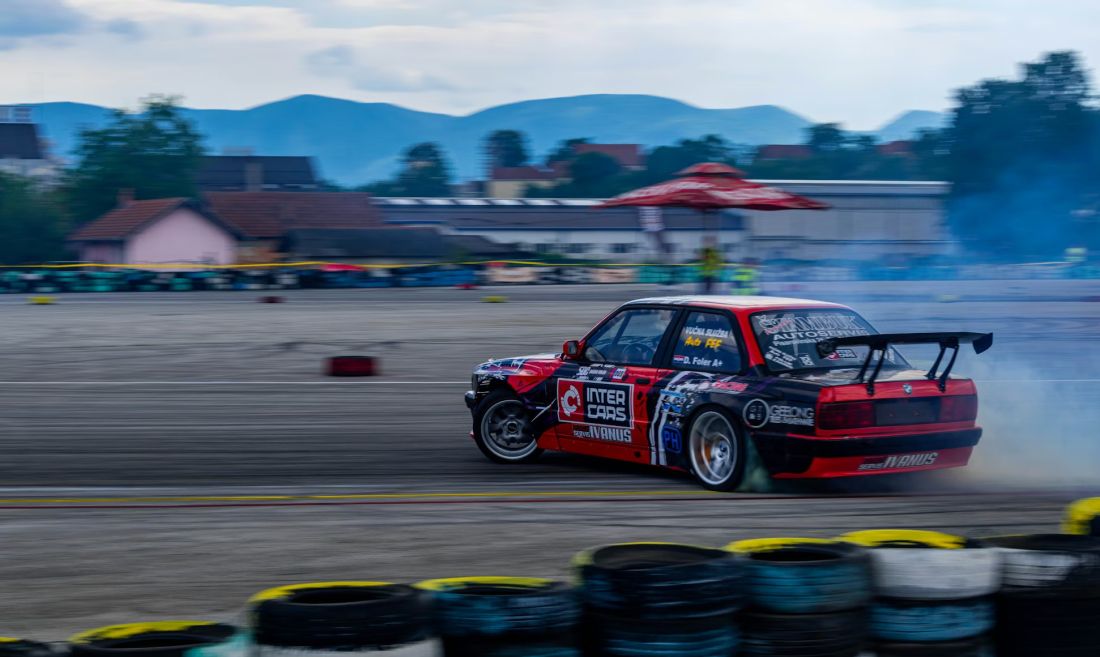
The M3 could have been a cool road car and stopped there, but that’s not what happened. It went racing, and it won. A lot. That’s one of the biggest reasons the E30 name still carries so much weight. BMW M says the E30 M3 made its racing debut in 1987 and went on to collect more than 1,400 victories. The brand still describes it as the most successful touring car in the world, which tells you just how huge its impact was. That kind of record changes how people think about a car. It stops being just something from a brochure and turns into something bigger. In 1987, the M3 helped claim major titles right away, including the German touring car title with Belgian driver Eric van de Poele and the first World Touring Car Championship with Italian driver Roberto Ravaglia. Those weren’t small wins. They put the E30 M3 right at the front of the conversation and gave the road car a serious halo effect. And that halo spread across the wider E30 family. You could be driving a normal E30 saloon or Touring and still feel linked to that success. That link matters in a way that’s hard to fake. It’s a bit like seeing a club badge after a great cup run. The badge means more because of the story wrapped around it. The E30 had that story in a big way. And because the race car still looked close to the road car, fans could join the dots without much effort. You didn’t need a deep background in motorsport to see the connection. You could look at the arches, the stance, the shape, and think, “Yeah, that makes sense.” The road version felt real because the race version proved it was real. That’s a huge reason the E30 M3 still sits on such a high shelf in BMW history, and it’s a big reason the wider E30 line never faded into just another old 3 Series. It had racing glory baked into its image. That sticks.
What Made the E30 So Good to Drive
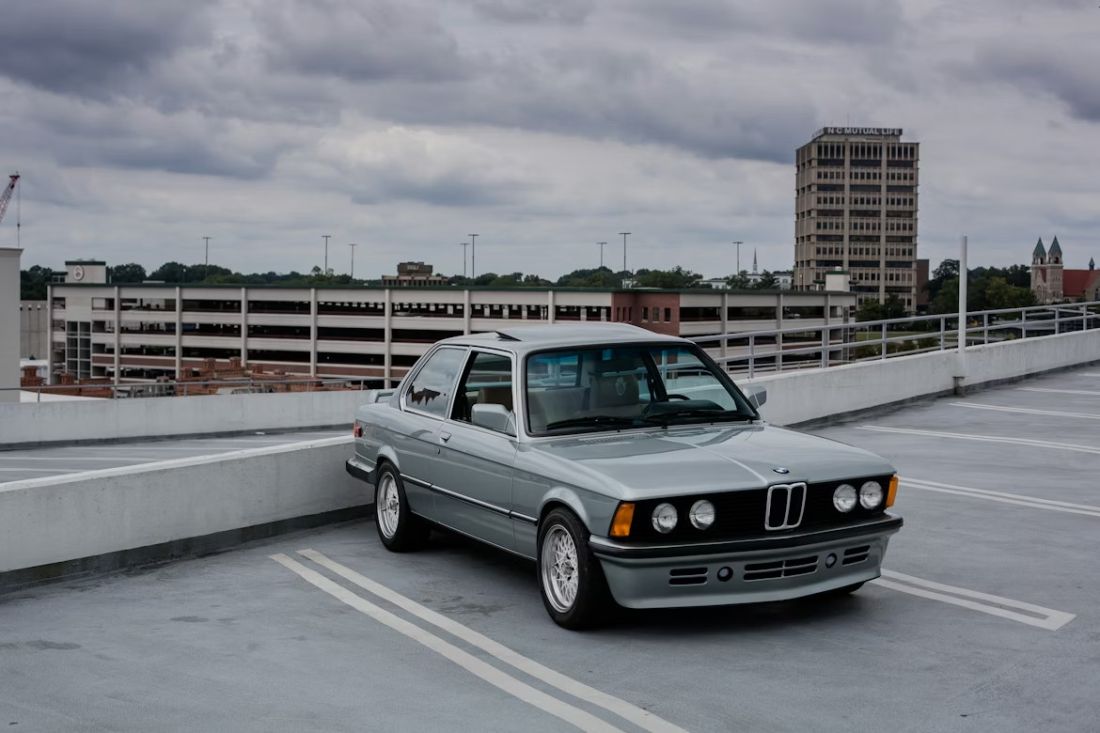
For all the talk about looks and race wins, the E30 would never have become this loved if it felt flat on the road. It didn’t. That’s the real heart of it. The E30 came from a sweet spot in car design, where a car could still feel solid and properly built, but also light, direct, and easy to read. BMW’s archive makes clear how broad the range was, from simple four-cylinder cars up to six-cylinder models like the 320i and 325i, plus special versions like the 325iX. That broad mix gave buyers choices, but the basic E30 feel stayed in place. You sat low, you could see clearly out of the cabin, and the car felt compact in a way that many newer models don’t. That changes how you drive. A small bend can feel interesting. A roundabout near Cheadle or a quiet stretch after the rush has died down can actually make you smile. You’re not fighting the car. You’re working with it. The six-cylinder models helped shape the E30’s image in a big way too. BMW described the 320i’s engine as silky-smooth, and that smoothness became part of the appeal. Then the 325i arrived in 1985 as the flagship of the regular range, which gave the E30 even more pull for drivers who wanted extra pace without stepping all the way into M3 territory. And because the E30 came in so many versions, people got to enjoy that feel in all kinds of everyday situations. Roof down on a summer evening. Touring loaded up for a weekend away. Four-door saloon handling the weekday grind. That matters. Cars become loved when people build real memories in them. The E30 wasn’t just something to admire from afar. It was something people used, lived with, swore at on cold mornings, cleaned on Sundays, and then took the long way home in because it felt good. That sort of bond is hard to replace once it’s there.
How the E30 Became a True Modern Classic
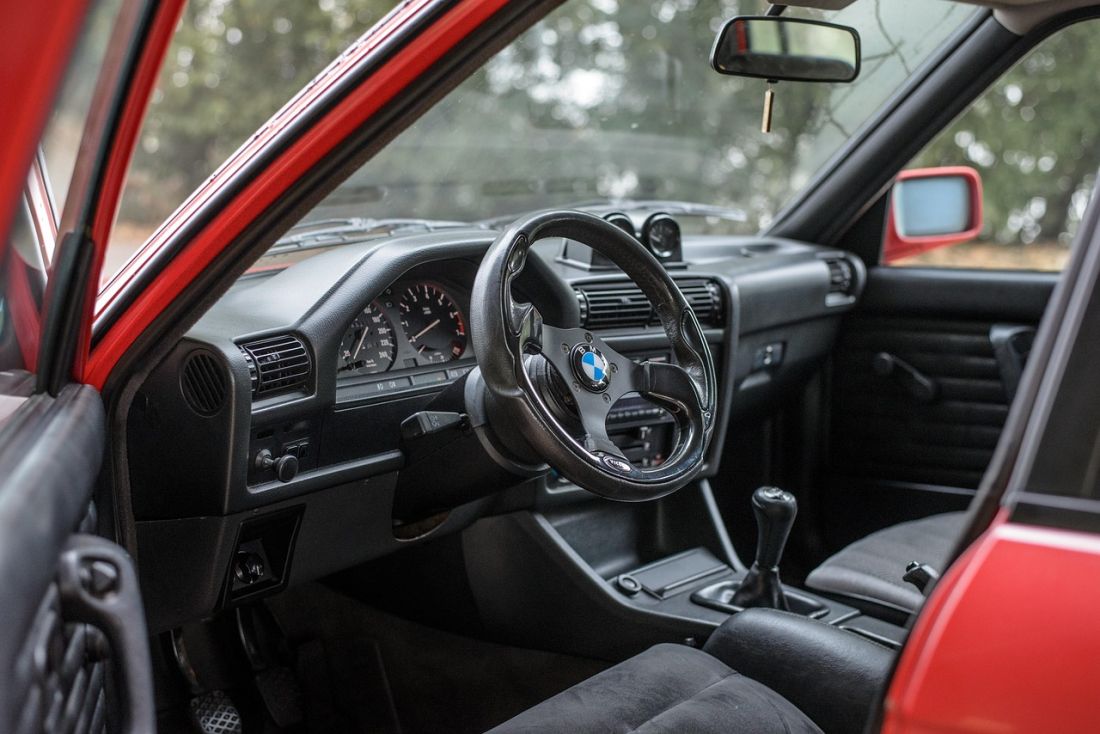
There was a time when the E30 was just an old used car. That happens to nearly every classic before people wake up and realise what’s right in front of them. For a while, the E30 sat in that strange middle ground where it wasn’t new anymore, but a lot of people hadn’t fully clocked that it was special either. Some got modified badly. Some were run into the ground. Some were just used up and moved on. But the strong ones survived, and little by little the E30’s reputation grew again. A huge part of that came from the facts never changing. BMW still points back to the same things now: the wide range of body styles, the sales success, the first factory-developed convertible since the 1950s, the Touring’s arrival in 1987, the 325iX breaking new ground for BMW road cars, and the M3’s huge role in motorsport and brand history. When a car has that much going for it, time starts working in its favour. The clean design ages well. The direct feel becomes more special as new cars get heavier and more filtered. The M3 story keeps pulling fresh fans in. And then scarcity starts to bite. BMW M says demand for the first M3 went well beyond the 5,000 needed for homologation, with 16,949 examples of the first-generation M3 built. That shows how quickly the car moved from racing requirement to object of real desire. The rarer versions went even further. BMW says fewer than 800 M3 Convertibles were built, which gives collectors one more reason to keep the E30 name near the top of their wish lists. But the E30’s place as a modern classic isn’t just about rare versions fetching big money. It’s about the wider family still feeling relevant. You can look at a normal four-door E30 today and still get why people care. It doesn’t need to be the rarest one in the room. The shape, the feel, the history, and the link to that first M3 are already enough.
Why Drivers in Manchester and Stockport Still Warm to It
There’s something about the E30 that fits this part of the country really well. Maybe it’s the fact that it feels classy without being snobby. Maybe it’s that mix of common sense and swagger. Maybe it’s just that people around Manchester and Stockport have always had a soft spot for cars that feel genuine. You know how it is here. We like things that do the job properly. No fake drama. No daft fuss. Just good engineering, a bit of style, and some character while you’re at it. The E30 ticks those boxes nicely. It can look sharp outside a nice spot in town, but it wouldn’t look out of place parked on a quiet road in Reddish, under a street lamp after the rain, or tucked away in a garage in Eccles with somebody polishing it and talking about “just keeping it right.” That’s part of its charm. It belongs in regular life as much as it belongs in car culture. Here at Dace Motor Company, that’s one reason we still enjoy talking about it. The E30 story doesn’t feel dusty or far away. It still makes sense now because the things people loved about it are still the things people want from a car today, even if they don’t always say it out loud. A shape that feels balanced. Versions that suit real life. A sense that the car is working with you, not trying to show off at you. And in the background, that first M3 story keeps giving the whole range extra pull. The E30 became one of the most loved BMWs ever because it earned affection from every angle. It sold in huge numbers. It looked great. It drove with spirit. It reached into racing. It spread across different body styles without losing itself. And, years later, it still feels like a car with a pulse. That’s rare. That’s why people still stop and stare. And that’s why the BMW E30 still gets talked about like an old favourite rather than just an old car.