


The Story Behind the UK’s First Motorway: How the M1 Changed Driving Forever

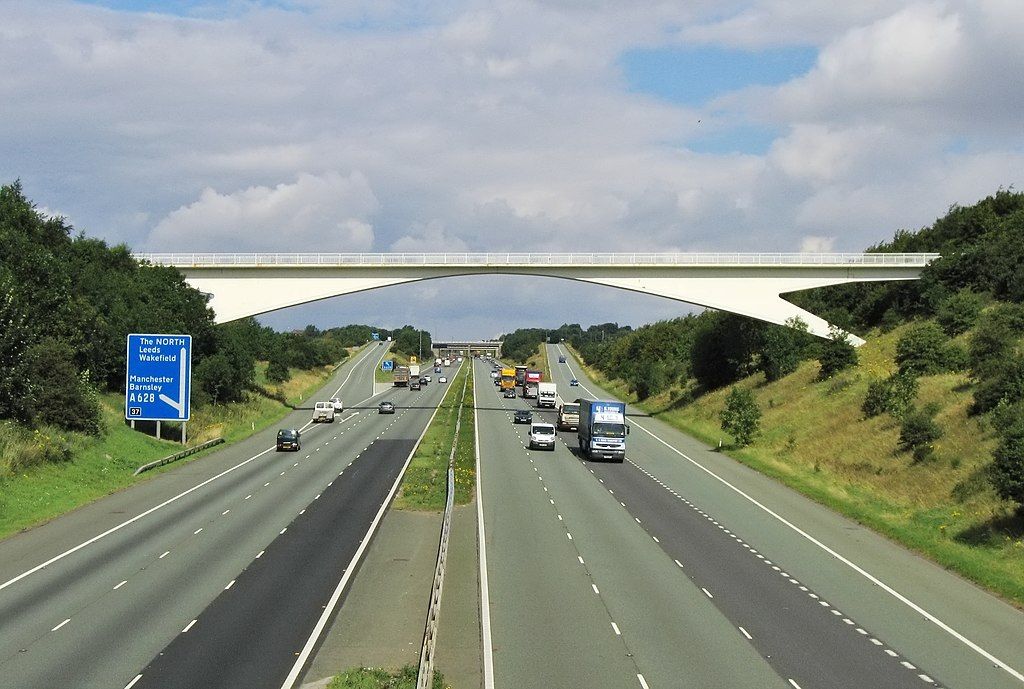
Image: M1 motorway by Klaus with K, CC BY-SA 3.0, via Wikimedia Commons
Picture this. It’s the 1950s, and you’re sat in a car that probably smells of petrol and damp seats. No sat nav. No podcasts. Not even a decent radio half the time. If you wanted to get from Manchester down to London, you weren’t thinking in hours, you were thinking in *the whole day*. You’d slog your way through endless towns, stop for every set of traffic lights, and get stuck behind lorries that looked like they’d fall apart if they went above 30.
It wasn’t just frustrating - it was exhausting. Roads were built on old routes meant for horses and carts. You’d crawl through villages, constantly slowing down for tractors and milk floats. And if you’ve ever moaned about Stockport’s A6 traffic on a Friday afternoon, just imagine that, but stretched for 200 miles.
Meanwhile, cars were becoming more affordable. Families in Manchester, Stockport, and beyond were buying them like never before. People wanted to travel further, quicker, and without the headache of inching through every tiny village on the way. Britain needed something new. Something bold.
That “something” turned out to be the M1.
The day the M1 opened
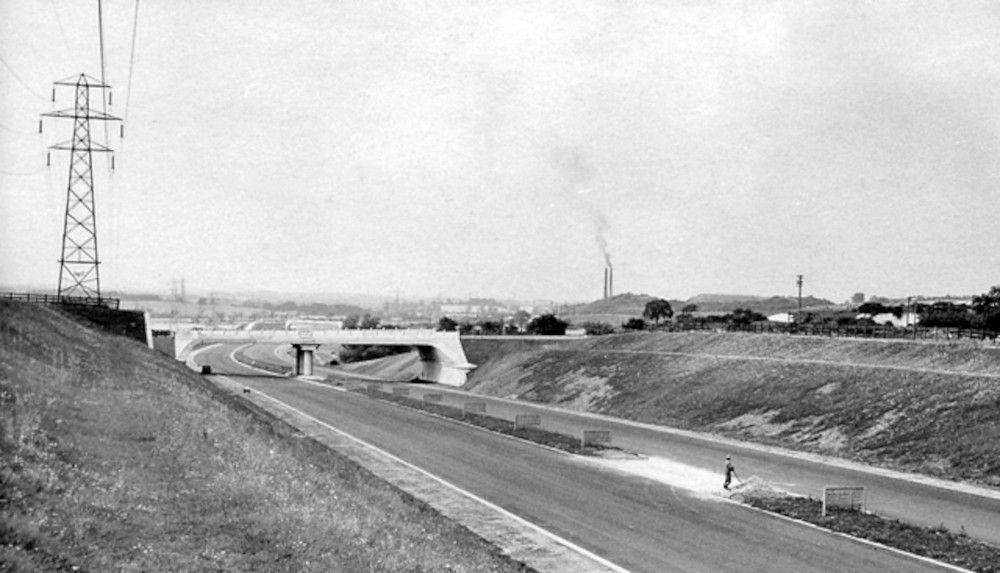
Image: M1 Motorway under construction by Ben Brooksbank, CC BY-SA 2.0, via Wikimedia Commons
2nd November 1959. The UK stepped into a new era. The M1 opened between St Albans and Rugby, 72 miles of smooth, straight road with no roundabouts, no traffic lights, and - wait for it - no speed limit. Yep, none.
It’s hard to overstate how wild this felt at the time. People drove out just to “have a go” on the motorway. Imagine the buzz when the M60 first opened, only times ten. Some treated it like a racetrack. Jaguars, Rovers, even the odd Aston Martin were pushed harder than ever before. There are stories of people flying past at speeds we’d never get away with today.
And because cars back then weren’t built with the brakes, steering, or suspension we’re used to now, it must’ve been absolutely terrifying as well as exciting. But still, the motorway felt like the future had arrived.
Of course, reality kicked in pretty quickly. Accidents started happening, people realised things were getting dangerous, and a few years later speed limits were introduced. But that first opening day? It changed driving forever.
What it meant for ordinary people around here
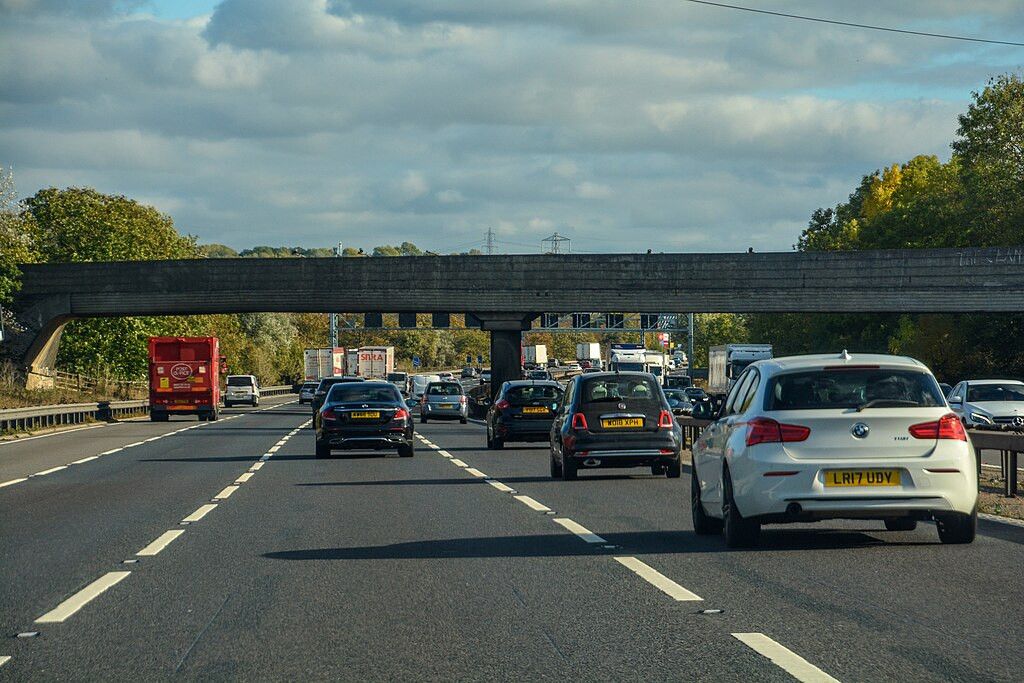
Image: The busy M1 motorway by Lewis Clarke, CC BY-SA 2.0, via Wikimedia Commons
The M1 wasn’t just a shiny new road for southerners. It changed things for the North too. Suddenly, the idea of driving from Manchester to London in a reasonable time became realistic. Trips that used to eat up an entire weekend could now be done in a day. Visiting family, doing business, or even watching United or City play down south became far easier.
Think about how we use the M60 now to whip around Manchester, or the M62 to head over to Leeds. Before motorways, every journey meant crawling through back roads. The M1 proved there was a better way, and it set the stage for the network we all rely on today.
Businesses loved it too. Lorries could move stock faster, shops stayed better supplied, and whole industries grew. It didn’t just change travel; it changed the economy. And for drivers? It was like someone had handed them a new kind of freedom. Cars suddenly felt worth owning for long trips, not just short hops.
Here in Stockport, it even shifted how people thought about cars themselves. No longer was it enough to have something that just “got you to the shops.” You wanted something reliable, comfortable, and able to handle proper stretches of fast road. It’s the same idea we see now at Dace Motor Company. Customers want cars that make sense for everyday life but also feel good to take on longer trips down the M56 or over the Pennines.
The quirks of those early years
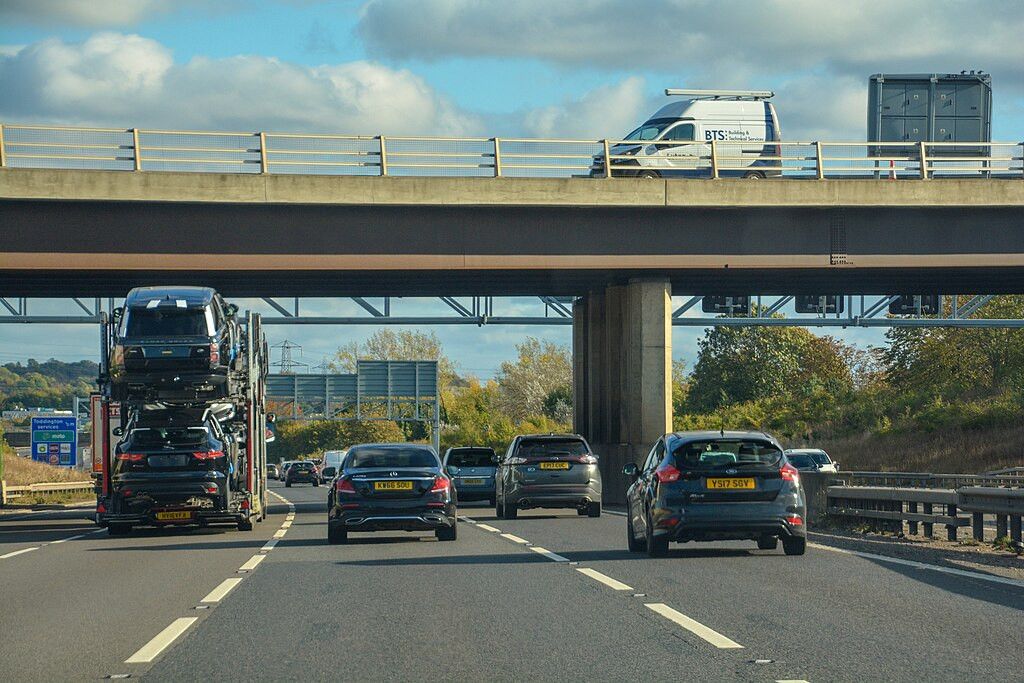
Image: M1_Motorway by Lewis Clarke, CC BY-SA 2.0, via Wikimedia Commons
The M1 might’ve been groundbreaking, but looking back now, it was a bit rough around the edges. For one, there weren’t even barriers in the middle. Just a strip of grass separating you from cars flying the opposite way.
And the services? Forget your Greggs, Costa, and McDonald’s. The first one, Watford Gap, was more like a glorified school canteen. You could get a cuppa and a sandwich, maybe something hot if you were lucky. Still, it was revolutionary because for the first time, you didn’t have to leave the motorway to stop.
Cars themselves weren’t really up to motorway speeds. Push a 1950s Austin past 60 mph and you’d feel every bump, with brakes that were, well… questionable. Yet drivers loved it. People even believed myths like “the road’s so smooth the car will steer itself.” Spoiler: it wouldn’t.
And in true British style, some families treated it as a day out. They’d park on the hard shoulder, crack out sandwiches, and just sit there to experience this “modern marvel.” Needless to say, that didn’t last long once the police started handing out warnings.
How it shaped driving for us in the North West
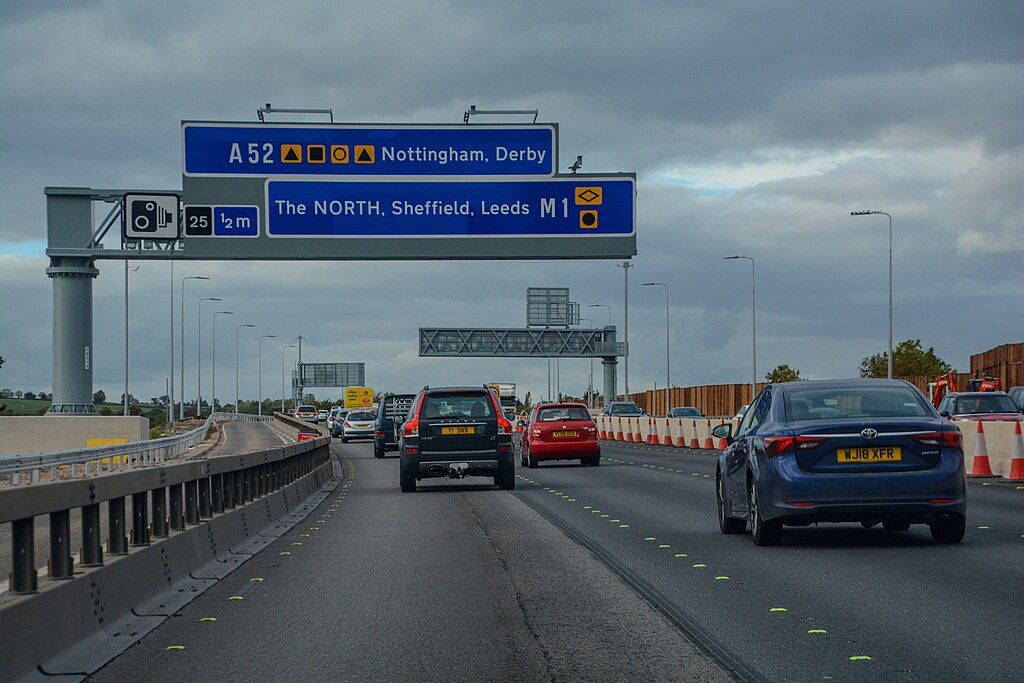
Image: M1 Motorway by Lewis Clarke, CC BY-SA 2.0, via Wikimedia Commons
Once the M1 opened, the floodgates burst. More motorways followed - the M6, M56, M60, M62 - and Manchester and Stockport became properly connected to the rest of the country. These roads shaped the way we all live today.
Suddenly, weekend trips to Blackpool or the Lake District were doable without a military-level plan. Businesses in Manchester could reach customers down south quickly. Football fans could travel the country following their team. Students could head off to uni miles away but still get home for a Sunday roast.
It also reshaped how people bought cars. You weren’t just looking for something to potter about in. You needed a motor that could handle the motorway. Comfort, fuel efficiency, and safety became bigger priorities. It’s the same shift we see at Dace Motor Company now. Whether it’s someone after a reliable Ford Focus for the commute, a BMW for long runs down the M6, or an SUV for family trips, the motorway plays a big part in their decision.
Why the M1 still matters today
These days, we moan about motorway traffic, roadworks, or the nightmare of being stuck behind a lorry crawling up the Thelwall Viaduct. But the truth is, we’d be lost without them. That first stretch of the M1 in 1959 shaped the way we live, work, and travel now.
It also reminds us how quickly things can change. Just like the motorway blew people’s minds back then, today we’ve got electric cars, hybrids, and tech-packed motors doing the same. The road hasn’t changed much, but the cars have.
Here at Dace Motor Company, we see the link every day. People in Stockport and Manchester need cars that can do it all: handle the motorway, feel comfy for long trips, and still be practical for everyday use. The story of the M1 is the story of why driving matters - it turned cars into more than just a way of getting around. It made them part of our lives, our work, and our weekends.
The motorway didn’t just shorten journeys. It gave us freedom. And let’s face it, we’re still living with that legacy every time we get on the M60, hit cruise control, and head off to wherever we’re going.