


The Smallest Repairs That Can Prevent Huge Breakdowns
You know how it is… you’re just trying to get from Stockport to Manchester without any drama. Maybe you’re heading past the Stockport Pyramid, or cutting through Eccles on the way to see family, or you’re doing that school-run-and-work combo that turns into three mini drives a day. And then it happens: a warning light, a weird noise, a smell you don’t trust. The car still moves, so you tell yourself you’ll deal with it later. We’ve all been there. The thing is, “later” is how tiny issues turn into a proper wallet-emptying breakdown. At Dace Motor Company, we sell used cars every day, and we see the same pattern again and again: the expensive fixes usually start with something small that could’ve been sorted in minutes. Not magic. Just boring little checks that save you from sitting on the hard shoulder in the rain, wondering why you didn’t top up something simple. And no, you don’t need to be a car geek. You just need a few habits, a bit of common sense, and the confidence to take small problems seriously. This post is about the easy wins: the quick, small repairs and checks that stop bigger failures from showing up uninvited. Think of it like brushing your teeth. Skipping once doesn’t wreck your life, but skipping for ages? Different story. Same vibe with cars. And if you’re looking at a used car or used car finance and you like the idea of a “soft” credit check that doesn’t dent your credit score, we get it-money stuff matters too. But even the best finance deal won’t feel good if the car ends up off the road. So let’s talk about the small stuff that keeps you moving.
Tyres: a bit of air and a bit of tread can save your whole day
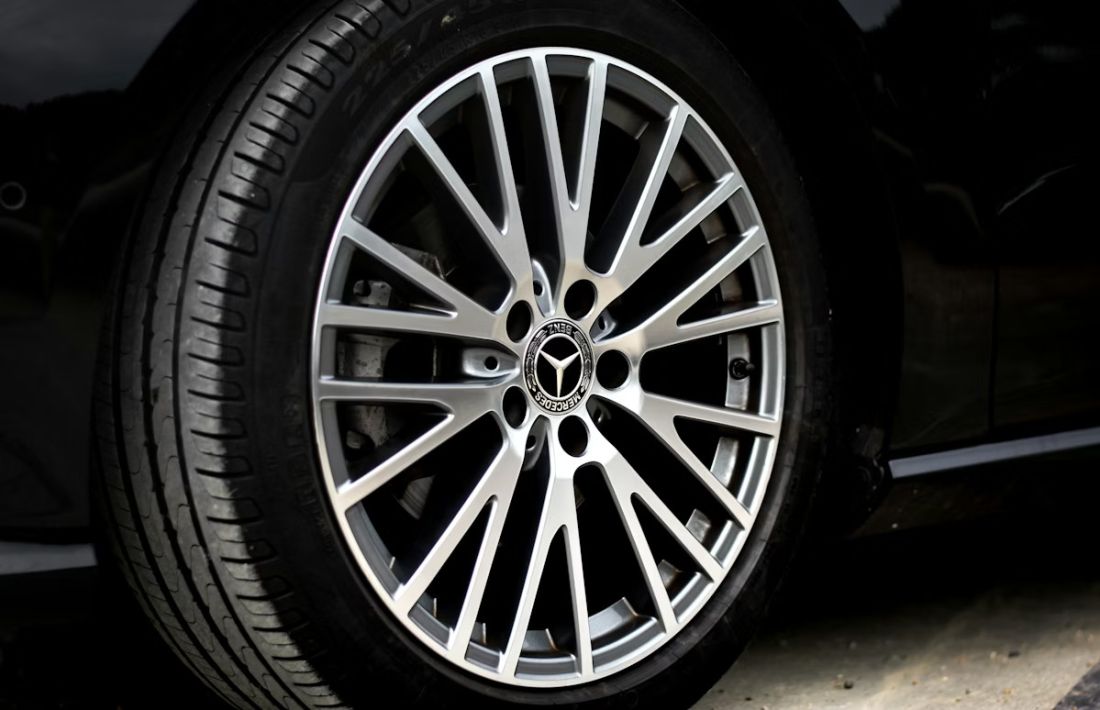
Tyres are the most ignored heroes on your car. You can have a spotless body and a fancy screen inside, but if your tyres are struggling, your whole car is basically struggling. Here’s the scary-simple bit: in the UK, the legal minimum tread depth for car tyres is 1.6 millimetres across the middle part of the tyre and all the way around. That’s not a “nice suggestion,” it’s the legal line. Now, nobody walks around with a ruler in their pocket, so use the 20p coin trick. Pop a 20p coin into the grooves. If you can see the outer band on the coin, you’re getting too close for comfort and you need a proper check. That’s the tread side. The air side is even easier, and yeah, people still skip it. Your car has a recommended tyre pressure number, and you can usually find it on a sticker inside the driver’s door area or near the fuel flap. If the tyres are low, the car works harder, the tyres wear quicker, and you burn more fuel. TyreSafe gives a simple example: for every 10% drop in tyre pressure, fuel use can rise by about 2%. That adds up fast if you’re doing lots of short drives around Greater Manchester. And low pressure also makes tyres run hotter, which is how you end up with a blowout at the worst time. The “small repair” here is boring: top up the air and get slow punctures sorted early. If you keep topping up one tyre every week, that’s not “just one of those things.” That’s your car asking for help. Get it looked at before it turns into a shredded tyre and a damaged wheel. No fuss. No drama. Just a small fix that blocks a big mess.
Oil: the quickest check that stops the biggest kind of damage
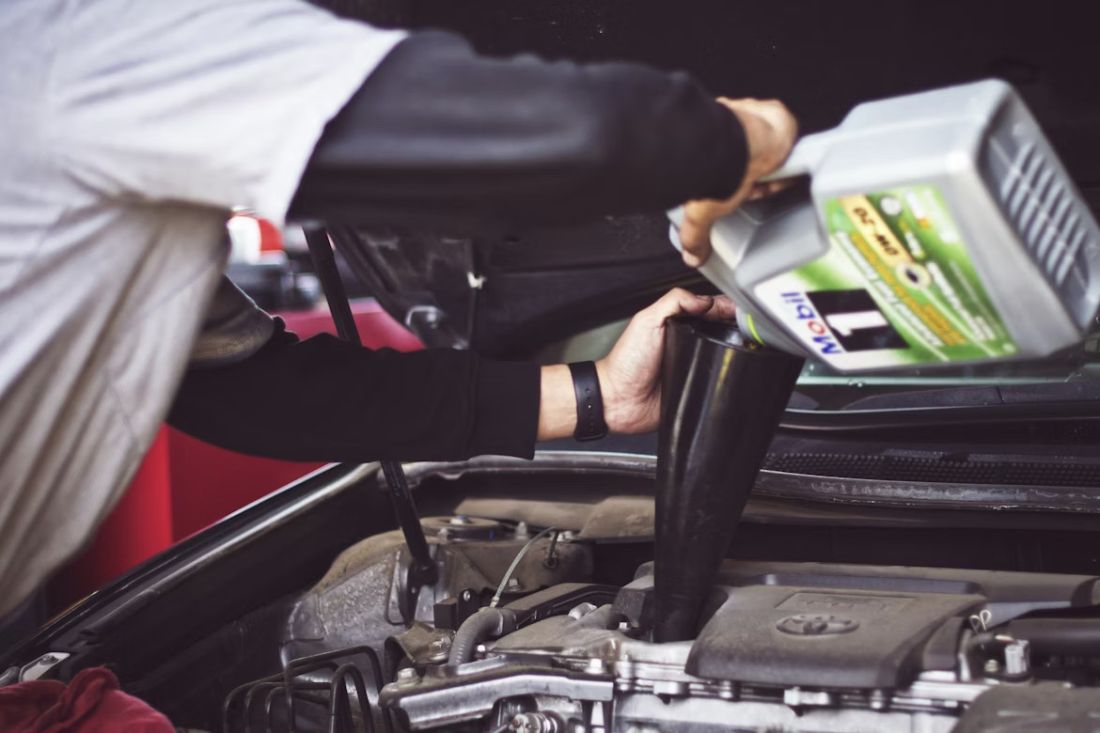
If your engine oil is low, it’s like trying to run a marathon with no water. Things heat up. Parts rub. Damage happens. And the annoying part is how easy it is to prevent. The AA’s advice is simple: check your oil yourself every few weeks, and always before a longer drive. This isn’t about being super serious or doing a full service at home. It’s about catching “low oil” before it becomes “engine repair.” Most cars have a dipstick or an easy check point under the bonnet. You pull it out, wipe it, dip it back in, then look at the level. If it’s below the minimum mark, you top it up with the correct oil for your car. And yeah, that last part matters: the correct oil. If you’re not sure, your handbook says, or a garage can tell you in about ten seconds. While you’re under there, take a glance around. If the oil level keeps dropping, you might have a leak. Sometimes it’s a tiny seal, sometimes it’s a loose filter, sometimes it’s a little crack in a pipe. Small fixes, if you catch them early. Big problems, if you ignore them for months. Also, be honest… a lot of people only think about oil when the dashboard light comes on. By then, you’re already late to the party. And if you’re planning that drive out of town-maybe you’re heading through the Peak District for a weekend or going to see mates in Liverpool-checking oil before you go is one of those boring things you’ll be glad you did. One minute of effort can stop the sort of breakdown that ruins your whole week.
Coolant: a low level can cook your engine, and it can sneak up on you
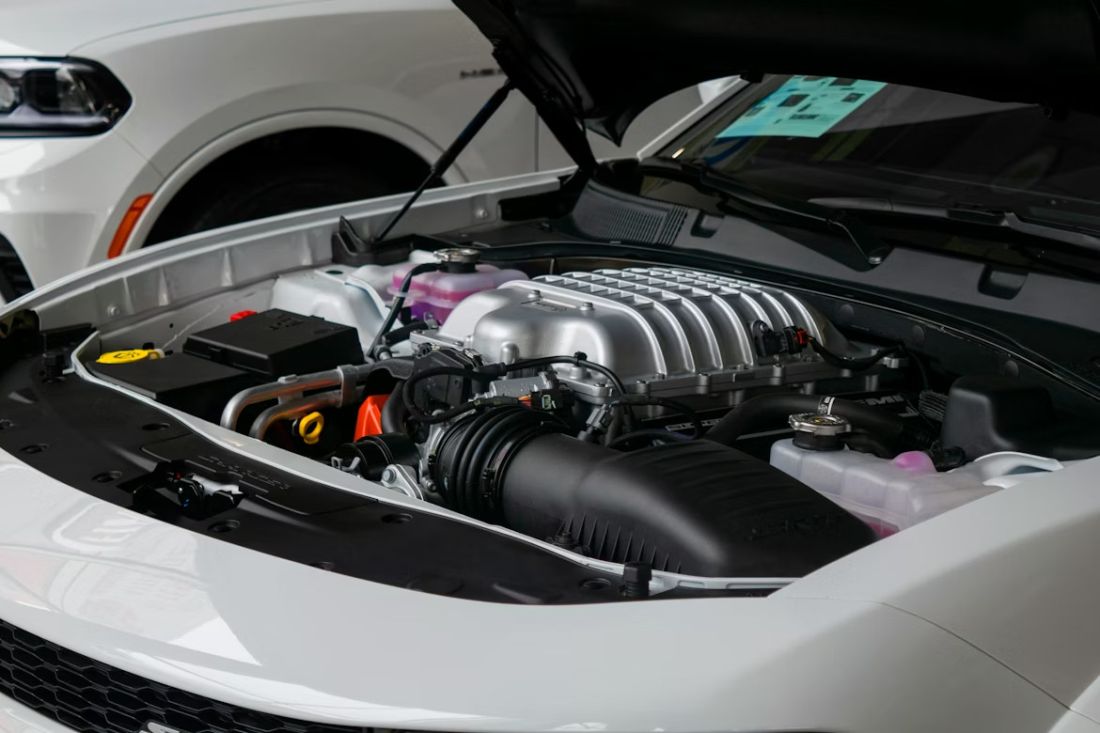
Coolant is the liquid that helps stop your engine from overheating. If it’s low, the engine temperature can rise and rise until something gives. Nobody wants that. And here’s the part people miss: you might not notice anything right away. The heater might start blowing cooler air even when you’ve set it to warm, which is a sneaky early clue. Checking coolant is simple. Look for the plastic tank under the bonnet with “min” and “max” marks, and the level should sit between them. If it’s low, you can top it up, but you have to be careful. Don’t open the cap while the engine is hot because hot, pressurised liquid can spray out and burn you. The AA is really clear about that risk. Let it cool, then top up the right way. Also, the liquid you use matters. Different types don’t always mix well, and you don’t want to guess and hope for the best. If you’ve topped it up and it drops again soon after, that’s a sign of a leak. The RAC points out that if coolant is low, you should look for leaks around hoses and seals, and pay attention to the temperature warning signs. The “small repair” here might be a new hose clip, a small pipe, or sorting a tiny leak before it gets worse. Left alone, leaks can lead to overheating, and overheating can turn into a much bigger repair. And if you’ve ever been stuck in crawling traffic near Manchester city centre on a warm day, you’ll know why keeping the engine cool is not the time to gamble.
Battery: it works fine… until it really doesn’t
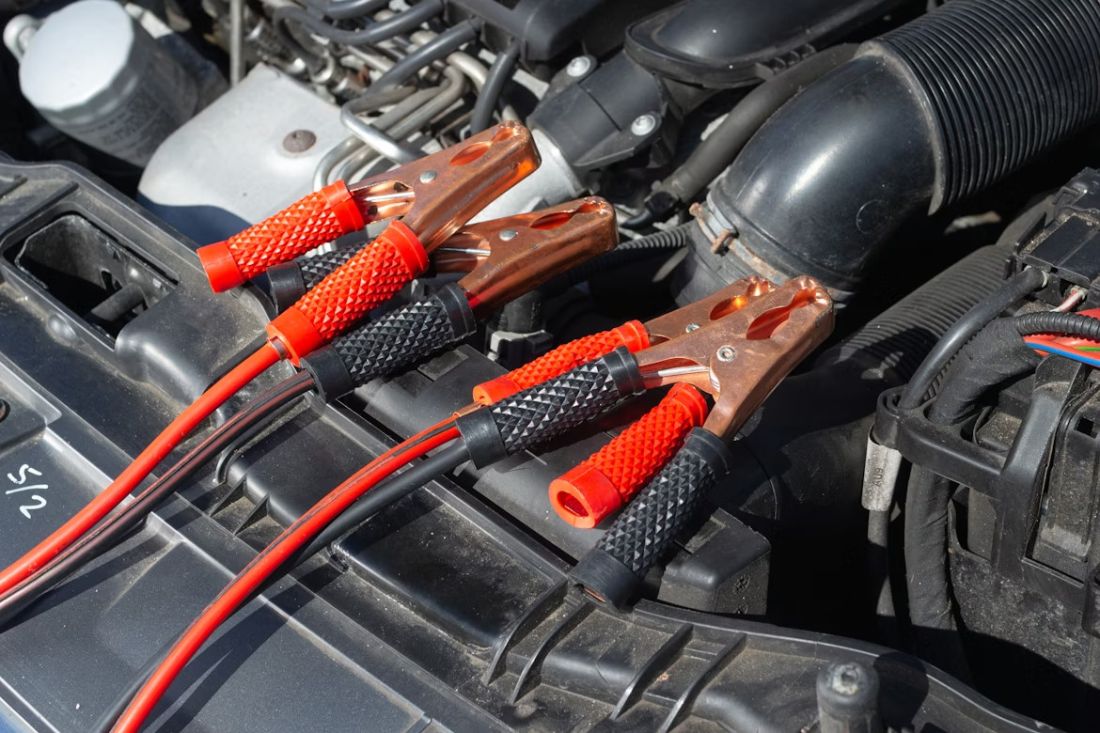
A dying battery is sneaky. One day your car starts like normal. Next day it hesitates, and you think, “That was weird.” Then you forget about it. Then the car doesn’t start at all, right when you’re already late. The RAC has a really clear guide on this, written by Barney Cotton, and he says car batteries generally last between three and six years, though it depends on driving habits and conditions. That’s a big range, but it gives you a real-world rule: if your battery is getting older, don’t just trust it blindly. The RAC also warns that if your battery is over four years old, it’s smart to test it, because older batteries are more likely to fail in colder conditions. That matters up here, where mornings can be properly chilly and damp. Short drives can make it worse, because the battery doesn’t get much time to recharge between starts. The small repair might be as simple as cleaning the battery connections if they’re crusty, tightening something that’s loose, or replacing the battery before it strands you. And yes, replacing a battery costs money, but it usually costs a lot less than missing work, paying for recovery, and then replacing it anyway. If your starter sound gets slower, or your lights seem dim, or you need a jump start more than once, don’t shrug it off. You don’t need to panic. Just treat it like what it is: an early warning.
Wipers and screen wash: Manchester rain doesn’t care about your plans
Let’s face it, rain is basically part of life around Stockport and Manchester. You can start a drive in sunshine and hit a random downpour ten minutes later. That’s why working wipers aren’t “nice to have,” they’re safety kit. And wipers are a classic example of a small fix that prevents a big problem. If your wipers smear, squeak, or leave a foggy stripe right in your line of sight, that’s your cue. Replacing wipers is quick, cheap compared to most car parts, and it makes a massive difference on a wet road. The RAC even has a guide where RAC Patrol Ben Aldous shows how to check and replace wiper blades. And the RAC shop guidance says a simple rule: replace your wiper blades once a year, or sooner if you see streaking, squeaking, or cracks. The “small repair” might also be topping up screen wash, because a dirty windscreen plus winter road spray is a nasty combo. It’s not just about seeing the road, it’s about seeing people stepping out, bikes on the edge of the lane, and the car braking ahead of you. And if you’ve ever driven through city traffic with bright headlights reflecting off wet tarmac, you’ll know that clear glass makes everything less stressful. One more thing: if your wipers freeze to the windscreen and you switch them on, you can damage them. The RAC suggests simple ways to stop wipers freezing to the screen in winter, like putting a thin sheet between the blade and the glass. It’s such a small habit, but it stops you from snapping a blade or ruining the rubber, which then ruins your visibility, which then invites the bigger problem: an avoidable crash.
Lights: tiny bulbs, huge difference

Lights are a funny one because you don’t notice they’ve failed while you’re driving. You only see it when someone flashes you, or you catch your reflection in a shop window, or you do that quick walkaround and realise one side is dark. The Highway Code straight up tells drivers to take special care that lights and other safety bits like wipers and brakes are working. And in the government’s guidance for the driving test questions, it also mentions checking tyres and lights as part of basic safety. Lights are also part of the yearly safety test for cars, and the official inspection manual goes into how lamps are assessed for things like security and light output. But you don’t need to think about manuals day to day. The simple move is this: once a week, or any time you’re already outside the car, switch on your lights and do a quick check. Headlights, brake lights, indicators, reverse lights. If you’re on your own, back up near a wall or a garage door and tap the brakes to see the reflection. Takes a minute. If a bulb is out, replacing it is usually straightforward, and it stops you being less visible on dark, wet evenings. And being seen is half of staying safe. The “small repair” here is a cheap bulb, a cleaned lens, or fixing a loose connection before it becomes a bigger electrical fault. If you ignore flickering lights for months, you can end up chasing a tricky wiring issue later. Catch it early and it’s usually simple. Plus, it just feels better driving at night when you trust what you’re showing to the road.
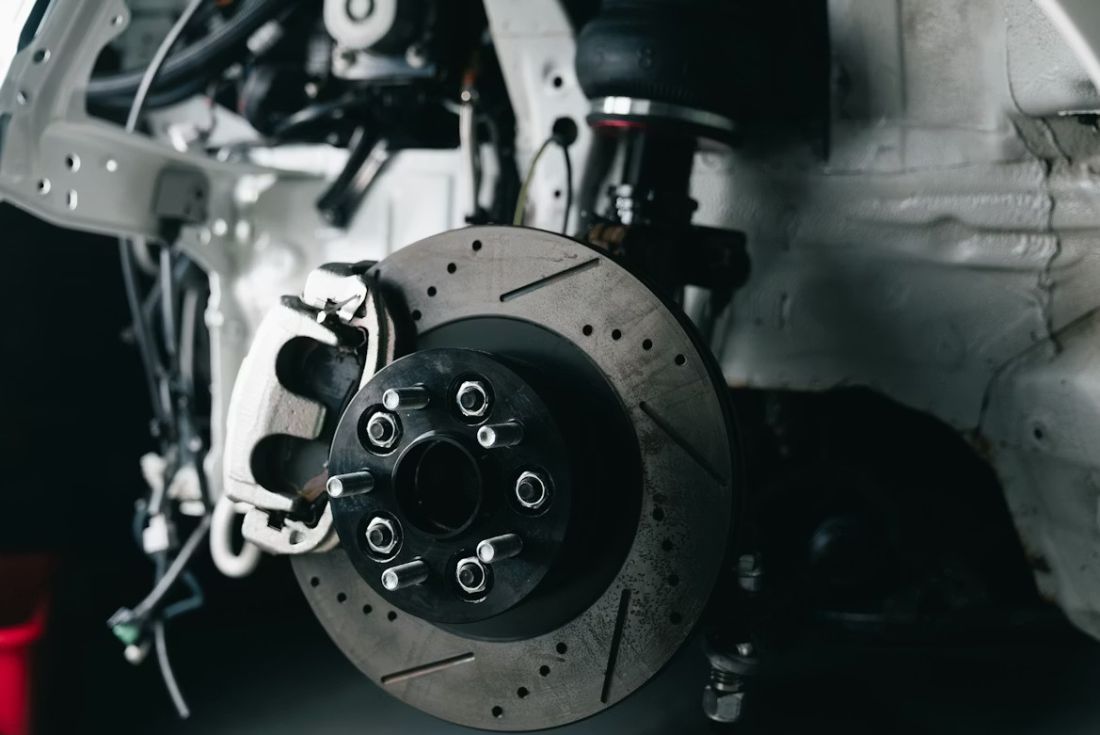
Brakes and brake fluid: the part you really don’t want to “wait and see” on
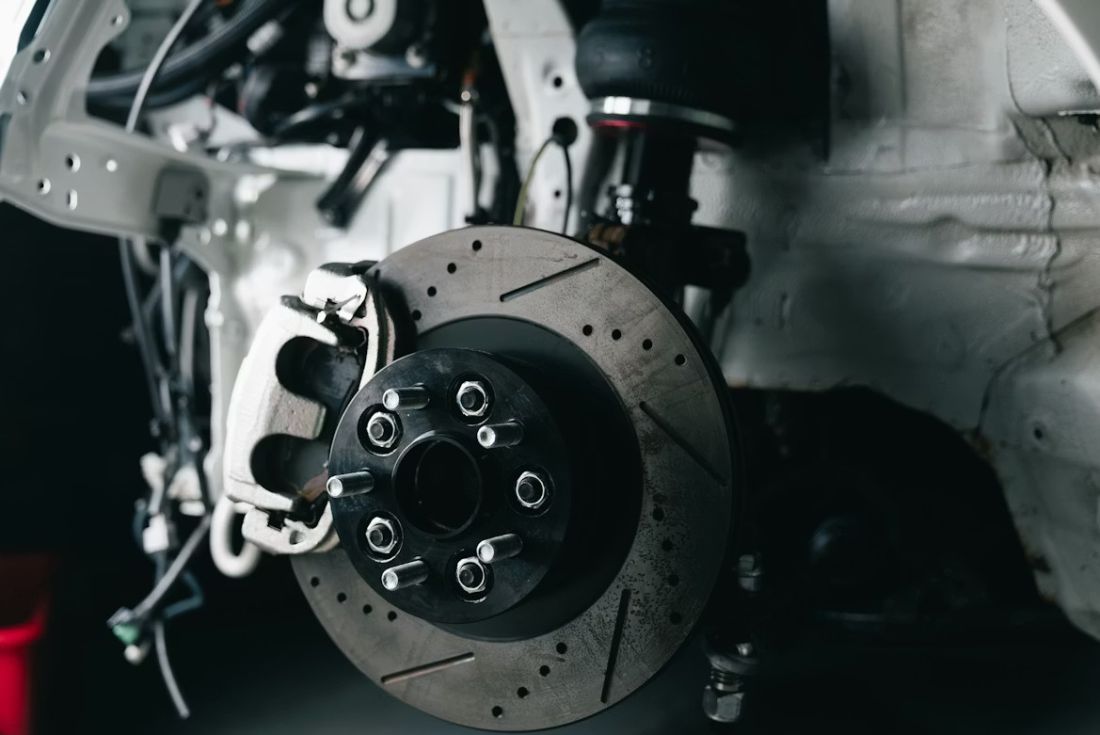
Brakes are one of those things where your car gives you hints, but people still ignore them because they’re busy, or they’re hoping the noise goes away, or they’ve got three other bills to pay. If your brakes squeal, grind, or the pedal feels strange, that’s not the time to go into denial. And brake fluid is part of that whole system, even if you never think about it. The RAC has a guide to brake fluid and explains that topping up and replacing it are part of basic vehicle care. The RAC also has a warning lights guide saying that if the brake warning light stays on after you release the handbrake, it could point to low brake fluid, and it can also be linked to worn brake parts if you’re hearing squeaks or feeling pulsing. That’s a big deal, and it’s exactly why small checks matter. The small “repair” might be topping up fluid to the correct level, or sorting a tiny leak, or replacing worn brake pads before they damage the discs. If you leave it too long, the fix can grow from “simple service job” to “lots of parts and lots of labour.” And brake problems don’t just cost money, they cost confidence. You start leaving bigger gaps, braking earlier, avoiding certain roads. That’s no way to live. If you’re unsure, get it looked at. No shame in that. A good garage will check the fluid level, inspect for leaks, and tell you what’s actually going on instead of guessing. And if you’re local to us in Stockport or Manchester, we’re used to helping people who just want a straight answer and a car that stops the way it should. Small checks. Small fixes. And you keep your car out of the “huge breakdown” category where it never belonged.