


The Smallest Engine Ever Put in a Production Car
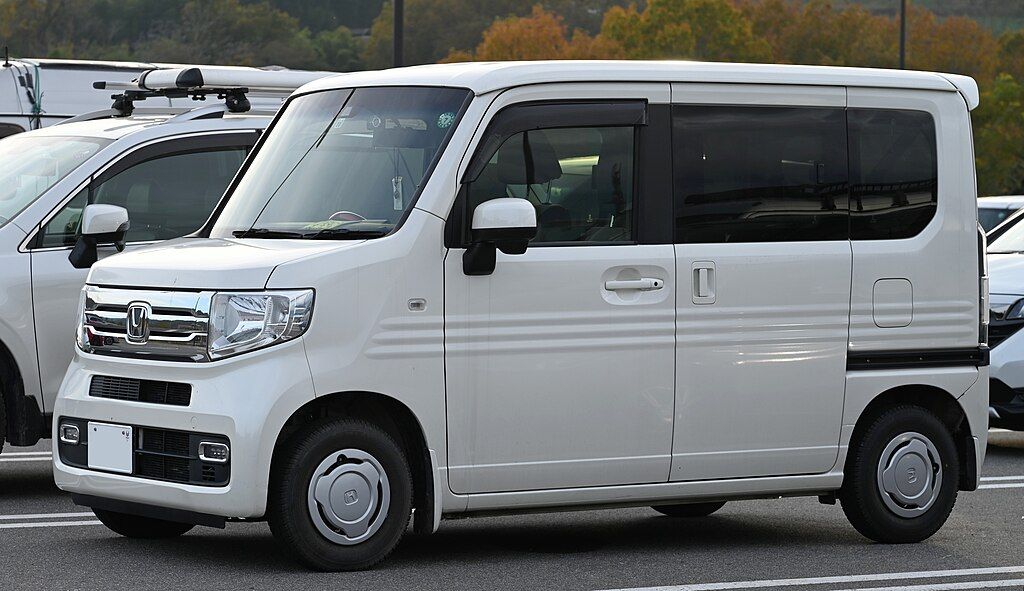
Photo: Honda N-Van by TTTNIS, CC0, via Wikimedia Commons.
Let’s talk about something cool - tiny car engines. I mean really small ones. Engines so modest you might blink and miss just how neat they are. Here at Dace Motor Company (yes, over in Stockport and Manchester we love a good automotive story) we deal with all sorts of used cars - lively hatchbacks, comfy SUVs, German premium rides. But sometimes what’s fascinating is when a car arrives with an engine so small, you wonder how it even moves. So, pull up a chair (or take a half-minute stroll along Greg Street or Liverpool Road in your mind) and let’s chat about tiny powerplants that do the job.
What counts as “small” anyway?
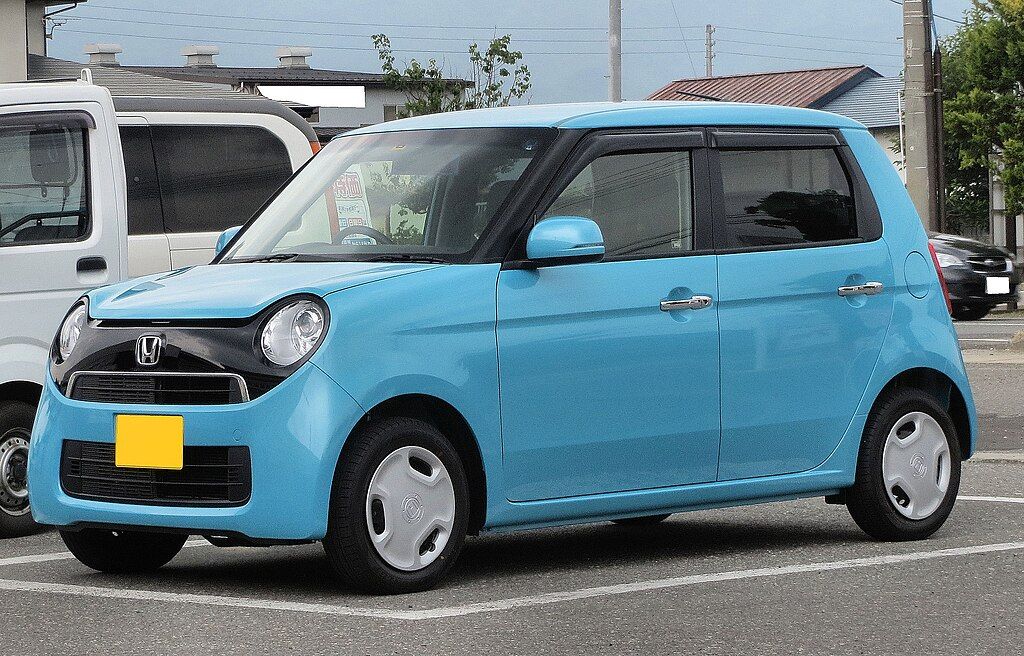
Photo: Honda N-One by DY5W-sport, CC BY-SA 3.0, via Wikimedia Commons
When I say “small engine” I’m referring to the engine’s displacement - basically the size of the space where fuel and air mix and fire up to move the car. Big engines = more space; small ones = less. In normal UK/EU cars you’ll see 1.0 litre, 1.5 litre engines and up. But there are cars where the engines are way smaller.
For example: In Japan the “kei car” class (which are built to tight size, power and engine rules) must have engines no larger than 0.66 litres (that’s 660 cc). So when you see a production car with 0.66 litre, that’s already tiny compared to what we might normally expect.
The site SlashGear lists a bunch of current engines under 1.0 litre, and highlights that the tiniest ones today are around the 0.66 litre mark.
So in our chat today I’m going to show you a few standout examples - some ultra-tiny, some historical - and explain why people made them that way (yes, even a lad in Reddish or Eccles might appreciate the “why”). Also some fun bits you might not expect.
A standout: Honda N?Van (and the kei car context)
Let’s start with something modern. The Honda N-Van is a great example of a production car with a very small engine.
- It is built as a “kei van” in Japan. Kei cars have strict rules: engine must be 660 cc or below, power output limited too.
- The N-Van uses an engine of 658 cc.
- Despite being small in displacement, it still works for what it’s designed for: city driving, short hops, narrow lanes - ideal for tight streets (think of inner Manchester or narrow lanes around the suburbs!).
- For our side of the world (Stockport, Manchester), you might not ever see one on our roads because they’re aimed at the Japanese market, but the idea is relevant: you can move a car with a tiny engine if it's used smartly.
What makes this interesting is the trade-off. With such a small engine you won’t haul massive loads or blitz the motorway like a big SUV, but you’ll get decent economy, easy parking, lighter weight, and less fuss. For city driving or short distances in Manchester traffic, that’s gold.
Historic example: Peel P50
This is a fun one. The Peel P50 is often cited among the smallest production cars ever made.
- Built by Peel Engineering Company on the Isle of Man between 1962-65.
- Used a 49 cc single-cylinder engine in the original version (4.2 bhp). That’s more like a motorbike engine than a car engine!
- Top speed around 60 km/h (about 37 mph).
Why bring this up? Because it shows just how small a production car engine has been. It won’t compare to what we think of as a “normal car” today (like a BMW or Audi that Dace might stock), but it reminds us of the extremes.
If you imagine driving around Stockport in something that small, it’s a novelty - narrow lanes, tight parking, maybe fun for a London-style city centre. But you’d feel the limitations too (speed, weather, comfort).
Why make tiny engines?
Here are some reasons - friendly style, as if I’m chatting while grabbing a drink in Manchester:
- Cost & economy: Smaller engine uses less fuel, often cheaper taxes/insurance (especially in places like Japan). If your journeys are mostly local or within city limits, you might not need huge capacity.
- Size & weight: A smaller engine means lighter car overall (less metal, less bulk). That helps in narrow streets, tight parking spaces - like some of the older streets around Stockport.
- Market / regulation: In Japan the kei car rules push manufacturers to stay under the 660 cc limit. That drives cleverness. See the Honda example above.
- Urban usability: Think about Manchester, inner suburbs, maybe narrow lanes, tight garages. A car that’s less bulky, less thirsty - that can be a great fit for local commuters or short-distance runs.
But you’ll also get trade-offs. Less power means less ability to accelerate or carry heavy loads. On motorways you might struggle compared to larger engines. If you’re doing long-distance driving or towing, you’ll want something bigger.
Some other ultra-small engine examples
Just to show the variety:
- Many modern cars now have engines around 1.0 litre (1000 cc) or slightly under. For example brands like Audi, Renault are producing 1.0 litre three-cylinder engines.
- We saw older engines like the ME21/24 by Mitsubishi Motors which had displacement around 359 cc in some light commercial vehicles in the 1960s.
What this tells us is the range is pretty wide - from sub-0.4 litre territory to the more “normal” 1.0 litre small cars. For used car buyers (at Dace or elsewhere) this means you’ll find vehicles with small engines, and you’ll want to know what you’re getting into.
What to know if you’re looking at a car with a small engine
Since at Dace we specialise in used cars (and even finance), here are some practical pointers you might use. Pretend we’re having a chat while walking across our German Car Centre in Stockport:
- Ask about real-world usage: If someone’s bought a car with a 1.0 litre or smaller engine thinking they’ll often do motorway runs, ask if they’ll be comfortable with maybe slower overtakes.
- Check how the car is in hills or steep roads: Around the North West (Stockport, Manchester), you might hit inclines. A small engine might feel strained if the car is heavy.
- Maintenance history: Even small engines need proper care. If the engine’s small, but heavily used (city stop/start, lots of short trips) you’ll want good service records. At Dace we HPI-check everything.
- Fuel economy vs. cost: Smaller engine usually means better economy (which is great). But ensure the rest of the car is good (gearbox, condition, tyres) because if you drive poorly or push the car hard, you’ll lose the benefit.
- Intended use: If you need a car to pop to Aldi in Reddish, short commutes, or city centre parking - small engine is fine. If you’ll regularly carry family + luggage + go motorway trips, you might consider slightly bigger engine.
- Finance & value: At Dace we stress “used car” value. Smaller-engine cars can have lower purchase price or running costs, so your finance payments or insurance might be better. And we do zero-impact on your credit score soft search for finance, so it’s worth exploring regardless of engine size.
So which engine is the smallest ever?
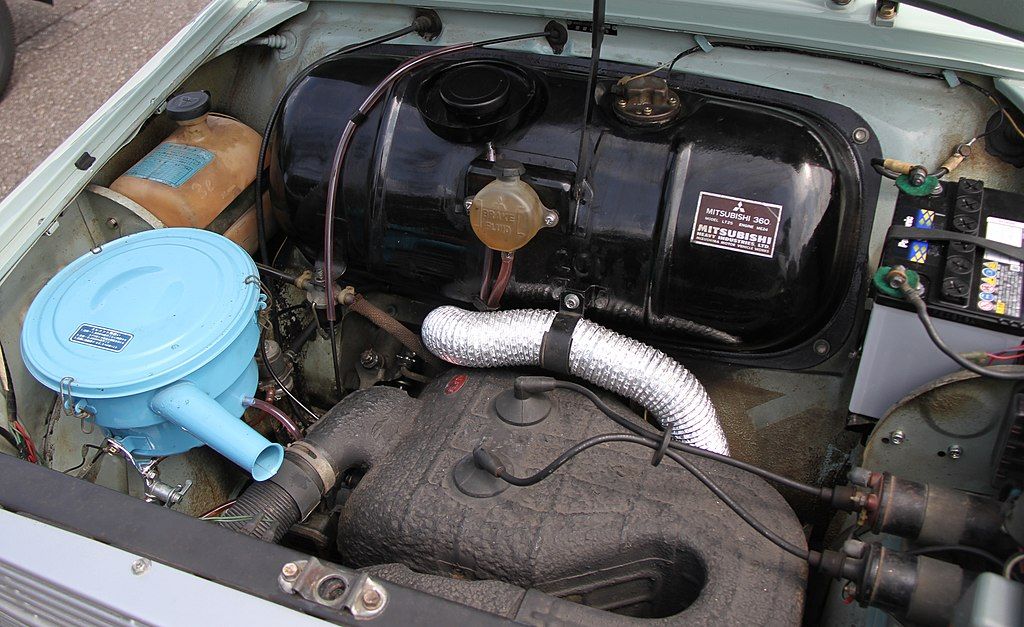
Photo: Mitsubishi ME24 engine by TTTNIS, CC0, via Wikimedia Commons.
Here’s where it gets a bit nuanced. If you define “the smallest engine” strictly by displacement in a road-legal production car, the bar is very very low in certain markets (micros, kei cars, etc). The Honda N-Van at 0.658 litres is among the smallest modern production car engines.
But historically, there were cars with smaller engines (e.g., the Mitsubishi ME21/24 at 359 cc). That said, many of those were light commercial or very specialised. If you ask: “Which engine was the smallest used in a production passenger car widely sold?” the answer is fuzzy, depends on market.
The important part for you (as someone looking at used cars in Manchester/Stockport) is: yes, tiny engines exist, they work, but you need to match them to your use.
Why we at Dace Motor Company think this matters
You might ask: why is a used-car dealership in Stockport writing about engine sizes? Well, here’s the honest answer: we see all sorts of cars - big and small - and we want you to buy smart. If you come into our showroom and see a car with a 1.0 litre engine (or smaller) alongside a car with a 2.0 litre, we want you to have the right context.
We pride ourselves on being Trading Standards Approved, offering in-house warranty, checking HPI, and having big stock across our four locations (Reddish, Buxton Road Stockport, Manchester Road Stockport, and Eccles). So part of our job is to help you understand what you’re getting into.
If you see a car that’s “small engine size” it might have lower running costs, be great for everyday use around Stockport city area. But if you think you’ll be doing heavy motorway runs from Manchester up to Scotland every weekend, you might want something a bit more robust. We’re happy to talk it through, show you what the engine size means in real terms.
Final takeaway
So, what do I want you to walk away with?
- Small engines can do the job. They’re not rubbish. If the car’s designed well (light enough, good gearing), you can be very happy.
- “Small” depends on your needs. In Manchester/Stockport environment, for many drivers a 1.0-litre (or similar) might be perfect.
- Know what you’ll use the car for. Short trips, city use → very fine. Long trips, steep hills, heavy loads → maybe think bigger.
- If you spot a car in our showroom (or any showroom) that’s got a smaller engine, ask: what is the real running cost, what’s the condition, what’s the suitability.
At Dace, because we have a wide variety of stock (including small-engine cars and larger ones across many brands like Audi, Ford, Honda, Kia, Volkswagen, etc), we’re happy to show you options and what’s right for you.