


The Rise and Fall of Saab - Sweden’s Most Innovative Car Brand
How a Company That Built Planes Ended Up Making Some of the Quirkiest Cars on UK Roads
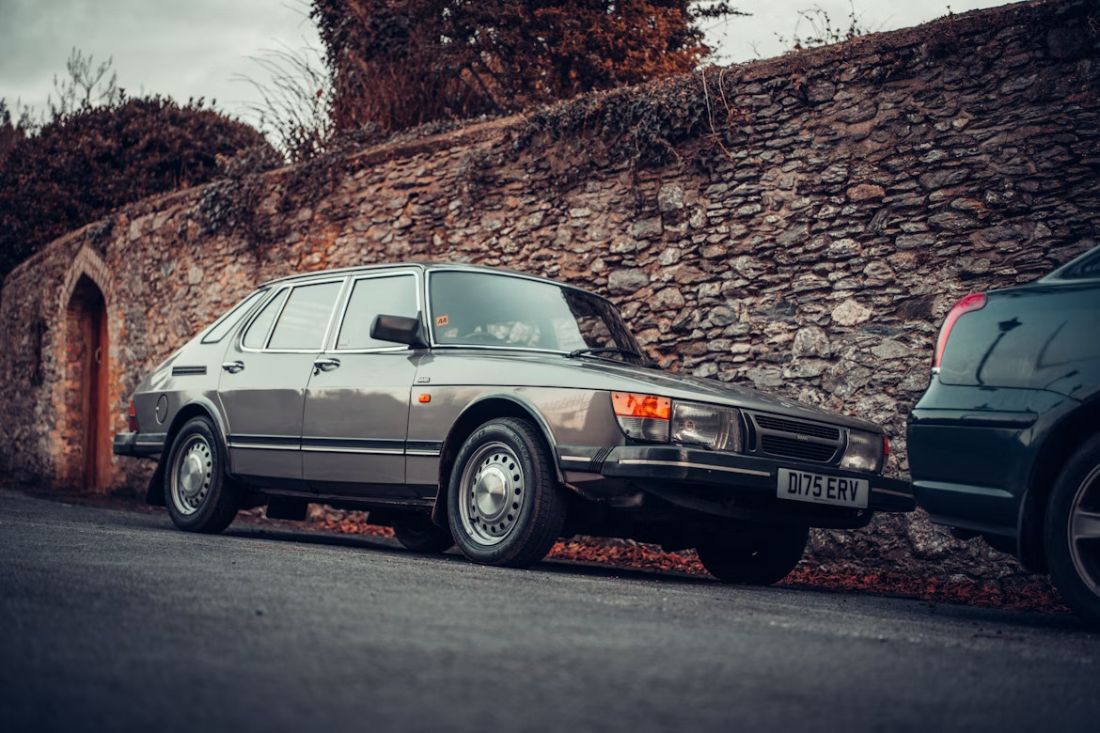
You know how sometimes you spot an old Saab driving through Stockport or cruising past the Etihad, and you think, “Blimey, I haven’t seen one of those in ages”? There’s something about a Saab that makes people look twice. Maybe it’s the slightly boxy-but-cool shape, or the way the dashboard looks like it was borrowed from a cockpit. And that’s not far off the truth. Saab actually started off building fighter jets for the Swedish government. Not exactly the usual way a car company begins, right? Most car brands start in a shed with an engineer and a dream. Saab started with aircraft engineers who already knew how to make things go fast, stay stable, and protect the people inside. That mix of confidence and wild imagination is probably why Saab cars felt different from everything else on the road.
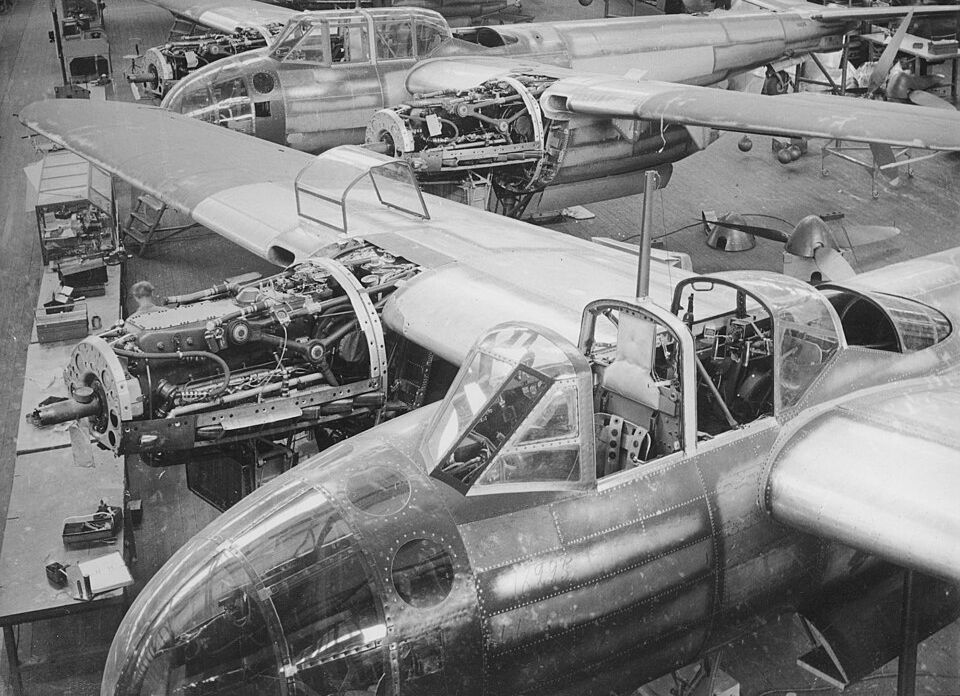
Photo: SAAB 18B (internal name L-18B) being produced at the Saab Linköping factory at the end of World War II.
Back in the 1940s, Sweden needed a way to keep its aircraft engineers busy once the war was ending. So, in 1945, the bosses at Svenska Aeroplan Aktiebolaget (that’s “Swedish Aeroplane Company,” which is where the Saab name comes from) decided, “Why don’t we make a car?” And honestly, that first idea must’ve sounded completely mad. But it worked. Their first production model, the Saab 92, came out in 1949, looking like a shiny green teardrop. Most cars back then looked like metal boxes with wheels stuck on, but the Saab 92 cut through the air like it belonged in a wind tunnel. And it did - it was shaped by the same people who designed fighter planes, so aerodynamics were basically their thing.
If you’re into cars, or even if you’re just a casual watcher of traffic on the A6, you probably know Saab had a reputation for doing things their way. They didn’t follow trends. They didn’t copy the Germans. They didn’t chase style points. They just built cars that made sense to them, and a lot of those ideas spread across the whole industry years later. Crumple zones, heated seats, turbocharged engines in everyday cars - Saab pushed those into the mainstream before most people realised how handy they’d be.
And here’s the thing: even though Saab didn’t survive as a car brand, people still love them. Especially around Manchester and Stockport, where you still see a few well-kept Saab 9-3s and the occasional 9-5 wafting around like they’ve got all the time in the world. There’s something charming about a brand that stuck to its oddball ideas and didn’t apologise for being different. At Dace Motor Company, we’ve sold our fair share of used Saabs over the years, and the conversation is always the same: “They don’t make cars like this anymore.” And honestly… they really don’t.
Why Saab Cars Felt Like They Came from Another Planet
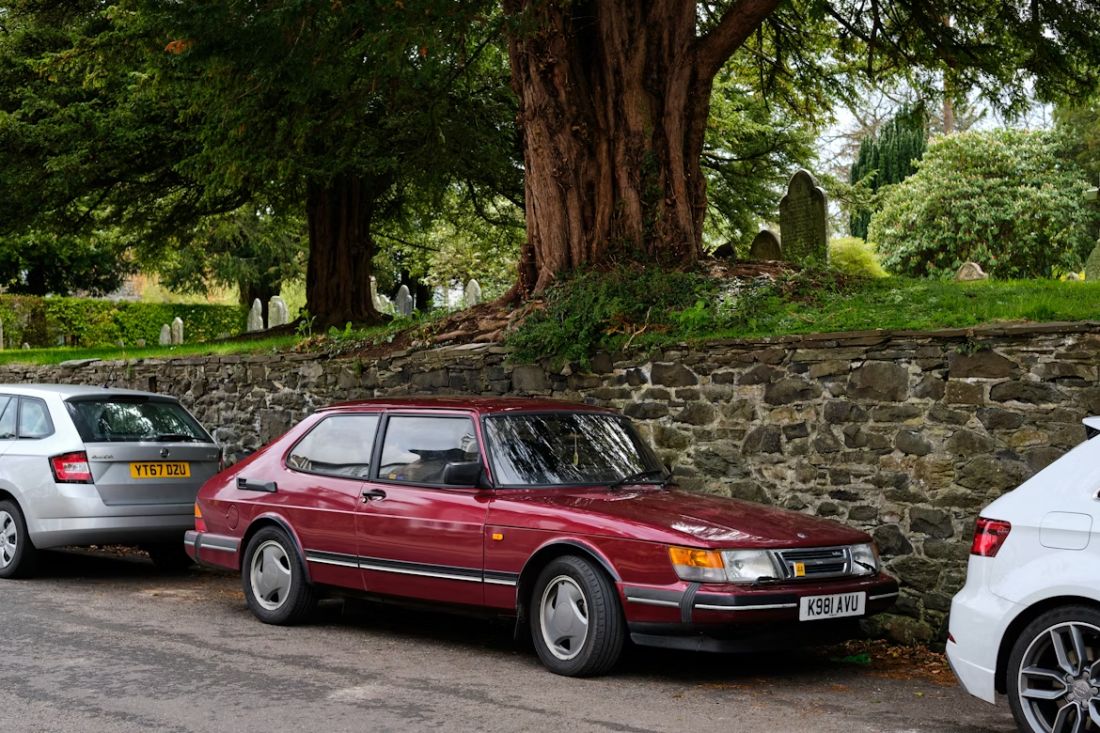
If you’ve ever sat in a Saab, you probably noticed the weird stuff right away. The ignition isn’t by the steering wheel. It’s down by the handbrake. And yes, they did that on purpose. Saab engineers wanted to stop drivers smashing their knees on a metal key in a crash. Makes sense when you think about it. The dashboard isn’t just a dashboard either. It wraps around you, leaning in like it’s trying to whisper “let’s go” every time you turn the key. In some models you even get a “Night Panel” button that switches off everything except the speedo so you can concentrate properly on the road. Feels a bit like being in a jet, which was exactly the vibe they were going for.
And then there was Saab’s love affair with turbochargers. These days every other car has a turbo, from tiny hatchbacks to big SUVs - we see loads of them in our showrooms across Stockport and Manchester. But back in the 1970s and 80s, turbos were for racing cars and, you guessed it, fighter jets. Saab looked at that and went, “Let’s stick this on a family car and see what happens.” And what happened was the Saab 99 Turbo, which became a bit of a legend. It was quick, but it wasn’t just the speed that impressed people. It was the way it handled Manchester’s famously soggy weather. Turbo engines back then could be temperamental, but Saab figured out how to make one that behaved in everyday driving.
Another thing that made Saab feel special is how unbothered they were about following the latest fashion. While other brands were showing off sharp lines, chrome trims, and shiny badges, Saab was quietly building cars that looked like they’d stay modern for decades. They didn’t scream for attention, but they didn’t fade into the background either. Sort of like that one person you know who always dresses comfortably but somehow still looks cool.
And honestly, for people who like quirky cars, Saabs felt personal. They didn’t feel mass-produced. They felt like they were built by engineers who genuinely cared about drivers being comfortable, safe, and slightly spoiled with clever features. That’s why Saab owners held onto their cars longer than most. You’d see someone in Hazel Grove or Heaton Chapel driving a fifteen-year-old Saab and refusing to replace it because it “still feels right.” We’ve heard that many times at Dace Motor Company as people look for something that captures that same feeling. It’s hard to replicate, which is probably why old Saabs are still loved today.
The Golden Years: Turbo Power, Rally Wins, and Cars That Were Built Like Tanks
Saab’s best years were the late 70s, the entire 80s, and early 90s - a period when the brand felt unstoppable. If you look back at old motorsport clips on YouTube, you’ll see Saab 96s ripping through snowy rally stages like the car was half rally machine, half snowmobile. Drivers like Erik Carlsson made the brand famous by winning rally events where half the competitors got stuck or slid into ditches. His driving style was wild - he’d even flip the car and keep going - and people loved it. The wins didn’t just help Saab look cool; they also proved that their weird engineering choices actually worked in tough real-world conditions.
But the real fun started with the turbo era. The Saab 900 Turbo is probably the car everyone remembers, even if they’ve never owned one. It had this long, slightly curved windscreen that wrapped around like a motorcycle visor. Inside, everything pointed toward the driver. The back seats were roomy, the boot was bigger than it looked, and the whole thing felt sturdy. Not sturdy as in “heavy and slow,” but sturdy like “this thing will survive whatever Manchester weather throws at it.” Rain, hail, potholes, long drives down to Stockport from the Lakes - the car just soaked it all up.
The 900 Turbo became a bit of an icon. Journalists loved it. Families loved it. People who usually bought BMWs or Audis gave Saab a chance because it offered something different. You’d see them parked around Didsbury, Cheadle, Stockport town centre - anywhere you found people who wanted something cool but sensible.
Saab then moved into the 90s with the Saab 9000, which shared some parts with Fiat, Lancia, and Alfa Romeo. Sounds like a strange mix, but the partnership worked out well. The 9000 was big, comfortable, and shockingly quick when you picked the Aero version. Journalist John Phillips once wrote that the 9000 Aero pulled harder in third gear than a Ferrari Testarossa. That became one of those famous car-world lines people still quote today.
By this point, Saab felt like it had cracked the code: safe cars that were fun, modern but not flashy, clever but not annoying. Cars for people who liked to think a bit differently. That kind of attitude is probably why the brand had such a loyal following. Even now, at Dace Motor Company, whenever we get a Saab part-exchange, it’s usually from someone who’s had the thing for nearly forever and only lets go of it because they finally have to.
Trouble Starts Brewing: The GM Years and the Slow Change in Identity
Here’s where things get messy. Saab stayed independent for most of its life, but building cars is expensive - painfully expensive. Even though Saab had loads of fans, they weren’t selling nearly as many cars as the big players. That meant they didn’t have enough money to keep developing new engines, new safety tech, or new designs at the speed the market expected. By the late 80s, it was clear they needed help. In walked General Motors, also known as GM.
GM bought 50% of Saab in 1989 and later took full control. At first, this sounded like good news. Big budget, big dealership network, big supply chain. Saab could finally update its models more often and compete with brands like BMW and Mercedes that were churning out new stuff every few years. And GM did help in some ways. The second-generation Saab 900 and the later 9-3 and 9-5 arrived during the GM era. They were still recognisably Saab, and a lot of people liked them. You still see these models around Manchester today, especially the 9-3 convertibles in the summer - usually with the roof down, even when the sky looks suspicious over the Pennines.
But you know how it is when a small, quirky company gets swallowed by a giant corporation. The identity starts to fade. Saab fans noticed parts being shared with other GM brands like Vauxhall. Some of the interior switches were the same as you’d find in an Astra or Vectra. The big, complicated charm of Saab engineering was slowly changing into something more mainstream. And mainstream wasn’t what made Saab special.
There were still bright spots. The 9-5 Aero from the early 2000s was brilliant - quick, comfy, and still full of that Saab weirdness people loved. But behind the scenes, GM wasn’t sure what to do with Saab. They weren’t selling enough cars to justify the money needed to invent new platforms. GM kept Saab alive, but not quite thriving. It was like watering a plant just enough to keep it from dying but never enough for it to grow properly.
People in the UK - especially in our part of the North West - stayed loyal, but the market needed fresh models, and Saab couldn’t afford to keep up. Eventually, GM went through its own financial disaster around 2008 and decided to cut loose anything that wasn’t profitable. Saab, sadly, ended up near the top of that list.
The Strange Final Chapter: Spyker, Dreams, And a Brand That Slipped Away
In 2010, GM sold Saab to a tiny Dutch sports-car maker called Spyker. And honestly, for a moment it felt like the brand might get lucky. Spyker’s boss, Victor Muller, spoke passionately about reviving Saab and letting it go back to its creative roots. He made big promises. New models, fresh investment, and a chance for Saab to be weird and wonderful again. Saab fans got hopeful. Even in our showrooms at Dace Motor Company, customers were asking, “Do you think Saab is coming back?”
And to be fair, Saab did release the new 9-5 under Spyker. It looked sharp. It had a strong presence. It felt like the car Saab should’ve built five years earlier. People who test-drove it said it was comfy and solid, like a proper Swedish car should be. If you spot one on the roads around Greater Manchester now, it still turns heads. They’re rare, and they look like they belonged in a future Saab never got to see.
But the truth is, Spyker didn’t have the money to keep Saab alive. Making new cars requires huge investment, and Saab’s factories were bleeding cash. Suppliers weren’t getting paid. Production stopped again and again. There were boardroom dramas, confusing deals with Chinese companies, and endless negotiations that went nowhere. By 2011, it was basically over. Saab filed for bankruptcy.
A company called NEVS bought the leftover pieces and tried to turn Saab into an electric-car maker. The plan sounded impressive, but they weren’t allowed to use the Saab name on new cars. And without the name, the magic was gone. NEVS eventually faded too. That left Saab as one of those brands the car world talks about with a mix of pride and sadness. Gone, but never forgotten.
Why People Still Miss Saab
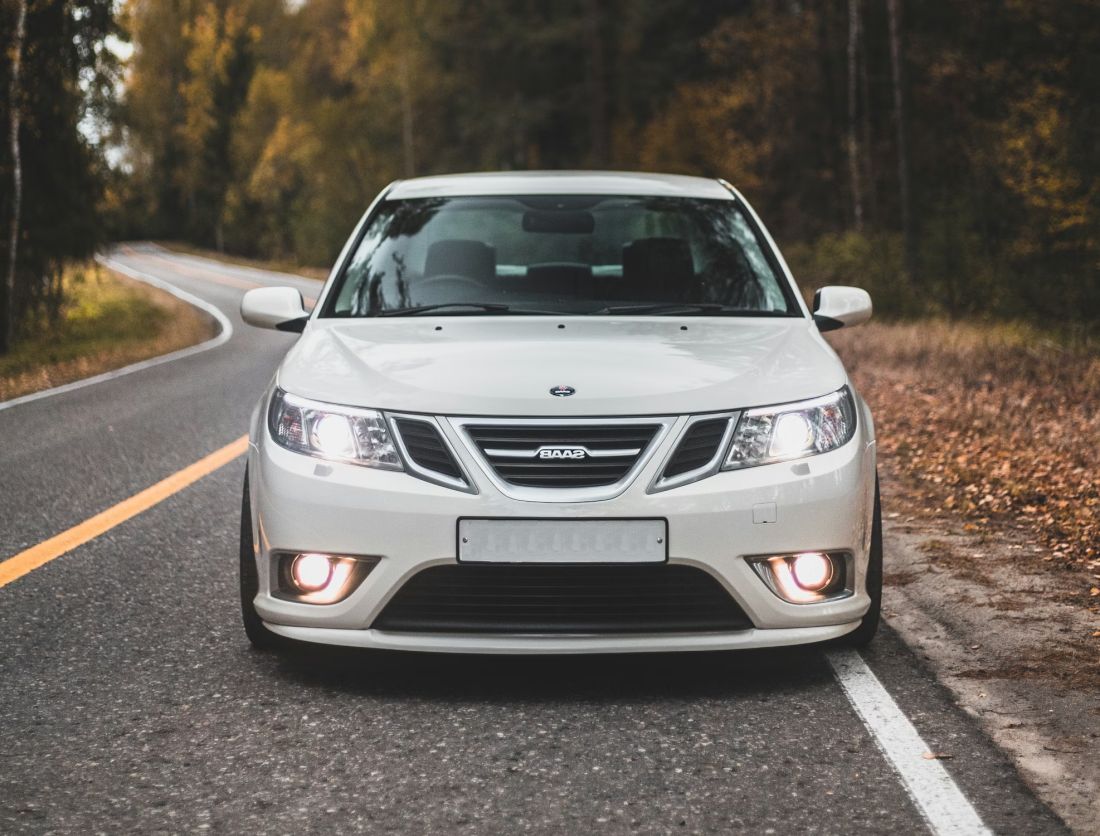
Even though the company stopped making cars over a decade ago, the love for Saab hasn’t gone anywhere. You see owners on forums chatting about repairs, upgrades, and road trips. You see people posting photos of tidy 9-3s they’ve spotted in Heaton Moor or Altrincham, like seeing one is catching sight of a rare bird. And when a used Saab arrives at one of our showrooms at Dace Motor Company, it gets attention straight away. They’re not cars you ignore.
A lot of the love comes down to the personality. Saab cars were comfortable without being posh, clever without being complicated, and stylish without showing off. They were for people who liked something a bit different. And that group of people hasn’t gone away. There are still drivers who prefer a car that stands out for good reasons rather than badge appeal.
Another reason Saab still gets admiration is the engineering. Even older Saabs often feel solid and planted, especially on winding roads or bumpy streets - which we’ve got plenty of around Greater Manchester. The seats are famously comfortable. The turbo engines still feel eager. And because they were built with safety as a priority, they aged well. You feel looked after when you drive one, like the car is paying attention.
It’s also the story. People love a brand with history, especially one that tried to be different right to the end. Saab wasn’t perfect, but it was brave. And that counts for something.
Saab’s Legacy in Today’s Car World
Even though Saab doesn’t produce cars anymore, loads of ideas they came up with are now everywhere. Turbo engines are normal. Safety features that Saab pushed early - like side-impact protection and strong passenger cells - are standard on pretty much every new car. Their aerodynamic thinking shaped how modern cars are designed. And the idea of making a driver-focused cabin has inspired countless manufacturers.
Saab also proved that a brand doesn’t need to be enormous to make an impact. They had loyal customers all over the world - including plenty right here around Stockport and Manchester - and many of those people still believe Saab made some of the smartest everyday cars ever built.
At Dace Motor Company, we’ve seen the demand for used Saabs remain steady for years. Even though the newest one is more than a decade old, people still come in asking for them, especially the 9-3 convertibles, the older 900 Turbos, and the respected 9-5 estates. There’s just something about them that refuses to fade.
What Saab Teaches Us About Car Brands Today
If you’re into car history or just enjoy reading about brands that did things their own way, Saab is one of the most interesting stories out there. It’s a reminder that being different matters. It’s also a reminder that even brilliant ideas need strong financial backing to survive. Saab had innovation. Saab had passion. Saab had fans. But it didn’t have the money to keep pace with an industry getting more expensive every year.
The thing is, Saab still succeeded in leaving a mark. If you’ve ever driven a car with a turbo, enjoyed heated seats in winter while stuck on Kingsway, or admired a dashboard that feels like it wraps around you, you’ve felt some of Saab’s influence. And if you ever spot an old Saab rolling through Stockport, you might understand why the brand still gets people talking.
There aren’t many companies that went from building fighter jets to building family cars and managed to make both feel exciting. Saab did. And even though the brand has gone quiet, the cars they left behind still carry that spark.