


The Rise and Fall of Rover - Britain’s Lost Automotive Giant
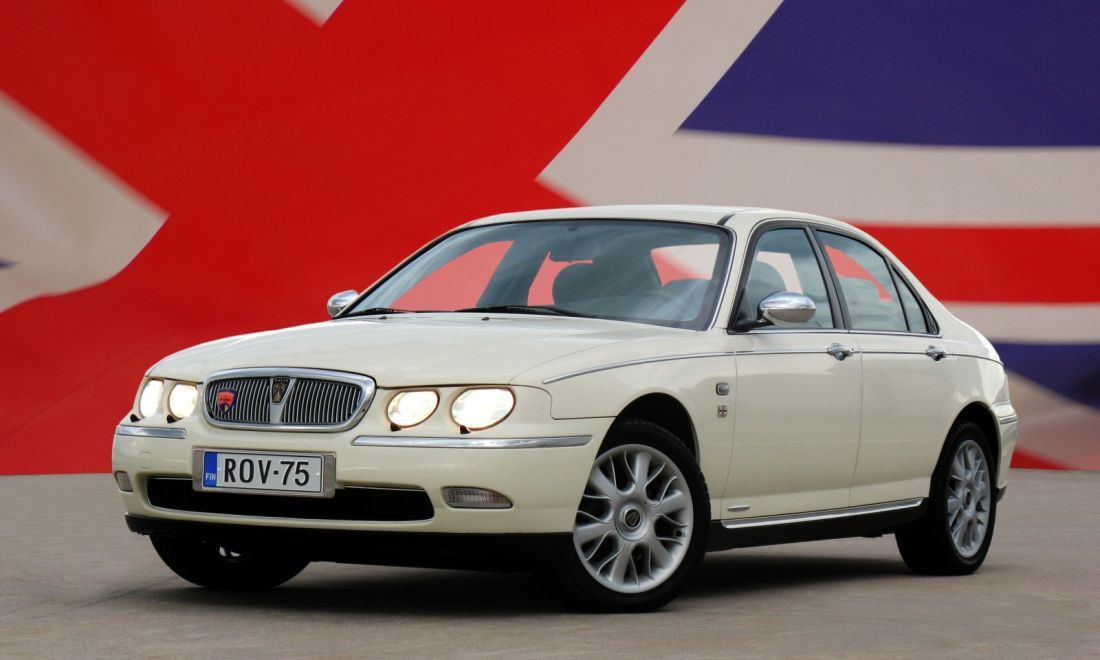
Photo: Rover 75, launched in 1999 by Samuli Silvennoinen, CC BY-SA 3.0, via Wikimedia Commons
Rover is one of those names that can hit you out of nowhere. You’re sat at the lights by the Stockport Pyramid, you glance across, and there it is on someone’s boot lid: that old Viking ship badge. Or you’re crawling round the M60 ring road near Reddish, stuck behind a slightly battered saloon that’s seen a few winters, and you think, “Wait… Rover. Haven’t heard that in ages.” That’s the weird thing about Rover. The cars are still out there, quietly doing their thing, even though the company behind the name didn’t make it. And let’s face it, Rover wasn’t some tiny side project either. For a long stretch, it was a proper British giant, building everything from posh executive cars to the original Land Rover that farmers and explorers loved. So how did a brand that once made cars for prime ministers end up disappearing? That’s what we’re getting into here at Dace Motor Company, because plenty of our customers around Manchester and Stockport grew up with Rover in the background. Their parents had one. Their grandad swore by one. Someone’s mate had an old one that refused to die. This is the story of Rover’s big climb, the moments it genuinely shone, the messy bits in the middle, and the hard crash at the end. No fairy tale, no magic fix. Just people, decisions, and a car industry that can be brutal when things go wrong. If you like a good underdog story, you’ll probably feel a bit torn by the time we’re done. Because Rover didn’t just “fade away”. It fought, stumbled, got rescued, got split up, and finally ran out of road.
It started with bikes, not cars
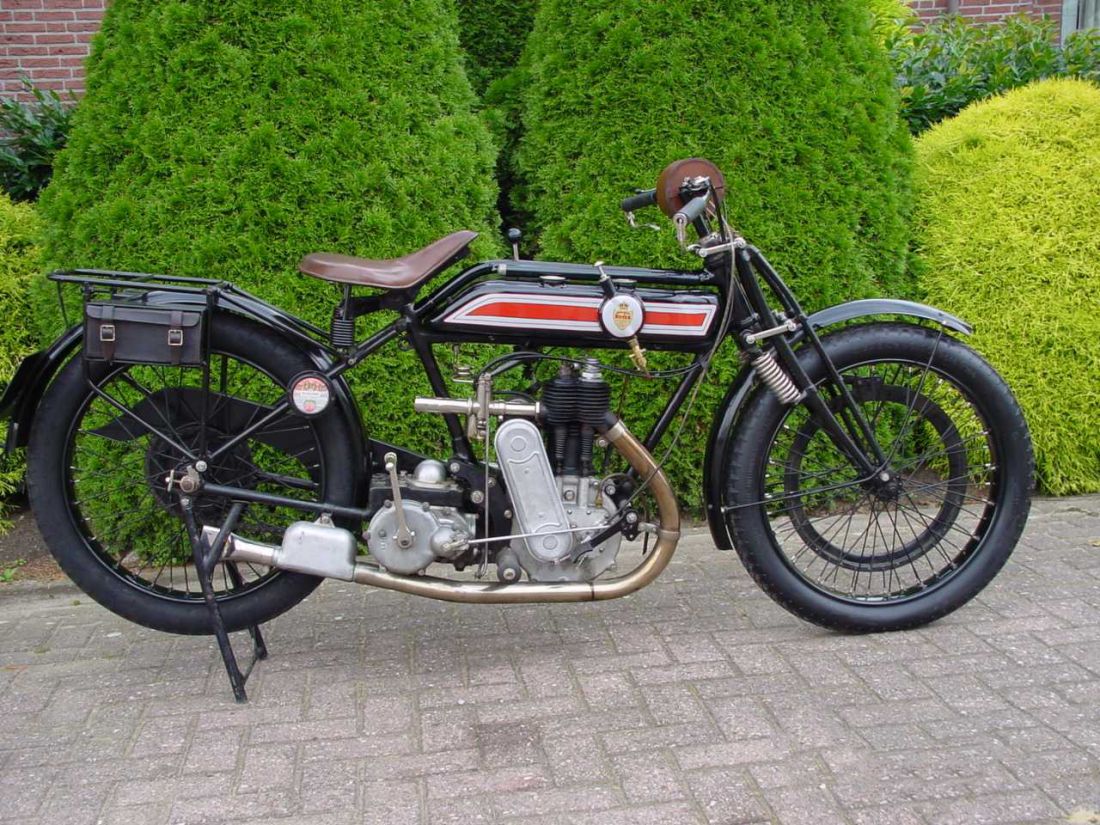
Photo: 1920 Rover 500 cc by Yesterdays Antique Motorcycles en Classic Motorcycle Archive, CC BY-SA 3.0, via Wikimedia Commons
Before Rover was a car name, it was a bicycle name. Back in 1878, John Kemp Starley and William Sutton set up a company in Coventry that made cycles. Starley is a massive deal in bike history because in 1885 he built what people now call the “safety bicycle”, with two wheels the same size and a chain drive, so it wasn’t like those scary high-wheel penny-farthing things that looked ready to throw you into a hedge. That “Rover” bike ended up being so famous that, in some languages, the word for bicycle came from the Rover name. Wild, right? Cars came later. Rover started making cars in 1904, and over time it built up a reputation for being a bit classier than the average family runabout. Think solid, comfortable, “proper car” vibes. And Rover wasn’t scared of new ideas either. Much later on, in the early 1960s, Rover got involved with a gas turbine race car project with British Racing Motors, and took a turbine car to the 24-hour race at Le Mans in 1963 as an experimental entry. Graham Hill and Richie Ginther drove it. That’s the sort of thing you do when you’ve got confidence and clever engineers around you. The point is, Rover’s roots weren’t “we slap badges on cars.” It was engineering culture. It was making things and improving them, year after year, in a Britain that still made loads of its own machines. That early identity mattered later, because when Rover was at its best, it felt like a company that cared about how a car was built, not just how it looked in a showroom.
After the war, Rover finds its big idea: Land Rover
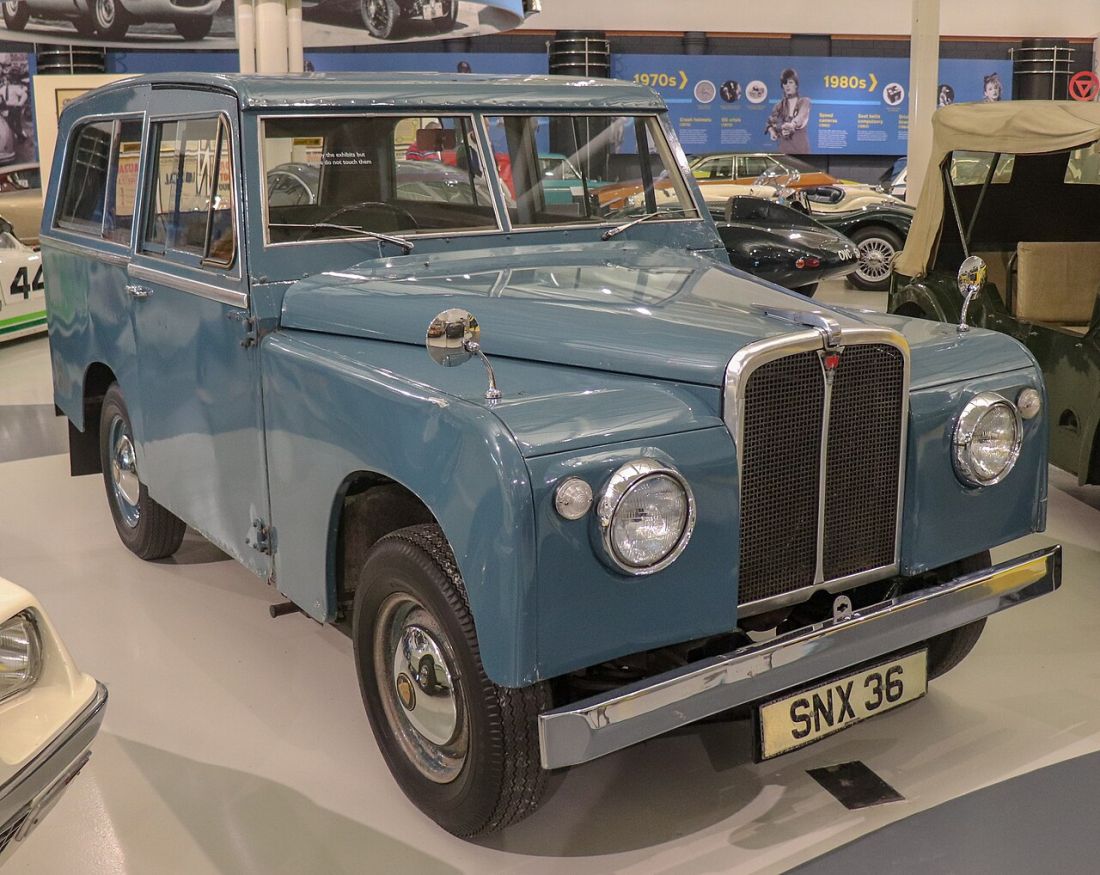
Photos: 1955 Road Rover Series I 2.0 by Vauxford, CC BY-SA 4.0, via Wikimedia Commons.
World War Two smashed up a lot of British industry, and Rover’s Coventry factory got badly damaged in bombing. So after the war, Rover moved into the Solihull plant on Lode Lane, a huge site that had been used for aircraft engine work during the war years. Now picture Britain in the late 1940s: farms needed practical kit, exports mattered, and materials were short. Into that mix came the Land Rover. The basic idea is linked to Maurice Wilks, Rover’s chief designer, and his brother Spencer Wilks, who ran the business side. Maurice used a Jeep on his farm, found it troublesome, and wanted something tough and useful but more suited to British needs. A really early Land Rover “mule” had the steering wheel in the middle, built in October 1947 to test ideas before the final design. Then the production Land Rover made its public debut on 30 April 1948 at the Amsterdam Motor Show. Here’s a detail people love: because post-war steel was hard to get, and aluminium was more available, early Land Rovers used aluminium alloy body panels. It helped them resist rust compared with lots of other vehicles of the time, which is why you still see very old ones running around. That Land Rover line became a huge part of Rover’s future, and you can draw a straight line from it to the Range Rover, launched in 1970. In other words, Rover didn’t just make “cars”. It made a whole new kind of utility vehicle for normal people, and then pushed that idea into something more luxurious later on. That’s the sort of leap that can make a company. And for Rover, it really did.
The posh Rover era: ministers, motorway miles, and real pride
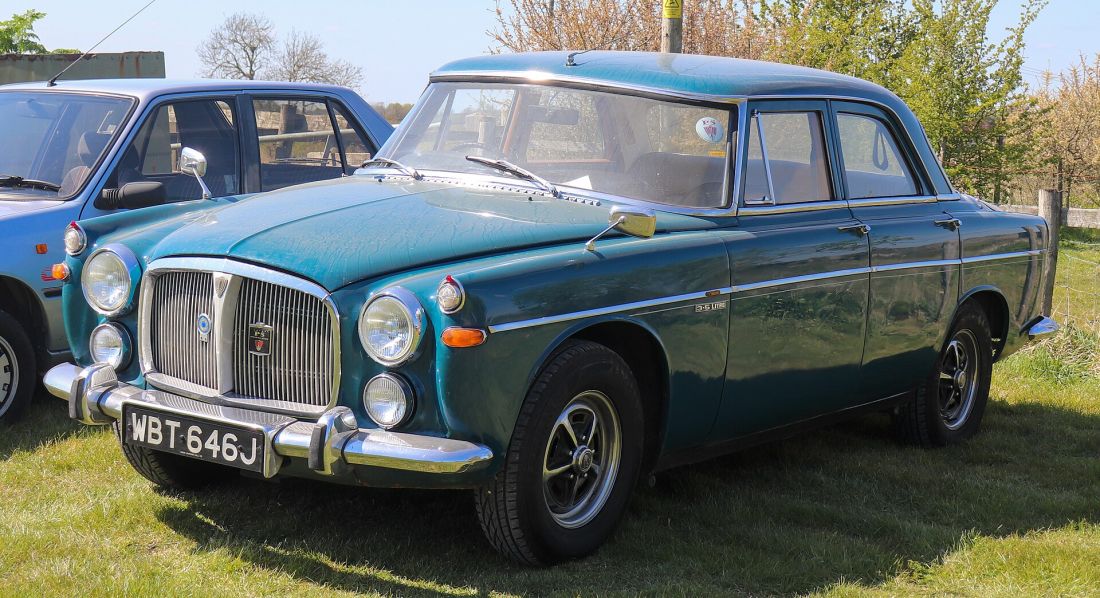
Photo: 1971 Rover P5 3.5 by Vauxford, CC BY-SA 4.0, via Wikimedia Commons
While Land Rover was building a tough image, Rover cars were building a different one: comfort and status without shouting about it. In the late 1950s and 1960s, Rover was making big saloons that felt like they belonged outside a fancy hotel, or cruising down the A6 into town with a calm, steady feel. The Rover P5, made from 1958 to 1973, became a real symbol of that. It was used by high-ranking government ministers and served as prime ministerial transport for Harold Wilson, Edward Heath, James Callaghan, and Margaret Thatcher. Think about that for a second. This wasn’t a random fleet deal. Rover had reached the point where the people running the country trusted the cars enough to be seen in them.
That takes brand confidence, and it takes build quality that people believe in. Around the same time, Rover also pushed new ideas into normal-looking saloons. The Rover P6 line, sold from 1963 to 1977, was the first winner of the European Car of the Year award, which is basically a big trophy for being the standout new car in Europe. It’s easy to forget now, but for British car making, that sort of praise mattered. It said, “We’re still in the mix. We can still lead.” For drivers, it meant you could have something that felt a bit special without going full luxury limo. And you know how it is round Manchester: people like quality, but they don’t always want flash. That Rover vibe fit. Smooth, solid, a bit proud. The sad part is, this “posh but sensible” space is hard to defend when a company starts getting pulled into bigger mergers and bigger politics. And that’s exactly what happened next.
The giant mash-up: Leyland, British Leyland, and chaos on the shop floor
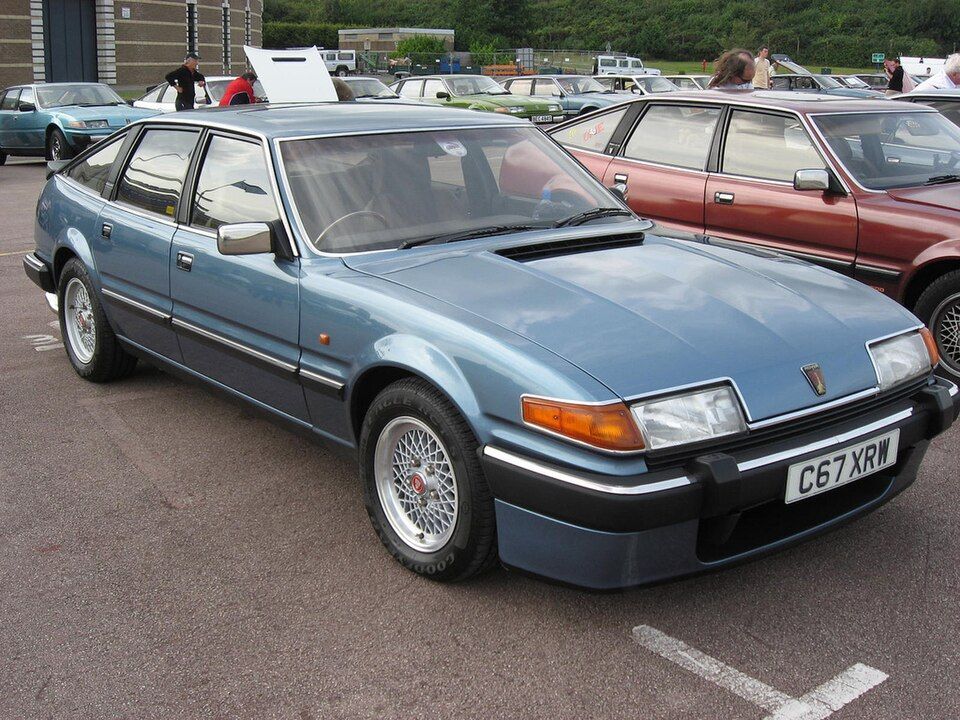
Photo: 1986 Rover Vitesse by Paul Brown, CC BY-SA 2.0, via Wikimedia Commons
In 1967 Rover got taken over by Leyland Motors, and then in January 1968, Leyland Motors merged with British Motor Holdings to create British Leyland Motor Corporation. On paper, it sounded like a superhero team-up. Bundle loads of British car brands together, make them strong enough to compete with the big global players, share parts, share factories, save money. In real life, it turned into a headache. British Leyland ended up controlling a huge chunk of the British car industry, with loads of brands and loads of factories, and that made it hard to manage well. The 1970s were rough: quality problems, strikes, slow decision-making, and cars that sometimes felt behind the curve just as foreign brands were improving fast.
By 1975 the British government stepped in and effectively nationalised the group, following a report led by Sir Don Ryder. And in 1977, the government appointed Sir Michael Edwardes as chairman, and he started cutting and reshaping the business. None of this is fun, but it’s important. Rover didn’t “choose” to become part of a mega group because it fancied drama. It got swept up in a national plan to save British car making. And that meant Rover’s fate was tied to decisions that went way beyond one model or one factory. You can feel that shift if you look at the cars. The Rover SD1 launched in 1976, and it won European Car of the Year for 1977. So the talent was still there. But production delays and disputes hit hard, and buyers started doubting whether British Leyland could deliver the goods smoothly. Once that doubt settles in, it’s hard to shake. People don’t like feeling like a guinea pig with their money. They want a car that starts every morning, whether it’s freezing by Werneth Low or raining sideways in Eccles.
Honda shows up, and suddenly Rover looks steadier
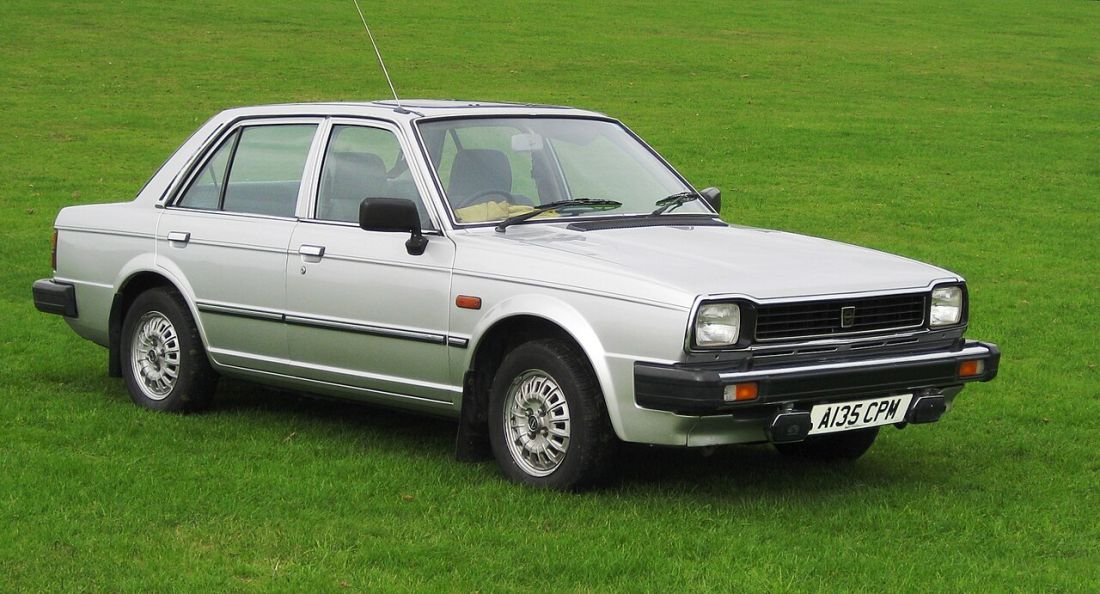
Photo: Triumph Acclaim at Knebworth Classic Car Show by Charles01, CC BY-SA 3.0, via Wikimedia Commons
Now, here’s a twist that surprises a lot of people: one of Rover’s better spells came through working with Honda. British Leyland negotiated with Honda in the late 1970s, and on 26 December 1979 a collaboration was officially signed by Sir Michael Edwardes and Honda’s president, Kiyoshi Kawashima. The first big result was the Triumph Acclaim, built from 1981 to 1984 as a locally made version of the Honda Ballade. It wasn’t just a badge swap. It was a way to bring reliability and tighter production standards into a British company that had been battered by bad headlines. People noticed. Even decades later, you’ll hear classic car writers say the Acclaim felt reliable in a way that shocked buyers who’d been burned by earlier British Leyland stuff. And that partnership didn’t stop there. It set up the pattern for a bunch of later cars that shared designs and ideas, with Rover badges on them. British Leyland later renamed itself as the Rover Group in 1986, after years of restructuring and brand changes. Here’s why this matters for Rover’s “rise and fall” story: it proves Rover wasn’t doomed by talent. When the company had a clear plan, a partner it could learn from, and a bit of breathing room, the cars could be really good. You see it in the way some of those later Rovers drove: comfy, tidy inside, and built with a calmer hand than the panic years. But there’s a catch. Partnerships help, but they don’t magically fix money problems, and they don’t fix a lack of fresh models forever. Car companies need steady investment, year after year, and Rover’s owners kept changing. That’s like trying to build a house while someone keeps swapping the architect.
Privatised, then sold: British Aerospace and the big German gamble
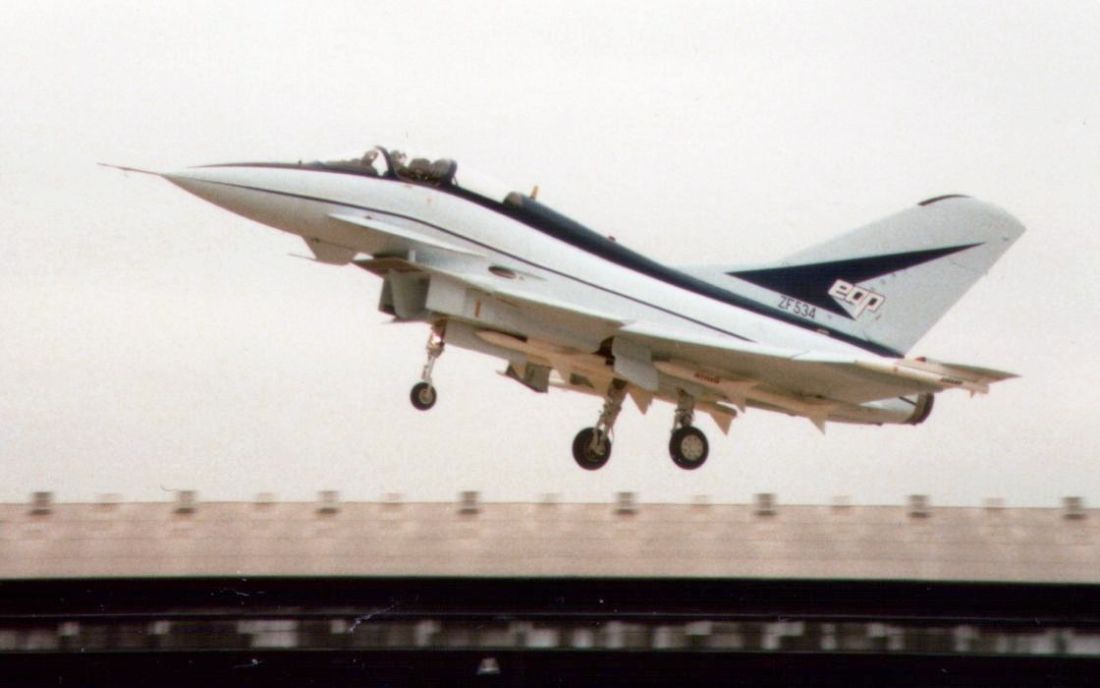
Photo: A British Aerospace EAP at the Farnborough Air Show, 1986 by Mean as custard, CC BY-SA 3.0, via Wikimedia Commons
In 1988 the Rover Group was privatised when it was sold to British Aerospace for £150 million. That sounds weird at first, right? A company known for aircraft and defence owning a car maker. But the late 1980s were full of that kind of thing. Then, on 31 January 1994, British Aerospace agreed to sell Rover Group to BMW, and the sale price mentioned in the House of Lords debate was £800 million. People still argue about what BMW wanted from Rover. Some say it wanted a bigger footprint in Britain and Europe. Some point to Land Rover and the Mini as jewels in the crown. Either way, it was a massive moment: a famous British car group in the hands of a German company, with big expectations and a lot of pressure. Rover launched the Rover 75 around this era, debuting it at the Birmingham Motor Show in October 1998, with deliveries starting in February 1999. The 75 is a good example of Rover trying to lean into its classy side again: comfy, old-school styling, a car meant to feel special without being snobby. Some people loved it. But the money side was ugly. Losses kept piling up, and by March 2000 BMW announced it would break up the Rover Group. That’s when the “giant” starts breaking into pieces. Land Rover was sold to Ford for £1.85 billion. BMW kept the Mini business. And the part that made Rover-badged family cars got spun out into something new, with a new name and not much cash. That’s a scary place to be for any car maker, because car development is expensive, and being broke is a terrible starting point.
MG Rover: the last roll of the dice, and the end at Longbridge
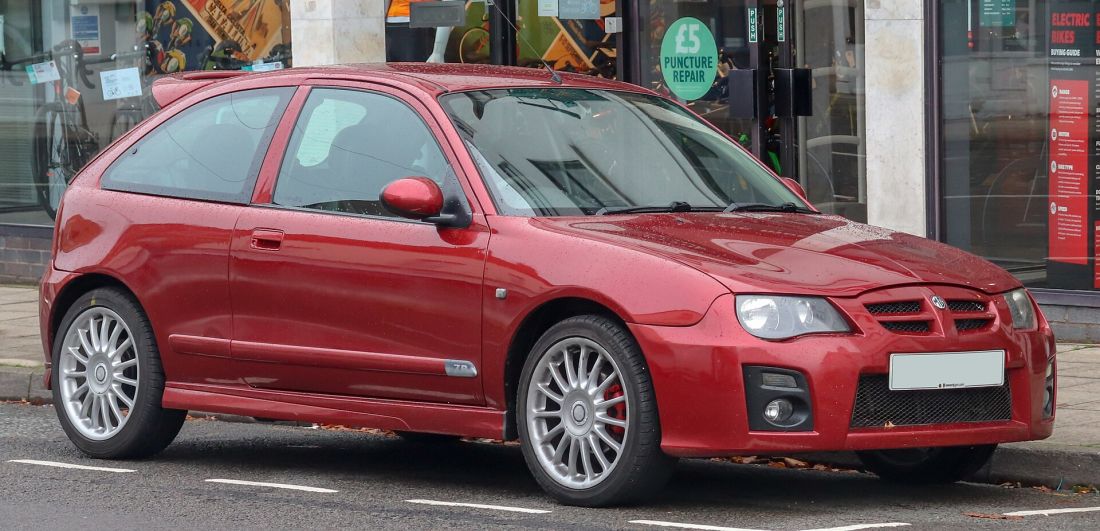
Photo: The MG ZR proved popular for MG Rover when introduced in 2001 by Vauxford, CC BY-SA 4.0, via Wikimedia Commons
In May 2000, the remains of the main car business were sold for a nominal £10 to a group of businessmen called the Phoenix Consortium, led by John Towers. They set up MG Rover, based around the Longbridge plant in Birmingham, which had been making cars for about a century. This is where the story gets really tense, because it’s not just a brand name anymore. It’s thousands of jobs, suppliers, and dealers across the country. And while most of us up here in Greater Manchester weren’t next door to Longbridge, the shockwaves still mattered. Factories feed other factories. Hauliers run parts up and down the motorways. People lose work, and then they spend less in their towns. You get the idea. MG Rover’s best year for sales was 2001, its first full year, when it sold over 170,000 cars. But it never made a profit, and it kept searching for a rescue deal that would fund new models. In June 2004, MG Rover told the government it had signed an agreement with Shanghai Automotive Industry Corporation to fund new model development. The deal didn’t save them. By April 2005, the MG Rover group went into administration, and the Longbridge lines stopped. Just like that, a name that had been on British roads for generations was done making cars. Later, in July 2005, China’s Nanjing Automobile agreed to buy assets from the collapse. And that’s the “fall” bit, in plain sight. No dramatic explosion. Just the lights going off on a factory floor.
So what’s left of Rover, really?
First, the name. The Rover brand stopped being used on new cars in 2005, and the rights to the trademark are held by Jaguar Land Rover, but there aren’t new Rover cars on sale today. Second, the vehicles themselves. You still see Rover 75s, Rover 45s, and the sportier MG versions knocking about, and you still see plenty of Land Rovers and Range Rovers because that side of the family survived and became its own giant. Third, there’s the lesson for anyone buying used cars. If you’re looking at an older Rover, you’ve got to think like a detective, not a dreamer. Parts supply can be patchy depending on the model, so it’s smart to check specialist support and see what’s still easy to get before you fall in love with the paint colour. Look for rust on older cars, listen for any weird noises on a cold start, and check for a solid service record. And if you’re looking at something from the MG Rover era, be extra picky about maintenance, because those cars lived through a company that was short of cash, which can lead to corners being cut on older examples if owners didn’t keep up. None of that means “don’t buy one”. It just means buy with your eyes open. Around Manchester and Stockport, we see plenty of drivers who want value and comfort and don’t want a big monthly bill. That’s fair. And if you’re shopping in the used market more generally, finance can help you spread the cost, but it’s worth checking your options without risking your credit score. At Dace Motor Company, we can run a soft check for used car finance that won’t leave a mark on your credit file, so you can see where you stand before you commit. The bigger point, though, is emotional. Rover feels like a lost chunk of British industry because it really was. It made breakthroughs, it made classics, and it made mistakes. And now it lives on in memories, in the odd badge you spot near the Trafford Centre, and in the way people still argue about what could’ve happened if the right money, the right plan, and the right timing had lined up.