


The Most Popular Car in the UK
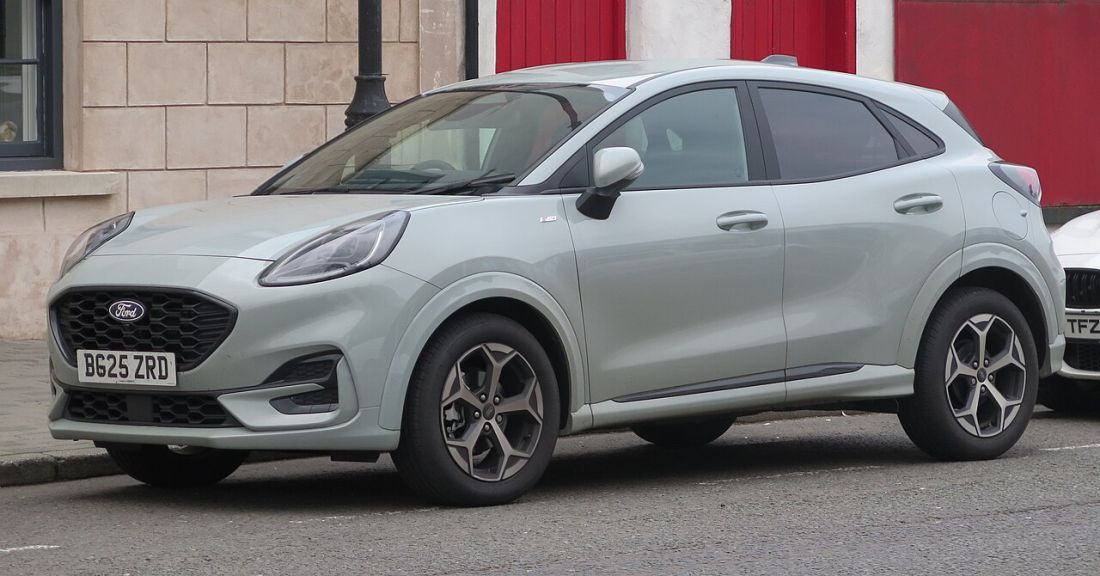
Photo: 2025 Ford Puma by Cutlass, CC0, via Wikimedia Commons.
At Dace Motor Company, we get this sort of question a lot, and the funny thing is there isn’t one neat answer that covers every angle. If you mean brand-new cars, the latest full-year numbers put the Ford Puma at the top of the pile in the UK. In 2025, 55,488 new Ford Pumas were registered, which was enough to beat the Kia Sportage on 47,788 and the Nissan Qashqai on 41,141. And if you want the freshest snapshot, not last year’s final whistle, the Ford Puma was still leading the year-to-date table after March 2026 with 16,128 registrations, even though the Jaecoo 7 actually won March on its own. So the answer is yes, the Ford Puma is the most popular new car in the UK right now if you’re looking at the latest full-year result and the early 2026 running order.
But car popularity is a bit like the weather over Manchester, it changes fast, and if you ask the question in a slightly different way, you get a different winner. One person means “best-selling new car.” Someone else means “the used car everybody still wants.” Another person means “the car you spot every five minutes on the A6, the M60, or parked outside the shops.” Those are three different things. That’s why this topic is better than it first sounds. It isn’t just about one badge and one model. It’s about what British drivers actually want, what they can afford, what fits their lives, and what keeps turning up on roads from Stockport to Eccles. So yes, the Ford Puma is the current headline answer. But the full story is a lot better than a one-line reply.
Why the Ford Puma keeps landing on top
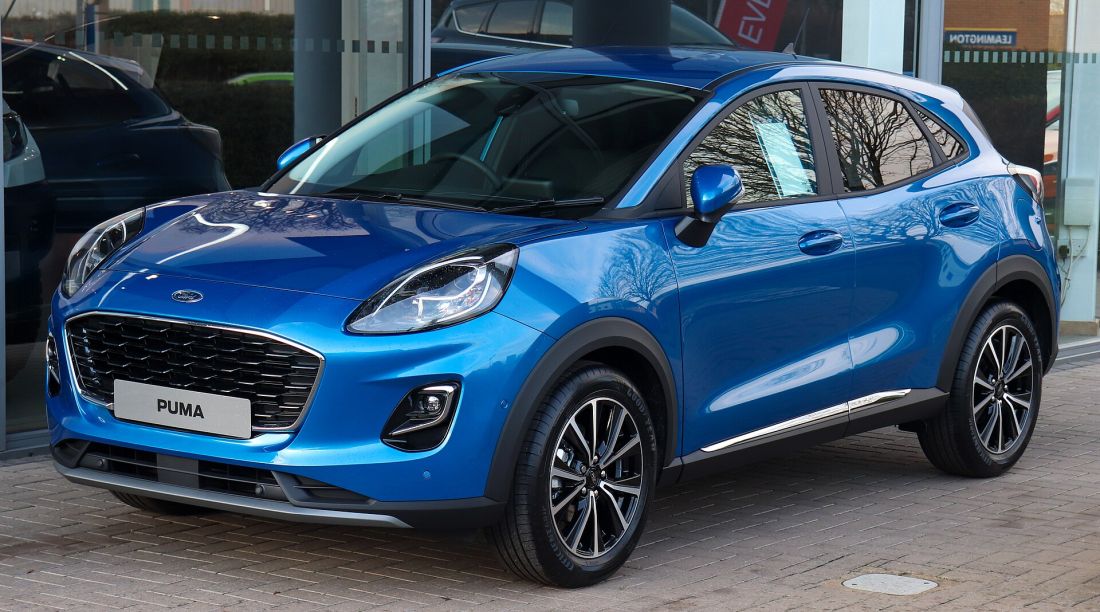
Photo: 2020 Ford Puma Titanium EcoBoost Hybrid 1.0 by Vauxford, CC BY-SA 4.0, via Wikimedia Commons
The Ford Puma keeps winning because it lands in a very handy middle ground. It isn’t tiny, and it isn’t huge. It gives drivers that raised-up feel plenty of people like, but it still fits normal British roads, normal parking spaces, and normal day-to-day life. Ford describes it as a compact hybrid model with extra boot storage through its Megabox, and that sounds fancy until you picture what that really means. It means room for bags, buggies, football kits, wet coats, shopping, and all the random stuff that seems to live in a family car forever. Ford also says the Puma is built with stop-start city driving in mind, which makes sense in places like Manchester, where one minute you’re moving, the next minute you’re staring at brake lights and wondering why you left five minutes late.
Reviewers at What Car? say the Puma has five seats, a big boot, and is big enough for a family of four, even if some rivals have a bit more room in the back. That really gets to the heart of it. Most buyers aren’t chasing some wild dream car. They want something that feels easy. Easy to climb into. Easy to park. Easy to live with. Easy to justify. And the Puma seems to hit that note for a lot of people. To be honest, that’s half the battle in the UK market. Cars that win here tend to be the ones that make everyday life feel a little less annoying. No fuss. No drama. Just enough space, decent fuel use, a shape people like, and a badge they trust. It doesn’t need to be the flashiest thing on the road. It just needs to feel right on a wet Tuesday in Stockport, and the Ford Puma seems to do that job very well.
What British drivers seem to want right now
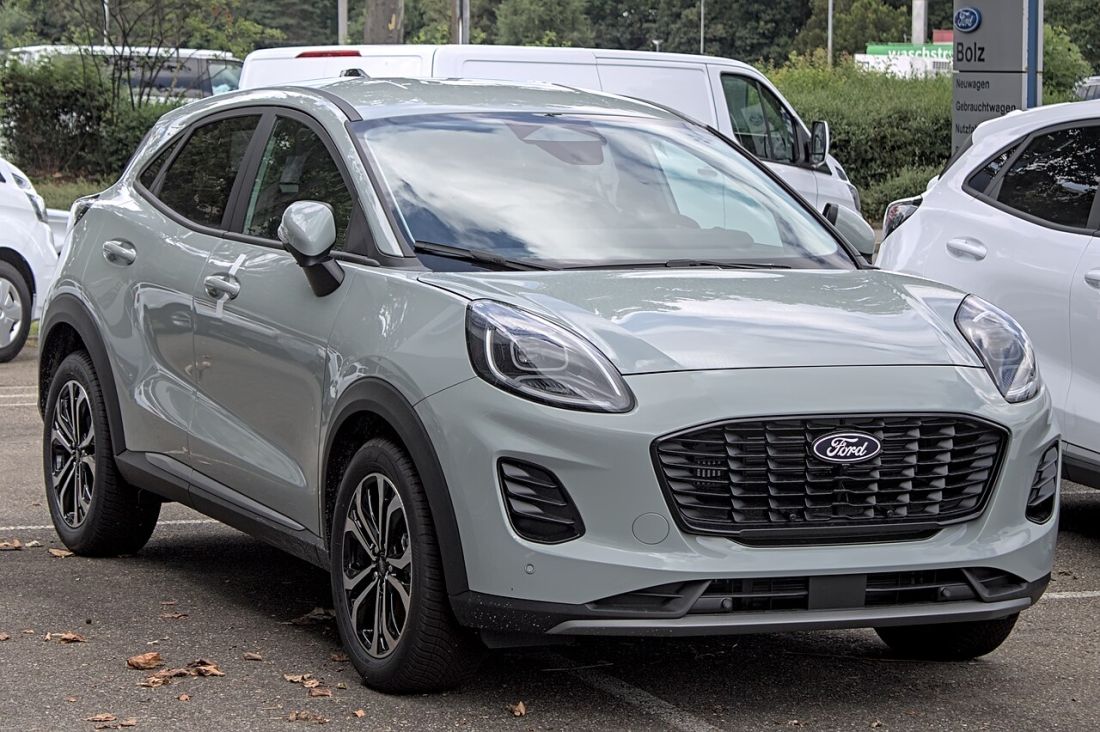
Photo: 2024 Ford Puma by Alexander-93, CC BY-SA 4.0, via Wikimedia Commons
To get why the Puma is doing so well, you have to look at the bigger mood of the market. Auto Trader’s 2025 review said this taller family-car style pulled in more than 770 million advert views on its platform, making it the most viewed body type of the year, with hatchbacks still close behind in second place. That tells you a lot. People haven’t fully fallen out of love with the classic hatchback, far from it, but plenty of buyers now want something that feels a touch higher, a touch roomier, and a touch more ready for everything. And let’s face it, that makes sense here. British roads aren’t getting wider. Parking bays aren’t getting kinder. Potholes aren’t disappearing. Families still need a car that can handle the school run, the weekly shop, the trip to football, the crawl into town, and that run out into the Peaks when the weather behaves itself for once. Auto Trader also said hatchbacks stayed strong because people still care about affordability, practicality, and how easy a car is to drive in towns and cities. That’s a big clue too. The market hasn’t gone fully one way. It’s more like buyers are trying to have it both ways. They want the comfort and the look of a slightly taller car, but they still want the no-nonsense feel of something simple to own. That’s exactly the kind of gap the Puma fills. It looks current without being over the top. It feels family-friendly without becoming a barge. And for plenty of drivers around Manchester and Stockport, that sweet spot matters. You don’t want something so small that every trip feels cramped, but you also don’t want a giant thing just to nip to the Trafford Centre or squeeze into a tight space in Heaton Moor. The cars doing well right now seem to be the ones that get that balance right, and the Ford Puma is right in the middle of that trend.
But the used market tells a different story
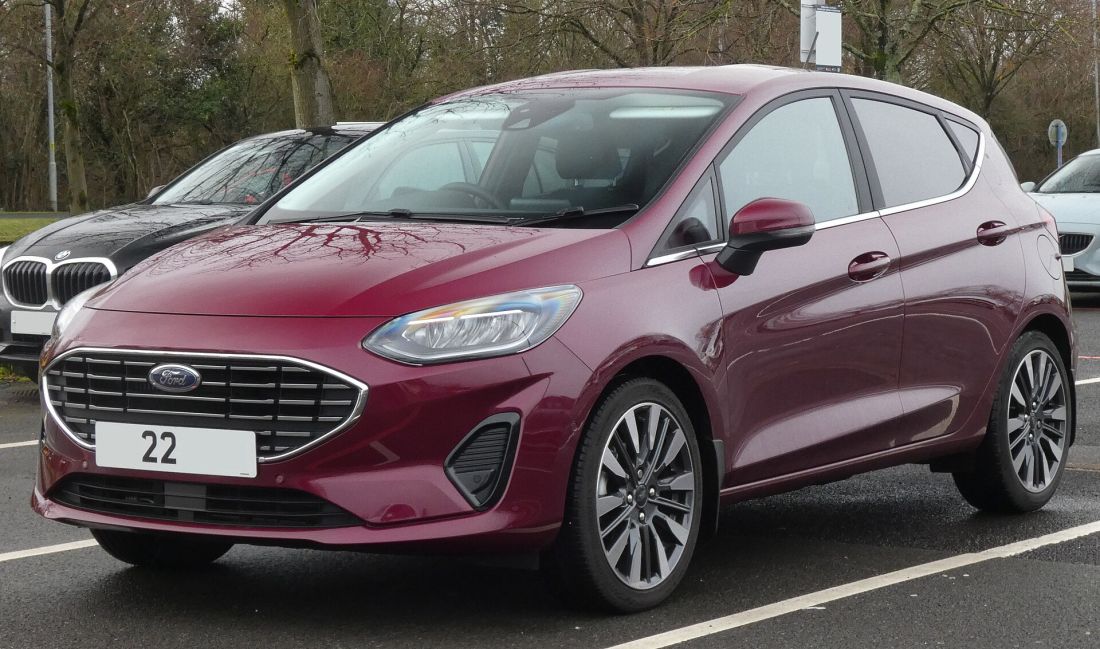
Photo: 2022 Ford Fiesta by Harvey Bold, CC BY 4.0, via Wikimedia Commons
Now here’s where it gets really interesting. If you switch from brand-new cars to used ones, the winner changes straight away. The Society of Motor Manufacturers and Traders said 7,807,872 used cars changed hands in the UK in 2025, which was up 2.2% on the year before. And the best-selling used car was not the Ford Puma. It was the Ford Fiesta, with 303,090 sales. After that came the Vauxhall Corsa on 247,853, the Volkswagen Golf on 226,082, and the Ford Focus on 218,962. That tells a very British story. Brand-new buyers may be leaning into newer, taller models, but the used market is still deeply attached to practical hatchbacks that feel familiar, affordable, and easy to own. Autocar pointed out that all but one of the top ten used cars in 2025 were traditional hatchbacks, with the Nissan Qashqai as the lone exception. That feels about right, doesn’t it? You’ve probably dealt with this before. A used buyer isn’t always hunting for the trendiest thing. They want something they know. Something they’ve sat in before. Something their mate has. Something they can get serviced without drama and park without holding their breath. And that is why the Fiesta keeps hanging around at the top even after production ended. There are loads of them out there, people still like them, and they still make sense for a lot of homes. From where we sit at Dace Motor Company, this is a big part of the real UK car picture. New-car popularity grabs the headlines, but used-car popularity tells you what people are actually choosing with everyday budgets in mind. And that second story matters a lot, especially in areas like Manchester and Stockport where value, reliability, and monthly costs are never far from the front of people’s minds.
The cars you still see everywhere
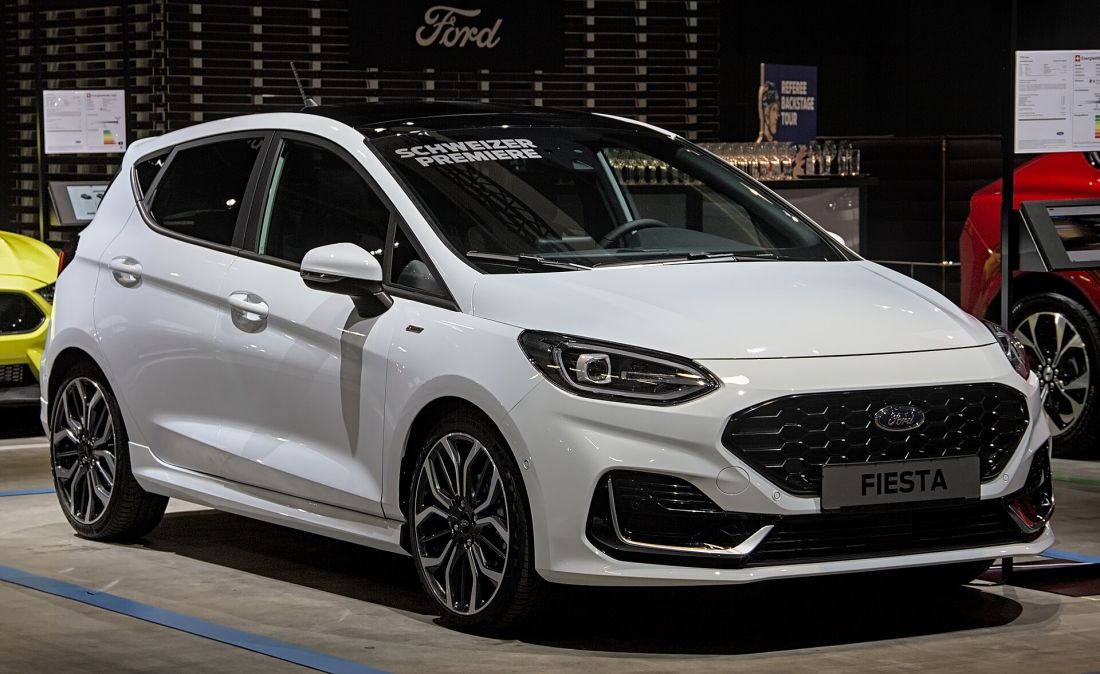
Photo: 2021 Ford Fiesta ST-Line by Alexander Migl, CC BY-SA 4.0, via Wikimedia Commons
There’s another way to answer the question, and this one is probably the most familiar to anyone who spends time on British roads. Forget what sold best last year. What car is simply everywhere? On that score, the Ford Fiesta still rules the road. SMMT’s motorparc figures for 2024 said there were 1,465,402 Ford Fiestas in use on UK roads. After that came the Vauxhall Corsa with 1,035,440, the Ford Focus with 1,004,153, and the Volkswagen Golf with 997,788. So even though the Ford Puma is the top new-car seller, the Ford Fiesta is still the car you’re most likely to spot again and again in real life. That matters because people don’t judge popularity only by charts. They judge it by what they keep seeing. By what turns up at the lights. By what fills the supermarket car park. By what’s outside the school gates. By what sits three cars ahead of them in traffic on the M60. And that’s why the Fiesta still feels huge in the national story. It has years of history, loads of cars still on the road, and a reputation as a simple, sensible pick for all sorts of drivers. In a funny way, that means Britain has one car leading the new-car race and another leading the everyday “I see these everywhere” race. So if a reader asks, “What’s the most popular car in the UK?” the honest reply is, “It depends what you mean.” If you mean the newest winner, it’s the Puma. If you mean the car that still feels woven into daily British life, the Fiesta has a very strong shout. And you can see why that trips people up. One answer comes from the showroom. The other comes from the street outside your house. Both are real. Both say something useful about what British drivers like.
Electric cars are growing, even if they haven’t taken the crown yet
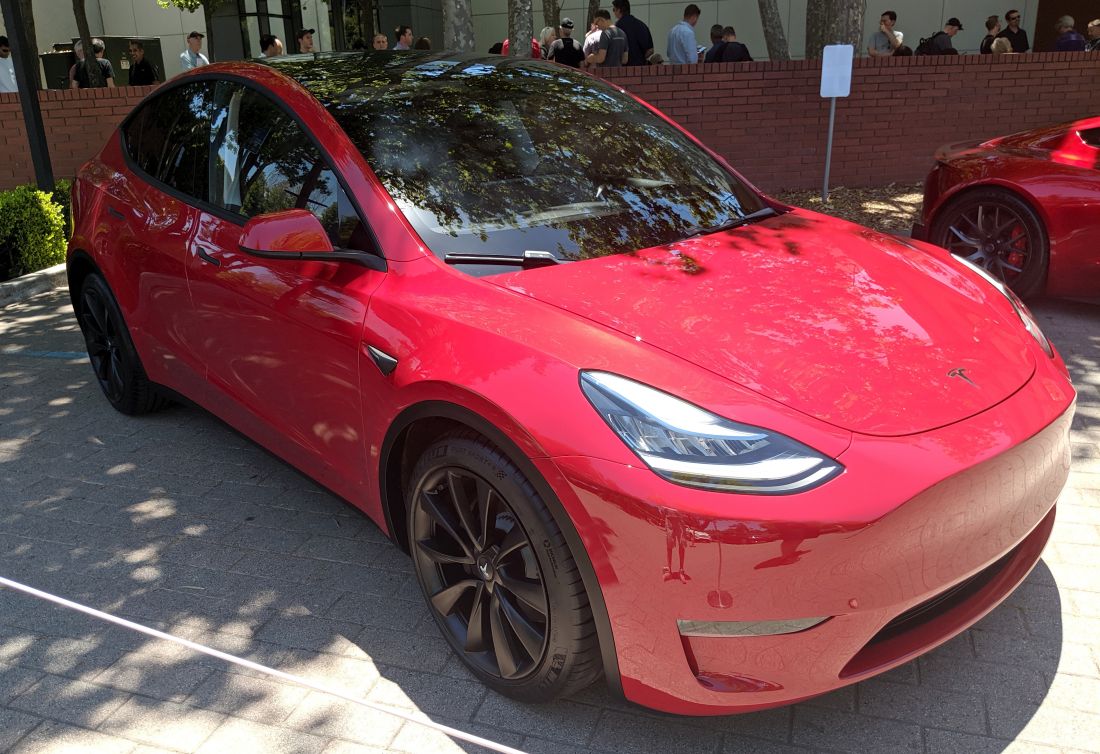
Photo: 2025 Tesla Model Y by Dllu, CC BY-SA 4.0, via Wikimedia Commons
Another part of this story is electric cars, because you can’t really talk about the UK market now and pretend that shift isn’t happening. In 2025, the UK new-car market reached 2,020,520 registrations, and electric cars took a 23.43% share of that total, with 473,348 new electric cars registered during the year. That’s a big number, and it shows real movement. But here’s the thing. No electric car made the overall top ten list of the most-registered new cars in 2025. The top electric model was the Tesla Model Y with 24,298 registrations, which put it ahead of other electric choices but still outside the overall top ten. So Britain is buying a lot more electric cars, but the single most popular car in the country is still not electric. At least not yet. The used side is moving too. SMMT said used electric-car sales jumped 45.7% in 2025 to 274,815. That’s a huge rise, and it matters because the used market is where a lot of people start thinking, “Maybe now’s the time.” New electric cars can still feel pricey for plenty of families. Used ones bring that first step a bit closer. So the market is doing two things at once. It is still backing practical petrol and hybrid cars in big numbers, and it is also making room for electric cars at a faster pace than before. You know how it is, change in the car market is rarely one clean swing from one thing to another. It’s messy. It overlaps. Old favourites hang on while new habits build in the background. That’s exactly what we’re seeing now. The Ford Puma may be the headline car, but the market around it is shifting, and the next few years could look a bit different from the last few.
What this means if you’re buying around Manchester or Stockport
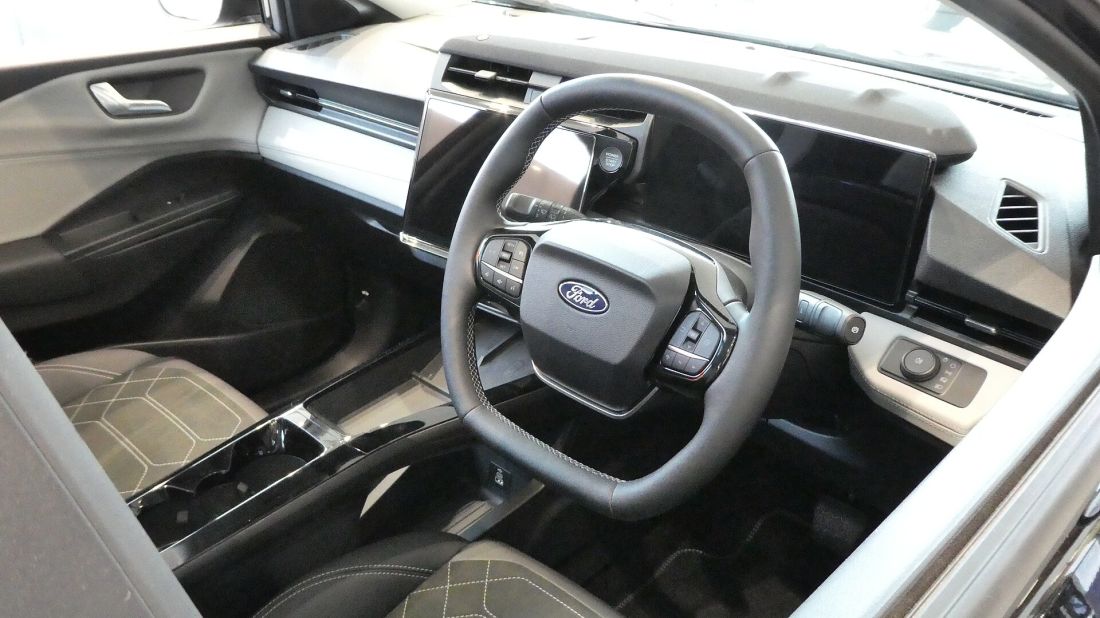
Photo: 2025 Ford Puma Gen-E Dash and Steering Wheel by Pamsimhaho, CC0, via Wikimedia Commons.
So what should a local buyer do with all of this? Well, the first thing is not to chase popularity just because it’s popular. A car can top the charts and still be wrong for your life. But the numbers do give you a helpful clue. If loads of people keep buying one model, there’s usually a reason. The Ford Puma’s rise says British buyers like a car that feels current, practical, and not too bulky. The Ford Fiesta’s grip on the used market says loads of buyers still want small hatchbacks that feel affordable and familiar. The Golf’s place near the top says there’s still a big audience for cars that feel solid and all-round good at everything. For local drivers, that matters. A car for London isn’t always the same as a car for Stockport, and a car for a country lane in the middle of nowhere isn’t always the same as a car for commuting between Eccles, the city centre, and the ring road. Around here, people want something that can handle traffic, parking, wet roads, potholes, school runs, station drop-offs, and the odd weekend escape without becoming a pain. From where we sit at Dace Motor Company, that’s why the sweet-spot cars keep doing well. They aren’t trying too hard. They just fit real lives. And that is what buyers should pay attention to. Not hype. Fit. If you want the current new-car favourite, the Puma makes sense. If you want a used car with a long track record and loads of choice, the Fiesta, Corsa, Golf, and Focus still make loads of sense too. To be honest, that’s the useful bit of popularity. It isn’t about bragging rights. It’s about spotting the cars that lots of drivers have already road-tested with their wallets, their families, and their daily routines. That tells you plenty.
So what’s the answer in the end?
If we strip it right back, there are really three answers, and each one is fair. The most popular new car in the UK, based on the latest full-year registration figures, is the Ford Puma. The most popular used car in the UK in 2025 was the Ford Fiesta. And the most common car already in use on UK roads is still the Ford Fiesta as well. That sounds a bit messy, but it actually tells a clear story. Britain likes practical cars. Britain likes familiar cars. Britain likes cars that fit normal lives, not fantasy lives. Right now, buyers of new cars are leaning into a slightly taller, modern shape, and that’s why the Puma is leading. Used buyers are still backing tried-and-tested hatchbacks in big numbers, and that’s why the Fiesta, Corsa, Golf, and Focus still matter so much. And because older favourites stay on the road for years, the cars you see every day don’t always match the cars leading the newest sales chart. So if this blog post needs one clean headline, here it is: the Ford Puma is the most popular new car in the UK right now. But if you want the fuller, more honest version, the UK doesn’t have one single popularity story. It has a new-car story, a used-car story, and an on-the-road story. And all three are worth paying attention to. That’s the real picture. A country moving forward, but still hanging on to the cars that have served it well for years. For a lot of readers, that probably feels familiar. New idea on one hand, trusted favourite on the other. British car buying, in a nutshell.