


The Most Expensive Repairs Caused by the Smallest Mistakes
You know how it is. You’re nipping out to the shops, it’s drizzling (because Manchester), and the car makes a tiny new noise. Nothing dramatic. You turn the radio up a notch and carry on. A week later that “tiny” thing has turned into a bill that makes your stomach drop. At Dace Motor Company, we see this pattern all the time: the big, wallet-melting repairs don’t always start with big drama. They start with small, everyday choices. A warning light you ignore because you’re late for school run. A kerb you clip near the roundabout. A “that’ll do” top-up of the wrong fluid. Stuff that feels harmless in the moment. Then, bang, you’re talking about an engine, a gearbox, or a clutch, and suddenly you’re pricing up repairs that can cost more than a cheap used car.
And yeah, it’s annoying, because nobody wakes up thinking, “Today I fancy spending a grand on car problems.” The worst part is how sneaky it is. Cars don’t always fail like a film scene with smoke and a dramatic breakdown on the Mancunian Way. They fail quietly, bit by bit. The car gives you hints, you brush them off, and the damage keeps stacking up behind the scenes. By the time it becomes obvious, you’re already past the easy fix stage. That’s how a £20 mistake becomes a £2,000 problem. Or a “I’ll deal with it next month” job turns into “I can’t drive this anywhere.”
So this post is basically a friendly heads-up. No lectures. Just real talk about the small mistakes that cause the nastiest repair bills, what they look like in real life around Stockport and Manchester roads, and what you can do instead. Because a couple of simple habits can save you a lot of grief. And let’s face it… you’d rather spend your money on something fun than on parts you’ll never even see.
Kerbs, potholes, and “it’s just a tyre” money traps

The road network round here can be brutal. One minute you’re cruising past Stockport Pyramid, next minute you’ve hit a pothole that feels like it belongs on a rally stage. Or you’re squeezing into a tight space in town, and your wheel taps the kerb. “It’s fine,” you tell yourself. “It’s just a tyre.” But tyres don’t just hold air. They’re the only part of your car that actually touches the road, and when you damage one, the knock-on problems can spread fast. A hard pothole hit can bend a wheel, knock the tracking out, or mess with suspension parts. Then the tyres wear funny. Then the steering feels off. Then you’re buying tyres earlier than you should, and you’re paying for extra work you didn’t plan for.
There’s also the legal side, which catches people out. In the UK, the legal minimum tread depth for car tyres is 1.6mm across the central three-quarters of the tyre, all the way around. If you’re stopped and the tyres are illegal, the fine can be £2,500 and three penalty points per tyre. Per tyre. That’s not a scare story, that’s straight from a government road safety reminder. It’s why tyre checks aren’t just “nice to do.” They can save you from a massive fine and a scary moment in the rain.
And rain is the key word here. Manchester wet roads don’t mess about. Worn tyres take longer to stop, and that’s the difference between “close one” and “crunch.” The small mistake is leaving tyres until they’re basically bald, or ignoring a slow puncture because you can’t be bothered. The pricey result is new tyres, maybe wheels, maybe suspension parts, plus the hassle. If your steering suddenly pulls to one side, or your tyre looks low every couple of days, get it checked. It’s boring, yeah, but it’s cheaper than replacing half the front end because you drove on a damaged tyre for weeks.
Ignoring warning lights: the quickest route to a monster bill

This is the classic. A little light pops on. You’re busy. You think, “It still drives, so it’s probably fine.” We’ve all been there. But warning lights are basically the car saying, “Sort me now while it’s still cheap.” The tiny mistake is doing nothing, or doing the bare minimum like topping up something without knowing why it’s low. The expensive repair comes when the real cause keeps getting worse until it takes something bigger with it.
Take low engine oil as an example. If the oil level is low and you keep driving, parts inside the engine can rub and overheat. That’s not a “maybe.” That’s how engines get wrecked. And when an engine gets damaged badly, you’re into serious money. To give you a feel for it, UK guides on replacement costs talk about totals that can go well above £5,000 for a new engine once labour is added, and even used or rebuilt options can still be in the thousands. That’s the kind of bill that makes people consider selling the car instead of fixing it.
Coolant is another one people brush off. If your car is losing coolant and you just keep topping it up, you’re gambling. You might have a leak, or a failing part, and if the engine overheats badly, you can end up with warped engine parts and a repair that spirals. The same goes for that “little rattle” that appears right after you hit a pothole, or a grinding noise when you brake. Cars don’t make new noises for fun.
Here’s a simple way to think about it: if you’d be annoyed if your phone got hot and flashed a warning, don’t ignore the car doing the same thing. Pull over somewhere safe, check the basics, and if you’re not sure, get it looked at. Even if the fix is “just” a sensor or a hose, catching it early keeps it in the sensible-money zone. Leave it, and you can turn a small repair into a big replacement. And that’s the theme of this whole post: small choices, big consequences.
The timing belt mistake that can wreck an engine
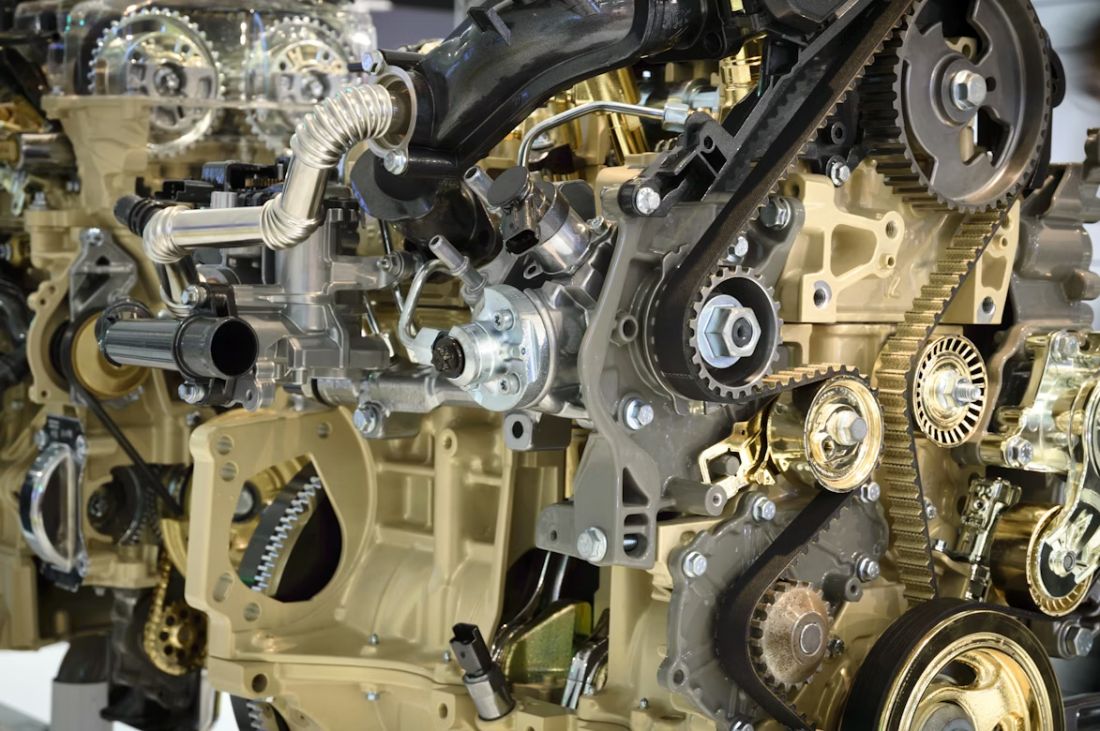
This one is sneaky because the car might feel totally normal… right up until it doesn’t. Lots of engines use a belt that keeps the moving parts in sync. If that belt fails, it can cause engine damage so severe that you’re no longer talking about a repair, you’re talking about an engine rebuild or replacement. That’s why skipping the belt change schedule is one of the most expensive “small mistakes” out there. People delay it because the car is running fine, money’s tight, and the job sounds like a hassle. But the cost of doing it late can be savage.
The Royal Automobile Club (RAC) has put a number on it: the average timing belt replacement cost is around £469, and that figure includes parts and labour. That’s not pocket change, but it’s way less than the cost of an engine if the belt fails at speed on the M60. It’s the kind of maintenance job that feels annoying until you see what it’s protecting you from.
And here’s the bit people miss: it’s not just the belt itself. When a garage is doing that job, they may recommend changing related parts while everything is apart, because paying labour twice hurts. So if someone delays it, then the belt fails, the engine damage can also take other things with it. That’s when the “I saved money” plan turns into “I wish I’d just done it.”
If you’ve bought a used car and you’re not sure when that belt was last changed, that’s not a fun guessing game. Service history matters here. If you don’t have proof it was done, you’re basically betting your engine on hope. And hope isn’t a great maintenance plan. The small, smart move is checking your service records and asking the question early. If you’re looking at used cars around Stockport and Manchester, it’s one of the first “grown-up” questions worth asking, even if you feel a bit awkward. Because it can save you from the biggest surprise bill going.
Clutch and gearbox damage from everyday driving habits
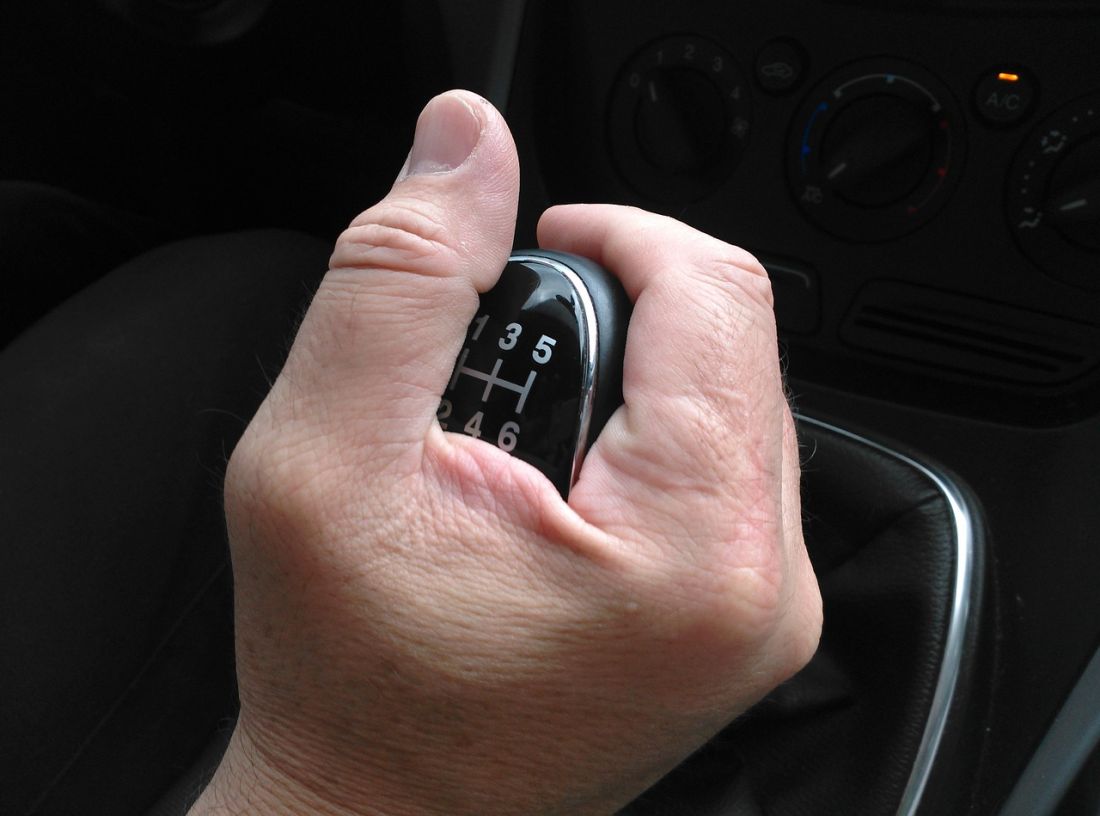
Let’s talk about the kind of damage you can cause without crashing, without breaking the law, and without any big warning light. Just… habits. Little ones. Like holding the car on a hill with the clutch instead of using the brake. Resting your foot on the clutch pedal at traffic lights. Riding the clutch in stop-start queues near the Trafford Centre. Or slamming it into gear when you’re rushing. These are the small mistakes that quietly chew through parts that are meant to last.
A clutch replacement isn’t cheap. The RAC says the average cost to replace a clutch in the UK is around £670, and it can range roughly from £500 to £1,000 depending on the car. That’s the “normal” cost when it’s worn out. If you keep driving when it’s slipping badly, you can add extra damage and extra cost. And if the clutch problem is hiding something bigger, you could be in an even nastier situation.
Then there’s the gearbox. People don’t always think about it until it starts acting up. Strange noises, struggling to change gear, or a wobble in the way it drives. The RAC has a guide that says a new gearbox can cost between £500 and £1,500 on average, and it can be more on higher-end cars. And that’s the thing: loads of cars on our forecourts are premium brands where parts can cost more. If you’ve got a car with a more complex gearbox, repairs can climb fast.
The small mistake here is pretending the early signs will go away. Or driving in a way that adds stress, day after day. The helpful habit is pretty simple: be gentle with gear changes, don’t rest your foot on pedals, and don’t force the car into gear. If the clutch pedal feels different, or the car revs rise but speed doesn’t, get it checked sooner rather than later. It’s not about babying the car. It’s about not paying for damage you didn’t need to cause. Because once a clutch or gearbox starts failing, it doesn’t magically heal itself on a rainy Tuesday in Eccles.
Putting the wrong fuel in: a “five minutes” mistake with a huge price tag
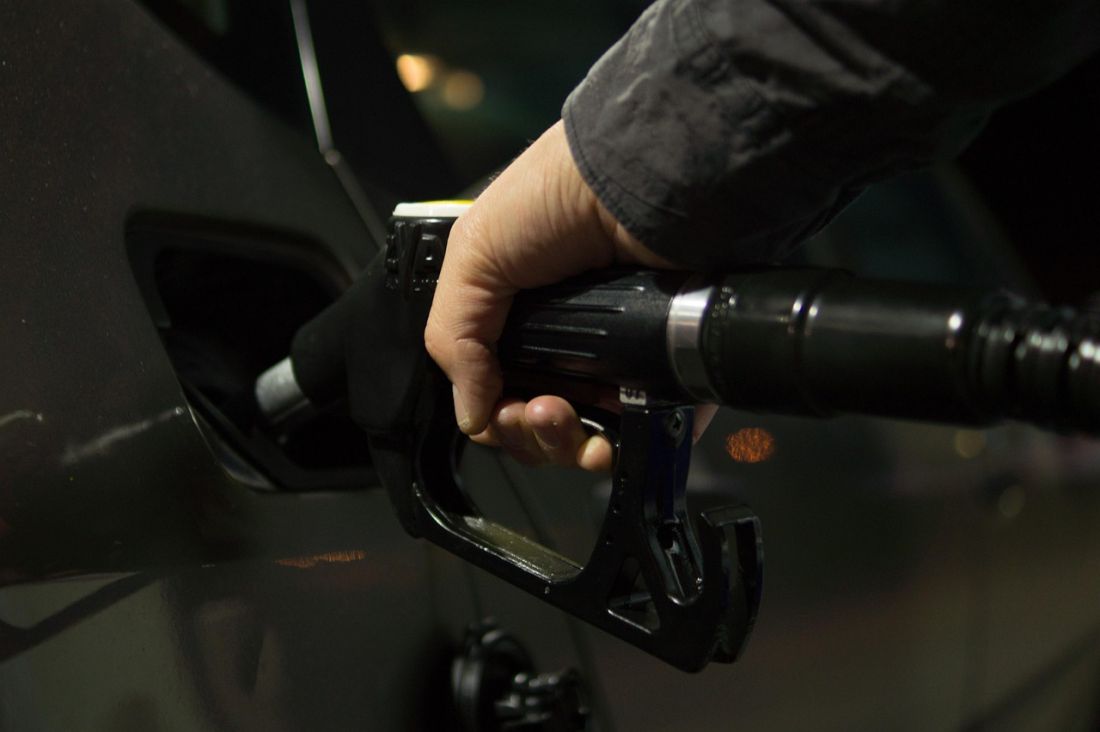
This one is painful because it can happen to anyone. You’re tired, it’s dark, you’re chatting to someone in the passenger seat, and you grab the wrong nozzle. Then you realise what you’ve done, and your heart just drops. The small mistake is using the wrong fuel. The really expensive mistake is turning the key and driving off anyway.
Different fuels behave differently inside the engine system. If the wrong fuel gets pulled through, it can mess with parts that are made with tight tolerances. And once the fuel has moved through the system, fixing it can mean draining, cleaning, and sometimes replacing parts. That’s why the best move after a wrong-fuel moment is stopping immediately and getting proper advice. Don’t “see if it’ll be fine.” That’s the move that turns “embarrassing mistake” into “wrecked parts.”
Even if you don’t mix fuels, another small mistake is running the tank very low all the time. People do it to “stretch it to payday,” and we get it. But when you run really low, you can pull more dirt from the bottom of the tank through the system. It’s not guaranteed doom, but it’s not kind to the car either. And then there’s cheap fuel caps, missing caps, or not clicking the cap back on properly. That can lead to warning lights, fuel smells, and a trip you didn’t plan.
A lot of the time, drivers think “fuel-related” problems will be cheap because fuel itself isn’t a car part. Sadly, the system that delivers fuel to the engine is full of expensive bits. If you’ve ever watched someone realise they’ve done it at a petrol station on the A6, you know the look. So yeah, this one is less about fancy car knowledge and more about a simple habit: slow down for five seconds when you refuel. Read the label. Double-check the nozzle. It sounds silly until it saves you a bill that ruins your weekend.
Overheating from tiny leaks and “I’ll top it up later” thinking
Overheating is one of those things people think they’ll spot in time. Like, “Surely the car will warn me before it gets serious.” Sometimes it will. Sometimes it won’t. Or you’ll be in traffic and not notice the temperature rising because you’re focused on getting home. The small mistake is ignoring small leaks, or driving when the car is already running hot because you think you’re “nearly there.” The expensive result is engine damage that can take the car off the road.
Here’s a really normal scenario we hear: someone notices the heating isn’t as warm as it used to be, or they smell something sweet, or they see a little damp patch on the drive. They keep topping up the coolant and carry on. But a leak doesn’t fix itself. It can get worse at the exact wrong moment, like when you’re climbing a hill or stuck in traffic near Old Trafford on match day. Once the engine overheats, the metal parts expand, seals can fail, and you can end up with a repair that’s in the “serious money” category.
And that links back to the earlier point about engine costs. If overheating leads to major engine damage, replacement costs can climb into the thousands, with some guides showing totals that can go beyond £5,000 for a new engine once labour is included. Nobody wants that. Not you. Not us. Not anyone.
The small, smart move is watching for clues. If you’re topping up coolant more than once, it needs a proper look. If the temperature gauge rises higher than normal, don’t push your luck. Pull over somewhere safe and let it cool down. If you see steam, stop. And if a warning pops up, treat it like your mate texting you “don’t ignore this.” Because overheating isn’t one of those problems you can “manage.” It’s one of those problems that punishes you for trying. Hard.
Brakes: the “squeal now, pay later” trap
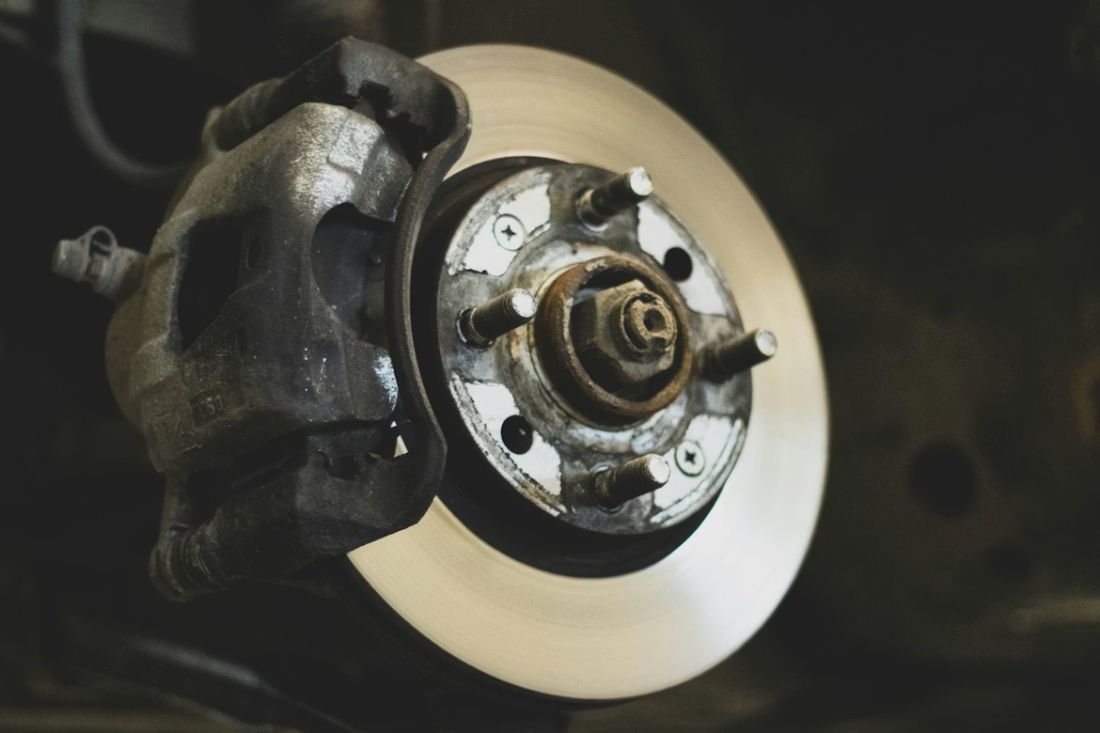
Brakes are another place where the smallest signs can save you a lot. The car starts squealing when you brake lightly. You think, “It’ll be fine until payday.” Or you hear a grinding sound and turn the music up. We’ve all done the “I’ll just wait” thing at some point. But brake noise is a warning. It’s not a vibe. And the difference between fixing brakes early and fixing them late can be the difference between replacing one set of parts and replacing several.
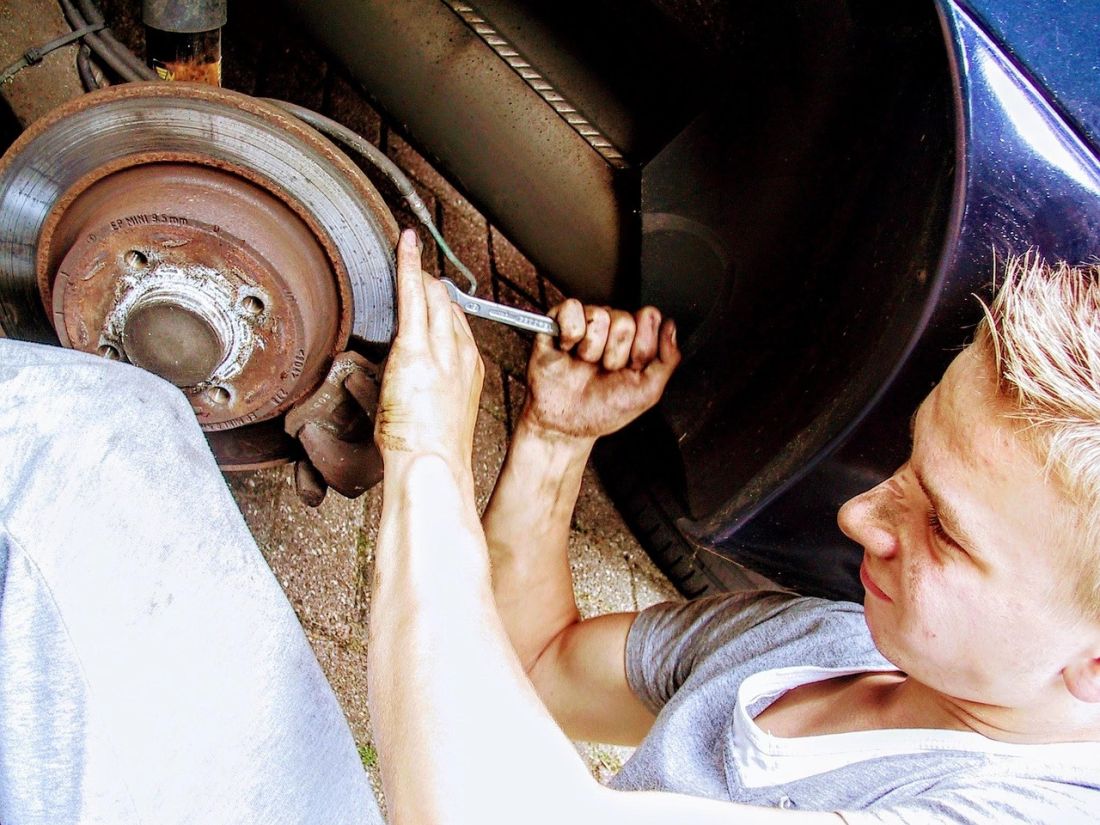
If brake pads wear down too far, you can start damaging the discs. Discs cost more. Then there’s extra labour, and you might get vibrations through the steering wheel, and now the whole drive feels rubbish. If you keep going, you’re also risking longer stopping distances. In Manchester rain, that’s not something you want to play with. It’s not just about money, it’s about safety.
A lot of brake issues start with small mistakes too. Like washing the car and blasting water straight into hot brakes, then parking up and leaving it. Or driving through deep puddles, then braking hard straight after. Or ignoring a stuck handbrake after a freezing morning and trying to drive with the brakes slightly on. People laugh about “the car feels slow today,” but dragging brakes can overheat parts and wear them out fast.
So what’s the money-saving habit? Listen to your car. If you hear squealing that’s new, get it checked. If the brake pedal feels weird, don’t ignore it. If the steering wheel shakes when braking from higher speeds, get it checked. These are the moments where you can fix a smaller problem before it becomes a bigger one. Because once the braking system is damaged, you can’t just wish it back into shape. And you shouldn’t have to plan your month around a repair that started as a noise you could’ve dealt with early.
How to avoid these bills without turning into a car expert
None of this is about becoming the person who spends every weekend with the bonnet up. You’ve got better things to do. This is about a few habits that keep small mistakes small. First one: don’t ignore warning lights. If something pops up, treat it like an early alarm, not a decoration. Second: don’t delay the big maintenance items just because the car feels fine. That timing belt example is a big one, because the cost of replacing it (around £469 on average, according to the RAC) is way easier to swallow than engine damage.
Third: pay attention to tyres, because there’s the safety part and the legal part. The legal tread minimum is 1.6mm, and illegal tyres can mean £2,500 and three penalty points per tyre. That’s the kind of “small” thing that can explode into a massive problem fast.
And look, sometimes things still go wrong. Cars are machines, and Manchester roads don’t treat machines gently. That’s why buying from a place that checks cars properly matters. Dace Motor Company puts a lot of effort into making sure vehicles are checked and that you’ve got support after you buy, because the last thing you need is a surprise fault straight after you’ve driven home. And if you’re thinking about finance, it can help to know where you stand before you commit. Some finance checks can be done as a soft search, which means it won’t leave a mark on your credit score in the way a full application can. That’s useful if you’re just trying to plan, not jump in blind.
If you’re local to Stockport or Manchester, you’ve got an extra advantage: you can actually pop in, have a chat, and get a straight answer without it turning into a big drama. No fuss. No long speeches. Just practical advice. Because the main goal is simple: keep the tiny mistakes from becoming the kind of repairs that ruin your month.