


The Most Common Mistakes People Make After an Oil Change
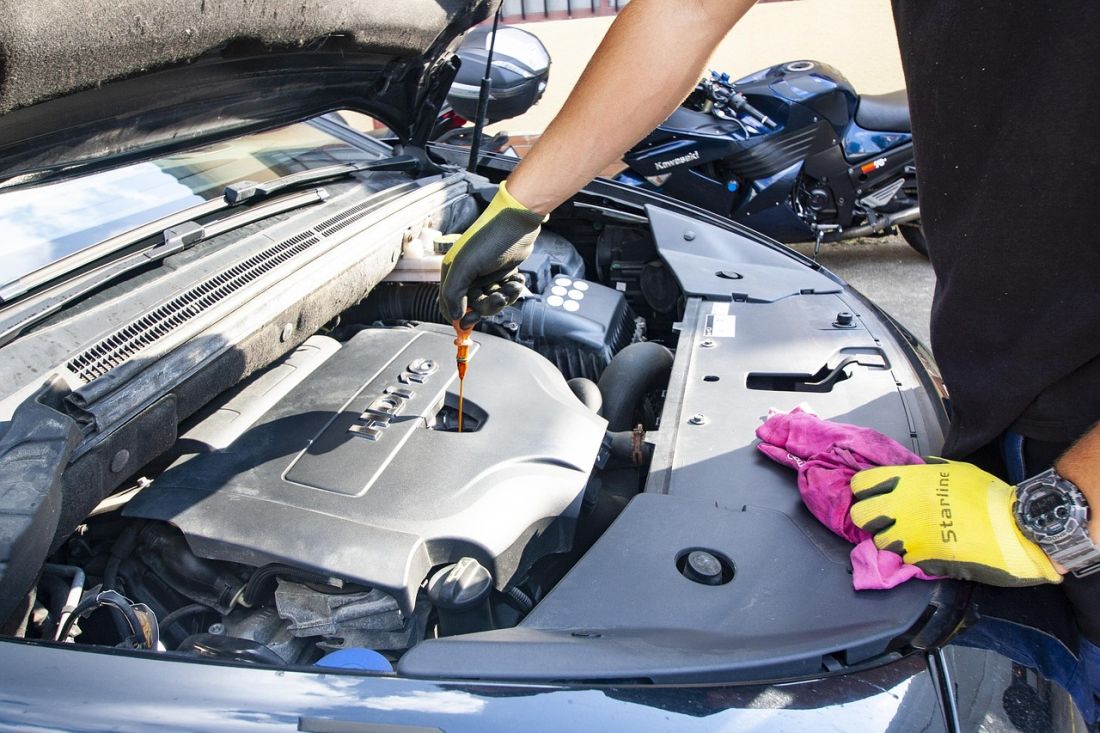
Getting an oil change feels like ticking off a big “grown-up” job. You’ve paid for it, you’ve done the responsible thing, and your car’s ready to crack on. Then, weirdly, a lot of drivers mess things up in the hours and days after the service. It’s not because anyone’s careless. It’s because oil is invisible once it’s inside the engine, so people guess. And guessing with cars is how you end up on the side of the M60, bonnet up, staring at a warning light, thinking, “How did I get here when I literally just had this done?” Around Stockport and Manchester we hear the same themes again and again. Someone checks the level at the wrong time and convinces themselves the garage “forgot the oil.” Someone tips extra oil in “just to be safe” and then wonders why the car starts smelling funny. Someone ignores a small drip on the driveway because they’re rushing to the Trafford Centre, and that drip turns into a proper leak. At Dace Motor Company we sell used cars every day, and part of that is helping people stay confident with the basics after they’ve had work done. An oil change is a good thing. But it’s also the moment where tiny mistakes can start big headaches. So this post is about what drivers do wrong, even after a proper service, and how you can dodge those mistakes without turning into a car nerd. No workshop talk. Just the stuff you’ll actually use the next time you’re parked up near Stockport Viaduct, thinking about popping the bonnet.
Mistake 1: Checking the oil level at the wrong time, then panicking
Let’s face it, checking the oil level sounds simple until you’re standing there with the bonnet up, holding a dipstick that’s got two little marks on it and a smear of oil that looks different every time you pull it out. The first mistake is checking it in the worst possible conditions and then reacting like the engine’s about to fall out. If your car’s parked on a slope, your reading can be off because the oil is sitting to one side. The RAC are clear that you want the car on level ground for an accurate reading. The next mistake is checking right after you’ve switched off, especially if you’ve just come off the A6 and pulled in with everything hot. Oil needs a bit of time to settle back down. Halfords even say it’s sensible to wait around 10 minutes or longer after switching off so the oil can settle in the bottom of the engine. Here’s what happens in real life: someone checks too soon, sees a low-ish smear, then starts adding oil. Or they check on a hill in Reddish, get a weird reading, and think the garage underfilled it. The calm move is boring, but it works. Find flat ground. Switch off. Give it a few minutes. Pull the dipstick out, wipe it clean, put it back in fully, then pull it again and read it. And read it like a range, not a single pixel-perfect target. The mark between the lower and upper lines is there for a reason. If it’s within that, you’re not in a crisis. If you’re not sure what you’re seeing, take a photo of the dipstick and compare after you’ve rechecked on flat ground. That alone stops a lot of “panic top-ups” that cause the next mistake.
Mistake 2: Overfilling because “a bit extra must be better”
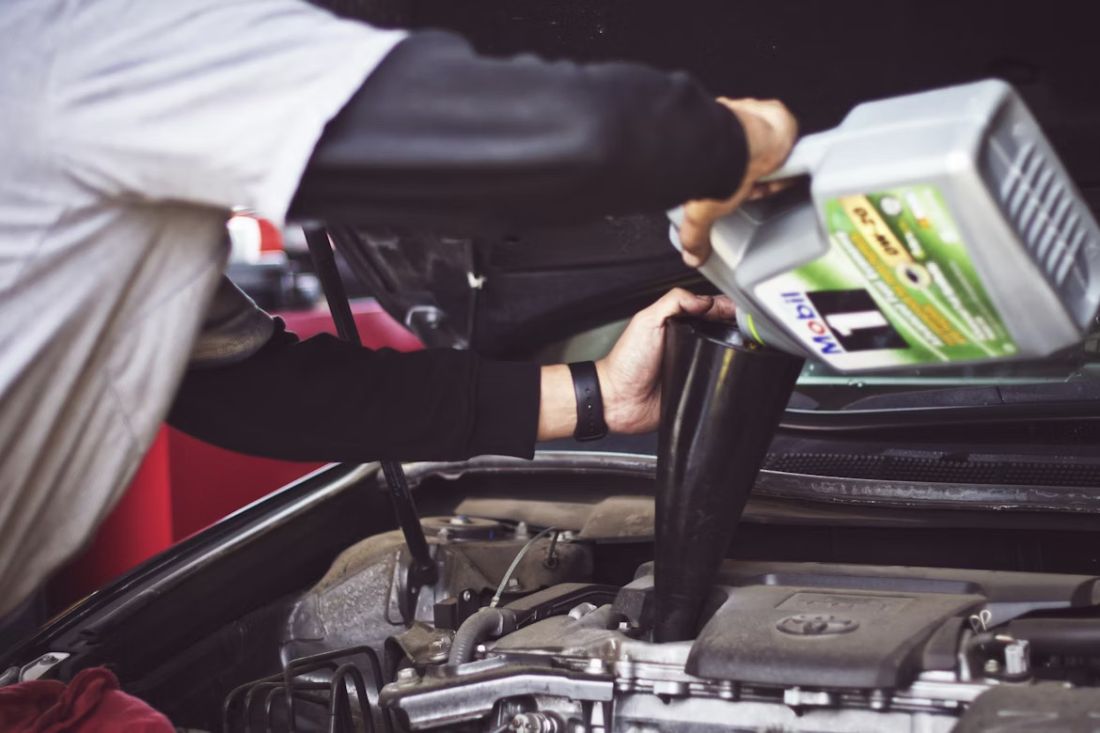
This one catches out sensible people, because it feels like a safety move. You see the oil level isn’t right at the top mark, and you think, “If I add a bit more, the engine will be happier.” Sadly, engines don’t reward good intentions like that. If you overfill, the oil level can get high enough that fast-moving parts inside the engine start whipping through it. Imagine paddling your hand through a bucket of water at speed. You churn it up. Inside the engine, that churning can mix air into the oil and turn it foamy. Foamy oil doesn’t protect the engine properly because it’s full of air bubbles. Driven Racing Oil explain that an overfilled engine can submerge parts like the crankshaft (a fast-rotating part) and that can agitate the oil, leading to aeration. You might not notice it right away, either. Sometimes you just get a rougher sound, a smell, or a new leak because extra oil can raise pressure and push past seals. And then you’re back to guessing, which is how people end up making it worse. The fix is straightforward, but you have to be disciplined. Don’t treat the top mark as a “fill it to the brim” line. Treat it as a limit. If you truly need to add oil, add a small amount, then recheck. Repeat until you’re in the safe range. And if you realise you’ve already overfilled, don’t keep driving and hope it sorts itself out. Get the level corrected. That might mean draining a little out, or getting a garage to do it properly. It’s one of those annoying moments where doing the boring thing now saves you from the expensive thing later. We’ve had customers in Greater Manchester tell us they “just topped it up to be safe” before a motorway run, then spent the whole trip listening for new noises. No one needs that stress.
Mistake 3: Skipping the quick leak check and missing the obvious
After an oil change, most people get in and drive off, and that’s completely normal. But there’s a simple habit that saves a lot of hassle: do a quick check for leaks and anything left loose. No ramps. No crawling under the car. Just use your eyes and your nose. Look at the ground where the car was parked after the service. Fresh drips are the giveaway, especially if you’ve been parked on a clean surface. If you’re on a public road, a quick look at the tarmac still helps. And if you smell burning oil or notice a faint smoky smell after a short drive, don’t write it off as “cars being cars.” It might be a tiny seep landing on a hot part and making a smell. One very real cause of leaks after servicing is a seal or washer that isn’t right. Halfords, in their oil filter change guidance, say that as best practice to prevent leaks you should replace the sump plug seal every time. That tells you two things: leaks can happen if that seal isn’t replaced or seated right, and you shouldn’t ignore the early signs. Another easy miss is the oil filler cap. People don’t expect a cap to be an issue, but if it’s not fully seated, oil mist can escape and make a mess. You can check that in seconds with the bonnet open. Also, if your car has an undertray (a plastic cover under the engine), a leak might not drip straight onto the ground right away. It can pool and then show up later as a bigger patch. That’s why the first day matters. The good habit is this: after the oil change, drive for a short while, park up somewhere safe, then do a quick look underneath and around the engine bay. If you see a steady drip, don’t keep driving and “monitor it.” Get it checked while the problem is small. If you’re near Stockport, that might be the difference between a quick fix and a recovery truck.
Mistake 4: Leaving the service reminder on, then guessing what it means
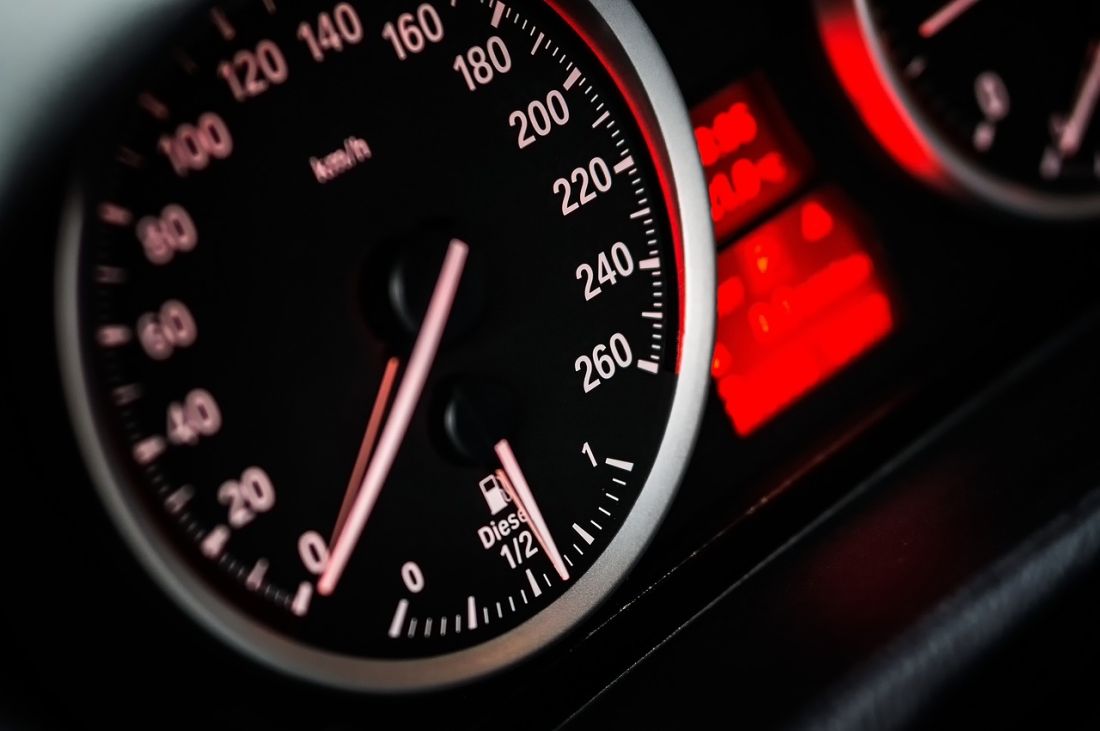
You’ve probably dealt with this: you get an oil change, you start the car, and the reminder light still pops up like nothing happened. That can make you feel like you’ve been mugged off, or that the service didn’t count, or that your car’s about to punish you. Most of the time, it’s simpler. Many cars have a reminder system that has to be reset manually after an oil change. If it isn’t reset, it’ll keep counting down based on the old schedule, and it’ll keep warning you. Honda’s own owner information explains that the maintenance reminder gets reset after maintenance is done, and it even shows “OIL LIFE 100%” after a reset. Ford’s support page also talks about resetting the oil life monitor through the vehicle’s menus so it can track properly again. And a NHTSA service document for one manufacturer is very direct: “Always reset the engine oil life to 100% after every oil change,” and it says it will not reset itself. The big mistake drivers make is guessing what the light means. Some people assume it’s an emergency warning, then they start calling garages in a panic. Other people assume it’s meaningless, ignore it for months, and then miss a genuine service need later because they’ve trained themselves to tune it out. The smart approach is to separate “oil changed” from “reminder reset.” They’re connected, but they’re not the same thing. If you’ve just had an oil change and the reminder is still on, ask the garage to reset it or check your handbook for the correct steps. Different cars do it differently, so copying a random video for a different model can waste your time. And if you’re buying a used car, ask the seller what maintenance reminders are active and whether they match what’s been done. It’s a small question, but it tells you a lot about how the car’s been looked after.
Mistake 5: Driving hard straight away, then missing signs something’s off

This isn’t about driving like you’re carrying a wedding cake forever. It’s just about the first few minutes after fresh oil has gone in. Oil needs to circulate through the engine and fill the oil filter. That happens quickly, but it still makes sense to give the car a moment, then keep your ears and eyes open. People sometimes leave a workshop and immediately hammer it onto a dual carriageway, music up, heater blasting, and no awareness of what the car’s doing. Then if there’s a problem, like a loose seal, you find out late, and now you’re dealing with a bigger mess. A calm first drive is basically your “sanity check.” Start the engine. Let it idle briefly. Listen for anything unusual. Then drive normally for a short run. When you park, take that quick look underneath for drips and check for smells. This is the same idea pilots use after maintenance on a plane: you do a check before you commit to the long trip. For a car, you don’t need to be dramatic about it, but you do need to pay attention. Another mistake people make here is chasing instant “proof” that the oil change worked. You know the sort of thing: they push the car hard to see if it feels faster or smoother. That’s just asking for stress, because even if everything is perfect, your car is not going to transform into a race car because it’s got fresh oil. What you’re watching for is simple: no new warning lights, no new leaks, no strange smells, no sudden rough running. If you get any of those, stop guessing and get it looked at. And if you’re setting off for a longer trip-maybe down to Old Trafford, up past Heaton Park, or out of Greater Manchester entirely-do these checks before you’re committed to hours on the motorway. It’s five minutes of effort that can save you a miserable day.
Mistake 6: Topping up with the wrong oil, or treating the top-up like a speed challenge
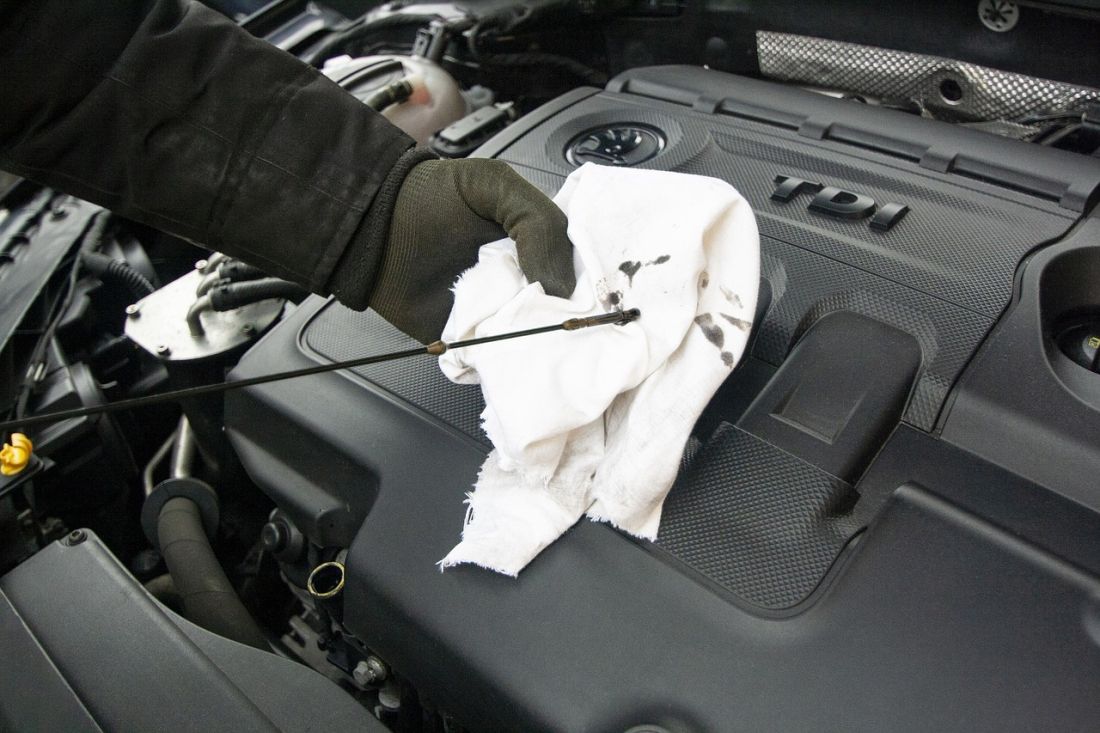
Even after a fresh oil change, some cars use a small amount of oil between services. That’s not automatically a disaster. The mistake is grabbing any random bottle and tipping it in without checking what the engine needs. Your car’s handbook is the place to look, because it lists the correct oil grade for that engine. The RAC even mention that some modern cars don’t have a dipstick and use an electronic monitor, which is another reason the handbook matters for the right checking method. If you can’t find the handbook, check if the manufacturer has a digital copy, or ask your garage. What you don’t want to do is mix oils blindly and hope “oil is oil.” Another mistake is pouring too quickly. Oil moves slowly, and the dipstick reading takes time to reflect what you’ve added. If you pour half a bottle in, then check immediately, you’ll probably see the same mark and pour more. That’s how you overfill without realising. You also want to avoid making a mess. Spilled oil in the engine bay can smoke when the engine gets hot. Then you spend the next week worrying you’ve caused a serious problem when it’s just spilled oil burning off. So take your time. Use a funnel if you have one. Wipe drips straight away. Recheck the level after the oil has settled. There’s also a sneaky behaviour mistake here: people top up to “hide” a leak instead of fixing it. If you’re topping up regularly, don’t just accept that as your life now. Find out why the oil is dropping. It could be a leak, it could be the engine burning oil, it could be something else. But either way, it’s better to know than to keep guessing. That’s the theme of this whole post, really. Cars punish guessing. Calm checks and clear facts keep you in control.
Mistake 7: Treating used oil like normal waste, then causing a bigger problem than you think
If you ever change your own oil at home, or you help a mate do it, the after-part matters as much as the change itself: getting rid of the old oil safely. Used engine oil isn’t just “dirty liquid.” Recycle Now says engine oil is classed as hazardous waste and can pose a risk to health or the environment if it isn’t disposed of correctly, and it also says you should store it in a sealed container and not mix it with other substances because that makes recycling difficult. Recycle for Greater Manchester says you can take used engine oil to a recycling centre, store it in a sealed container, and it also says not to pour used engine oil down drains because it can cause environmental damage if it gets into watercourses or groundwater. Oil Care (a UK scheme focused on preventing oil pollution) tells motorists to take used oil to an oil bank and points people to Oil Bank Line to find locations. And the UK government’s pollution prevention guidance gives the same basic message in plain terms: never put oil down drains. The mistake people make is thinking, “It’s just a little bit, it’ll be fine.” That’s how drains get blocked and waterways get polluted. Plus, it’s messy and it stinks. The better approach is simple: keep the old oil in a sealed container, don’t mix it with anything else, and take it to the correct recycling point. If you’re in Greater Manchester, your local recycling centre can point you to the right place for it. The key is that you don’t dump it and you don’t guess. This might sound like it’s drifting away from “car advice” and into “life advice,” but it matters. We live here too. The Mersey, local parks, all the green bits around Stockport and Manchester-none of that needs your used oil in it. Do the right thing, and you’ll feel better about doing your own maintenance as well.
A quick recap you can use next time you’re out in Stockport or Manchester
So, what do we want you to take from all this? Mainly, don’t let an oil change make you switch your brain off. The service is a big step, but the small checks after it stop silly issues turning into a long day. Check the oil level the calm way: flat ground, engine off, wait a bit, wipe the dipstick, then read it properly. Don’t overfill because you’re trying to be extra safe; that can backfire by mixing air into the oil. Do the quick leak check. Look at the ground. Look for drips. Make sure the oil cap is seated. And if you get a smell that’s new, don’t ignore it for weeks. Halfords point out that replacing the sump plug seal is best practice to prevent leaks, which is basically a reminder that leak prevention is part of the job, not a bonus. Reset the service reminder so you’re not living with a dashboard that’s crying wolf. Honda and Ford both give official guidance about resetting these systems, and some manufacturers spell out that the system will not reset itself. If you need to top up later, match what your handbook says and don’t rush it. And if you’re the kind of person who changes oil at home, dispose of the old oil properly: sealed container, correct recycling point, nothing down the drain. If you’re picking up a used car from Dace Motor Company and you want a quick, practical run-through of these basics, just ask. No big speech. We’ll just help you feel confident, because the best car in the world is a pain if you’re always second-guessing it. And honestly, most of the “after oil change drama” is avoidable. You don’t need special tools. You just need a few calm checks and the patience to do them in the right order.