


The Models That Saved Their Manufacturers from Bankruptcy
Some cars are just… cars. They get you to work, to school, to the Trafford Centre, back home over the M60, job done. But every now and then, a car shows up at the exact moment a company’s sweating buckets. Sales are sliding. Bills are stacking. Bosses are having those “we need a miracle” meetings. And then one model lands and suddenly people can’t stop buying it. That’s what we’re talking about today at Dace Motor Company: the cars that pulled brands back from the edge, or stopped them from falling off it in the first place. And no, it’s not magic. It’s usually a mix of smart design, the right price, good timing, and a car that just makes sense for real life. You’ll spot a few of these heroes on our forecourts too, because they became popular for a reason. If you’ve ever wondered why certain names pop up again and again-Golf, Corolla, MX-5, and a few more-this is why. Also, quick reality check: not every brand here was literally one day away from shutting the gates. Some were in proper trouble, some were in a messy slump, and some had a “we can’t keep doing this” moment. But in every case, one model made a huge difference, the sort of difference you can feel in the streets-like when you’re near Stockport Viaduct and it feels like every third car is the same badge. Anyway, let’s get into the cars that came in clutch when it mattered.
Volkswagen Golf: the one that stopped Volkswagen becoming yesterday’s news
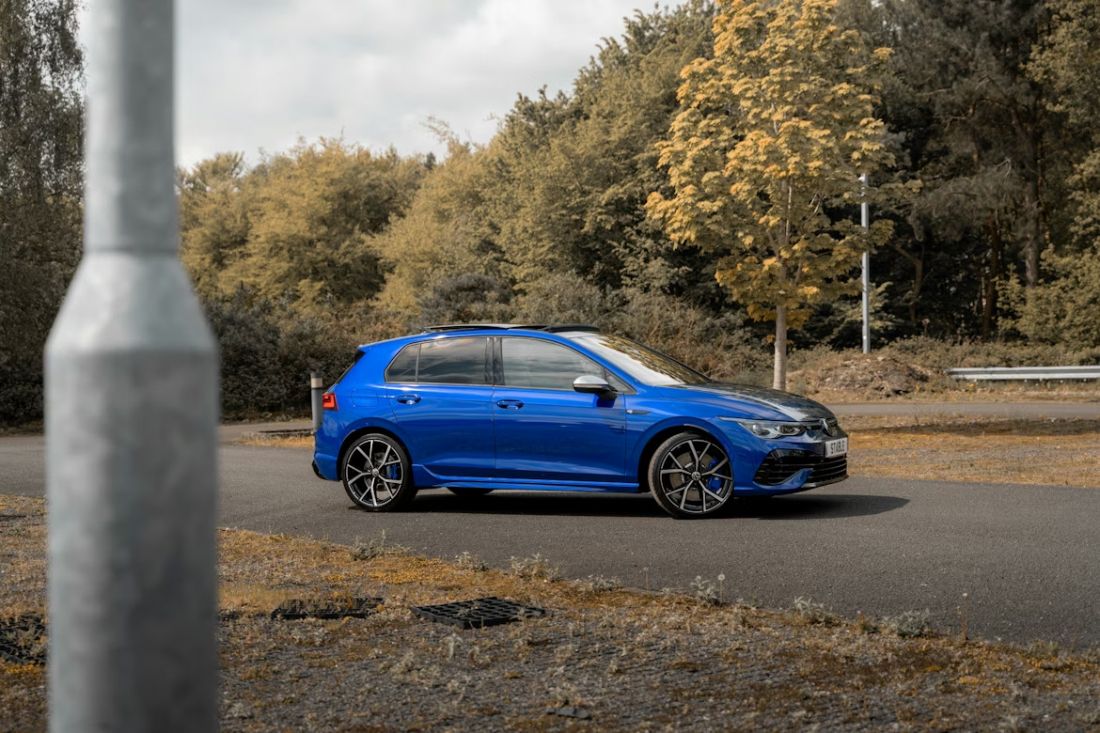
Back in the early 1970s, Volkswagen had a big problem. The old favourite-the Beetle-wasn’t selling like it used to, and the world was changing fast. Fuel costs and buyer tastes were shifting, and Volkswagen couldn’t keep leaning on one idea forever. That’s where the Golf came in. The first Golf went on sale in May 1974, and it wasn’t just a “new model”, it was a whole new direction: modern shape, front engine, front-wheel drive, and built for the way people actually drive day to day. The mad part is how quickly it became the car you saw everywhere, the one your neighbour had, your mate’s mum had, and your driving instructor probably had too. Volkswagen themselves have talked about how massive the Golf became over time-tens of millions sold-and their own newsroom has said it’s the brand’s best-selling model, with around 35 million sold by 2019. And when you read Volkswagen’s own historical material, the point is pretty clear: the company went through a rough patch, but “thanks to the Golf” it had a future in the European market. It wasn’t one person waving a wand, but leadership mattered too. Rudolf Leiding, who ran Volkswagen in that era, pushed hard for a new kind of car, and the Golf’s shape came from designer Giorgetto Giugiaro and his studio Italdesign. That mix-fresh design, sensible size, easy ownership-basically wrote the recipe for the modern hatchback. And you can still feel it today in Greater Manchester traffic: the Golf is everywhere because it nailed the basics without being boring. That’s the “saved the brand” trick in real life. Make something people actually want to live with.
Toyota Corolla: the steady winner that kept Toyota huge
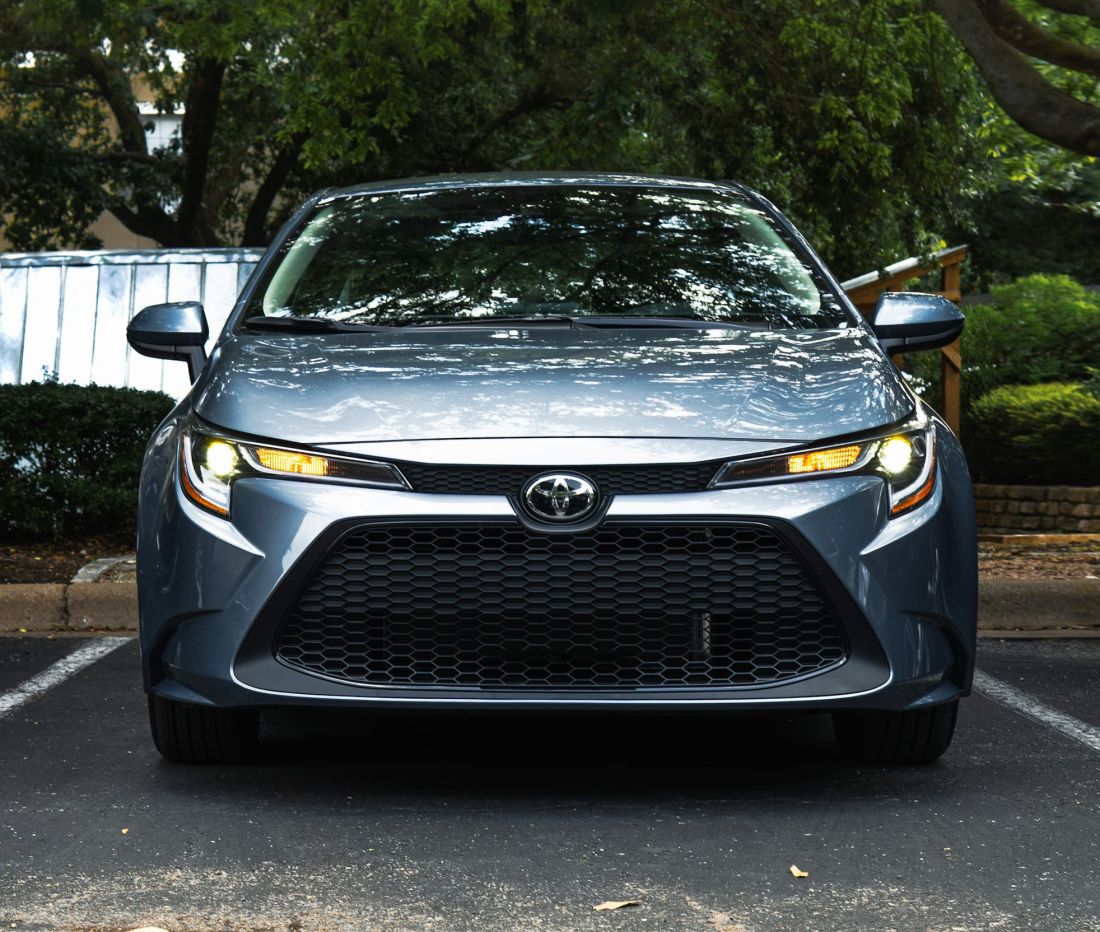
Here’s the thing with the Toyota Corolla: it’s not famous because it’s wild. It’s famous because it just keeps showing up, year after year, like that mate who never flakes. Toyota launched the Corolla in 1966, and it grew into the kind of car people buy when they want calm, simple ownership. Not flashy. Just dependable. And that matters more than people admit. Toyota even marks a clear milestone: in 2021, Toyota announced it had sold the 50-millionth Corolla. Fifty million. That number is hard to picture, but think of it like this: if you stood all those cars bumper-to-bumper from Manchester to Stockport, then kept going, you’d be there forever. Now, did Corolla “save Toyota from bankruptcy” like a movie plot? Toyota wasn’t hanging by a thread in the same dramatic way as some smaller brands. But the Corolla absolutely became one of the pillars that kept Toyota strong through recessions, oil shocks, and whatever else the world threw at car buyers. A car that sells in huge numbers, across loads of countries, gives a company breathing room: money to develop new models, update factories, and keep prices sensible. It also helps that Toyota treated it like a serious engineering project from the start. Toyota’s own Corolla anniversary material names Tatsuo Hasegawa as the development leader behind the first Corolla. And if you’ve ever sat in an older Corolla and thought, “This feels like it’ll still be running when I’m old,” you’re not imagining it-this car built its name on trust. In the used market around Manchester and Stockport, that trust turns into strong demand, which matters if you care about resale value or just want a car that doesn’t become a headache. The Corolla didn’t need to rescue Toyota in a last-minute rescue scene. It did something quieter, and maybe more impressive: it helped keep Toyota massive for decades by being the car people come back to when they don’t want drama.
Mazda MX-5: the small two-seater that made Mazda feel exciting again
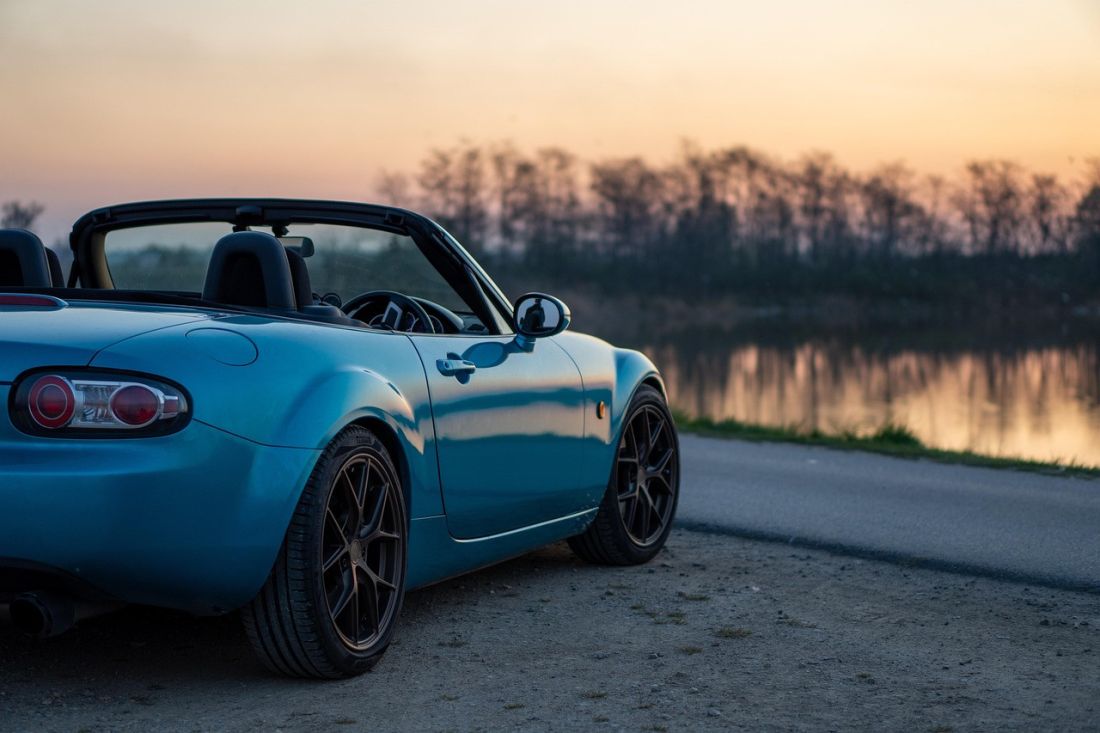
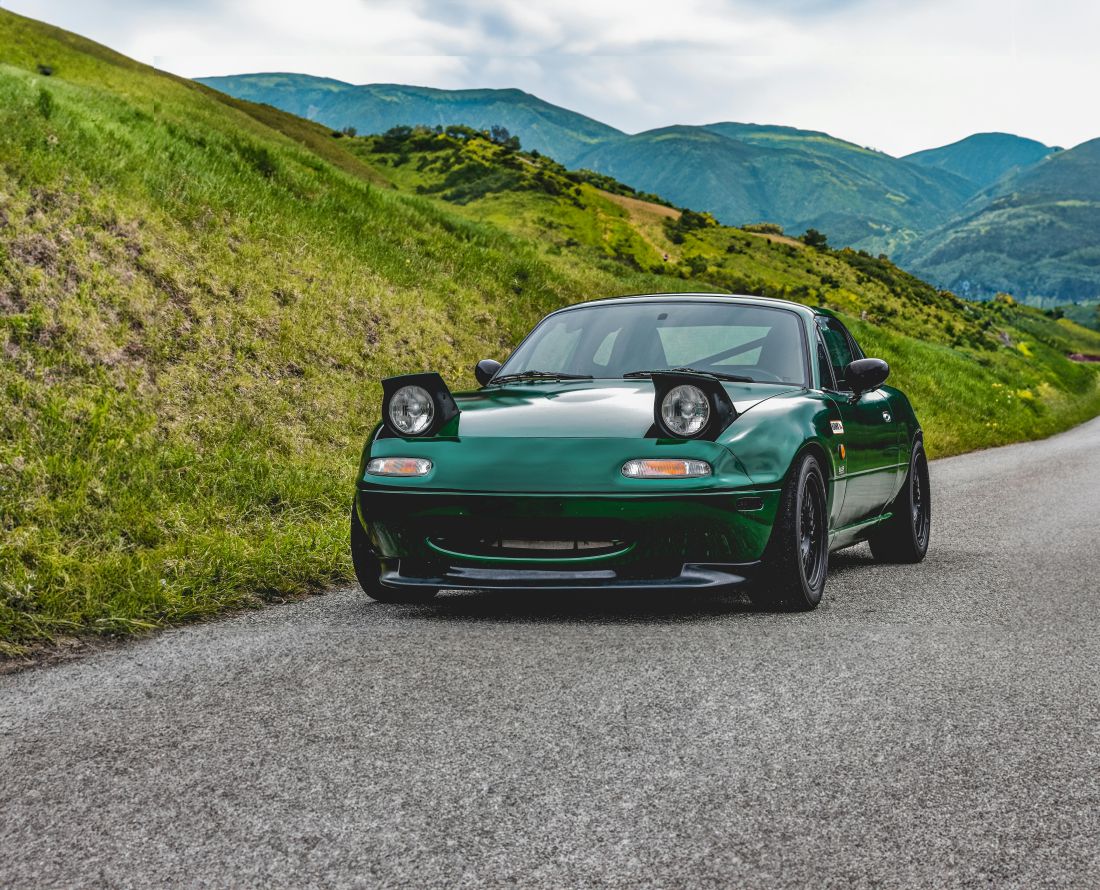
If the Corolla is the sensible mate, the Mazda MX-5 is the friend who drags you out for a drive “just because” and somehow you end up grinning at traffic lights. The MX-5 (also called the Miata in some places) launched in 1989, and it arrived when small, light sports cars were dying off. Mazda basically looked at that empty space and thought, “We’ll have that.” The origin story has real people behind it too, not just a boardroom. Bob Hall is one of the key names tied to the idea-he pushed the concept inside Mazda-and Mazda’s own history talks about an engineer who went on to lead development of the first MX-5. On the engineering side, Toshihiko Hirai is widely credited as the product program manager who shepherded it into production. And the result wasn’t some niche toy that sold a few thousand units. Mazda themselves announced the MX-5 was certified by Guinness World Records as the world’s best-selling two-seater sports car when production hit 531,890 units in May 2000, and they later celebrated hitting 900,000 produced. That level of success matters because Mazda has had rocky financial periods in its history-real losses, restructuring, and outside investment pressure. Now, to be honest, it’s too neat to say “MX-5 saved Mazda from bankruptcy overnight.” Real companies don’t work like that. But the MX-5 did something powerful: it made people care about Mazda again, emotionally. It pulled attention to the brand, gave it a halo effect, and proved Mazda could build something fun that normal people could still afford. And in places like Manchester, where you’ll see MX-5s out on a dry Sunday around the Quays or heading up towards the Peaks, it’s clear why it stuck. It’s fun without needing supercar money. That’s how a small car can help a whole company-by making the brand feel alive.
Porsche Boxster: the car that helped Porsche survive a really grim spell
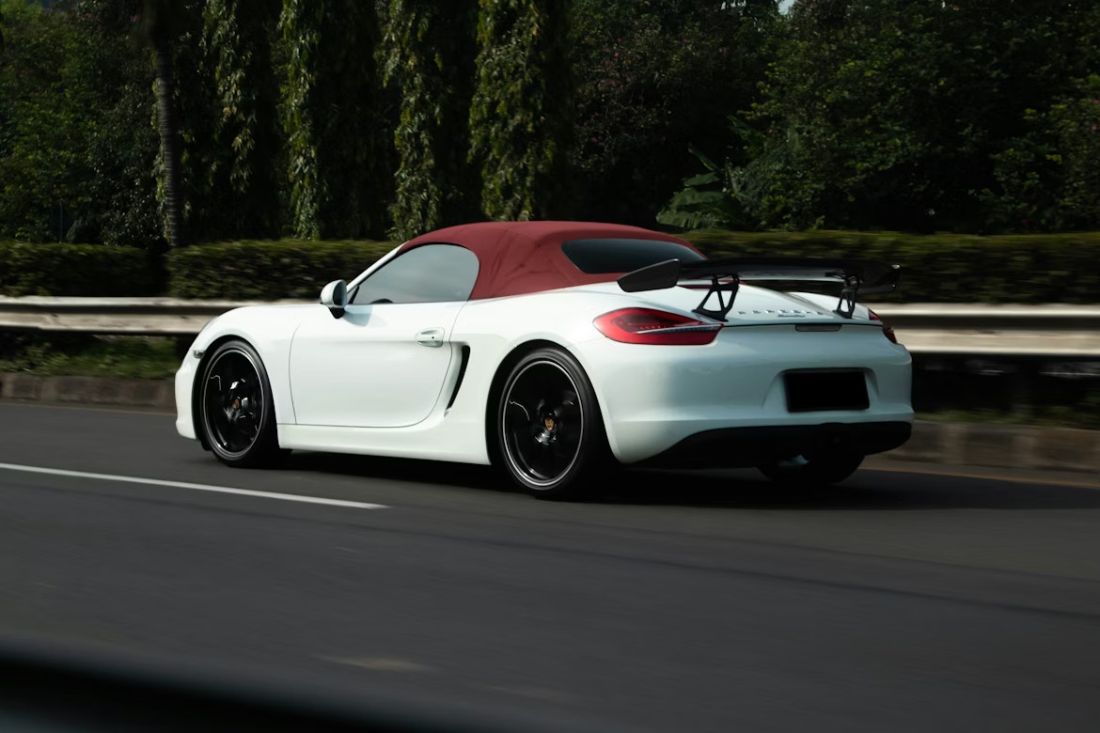
Porsche is one of those brands that feels untouchable now. Like, you see a 911 go past and you assume the company’s always been swimming in cash. Nope. In the early 1990s, Porsche had a rough time. Porsche’s own newsroom straight-up says that period was economically difficult: sales were dropping, production costs were high, and the company was in serious trouble-so much trouble it even became a takeover target. That’s not “a bit of a wobble.” That’s scary. And this is where the Boxster comes in. When the Boxster arrived (mid-1990s), it gave Porsche a more affordable entry point into the brand-still a proper sports car feel, but priced and positioned to sell in higher numbers than a top-end 911. Media coverage has been blunt about what that meant. Road & Track, for example, has described Porsche being on the verge of bankruptcy in the early 1990s, with annual sales falling hard from the mid-1980s to the early 1990s. The Boxster wasn’t acting alone forever-later cars like the Cayenne added even more volume-but the Boxster helped change Porsche from “small sports car maker with a cash problem” into “sports car maker that can actually scale.” And you can see the logic: if you sell a few expensive cars, one bad year hurts. If you sell more cars at a good margin, you get stability. That’s the core of the “saved the company” story. For used buyers around Stockport and Manchester, the Boxster is also a reminder to check the whole ownership picture: servicing, tyres, history, and warranty matter. A car can be brilliant and still punish you if it’s been neglected. That’s why we bang on about quality checks and proper history-because these cars are amazing when they’re right, and a pain when they’re not.
Chrysler’s minivans: the boxy family wagons that paid the bills
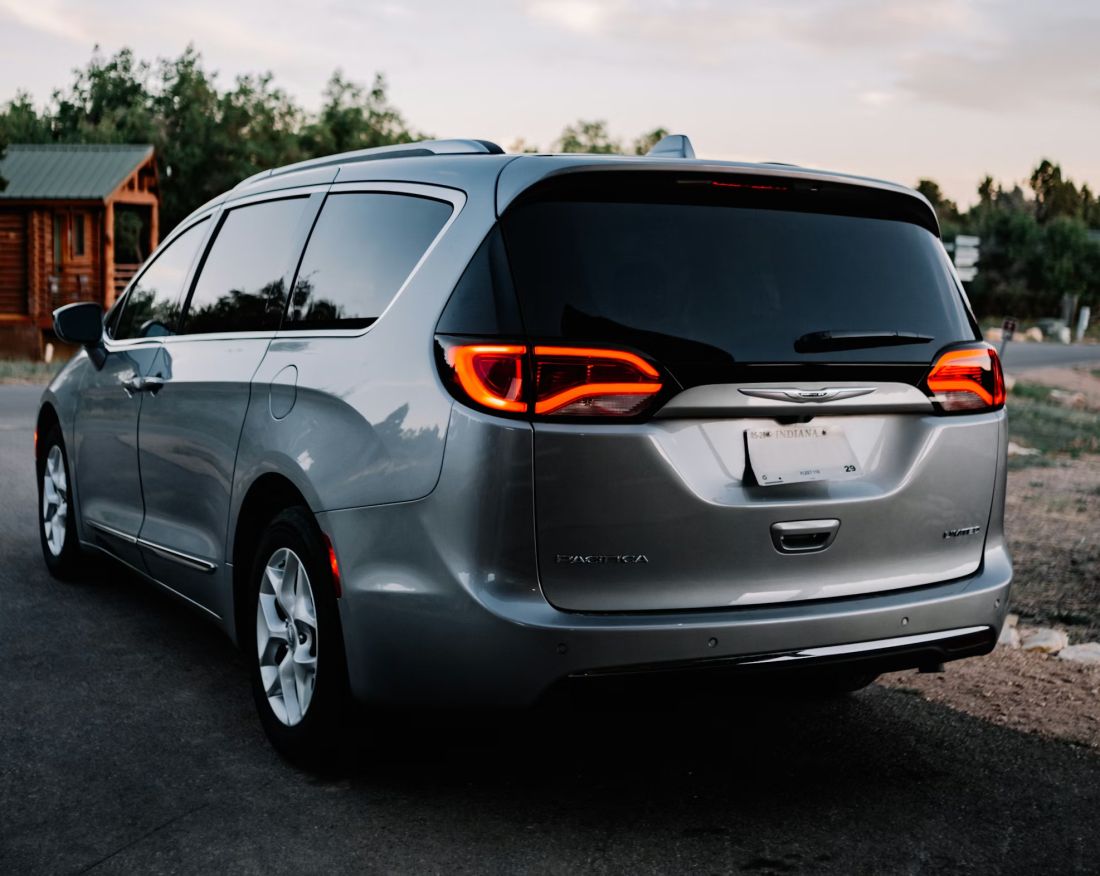
Now for a car that doesn’t get posters on bedroom walls, but absolutely deserves respect: the Chrysler minivan. Think Dodge Caravan and Plymouth Voyager in the mid-1980s. These were practical family machines, and they landed at a moment when Chrysler needed a win. You’ve probably heard the name Lee Iacocca. He’s the executive who became famous for pulling Chrysler back from the brink, and Reuters has described him as saving Chrysler from bankruptcy. But a big leadership speech doesn’t fix a company by itself. You need a product people will actually buy in huge numbers. That’s where the minivan comes in. The Studebaker National Museum site puts it in plain terms: the success of the minivan ultimately saved Chrysler and helped it get back to profit after its release. Hagerty tells a similar story, calling the 1984 Voyager and Caravan the unlikely heroes that put Chrysler back on an upward track. And when you think about it, it makes sense. They created something that worked for real families: sliding doors, loads of space, easy access, and that “we can take the kids, the dog, and the shopping in one go” vibe. In the UK, we didn’t grow up with minivans in the exact same way, but the idea lives on in people carriers and roomy crossovers. The big lesson is simple: if a company builds something that fits real life, that company can survive. People don’t buy “brand stories.” They buy what solves their problems. And if you’ve ever tried squeezing a pram into a tiny boot outside a shop on Market Street, you already get why space and practicality can be the difference between a hit and a flop.
Nissan Qashqai: built in Sunderland, loved everywhere, and massive for Nissan in Europe
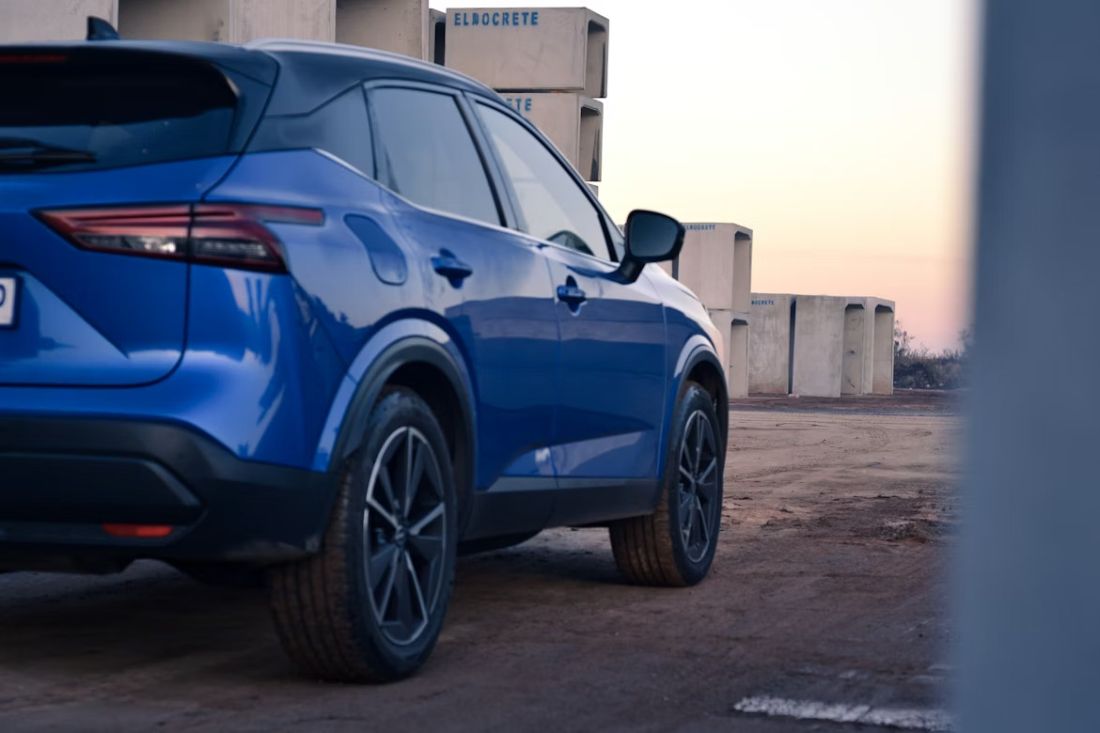
This one feels close to home for anyone up here, because the Qashqai is a proper UK-built success story. Nissan’s plant in Sunderland has been building Qashqai since the model launched, and Nissan’s own UK press release in 2006 talked about it starting production there. The big deal is what the Qashqai became: a crossover that people actually wanted, right when buyers were drifting away from traditional family hatchbacks. Nissan Europe’s newsroom has celebrated major production milestones too, like the three millionth Qashqai built in the UK. And if you want a plain-English “how big is big” number, Auto Express has pointed out that millions of Qashqai have rolled off the Sunderland line since launch, with huge European sales to match. That scale matters for one simple reason: factories need volume. A big plant can’t survive on a trickle. When a model becomes the backbone of production, it supports jobs, investment, and the whole supply chain. You can even see Nissan continuing to invest in Sunderland around Qashqai production updates. For drivers around Manchester and Stockport, the Qashqai story also explains why the used market is packed with them. It hit the sweet spot: raised driving position, sensible size, easy family use, and it doesn’t feel like driving a bus. You’ll see them everywhere from MediaCity to Edgeley, because loads of people decided it’s the “do-it-all” car. And that’s the rescue angle: when a model becomes that popular, it buys the company time and money to sort the rest of the range out, upgrade tech, and keep investors calm. It’s hard to panic in a boardroom when your factories are busy and customers are lining up.
So what do you do with all this if you’re buying used in Manchester or Stockport?
Here’s the useful bit. These “saviour” models have something in common: they got popular because they fit real people’s lives. That’s why they’re still strong used buys years later. But popularity cuts both ways. On one hand, there’s loads of choice-different trims, engines, years, prices. On the other hand, the bad examples hide in the crowd. A Golf that’s been hammered with skipped services is still a headache. A Corolla with mystery history is still a gamble. A Boxster with ignored maintenance can empty your wallet faster than a night out in the Northern Quarter. So if you’re shopping, treat the story as a starting point, not the full answer. Look for full service history, clean mileage records, and signs the last owner actually cared. Ask about tyres, brakes, and when the last proper service was done. Check if the car drives straight, stops cleanly, and doesn’t make weird noises over rough bits of road-because, let’s face it, we’ve all hit those surprise craters around town. And if you’re thinking finance, keep it calm and sensible: work out what you can pay each month without it hurting, then leave yourself a bit of breathing space for insurance and running costs. At Dace Motor Company, we see these models come through our showrooms because they’re the ones people trust and recognise, and we get why. They’re proven. They’ve already survived the big test: the public voted with their wallets. Still, the best move is to pick the right example, not just the right badge. Do that, and you’re basically borrowing the same smart decision millions of drivers made before you-just at used prices, on roads you actually drive, from Stockport town centre to Manchester and back again.