


Why BMW M Cars Feel So Different from Regular BMWs
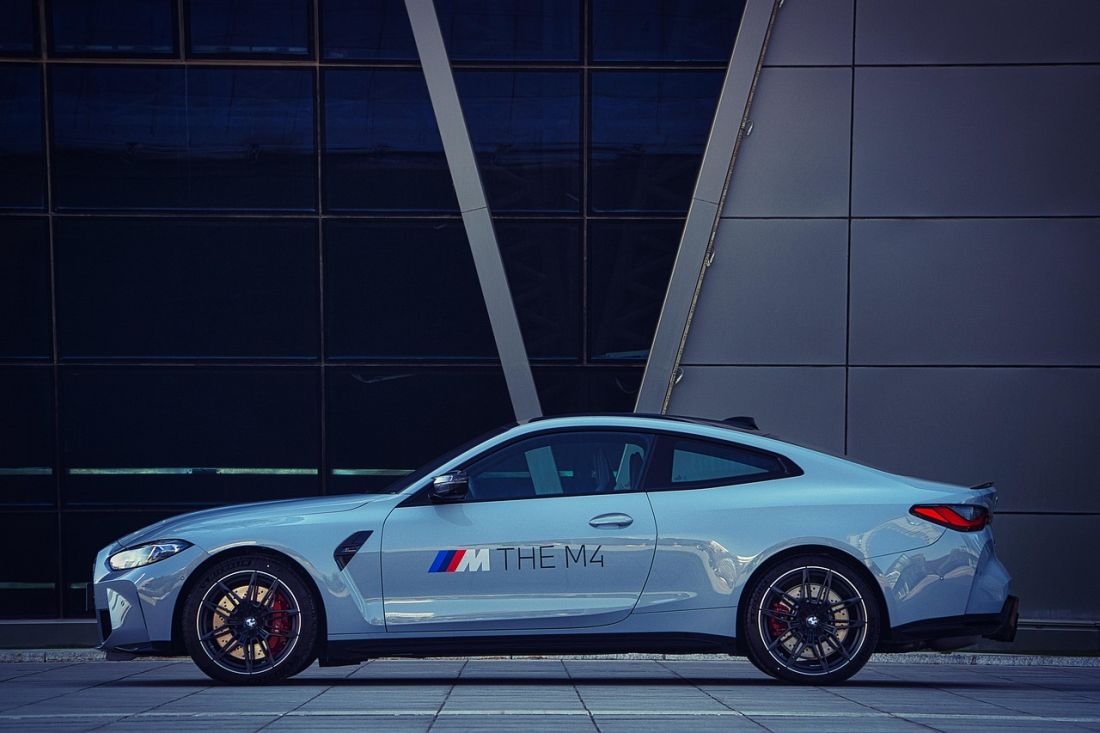
You can spot some BMW M cars before you hear them. Wider stance. Chunkier tyres. Bigger air openings. A look that says, “I’ve had my Weetabix.” But the real difference isn’t just the badge on the boot, or the extra growl on a cold start. It’s the way the whole car has been changed, tightened, strengthened and tuned so it feels sharper from the second you pull away. A regular BMW can already feel smart, steady and quick. That’s part of why people like them. A BMW M car takes that familiar BMW feel and turns the volume up in a very specific way. It’s more alert. It reacts sooner. It feels more serious, like it’s listening to your right foot, your hands, and even the road surface under you.
At Dace Motor Company, we’ve seen plenty of drivers from Stockport, Manchester and the wider North West compare a regular BMW with an M car and say the same thing after a short drive: “Oh. That’s different.” And yes, it really is. BMW M started life as BMW Motorsport GmbH on 1 May 1972, set up to bring BMW’s racing work into one team, so the M badge has always had a link with track work rather than just trim or styling. That history matters, because the best M cars still carry that feeling today, even when they’re doing normal things like rolling along the A6, sitting in traffic near the Stockport Pyramid, or heading over to the Trafford Centre on a damp Saturday afternoon.
The M badge isn’t just decoration
Here’s the easy way to think about it. A regular BMW is built to be a very good road car. It needs to be quiet enough for the school run, comfy enough for a long trip down the motorway, neat enough for parking in town, and quick enough to feel special without making every drive feel like a workout. A BMW M car has a different job. It still needs to work on normal roads, of course. You still need to get to Tesco, squeeze through Heaton Moor, and deal with potholes that seem to appear overnight after a bit of Manchester rain. But underneath all that, an M car is built to feel closer to a serious driver’s car.
The steering, brakes, engine, gearbox, cooling, tyres, body control and even the seats are all part of the same idea. They’re set up to make the car feel more direct. Less soft around the edges. You know how a good pair of trainers feels fine for walking, but proper football boots feel totally different on a pitch? That’s close to the BMW and BMW M split. Both are shoes. Both can be good. But they’re made with different aims in mind. BMW UK describes M cars as high-performance cars with a motorsport link, built around agility and dynamics, and that’s a decent clue to why they feel so unlike the normal models. It’s not about one piece doing all the work. It’s the mix. A firmer body, stronger brakes, keener steering, quicker response, better cooling and grippier tyres all add up. Take one away and you’d still notice something. Put them all together and the car feels like it has been woken up with a strong brew from your favourite Northern Quarter café.
The engine feels more eager, not just faster
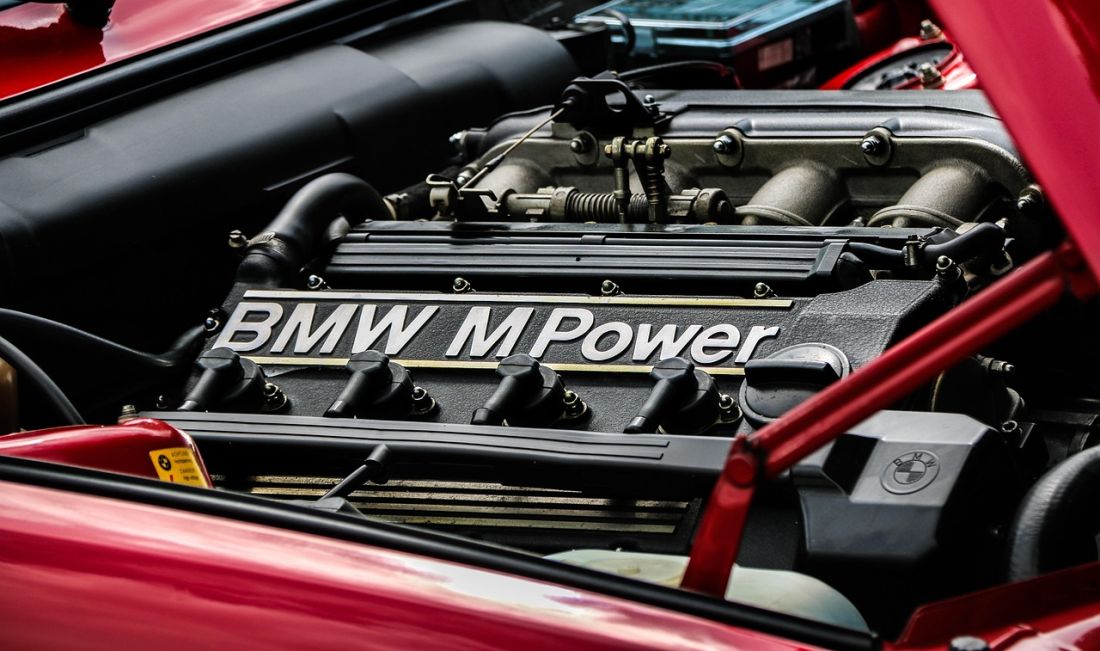
Most people expect an M car to be quicker than a regular BMW, and fair enough, it usually is. But speed on its own doesn’t explain the feel. Plenty of cars are quick in a straight line. Some electric cars will fire away from traffic lights like they’ve been launched by a catapult. The thing with many BMW M cars is the way the engine responds. It feels hungry. Press the pedal and the car doesn’t just move; it seems to lean into the job. Older M cars, like past M3 models, were famous for engines that loved being revved. Newer ones bring big shove from low down, but they still try to keep that sense of build-up and excitement. You get a noise that feels more special, a sharper pedal, and a stronger pull when the road opens up.
That matters around here, because our roads are a mix of everything. One minute you’re crawling through Stockport town centre, the next you’re on a faster stretch near the Peaks, and then you’re back to a tight roundabout where the car needs to wake up quickly. BMW’s own M3 details show how far the M version moves away from a standard 3 Series, with a high-output six-cylinder engine, rear-wheel drive layout on some versions, a manual gearbox option on the current M3 Sedan, and a much sharper sprint time than a regular family saloon would usually offer. The key bit, though, is the feel. A regular BMW engine is made to be smooth and easy. An M engine is made to feel alive, even if you’re only using a small slice of what it can do. That’s why an M car can feel special at normal speeds, not just when you’re pressing on.
The chassis is where the magic really starts
If the engine is the thing everyone talks about, the chassis is the bit that quietly makes the car feel right. That word sounds a bit car-nerdy, but it just means the way the car’s body, suspension, steering and wheels work together. Imagine carrying a tray with four drinks on it. If your arms wobble, the drinks wobble. If your arms stay steady, you can move quicker without spilling everything. A BMW M car is like the steadier version of that. It resists leaning over too much in corners. It turns in with less delay. It feels more tied down. That doesn’t mean every M car is rock hard, because many of them can still settle down nicely on a motorway.
But compared with a normal BMW, the whole car feels more controlled. BMW M has talked about the M3 and M4 chassis work around driving feel, comfort and precision, with the people behind the car focusing on how closely the car connects to the road. That’s why an M car can feel so different even at 30 miles per hour. You turn the wheel and it answers quickly. You go over a bump and the body settles fast. You brake for a corner and the nose feels more planted. And when the road gets twisty, the car feels like it has less “wait, give me a second” built into it. You feel that on local roads, too. Around Reddish, Brinnington, Marple, Glossop Road, or out by Lyme Park, you don’t need silly speeds to notice a car that stays composed. It’s in the small stuff. The first turn of the wheel. The way it recovers after a bump. The way it keeps its shape when the road is messy, wet, or a bit cambered, which, let’s face it, is half the North West in winter.
The suspension has a harder job than you think
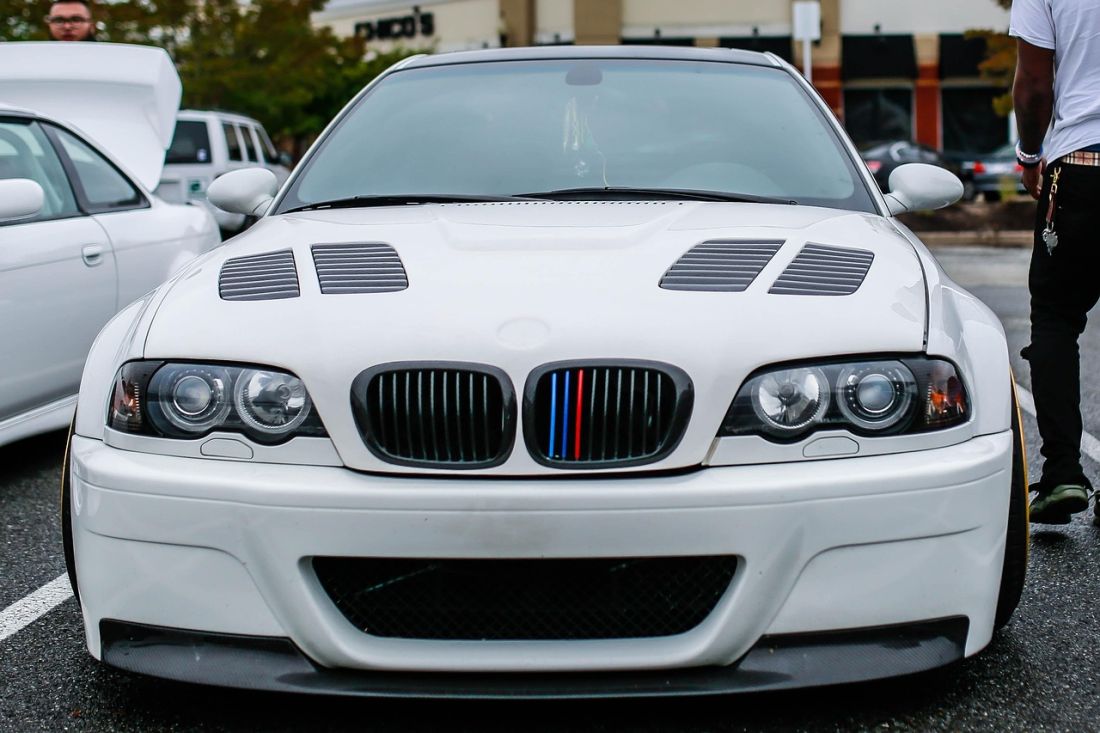
A regular BMW’s suspension has to keep most people happy most of the time. That’s a fair job. It needs to soften bumps, keep cabin noise down, and stop the car feeling nervous. BMW M suspension has a trickier task. It has to keep the car sharp, but it can’t make every road feel like a punishment. That balance is hard, especially in the UK, where one road can go from fresh tarmac to cratered back lane in about six seconds. Many M cars use adjustable suspension, so the car can change how firm or relaxed it feels. BMW says the Adaptive M suspension on the M2 can alter the dampers to suit the driving situation, with comfort, sportier road settings, and a firmer setting suited to circuit use. Put simply, the dampers are the parts that help stop the car bobbing up and down after a bump.
In a softer car, you may get a gentle float after a dip in the road. In an M car, that movement is controlled much faster. The car squats less when you speed up, dips less when you brake, and leans less in corners. That gives you confidence, because the car feels like it’s staying level and ready. But here’s the bit buyers should think about. A firmer setup can feel busy on rough streets. Around Manchester, with speed humps, drain covers and old patched-up roads, you’ll notice the difference. Some drivers love that tight feel. Some don’t. That’s why a proper test drive matters. Try the car in the kind of places you actually use, not just on a smooth dual carriageway. An M car might make you grin on the right road, but you still need to be happy with it on a Tuesday morning when it’s raining and the M60 is doing its usual M60 thing.
The brakes are built for repeat use, not just one big stop
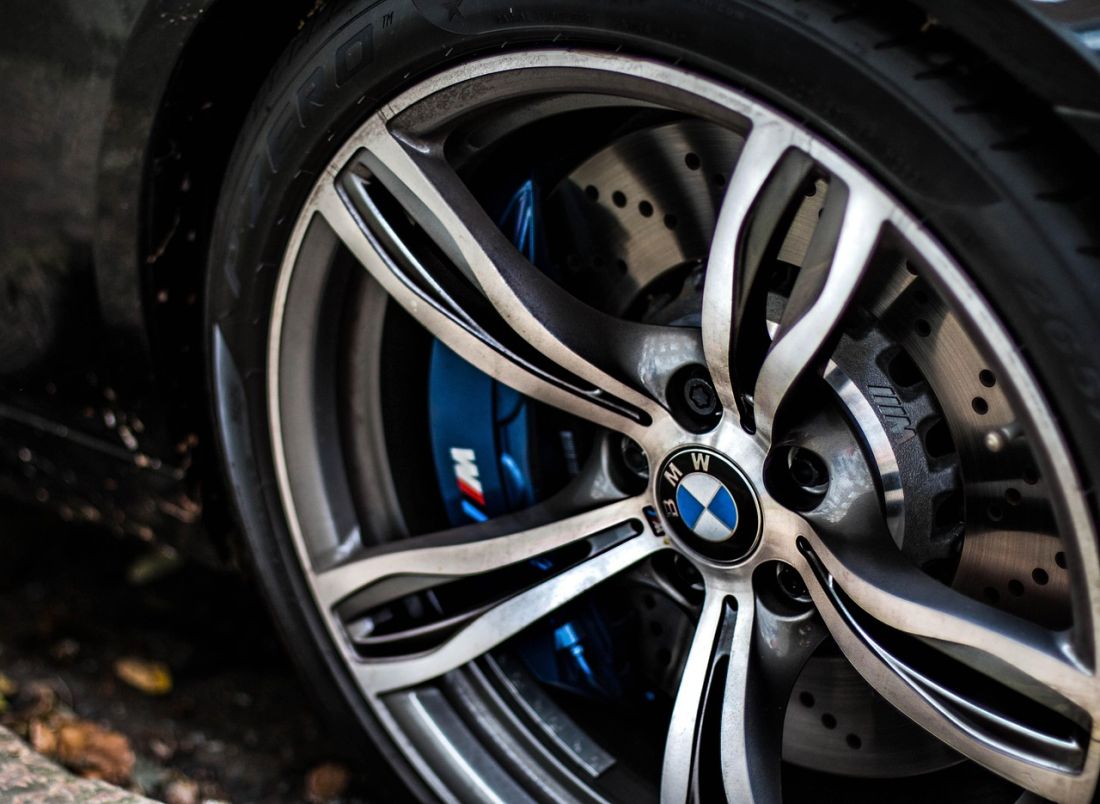
Brakes are easy to forget until you need them. In a normal BMW, the brakes should feel smooth, safe and easy to judge. In a BMW M car, the brakes have a bigger job because the car can carry more speed, corner harder, and be driven in a much more demanding way. Bigger brakes don’t just help a car stop once. They help it stop again and again without feeling tired too soon. Think about running up and down the stairs once. Fine. Do it twenty times and your legs start asking questions. Brakes are similar. Heat builds up, and when heat gets too much, braking feel can get worse. M brake systems are made to handle that kind of heat better. BMW’s own information says M Compound brakes in BMW M vehicles are made for strong deceleration, stability and lower weight than some conventional setups.
On some cars, carbon ceramic brakes are offered as well, and BMW says these are highly heat resistant, corrosion-free and lighter in design, which can help the car feel more agile. You won’t need track-grade braking just to nip from Cheadle to Stockport, of course. But you can still feel the difference in pedal response. The car reacts with more bite. It feels more confident when slowing from motorway speed. And if you enjoy a spirited drive on a safe, open road, the brakes are a big part of why the car feels calm rather than flustered. There is a cost side, though. M brakes can be pricier to service, and big tyres are rarely cheap either. That’s not said to scare you off. It’s just common sense. If you’re looking at a used M car, check the service record, brake condition and tyre quality. A great M car should feel special. A neglected one can become an expensive lesson with shiny paint.
The steering and rear end make the car feel more awake
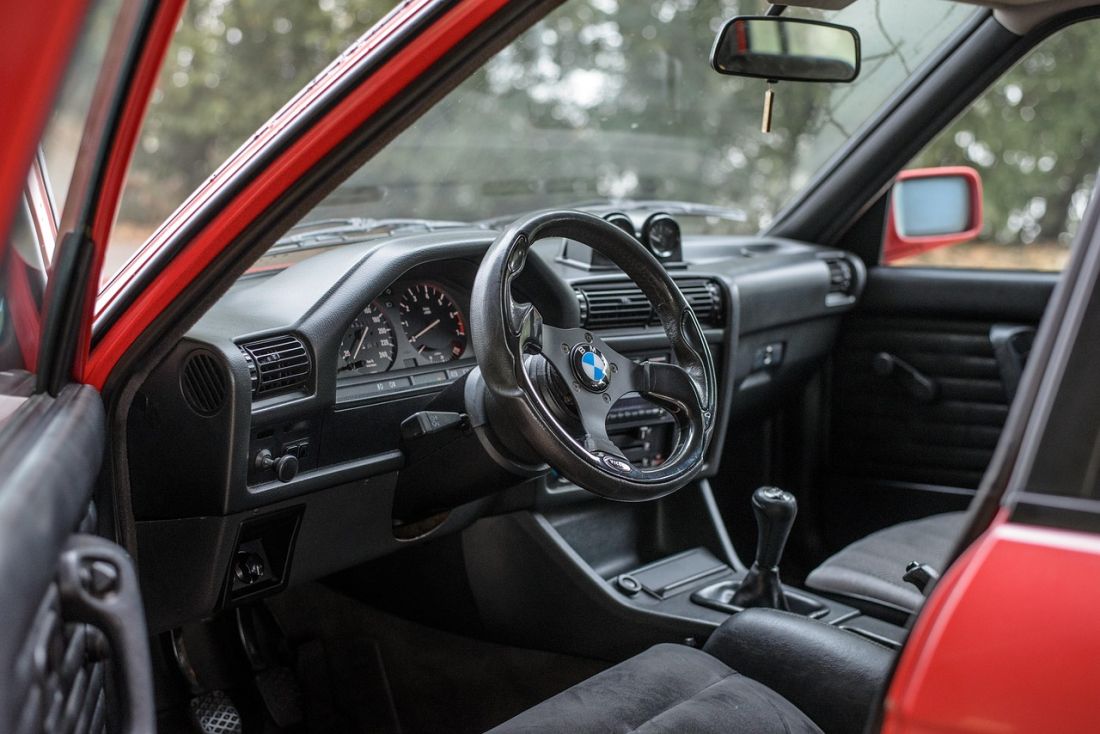
A lot of the BMW M feel comes from what happens when you turn the wheel and start feeding in throttle. Sorry, that’s a slightly car-person word. We mean the right pedal. In many regular BMWs, the car is smooth, sure-footed and calm. In an M car, the steering tends to feel quicker, and the rear of the car plays a bigger part in the drive. That doesn’t mean it’s wild or scary. Modern M cars have clever safety systems, and many are easier to drive than their looks might suggest. But they still have that rear-led BMW character, where the car feels like it’s pushing from behind rather than being pulled along from the front. Some M cars also use clever all-wheel drive systems.
BMW says M xDrive with Active M Differential can blend rear-wheel drive agility with all-wheel drive control, and some models let the driver choose different drive modes, including rear-wheel-drive-only settings when stability control is switched off. That sounds technical, but the real-life version is simple. The car can send force to the wheels that can use it best. It can help you get out of corners cleanly. It can make the car feel grippy in the wet. And it can still keep that cheeky rear-drive feeling that BMW fans love. Around Greater Manchester, where rain is hardly a rare guest, that extra traction can matter. A cold, damp roundabout near Stockport is not the place to discover your tyres are past their best. In a good M car, the steering, diff and traction systems make the car feel alert without making it feel like hard work. That’s a big part of the charm. It’s serious kit, but the best ones still feel natural from behind the wheel.
M Sport, M Performance and full M are not the same thing
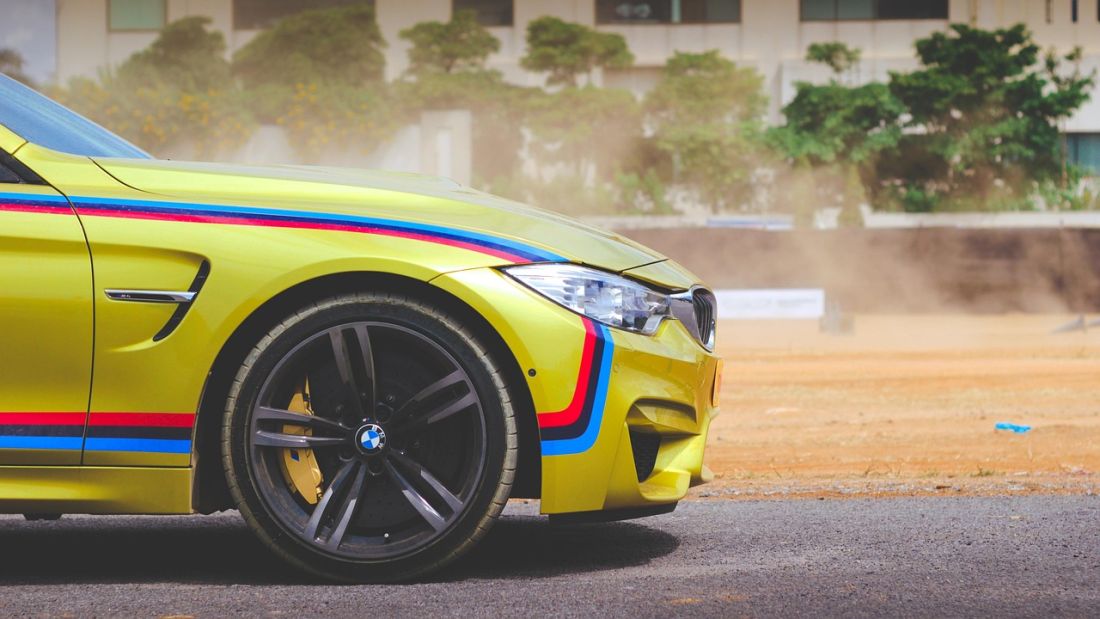
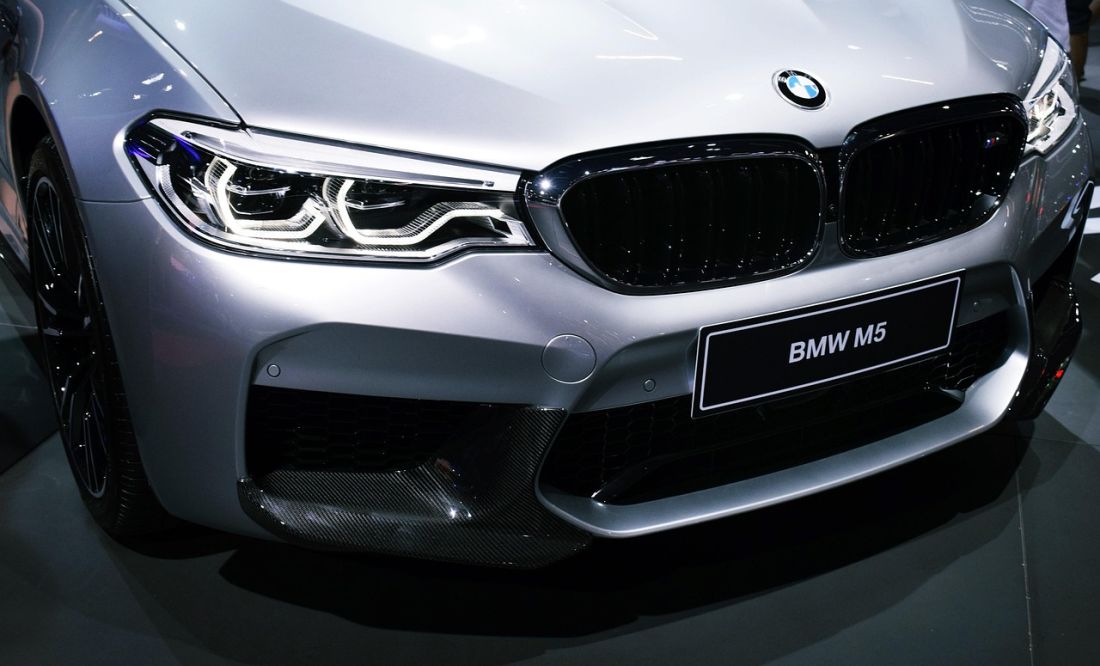
This bit confuses a lot of people, and no wonder. BMW uses the letter M in a few different ways. You might see a regular BMW with M Sport trim, an M Performance model like an M340i, and then a full M car like an M3 or M4. They’re related, but they’re not the same. M Sport is usually the look and feel package. You may get sportier bumpers, bigger wheels, different seats, a different steering wheel and sometimes suspension changes, depending on the model and year. It can make a regular BMW look much sharper and feel a little tighter, but it doesn’t turn it into a full M car. M Performance sits in the middle.
These cars are quicker and more serious than the regular versions, but they’re still usually softer and easier-going than the full M models. Full M cars are the ones that get the most focused changes: engine, brakes, cooling, body control, tyres, steering, driving modes, seats and body details all working together. BMW’s own model pages show full M cars and M Performance cars sitting in the wider M family, with cars such as the M3 listed alongside models like the M340i. For buyers, this matters a lot. You might want the full theatre of an M3, with its sharper edge and bigger running costs. Or you might be happier with an M Sport 3 Series that looks smart, feels sporty enough, and costs less to run. There’s no shame either way. The right car is the one that fits your life, your roads and your wallet. We’ve all seen someone buy the most intense version of something, then realise they mostly sit in traffic on the Mancunian Way. Be honest with yourself. That’s the best advice.
Why the body and tyres change the whole mood
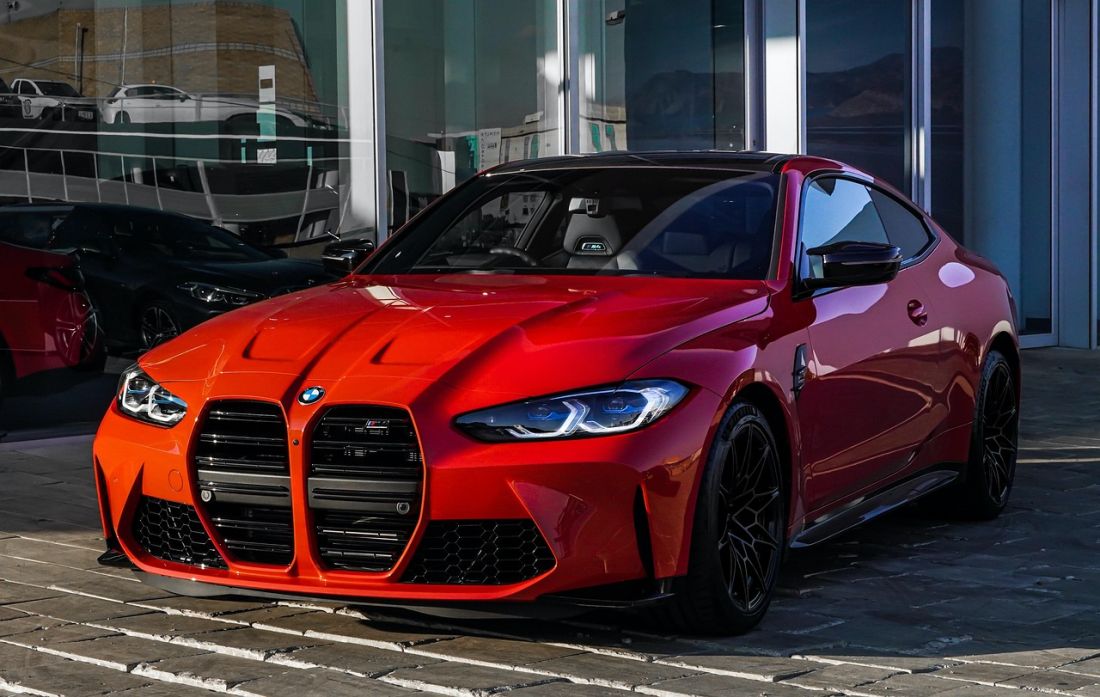
Look closely at many BMW M cars and you’ll see they don’t just have louder styling. The body can be wider, the arches can be more muscular, the tyres can be bigger, and the cooling openings can be larger. Some of that is style, yes. Let’s not pretend looks don’t matter. People buy cars with their eyes as well as their heads. But much of it has a job. Wider tyres can give more grip. Wider tracks, which means the wheels sit a bit farther apart, can help the car feel steadier in corners. Extra cooling helps the engine and brakes cope with hard use. Seats hold you in place so you’re not sliding around when the car turns.
Even the driving position can feel more focused. You sit down, hold the thicker steering wheel, see the M buttons, and the car feels like it’s asking whether you’re ready. That can sound a bit dramatic, but owners know what we mean. There’s a sense of occasion. The first BMW M3, the E30, arrived in 1986, and BMW M describes it as a model born from motorsport and linked with touring car success, which explains why body shape, grip and track thinking have always been part of the M3 story. A regular BMW might feel polished, quiet and tidy. An M car adds tension. It feels tighter under your hands and seat. Sometimes that makes it less relaxing. On the wrong road, with the wrong tyres, it can feel a bit busy. But on the right stretch, it all makes sense. The car feels planted, alert and up for it, like it’s been waiting all day for the road to clear.
Living with a BMW M car in Manchester and Stockport
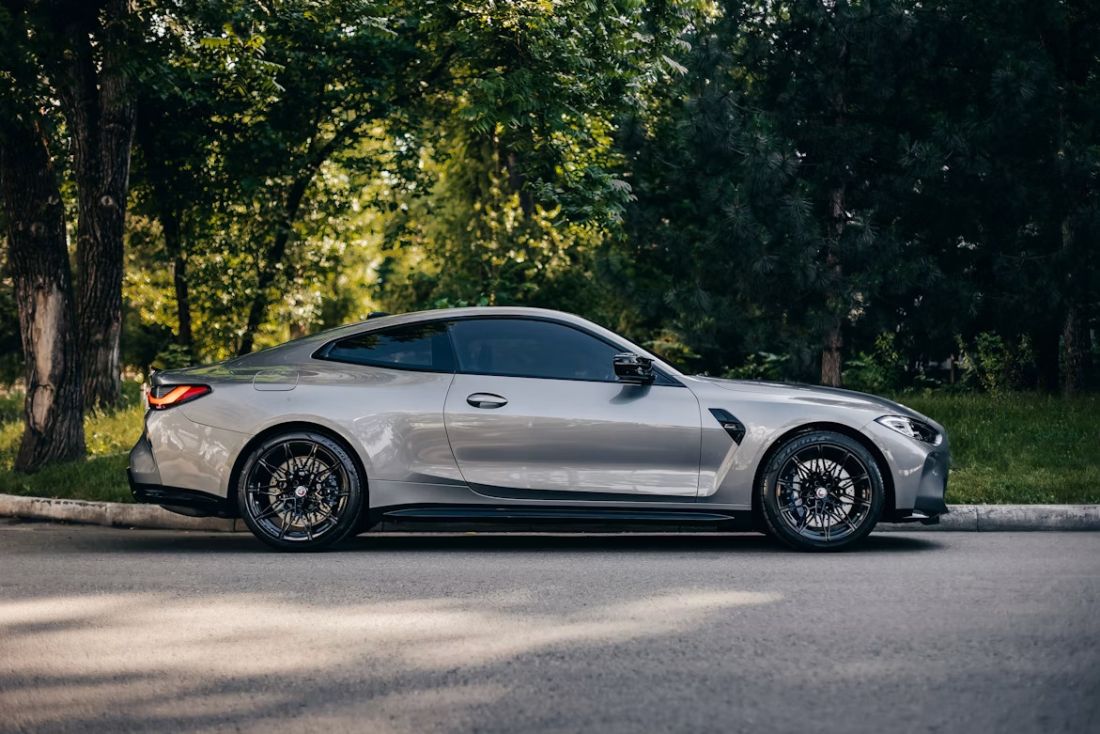
Here’s the honest bit. A BMW M car can be brilliant, but it’s not the best choice for every driver. If you mostly want a smooth commute, low running costs and a calm cabin, a regular BMW may suit you better. A 3 Series, 5 Series or X model with the right trim can feel classy, quick enough and easy to live with. But if driving feel matters to you, an M car can be hard to forget once you’ve tried one. It’s the difference between a decent home speaker and live music at the Apollo. Both play the song. One gives you goosebumps. Around our part of the country, you’ll get plenty of chances to enjoy that extra sharpness, but also plenty of reminders that real roads aren’t racetracks.
The Peaks are close, but so are speed cameras, traffic, wet leaves, school zones and potholes. So the best M owner is the one who enjoys the car without needing to prove anything. Keep good tyres on it. Warm it up before asking too much. Read the service history. Check brakes, suspension, warning lights and previous repair work. If it has adjustable drive settings, try them all. Comfort might be your friend on the school run, while a sharper mode might feel better on a clear Sunday road. And if you’re buying used, take your time. Dace Motor Company sees lots of used car buyers weighing up dream car appeal against normal-life needs, and that’s exactly the right mindset. A BMW M car should make you smile when you see it on the drive. It should also make sense when the insurance quote lands.
So, why do M cars feel so different?
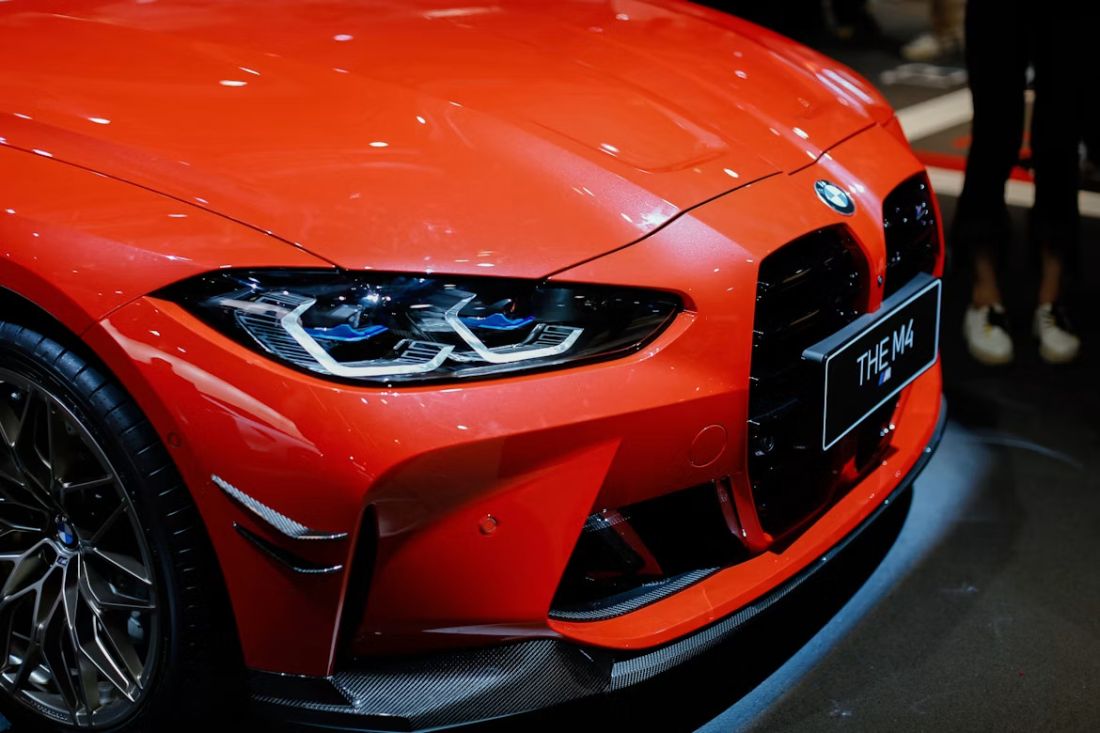
They feel different because BMW changes the full recipe, not just the garnish. The engine is sharper. The brakes are stronger. The suspension controls the body more tightly. The steering feels quicker. The tyres grip harder. The cooling is built for tougher use. The seats hold you better. The drive systems help the car put its strength down with more control. And the whole thing has a bit of racing DNA running through it, even when you’re just going to the shops. That’s the best way to explain it without turning the conversation into a lecture. A regular BMW is like a well-made suit you can wear to work, dinner and a wedding. A BMW M car is like the same suit cut for someone about to step onto a stage. Sharper shoulders. Tighter fit. A little louder. Still usable, but it carries itself differently. For some drivers, that’s exactly the point. For others, the regular car is the smarter pick. Neither answer is wrong. If you live around Stockport or Manchester and you’re thinking about a used BMW M car, the main thing is to try the car properly. Don’t just listen to the exhaust and fall in love in the first five minutes. Feel the ride. Check the brakes. Look at the tyres. Ask about history. Think about where you drive each week. A good M car can turn even a dull run round the ring road into something you actually look forward to. But the right one has to fit your life, not just your poster-car daydream.