


The History of the Convertible Roof: From Canvas Tops to Modern Electric Soft-Tops
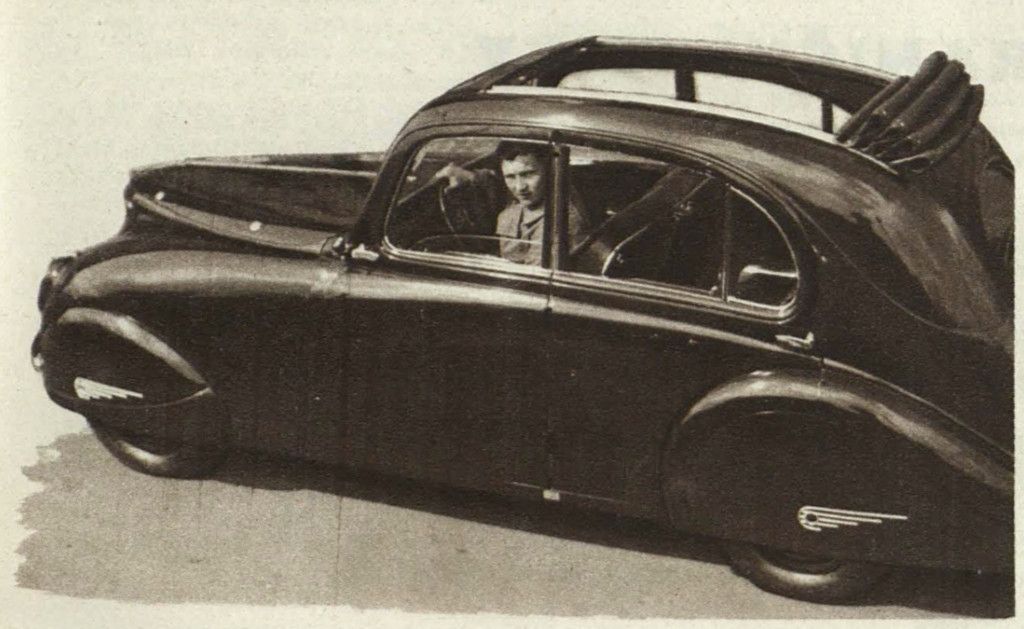
Image: Praga Super Piccolo with aerodynamic body and convertible roof (1934).
Cars didn’t start out with roofs. In fact, early cars were basically engines on wheels with a bench stuck on top. They looked more like horse-drawn carriages than the sleek convertibles you see today outside Spinningfields. Those first drivers were exposed to every bit of rain, wind, and soot the roads could throw at them. Not exactly the cosy ride home after a pint in Stockport, but it was exciting.
When makers did begin adding roofs, they weren’t anything fancy. Picture a stretched bit of canvas, tied down with ropes, maybe flapping like mad if you dared go above 30 miles per hour. It was better than nothing, but it wasn’t exactly snug. If you’ve ever stood waiting for a bus in Piccadilly Gardens during a downpour, you’ll know how flimsy a bit of fabric feels against Manchester weather. That’s how these early drivers felt too.
Here’s the thing though: having a roof you could remove or fold back was actually the original setup. Hard roofs didn’t really come until later. That might sound backwards, but back in the 1900s, a fixed roof was considered the “luxury” option, not the other way around. So the first proper convertibles weren’t “special models” in the way we think of them now. They were just… cars.
Still, as the years went by, people began to love that open-air feeling. Cruising along with the wind in your hair wasn’t just practical anymore-it was stylish. And let’s face it, even today, if you see someone drive through Didsbury in a roof-down convertible on a sunny Sunday, it still turns heads. That “wow factor” started way back with these humble beginnings.
The canvas era: style with a few struggles
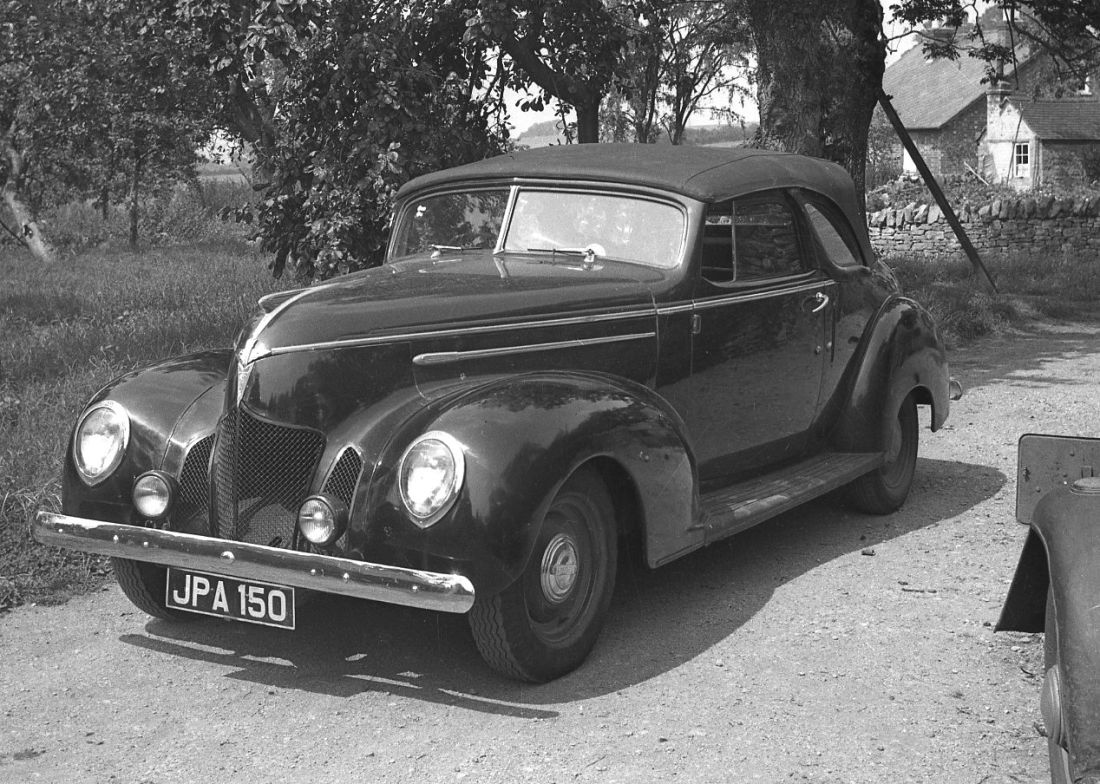
Image: 1930s Hudson convertible in Kemerton by David Hawgood, CC BY-SA 2.0, via Wikimedia Commons
By the 1920s and 30s, things had improved. Roofs weren’t just tarpaulins thrown over frames anymore. They were proper canvas tops with folding mechanisms. Drivers could hop out, fiddle with some levers, and pull a roof over their heads. It wasn’t quick or easy, but it meant you weren’t soaked to the bone if the clouds rolled in on the way up the A6.
The canvas tops of this era came with their own challenges. They faded in the sun, they leaked if the seals weren’t perfect, and they often needed constant care. If you had one, you became part car owner, part tent repair specialist. People carried brushes to keep off mildew, and wax to keep the material waterproof. But it was all worth it. You had a car that could transform-roof up for the rain, roof down for the fun.
And let’s not ignore the glamour. Hollywood loved convertibles. Film stars were constantly pictured in them, making the canvas roof a symbol of luxury, freedom, and adventure. Even if you were just popping into Stockport Market, having a convertible meant you felt like you were living a movie moment.
Noise was still an issue. A canvas roof on the motorway sounded like you were trapped in a wind tunnel. But that didn’t stop people. The joy of driving roof-down on a clear summer’s evening across the Snake Pass outweighed all the faff. Cars were becoming about more than just getting from A to B-they were about personality. And convertibles had bags of it.
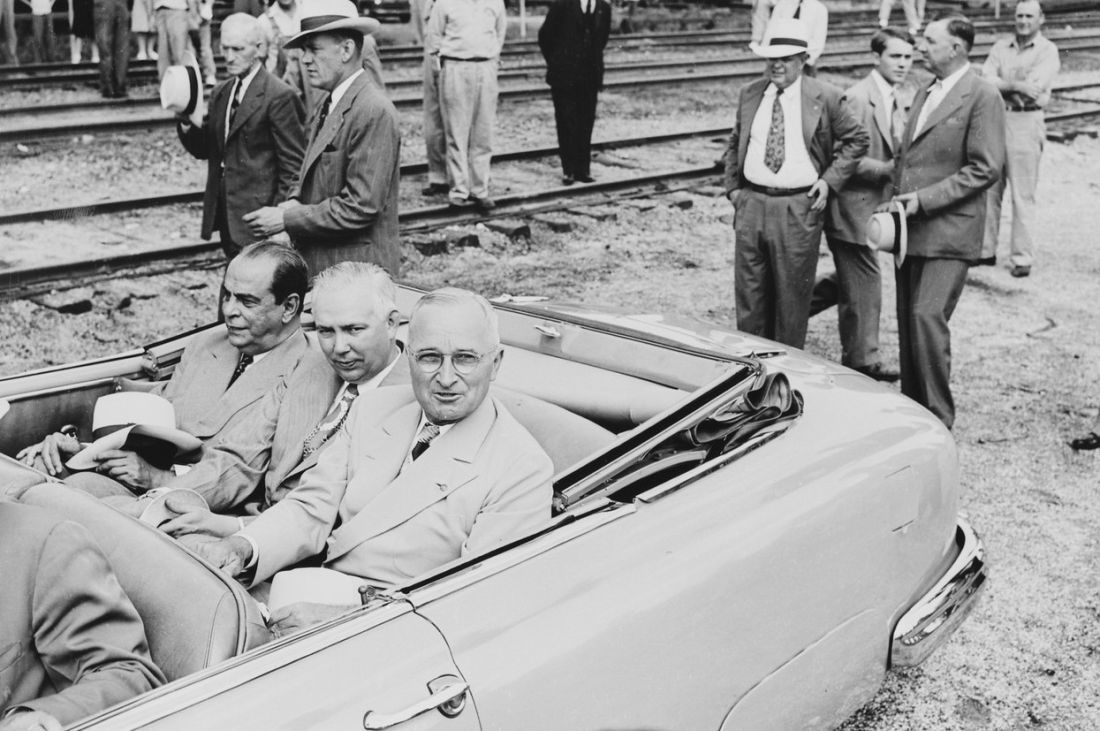
President Harry S. Truman and President Rómulo Gallegos of Venezuela ride in the back seat of a convertible with an unidentified man
The 1950s and 60s: convertibles hit their stride
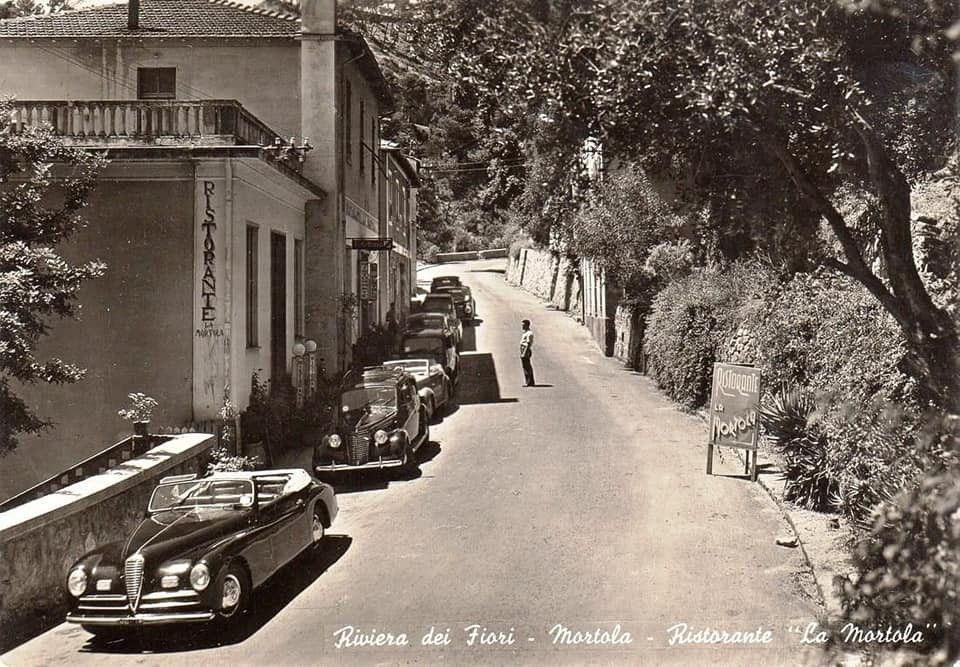
Image: Postcard of Ristorante Il Mortola in Mortola, Liguria, Italy. In front is an Alfa Romeo 6C 2500 SS convertible by Pinin Farina, produced around 1948–49. Behind it stands a Fiat 1100 B, first built in 1948. The scene is likely from the 1950s.
The post-war years were when convertibles really started to shine. By the 1950s and 60s, car makers had nailed the basic folding roof design. Canvas tops were sturdier, better sealed, and easier to use. And the cars themselves? They looked incredible. Sleek lines, chrome detailing, colours that popped. Convertibles became dream cars.
If you picture an old-school British sports car, chances are you’re thinking of a convertible. The MGs, Triumphs, and Jaguars of this era turned heads everywhere. Imagine parking one of those outside a pub in Manchester-half the place would come out for a look. They weren’t just cars, they were statements.
In America, things were even bigger. Giant convertibles with fins and massive engines were symbols of freedom. Over here, things were a little smaller, but the spirit was the same. Driving with the roof down wasn’t just transport, it was a lifestyle.
But practicality was still a sticking point. Convertibles weren’t as warm, weren’t as quiet, and often weren’t as safe as their hardtop cousins. Still, the style outweighed the downsides. People were willing to put up with the odd draft or rattle if it meant cruising down the road feeling like James Bond. And honestly, who wouldn’t?
The rise of the electric soft-top
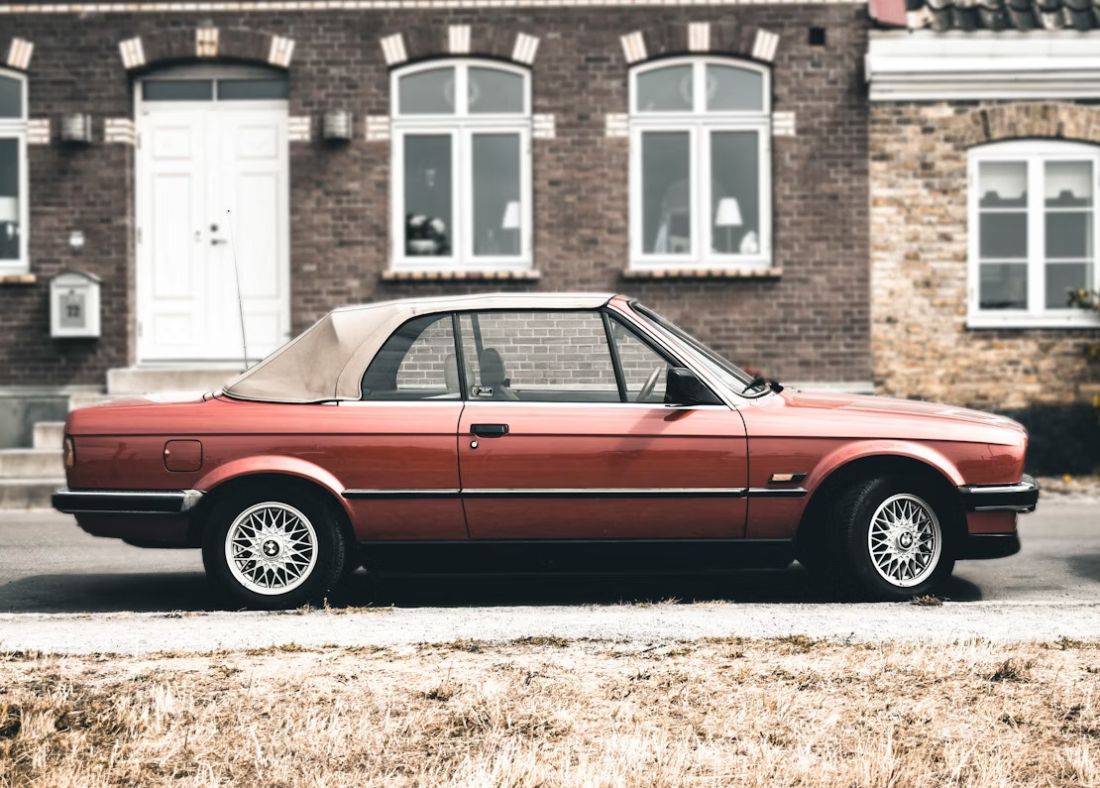
Image: BMW 3 Series (E30).
By the 1980s and 90s, technology came to the rescue. Out went the days of pulling and clipping, in came electric soft-tops. Press a button, and in seconds the roof folded itself neatly away. For anyone who’d ever wrestled with cold, stiff canvas on a rainy night, this felt like a miracle.
Electric roofs weren’t just about convenience. They were smoother, tighter, and better sealed. Noise levels dropped, leaks were reduced, and suddenly you could have a convertible without feeling like you’d sacrificed comfort. Heated glass windows replaced brittle plastic ones, and the whole thing felt a lot more “everyday use” instead of “occasional treat.”
Of course, they weren’t perfect. The motors sometimes failed, sensors went wrong, and repairs could be expensive. Plenty of drivers have a story about their roof getting stuck halfway during a downpour on Deansgate. But the convenience was too good to ignore. For the first time, convertibles became practical daily drivers.
And because they were easier to live with, more people bought them. Convertibles weren’t just for celebrities or summer weekends-they were for anyone who fancied a bit of fun on the school run. That shift made a huge difference. Suddenly, you’d see all sorts of convertibles around Manchester and Stockport, from sporty two-seaters to family-friendly cabrios.
Hardtop convertibles and clever tricks
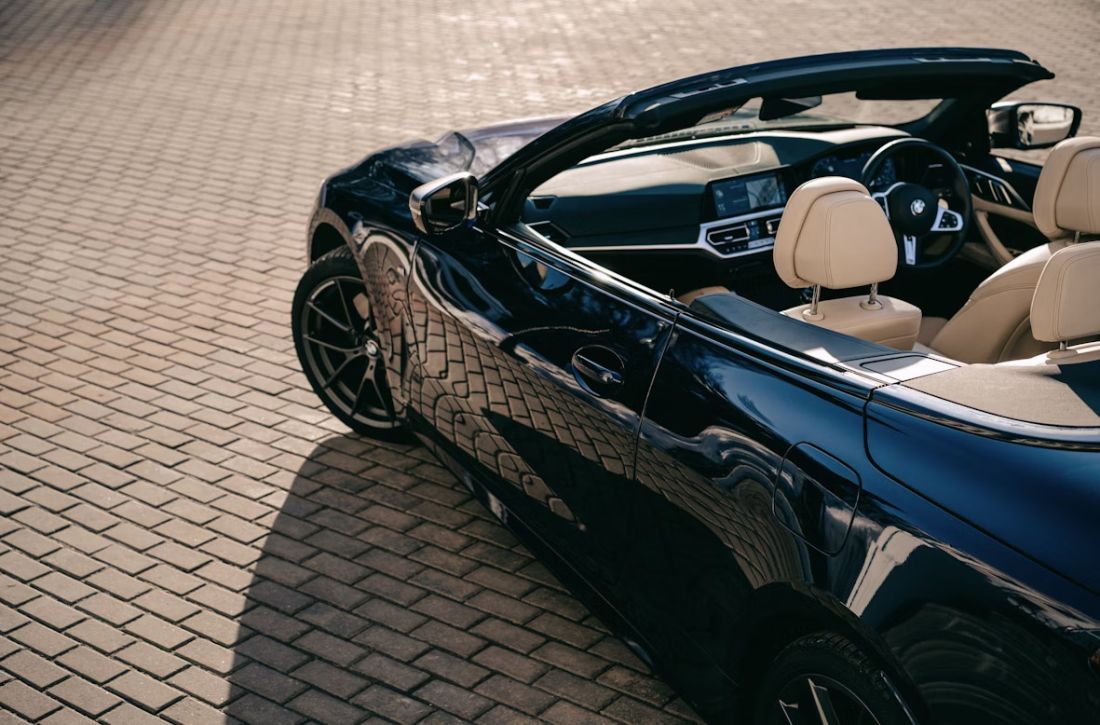
Then came another twist: hardtop convertibles. Instead of fabric, these had folding metal roofs. With the roof up, they looked like sleek coupes. With the roof down, they transformed into open-air stunners. The engineering was impressive-panels folding, twisting, and disappearing like a magic trick.
These hardtops gave drivers the best of both worlds. No canvas to fade or tear, proper insulation for winter, and still the joy of open-air driving when the sun came out. For drivers in Manchester, where the weather’s unpredictable to say the least, this felt like the ultimate solution.
But, as with everything, there were trade-offs. Hardtop mechanisms were heavy and complicated. They ate into boot space. And if something went wrong, fixing it wasn’t cheap. Still, for many people, the pros outweighed the cons. You could finally have a convertible without feeling like you were compromising at all.
Modern convertibles: refined and reliable
Today’s convertibles are a far cry from those flappy old canvas tops. Materials are stronger, roofs are quieter, and electric systems are faster and more reliable. Some models even let you fold the roof while driving slowly-ideal when you’re crawling through Stockport traffic and the sun suddenly makes an appearance.
You’ve also got more choice than ever. Soft-tops, hard-tops, two-seaters, four-seaters, sporty, practical-you name it. Modern roofs keep the rain out, the warmth in, and the noise down. You can enjoy the fun of open-air driving without the drawbacks people used to put up with.
And let’s not forget the electric future. With more electric cars hitting the market, we’re starting to see electric convertibles too. It’s a new chapter, and who knows where it’ll take us. What’s certain is that people’s love for roof-down driving isn’t going anywhere.
Here at Dace Motor Company, we’ve seen the whole story play out across our four sites in Stockport and Manchester. We’ve sold classics with simple canvas roofs, sleek 90s cabrios with electric tops, and the latest models with clever folding designs. No matter how much the technology changes, one thing stays the same: that feeling you get when you put the roof down. It’s fun, it’s freeing, and on a rare sunny day in Manchester, it feels like the best thing in the world.