


The History of Pop-Up Headlights
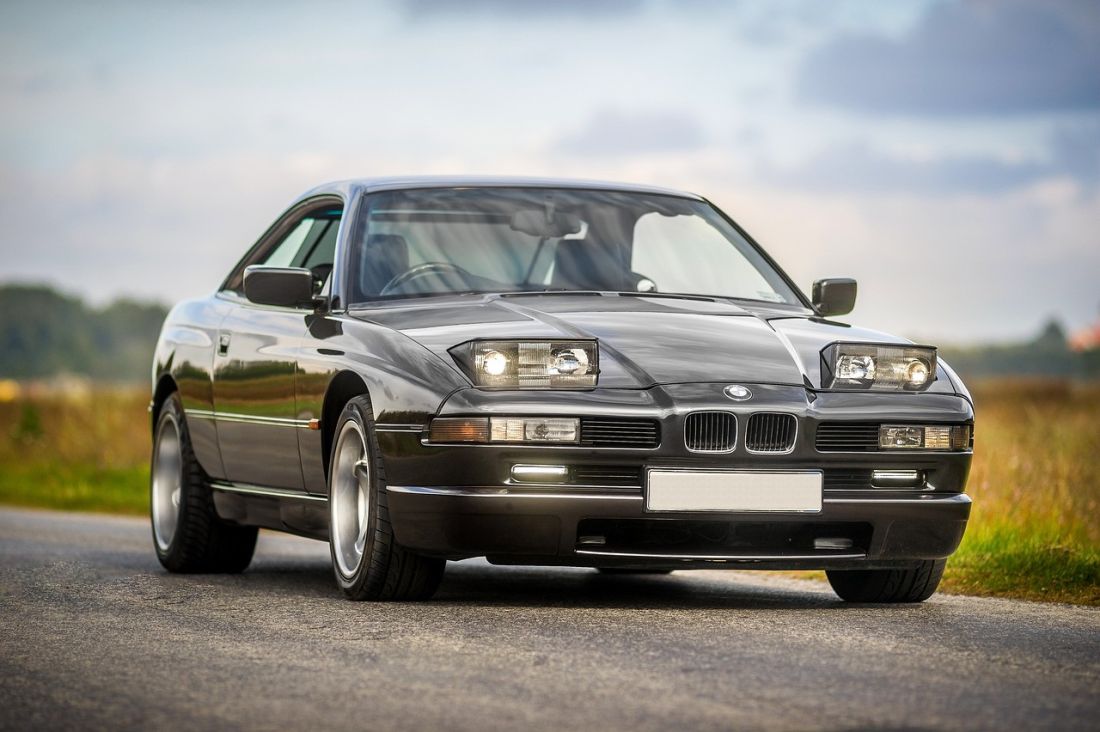
You know that feeling when you spot something on a car that makes you stop and go, “Wow, that’s clever”? That’s pretty much what happened when pop-up headlights first arrived on the scene. Back in the day, most cars had simple round lamps stuck on the front. They worked fine, but they didn’t exactly scream style. Then along came these sneaky little lights that could hide away during the day and magically flip up at night. The earliest versions started popping up in the 1930s, and one of the first proper production cars to use them was the Cord 810 in 1936. Imagine being in that era and seeing headlights that weren’t even visible until you needed them. It must’ve felt like something straight out of science fiction. And that’s the thing-pop-up headlights always carried this futuristic vibe. They weren’t just about function; they were about making a statement. When you saw a car with hidden headlights, it instantly felt cooler, sleeker, more expensive. Kids who loved cars would sketch them in their schoolbooks, dreaming about owning one someday. For decades, manufacturers leaned into that feeling. They weren’t just selling a car-they were selling a bit of magic. Press a button, and boom, the car literally changed its face. Even now, people who grew up in the 80s and 90s talk about the “wink” a car gave when one light popped up before the other. It wasn’t always perfect, but that was part of the charm. Here at Dace Motor Company in Stockport, we see people walk into the showroom who still get nostalgic about those quirky headlights. They’ll look at an old MX-5 or Porsche and smile like they’re remembering their teenage years. That’s the staying power of good design-when it sticks with you long after the trend fades.
The 70s and 80s: when pop-up headlights became the poster boy of cool
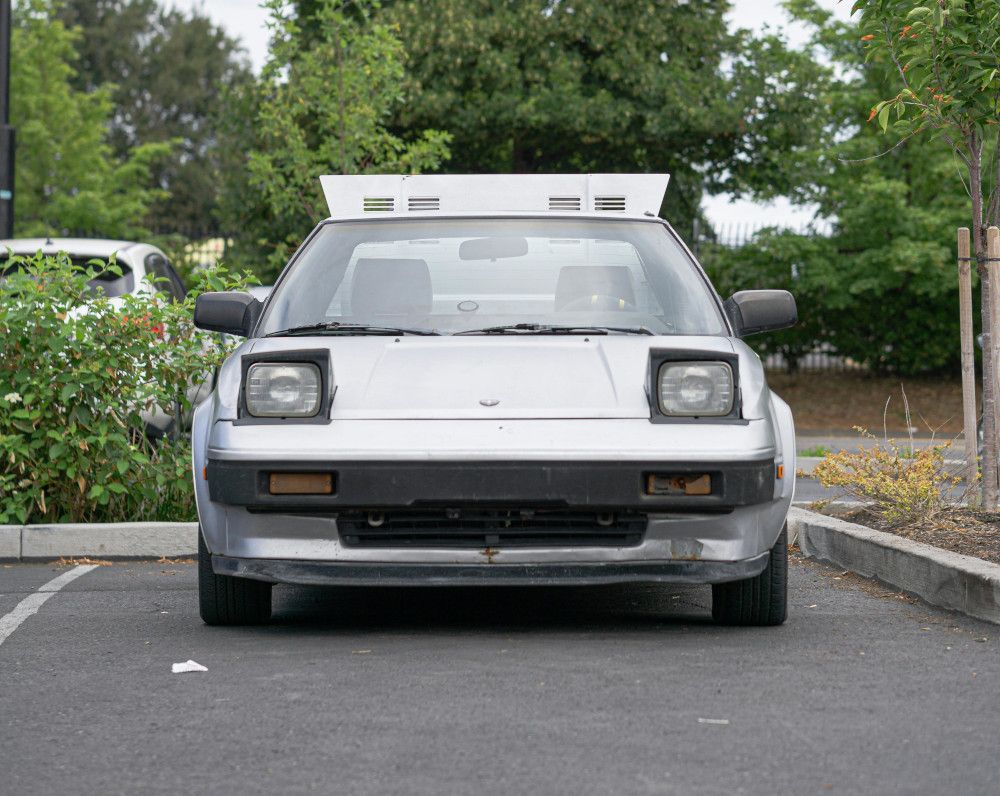
Fast forward a bit, and by the 1970s and 80s, pop-up headlights had gone from a clever novelty to a full-blown style statement. If you think about the cars plastered on bedroom walls during that time-Ferrari Testarossa, Lamborghini Countach, Mazda RX-7-they all had pop-ups. And they didn’t just make the cars look sleek. They gave them personality. The 80s especially was the golden era. It was a time when car design got bold. Edges were sharper, lines were cleaner, and pop-ups fit right in. They gave cars this “shark-like” appearance when the lights were down, and then at night, they’d come alive. It was a little theatre performance every time you switched them on. Even more everyday cars got in on the action. Think Toyota MR2, Honda Prelude, or the humble Mazda MX-5. Suddenly, you didn’t need to be a millionaire to get in on the magic. And if you lived around Manchester or Stockport back then, chances are you saw them cruising through town on a Friday night, headlights blinking open like the car was giving you a cheeky nod. It wasn’t just about looks either. Designers had practical reasons for using them. Cars were being built lower and sleeker for better aerodynamics. The problem? There were strict rules about how high headlights had to sit off the ground. Pop-ups solved it perfectly. You could have that low-slung front end during the day, and then flip the lights up at night to meet regulations. But, as anyone who’s ever owned one knows, those motors and hinges weren’t always trouble-free. A sticking headlight or one that wouldn’t quite close was pretty common. Still, most owners didn’t mind. It gave the car character, like it was alive. And let’s be honest-if you’ve ever seen one headlight stuck up while the other was tucked away, it looked like the car was winking at you.
The slow fade in the 90s
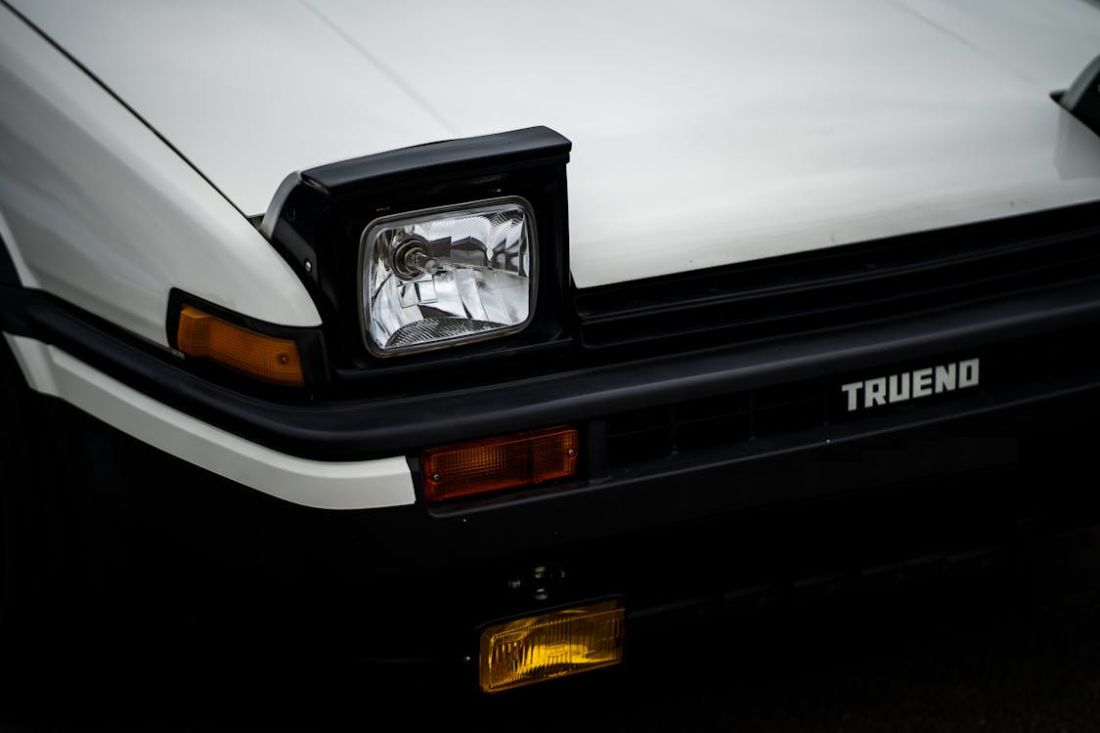
Here’s the thing. As cool as pop-up headlights were, they weren’t perfect. By the 1990s, cracks started to show. For starters, safety laws got stricter. Engineers realised that in a crash, having these solid blocks sticking up from the bonnet wasn’t great for pedestrians. If someone got hit, those lights could cause serious injuries. And no manufacturer wanted to be caught out by that. On top of that, aerodynamics was becoming more important than ever. Cars were being tested in wind tunnels, and designers realised that when headlights were popped up, they created a lot of drag. In simple terms, that meant less fuel efficiency and worse performance. With rising fuel prices, that wasn’t something buyers were happy about. And then there’s reliability. Those little motors and mechanisms were cute, but they weren’t always built to last. As cars aged, it was pretty common to see one light stuck open, making the car look a bit tired. Owners often joked about their cars winking at them, but let’s face it, constantly fixing stuck lights wasn’t fun. By the late 90s, manufacturers had started moving on. Sleeker, fixed headlights with clever shapes and new technology like xenon and LED bulbs made pop-ups look a bit old-fashioned. Laws and costs sealed their fate. Suddenly, the thing that made a car feel futuristic felt dated overnight. In places like Stockport and Manchester, you started seeing fewer of them on the roads. Instead, you got modern hot hatches and practical family cars with clear-lens lights and smooth front ends. The cool factor was still there in the memories, but in real life, pop-ups were slowly disappearing.
Why people still love them today
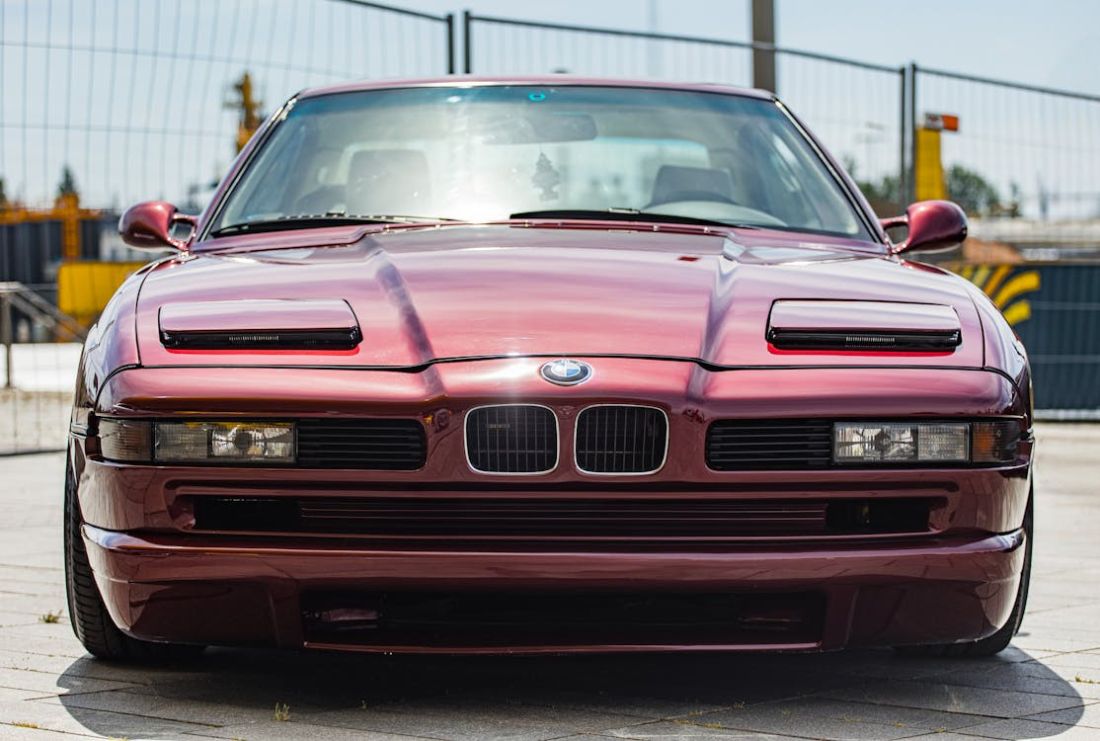
Even though they disappeared, pop-up headlights haven’t lost their charm. If anything, the fact that you don’t see them anymore makes them more special. They’ve become a little slice of car culture frozen in time. Car meets around Manchester or out by the Peak District still attract classic Mazda MX-5s, old Lotus cars, or retro Japanese imports with those headlights blinking open like it’s still 1989. You’ll hear owners say things like, “It just makes me smile every time I flick the switch.” And that’s the magic. It’s not about efficiency, or safety, or the latest lighting tech. It’s about character. Cars today are amazing in so many ways-safer, faster, more reliable. But pop-up headlights remind us that cars used to have quirks, little features that gave them personality. It’s the same reason vinyl records made a comeback. Or why people love retro trainers. There’s just something satisfying about old-school charm. Pop-up headlights are the same. They make a car stand out. They make you look twice. And for people who grew up around them, they trigger a wave of nostalgia. Here at Dace Motor Company, we see it first-hand. Every so often, we’ll get a used car with pop-up headlights on the forecourt, and it’s like a magnet. People stop, they smile, and they start telling stories-“My mate had one of these,” or “I remember seeing one parked outside the Arndale Centre back in the day.” That’s the sort of reaction you can’t buy. Pop-up headlights might never come back in new cars, but they’ve secured their place in car culture forever. And if you’re lucky enough to drive one today, you know exactly why they’re still loved.