


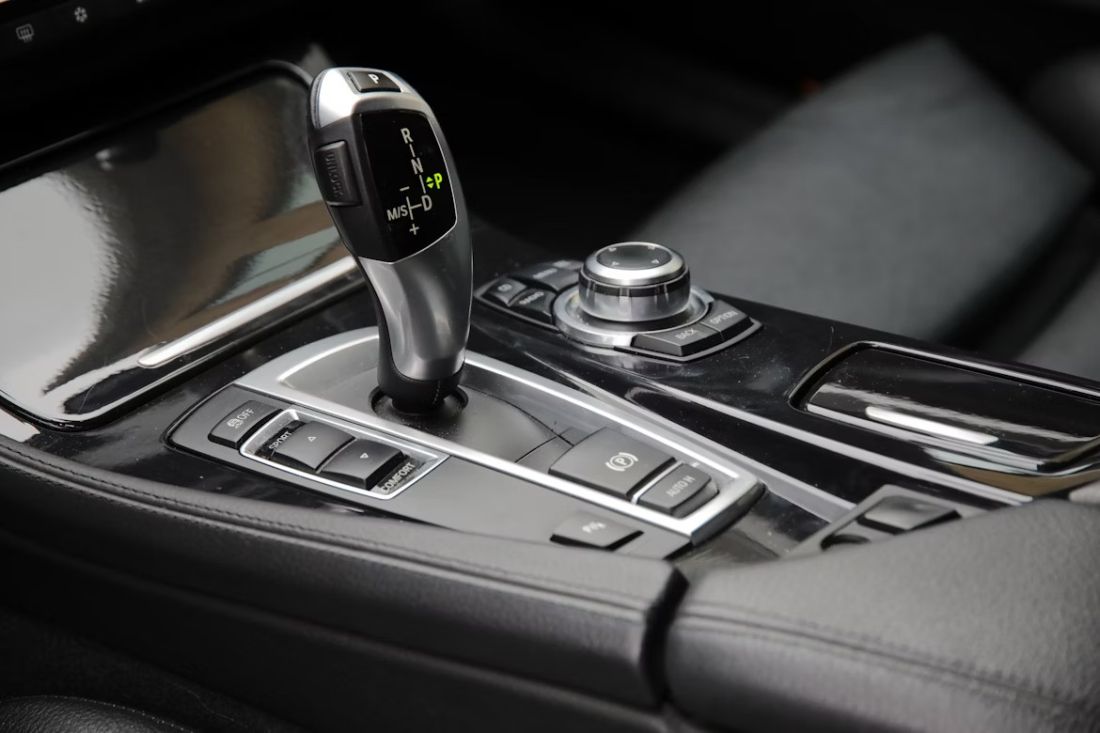
The History of Automatic Gearboxes - From Luxury to Standard
Have you ever sat in traffic around Manchester, inching along the A6, wondering why your gear stick feels so… unnecessary? Or maybe you’re thinking about a new car and wondering whether you should go automatic or manual. At Dace Motor Company, we help folks pick the right car and we’ve seen how automatic gearboxes went from being a “nice?to?have” luxury to being everywhere. So, let’s chat about how that happened.
How it all started
Believe it or not, automatic gearboxes didn’t pop up just because modern drivers didn’t want to fiddle with clutches. The idea goes way back. In the early 1920s, a Canadian steam engineer named Alfred Horner Munro built a transmission that used compressed air instead of the usual manual gear lever and clutch. He patented it in 1923.
But - and it’s a big but - that version didn’t work well enough for mass production. It lacked power, was unreliable and simply wasn’t practical.
Then, in the 1930s, the automobile industry started using automatic gearboxes using hydraulic fluid. One key milestone was the Hydra?Matic from General Motors, introduced in 1940.
It’s interesting: drivers around Stockport and Manchester might think “automatic = modern convenience,” but the roots go nearly a century back.
Why automatic gearboxes were first seen as luxury
Back in the 1940s, manual gearboxes dominated. Drivers had to depress a clutch, shift the lever, match engine revs and gear speed - sometimes easy, sometimes a right handful. So when automatics appeared, they were part of premium cars, something you saw on the road in the nicer neighbourhoods rather than the everyday run-around.
They cost more to manufacture. The tech was new. Maintenance and servicing were more complex. And the car makers knew they could charge extra for ease. Think of it like buying DRY cleaning vs. laundry at home: for some, it’s just worth the cost.
Over time, though, things changed. Components improved, manufacturing became cheaper, customers started asking for “auto” because of convenience. Especially in cities where traffic is heavy - and let’s face it, Northern traffic can be plenty of that — automatics started making sense.
The switch to mainstream
By the 1950s and 1960s, automatic transmissions were no longer just for luxury cars. Mass car makers began offering them more widely. For example, in the early 1950s many vehicles adopted three-speed automatics.
And in the UK and Europe, as highways expanded, urban traffic got heavier, and people wanted cars that didn’t require shifting constantly, so automatics got more uptake.
For a local car buyer in Manchester or Stockport, the benefit is obvious: stop-start traffic, rush hours, roundabouts, slow climbs out of town - an automatic gearbox makes that less tiring. And that reality accelerated the shift.
Technical improvements made a big difference
It’s not just about convenience. The technology behind automatic gearboxes improved massively. Early automatics had fewer gears, were less efficient, and sometimes strange in how they behaved. But later designs introduced smoother shifting, better fuel efficiency, and more reliability.
For example, in more recent times, companies like Aisin AW and Toyota Motor Corporation developed 8-speed automatic transmissions for passenger cars.
These advances meant automatics could handle more engine power, deliver better fuel economy, and appeal to a much broader market - not just luxury buyers.
Why today many cars are automatic as standard
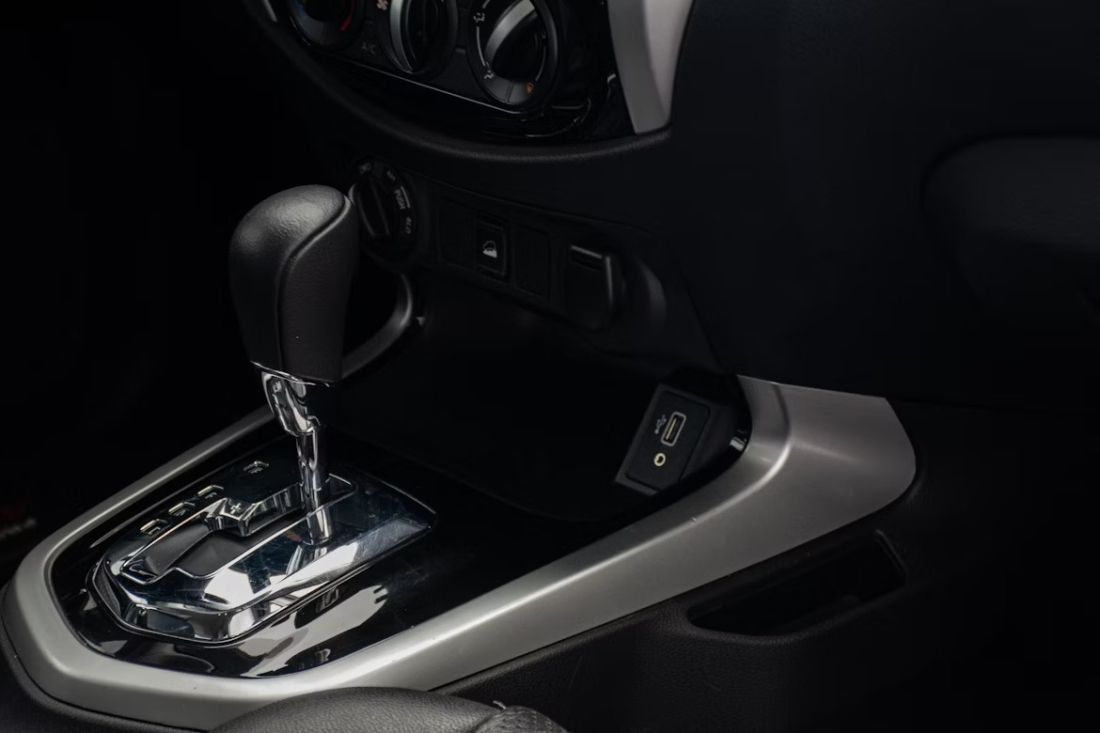
So where are we now? If you walk around one of Dace Motor Company’s showrooms in Stockport or Manchester, you’ll see many used cars with automatic gearboxes. There are several reasons for that:
- Driver comfort: Especially in city environments (and yes, Manchester is busy) automatics reduce the stress of gear changes, clutch control, and getting stuck in traffic.
- Market demand: More people prefer automatic as default.
- Improved technology: Automatics are now reliable, efficient, and offer good performance.
- Resale value and appeal: If you’re buying a used car, automatics often appeal to a wider audience - including those who live in or commute through towns and cities.
- Changing driving habits: In the UK, as fewer people learn or prefer manual gearboxes, automatics become more common and accepted.
Things to keep in mind when choosing automatic
Since automatics are now mainstream, if you’re looking at a used car at Dace Motor Company (or anywhere else), it’s worth thinking about a few practical points. Because yes, just because it’s auto doesn’t mean you don’t need to ask questions.
- Check how many gears it has: older automatics might have fewer ratios (gears) and may feel slower or less efficient.
- Ask about service history: an automatic gearbox needs proper maintenance.
- Try driving it in traffic: see how smoothly it shifts, how it behaves when you’re crawling out of Stockport centre.
- Consider your daily driving pattern: if you mostly drive on motorways outside Manchester, a manual might still be fine. But if you’re in town a lot, automatic might make more sense for you.
A quick glance at how the UK market shifted
The shift isn’t just about facts; it’s about how people drive. Over time, automatics went from niche to normal. Recent data suggest manual gearboxes are now a shrinking minority in new cars.
For used car buyers in Manchester and Stockport, that means more used automatics available, more choice, and probably better value for a good automatic car.
Why at Dace Motor Company we like automatics
At Dace Motor Company we’ve seen it all. We know that for many of our customers in Stockport and the Greater Manchester area, the hassle of shifting gears in heavy traffic or on busy nights out just isn’t fun. So we’re proud that our used-car stock includes automatics across many brands - from small cars to luxury 4×4.
Because we price-check daily, we can offer good value, and our in-house warranty means you’ve got peace of mind even with a used automatic. If you fancy a test drive, pop into our showrooms (Greg Street in Reddish, Buxton Road, Manchester Road or Liverpool Road in Eccles) and we can chat about how an automatic might suit your day-to-day.
Thanks for sticking with me through this history trip. If you’re thinking about buying an automatic used car - or wondering whether to go manual still - we’re here to help. Just drop in and we’ll walk you through options with no fuss, no hassle, just good honest advice.