


The Heaviest Cars Ever Built: From Land Yachts to Armoured Beasts
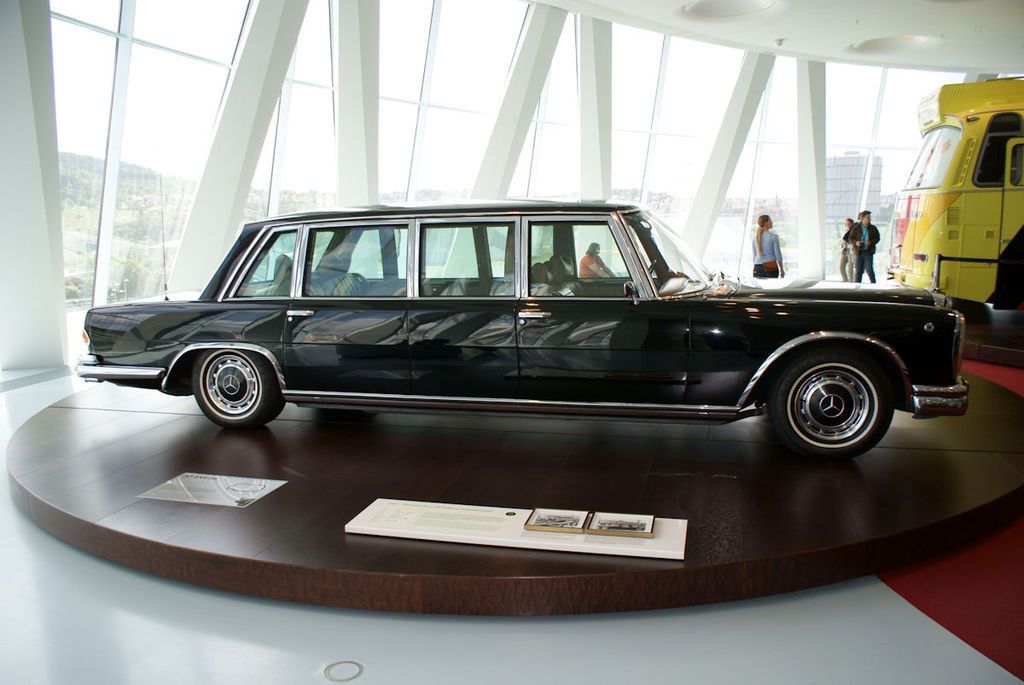
Image: Mercedes-Benz 600 1965 Pullman Armored Staatslimousine RSide by Valder137, CC BY 2.0, via Wikimedia Commons
Why Big Cars Capture Our Attention
You know how some things just stick in your memory because of how massive they are? Like when you walk past Old Trafford or the Etihad and you can’t help but go “blimey, that’s huge.” Cars can give you that same reaction. Over the years, manufacturers have built vehicles that were less about fitting down tight Manchester side streets and more about making a statement. They’re wide, long, and heavy enough to make parallel parking in Stockport a proper challenge.
The thing about heavy cars is that they’re not just big for the sake of it. Sometimes the weight comes from luxury - thick leather seats, huge engines, and enough chrome to blind you on a sunny day in Heaton Moor. Other times, it’s all about safety and armour, especially with modern SUVs built for people who want maximum security. And then there were the classic American “land yachts” - cars so big that you’d think they were designed for the open highways of Texas rather than the little back lanes of Cheadle.
Heavy cars have a strange kind of charm. They weren’t exactly built with fuel economy in mind, and they’re not going to be your first choice if you’re trying to squeeze into the Tesco car park on a Saturday morning. But for some people, they’re symbols of comfort, power, and status. Imagine pulling up on Deansgate in one of these monsters - heads would turn, guaranteed.
So, let’s get into it. From old-school American giants to today’s armoured SUVs, we’re talking about the heaviest cars ever built. And trust us, some of them weigh more than a double-decker bus you’d catch down Oxford Road.
The American Land Yachts
Back in the 50s, 60s, and 70s, American carmakers had a very simple idea: bigger is better. Forget about compact city cars or thinking about parking - they wanted long, wide machines with engines that could power a small village. Cars like the Cadillac Eldorado, Lincoln Continental, and Chrysler Imperial were known as “land yachts.” And that name wasn’t a joke. These things were the size of small boats and weighed as much as a house extension.
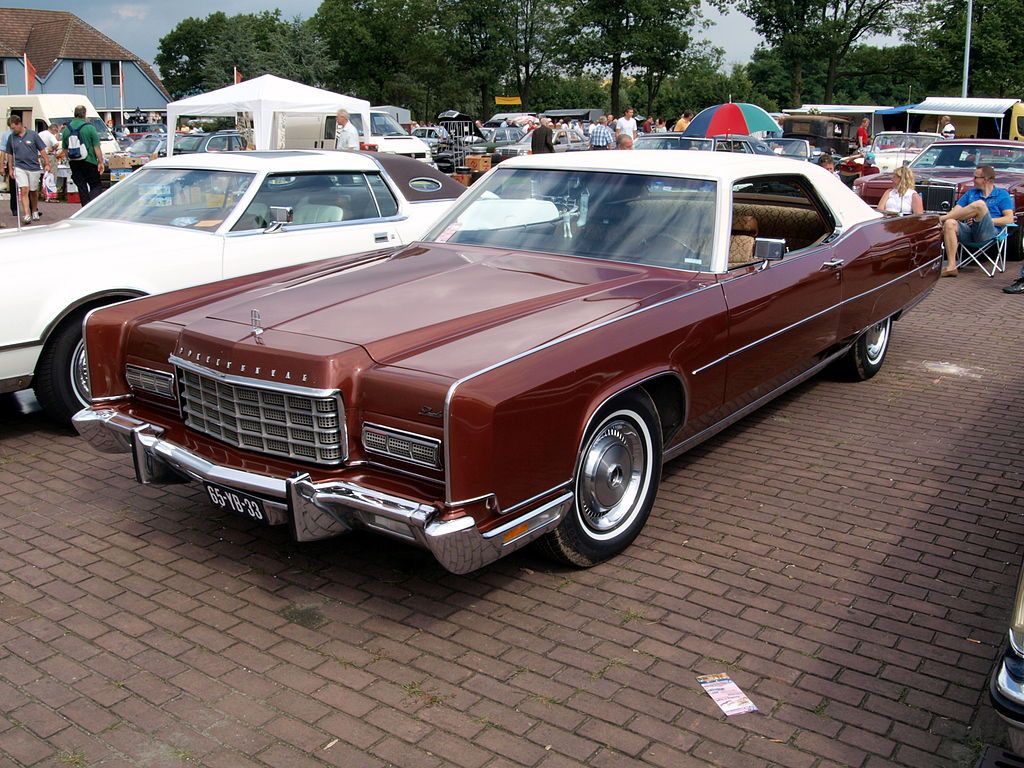
Image: 1973 Lincoln Continental by AlfvanBeem, CC0, via Wikimedia Commons
Take the 1973 Lincoln Continental for example. This beast stretched over 19 feet long and tipped the scales at nearly 2.5 tonnes. To put that into perspective, that’s heavier than two brand new Ford Fiestas. They had V8 engines the size of a coffee table, plush interiors with sofas for seats, and steering wheels that made you feel like you were piloting a ship rather than driving down the A6.
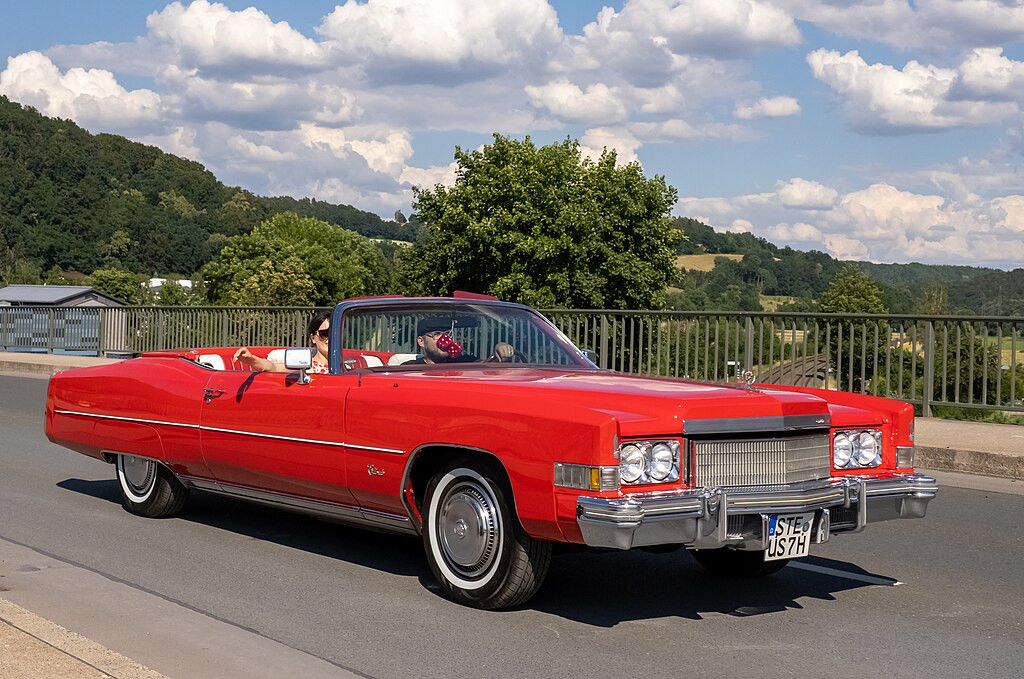
Image: 1970 Cadillac Eldorado Convertible by Reinhold Möller, CC BY-SA 4.0, via Wikimedia Commons
And then there’s the Cadillac Eldorado. This one’s legendary. It wasn’t just heavy - it was flashy. Chrome everywhere, long sweeping body panels, and interiors that made you feel like you were sat in your living room. The front-wheel drive design was unusual for its size, but people loved it because it gave them more space inside. It weighed close to 2.3 tonnes, but you didn’t buy an Eldorado because you were worried about fuel bills. You bought it because it made you feel like a star, even if all you were doing was pulling into a McDonald’s in Burnage.
Of course, practicality wasn’t the strong point. Imagine trying to swing one of these around the tight corners near Stockport Market Hall. You’d probably need a mate outside guiding you in. But in America, where roads are wide and petrol was cheap, land yachts made total sense. They were about long road trips, comfort, and the feeling of being untouchable as you cruised down the highway.
Even today, spot one of these classics at a car meet in Manchester and you’ll see crowds gather. They’re rolling time machines, and their sheer size is part of what makes them so fascinating.
The Rolls-Royce Phantom: British Weight in Style
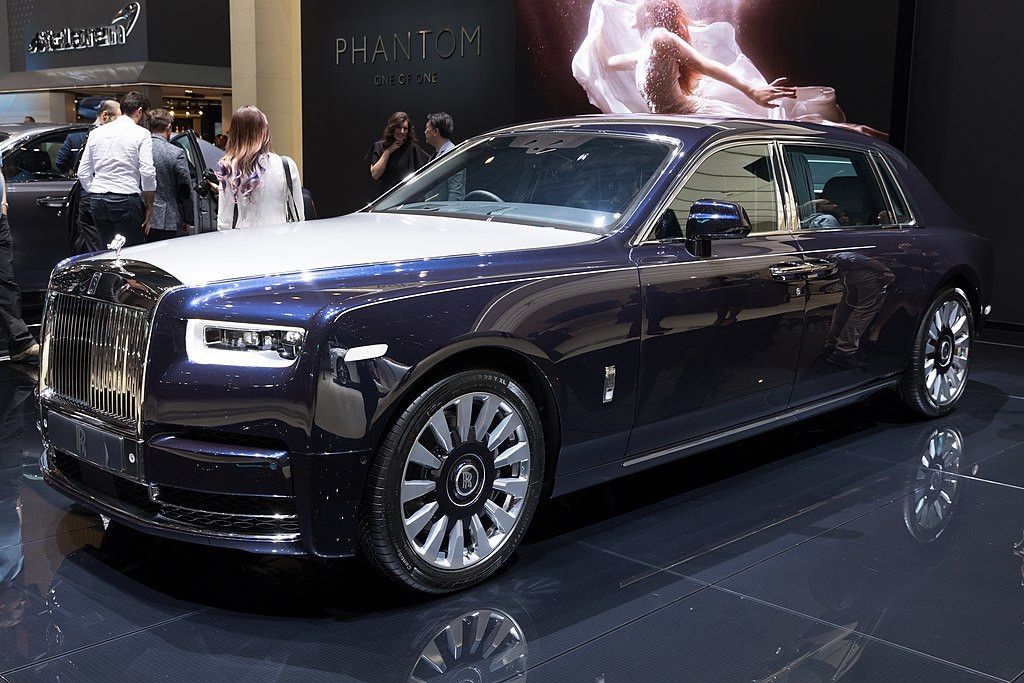
Image: Rolls-Royce Phantom at Geneva International Motor Show 2018 by Matti Blume, CC BY-SA 4.0, via Wikimedia Commons
Over here in Britain, we didn’t go quite as extreme as the Americans, but we did put out some seriously heavy hitters. The Rolls-Royce Phantom is a perfect example. Just looking at one, you can tell it’s not light. It’s massive, imposing, and full of detail that adds weight - literally.
A Phantom weighs over 2.5 tonnes, and that’s before you’ve even put your shopping in the boot. But that weight isn’t wasted. Every part of the car is solid. The doors shut with a “thunk” that sounds like a bank vault closing. Inside, you’re surrounded by leather, wood, and metal that feel like they’ll outlast just about anything. Driving one around Manchester would probably feel like you were floating past everyone else in your own personal bubble of calm.
One of the things people always say about a Phantom is how quiet it is inside. That silence doesn’t come easy - it’s the weight of the soundproofing, the thick glass, and the way everything is fitted so tightly. When you’re inside, you can’t hear the traffic, the trams, or even the rain hammering down on the M60. You just hear… nothing. That’s weight doing its job.
And let’s be honest, pulling up outside the Midland Hotel in a Phantom has a different vibe than showing up in a hatchback. People notice. Weight, in this case, is part of the luxury. It makes the car feel more substantial, more serious. That’s why people still love them, even when they’re not the most practical thing for the average Stockport commute.
The Mercedes-Benz 600: The Grosser
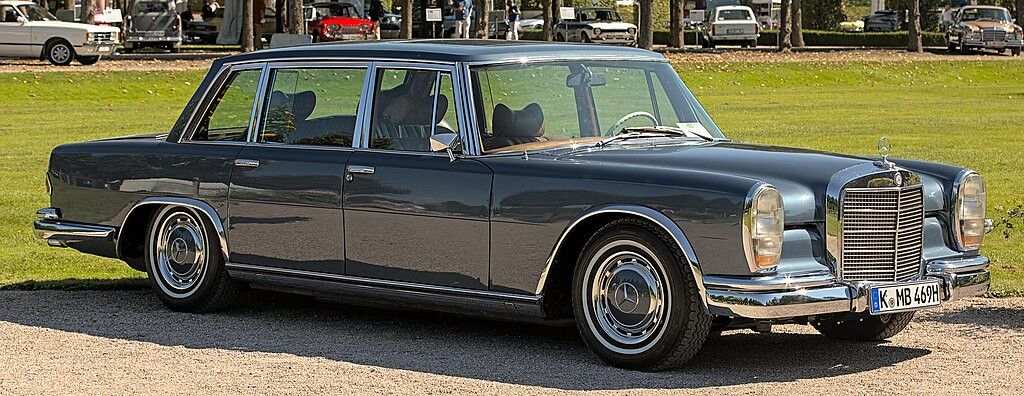
Image: Mercedes-Benz W100 600 Classic-Gala 2021 by Alexander Migl, CC BY-SA 4.0, via Wikimedia Commons
If you’ve never heard of the Mercedes-Benz 600, here’s the short version: it was one of the most luxurious and heavy cars of its time. Built from the 1960s to the 1980s, it was nicknamed the “Grosser Mercedes” - grosser meaning big in German, and they weren’t kidding.
This car weighed around 2.6 tonnes, and it was loaded with tech for the time. Almost everything in it was powered by hydraulics - the windows, the seats, even the boot lid. And because it was all hydraulic, the system was heavy, adding more bulk to an already massive machine.
The 600 was a favourite of celebrities and world leaders. Elvis had one, John Lennon had one, and so did the Pope. It wasn’t just a car - it was a rolling statement that said, “I’ve made it.” The size and weight made it feel more like a moving living room than a car.
Imagine seeing one glide through Manchester city centre in the 70s. It would’ve looked completely out of place next to Morris Minors and Austin Allegros, but that’s exactly why it stood out. Heavy, imposing, and dripping with status.
Even today, if you ever come across one at a classic car show, you can’t help but admire it. The sheer presence is unbelievable. And again, weight plays a big role in that. It’s not a car you forget once you’ve seen it.
The G-Wagon and Armoured SUVs
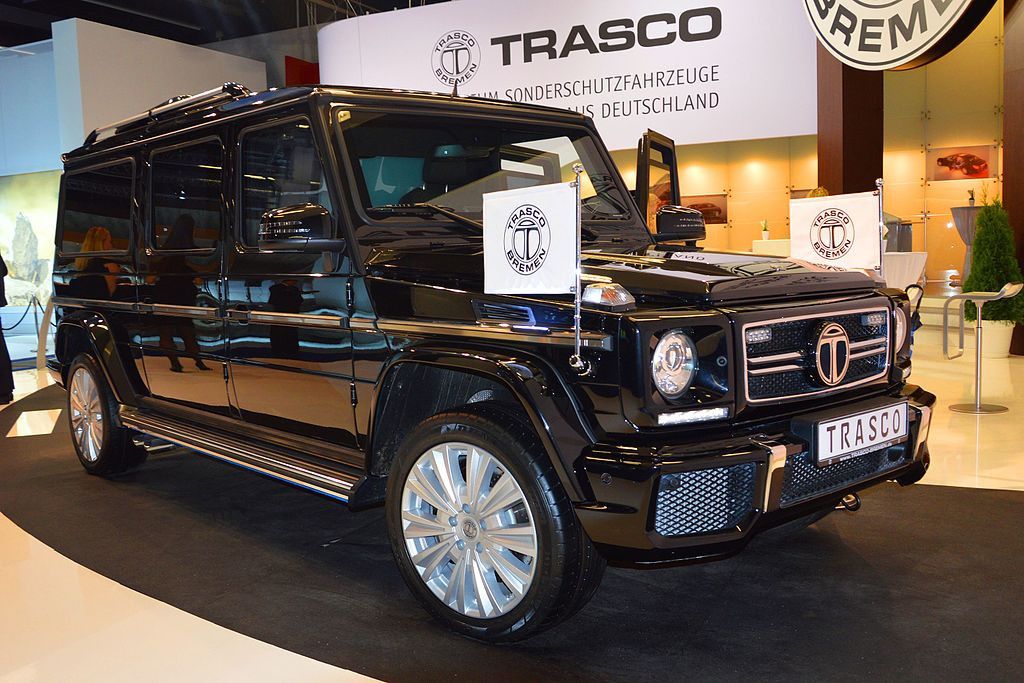
Image: TRASCO armored vehicle based on Mercedes-Benz G-Class (G63 AMG) by Spielvogel, CC BY-SA 4.0, via Wikimedia Commons
Fast forward to modern times, and the heavyweight crown goes to SUVs. And not just any SUVs - we’re talking about the armoured ones. Vehicles like the Mercedes-Benz G-Class, often called the G-Wagon, and the BMW X5 Security are in another league.
The standard G-Wagon is already heavy, weighing over 2.5 tonnes. But once you add armour - bulletproof glass, reinforced steel, run-flat tyres - you’re looking at well over 4 tonnes. That’s heavier than a small lorry.
Despite that weight, the G-Wagon has become a status symbol in cities all over the world, including Manchester. You’ll see them parked outside trendy bars in Spinningfields or cruising through Wilmslow. And while most of them aren’t the armoured versions, the design comes from military roots, so even the regular ones have that chunky, tough look.
Driving one around Stockport’s narrow roads? Probably stressful. But that’s not why people buy them. They buy them for the presence, the feeling of being higher than everyone else on the road, and the safety that comes with all that mass. In an accident, you’d rather be in a G-Wagon than a tiny city car, no question.
The armoured versions take that feeling to the extreme. They’re built for people who need security, whether that’s politicians, business figures, or celebrities. But even if you don’t need the bulletproof version, the idea of driving something that shares DNA with a tank is enough to make the G-Wagon popular with everyday drivers who just want that heavy, solid feel.
What Heavy Cars Mean For Everyday Drivers
So, you might be wondering - why should we care about these massive cars? After all, most of us are more worried about whether we can fit into the Aldi car park or if our car will handle the potholes around Levenshulme. But heavy cars tell us a lot about how car design has changed and what people value.
Back in the land yacht days, weight meant comfort and status. In Europe, it was about luxury and precision. Today, with SUVs, weight often means safety and security. But there’s always been this fascination with “bigger is better.” It’s human nature, really. We like things that make us feel important, safe, or just plain noticed.
At Dace Motor Company, we see this all the time. People come into our showrooms in Stockport and Manchester looking for different things. Some want small city cars for easy parking. Others want bigger SUVs because they like the safety and the feeling of sitting up high. And while we don’t have any 4-tonne armoured SUVs sitting around (thankfully, because they’d barely fit through our doors), we do understand why people are drawn to heavier cars.
Heavy cars might not be the most practical for everyday life in Greater Manchester, but they’ve got a story. They show us how cars have evolved, what people value, and sometimes, they just make us stop and stare. And honestly? That’s part of what makes cars so interesting.