


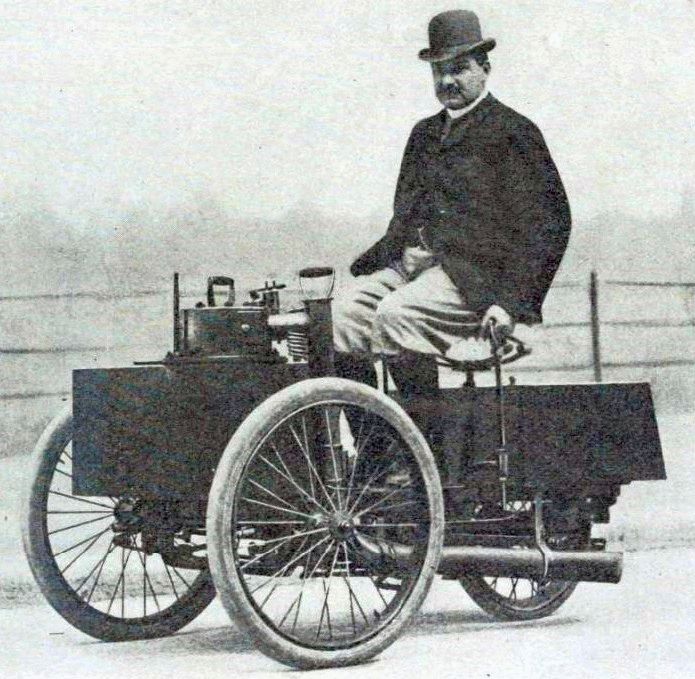
The Forgotten Story of Steam-Powered Cars

A Time Before Petrol Took Over
You probably think of cars as petrol or electric. Maybe diesel too, if you’ve driven something older around Manchester or Stockport. But here’s the twist: before petrol engines ruled the road, there was another type of car that was a genuine rival-steam-powered cars. Yeah, like steam trains, but on four wheels. They weren’t just quirky experiments either. For a while, they were serious contenders, and plenty of clever people thought they were the future of travel.
The idea of steam power wasn’t new. Folks had already been running trains and ships with steam, so sticking it in a car made sense at the time. Imagine being in Victorian Manchester, the place buzzing with factories, chimneys, and clattering mills. Steam was everywhere-literally the heartbeat of the city. So, putting it in a vehicle didn’t feel strange at all.
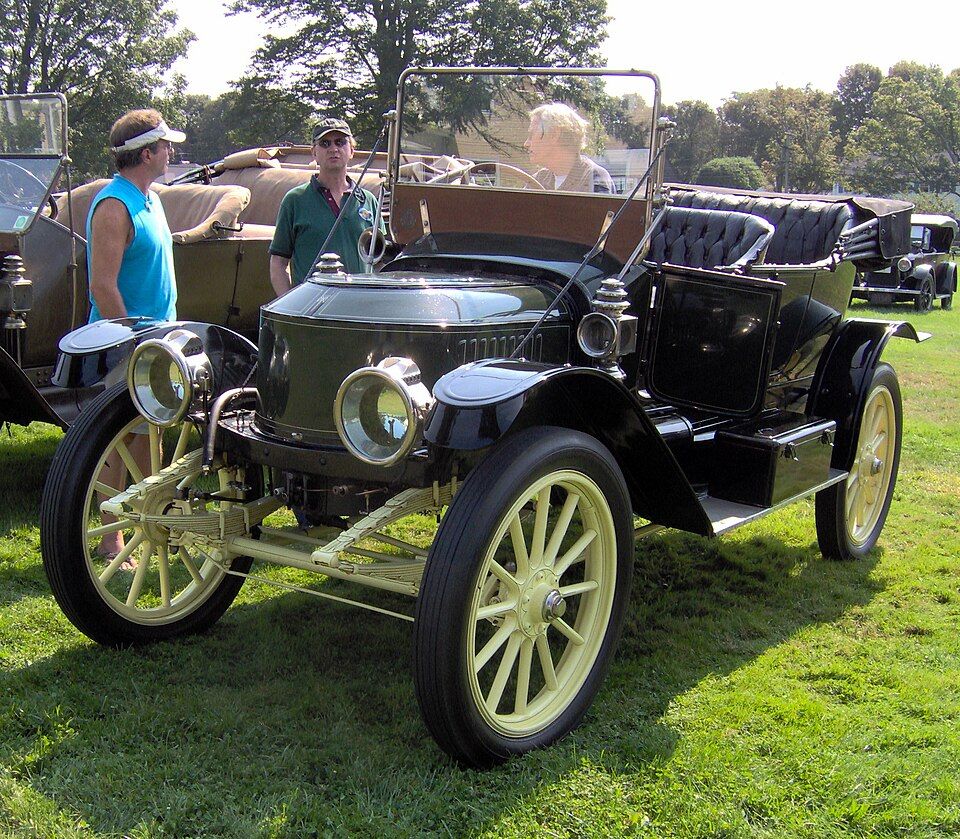
Image: 1912 Stanley steam car by Stephen Foskett (Wikipedia User: sfoskett), CC BY-SA 3.0, via Wikimedia Commons
One of the cool things about steam cars is how smooth they felt to drive. They didn’t need gears in the way petrol cars did, so you just pressed the lever and off you went. No stalling, no clunky gear changes. And back then, petrol engines were noisy, shaky, and unreliable. Steam cars felt cleaner and more polished by comparison.
Of course, the image most people have is some sort of puffing teapot trundling down the road. That’s not fair, though. Early steam cars could actually go fast-some hit speeds petrol cars couldn’t match. They weren’t toys; they were proper machines. In fact, if you were driving around Cheshire in the late 1800s, you might have seen one cruising past a horse and cart, leaving people gawking in the street.
And here’s the kicker: they almost won. For a good stretch of time, petrol cars weren’t the obvious choice. The race was wide open. But, like many great stories, steam cars faded into the background. Petrol surged ahead, and most people forgot steam cars ever had a chance. Which, to be honest, is a shame, because the history of these machines is packed with fascinating details that show just how different things could’ve turned out.
The Golden Age of Steam Cars
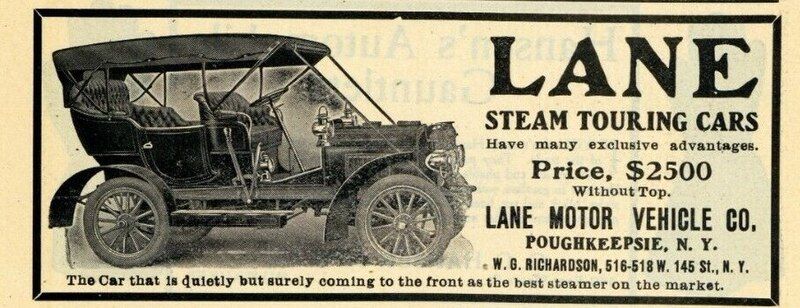
Image: 1907 Lane Steam Car Cycle & Automotive Journal
The late 1800s and early 1900s were wild years for cars. Picture Manchester’s streets-cobbled, busy, horses clattering, trams rattling by. Into this mix came a new type of vehicle that didn’t rely on oats for energy. Steam cars popped up and turned heads everywhere they went. They were fast, elegant, and for a while, they were ahead of their time.
The Stanley brothers in America became household names for steam cars. Their company, the Stanley Motor Carriage Company, made cars that looked like something straight out of a storybook-big wheels, open tops, and a polished look. But don’t let the fancy designs fool you. These things weren’t slow. In 1906, a Stanley Steamer broke a world speed record, hitting 127 mph. For context, that was faster than most trains at the time. Imagine blasting past onlookers who’d only ever seen horses and carts before. People thought it was almost magic.
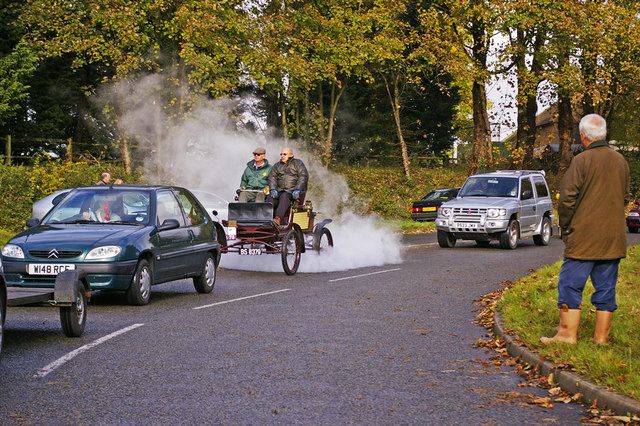
Image: Locomobile 1900 Steam Car by Christine Matthews / 1900 Mobile Steam Runabout overheating at Slough Green.
Steam cars also appealed because they didn’t need complicated gearboxes. Petrol engines of the day were clunky and unreliable, but steam cars felt smooth. You didn’t have to grind gears or worry about stalling in the middle of Market Street in Manchester. Just get the boiler hot, ease forward, and you were gliding.
But here’s the downside-and it’s a big one. You couldn’t just hop in and go. Unlike petrol cars that would eventually let you turn a key and drive off, steam cars took time to build up pressure. That meant waiting ten, sometimes twenty minutes, before you could even set off. Not ideal if you were running late for work at the mills. Still, plenty of people thought the trade-off was worth it. They were quiet, powerful, and for a while, they looked like the future of motoring.
So why did they fade? Well, petrol cars got better-faster to start, easier to refuel, and mass production made them cheaper. Steam cars, on the other hand, stayed expensive and fiddly. The convenience of petrol eventually crushed steam’s chances. But for a couple of decades, steam wasn’t just an alternative-it was a leader.
Why Petrol Won the Fight
Let’s be honest: petrol cars weren’t always the heroes they’re remembered as today. In the early days, they coughed, rattled, and often broke down. If you’d asked people in the 1890s which type of car would take over the roads, plenty would’ve bet on steam. But petrol had a couple of tricks up its sleeve that steam just couldn’t match.
The first was convenience. Steam cars needed time to warm up, like an old kettle on a cold morning. Petrol cars weren’t instant either in those early years, but they were faster to get going. And over time, engineers cracked the code, making engines smaller, lighter, and easier to handle. Imagine living in Stockport back then-you’d much rather jump into a car that fired up quickly than stand around waiting for steam to build. Nobody wants to be late for tea because their car’s still hissing.
Then there was the cost. Henry Ford changed everything with the Model T in 1908. Mass production meant petrol cars could be made quickly and cheaply, putting them within reach of ordinary families. Steam cars, by contrast, stayed more of a luxury purchase. They were like the fancy designer brands of the day-great if you could afford them, but out of reach for most.
Refuelling also swung the balance. Petrol stations started popping up, making it easy to top up. Steam cars needed water and fuel for the boiler, which meant more faffing around. On a trip from Manchester to Liverpool, you’d probably have to stop multiple times to refill. Petrol drivers, meanwhile, just poured in some fuel and carried on.
By the 1920s, steam cars were fading fast. Petrol had won. And while there were a few attempts to keep steam alive, the public had moved on. The car industry threw its weight behind petrol, and the rest is history. Still, you can’t help but wonder: if a few things had gone differently, maybe our roads today would be filled with the soft hiss of steam instead of the growl of engines.
The Strange Comebacks That Never Stuck
Here’s something most people don’t know-steam cars never truly vanished. Every now and then, someone tried to bring them back. The idea just wouldn’t die. Engineers in the mid-20th century gave it another go, especially when people started worrying about pollution. After all, steam cars could burn cleaner fuels, and they weren’t as noisy as petrol cars.
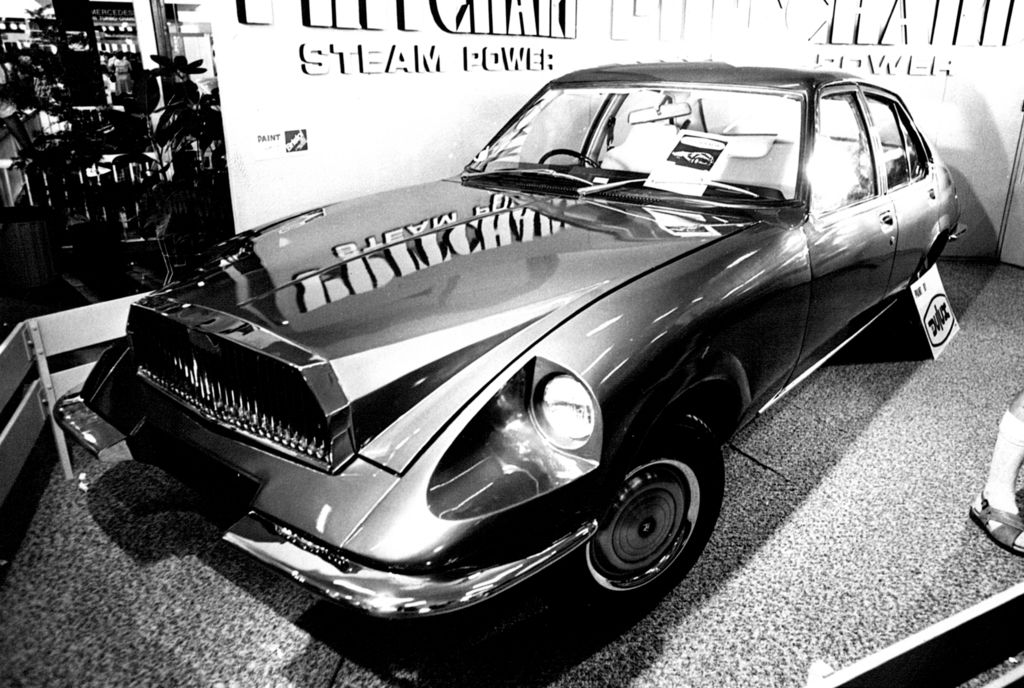
Image: Advanced Pritchard steam-powered car invented by Edward Pritchard was displayed in March 1975 at the Melbourne International Motor Show (CC0, via Wikimedia Commons).
In the 1960s and 70s, there were a few big pushes to revive steam cars. General Motors and even the US government put money into experiments. The idea was that steam might be the answer to rising smog in big cities like Los Angeles. Steam could run on different fuels, not just petrol, so people thought it might be more sustainable. The problem? Old issues never went away. Start-up times were still slow, the systems were bulky, and petrol cars had become too good by then.
It’s almost funny-every couple of decades, people rediscover steam and think, “This could work again.” But each time, it fizzles out. And yet, the nostalgia never fully goes away. Car enthusiasts still collect and restore steam cars. If you ever get the chance to see one in action, the experience is totally different. There’s this gentle hiss, a smooth pull away, and you suddenly feel connected to a time when motoring could’ve gone in a completely different direction.
Around Manchester and Stockport, there are vintage car shows where you sometimes see steam vehicles pop up. They’re rare, but when they appear, they draw crowds. It’s that mix of history and curiosity-you’re looking at something that might have been normal if the dice had rolled differently a hundred years ago. Petrol may have taken the crown, but steam never fully lost its magic.
Why This Story Still Matters
So, why should anyone in 2025 care about steam cars? For one, history has a way of reminding us that things don’t always turn out the way you expect. Back in the late 1800s, nobody knew petrol would become the king of the road. Steam had a real chance. It shows how much timing, convenience, and technology shape what we end up using every day.
It also makes you think about what’s happening now. Electric cars are everywhere in Manchester and Stockport these days. Charging points are popping up, and more people are making the switch. But if steam teaches us anything, it’s that the “obvious winner” isn’t always set in stone. Who knows? In another twenty years, there might be a new type of engine we haven’t even thought of yet, and today’s electric cars could look as outdated as steam wagons.
At Dace Motor Company, we spend our days around used cars-petrol, diesel, hybrid, electric-you name it. And every so often, you get chatting about how different things might look if history had tilted another way. Imagine our Stockport showroom filled with sleek steam-powered motors instead of BMWs and Audis. It’s a wild thought, but it also makes you appreciate just how much variety and change the car industry has seen in a relatively short time.
Steam cars might be forgotten by most, but their story is a reminder that innovation doesn’t always go in a straight line. Sometimes the front-runner fades, and another option takes over. And sometimes, the old ideas hang around just long enough to inspire the next big thing. Steam may have lost the race to petrol, but its place in motoring history is far from finished.