


The Forgotten Era of Car Telephones
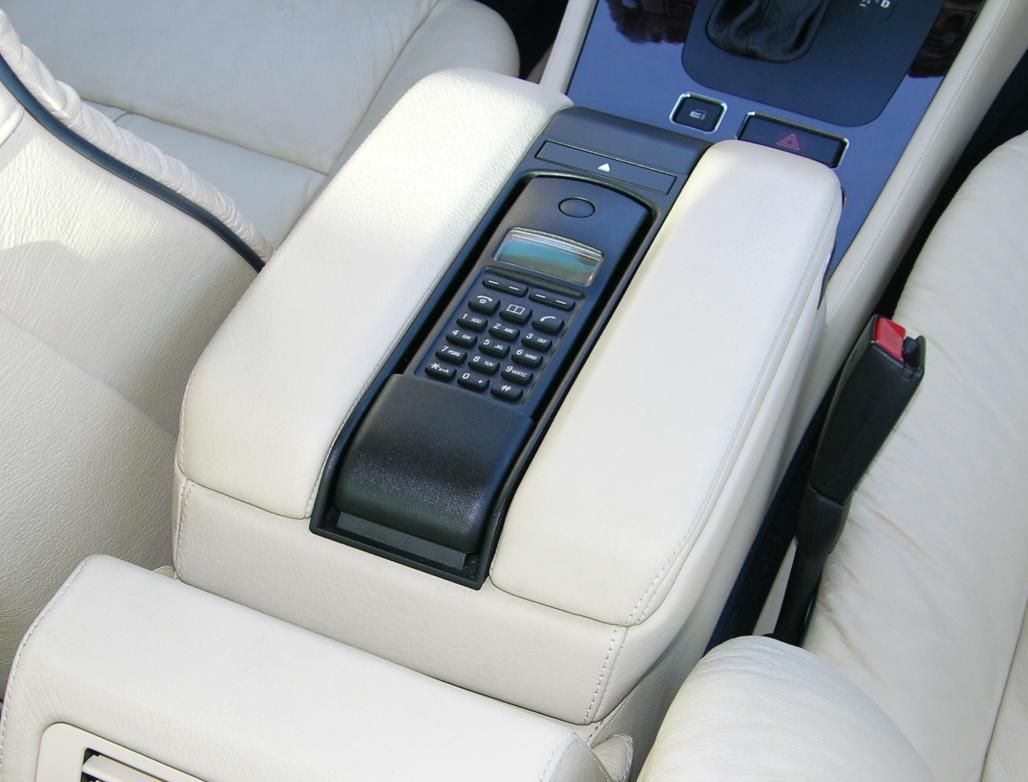
Image: Motorola car phone in the center console of a BMW 750iL by The Car Spy, CC BY 2.0, via Wikimedia Commons
When having a phone in your car was a luxury status symbol
If you’ve grown up with smartphones, Wi-Fi everywhere, and cars that can practically call your mum for you, it might sound strange to hear this: there was once a time when having a phone inside your car was the ultimate flex. We’re not talking about Bluetooth or little charging docks. No, this was way before all that. Back in the 80s and 90s, a car telephone was something that made heads turn. It wasn’t just about staying connected-it was about showing the world you’d made it.
Think of Stockport or Manchester back in the day. Picture someone rolling up Deansgate in a sharp-looking BMW, one hand on the steering wheel, the other holding this big chunky handset connected to the dashboard. It wasn’t about needing to take calls; it was about being seen taking calls. Half the time, people probably didn’t even have anyone to ring. They’d just pick up the receiver, nod a bit, and look important. And you can imagine the cost. These weren’t cheap gadgets that you could grab on a deal at your local shop. They cost thousands, and the call charges were through the roof. Making a quick call from the middle of the M60 could end up being more expensive than the petrol you’d just used.
But that was the point. Car phones weren’t about saving money or even convenience. They were status symbols, as much as a Rolex or a brand-new Mercedes parked outside your house. It was like saying, “Yeah, I’m doing alright, thanks for asking.” And let’s face it, back then, people noticed. You didn’t scroll Instagram to see who was living it large. You saw it on the streets-car phones were part of that picture.
Why car phones felt futuristic at the time
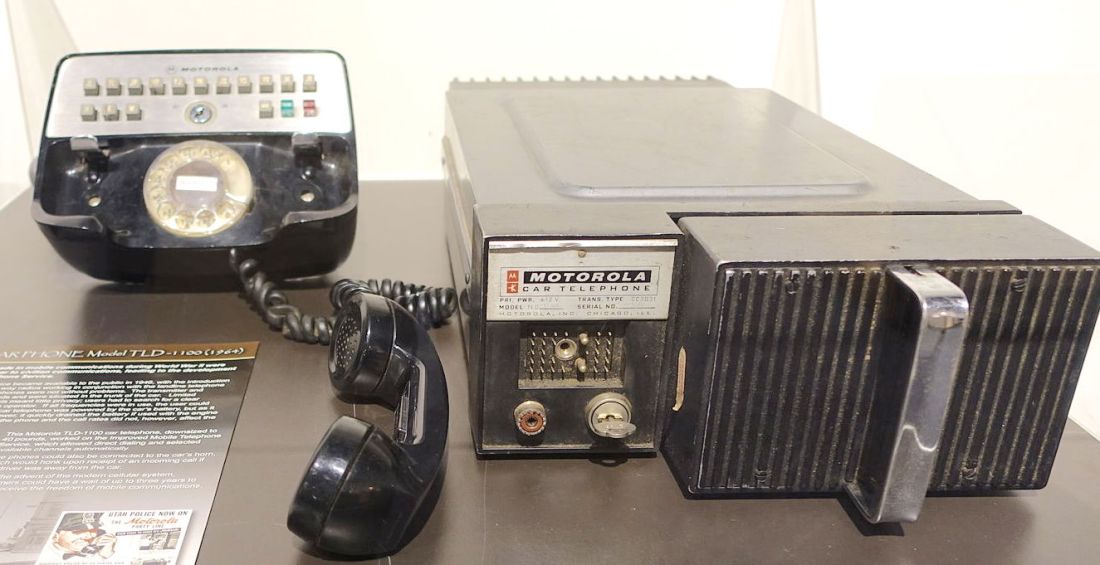
Image: Motorola car telephone by Daderot, CC0, via Wikimedia Commons.
The funny thing is, the technology itself wasn’t actually that futuristic. The phones were big, the coverage was patchy, and the sound was about as clear as shouting across the room in the Arndale Centre on a busy Saturday. But people didn’t care. At the time, it felt like something straight out of a sci-fi film. Remember, most people had home phones with cords so long you could barely take them from one room to another. Having a phone in your car was like having your own spaceship controls.
And it wasn’t just the rich businessmen on King Street or celebrities driving through Cheshire who were showing off with them. Slowly, car phones trickled down into other lives too. Maybe you had an uncle who worked in sales and his company fitted one into his company car. Or perhaps you remember the first time you actually saw someone use one—just the sheer novelty of it. Kids in the back seat would point and whisper, “Look, they’ve got a car phone!”
It’s easy to laugh about it now, but let’s be honest, the feeling of being able to ring someone while driving through Stockport town centre without pulling over to a phone box must have felt incredible. You’ve got to remember how different life was then. No WhatsApp, no quick texts, no Google Maps telling you the best way to get around the Mancunian Way without sitting in traffic for hours. A car phone gave you a little taste of the future, even if the future still meant static-filled calls and sky-high bills.
The size, the cost, and the “look at me” factor
If you ever get the chance to see an old car phone today, you’ll probably laugh. These things were huge. Some of them looked like military equipment, with a big handset wired into a chunky box fitted under the dashboard. They often came with a proper curly cord too, like the ones you’d find in your gran’s hallway. And then there were the battery packs. Some of the portable versions were like carrying a brick around-no exaggeration.
And the cost… wow. Let’s just say if you thought filling up your tank in Cheadle today was expensive, car phone bills back then would make your eyes water. We’re talking pounds per minute. That’s why a lot of people never actually used them for long conversations. You’d make a quick call, hang up, and save the rest for home. But the point wasn’t really to chat away. It was about being seen with one. Having a car phone was the equivalent of driving a top-spec Jaguar past Old Trafford on match day. You wanted people to notice.
The “look at me” factor was massive. If you had one fitted into your car in Manchester or Stockport, it meant you were successful, or at least you wanted people to think you were. And because so few people had them, it stood out. Today, we all carry phones in our pockets that are more powerful than the computers NASA used to land on the moon, and no one bats an eyelid. But back then, pulling out that chunky handset in your shiny Mercedes-Benz or Audi was like announcing yourself to the world.
From luxury to landfill: where did they all go?

So, what happened? Why don’t we see car phones anymore? Well, the simple answer is mobile phones got smaller, cheaper, and better. By the mid-90s, the classic “brick” phones started showing up, and suddenly you didn’t need a special one built into your car. You could carry it around with you. The whole point of a car phone disappeared overnight.
For a while, there was a crossover. You’d see people with both-a mobile in their pocket and the built-in car phone on the dashboard. But once mobiles became more affordable, car phones just faded away. Most were ripped out of cars or simply left there to gather dust. Some cars that were fitted with them still exist today, and every now and then, you might even spot one at a used car dealer. At Dace Motor Company, we’ve had the odd classic car come through with a car phone still stuck in the dash. They don’t work, of course, but they’re a fun reminder of how far technology has come.
It’s strange, isn’t it? Something that was once seen as the height of luxury is now basically a piece of junk. People don’t even keep them as retro gadgets like old Game Boys or Walkmans. Most car phones ended up in skips, forgotten. It makes you wonder what we’re using today that’ll look just as silly in 20 years’ time. Maybe all these big touchscreens in cars will feel old-fashioned when everyone’s got voice control and holograms instead.
Looking back with a smile
Even though they’re gone, car phones still have this weird charm. They remind us of a time when technology felt exciting and rare. You didn’t take it for granted like we do now. Today, you can sit in a traffic jam on the A6 in Stockport, streaming music, messaging your mates, and checking the football scores all on the same device. Back then, just being able to ring someone while sitting on the M62 was mind-blowing.
For anyone who remembers seeing or using them, car phones carry a bit of nostalgia. They’re tied to an era of big hair, loud suits, and flashy cars. For kids today, it probably sounds a bit ridiculous. Why would anyone want a phone fixed in their car, especially one that barely worked? But that’s the fun of looking back-you realise how quickly things change.
At Dace Motor Company, we see this kind of shift all the time. The cars we sell today come packed with tech that would’ve seemed impossible when car phones were popular. Built-in sat navs, Bluetooth calling, rear cameras, even cars that park themselves. It shows you how fast the car world moves on. But sometimes, it’s nice to pause and remember the quirks of the past-the gadgets that seemed essential at the time, even if they now look laughably outdated. And let’s be honest, there’s something kind of cool about that chunky car phone handset, even if it doesn’t work anymore.