


The First Cars Ever Sold in the UK - A Look Back in Time
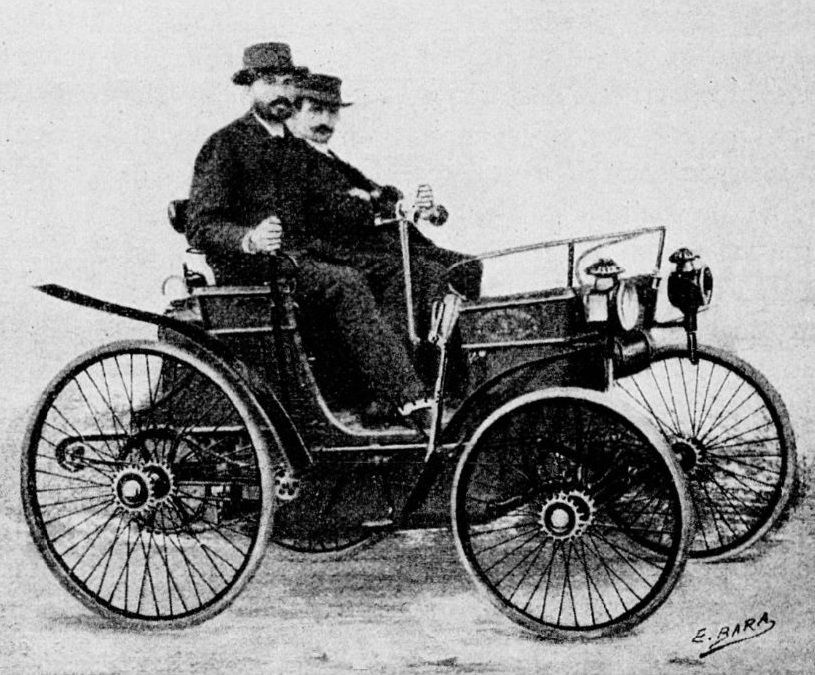
If you think back to the late 1800s, the streets of Britain looked completely different. Picture it: horse-drawn carriages rattling along Market Street in Manchester, people walking in big hats and long coats, and the sound of hooves on cobblestones instead of engines humming. Then suddenly, something strange appeared. A carriage… but with no horse. That was the first car, and people didn’t really know what to make of it. Some thought it was magic. Others thought it was noisy and dangerous. But that’s where it all began. The first cars that came into Britain weren’t built here at all. They were imported from places like Germany and France, where inventors like Karl Benz and Armand Peugeot were already experimenting with petrol engines. These machines looked clunky compared to what we drive today. They had skinny wheels, sometimes wooden spokes, and the engines rattled so much they probably gave the driver a headache. But they moved without a horse, and that was revolutionary. The UK wasn’t quick to jump on the car bandwagon, though. There were strict rules, including something called the Red Flag Act. This law meant that every car had to be led by a man walking in front of it, waving a red flag, so horses and pedestrians didn’t get spooked. Imagine buying a car in Stockport today and having to hire someone to jog in front of you down Buxton Road with a red flag. Doesn’t sound very practical, does it? Unsurprisingly, people weren’t exactly racing to buy cars at that stage. But once the government eased up and scrapped the red flag rule in 1896, things started to move. People began seeing cars not as odd toys for the rich but as something that could actually change how we lived and travelled. And just like that, Britain’s relationship with the car began.
The first cars actually sold in the UK
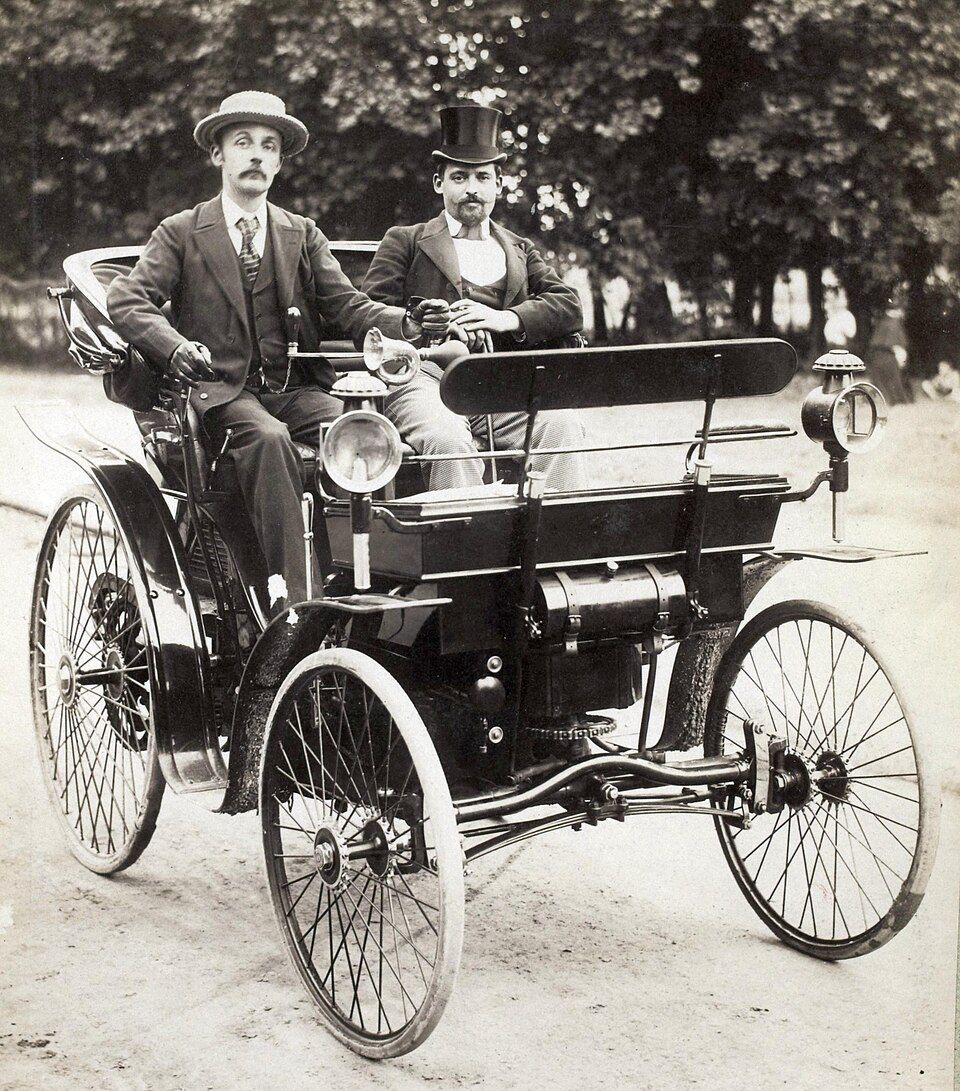
So, what were the first cars that people in Britain could actually buy? We’re talking about machines like the Benz Velo and the Peugeot Type 3, both arriving around the late 1890s. These weren’t fast. You’d be lucky to hit 12 miles per hour. But back then, that was faster than most horses could manage, and you didn’t have to clean up after them either. By the early 1900s, British companies began making their own cars. Names like Austin, Morris, and Vauxhall started to pop up. Vauxhall, believe it or not, is one of the oldest car brands in the UK, with roots going back to 1857 when they first built pumps and engines before moving into cars. The early Vauxhall motors looked nothing like the Astras and Corsas you see parked outside the Arndale Centre or running down the M60 today. They looked more like open-top carriages with a steering tiller instead of a wheel. Buying one wasn’t like popping into Dace Motor Company on Greg Street and checking out 600 cars in stock. It was more like commissioning a piece of machinery. Cars were hand-built, expensive, and reserved for the wealthy. In 1903, the average car cost more than most people earned in several years. For regular folks in Stockport or Eccles back then, owning a car was as likely as owning your own train. You’d probably just admire them rumbling past, if you ever saw one at all. But slowly, the market started to grow. And with it, the culture around cars began to form. Britain’s first petrol stations appeared—imagine trying to find fuel near Piccadilly in those days! The first driving schools popped up. People began to realise that cars weren’t just rich men’s toys—they could become part of everyday life. It took decades for that to happen, but those first sales were the spark that set it all off.
The culture shift - cars become part of daily life
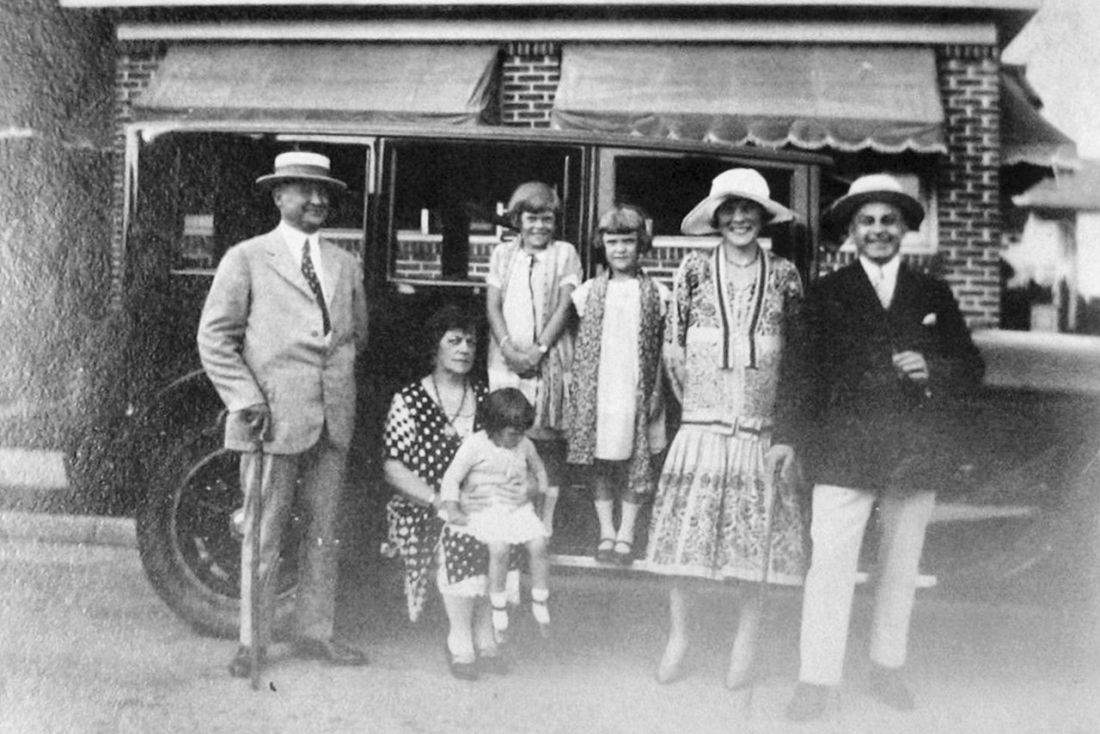
By the 1920s, cars were becoming more common on UK roads, though still far from what we see today. Roads around Stockport, Manchester, and most towns in the North were built for horses and carts, not cars. Potholes, mud, and narrow lanes made driving a real adventure. Still, people were hooked. The freedom of being able to go where you wanted, when you wanted, without relying on trains or buses, was something completely new. Ford played a huge role here. The Model T Ford, built in America but sold worldwide, changed everything. It was cheaper, mass-produced, and much easier to maintain. For the first time, a middle-class family in Britain could think about buying a car without selling the house to do it. Imagine families driving out from Manchester for a day trip to Lyme Park, packing a picnic instead of waiting on the train timetable. That sense of freedom is exactly what made cars irresistible. By the 1930s, British brands like Austin Seven were huge sellers. The Austin Seven, often called the “baby Austin,” was one of the first cars truly aimed at ordinary people. If you’re from around here, you might compare it to how the Ford Fiesta or Vauxhall Corsa became a go-to first car for many Mancunians in more recent decades. Affordable, simple, and everywhere. Culture was shifting. Roads were getting better. Petrol stations were popping up on main routes like the A6 and A34. Mechanics started opening garages in local towns because cars needed constant attention back then. Cars weren’t reliable in the way we expect today—you didn’t just turn the key and go. You had to know a bit about fixing things, or at least know a bloke down the street who did. Still, by then Britain had caught the car bug. The first few sales at the turn of the century had snowballed into a full-blown car culture.
From rare machines to national obsession
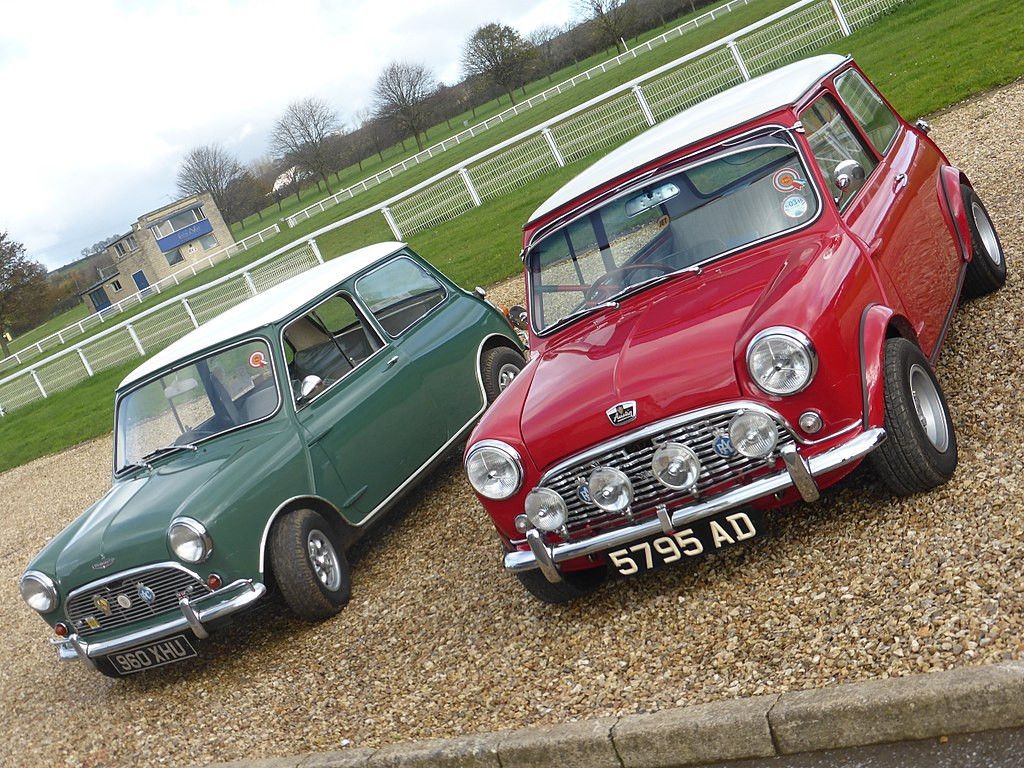
Image: Austin Mini Cooper S (1964) & Austin Seven (1960) by Andrew Bone from Weymouth, England, CC BY 2.0, via Wikimedia Commons
It’s funny to think about it, but in just a few decades, cars went from being rarities to dominating our roads. By the 1950s and 60s, Britain was producing millions of cars. Brands like Jaguar, Land Rover, and MINI became global icons. The British car industry was booming. Owning a car wasn’t just a status symbol anymore—it was normal. Families would pile into a Morris Minor or a Ford Anglia and head off to Blackpool for their holidays. The thing is, cars weren’t just transport anymore. They became part of our culture. Kids grew up dreaming of their first car. Car magazines, motoring shows, and racing all grew in popularity. In Manchester, you’d see rows of cars outside terraced houses in Hulme or around Deansgate, something that would’ve been unimaginable 50 years earlier. And here’s the link back to those very first cars sold in the UK: they started it all. Without those early, noisy, rattly machines, there’d be no driving down the M60 today, no Friday night traffic heading to Old Trafford, no choosing between a BMW or an Audi on the forecourt at Dace Motor Company. Everything we take for granted about cars had to start somewhere, and it started with those first awkward sales more than a century ago.
What it means for drivers today
So why does any of this matter now? After all, we’re not exactly rushing to buy a Peugeot Type 3 or a Benz Velo anymore. But looking back gives you perspective. The very first buyers in the UK faced challenges we don’t even think about now—no petrol stations, terrible roads, laws that required a man with a red flag walking in front of the car. Yet they still believed in the future of motoring. Today, we’ve got a car market that’s bigger, faster, and more convenient than they could’ve ever imagined. At Dace Motor Company, we’ve got over 600 cars across our sites in Stockport and Manchester. Every one of them has gone through checks, comes with a warranty, and can be financed without any impact on your credit score thanks to our soft search system. Compare that with the early days, when buying a car meant gambling on whether it would even run properly, and you see how far we’ve come. The story of Britain’s first cars isn’t just about history. It’s about how car culture grew and shaped the way we live. From horse-drawn carriages on cobbled streets in Stockport Old Town to roaring engines on Princess Parkway, every stage built up to where we are now. And the choices we make today—whether it’s a fuel-efficient hatchback, a hybrid, or a big family SUV—are part of that ongoing story. Cars have always been more than just metal and wheels. They’re about freedom, independence, and, let’s be honest, a bit of pride when you find the right one. Those first cars sold in the UK set the stage. The rest of us have just been adding chapters ever since.