


The Evolution of Car Keys
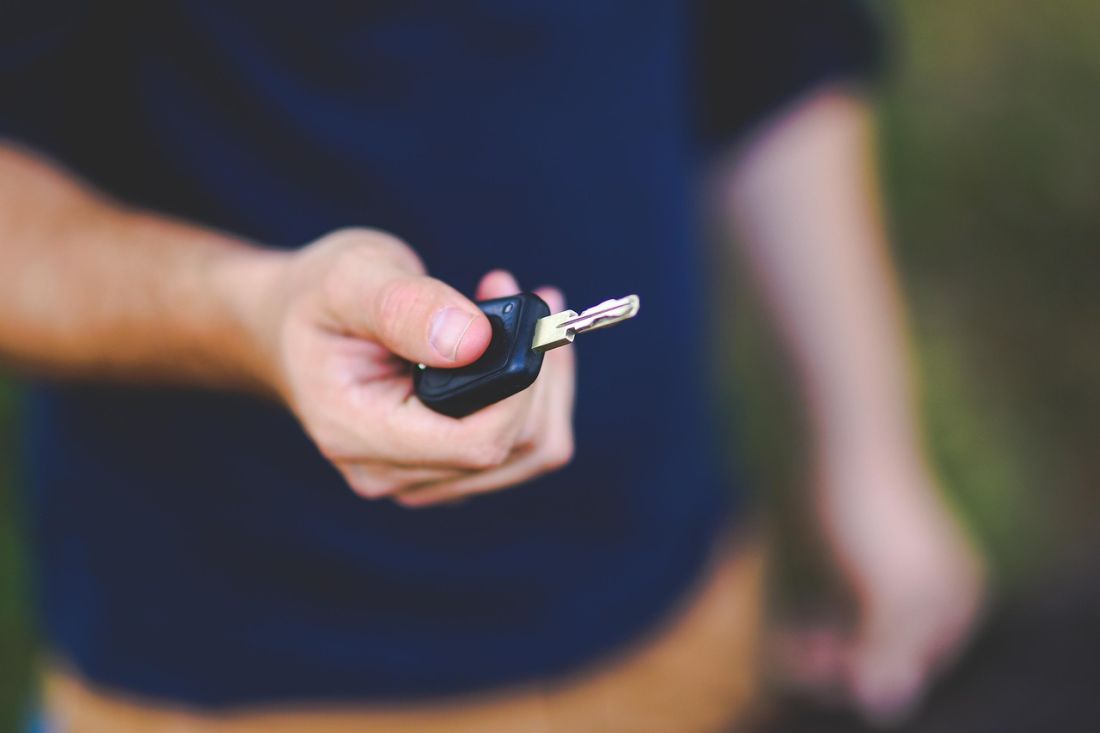
At Dace Motor Company, we see cars from loads of different years, and one of the quickest ways to spot how much motoring has changed is to look at the key. Pick up an older metal key and it feels honest, almost stubborn. It does one job. Turn lock, start car, done. Pick up a newer fob and it’s a different story. There are buttons, chips, batteries, hidden emergency blades, and in some cases no blade at all. Now some cars let you leave the key at home and use your phone or watch instead. That sounds a bit sci-fi at first, but it’s already here. Apple says a digital car key can lock, unlock, and start a compatible car from an iPhone or Apple Watch. Google says the same for supported Android phones and watches, and the Car Connectivity Consortium says the big aim is a shared standard so phones and cars can work together across different brands. Car keys have been moving in this direction for well over a century, from simple anti-theft switches in 1910 to digital versions you can even share with family.
And that’s why this topic is way more interesting than it first sounds. A car key isn’t just a thing you chuck on the kitchen side next to the house keys and the supermarket token. It tells you what car makers cared about at the time. In the early days, the big concern was just getting the engine going without too much fuss. Later, it was stopping thieves. Then it became convenience. Then comfort. Then sharing access through apps. Now it’s all mixed together. Security still matters. Ease of use matters. And, let’s face it, standing in Stockport drizzle trying to find the right keyhole is far less fun than walking up to a car that opens as you pull the handle. A key has gone from being a little piece of cut metal to being part lock, part computer, part permission slip. That shift says a lot about how cars themselves have changed, from mechanical machines to rolling bits of software and electronics. And yes, that sounds serious, but you feel it in very normal moments, like loading shopping outside the Trafford Centre or trying to get moving before the rain starts again.
Before car keys felt normal
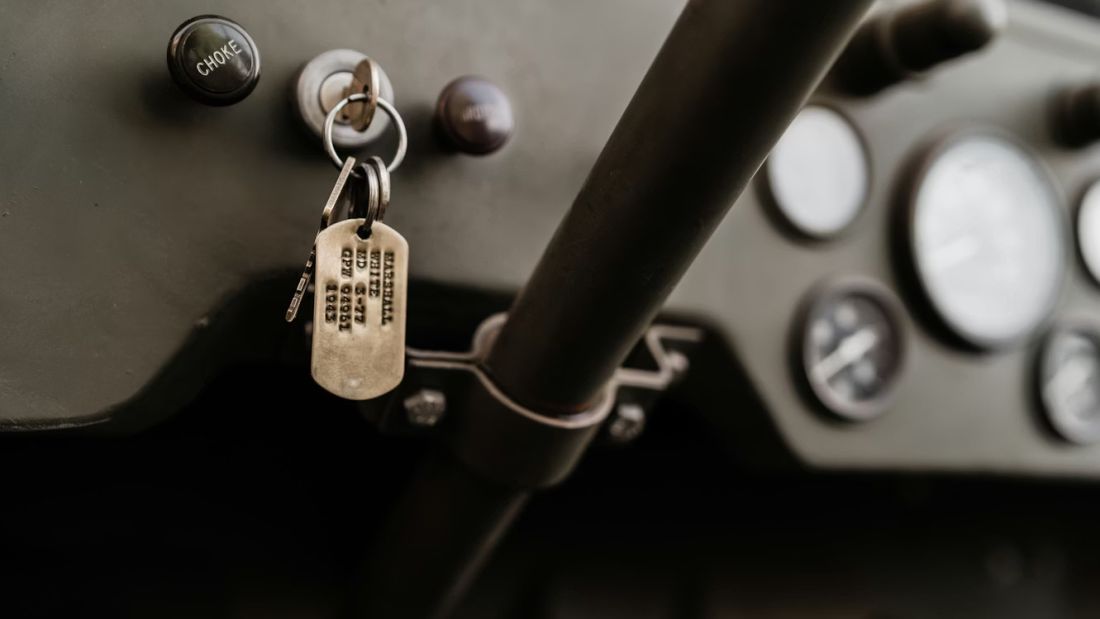
The funny thing is, the first cars didn’t really work the way we picture them now. There wasn’t always a neat little key that did everything. Bosch says that by 1910 the car key had appeared in the broadest sense, but it was used to block the ignition’s electrical circuit, while drivers still had to start the engine with a crank. IDEMIA says the same basic thing: those early keys switched the electric circuit, and it took about another decade before the ignition key replaced the crank handle. So the first “car key” wasn’t really the hero of the whole process. It was more like a gatekeeper. You could stop the current and make the car harder to start, but you still had extra steps. That sounds clunky now, and honestly it was. You had to do a bit of a routine just to get moving. Imagine that on a cold Manchester morning when your hands already feel like ice. Suddenly your modern key, even a plain one, starts to seem quite kind.
Then electric starting changed the mood completely. Britannica says Charles Kettering developed the first electric starter, which arrived on Cadillacs in 1912. That mattered because it made cars easier and safer to start. No more fighting a crank by hand, no more awkward routine before you could even think about driving off. It’s one of those changes that sounds small until you picture daily life before it. The move from crank to key made cars feel less like machines you had to wrestle with and more like something everyday people could use without a second thought. And once that happened, the key became central. It stopped being a side character and started becoming the thing you reached for first. We’ve all been there with habits like that. You leave the house, pat your pockets, and the key is the first thing your brain checks for. That little reflex started because cars became easier to start, easier to lock, and easier to use as part of normal life. Without that shift, the whole story of remote fobs and phone keys never gets off the ground. The simple little key had to become normal before it could become clever.
When the metal key got smarter, without looking flashy
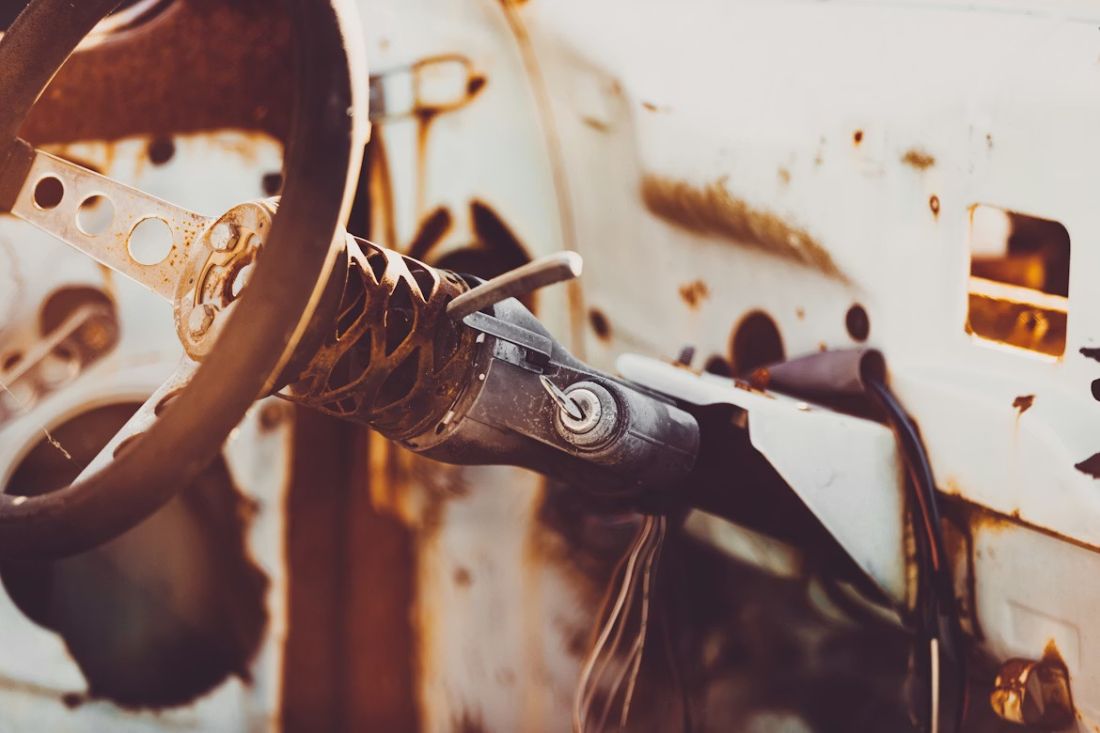
For a good stretch of time, car keys still looked pretty plain. That’s part of their charm, really. A metal key from the middle of the last century doesn’t try to impress you. No glossy plastics. No glowing logo. No battery warning. Just a shape cut into metal. But inside that plainness, things were getting better. AAA’s history of car keys says a major turning point came in 1949, when Chrysler brought out the first car key that could start the engine on its own through an ignition tumbler. That meant the key was no longer just helping the process along. It was the process. Turn the key, start the car. Simple. Familiar. It’s such a normal action now that it barely seems like an invention, but it changed the feel of driving in a big way.
And then car makers started sanding down the little everyday annoyances. Car and Driver notes that Ford brought out a double-sided key in 1965, which meant you could insert it either way. Tiny change, huge relief. You know that little half-second of fumbling when a key is upside down? That used to be part of the routine. The double-sided key cut that nonsense down. AAA also points out that this was around the time one key handling more than one job really took hold, so drivers were moving away from needing separate keys for different parts of the car. Again, it doesn’t sound dramatic. But this is how real progress usually feels in daily life. It doesn’t arrive with fireworks. It shows up as less messing about. Less guessing. Less frustration on a dark street, in bad weather, or when you’re late. The metal key era stuck around for years because it worked. It was cheap to copy, simple to use, and easy to trust. Even now, plenty of drivers still like the feel of a physical key turning in a lock because it feels direct. You do a thing, the car reacts. No delay. No battery to think about. No signal. Just click, turn, go. There’s something satisfying about that, and you can see why people still miss it.
Then came the button, and life got lazier in a good way
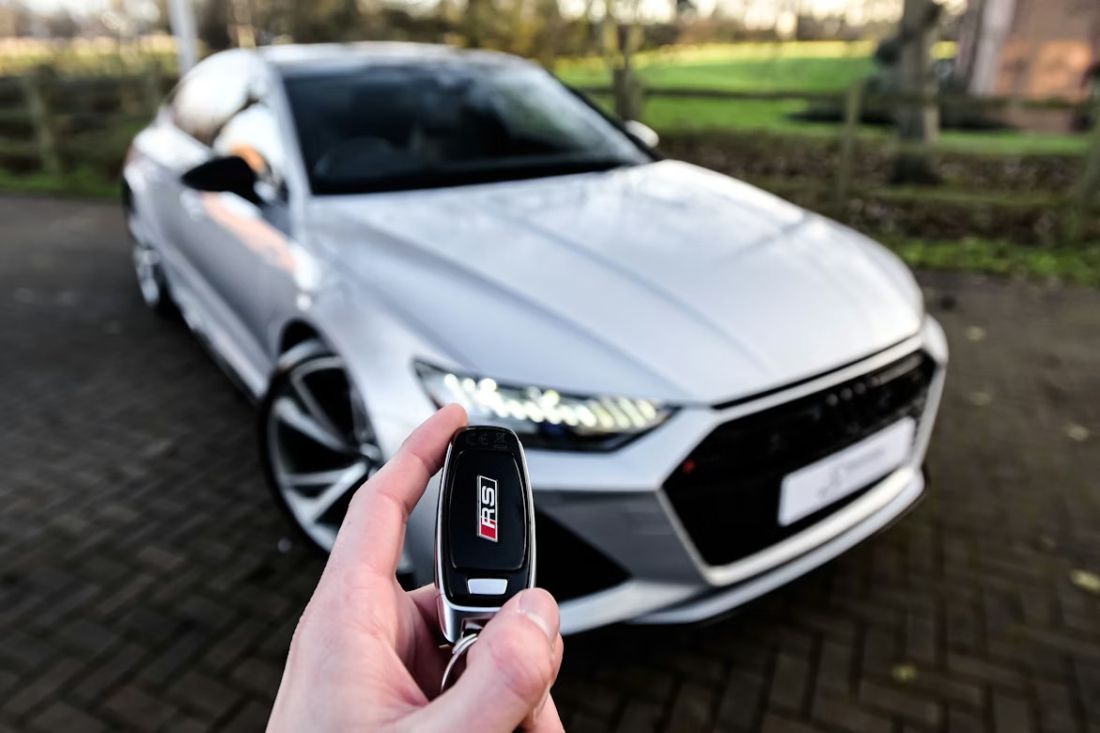
The next big leap was remote locking, which is where the key started stepping away from being just a chunk of metal. Renault’s own archive says the 1982 Renault Fuego was the first car in the world to come with a remote keyless central-locking system, called the PLIP remote control. The Car Connectivity Consortium also points to the 1982 Fuego as the first model to use a remote key fob to unlock the doors. That was a massive shift in feel. Suddenly the key could talk to the car from a short distance away. You pressed a button and the locks reacted. That’s normal now. Back then, it must have felt like a bit of magic. You can picture people showing it off in car parks, pressing the button twice just because they could.
And once drivers got a taste for that, there was no going back. By the mid-1990s, the Car Connectivity Consortium says around a third of vehicles made that year had the feature, and by 2000 the rate had gone past half. That tells you everything. What started as a clever extra became part of everyday motoring. The key fob also changed the little rituals around the car. Instead of putting a key into the door, you could lock it as you walked away. You could spot your car in a packed place by clicking the fob and watching for the lights. You could keep the key in your pocket while juggling bags, kids, coffee, football kit, whatever the day had thrown at you. It made the car feel more responsive, almost like it was listening. And that matters more than people admit. Convenience isn’t some soft extra. It changes how relaxed you feel using a car. After a long day, the difference between fishing for a key in sideways rain on the A6 and pressing a button from a couple of steps away feels massive. Small bit of effort saved, better mood, less grumbling. That’s how the fob won people over.
Why keys stopped being just about convenience
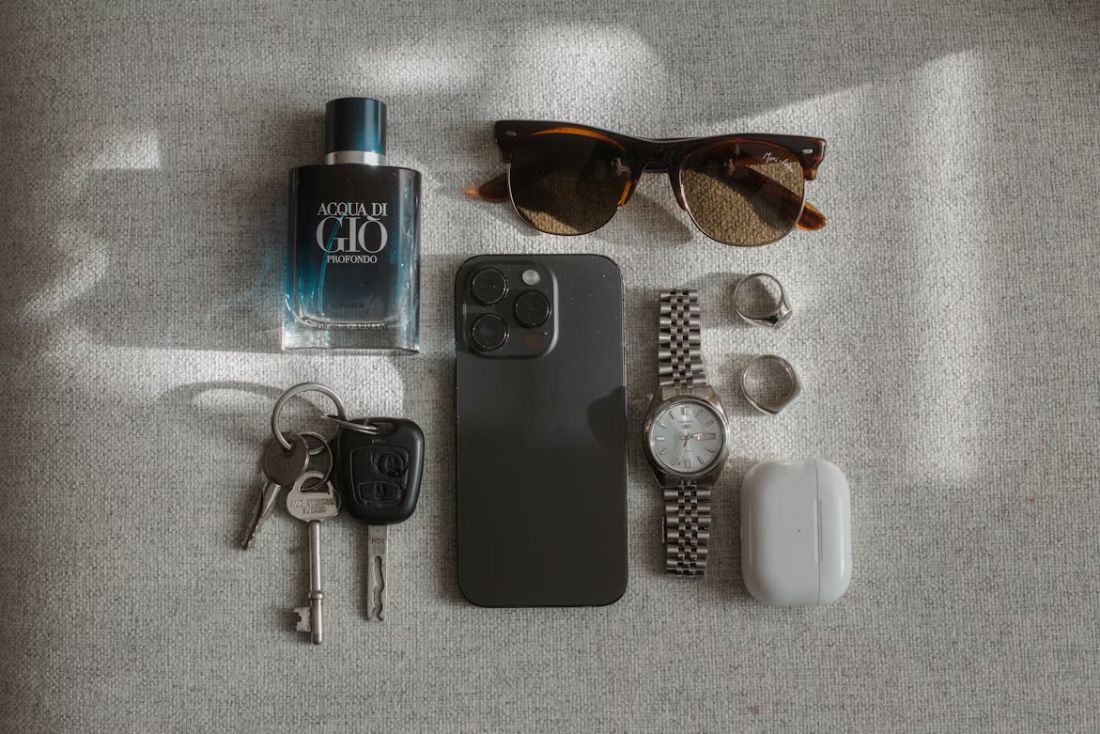
Of course, as keys got smarter, thieves got smarter too. That’s the part nobody loves, but it explains why modern keys are full of electronics. Security became a much bigger deal. Car and Driver notes that the 1986 Chevrolet Corvette used a coded resistor in the key as part of an anti-theft system, and by the 1990s that idea had spread through many General Motors cars. Later on, immobilisers became the big step. The U.S. Federal Register says an immobiliser combines microchip and transponder tech with engine and fuel systems so the car won’t start unless it gets a verified code. In everyday language, that means the car and the key check each other first. If the code is wrong, the car says no. And that is a huge reason modern cars can be harder to nick than older ones that would start with much less effort. The same Federal Register notice says manufacturers provided a substantial amount of data to show immobilisers were effective in cutting vehicle theft, which tells you this wasn’t just a sales gimmick. It worked well enough to shape anti-theft rules.
But security is a cat-and-mouse thing. One fix appears, then a new weakness shows up somewhere else. That’s still true now. RAC explains relay theft in simple terms: one thief uses a device near the home to pick up the key signal, and another stands near the car so the vehicle thinks the key is close by. Thatcham Research says drivers with passive keyless systems should think about using a signal-blocking pouch, checking whether the fob can be turned off at night, and asking about motion-sensor fobs that go to sleep when left still. So the story of car keys isn’t just about making life easier. It’s also about making sure ease doesn’t come at the cost of safety. You can see both sides of it. A smarter key can save time every single day, but it also means buyers need to ask a few better questions. Does it have one key or two? Is the spare present? Can old missing keys be deleted from the car? Does the fob have sleep mode? Those are practical questions, not techy ones, and they matter on a used car just as much as service history and tyre tread. ([RAC][9])
When the key went into your pocket and stayed there
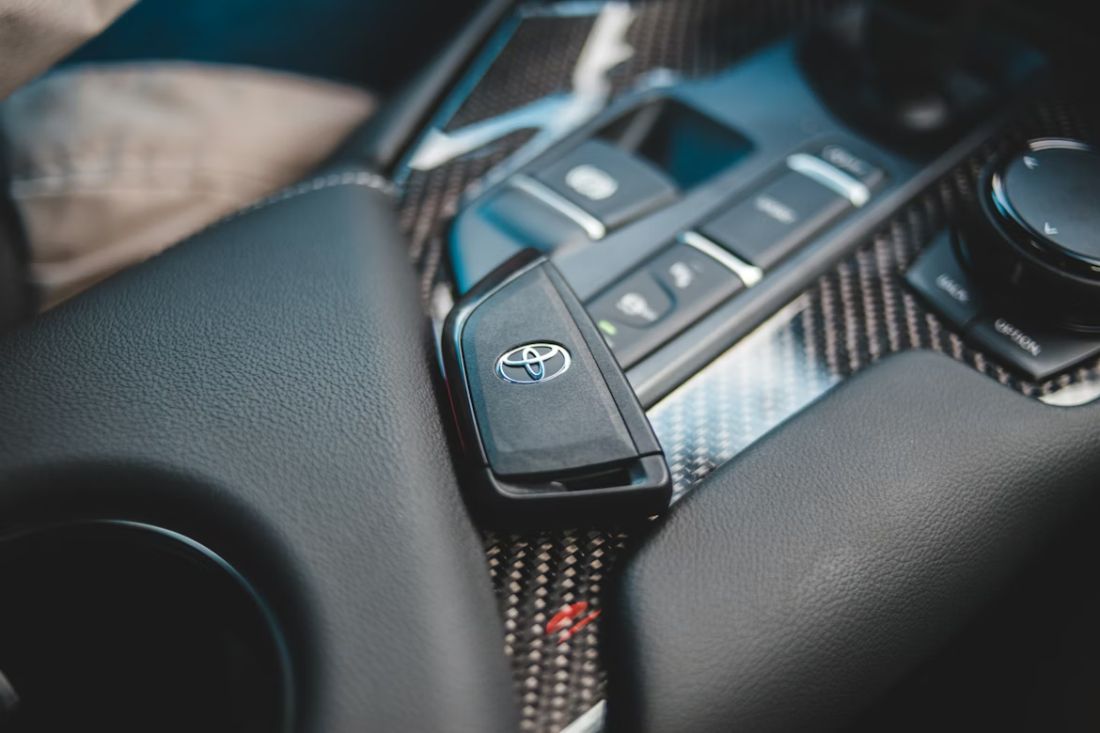
By the late 1990s, the key started vanishing from the actual act of driving. Mercedes-Benz Museum material says KEYLESS GO arrived in the S-Class in 1999. Renault says that in 2001 the first version of its hands-free key card let drivers lock and unlock the car with a button on the card or the door handle, and then start the engine with a button inside. That change was big because it messed with something people had been doing for decades. Turning a key had always been the “start the car” moment. Then car makers said, maybe you don’t need to turn anything at all. Keep the key in your pocket. Press a button. Off you go.
That idea sounds tiny on paper, but in real life it changes the whole rhythm of using a car. You walk up, pull the handle, get in, press start, leave. No key fishing. No scratching the door with a rushed stab at the lock. No standing there with bags cutting into your fingers while you search every pocket you’ve got. If you’ve ever tried to get into a car after a big shop or after a wet school run, you know exactly why this caught on. And there was a style element too, if we’re being honest. Push-button start felt modern. It felt like the car was meeting you halfway. That matters to drivers. Cars aren’t just transport. They’re routines, habits, little daily experiences that either annoy you or make life smoother. The hands-free key also started the move away from the idea that a key had to look like a key. A card could be a key. A plastic fob could be a key. A hidden emergency blade could sit inside, just in case, but the old metal part was no longer the star. That was a strange shift. We went from “the key is the thing” to “the key is just the proof.” Once that mental switch happened, the next step, turning a phone into a key, didn’t seem quite so wild after all.
And now the phone is joining the set
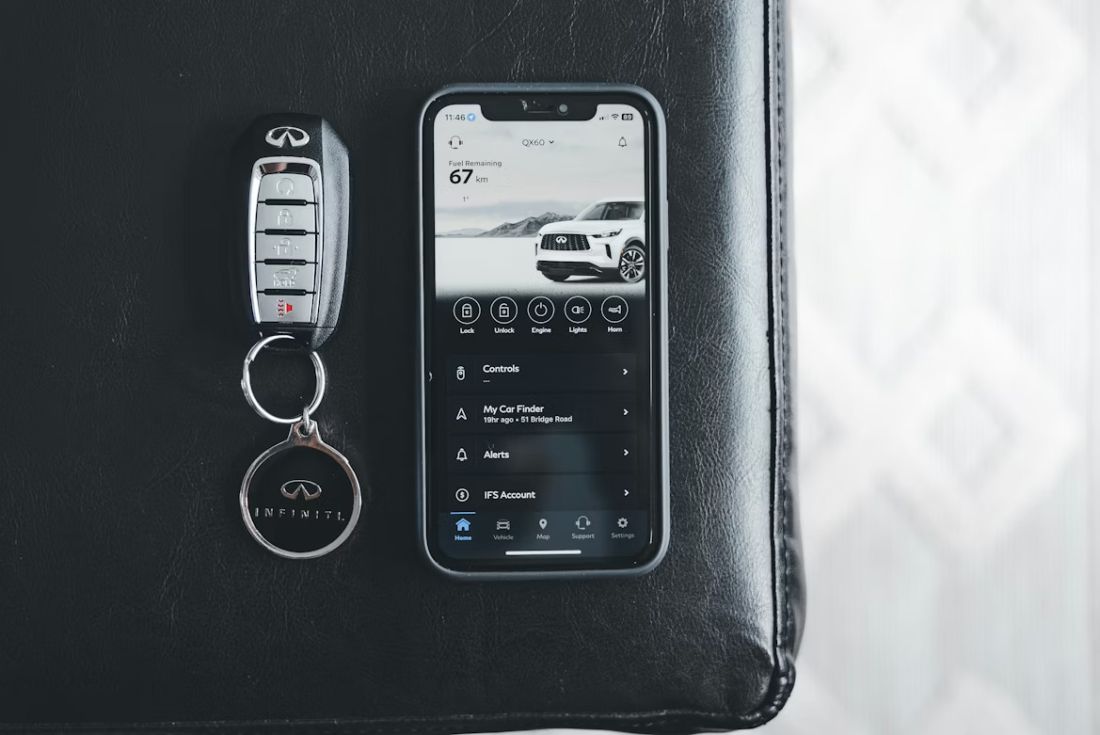
This is the bit that still makes some people pause. A phone as a car key? Really? But yes, really. Apple says eligible digital car keys in Wallet can lock, unlock, and start a car using an iPhone or Apple Watch. Google says supported Android phones and watches can do the same, and the Car Connectivity Consortium says the whole point of its digital key standard is to let mobile devices securely store, confirm, and share digital keys for vehicles across operating systems. BMW adds a useful marker in the timeline here. Its 2024 press release says BMW customers have been able to lock, unlock, and start the car with a phone since 2018 using its digital key, and that the 2021 BMW iX brought a version that let drivers keep the phone in their pocket for access. So this isn’t some far-off idea being tested in a lab. It’s already in cars people drive today.
What makes this change feel different is that a phone is personal in a way a key never was. A metal key is just an object. A phone is part wallet, part diary, part map, part music player, part camera, part everything. So once it becomes a car key, access to the car starts feeling like access you can manage the same way you manage other parts of life. Apple says some digital keys can be shared through messaging apps. Android’s digital car key page says sharing can work across Android and iPhone. BMW says its digital keys can be shared across platforms too. That means lending a car can feel less like handing over the only set of keys and more like sending permission. That’s a huge shift in mindset. Think about families, or someone borrowing a car for a school pickup, or a second driver needing access for a week. It starts to feel a bit like sending a train ticket to someone’s phone, only with much bigger stakes. And yet, for all the cleverness, the same old question still sits underneath it all: can you trust it? That’s why standards matter, and why security still sits right in the middle of the story. Fancy features are great. But if the car won’t recognise your device, or access can’t be managed properly, all the clever stuff stops feeling clever very quickly.
What all this means on a used car forecourt
This whole story gets very real the second you start shopping for a used car. At Dace Motor Company, we see cars from different key eras side by side, and that’s a good reminder that there isn’t one “best” kind of key for every driver. Some people love the certainty of a solid metal key. Some want the ease of a fob with remote locking. Some really want keyless entry and push-button start because once you get used to it, it’s hard to give up. And some are genuinely excited by phone-based access because it fits how they already live. None of that is wrong. The trick is matching the key setup to the way you actually use the car. If you want the least fuss, a simple key can still be brilliant. If you’re always carrying bags, kids, work gear, or all three at once, keyless entry can feel like a treat every day. If the car has a passive system, Thatcham says it’s smart to ask about relay-theft protection, faraday pouches, and motion-sensor fobs. Thatcham also says that if you buy a second-hand car with only one working key, you should get missing keys deleted and add a spare as soon as possible. That is boring advice, maybe, but it’s the sort that saves headaches later.
There’s also a bigger point here. The key tells you how the car fits into everyday life. A simple older key says one thing. A smart fob says another. A digital key says something else again. None of them are just gimmicks if they make your day easier and keep the car secure. But buyers should stay practical. Ask how many keys there are. Ask whether the spare works. Ask whether the car uses push-button start, passive entry, or a phone app. Ask whether the former owner’s digital access has been removed. These are normal questions now, same as asking about mileage or service stamps. And that’s kind of amazing when you stop and think about it. A century ago, the key was there to stop the ignition circuit and you still had to crank the engine by hand. Now the “key” might be sitting in your pocket as a phone, ready to be shared with someone else in seconds. That’s a massive change, even if it happened one small step at a time. Metal, then tumbler, then fob, then chip, then pocket entry, then phone. Bit by bit, the key stopped being a tool and became part of the whole driving experience.