


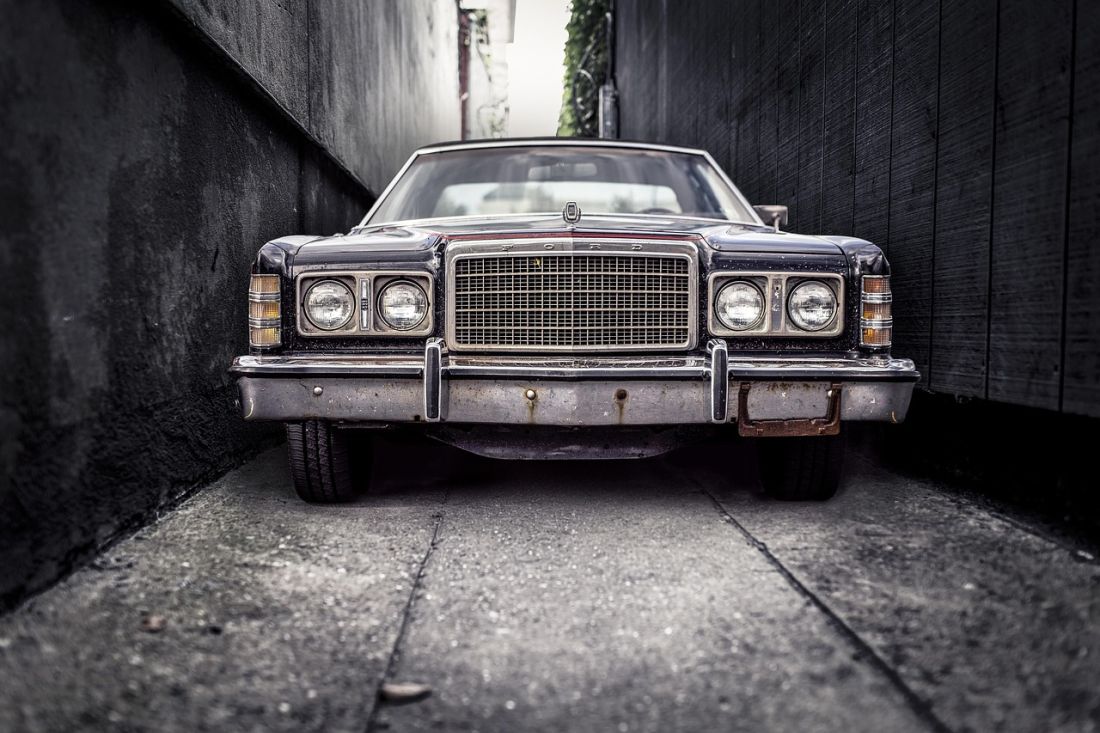
The Evolution of Car Headlights - From Oil Lamps to LEDs
The Wobbly Start - Oil Lamps on Early Cars
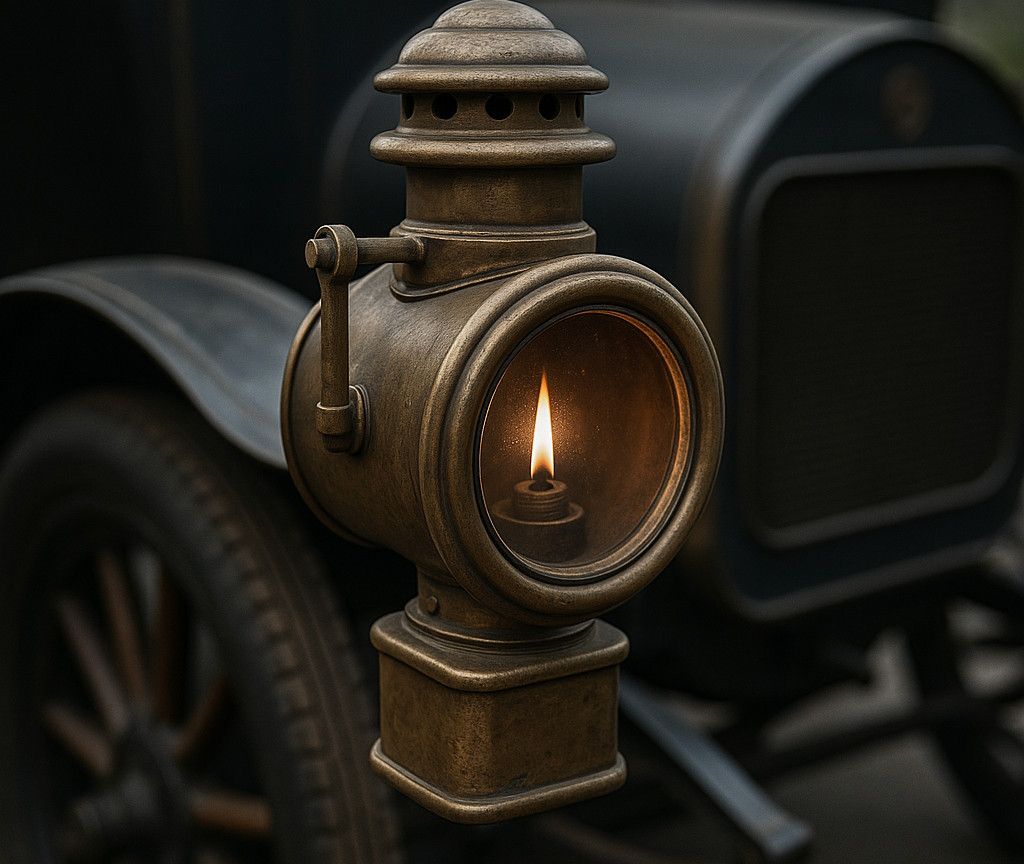
You know how annoying it is when your phone torch isn’t quite bright enough to find your keys? Well, imagine driving a car in the pitch black with a pair of flickering oil lamps strapped to the front. That’s how it all started. Back in the late 1800s, cars weren’t even common, and the few that existed didn’t exactly have fancy lighting tech. They literally used oil lamps, just like the kind you’d see on an old horse-drawn carriage. If it was windy or raining, you’d be lucky if those little flames stayed lit for more than a few minutes. It’s wild to think about now, considering how we take bright, reliable headlights for granted. These oil lamps didn’t really do much to help drivers see the road, to be honest. They were more about letting people know you were there, which is sort of like wearing a hi-vis vest rather than shining a torch ahead of you. Imagine driving through the streets of Stockport on a foggy night with those oil lamps-you’d probably see more if you were holding a candle out of the window. The early car makers didn’t have the technology to do much better at first. They just borrowed ideas from what they already knew worked for carriages. It was only when people started driving faster (and cars became less of a novelty and more of a proper way to get around) that it became obvious something needed to change. Oil lamps just weren’t going to cut it.
Carbide and Acetylene Lamps - A Step Up
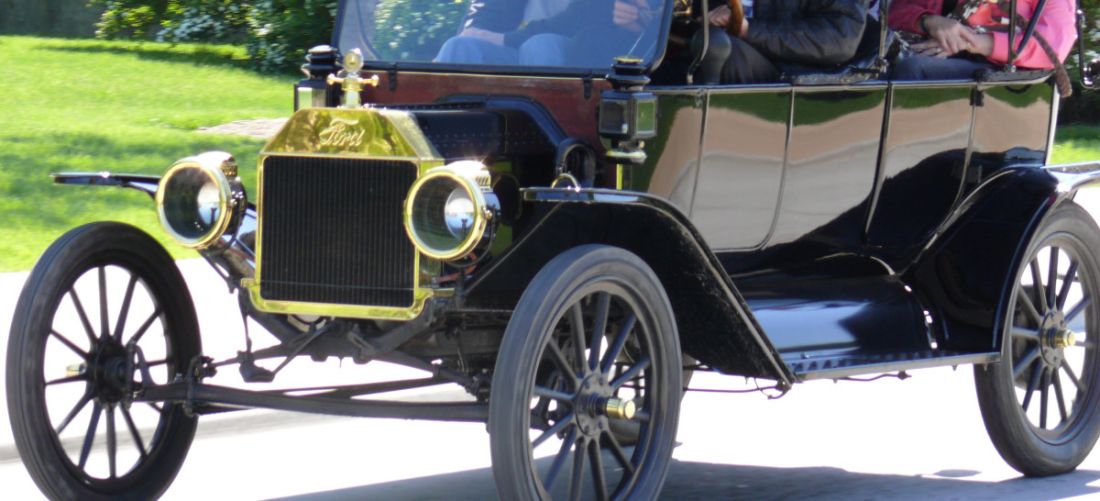
Image: Richard Landskroener, CC BY-SA 3.0, via Wikimedia Commons
The next big thing was carbide or acetylene lamps. These were a bit like having a portable gas lamp at the front of your car. Instead of a weak, tiny flame, they gave off a much brighter, more focused light. Suddenly, night driving wasn’t quite as terrifying as before. Well, it was still pretty dodgy, but at least you could see a few metres in front of you. The way acetylene lamps worked is pretty clever. You had a reaction between calcium carbide and water, which produced a gas called acetylene. That gas would then be burned inside the lamp, giving you a bright flame. This was seen as a massive improvement because, for the first time, drivers actually had a way to light up the road ahead instead of just being seen. But, let’s be honest, these lamps were still a hassle. You had to keep refilling the water and making sure the system was working properly. It’s not like popping down to a petrol station for a quick fix. Imagine being halfway up the A6 towards Manchester and realising your headlight gas had run out-nightmare. The thing is, these lamps were still a stepping stone. People were starting to realise that lighting could actually make driving safer. And safety was becoming more of a focus as roads got busier and cars became faster. It’s a bit like going from candles to those LED strip lights you stick under your kitchen cupboards-suddenly, everything feels brighter and easier.
The Arrival of Electric Headlights - Game On
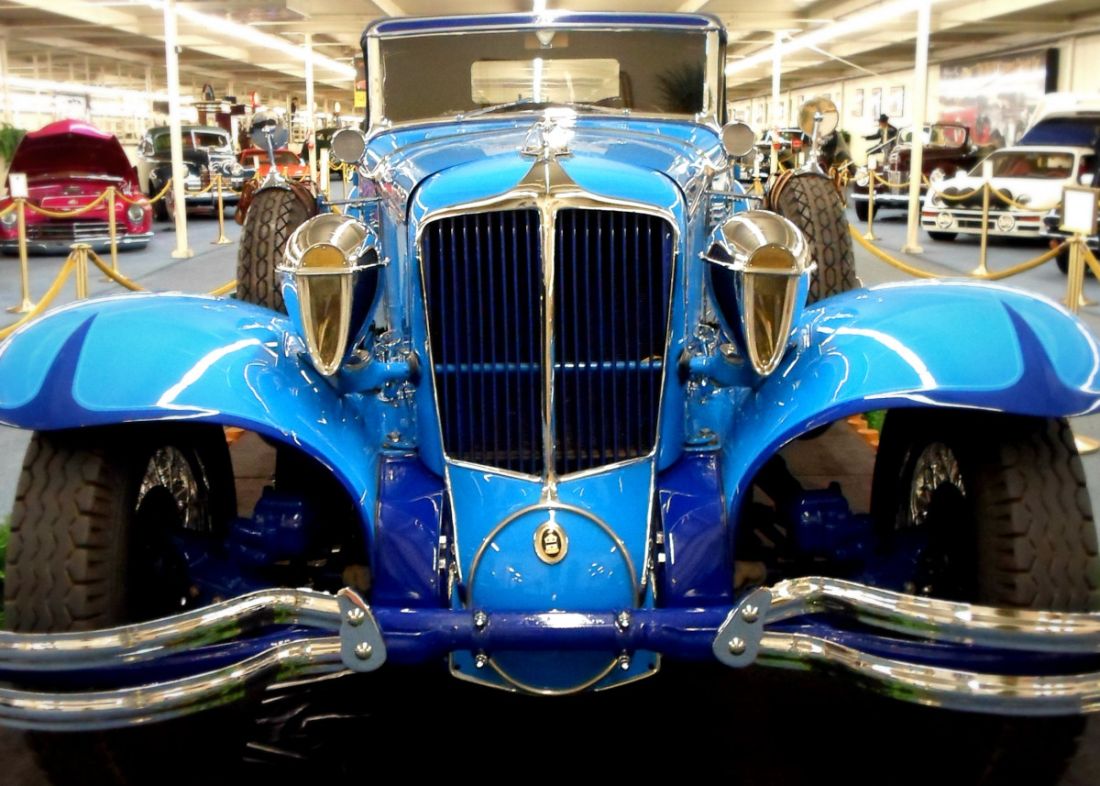
Image: dave_7 from Lethbridge, Canada, CC BY 2.0, via Wikimedia Commons
Now, here’s where things started to get properly exciting. In 1898, the Columbia Electric Car became the first vehicle to feature electric headlights. At first, these weren’t brilliant (no pun intended). They didn’t really throw out much light because battery tech back then was still quite primitive. But this was the start of the electric age for cars, and once someone opened that door, there was no turning back. By the early 1900s, companies like Cadillac were pushing electric headlights into more of their models. The big difference here was reliability. You didn’t have to mess around with gas or worry about flames blowing out. Flick a switch, and boom-you had light. For drivers in places like Stockport, where the weather can go from drizzle to full-on downpour in a heartbeat, this was a lifesaver. The real kicker came when the technology to create stronger bulbs came along. These headlights could finally light up the road in a meaningful way. Night driving was still tricky, but at least you weren’t relying on a glorified candle anymore. And because electric systems could be hooked up to the car’s engine, they were much easier to maintain compared to acetylene lamps. Electric headlights also paved the way for cars to start having other electrical systems-like indicators and interior lights. It’s funny to think that something as simple as a brighter headlamp started a chain reaction that changed car design forever. Dace Motor Company loves this part of the story because it shows how even small improvements, like better headlights, can completely shift how people experience driving.
The Birth of the Sealed Beam Headlight
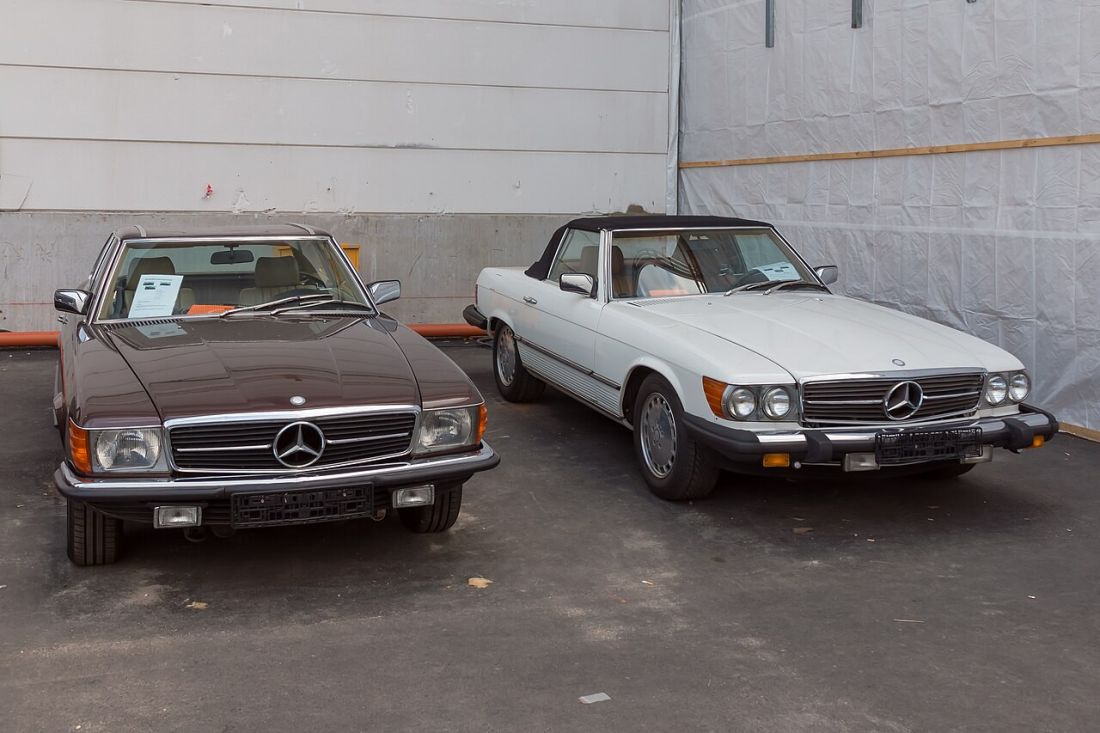
Image: Two Mercedes-Benz SL: right with US-spec sealed beam type headlamps; left with normal headlamps for other markets. Matti Blume, CC BY-SA 4.0, via Wikimedia Commons
Fast forward to 1939. The world was changing fast, and so were cars. In the U.S., the sealed beam headlight was introduced, and it quickly became the standard. What made these special was how the bulb, reflector, and lens were all sealed together as one unit. It was cleaner, simpler, and gave a more focused beam. This design made headlights brighter and more consistent, which was exactly what drivers needed as cars got faster and roads got better lit. The thing is, sealed beam headlights weren’t perfect. If a bulb blew, you couldn’t just change the bulb-you had to replace the whole unit. Imagine having to replace the entire headlight on your Audi or BMW today just because one filament popped. Not ideal. But back then, people were just happy to have brighter and more reliable lighting. In places like Manchester and Stockport, where narrow roads and unpredictable weather made driving a bit of an adventure, better headlights were a big deal. You could now take those winding roads at night with a lot more confidence. Plus, cars started to look cooler. Headlights weren’t just functional anymore-they became part of the car’s style. By the 1950s and 60s, sealed beams were everywhere. And to be fair, they stayed popular for decades. You might still spot them on classic cars cruising around the streets near Reddish or even parked up at car meets in Cheshire. They’ve got that nostalgic vibe that makes you appreciate just how far things have come.
Halogen Bulbs - The Big Leap
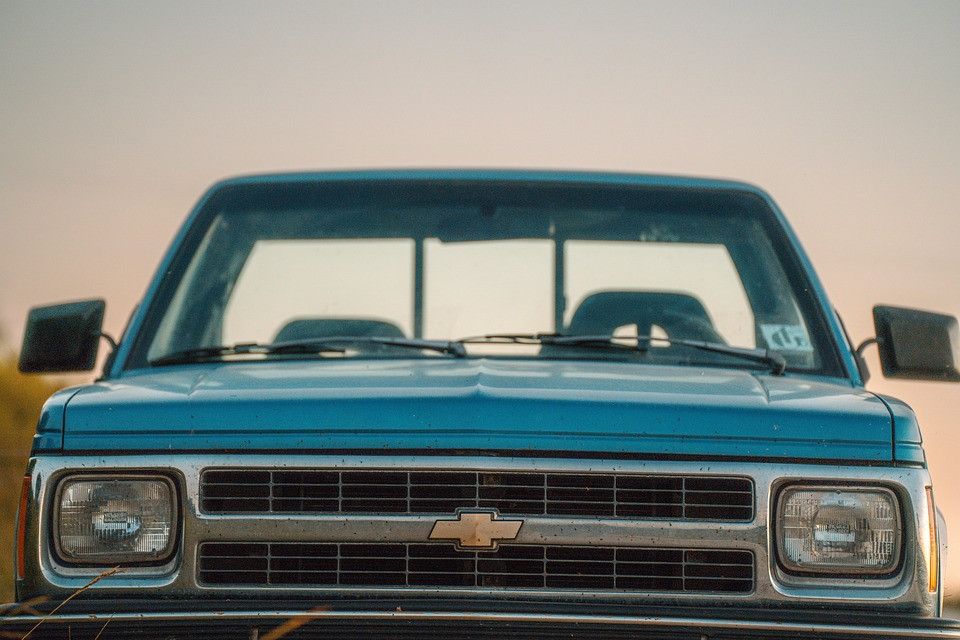
By the late 60s and early 70s, halogen bulbs came onto the scene. These were like the next-level upgrade everyone had been waiting for. Halogen headlights use a special gas inside the bulb to make the filament burn brighter and last longer. The light they produced was whiter and stronger compared to the yellowish glow of older bulbs. Suddenly, night driving didn’t feel quite as sketchy. Halogen bulbs quickly became the standard because they struck a good balance between performance and cost. They weren’t crazy expensive, and they worked well. To this day, you’ll still find halogen bulbs on a lot of cars, even though newer tech like LEDs has taken over. At Dace Motor Company, we’ve seen plenty of halogen-equipped cars come and go through our showrooms, and they’re still a solid choice if you’re after something reliable. But there’s another reason halogen headlights were such a big deal-they were easy to replace. If one blew, you could just pop into a garage in Stockport or Manchester, grab a new one for a few quid, and sort it yourself in the driveway. No drama. This era of headlights made cars feel more modern. Think about classic 80s and 90s motors like the Ford Escort or Vauxhall Astra-those halogen headlights were bright enough to let you tackle country roads without breaking a sweat. We’ve sold a fair few cars from that era at Dace, and it’s always fun to see how the lighting tech has evolved since then.
Xenon Lights - Brighter Than Ever
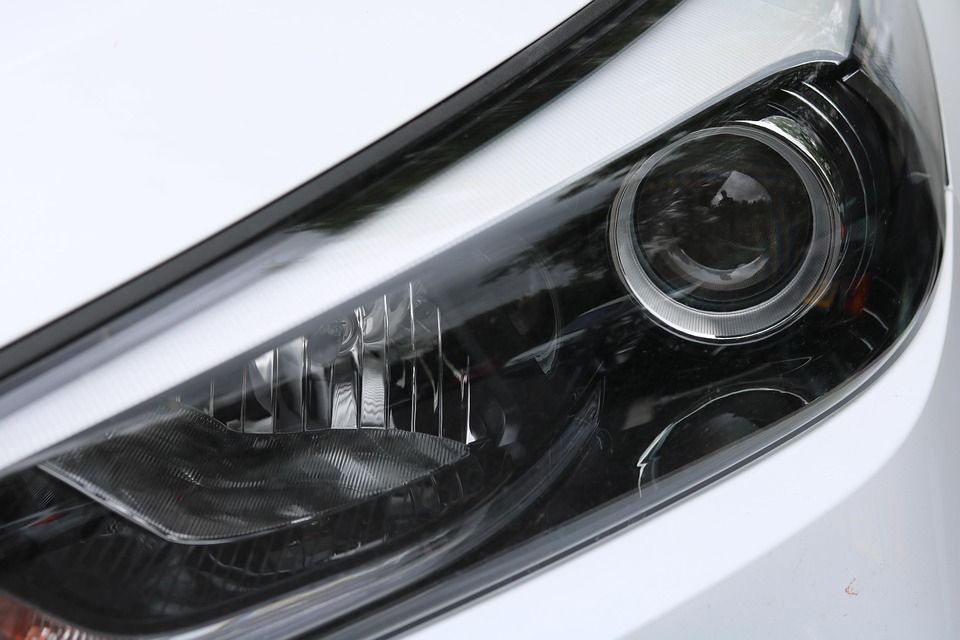
Then came the 90s, and everything got a bit fancier. Xenon headlights, also known as HID lights, started popping up on high-end cars like BMWs and Mercedes. If halogen bulbs were like a regular torch, xenon lights were like switching on a floodlight. These things were seriously bright, producing a bluish-white light that made night driving so much easier. The secret behind xenon headlights is the way they create light. Instead of a filament, they use an arc of electricity between two electrodes, and the light comes from the gas inside the bulb. Sounds technical, but all you really need to know is that they were a huge step up in terms of brightness and energy efficiency. Of course, with new tech comes a new price tag. Xenon lights were expensive, both to buy and to replace. But for people who loved their cars and wanted the best, they were worth it. And let’s be honest, they looked cool. That bright, clean light made everything look sharp and modern. If you saw a car with xenon headlights coming towards you on a rainy night in Manchester, you knew it was probably a posh motor. At Dace Motor Company, we’ve had loads of cars with xenon lights in stock, from sporty Audis to luxury Land Rovers. They’ve got that premium feel that just makes a car stand out.
The LED Revolution
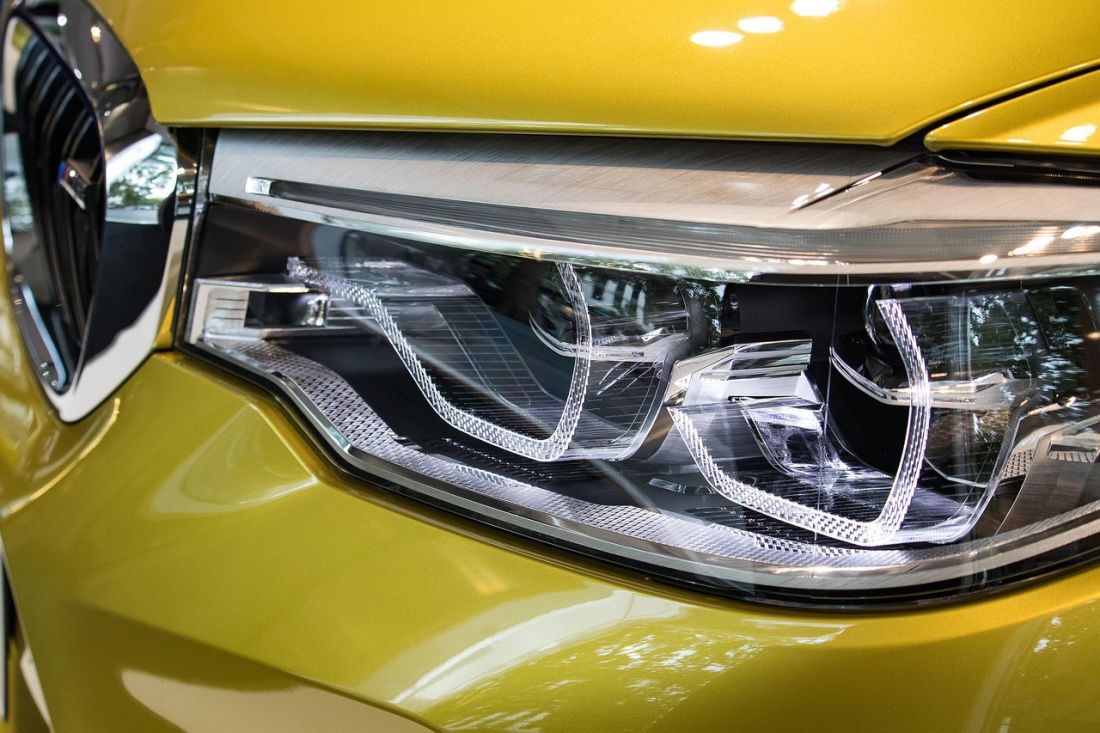
Now, we get to the fun part. LEDs (light-emitting diodes) have changed everything. They’re small, powerful, and they don’t burn out like regular bulbs. LEDs are used in pretty much everything these days-your phone screen, your TV, and now, your car headlights. The first production car to use LED headlights was the Audi A8 in 2008, and it was a game-changer. Suddenly, headlights weren’t just brighter-they were smarter. LEDs can be arranged in all sorts of patterns, meaning you can have sleek, stylish designs instead of boring round bulbs. And because they use so little power, they’re super efficient. LED headlights have also paved the way for clever features like adaptive lighting. You know, the ones that adjust automatically so you don’t blind oncoming drivers or that help light up corners when you turn. It’s the kind of thing that feels futuristic but is now becoming standard on loads of new cars. The best part? LEDs last a long time. You’re not going to be faffing around replacing them every few months. For drivers in places like Stockport, where winter nights feel endless, that’s a big win. At Dace Motor Company, we’ve got plenty of used cars with LED headlights, and customers love them because they look modern and they just work.
What’s Next?
It’s mad to think how far headlights have come, from shaky oil lamps to high-tech LEDs. But the story isn’t over yet. Car makers are already experimenting with laser headlights. Yep, actual lasers. These things can light up the road hundreds of metres ahead while still being energy-efficient. They’re mostly found on high-end cars right now, but like everything else, they’ll probably become mainstream one day. We’re also seeing more “smart” headlights. Imagine driving through Stockport and your headlights automatically adjust to the weather, road conditions, and traffic around you. That’s not sci-fi anymore-it’s already being tested. At Dace Motor Company, we love seeing how this tech keeps improving. It’s not just about making cars look cool (though that’s definitely a bonus). It’s about making driving safer and easier for everyone. Whether you’re cruising down the A34 at night or finding your way around the narrow roads of Cheshire, better headlights make all the difference.
Headlights have come a long way, and they tell a bigger story about how cars have developed over the last century. From the dim glow of oil lamps to the crisp, clean light of LEDs, each step forward has made driving safer and more enjoyable. And while most people don’t think too much about their headlights, they’re one of those features you really miss when they’re not up to scratch. At Dace Motor Company, we see this history in action every day. We’ve got cars with all kinds of headlight technology-halogen, xenon, LED-you name it. And it’s always interesting to see how even something as simple as better lighting can change the feel of a car. So, the next time you switch on your headlights on a rainy night in Stockport or Manchester, just remember how far this tech has come. From oil lamps to LEDs, it’s been a wild ride. And who knows? Maybe in a few years, we’ll all be driving around with laser beams lighting up the road ahead.