


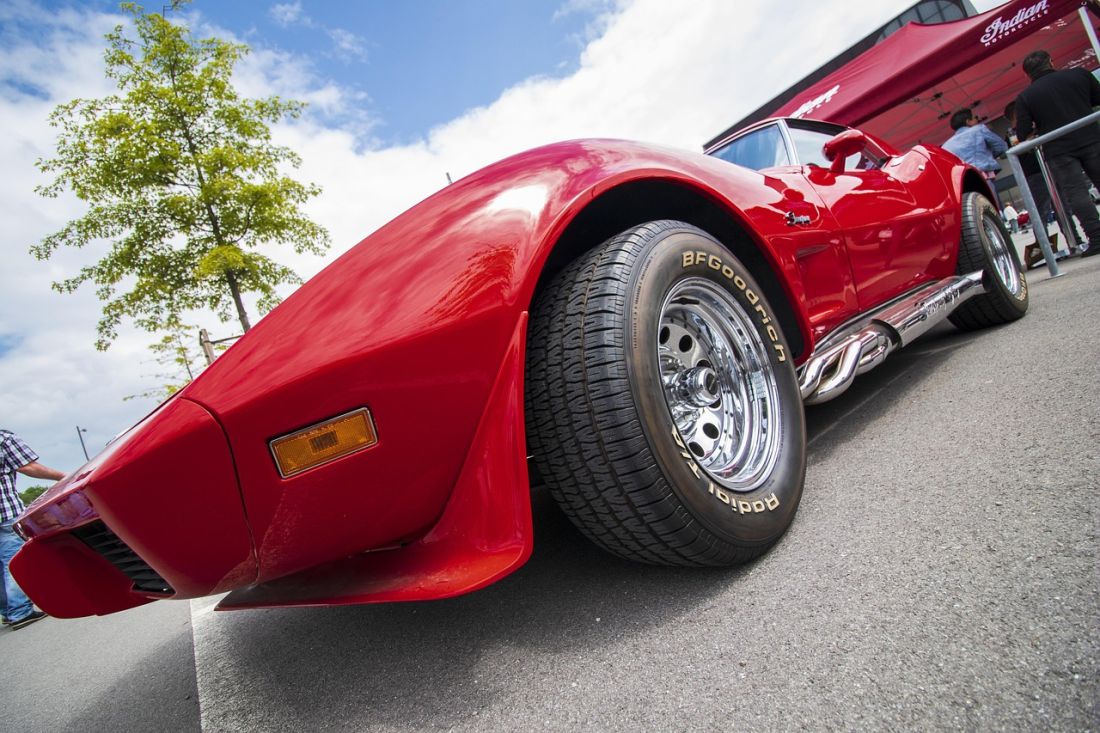
The Chevrolet Corvette and Its Journey Through Generations
At Dace Motor Company, we like cars that have a proper backstory, and the Chevrolet Corvette has one of the biggest. This isn’t just a fast car from America. It’s a car that kept changing with the times, sometimes brilliantly, sometimes a bit awkwardly, and that’s a big part of why people still talk about it. The idea started with Harley Earl, the General Motors design boss who wanted America to have its own two-seat sports car after seeing how much attention British cars like Jaguar and MG were getting. The name came from Myron E. “Scottie” Scott, a public relations man at Chevrolet, who picked “Corvette” from a dictionary after the company looked through hundreds of names and still hadn’t found one that felt right.
The first public showing came at the 1953 Motorama in New York, where the car drew a crowd straight away. You can see why. It looked sleek, low, and different from the big family cars people were used to. Even then, it had that “look at me” feel that still works today. Think of it like hearing a loud car bounce off the buildings near Deansgate or seeing something bright and low glide past the Trafford Centre on a dry evening. People look. They always do. And the funny thing is, the Corvette nearly became a lovely-looking failure, because the earliest cars weren’t that quick. That changed because engineers, racers, and stubborn car people kept pushing it. So, if you want to make sense of the Corvette, you can’t just stare at one model and call it a day. You’ve got to look at all the generations, because each one shows what America wanted fast cars to be at that moment.
First generation: 1953 to 1962
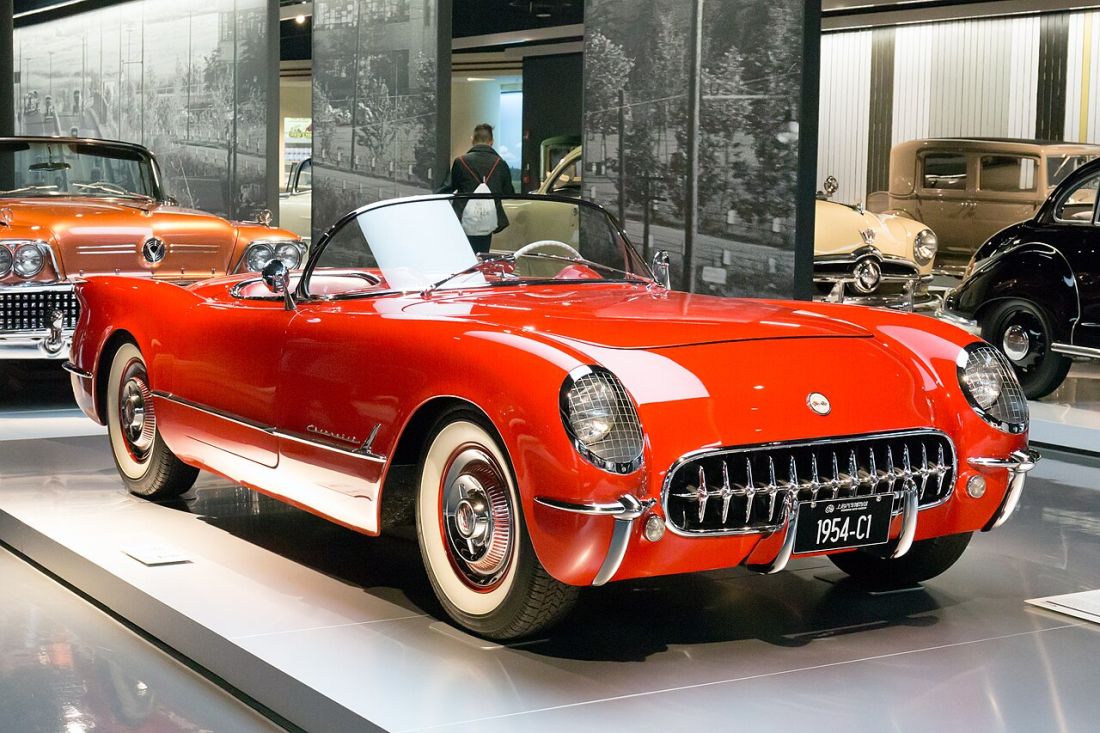
Photo: 1954 Chevrolet Corvette C1 by Morio, CC BY-SA 4.0, via Wikimedia Commons
The first Corvette looked exciting before it really felt exciting, and that’s a polite way of saying the early cars had style doing a lot of heavy lifting. Chevrolet built only 300 of them in 1953, and every single one was finished in Polo White. They had a red interior, a fiberglass body, a straight-six engine, and a two-speed automatic gearbox. That fiberglass body mattered, by the way, because Chevrolet says the car was the first mass-produced model with a plastic-laminated fiberglass body. Pretty bold for the early 1950s. The trouble was that the first engine gave just 150 horsepower, and even Zora Arkus-Duntov, the engineer who would become the car’s big performance hero, thought the car looked far better than it went.
You’ve probably dealt with this before in life. Something looks spot on, then you actually use it and think, “Hang on, is that it?” The Corvette needed more punch, and it got it in 1955 when Chevrolet dropped in its small-block V-8. That was the moment the whole thing started to make sense. The car got another boost in 1957 when fuel injection arrived, and by the end of this first era the Corvette had quad rear lights and a bigger 327 cubic inch V-8 available for 1962. Chevrolet also says Corvette made its racing debut at Le Mans in 1960, which helped build the car’s image as something more serious than a stylish cruiser. So the first generation was a bit scrappy, a bit brave, and a lot more important than its raw numbers might suggest. Without it, there’s no legend, just a forgotten idea from a motor show hall.
Second generation: 1963 to 1967
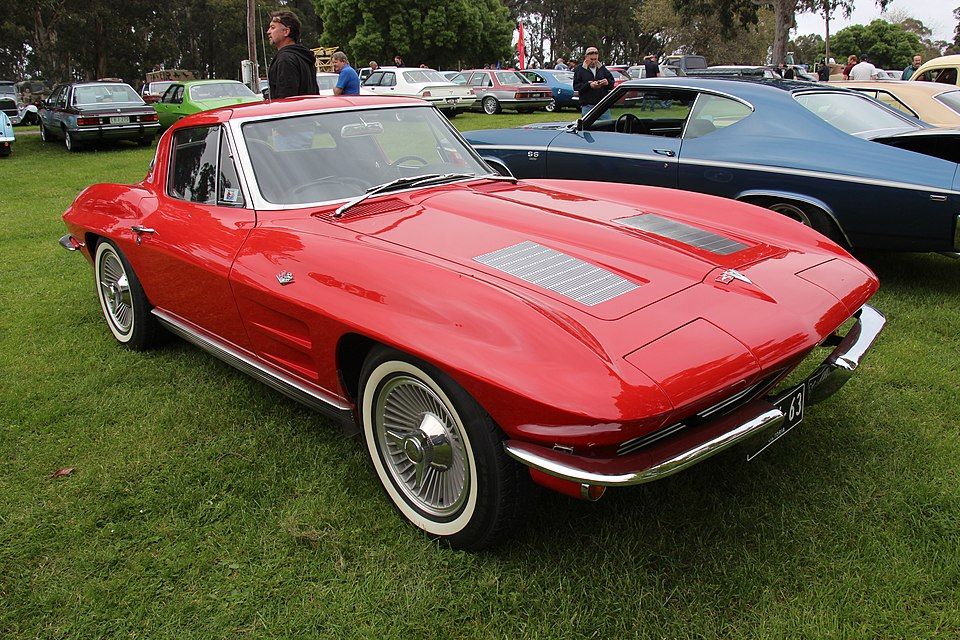
Photo: 1963 Corvette Sting Ray Coupe by Sicnag, CC BY 2.0, via Wikimedia Commons
Then came the second generation, and this is where a lot of people start grinning. The 1963 Corvette Sting Ray looked sharper, leaner, and more serious. It also brought in an independent rear suspension and a coupe body shape, which gave the car a very different feel from before. The split-window coupe from 1963 became the poster child, even though that split rear window lasted for one year only. Chevrolet says the Z06 performance package also arrived in 1963, which is a huge detail because that badge would become one of the biggest names in Corvette history. By 1965, four-wheel disc brakes had arrived, along with a big-block V-8 option, and by 1967 the 427 engine with 435 horsepower pushed performance even higher.
That’s the version people talk about with a certain tone in their voice, like they’re remembering a band at its peak. You know the sort of thing. Ask someone in Stockport about the best City or United side they ever watched live and you’ll get that same look. The second-generation Corvette earned that reaction because it mixed beauty with real bite. It wasn’t just a pretty machine parked outside a diner. It had the hardware to back up the attitude. And that matters. Loads of classic cars are remembered because they look good in photos. This one stuck because it looked good and scared a few people too. Even now, when you see one, it doesn’t feel old in the boring sense. It feels alive, like it still has a bit of cheek in it. If the first generation got the Corvette through the front door, the second generation slammed that door open and told the whole street it had arrived.
Third generation: 1968 to 1982
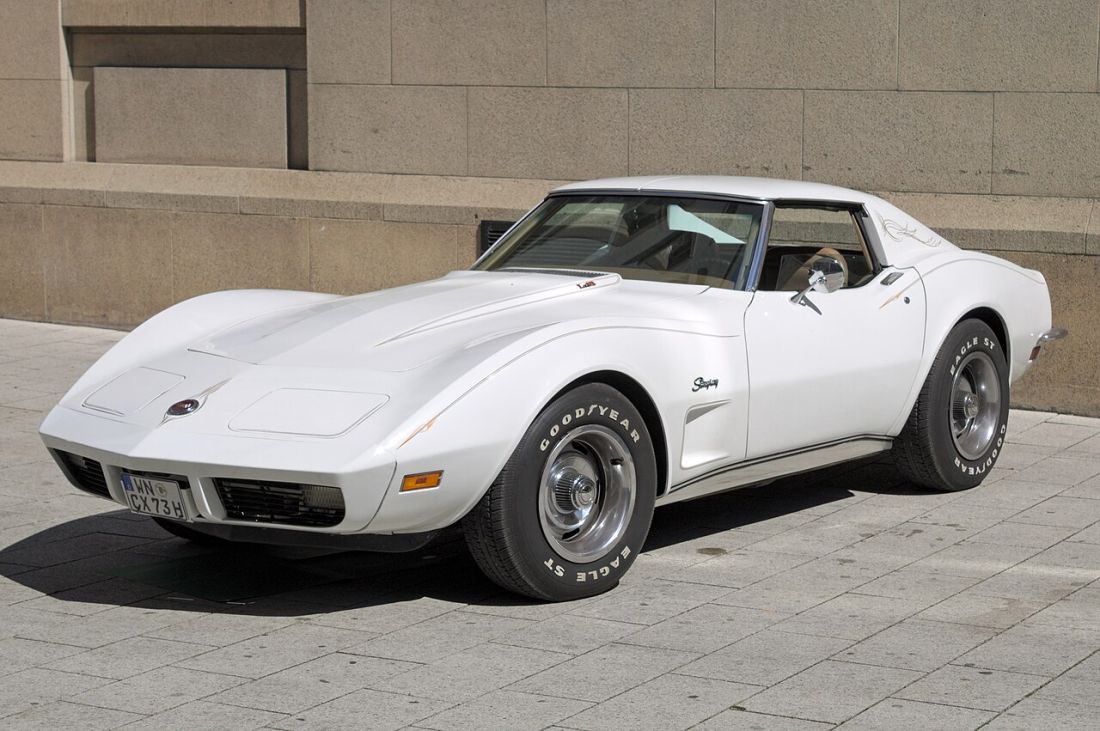
Photo: 1973 Chevrolet Corvette Stingray by Alexander Migl, CC BY-SA 4.0, via Wikimedia Commons
The third generation lasted a long time, nearly 15 years, and that alone tells you something. Chevrolet had found a shape people loved. This was the curvy, shark-like Corvette that came from Bill Mitchell’s Mako Shark-inspired thinking, and for plenty of people this is the Corvette look, full stop. But here’s the thing: a long life means a car gets pulled in different directions. Early third-generation cars had loads of swagger and some very strong engines. Chevrolet says the ZR1 package first appeared in 1970, and the half-millionth Corvette was built in 1977.
Car and Driver notes that in 1975 the convertible disappeared for a while, catalytic converters arrived, and horsepower dropped hard as new safety and emissions rules changed what car makers could do. That loss of horsepower is a real part of the story, and there’s no point pretending it didn’t happen. A car that had once flexed its muscles now had to calm down a bit. And yet, people still loved the thing. The shape was that good. The attitude was still there. It paced the Indianapolis 500 in 1978, and electronic fuel injection arrived in 1982, giving the outgoing car one last useful bit of modern thinking before the next big reset. This generation is a funny one because it contains some of the wildest Corvettes and some of the softest. It can feel like one long film with different directors stepping in and changing the script. Still, that’s part of the charm. The third generation kept Corvette in the public eye through changing laws, changing tastes, and some rough patches for performance cars. It didn’t stay perfect. It stayed alive, which may have mattered even more.
Fourth generation: 1984 to 1996
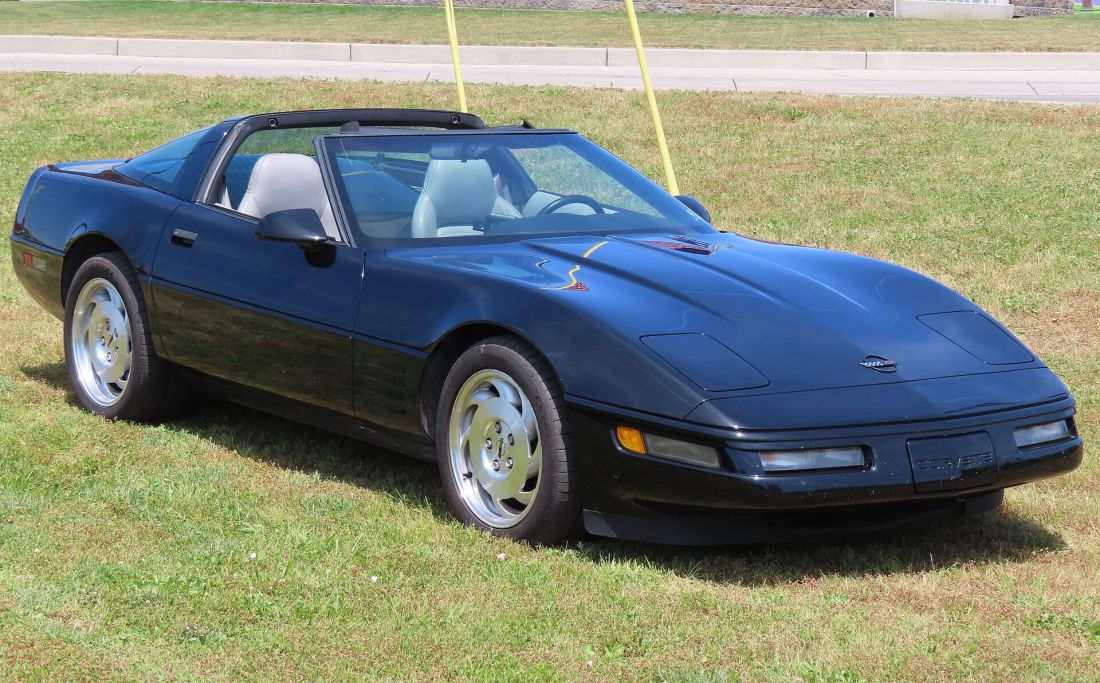
Photo: 1994 Chevrolet Corvette by MercurySable99, CC BY-SA 4.0, via Wikimedia Commons
There was no official 1983 Corvette sold to the public, and that odd gap makes the fourth generation feel like it arrived with a dramatic pause. Car and Driver says Chevrolet skipped the 1983 model year and launched the next Corvette as a 1984 model after a full redesign. That redesign mattered. The car had a stiffer structure, fresh styling, and a much more modern feel than the late third-generation cars. Chevrolet says tuned port injection arrived in 1985, and in 1990 the ZR-1 was called “King of the Hill,” which is exactly the kind of over-the-top name that somehow fits the period.
This was the Corvette with digital-age energy, big dashboards, bright screens, squared-off lines, and a proper hunger to prove it could run with fast cars from Europe. It didn’t always have the prettiest cabin, and some people still argue about the ride quality or the early interior plastics, but that’s part of the truth too. The fourth generation was trying hard, and in many ways that effort is what makes it easy to like. It wasn’t lazy. It didn’t just coast on the badge. It pushed. In 1992, Chevrolet built the one-millionth Corvette, a massive landmark for a car that had once looked like it might not survive its first few years. There’s also the strange side note that the National Corvette Museum is home to the only surviving 1983 Corvette, which gives this era an extra layer of myth. Around Manchester, people love an underdog that scraps its way back into the fight. This generation has a bit of that spirit. It dragged the Corvette into a new age, made it sharper again, and set the scene for what came next.
Fifth generation: 1997 to 2004
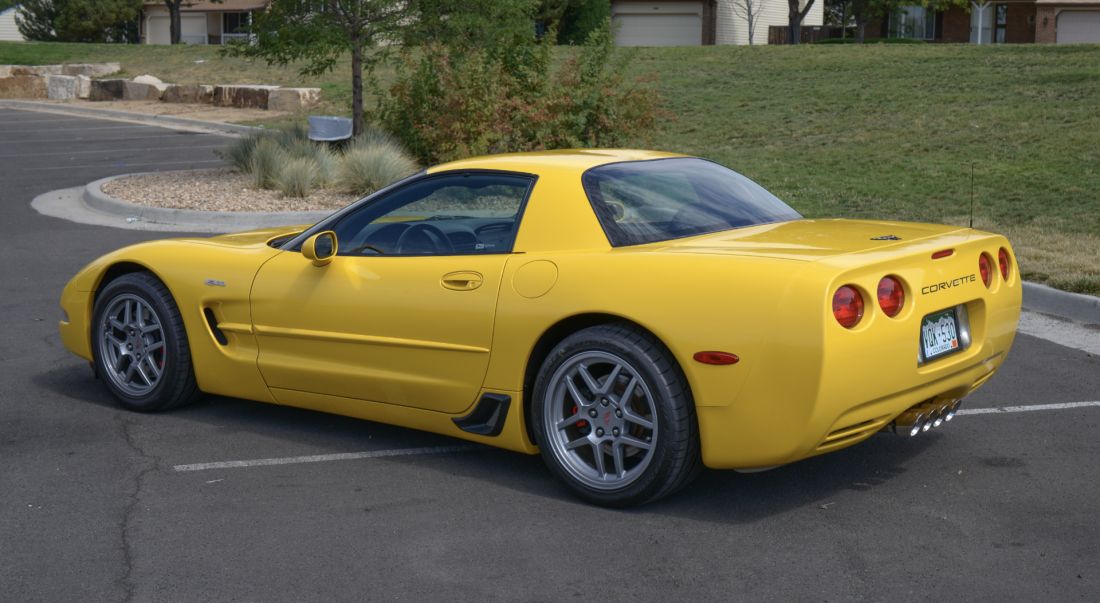
Photo: 2002 Chevrolet Corvette Z06 in Millennium Yellow by BUTTON74, CC BY-SA 4.0, via Wikimedia Commons
By the time the fifth generation arrived, the Corvette felt calmer and cleverer. That might sound less exciting than saying it went mad and set the road on fire, but stay with me, because this car changed the formula in smart ways. Chevrolet says the fifth generation used a rear-mounted transmission to improve handling, and that matters because better balance makes a car feel more planted and more natural in corners. It also brought in the LS1 5.7-litre V-8 and welcomed the Z06 back in 2001. On track, the C5-R race cars won at Daytona, Sebring, and Le Mans, which was huge for the Corvette’s reputation.
Racing success isn’t just a shiny trophy thing. It tells buyers that the bones of the car are right. And the fifth generation really did feel right. It had a cleaner design, better packaging, and a level of polish that made the Corvette easier to take seriously as a full package rather than just a loud engine with a flashy body wrapped around it. Let’s face it, that had been the cheap joke thrown at some older American performance cars for years. The fifth generation made that joke feel lazy. It had pace, grip, and far better balance. It also helped the Corvette feel less like a car for one narrow crowd and more like a machine that could win over people who liked European sports cars too. If you picture a run from Stockport out past the edges of the Peak District on a dry morning, this is the sort of Corvette that feels made for that, a car that wants fast bends as much as straight roads. It didn’t need to shout all the time. It knew it had grown up.
Sixth generation: 2005 to 2013
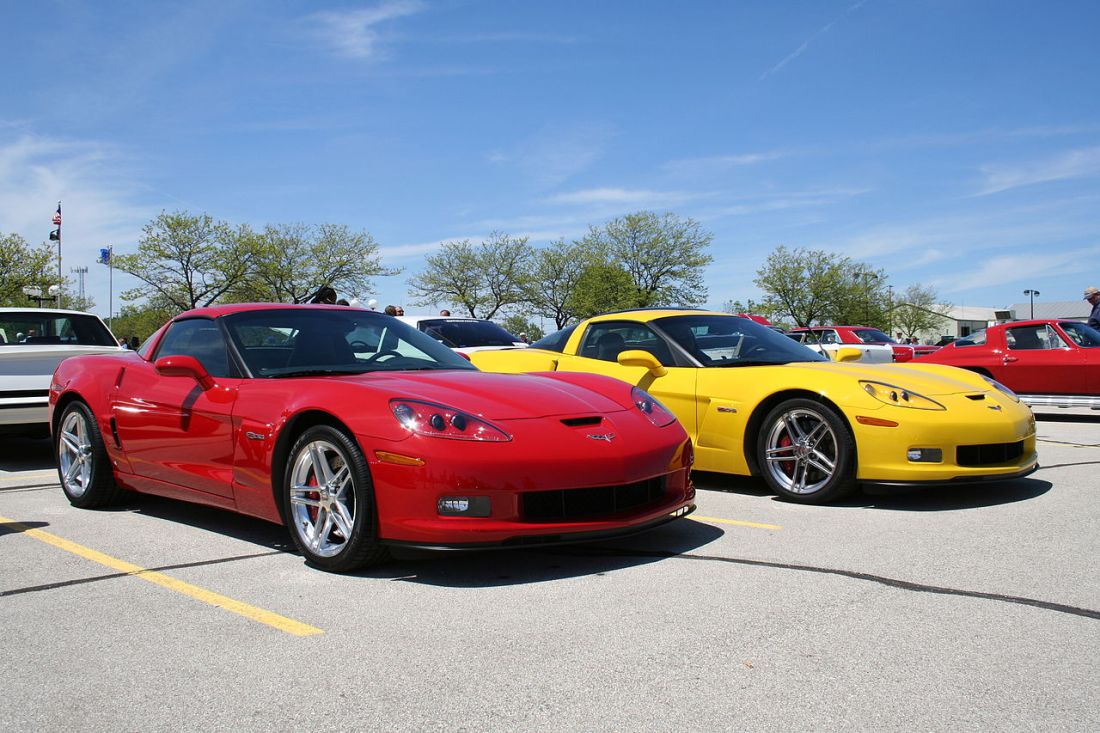
Photo: 2006 Chevrolet Corvette Z06 by Bonfire2k4 at English Wikipedia, via Wikimedia Commons
The sixth generation took that stronger base and added muscle. Chevrolet says this was the first Corvette with 400 horsepower as standard, and that tells you a lot before you even open the door. This car looked tighter and more aggressive than the fifth generation, with exposed headlamps replacing the old hidden ones, and it felt more modern straight away. The Z06 used a racing-inspired aluminium chassis, while the C6.R race cars dominated the GT1 and GT2 classes. Chevrolet also built the 1.5-millionth Corvette in 2009, which shows just how far the badge had come from those 300 white cars in 1953.
The sixth generation is a favourite for loads of people because it sits in a sweet spot. It’s modern enough to feel quick and usable, but still simple enough to give you that raw, old-school sports car buzz. No fuss. No silly layers between you and the car. Just a big engine, rear-wheel drive, and a shape that looked ready to pounce. And then there was the ZR1, which arrived with huge shove and showed that Chevrolet wasn’t messing about. This was no longer a car that needed excuses made for it. It could stand tall on its own. You could say the sixth generation gave the Corvette a harder stare. It looked like it wanted a fight. Yet it still had everyday appeal too, which is part of why used buyers still talk about it so much. At Dace Motor Company, we know cars get remembered for more than numbers. They get remembered for feel. The sixth-generation Corvette has that. It feels like a car built by people who knew the audience wanted speed, noise, and drama, then actually delivered all three without smothering the whole thing in nonsense.
Seventh generation: 2014 to 2019
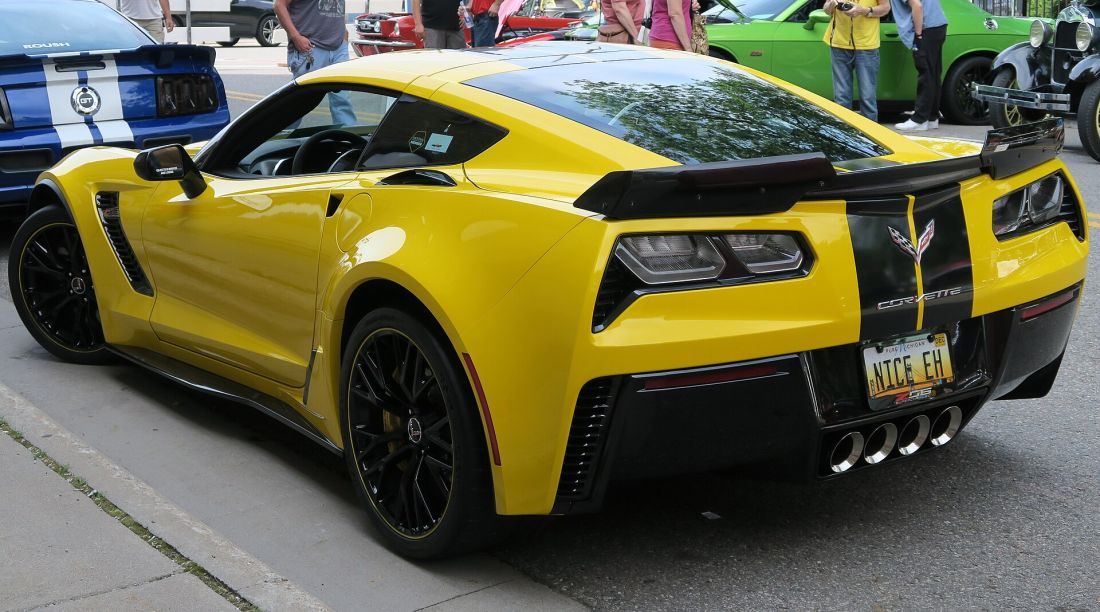
Photo: 2015 Corvette Z06 (C7) by Elise240SX, CC BY-SA 4.0, via Wikimedia Commons
The seventh generation brought back the Stingray name, and that was no small thing. Chevrolet knew the badge meant something, so bringing it back was a clear signal: this new Corvette wanted a link with the great ones. Chevrolet says the seventh generation paced the Indianapolis 500 in 2013, 2014, 2017, and 2019, and the range-topping ZR1 used a supercharged LT5 engine with 755 horsepower. That is a silly amount of horsepower in the best way. The shape became sharper, more angular, and more aggressive, like the designers had spent a lot of time making sure it looked fast even while standing still.
Inside, things improved too. The cabin finally felt like it had caught up with the performance, which had been a complaint for years. And that matters, because when a car gets into serious money, people expect the inside to feel special as well as the outside. The seventh generation delivered on that. It also had one foot in the old Corvette idea and one foot in the future. The engine was still up front. The rumble was still there. The basic character was familiar. But the detail, the tech, and the polish all moved on. So this became a Corvette that could thrill old fans without feeling stuck in the past. It was a bridge car, really. One last front-engine chapter before Chevrolet tried something much bigger. If you’ve ever watched a club legend play one last brilliant season before the team changes shape around him, you’ll get the mood. The seventh generation knew change was coming, but it still made sure its own name went up in lights before stepping aside.
Eighth generation: 2020 to today
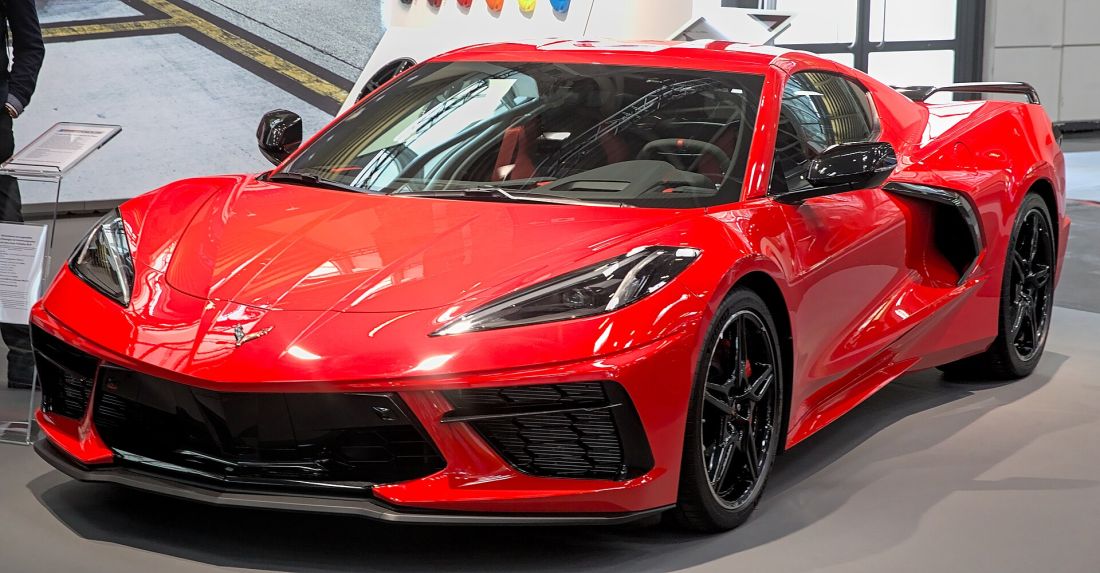
Photo: 2021 Chevrolet Corvette (C8) Stingray by Alexander Migl, CC BY-SA 4.0, via Wikimedia Commons
Then the big change landed. In 2020, the Corvette switched to a mid-engine layout, putting the engine behind the driver for the first time in production. Chevrolet says this move pushed the car into supercar territory, and that isn’t marketing fluff for once. It really was a historic shift. Car fans had talked for years about Zora Arkus-Duntov wanting a mid-engine Corvette, and the National Corvette Museum says the 2020 car finally made that vision real. The new layout changed the look, the balance, and the whole feel of the car. Chevrolet also brought in a fast-shifting gearbox with no clutch pedal, made the E-Ray the first Corvette with all-wheel drive, and now lists the ZR1X at 1,250 combined horsepower. Read that again.
Twelve hundred and fifty. That would have sounded like science fiction back when the first car arrived with 150 horsepower and a two-speed automatic. And yet, through all these changes, the Corvette still keeps a thread running back to 1953. It still aims to give people a dramatic shape, strong performance, and a bit of theatre without needing the badge of some tiny European maker. That’s why the Corvette still matters, even here in Greater Manchester where our roads, weather, and parking spaces are a lot less glamorous than a Kentucky test track. People like cars with character. They like cars that stand for something. They like cars that have survived bad ideas, good ideas, fashion swings, rule changes, and a thousand arguments in pubs and car parks. The Corvette has done all of that. So when people talk about its generations, they’re really talking about how one car kept finding new ways to stay exciting. That’s rare. And pretty brilliant.