


The Cars That Revived Their Brands from Bankruptcy
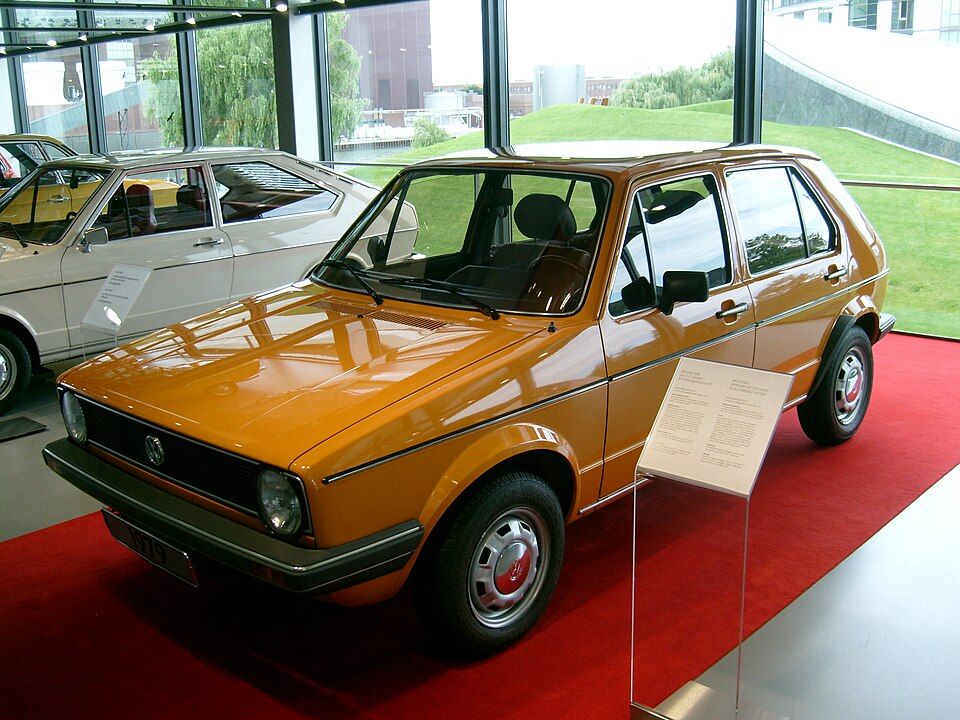
Photo: Volkswagen Golf Mk1 by flickr.com/photos/bkm_br/, CC BY 2.0, via Wikimedia Commons
Some cars are “nice.” Some are “fun.” And then there are the rare ones that turn into a proper life raft for a whole company. Like, imagine a car brand as a shop on the A6 in Stockport: footfall drops, bills keep coming, and you’ve got to put something in the window that makes people stop and walk in. That’s what these models did. They didn’t just sell well. They changed the mood. They gave the brand a reason to exist again, and they gave buyers a reason to care. And you can feel it even now, years later, when one rolls past in the Manchester drizzle and you do that little double-take without meaning to. At Dace Motor Company we’re around used cars all day, and you start spotting patterns. When a company’s in trouble, it doesn’t need ten “pretty good” cars. It needs one car that makes people talk. One car that’s clear, simple, and easy to want. A car that’s priced in a way people can actually reach, even if they’re just trying to get to work, do the school run, and not spend every weekend dealing with problems. And yeah, we’re talking famous names like the Golf and the MX-5, but we’re also talking about cars that quietly did the hard work: the ones that fixed a company’s image, fixed its cashflow, and proved the engineers still had it. You know how it is… if a brand looks lost, customers don’t hang around waiting. They move on. These cars stopped that from happening.
Volkswagen Golf Mk1: the “please don’t go bust” hatchback
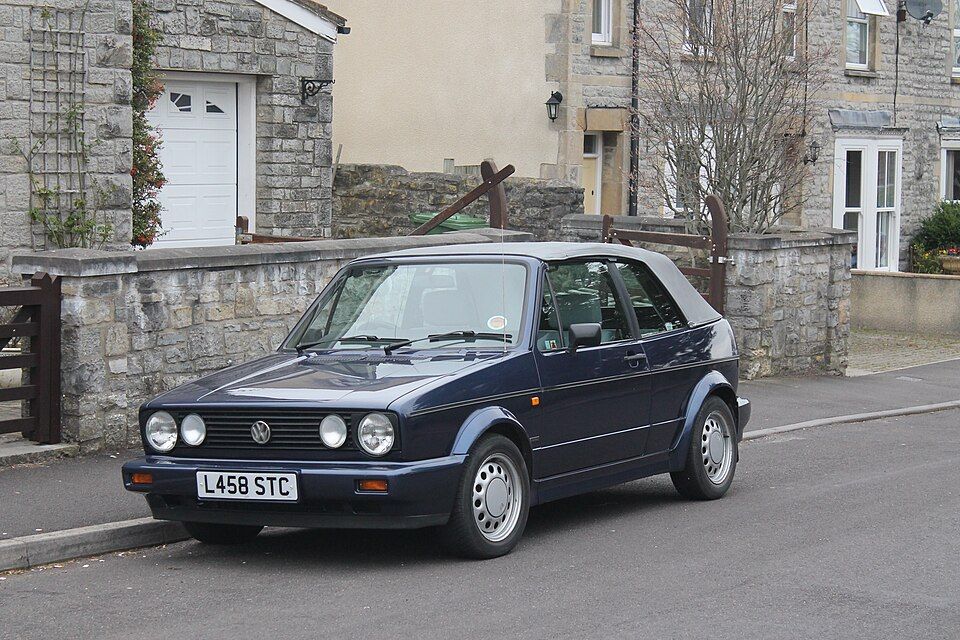
Photo: 1993 Volkswagen Golf Clipper Cabrio by Charlie from United Kingdom, CC BY 2.0, via Wikimedia Commons
If you’ve ever sat on the M60 and counted how many Golfs you can spot before the traffic moves again, you already get the point: this car became normal life. But the first Golf wasn’t born out of comfort. Volkswagen had leaned hard on the Beetle for ages, and by the early 1970s the vibe was changing fast. Under Volkswagen boss Rudolf Leiding, the company pushed through a new plan, and the Golf was the big symbol of it. Leiding was there for a rough patch too: Volkswagen recorded a huge loss in 1974 (about 800 million Deutsche Marks), and the Golf is widely credited with helping pull Volkswagen away from the cliff edge after the Beetle had been relied on for too long. That’s not internet drama, that’s history.
The Golf started production in Wolfsburg in March 1974 and hit the market shortly after, and it basically told the public, “We can do modern now.” It switched the whole layout idea: front engine, front-wheel drive, a shape that made sense in tight streets, and a cabin that didn’t feel like yesterday. And the look mattered. The clean, squared-off style came from Giorgetto Giugiaro, and it was a total reset compared with the rounded old-school Beetle silhouette. It’s hard to explain how big that shift was without sounding like a teacher, but picture a band changing their whole sound and suddenly getting back on the radio. That was the Golf. And the clever bit is it wasn’t “weird” clever. It was normal-person clever. Roomy enough for everyday stuff, small enough for city parking, and built to be a car you could live with. That’s why it didn’t just sell; it stuck. Even now, in and around Stockport and Manchester, a used Golf still makes sense for loads of people because the idea behind it was right from day one.
Porsche Boxster: the sports car that kept the lights on
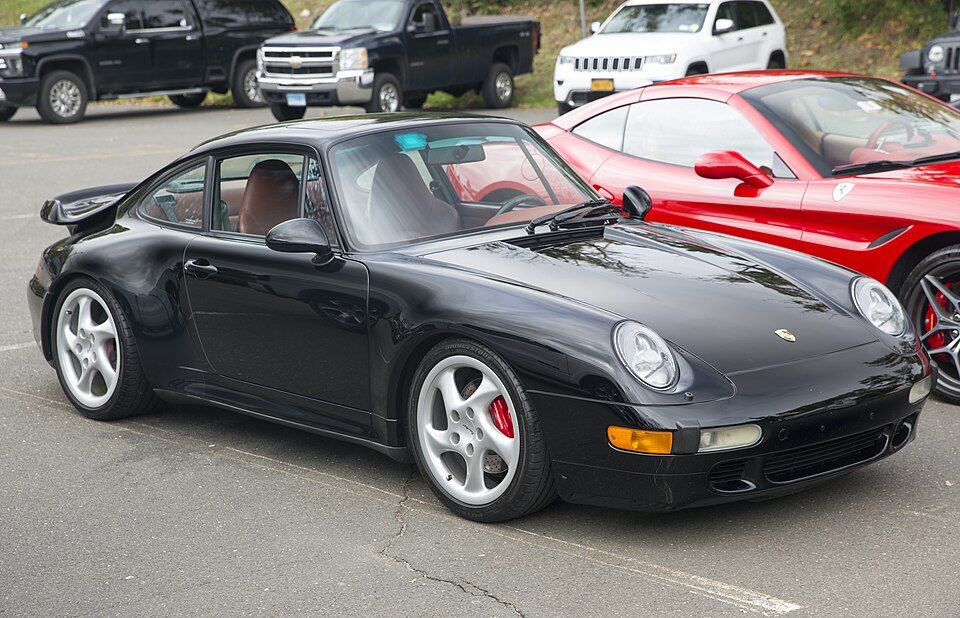
Photo: 1997 Porsche 911 Turbo in Black by Mr.choppers, CC BY-SA 3.0, via Wikimedia Commons
Porsche is one of those brands people assume has always been swimming in money. But in the early 1990s, things got scary. Sales dropped hard. One deep look at the era points out that Porsche sold just over 30,000 cars in 1991, compared with over 50,000 in 1986, and the feeling inside the business was basically: fix this or we’re in real trouble. Then came a change in strategy, and the Boxster became the poster car for it. Porsche’s own newsroom calls the Boxster story one of the company’s biggest success stories, and it talks about the people and thinking behind it rather than pretending it was magic. That’s important, because the Boxster wasn’t just “nice styling.” It was a plan. A modern, more reachable Porsche that could sell in proper numbers. And when it started arriving, the turnaround signs showed up fast.
A 1996 report in The Christian Science Monitor talks about Porsche’s revival and points to profits rising as the company slashed costs and rolled out new product energy. The Boxster didn’t do the whole job alone, but it did something massive: it made Porsche feel current again. It helped move Porsche away from being seen as a brand living off yesterday’s heroes. And the leadership names matter here too. Wendelin Wiedeking is regularly linked to Porsche’s comeback strategy in the 1990s, including getting the business profitable again by the end of that decade, with the first Boxster (the 986) playing a big role in that reset. When you look at a Boxster now, especially a tidy one with a decent history, it’s easy to forget it was a survival move. But that’s what makes it such a cool “brand-saver” story: it’s a fun car that also had a serious job to do. It had to bring new buyers in, bring money in, and prove Porsche still had a clear direction. And it did.
Chrysler K-cars: boring on purpose, and that’s why they worked
Now for a car-saving story that’s the complete opposite of a flashy sports car. Chrysler in the late 1970s was in a bad way, and the “save the company” job landed on sensible, boxy cars built to a plan: the K-car platform. Think Dodge Aries and Plymouth Reliant. Not poster cars for your bedroom wall. But the thing is… when a company’s finances are wobbling, boring can be a superpower. Reuters described Lee Iacocca as the executive celebrated for saving Chrysler from going out of business, and the K-cars were right at the centre of that era. Chrysler also got help through a government-backed loan guarantee setup (there’s even a record of the Chrysler loan guarantee bill on Congress.gov), and then the wild part: by 1983, Chrysler had paid back its loan early, years ahead of schedule, according to ProPublica’s overview of bailout aftermaths.
So what did the K-cars do that mattered so much? They were built to be sold in big numbers, with sensible running costs and packaging that people wanted at the time. The platform was a key move for Chrysler’s comeback, and it spread into loads of models, giving the company breathing space. And then it got even better for Chrysler: the same basic thinking fed into the minivan idea that became huge in the 1980s, which brought in even more money and market confidence. The Wall Street Journal even highlighted how Chrysler people saw it back then: if the K-cars weren’t a hit, bankruptcy protection might have been next, and early K-cars became big sellers that gave the company room to breathe. It’s not glamorous, but it’s real. And as used cars, these “sensible hero” models are a good reminder: sometimes the car that saves a brand isn’t the coolest one. It’s the one that fits real life and sells again and again.
BMW Neue Klasse: the moment BMW decided to stop messing about
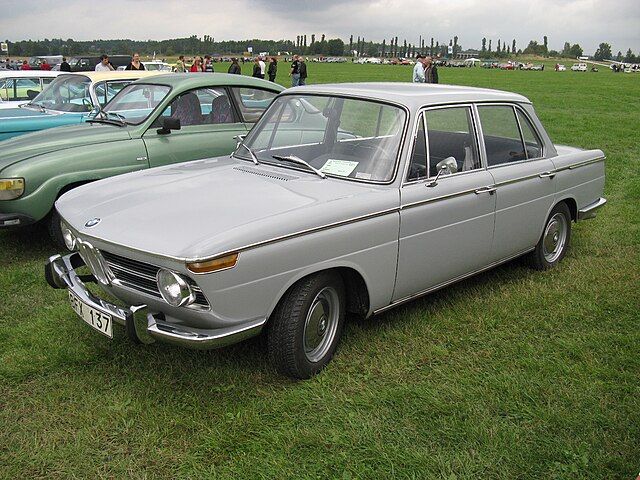
Photo: 1969 BMW 1800 by nakhon100, CC BY 2.0, via Wikimedia Commons
BMW’s “saved by one model family” story goes back to the early 1960s, and it’s honestly one of the best comeback tales in car history. Before BMW was the brand people think of now, it had a proper crisis. In 1959, BMW was close to collapse, and there were serious takeover talks. A key name here is Herbert Quandt, the major shareholder widely credited with saving BMW when it was at the point of bankruptcy. That part is uncomfortable too, because history can be messy, but the financial rescue role is clearly linked to him in multiple sources. Then BMW needed cars that could actually pull the brand forward, not just patch holes. That’s where the “Neue Klasse” comes in, starting with cars like the BMW 1500.
These models didn’t just sell; they set the template for what BMW would become: sporty, practical saloons that felt a bit special without being completely out of reach. Multiple history write-ups describe the original Neue Klasse as taking BMW from near-bankruptcy into a new era, and the whole point was that these cars were modern, confident, and aimed at people who wanted something sharper than a basic family car. You can connect the dots right through: the Neue Klasse leads into the famous sporty BMW feel that later becomes a massive part of the company’s identity. It’s the kind of shift you can still recognise on the road around Greater Manchester today, because even a used BMW hatch or saloon still trades on that “driver-focused but daily-usable” idea. And that idea didn’t appear out of thin air. It was built in a crisis, on purpose, because the company needed a product line that made sense and made money. In other words, BMW didn’t get saved by a miracle. It got saved by a hard reset and a car family that people actually wanted to buy.
Aston Martin DB7: the pretty one that sold in real numbers
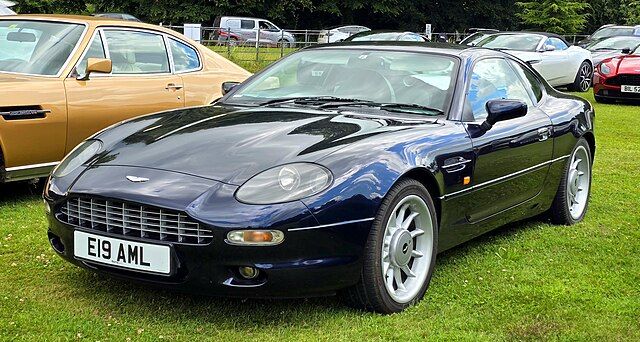
Photo: 1997 Aston Martin DB7 by Calreyn88, CC BY-SA 4.0, via Wikimedia Commons
Aston Martin has had more financial drama than most brands, and it’s had multiple “save us” cars across the decades. But the DB7 is one of the clearest modern examples of a single model changing the whole situation. Aston Martin’s own site says something that really hits: before the DB7 was shown to the public at the 1993 Geneva Motor Show, barely 10,000 cars had been built across the company’s entire lifetime. Then the DB7 arrives, and by the time DB7 production ended, it had nearly doubled that lifetime total. That’s massive. It means the DB7 didn’t just add sales; it changed the scale of the business. The DB7 also had real people behind it. The design credit is linked to Ian Callum and Keith Helfet, and it leaned on shared components from the wider Ford group at the time, because Aston needed to build a car without spending like a giant company.
And it worked. The shape looked like an Aston should look, the badge felt special again, and the price point (for Aston standards) brought in buyers who’d never been able to play before. Plenty of sources straight-up call it “the car that saved Aston Martin,” and you can see why when you look at production numbers and the way the DB7 became the best-selling Aston of its era. It’s also a good reminder that “saving a brand” doesn’t always mean inventing everything from scratch. Sometimes it means being smart with what you’ve got, building a car people actually want, and finally making enough of them to keep the business steady. And yeah, it’s a bit funny: an ultra-glam grand tourer doing the same job as a sensible hatchback. Different vibe, same mission. Keep the brand alive, keep the cash coming in, keep customers believing the badge still means something.
Mazda MX-5: not a bankruptcy rescue, but a brand-revival rocket
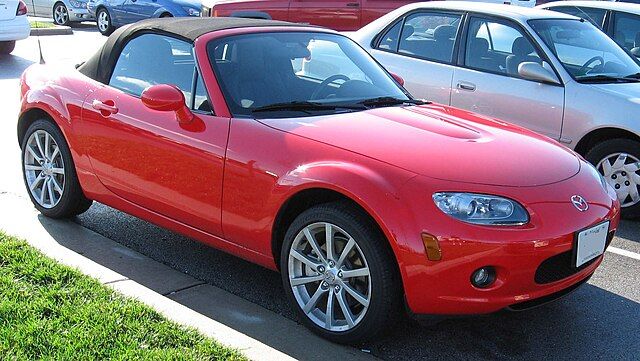
Photo: 2006 Mazda MX-5 by IFCAR, Public domain, via Wikimedia Commons.
The MX-5 (Miata) is in the prompt for a reason: it’s one of the best examples of a car changing how people feel about a brand. Now, to be straight with you, Mazda’s MX-5 story isn’t as clean as “one car stopped bankruptcy tomorrow.” Mazda had financial difficulties earlier (late 1970s into the early Ford investment period), and the MX-5 arrived later as a different kind of boost: it made Mazda feel exciting and confident, and it pulled attention onto the brand in a way normal family cars just can’t. The origins are also properly human, which makes it even better. Mazda MX-5 history points to Bob Hall (a journalist who later moved into Mazda’s product planning) talking with Mazda leader Kenichi Yamamoto about what car Mazda should build, and that idea eventually turned into the lightweight roadster project, with names like Mark Jordan involved on the design side and Toshihiko Hirai leading the programme as it moved into production.
Then the MX-5 debuted in 1989 at the Chicago Auto Show, and it was a hit because it nailed a simple idea: small, light, rear-wheel drive fun, without the constant headaches people associated with older sports cars. It also turned into a record-breaker: Guinness once listed it as the best-selling two-seat sports car in history, which tells you it didn’t just win praise, it won buyers. That matters because “brand revival” isn’t only about bank accounts. It’s about reputation. The MX-5 made loads of people think, “Mazda gets it.” And once people think that, they start looking at the rest of the range differently too. You see it in used car conversations even now. Someone comes in thinking about a practical Mazda, but they’ve got a soft spot because their mate had an MX-5, or they saw one outside a café in the Northern Quarter and it just looked happy. That kind of goodwill is hard to buy with ads. A great car earns it.
If you’re shopping used around Manchester and Stockport, here’s how to spot a “brand-saver” car worth owning
So what do you do with all this if you’re just trying to buy a good used car and not get your head done in? Start with the boring checks, because exciting stories don’t protect you from a dodgy past. History matters. A car can be famous and still be a bad buy if it’s been neglected. That’s why checks like HPI checks exist in the first place, and why we take that side seriously at Dace Motor Company. Then look at the practical upside of these brand-saver models. Cars like the Golf became huge, which usually means parts availability is better and independent garages know them well. That’s handy when you’re driving between Stockport, Manchester, Eccles, and back again, because you just want it sorted without drama. Next, think about why the car was a hero in the first place. Most of these “saviour” cars share the same traits: they’re usable, they feel well thought-out, and they have a clear point. The Boxster was built to bring people into Porsche again; the K-cars were built to sell in volume and stop the money bleeding; the Neue Klasse made BMW feel modern and desirable; the DB7 scaled Aston’s whole business; the MX-5 reminded everyone that “fun” can be simple. When you buy used, you’re buying a slice of that original purpose. And that can be a win, because a car that had a strong reason to exist from day one usually ages better as a concept. Last thing: don’t let finance feel scary. A lot of people put off changing cars because they assume checking finance will hurt their score. If you’re curious and you just want a starting point, a soft search style check can help you see what’s possible without leaving a heavy mark. Then you can take a breath, have a proper look at the car, and decide like a calm person, not in a panic because your old car has started making that new mystery noise.