


The Birth of Rally Cars and Their Road Versions
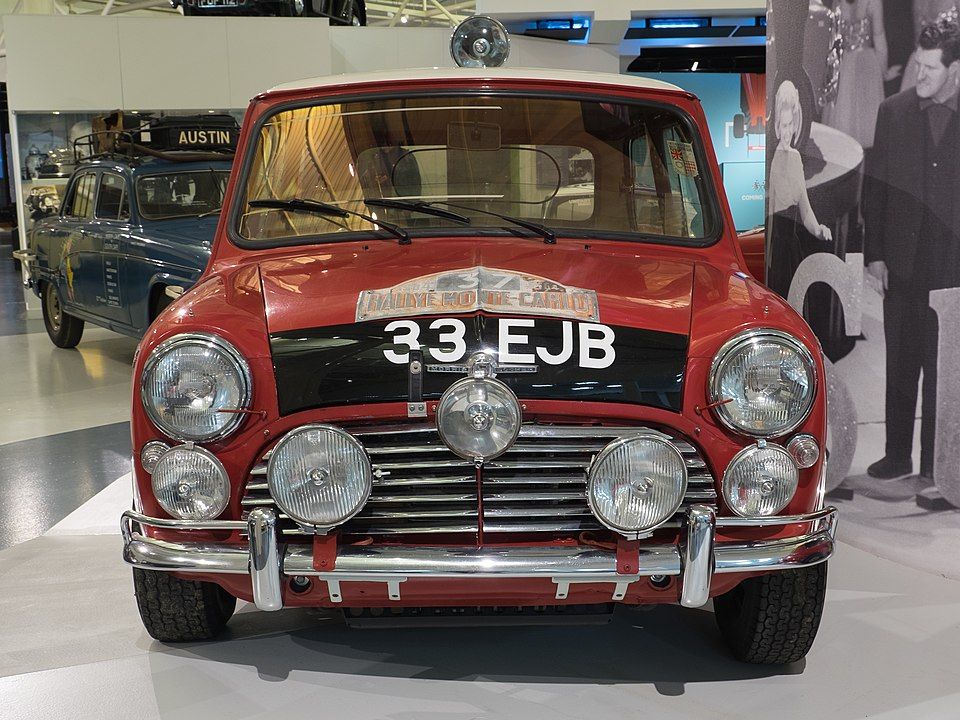
Photo: A 1963 Mini Cooper S. This car, which was one of the cars prepared by the BMC competitions department, won outright victory in the 1964 Monte Carlo Rally. It was crewed by Paddy Hopkirk and Henry Liddon. This vehicle is kept at the British Motor Museum, Gaydon, UK (by DeFacto, CC BY-SA 4.0, via Wikimedia Commons)
Ask someone in Stockport or Manchester to picture a rally car and they’ll probably think of a muddy machine flying past trees, lights blazing, gravel everywhere, and a driver somehow keeping it all tidy while the rest of us would be halfway into a hedge. But rallying didn’t start like that. In the early days, it was closer to a giant road test mixed with an adventure and a bit of a publicity stunt. The Monte Carlo Rally began in 1911, created to bring drivers into Monaco and show just how far cars had come. Back then, the big question wasn’t “Who can fling this thing sideways the fastest?” It was more like, “Can your car make the trip, keep going, and still look respectable at the finish?” That’s a very different mood from the stage rally image most of us carry around now. Then, as cars improved and motorsport got more serious, rallies changed too. The timed road sections became the big deal. Drivers were judged more on speed than just surviving the trip. By 1973, rallying had its own proper world championship, starting with Monte Carlo and running across thirteen events. That moment matters, because it gave car makers a big shop window. Win on rough mountain roads, snowy passes, or broken tarmac, and your road car suddenly looked a lot more exciting to normal drivers. You can see why that idea stuck. If you’re driving through steady rain near the M60 or picking your way along darker roads near the Peak District, the thought of a car that learned its manners from rallying feels pretty appealing. That’s where the road version comes in. Rally cars were born in competition, sure, but their road-going brothers gave ordinary people a way into that story. And once that link was made, there was no going back.
Why road versions had to exist in the first place
Here’s the bit that sounds technical until you strip it back. For years, rallying rules said a car maker couldn’t just dream up some wild one-off racer, stick on a number plate, and claim it was a “production” car. They had to build a real batch of road cars first. That official sign-off is called homologation, but really it just means proving the thing existed in enough numbers for real buyers. And the numbers could be pretty serious. In 1970, the rule book listed five hundred cars for one of the main grand touring groups. By 1980, that figure for Group 4 sat at four hundred. When the rule book changed again in 1982, Group A demanded five thousand identical cars built in twelve straight months, while Group B needed two hundred. That’s why rally history is packed with strange, brilliant road cars that feel a bit too intense for the school run and a bit too civilised for a forest stage. They were built because the rules forced the race car and the road car to stay connected. And that connection is the whole point of this story. Without it, we wouldn’t have got so many legends with number plates, carpets, doors that shut properly, and just enough everyday manners to pretend they belonged outside a café. Let’s face it, this is part of what makes rallying feel different from circuit racing. The cars had to come from somewhere familiar. They had to begin life as something you could, at least in theory, park outside your house in Reddish or near Stockport Market. That rule turned rallying into a brilliant tug-of-war between racing ambition and road-car reality. Some makers bent that link as far as it could go. A few nearly snapped it. But they still had to play the game. And because they did, buyers got access to some of the maddest road cars ever built.
The Mini Cooper S showed that size wasn’t the boss
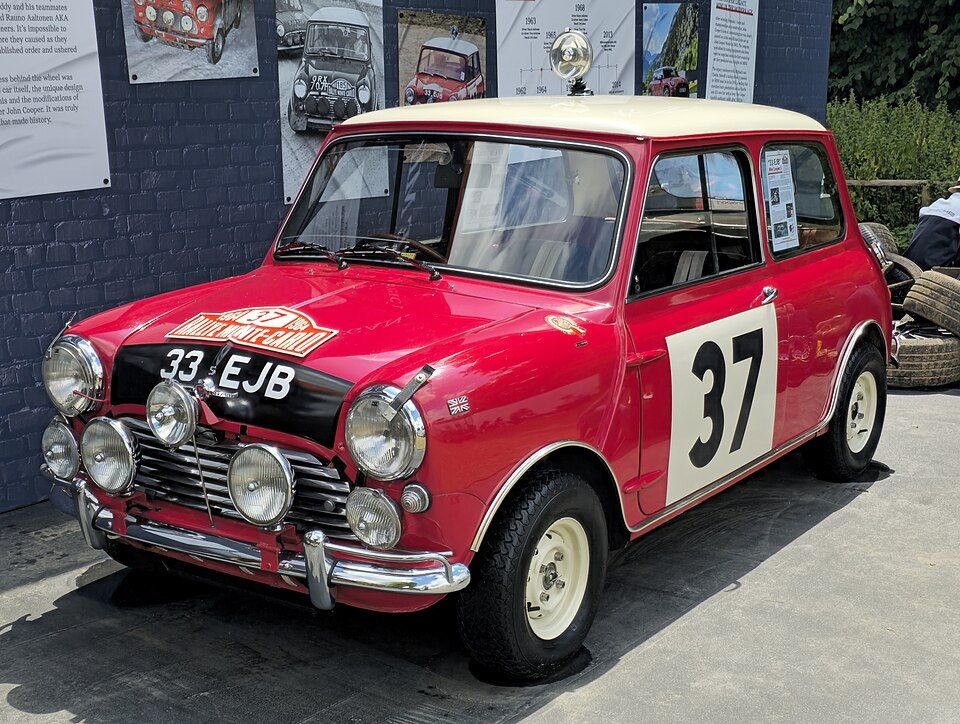
Photo: 1963 Morris Mini Cooper S Monte Carlo Rally by Calreyn88, CC BY-SA 4.0, via Wikimedia Commons
Before rally cars became wide, winged, and slightly terrifying, one tiny car turned the whole scene on its head. The Mini Cooper S looked far too small to bully bigger rivals, which is exactly why people loved it. In 1964, Paddy Hopkirk and Henry Liddon won the Monte Carlo Rally in a Mini Cooper S and made the little car famous far beyond Britain. Then came another win in 1965 for Timo Mäkinen and Paul Easter, and another in 1967 for Rauno Aaltonen and Henry Liddon. So this wasn’t some lucky weekend. It was proof that clever packaging, grip, bravery, and balance could beat cars that looked much grander on paper. That mattered on the road as much as it did in competition.
The Mini Cooper S already felt cheeky and different, but rally success gave it a new identity. Suddenly, this small British car wasn’t just useful in town. It was heroic. BMW Group’s historic material even points out that the 1275 Mini Cooper S was developed as the basis for homologation in the 1300 class of international rallying. That tells you everything. The road car and the rally car were tied together by design, not by accident. And you can still see why that formula hit people right in the chest. A small car that could embarrass bigger ones is a story that never gets old. In Greater Manchester, where roads can be narrow, busy, wet, and full of surprises, that idea still makes sense. A car doesn’t need to be massive to be fun. It doesn’t need to look expensive to feel special. The Mini taught rally fans that a road car could be light on its feet, eager, and full of character without trying too hard. To be honest, that lesson still shapes how people talk about quick hatchbacks now. You know the type. Compact, alert, maybe a little scruffy around the edges, but alive in your hands. The Mini didn’t just win rallies. It gave rallying one of its first truly lovable road heroes.
Then the Lancia Stratos arrived and changed the shape of the dream
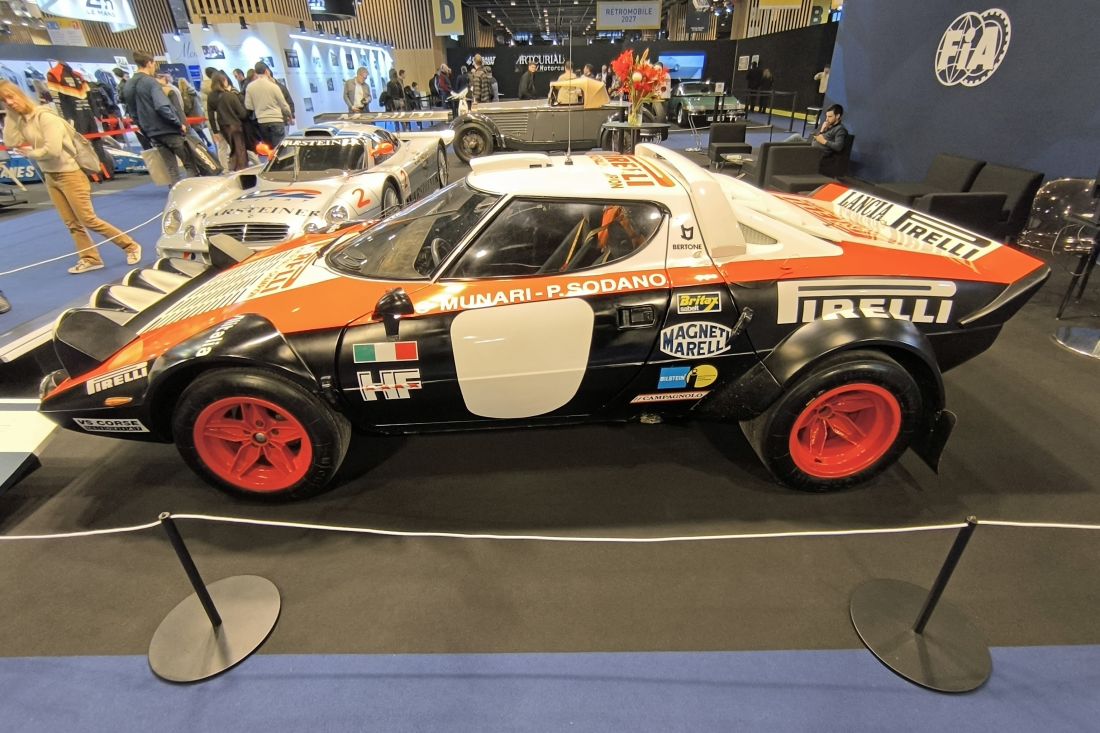
Photo: 1977 Lancia Stratos HF Group 4 (S.Munari-P.Sodano) by Eric Salard from Le Chateau d'Oleron, FRANCE, CC BY-SA 4.0, via Wikimedia Commons.
If the Mini proved a normal-looking small car could win, the Lancia Stratos did something wilder. It looked like rallying had stopped pretending. This car was short, low, sharp-edged, and strange in the best way. It didn’t seem like a family car that had learned to race. It seemed like a rally car that had somehow slipped onto the road with lights and a registration plate. And that, really, was the whole idea. Lancia’s own heritage material describes the Stratos as the first car designed specifically for rallies, and the official championship history says the same thing in plainer words: it changed rallying because it was built with this one job in mind. Its long-awaited Group 4 sign-off came on 1 October 1974, once the required number of road cars had been counted, and from there the Stratos became a monster on stages across Europe.
It helped Lancia win three straight manufacturers’ titles in 1974, 1975, and 1976. Sandro Munari became one of its great stars, and the car won Monte Carlo three years in a row. That’s an outrageous run when you stop and think about it. The road-going Stratos Stradale mattered because it gave shape to an idea that would haunt rallying for years after: what if the road version didn’t just resemble the race car, but felt like the race car’s slightly calmer twin? Not tame. Just calmer. The Stratos made road cars feel more dramatic, more exotic, more rule-bending. And it did it without losing the thread back to competition. Even now, the Stratos has that effect on people. Show one to someone who knows nothing about rallying and they still get it. It looks urgent. It looks like it belongs on a mountain pass. It looks like it should sound rude. Park one near the old mills around Stockport and it would look like a spaceship that took a wrong turn. That’s part of its magic. The Stratos didn’t just help create the proper rally car. It made the road version feel like a thrilling event in itself.
Audi brought four-wheel drive into the spotlight and road cars felt the shockwave
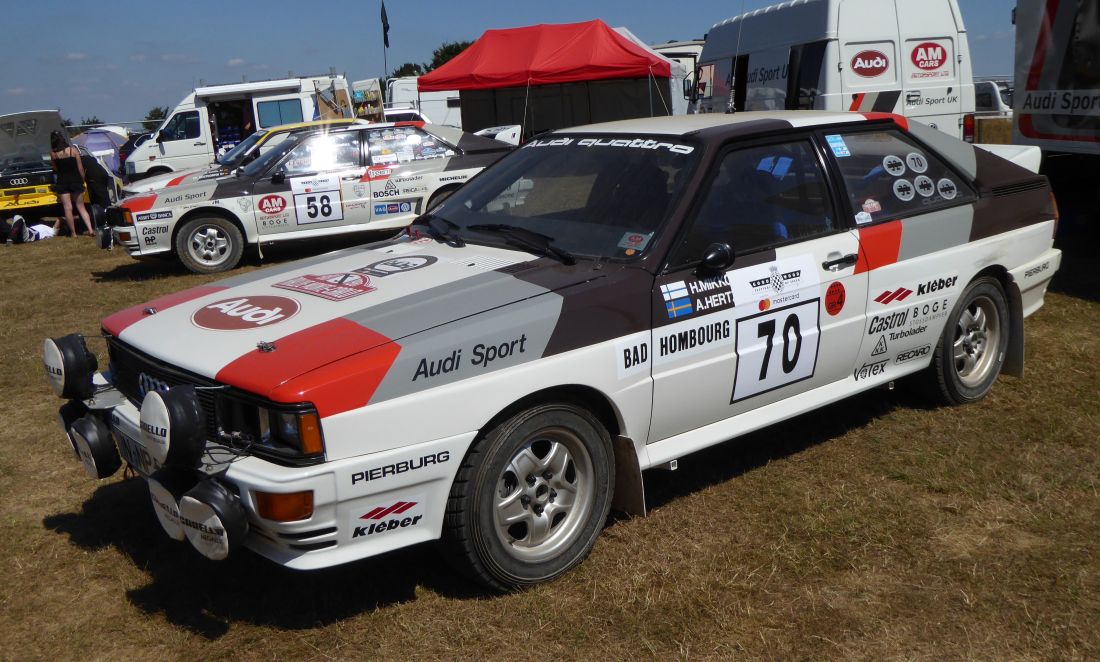
Photo: The first ever 4WD rally car, the famous Group B Audi Quattro driven by legendary driver Hannu Mikkola, on display at the 2018 Goodwood Festival of Speed (by BWard 1997, CC BY 4.0, via Wikimedia Commons).
Then came Audi, and rallying shifted again. This time the big change wasn’t shape alone. It was grip. Audi’s own history says the quattro system caused a sensation in motorsport from 1981 onward, and that’s not fluff. It forced rivals to rethink what a rally car should be. Before that, four-wheel drive wasn’t the accepted answer for top-level rallying. After Audi, it pretty much became the standard everyone chased. The original road-going quattro mattered because this wasn’t some race-only science project hidden behind a truck awning. It was a road car people could see, read about, sit in, and dream over. Then the rally results arrived. Audi won the manufacturers’ title in 1982, and in 1983 Hannu Mikkola and Arne Hertz became the first world champions in a four-wheel-drive car.
That’s one of those facts that sounds dry until you realise what it means. A whole new way of putting a car’s muscle onto rough roads had just proved itself at the top. Audi then pushed harder with the shorter Sport quattro, and the company says the required two hundred road cars for homologation were completed by the end of April 1984. So again, the road version wasn’t a side note. It was part of the deal. Buyers didn’t get the full rally weapon, of course, but they did get a car carrying the same core idea. That made a huge difference to how people viewed performance cars in everyday life. Rallying wasn’t just about heroic drivers anymore. It was starting to shape what ordinary fast road cars could be. And you can draw a straight line from that thinking to why all-wheel drive still sounds reassuring on wet British roads. Anyone who’s driven through a proper Manchester downpour knows grip isn’t some abstract thing. It’s not a brochure word. It’s confidence. It’s calm. It’s that feeling that the car has got hold of the road instead of skating across it. Audi’s rally success made that feeling desirable, and the road cars gave people a chance to buy into it. That’s a massive part of the rally-road story.
Group B pushed the road version idea to breaking point
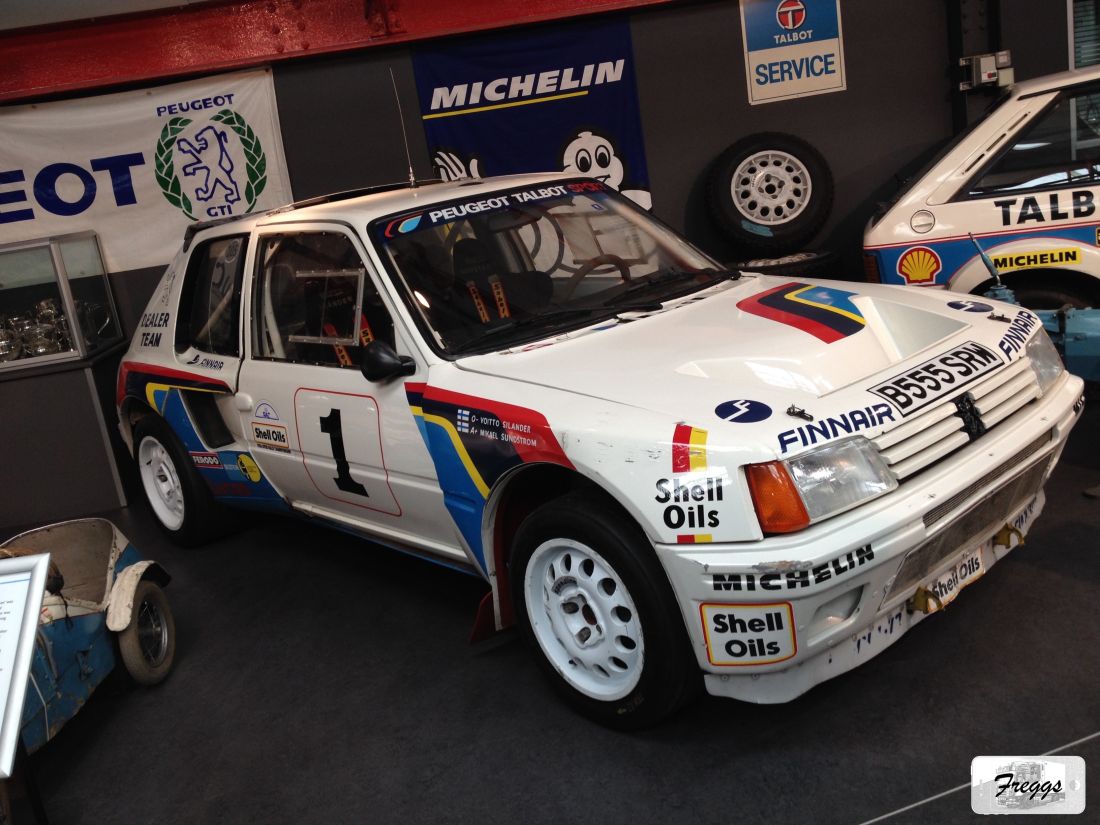
Photo: Peugeot 205 T16 (Coventry Transport Museum) by Freggs, CC BY-SA 2.0, via Wikimedia Commons
By the middle of the 1980s, things got wild. Really wild. The 1982 rules for Group B asked for two hundred identical road cars, which sounds like a decent-sized run until you realise how extreme the rally versions became. This was the era where car makers stretched the link between road car and rally car as far as they dared. Peugeot’s 205 T16 is a perfect example. The official championship history describes it as turning the everyday 205 supermini into a mid-engined, four-wheel-drive beast, and Peugeot used it to win back-to-back manufacturers’ titles in 1985 and 1986. Renault had already brought the 5 Turbo into the mix, with its Group B sign-off dated 2 February 1982 in the historic records. Audi was there too with the Sport quattro. These were road cars, yes, but they were road cars in the same way a boxer in a nice coat is still a boxer.
You could see the manners, but you knew what sat underneath. That’s why people still talk about Group B road versions with a kind of half-laugh, half-stare expression. They were thrilling because they felt slightly unreasonable. They existed because the rule book demanded proof, yet their real reason for living was competition. And then the whole thing burned too brightly. The official championship history says that after the tragedies of 1986, the governing body announced Group B would be banned after the end of that season because the cars were simply too fast to compete safely. That line lands hard because it tells you just how far things had gone. Still, even in that short, chaotic period, the road versions left a huge mark. They showed buyers something rare: a car that didn’t just borrow a badge from racing, but carried the same bones, the same attitude, the same slightly mad look in its eye. Even now, when people talk about road-going rally specials, Group B sits there like the loudest chapter in the book. Short-lived, a bit frightening, impossible to ignore.
After the madness, the road-based heroes came roaring back
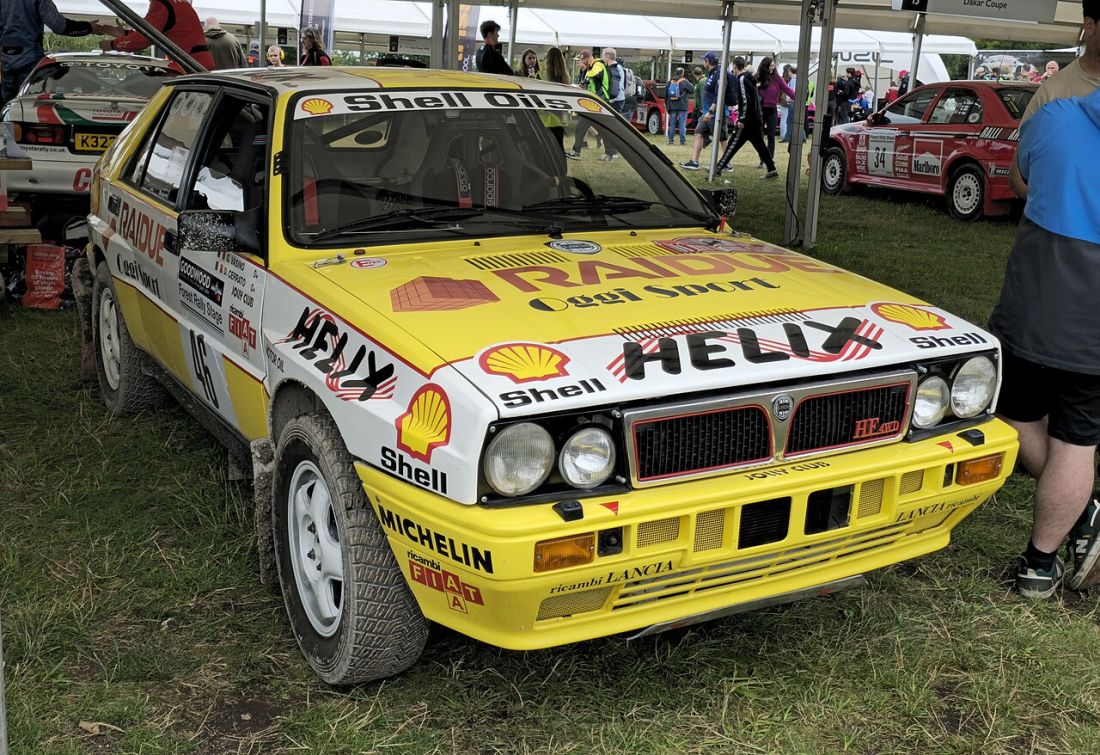
Photo: 1988 Lancia Delta HF Integrale 4WD Group A by Calreyn88, CC BY-SA 4.0, via Wikimedia Commons
Once Group B was gone, rallying swung back closer to proper production-based cars, and in some ways that made the road versions feel even better. They looked more like things you might really see outside a house, yet they still carried all that competition heat. Lancia nailed this with the Delta HF 4WD and the Integrale line. Stellantis heritage material says the Delta HF 4WD made its debut at the 1987 Monte Carlo Rally, and from there the Delta family ruled the championship between 1987 and 1992. Six straight manufacturers’ titles.
Still a record. That’s not some tiny footnote buried in a dusty stats book. That’s domination. And because the Delta was based on a five-door hatchback shape, the road connection felt beautifully obvious. It looked useful, square, upright, practical. Then it went out and battered the rally scene. The rally version had its own spec, of course, but the road cars carried the same broad look and same spirit. That made them catnip for people who wanted family-car shape with stage-road attitude.
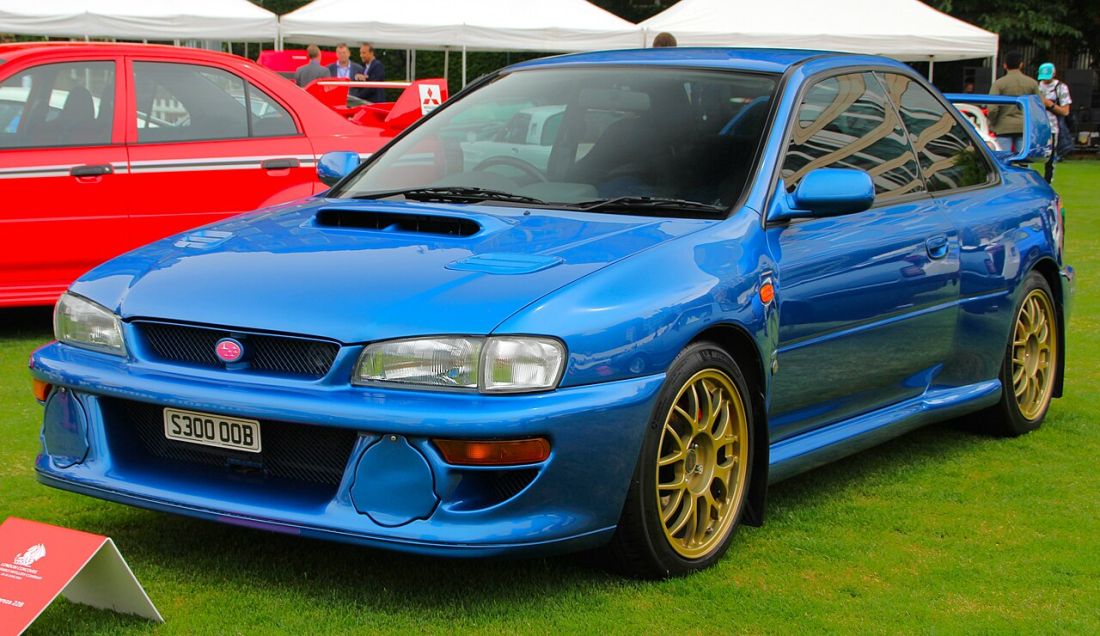
Photo: 1998 Subaru Impreza 22b STi by MrWalkr, CC BY-SA 4.0, via Wikimedia Commons
Then, in the late 1990s, Subaru gave fans another hero with the Impreza 22B. Subaru Tecnica International says this road model recreated the look and feel of the 1997 world rally car, and only 424 were built. That number helps explain why people go weak at the knees for it now. Wide arches, blue paint, gold wheels in people’s minds even before they see them properly, and a shape that made school-run hatchbacks look suddenly much cooler. The 22B is a lovely example of how the road version idea matured. It wasn’t there just to tick a box in the rule book. It was there to celebrate success and let fans own a piece of it. For drivers around Manchester and Stockport, this is probably the easiest part of rally history to connect with. A quick hatch or saloon that can deal with bad weather, rough surfaces, and tight roads without losing its charm? You don’t need to live near an Alpine pass to appreciate that. A damp road over the tops will do.
Why these cars still matter on ordinary roads around here
That’s really the heart of it. Rally cars didn’t just create famous racers. They changed what people wanted from road cars. They made grip exciting. They made compact size feel clever instead of cheap. They made square little hatchbacks feel like heroes. They made strange, low, loud things feel worth dreaming about. And the road versions kept all of that alive outside the stages. At Dace Motor Company, that link still means something because most people don’t buy a car to stare at a spec sheet all day. They buy one because of how it feels to live with. They want confidence in the wet. They want something that feels settled on a rough bit of road. They want a car with character, something that makes the drive home feel a bit less routine. Rally-bred road cars taught the whole industry that a useful car didn’t have to be dull. A quick one didn’t have to be huge. A family-shaped hatchback could still feel special. You can trace that mood from the Mini to the Delta, from the quattro to the Impreza 22B, and then right through to the hot hatchbacks and grippy all-wheel-drive models people still chase now. And there’s another reason these cars matter. They gave people a story they could actually touch. A race car locked behind barriers is exciting, sure. But a road version parked on a driveway? That’s different. That says the dream escaped. It says the thing you watched bouncing through snow, gravel, or forest mud ended up teaching a road car how to think. For drivers in Manchester and Stockport, where roads can switch from dry to soaked in ten minutes and a tight back road can appear right after a busy dual carriageway, that still feels relevant. These cars were born from competition, but their road versions stayed alive because they made everyday driving feel sharper, warmer, funnier, and a bit more human. That’s why the birth of rally cars still matters now. You can feel it every time a normal road car carries a hint of stage-road spirit in the way it grips, turns, and eggs you on for one more mile.