


The Best Used Cars for Narrow British Roads and City Parking
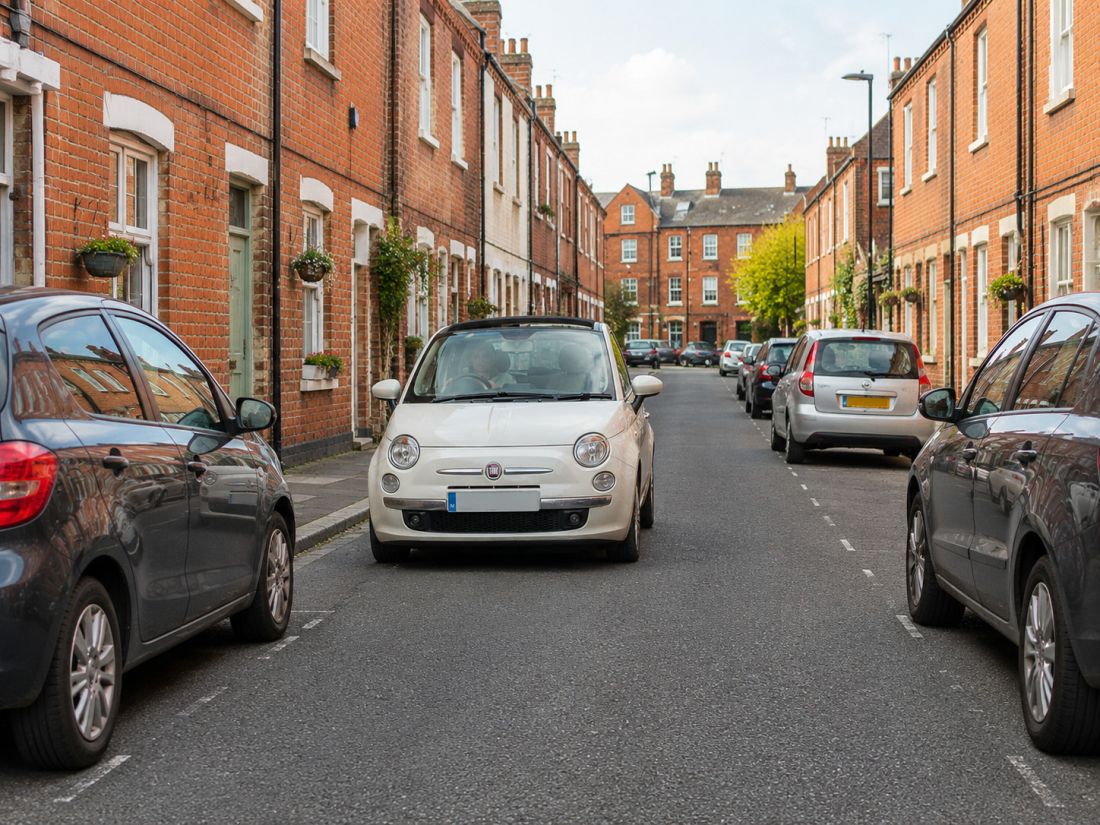
You know how it is. One minute you’re feeling fine, heading through Stockport or into Manchester, and the next you’re edging past parked cars with a bus coming the other way, a cyclist in the mirror, and someone behind you acting like they’re late for kick-off at the Etihad. Narrow British roads have a special way of making even a normal car feel like a canal boat. Add tight supermarket bays, old terraced streets, school-run traffic, and multi-storey car parks with concrete pillars in all the wrong places, and suddenly size matters a lot. Not massive engine size. Not badge size. Actual size. Width, length, visibility, turning circle, and whether you can open the door without doing that awkward sideways shuffle.
Here at Dace Motor Company, we see this every day with drivers from Stockport, Reddish, Eccles, Manchester, and the wider North West. People want a car that’s easy to live with, not one that makes every trip to the Arndale, Heaton Moor, Chorlton, Cheadle, or the Trafford Centre feel like a driving test. Dace Motor Company sells a wide mix of used cars, including small hatchbacks, city cars, family cars, and cars from brands like Fiat, Ford, Toyota, Kia, Hyundai, Volkswagen, Peugeot, Renault, Vauxhall, MINI, Honda, Mazda, Suzuki, and more. The company also has showrooms around Stockport and Manchester, offers used car finance with a soft search, and provides checks such as HPI checks on vehicles before sale.
Why small used cars make so much sense in Manchester and Stockport
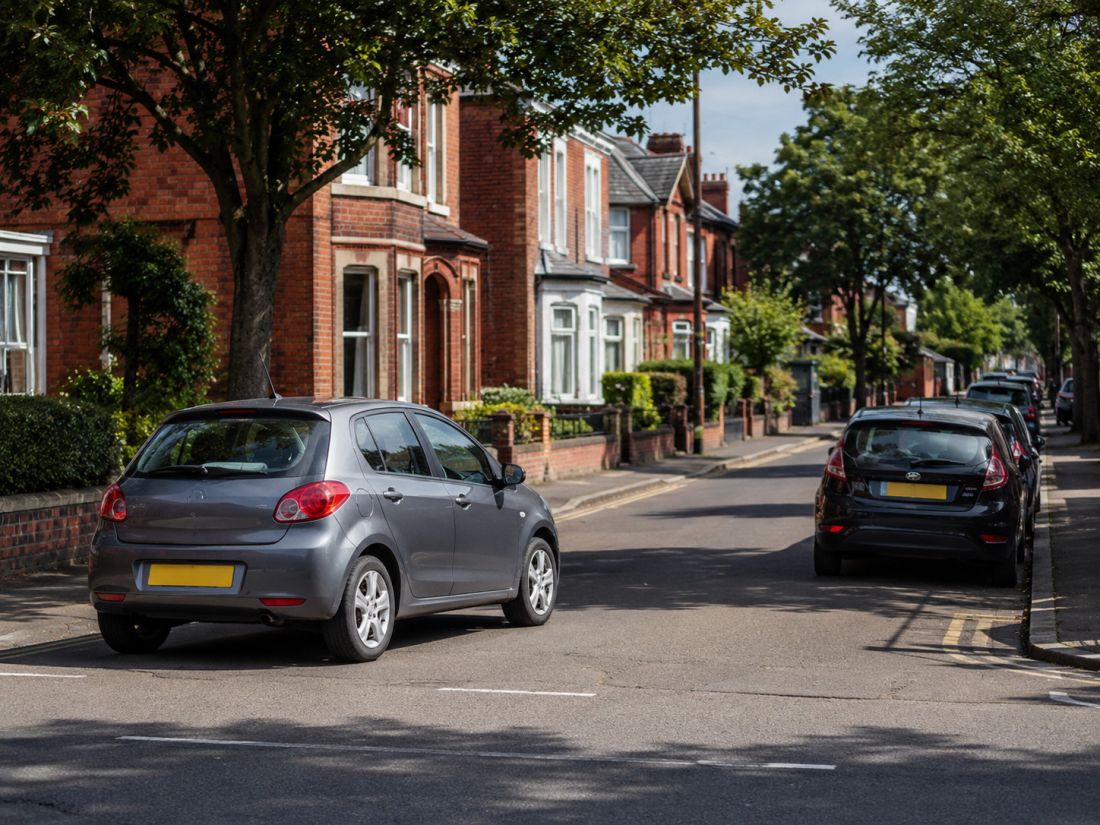
The best car for narrow roads isn’t always the smallest car on paper, but let’s be honest, smaller usually helps. The average older-style UK parking bay is widely treated as about 2.4 metres wide and 4.8 metres long, while newer guidance has pushed that up to around 2.6 metres by 5 metres. That sounds generous until you’re trying to squeeze between two SUVs at a packed retail park on a wet Saturday afternoon. A car that’s 4.8 metres long might technically fit, but you’ll have no room to breathe. A car closer to 3.5 or 4 metres long gives you space to correct, straighten up, and avoid that horrible “am I over the line?” moment.
British roads also ask a lot from drivers. GOV.UK’s Highway Code says drivers should leave at least 1.5 metres when passing cyclists at speeds up to 30 miles per hour, and more space at higher speeds. That matters on roads where parked cars have already eaten half the lane. Think of bits of Levenshulme, Edgeley, Withington, Reddish, or the back streets near Stockport’s old mills. A narrower car doesn’t give you permission to squeeze past people. Far from it. But it does give you a bit more breathing room, which means you can wait, move over safely, and make calmer choices.
What makes a used car good for tight roads and parking?
Before naming cars, it’s worth getting the basics right. Sorry, that phrase sounds like a teacher with a clipboard, but it’s true. A good city-friendly used car should be short enough to slip into smaller bays, narrow enough for old streets, easy to see out of, and simple to judge at low speed. That last bit is huge. Some cars look small from the outside but have thick rear pillars, tiny back windows, or a high boot line that makes reversing feel like guesswork. Others feel friendly straight away, like they’re saying, “Relax, we’ve got this.”
Parking sensors and a reversing camera are lovely, but don’t buy on gadgets alone. Check the shape. Can you see the corners? Is the bonnet short? Are the mirrors useful? Does the steering feel light when parking? Does the clutch feel smooth in traffic, if it’s a manual? Can you turn round in a tight side street without doing a twelve-point shuffle while a queue forms behind you? Also, try the car on roads you actually use. If your week is full of school runs, supermarket stops, gym parking, and trips down the A6, test it that way. Don’t judge it by one quick run on a wide road.
A good used car for narrow British roads doesn’t need to be fancy. In fact, the sweet spot is usually a small car with sensible tyres, decent visibility, low running costs, and enough boot space for real life. Shopping. Sports bags. A pram, maybe. A dog that thinks every trip is about them. You get the idea.
Fiat 500: small, stylish, and made for tight spaces
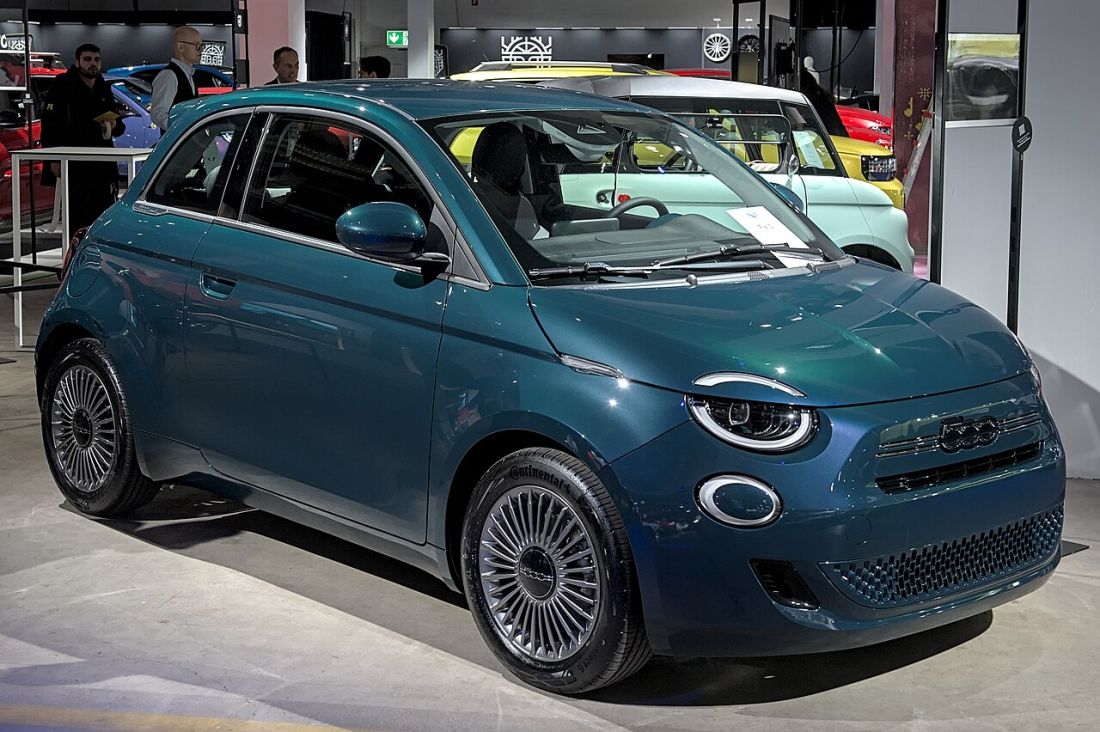
Photo: 2025 Fiat 500 by Alexander Migl, CC BY-SA 4.0, via Wikimedia Commons.
The Fiat 500 is one of those cars you can spot from across a car park. It’s small, cheerful, and easy to place on the road. Earlier petrol versions are very compact, with Carsized listing the 2007 to 2019 Fiat 500 at about 354.6 centimetres long and 162.7 centimetres wide, while newer electric versions are bigger but still short next to most family hatchbacks. That size makes a real difference when you’re trying to park near the Northern Quarter, fit into a tight bay near Stockport Exchange, or tuck into a gap on a terraced street where everyone seems to own two cars.
The Fiat 500 suits singles, couples, first-time drivers, and anyone who mainly drives around town. It’s not the best pick if you carry tall adults in the back every day, because the rear seats can feel snug. The boot is fine for shopping bags and day-to-day bits, but it’s not a big-family load lugger. Still, that’s the trade. You get a car that feels light, friendly, and easy to park.
For Manchester and Stockport driving, the Fiat 500 works best if your life is mostly short trips, work commutes, coffee runs, gym visits, and the odd longer drive. Look for one with parking sensors if you can. They’re handy because the rounded body can take a little getting used to. And check the doors in a normal bay. They’re fairly long on three-door models, so you’ll want to make sure getting in and out feels easy where you park most.
Toyota Aygo, Citroën C1, and Peugeot 108: tiny cars with big city skills
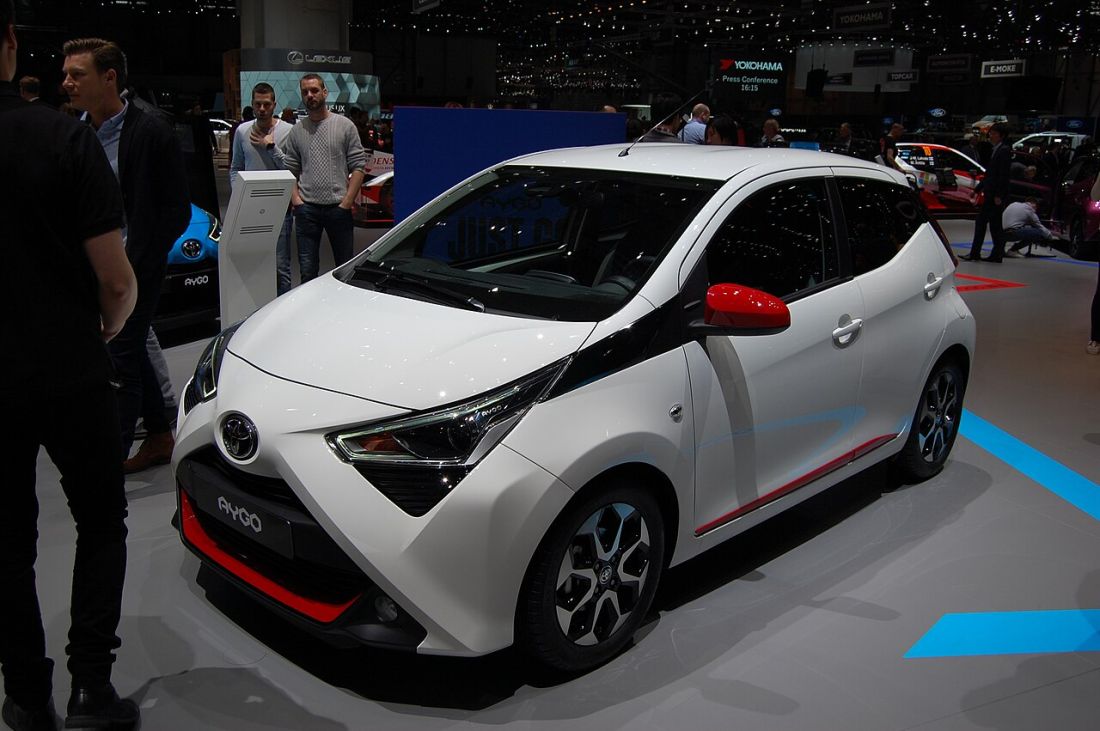
Photo: 2018 Toyota Aygo by Cxpr, CC BY-SA 4.0, via Wikimedia Commons.
The Toyota Aygo, Citroën C1, and Peugeot 108 are closely related, and they’re brilliant little cars for tight British streets. The Toyota Aygo is listed by Carwow at about 3,455 millimetres long and 1,615 millimetres wide for that generation, with a small turning circle too. That’s properly compact. You can feel it when you’re sliding into a short space that bigger cars have driven past, probably with a sad little look from the driver.
These cars are simple in the best way. They’re easy to drive, easy to park, and they don’t feel like hard work in traffic. For a new driver in Stockport, a student heading into Manchester, or someone who wants a second car for quick trips, they make loads of sense. They’re also good if your street has cars parked on both sides and you’ve become very used to folding your mirrors in.
The catch? Space. You won’t mistake an Aygo, C1, or 108 for a family estate. The boot is small, and the back seats are best for short hops or smaller passengers. But if you want a car that takes the stress out of narrow lanes, cramped bays, and older car parks, this trio should be high on your list. Go for a five-door version if you carry passengers, bags, or child seats. It makes day-to-day life much easier, even if the car itself stays tiny.
Kia Picanto and Hyundai i10: small outside, grown-up inside
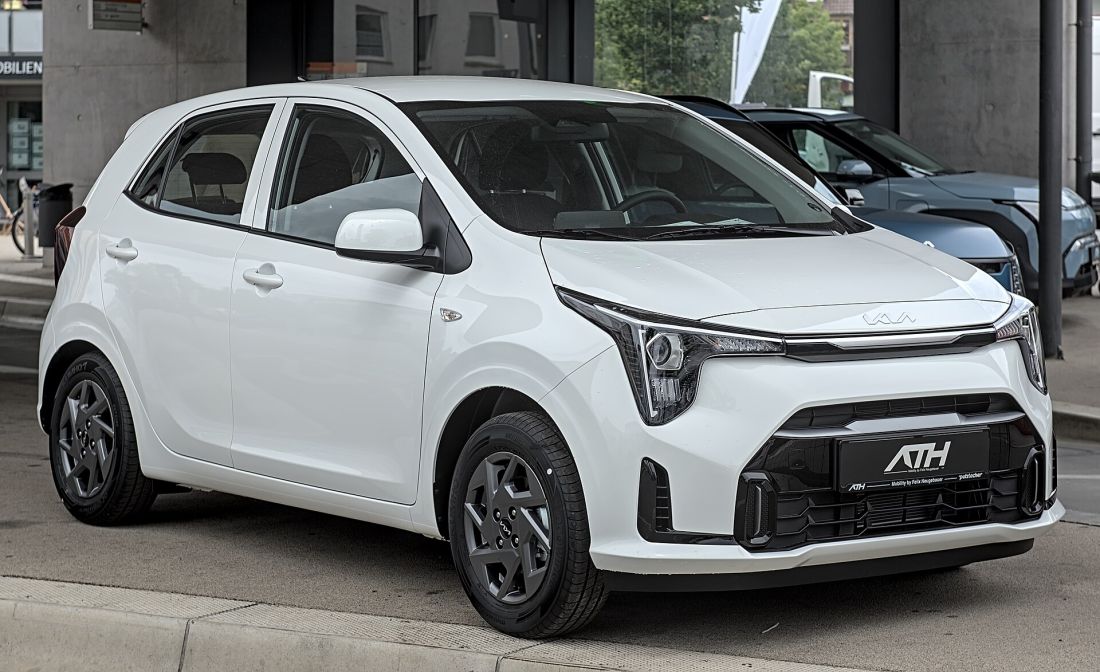
Photo: 2024 Kia Picanto by Alexander Migl, CC BY-SA 4.0, via Wikimedia Commons.
The Kia Picanto and Hyundai i10 are great examples of small cars that feel less flimsy than people expect. The Picanto is listed by Carwow at about 3,670 millimetres long and 1,625 millimetres wide, with five doors and a 255-litre boot on current-style models. That makes it short and narrow enough for city parking, but still usable for normal life. You can do the weekly shop, carry friends, or run errands without feeling like you’ve bought half a car.
These two suit drivers who want small-car ease but don’t want the “tiny back seat, tiny boot, tiny everything” feeling. They’re good for Manchester traffic because they’re light and simple at low speeds. They’re good for Stockport hills too, as long as you pick an engine that suits your driving. If you spend most of your time around town, the smaller petrol engines are fine. If you use motorways a lot, take a proper test drive and make sure it feels relaxed enough at higher speeds.
The Picanto has a neat, upright shape, which helps with judging the corners. The i10 feels similar in spirit: small, sensible, and easy to get along with. For tight parking, that’s exactly what you want. No drama. No grand entrance. Just a car that gets into the space, gets you home, and doesn’t make you clench your jaw every time a van comes the other way.
Ford Fiesta: the easy answer for loads of drivers
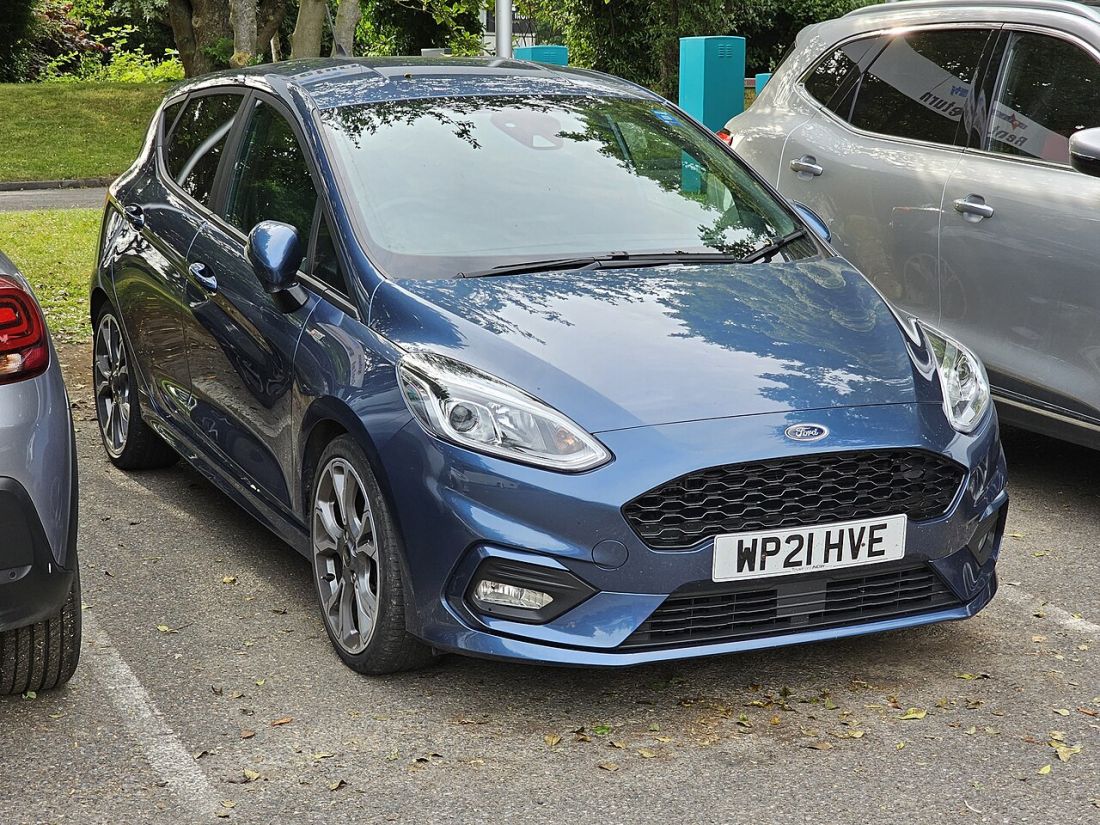
Photo: 2023 Ford Fiesta by Damian B Oh, CC BY-SA 4.0, via Wikimedia Commons.
The Ford Fiesta has been a favourite in Britain for years, and you can see why. It’s small enough for city life but big enough to feel stable and comfortable on longer roads. Carsized lists the 2017-on five-door Fiesta at about 404 centimetres long and 173.5 centimetres wide, so it’s bigger than a Fiat 500 or Aygo, but still very manageable next to many modern family cars.
For a lot of Manchester and Stockport drivers, the Fiesta sits in a lovely middle ground. It can handle tight streets around Reddish or Edgeley, but it won’t feel out of its depth on the motorway, the A34, or a run over to the Peaks. The steering is one of its best bits. It feels sharp without being twitchy, so you can place the car neatly on narrow roads. It’s also easy to find used, which means you’ve got choice across age, mileage, trim, colour, and budget.
The Fiesta is a good pick if you want one car for almost everything. Commuting, school runs, shopping, visiting family, longer weekend drives, the lot. Just remember that not all Fiestas are the same. Some trims have bigger wheels, which can make the ride firmer over broken city roads. Some have parking sensors and cameras, some don’t. The best one is the one that feels calm and easy where you actually drive.
Volkswagen Polo: neat, solid, and easy to live with
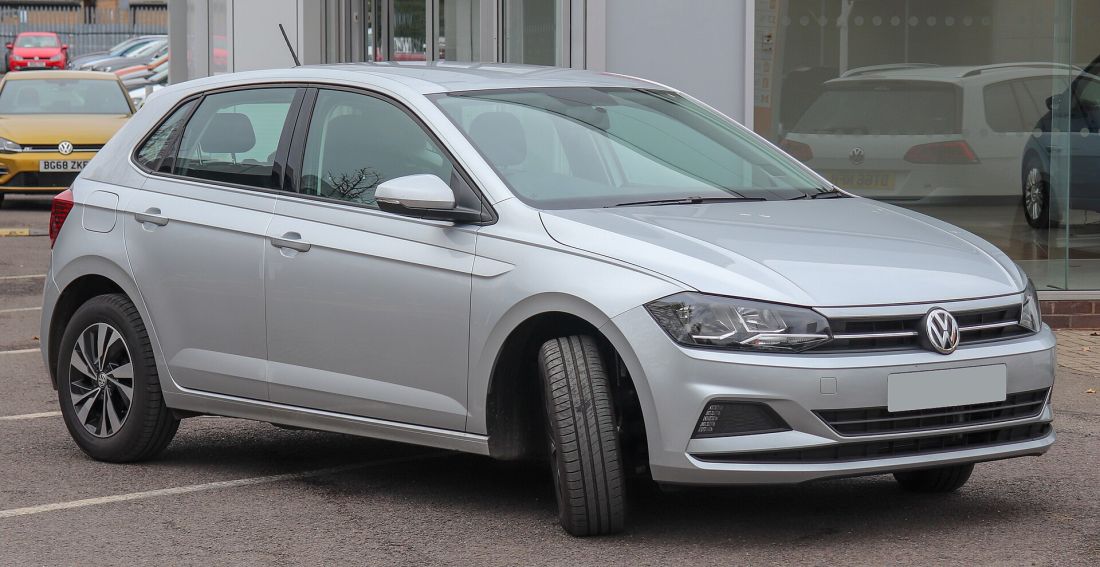
Photo: 2018 Volkswagen Polo by Vauxford, CC BY-SA 4.0, via Wikimedia Commons.
The Volkswagen Polo is a touch grown-up compared with the smallest city cars. It feels calm, tidy, and well put together. It’s also a sensible choice if you want small-car parking without feeling like you’ve given up comfort. Automobile Dimension groups cars such as the Polo with small superminis in the 3.7 to 4.1 metre length range, which is a useful size band for drivers who need a bit more room than a city car but still want easy parking.
On narrow roads, the Polo’s strength is how predictable it feels. It doesn’t try too hard. The steering is light enough for parking, the cabin is easy to get used to, and the shape is simple to judge. That makes it a nice car for drivers who don’t want flash or fuss. It’s the sort of car that just quietly does the job.
For local driving, a Polo makes sense if you’re doing mixed trips. Say you live in Stockport, work in Manchester, nip to the supermarket after work, and visit family at the weekend. You want something that parks without a fight but still feels settled on faster roads. The Polo fits that brief nicely. Look for models with parking sensors, because they make tight bays and street parking easier. And check the rear visibility on your test drive. Some people love it straight away, while others prefer the more open feel of a Jazz or Swift.
Honda Jazz: small car, clever space
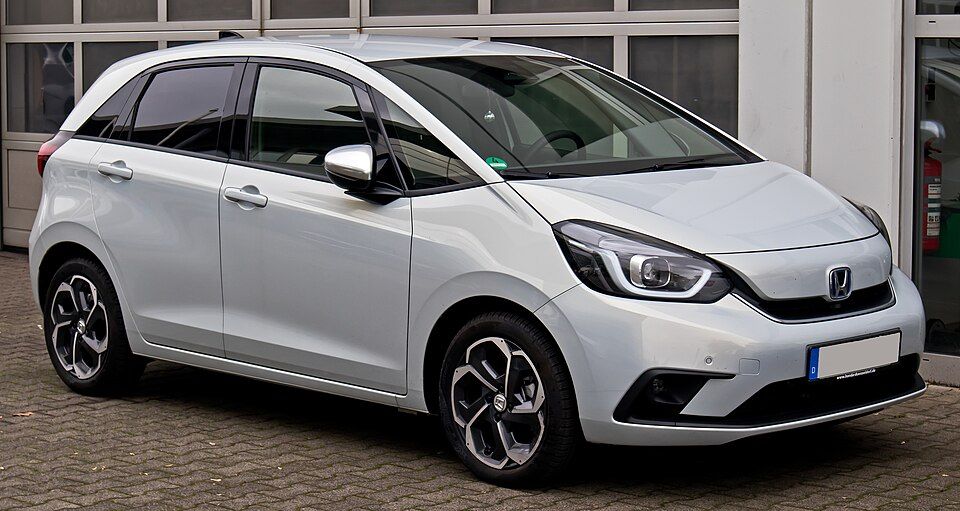
Photo: 2020 Honda Jazz Hybrid Executive by © M 93 / Wikimedia Commons.
The Honda Jazz is a bit of a cheat code for people who want easy parking and proper space. It’s compact outside but clever inside, with a tall shape and flexible seats. Sorry, “cheat code” sounds like something from a teenager’s gaming setup, but it fits. The Jazz has that rare trick of feeling small in traffic while still swallowing more stuff than you expect.
This is a strong pick for older drivers, families with one child, dog owners, and anyone who carries bulky bits but doesn’t want a large car. The tall driving position helps around town. You sit up, you can see more, and that makes tight roads feel less stressful. It’s also handy in places like Cheadle, Didsbury, Sale, and Stockport town centre, where you might go from a busy main road to a cramped side street in seconds.
The Jazz won’t be everyone’s dream car on looks. Fair enough. But it’s easy to respect. It’s practical, reliable by reputation, and friendly in day-to-day use. If you’re choosing with your head, it should be on the list. Check the rear seats, boot floor, and visibility when you view one. Then try parking it. That’s where the Jazz makes its case. No shouting about it. Just quiet usefulness.
Suzuki Swift and Mazda2: small, fun, and easy to park
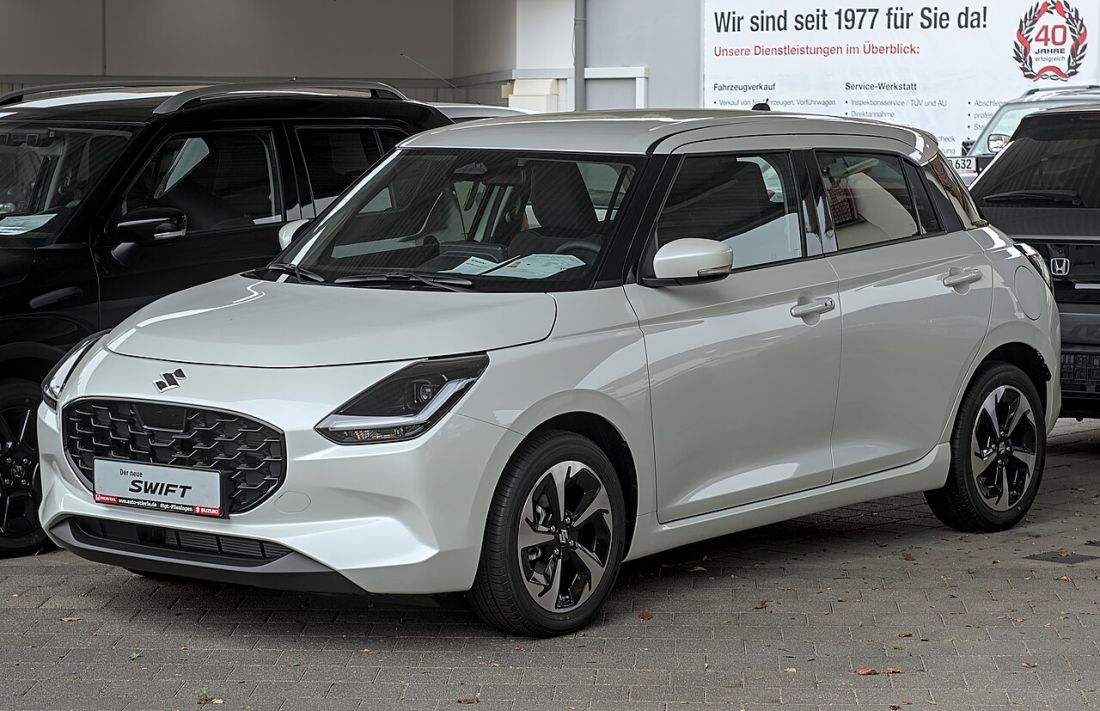
Photo: 2024 Suzuki Swift by Alexander-93, CC BY-SA 4.0, via Wikimedia Commons.
The Suzuki Swift and Mazda2 are lovely picks if you want a used car that’s small but still has a bit of sparkle. They’re not huge. They’re not heavy-feeling. They’re the kind of cars that make short drives feel easier and, to be honest, a bit more fun. Around Manchester and Stockport, that matters. Nobody wants a car that feels grumpy in traffic.
The Swift is light and nimble, with a friendly size that works well on narrow streets. It’s especially good if you want something different from the usual Fiesta, Polo, or Corsa. The Mazda2 has a slightly smarter feel inside and drives with a nice bit of polish. Both are good for drivers who enjoy the car itself, not just the job it does.
For parking, check trim levels. Higher-spec versions may have sensors, cameras, or extra driver aids, while lower-spec cars may keep things simpler. Simpler isn’t bad, by the way. Fewer gadgets can mean fewer distractions. But a reversing camera is handy if your street has low walls, bins, posts, or that one neighbour who parks with the confidence of a shopping trolley.
The big reason these cars work is balance. They’re small enough for town, but they don’t feel like punishment on a longer trip. If your week mixes Manchester traffic with a Sunday drive out to Lyme Park, Marple, or the edge of the Peaks, both deserve a look.
Toyota Yaris, Renault Clio, Vauxhall Corsa, and Peugeot 208: the sensible supermini crowd
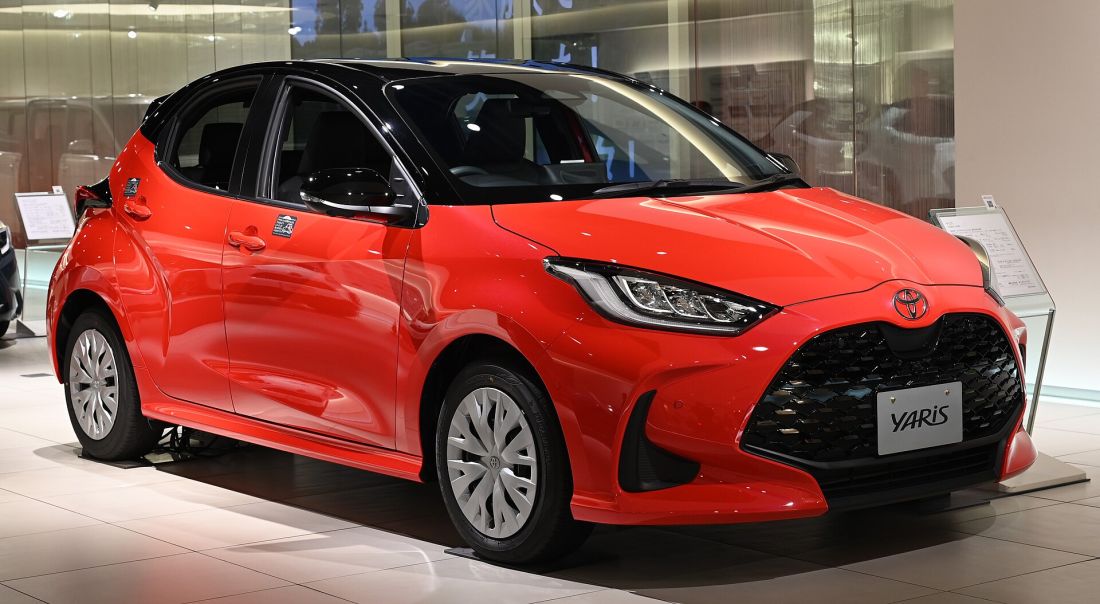
Photo: 2024 Toyota Yaris Hybrid Z by TTTNIS, CC0, via Wikimedia Commons.
Some drivers need a bit more room than a city car. That’s where cars like the Toyota Yaris, Renault Clio, Vauxhall Corsa, and Peugeot 208 come in. They’re still small cars, but they feel a step up from the tiniest options. You get more boot space, more rear-seat room, and a bit more comfort on longer drives. For many people, this is the best real-world choice.
These cars are useful if you carry kids, do bigger shopping trips, or drive longer distances but still need to park on busy streets. A Yaris is a strong shout if reliability is high on your list. A Clio brings a stylish cabin and good comfort. A Corsa is easy to find used and familiar to loads of British drivers. A Peugeot 208 feels a bit more fashionable, with a cabin that stands out from the crowd.
The trade is size. They’re easier to park than larger hatchbacks and small SUVs, but they won’t slip into tiny gaps like an Aygo or Fiat 500. So, think about your normal parking. If you park on a tight terrace street every night, go smaller. If you use normal bays and want one car for daily life, these superminis are a safer bet.
Try them back to back if you can. Seriously. Ten minutes in each will tell you loads. The best one is the car that makes you breathe out and think, “Yeah, I can live with this.”
MINI Hatch: brilliant on tight roads, but check the details
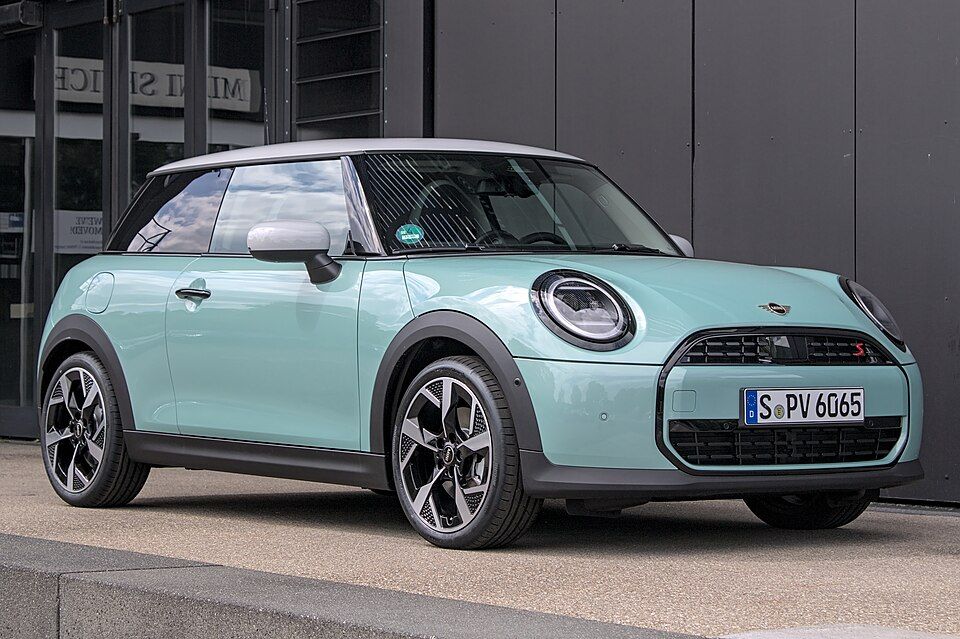
Photo: Mini Hatch (F66) by Alexander-93, CC BY-SA 4.0, via Wikimedia Commons.
The MINI Hatch feels at home on British roads. It’s compact, direct, and has that fun, pointy feel that makes side streets and bends less of a chore. Around Greater Manchester, where one trip can involve cobbles, tight turns, potholes, traffic lights, and a sudden need to squeeze into a bay near a coffee shop, a MINI can be a cracking used choice.
But check the exact version. Some MINIs have bigger wheels and firmer suspension, which can feel lively on rough roads. That might be fun for some drivers and annoying for others. Three-door models look great but aren’t ideal if you use the back seats a lot. Five-door versions are easier for passengers but a little longer. Convertible models bring charm, but boot space takes a hit.
Parking a MINI is usually easy because the car feels short and eager. Rear visibility can vary, though, so sensors are worth having. A reversing camera is even better. If you mainly drive alone or as a couple, the MINI Hatch can make city driving feel less dull. If you’ve got a young family, loads of bags, or regular airport runs, you may find a Fiesta, Polo, Jazz, or Yaris easier to live with.
Think of the MINI as the fun friend. Great company. Easy to love. Just make sure it fits your routine before you fall for the looks.
What about small SUVs?
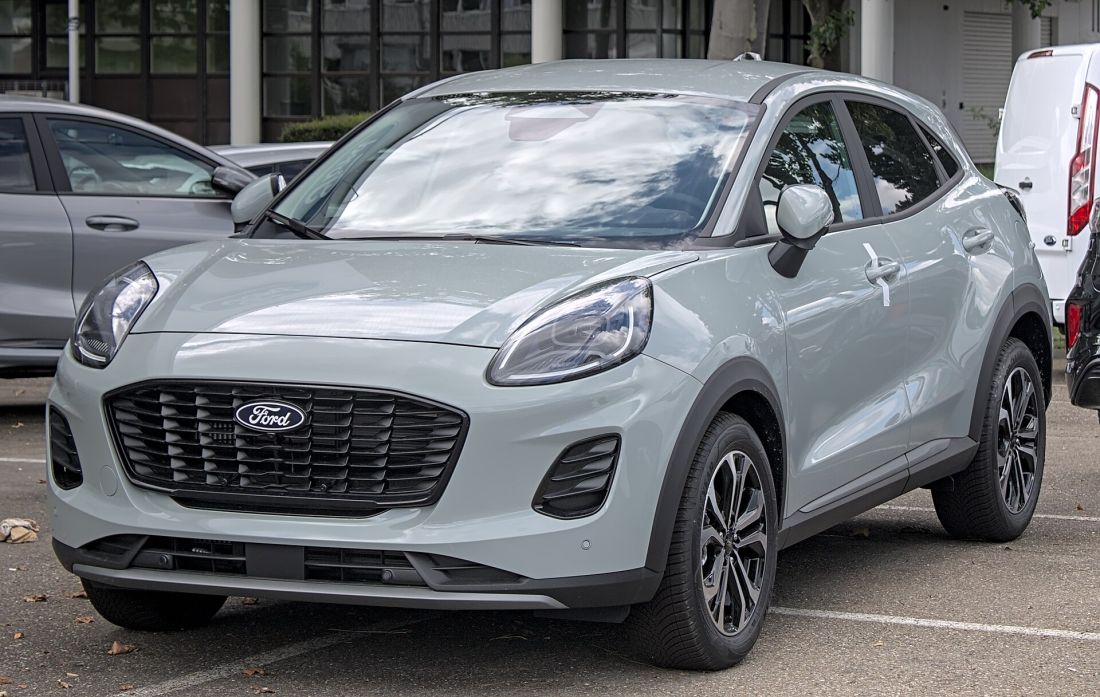
Photo: 2024 Ford Puma by Alexander-93, CC BY-SA 4.0, via Wikimedia Commons.
Small SUVs are everywhere now. People like the higher seating position, the easy access, and the extra sense of space. Fair enough. Cars like the Volkswagen T-Cross, Peugeot 2008, Renault Captur, Ford Puma, Hyundai Kona, Kia Stonic, and Nissan Juke can be good used buys. But for narrow British roads and city parking, they’re not always the easy answer people expect.
The issue isn’t just length. Width matters. Height can make a car feel bigger too, especially in multi-storey car parks with ramps and tight corners. A small SUV might be fine on your driveway but feel bulky on a narrow road with parked cars on both sides. And if you’re parking in older bays every day, the extra width can be the bit that annoys you.
That doesn’t mean “don’t buy one.” It means be honest. If you need the easier step-in height, the boot space, or the family-friendly shape, a small SUV can work. Just test it properly. Park it between two cars. Reverse it into a bay. Try a tight turn. Drive down a street like the ones near your home, not just a wide road near the dealership.
For pure city ease, a hatchback usually wins. For comfort and access, a small SUV may suit you better. No shame either way. The right car is the one that makes your normal week easier.
Features that make parking much less annoying
A small car helps, but the right features can help even more. Parking sensors are the big one. Rear sensors are useful, front sensors are even better, and a reversing camera can save you from low posts, hidden walls, and mystery objects behind the car. We’ve all been there. You hear the beep, stop, get out, and find there’s a tiny bollard sitting exactly where you couldn’t see it.
Light steering is another big win. You’ll notice it most in supermarket car parks, tight side streets, and older multi-storeys. A good automatic gearbox can also make stop-start traffic easier, though plenty of manual small cars are perfectly fine if the clutch is smooth. Folding mirrors are handy on narrow streets. Heated mirrors help on frosty mornings. Good headlights matter too, especially on wet winter evenings around Greater Manchester, where the road markings can disappear under glare and rain.
Don’t forget tyres. Cars with sensible wheel sizes can ride better and cost less to replace. Big wheels may look smart, but they can make potholes feel sharper. Around local roads, comfort counts.
And then there’s visibility. This is the quiet hero. Sit in the car and look around. Can you see out easily? Do the mirrors give a clear view? Can you judge the front corners? A car that feels easy to see out of will always be less stressful in tight spaces.
How to choose the right used car for your own roads
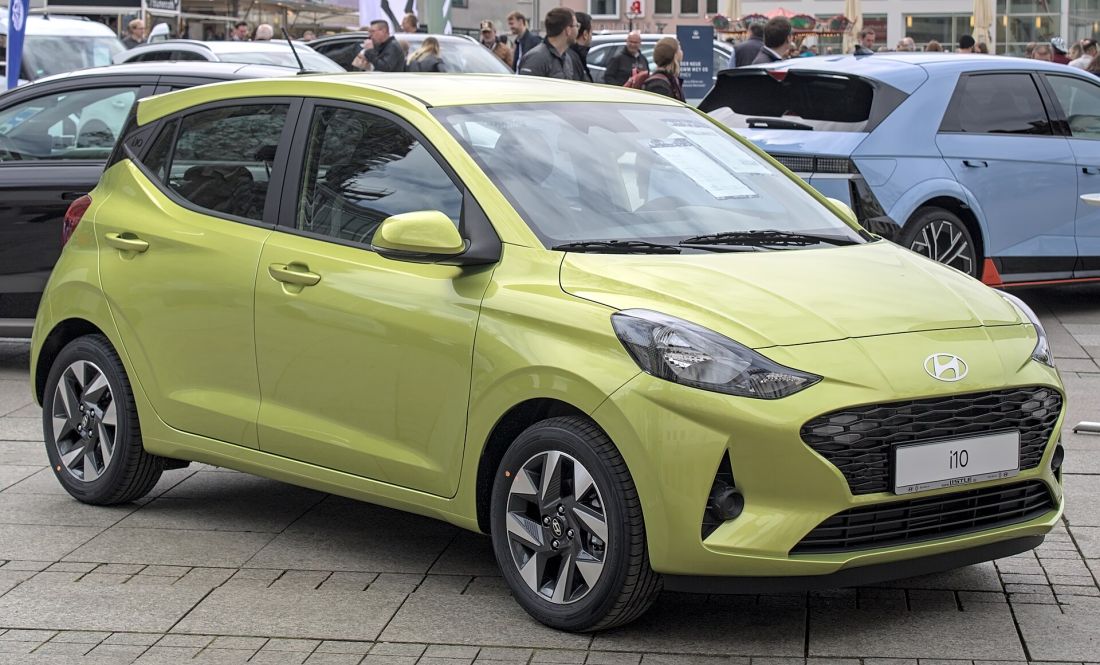
Photo: 2023 Hyundai i10 by Alexander-93, CC BY-SA 4.0, via Wikimedia Commons.
Start with your parking spot. That sounds boring, but it’s the best advice. Measure your driveway, garage, regular bay, or the bit of street where you usually park. Then think about your tightest weekly drive. Maybe it’s a school run through parked-up side roads. Maybe it’s your work car park. Maybe it’s the spiral ramp in a multi-storey that seems to have been built for shopping trolleys, not cars.
Once you know your pinch points, shortlist cars that fit your life. If you mainly drive alone and park in tight spaces, look at the Fiat 500, Toyota Aygo, Citroën C1, Peugeot 108, Kia Picanto, and Hyundai i10. If you need a bit more space, try the Fiesta, Polo, Corsa, Yaris, Clio, 208, Jazz, Swift, and Mazda2. If you want height and easy access, test a small SUV, but be extra picky about width and visibility.
On the test drive, don’t just drive forward and nod. Park it. Reverse it. Do a three-point turn. Try a hill start if you’re buying manual. Listen for knocks. Check the clutch, brakes, tyres, service history, and warning lights. Ask about checks, warranty, and finance clearly, without feeling rushed. Dace Motor Company’s brief says its stock is HPI checked, with used car finance options and a warranty setup available, which are the kinds of details buyers should ask about before choosing any used car.
The cars we’d put near the top of the list
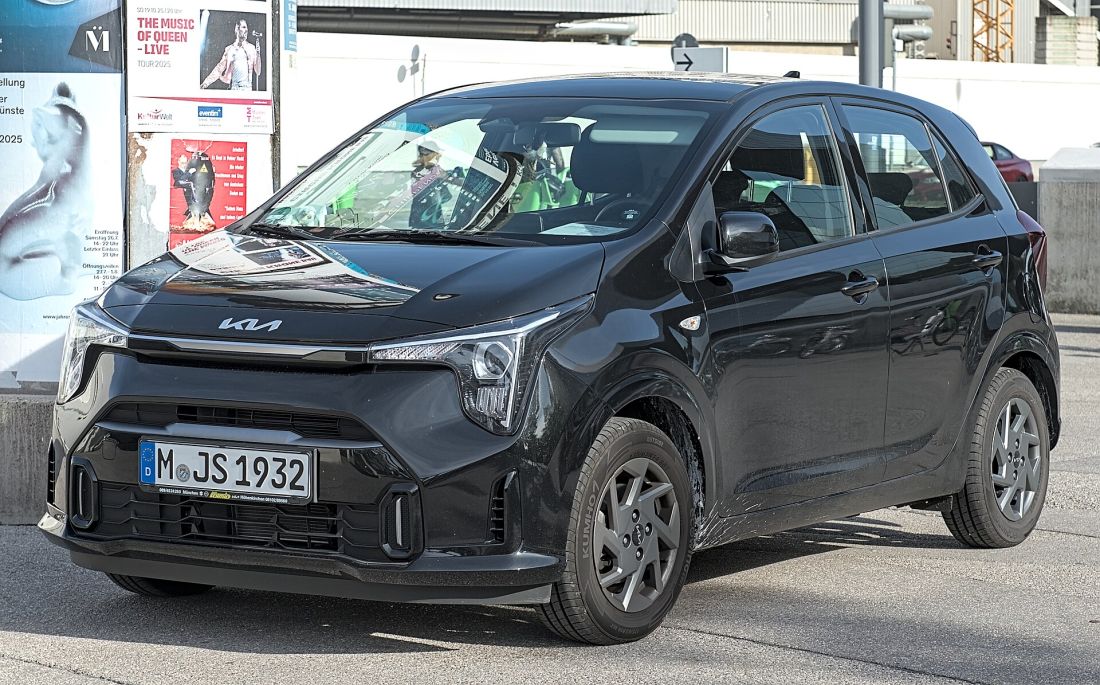
Photo: 2024 Kia Picanto Alexander Migl, CC BY-SA 4.0, via Wikimedia Commons.
If we had to keep it simple, the Toyota Aygo, Citroën C1, Peugeot 108, Kia Picanto, Hyundai i10, and Fiat 500 are the strongest picks for the tightest streets and smallest spaces. They’re short, easy to judge, and made for town driving. For drivers who need one car for town and longer trips, the Ford Fiesta, Volkswagen Polo, Toyota Yaris, Vauxhall Corsa, Renault Clio, Peugeot 208, Suzuki Swift, Mazda2, and Honda Jazz make loads of sense.
The Honda Jazz deserves a special mention for space. The Fiesta deserves one for all-round ease. The Picanto deserves one because it feels more useful than its small size suggests. The Fiat 500 deserves one because it can make boring city driving feel a bit brighter. And the Aygo/C1/108 trio deserves one because, really, they’re tiny little parking heroes.
There isn’t one perfect car for every driver. Manchester and Stockport roads don’t work like that. Some people need room for kids. Some need low running costs. Some need an automatic. Some want something stylish. Some just want to stop dreading the car park at the end of a long day.
So pick the car that makes your daily life easier. That’s the win. Not the biggest badge. Not the longest spec list. Just a car that fits the road, fits the space, and fits you.