


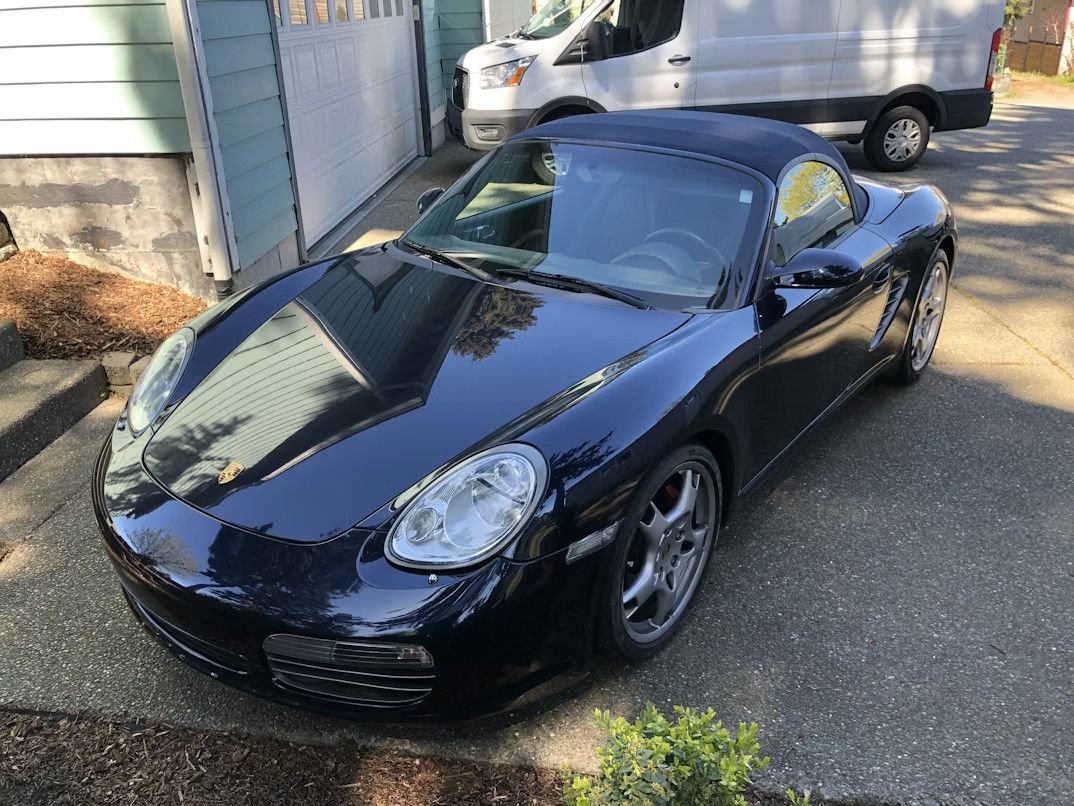
Porsche Boxster: The Model That Helped Porsche Recover in the 1990s
You know how some cars feel bigger than the metal, wheels, and engine they’re made from? The Porsche Boxster is one of those cars. On paper, it was a two-seat roadster with the engine tucked behind the driver. Nice, quick, tidy. But the real story is much better than that. The Boxster arrived at a time when Porsche was in trouble. Proper trouble. In the early 1990s, the famous German sports car maker had an ageing range, falling sales, and a big question hanging over it: how does a company known for fast, clever, expensive cars survive when people aren’t buying enough of them? Then came a small, open-top sports car with a funny name. Boxster. A mix of “boxer”, for the flat engine layout Porsche used, and “speedster”, a nod to the brand’s old open-top sports cars. It wasn’t the biggest Porsche. It wasn’t the most powerful. It wasn’t the one you’d see plastered on a bedroom wall next to a 911 Turbo. But it mattered. A lot. Porsche showed the Boxster concept at the Detroit Motor Show in January 1993, and the reaction was strong enough to prove there was still a huge appetite for a simple, good-looking Porsche roadster. The production car followed in 1996, and it became one of the key reasons Porsche found its feet again.
A sports car maker with a very real problem
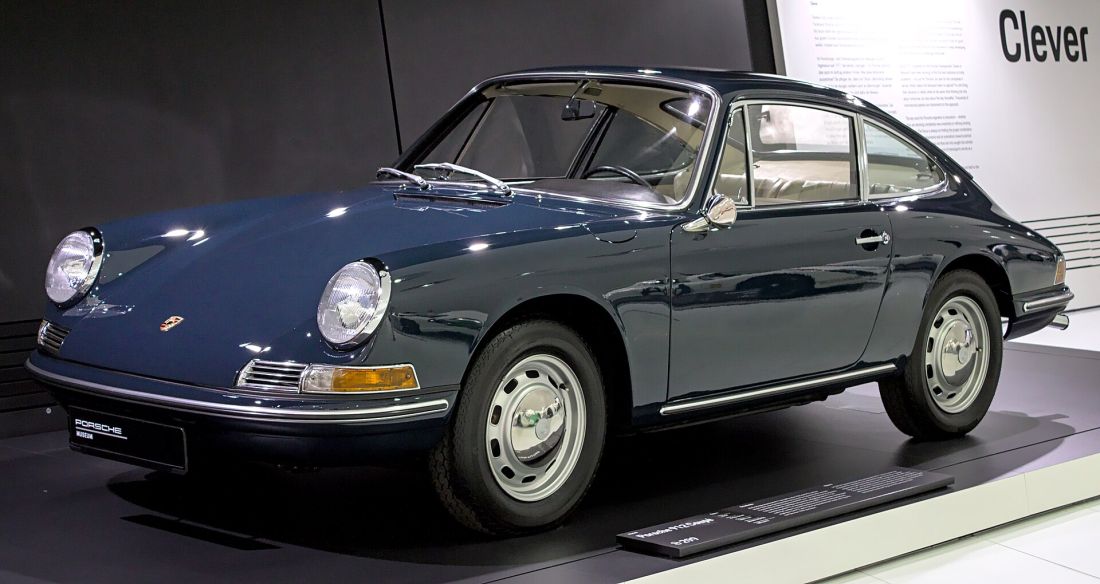
Photo: The Porsche 912, from the 1960s by Alexander Migl, CC BY-SA 4.0, via Wikimedia Commons
Let’s wind things back. Porsche in the early 1990s wasn’t the money-making machine many people picture now. Today, people see Porsche badges in all sorts of places, from sleek sports cars to large family sport utility vehicles parked outside supermarkets in Stockport, Manchester, Didsbury, or Wilmslow. Back then, though, Porsche was a much smaller business with a smaller car range and some big bills. The company had the 911, of course, but even that was getting older under the skin. Other models, like the 928, 944, and 968, had their fans, yet they weren’t selling in the kind of numbers Porsche needed. Imagine running a café where everyone says your coffee is amazing, but only a few people come through the door each day.
Praise is lovely. Rent still needs paying. That was part of Porsche’s headache. The cars were respected, but the business needed a new way to build them, sell them, and make a profit. Porsche had to cut costs without making cars that felt cheap. That’s a tricky balance. It’s a bit like trying to make a cracking Sunday roast while spending less at the shop. You can’t just remove the good bits and hope nobody notices. The Boxster was Porsche’s answer to that puzzle. It wasn’t just a fresh model. It was a new way of thinking, with shared parts, cleaner production ideas, and a car that sat below the 911 without feeling like a poor relation. That part was key. Nobody wants a sports car that feels like a compromise with wheels.
The Boxster concept had people talking straight away
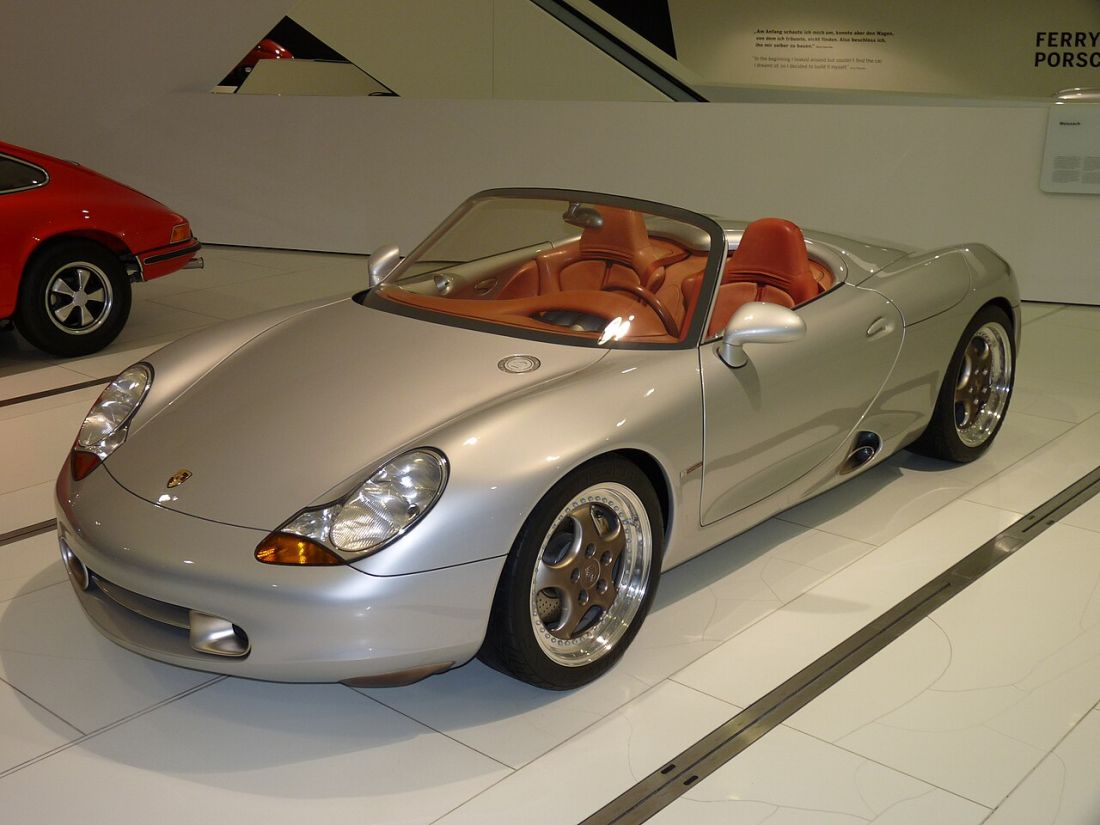
Photo: Porsche Boxster Concept Prototype by Detectandpreserve, CC BY-SA 3.0, via Wikimedia Commons
The 1993 Boxster concept looked like a Porsche from the past and the future at the same time. That’s a neat trick, and it’s harder than it sounds. Its shape nodded to older Porsche racing cars like the 550 Spyder, but it didn’t look like a dusty throwback. It had smooth lines, a low nose, wide arches, and a snug two-seat cabin. The engine sat in the middle of the car, which means it was behind the seats but ahead of the rear wheels. For a driver, that layout can make a car feel balanced, a bit like putting the heavy shopping bags in the middle of the trolley rather than hanging them off one end. Simple idea. Big effect. The public liked it.
The press liked it. Porsche listened. And here’s the lovely bit: the production Boxster that arrived a few years later stayed very close to the concept’s look. That doesn’t always happen. Car companies can show wild concepts, then sell something that looks like the fun has been ironed out of it. With the Boxster, Porsche kept the spirit. It gave people an open-top sports car that looked special, but not silly. You could picture one on a twisting road in the Peak District, roof down, heading out past Glossop on a bright Sunday morning. You could also picture it parked outside a café in Chorlton without it looking like it was trying too hard. That helped. The Boxster had charm. Not shouty charm. Proper charm.
Why the small Porsche made such a big difference
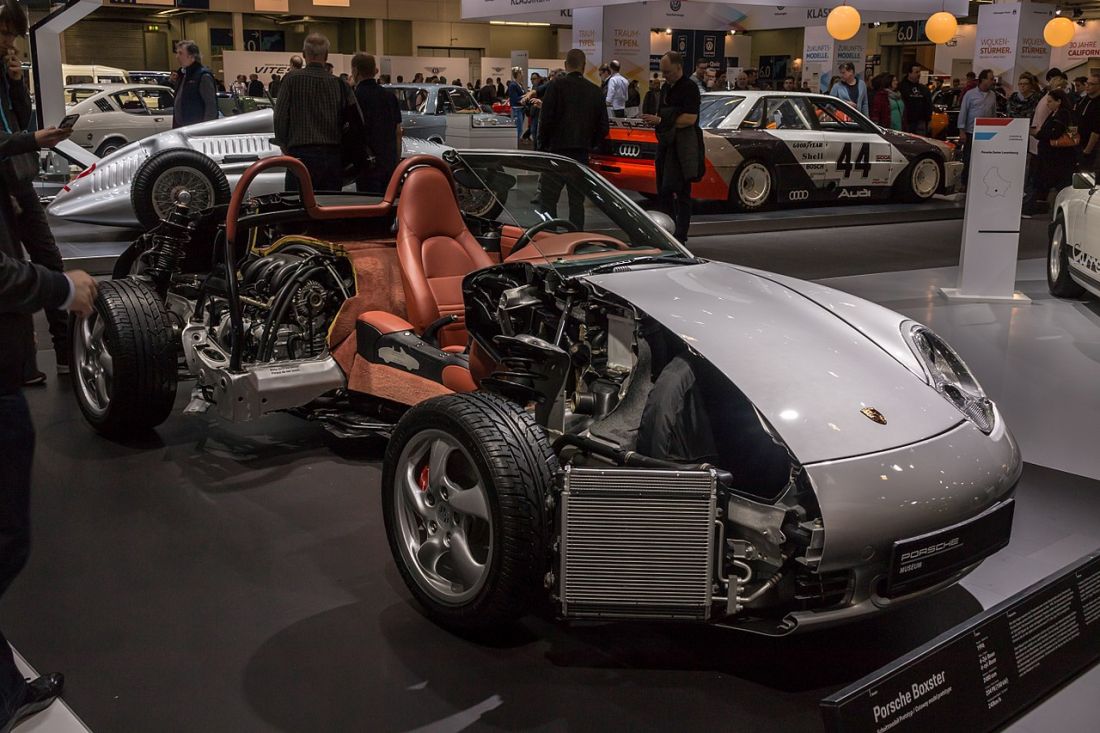
Photo: Porsche Boxster cutaway showing the inner workings of the car by Matti Blume, CC BY-SA 4.0, via Wikimedia Commons.
The clever part of the Boxster story wasn’t just the way it looked. It was how Porsche built it. The first Boxster, known by Porsche people as the 986, shared parts with the 996-generation 911. That sounds a bit dry, but stick with it, because this is where the comeback really starts to make sense. Sharing parts meant Porsche could spend less money making two separate cars. The Boxster and 911 used some of the same front-end parts, cabin pieces, and engine ideas. That helped Porsche lower costs while keeping the cars feeling like proper Porsches. We’ve all been there in normal life, haven’t we? You buy ingredients that work for two meals instead of one, and suddenly the weekly shop makes more sense. Porsche did the car-company version of that.
But it had to be careful. The Boxster couldn’t feel like a cheaper 911 with the best bits removed. It needed its own reason to exist. And it had one. The mid-engine layout gave it a different feel on the road. It was balanced, playful, and friendly by sports car standards. It wasn’t built just to win arguments in the pub. It was built to make drivers smile. That’s why the Boxster mattered so much. It brought new customers into Porsche showrooms, helped make production smarter, and gave the brand a fresh model at a time when fresh was badly needed. Strong early sales helped Porsche move out of its financial crisis, and the ideas used around the Boxster carried on shaping the company after that.
It wasn’t trying to be a 911, and that was the point
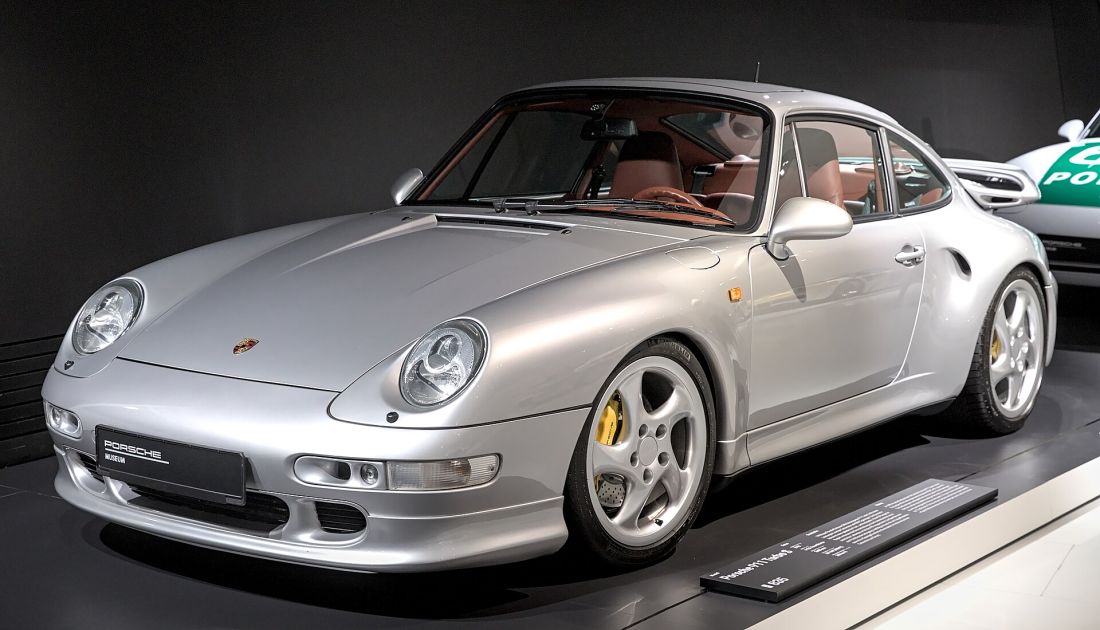
Photo: 1998 Porsche 911 Turbo S by Alexander Migl, CC BY-SA 4.0, via Wikimedia Commons
Some people love comparing every Porsche to the 911. Fair enough, the 911 is a legend. But judging the Boxster only against the 911 misses the point. The Boxster wasn’t there to replace Porsche’s most famous car. It was there to give buyers a different door into the brand. A 911 had rear-engine history, a strong racing image, and decades of loyal fans. The Boxster had a softer starting price, a roof that folded away, and a layout that made it feel beautifully balanced. In a place like Greater Manchester, where one minute you’re crawling through traffic near the Mancunian Way and the next you’re out toward open roads, that mix makes sense.
You don’t always need huge power to enjoy a car. Sometimes you want steering that talks to you, a compact size, and a car that feels right at normal speeds. The early Boxster used a 2.5-litre six-cylinder engine, and later versions brought 2.7-litre and 3.2-litre choices, including the Boxster S. Those numbers sound modest next to today’s wild performance cars, but the car’s balance made it feel alive. It was quick enough to be exciting, without making every drive feel like you were sitting an exam. And that’s a big part of its appeal as a used car now. A good Boxster can make a trip to the shops feel like the long way home was the plan all along. To be honest, that’s what a sports car should do.
The Boxster brought back the joy of the simple roadster
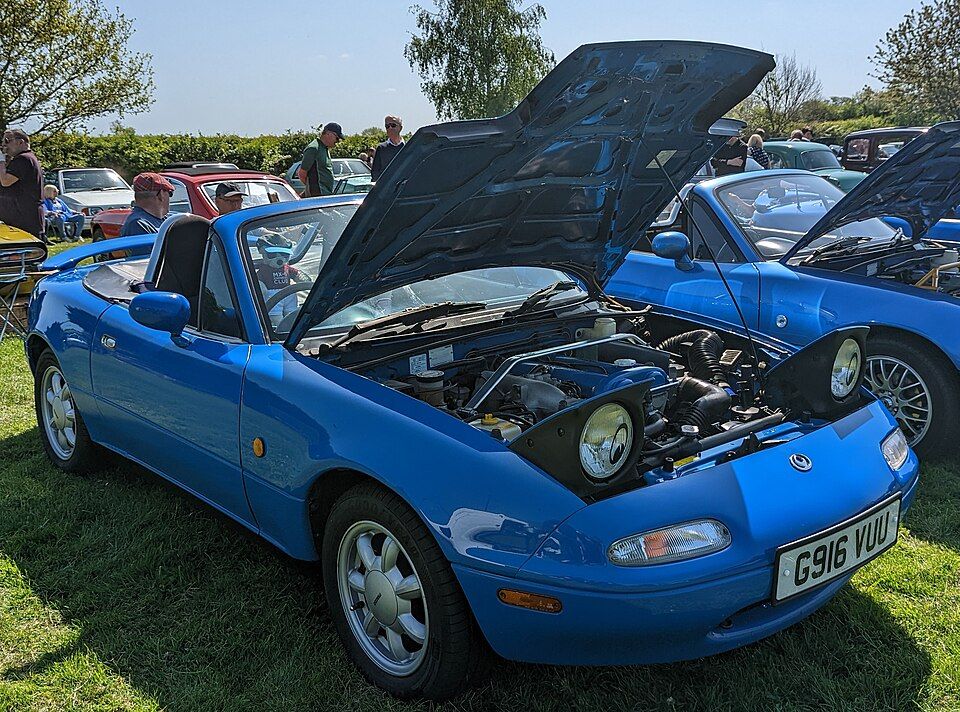
Photo: 1990 Mazda MX-5 by Calreyn88, CC BY-SA 4.0, via Wikimedia Commons
The 1990s had a real thing for small, open-top sports cars. The Mazda MX-5 had shown that people still wanted light, fun roadsters, and Porsche spotted a chance to bring its own history into that space. The Boxster wasn’t a copy of anything, though. It had Porsche’s own flavour. Low seating. Clean lines. The engine sound behind you. A roof that let a bit of weather into the story, because let’s face it, roof-down driving in the North West is always a bit of a gamble. One minute, blue sky over Stockport Viaduct. Next minute, rain that seems to arrive sideways. Still, that’s part of the fun. The Boxster made Porsche feel reachable to more people, but it didn’t make the badge feel watered down. That’s a hard thing to pull off.
Plenty of brands try to make a more affordable model and end up with something that feels like a badge stuck on a lesser car. The Boxster had real engineering behind it. The mid-engine layout wasn’t just there for a brochure line. It changed how the car behaved. The open cabin wasn’t just for posing. It made every drive feel more connected. You heard more. Felt more. Smelled the road after rain, which around Manchester is, well, something you’ll know about. The Boxster gave buyers an emotional reason to care. And car buying is emotional, no matter how sensible we pretend to be. At Dace Motor Company, we see that all the time. People compare prices, mileage, finance, and warranty, yes, but the right car still has to give them that small spark. The Boxster had spark from day one.
What made the first Boxster feel special?
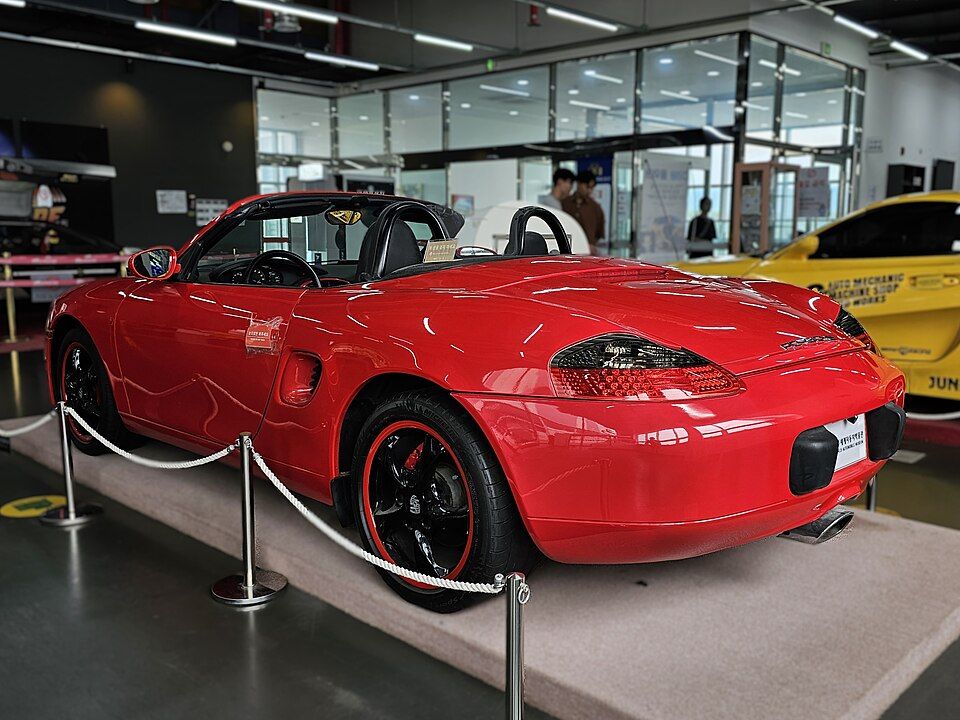
Photo: 1997 Porsche 986 Boxster convertible at Gyeongju World Automobile Museum by Damian B Oh, CC BY-SA 4.0, via Wikimedia Commons.
The first-generation Boxster didn’t need huge wings or wild styling to stand out. Its shape did the work. It was low, smooth, and neat, with those rounded headlamps that later became a talking point because the 996-generation 911 used a similar front look. Some Porsche fans weren’t thrilled about that. Car fans can be a fussy bunch. We’ve seen it all. But from Porsche’s side, sharing parts helped the numbers work, and without the numbers working, there might not have been such a strong Porsche story later on. Inside, the Boxster was snug rather than huge.
You sat low, close to the road, with the sense that the car wrapped around you. It also had two luggage areas, one at the front and one at the back, because the engine sat in the middle. That made it more usable than some people expected. A weekend away? Fine. A couple of bags? Fine. A full flat-pack wardrobe from a furniture shop near Ashton? No. Don’t be daft. But for a sports car, it was handy. The early 2.5-litre car made around 204 horsepower in European figures, with a manual gearbox or an automatic option. Later updates gave the Boxster a bit more muscle, and the Boxster S added a stronger 3.2-litre engine. Still, the headline wasn’t just speed. The headline was feel. The Boxster became known for being friendly, balanced, and easy to enjoy, which is probably why so many drivers still talk about it with real warmth.
The car that changed Porsche’s future
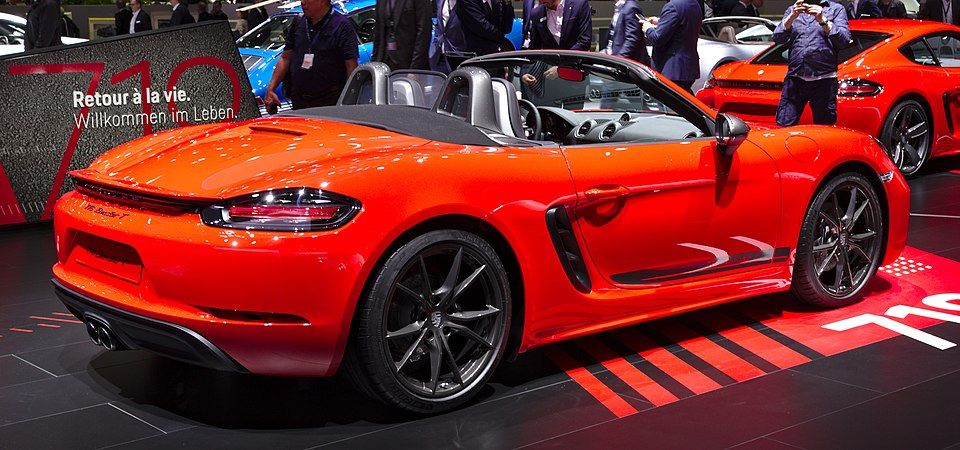
Photo: 2019 Porsche 718 Boxster by Alexander Migl, CC BY-SA 4.0, via Wikimedia Commons.
Here’s where the Boxster’s story gets even bigger. Its success gave Porsche breathing room. That’s the kind of phrase people use in business, but it’s easy enough to picture. Imagine you’re under pressure, bills are piling up, and then something starts working. Suddenly you can think again. You can plan. You can invest. The Boxster helped Porsche do that. It sold well, and for a period before the Cayenne arrived, it was Porsche’s volume star. The Cayenne later changed Porsche again, bringing the brand into the family sport utility vehicle market, but the Boxster came first as the car that helped pull the company back from a rough patch
There’s a lesson in that. Big comebacks don’t always come from the loudest thing in the room. Sometimes they come from a smart idea done well. The Boxster was smaller than a 911, less expensive, and easier to live with, but it had enough Porsche magic to win people over. That magic mattered. It gave buyers the sense that they weren’t settling. They were choosing a different kind of Porsche. And once Porsche proved that it could build a shared-parts sports car without losing its soul, the company had a stronger base for the years that followed. The Boxster didn’t just sell cars. It helped rebuild confidence. For a brand built on confidence, that’s huge.
Why it still matters to used car buyers
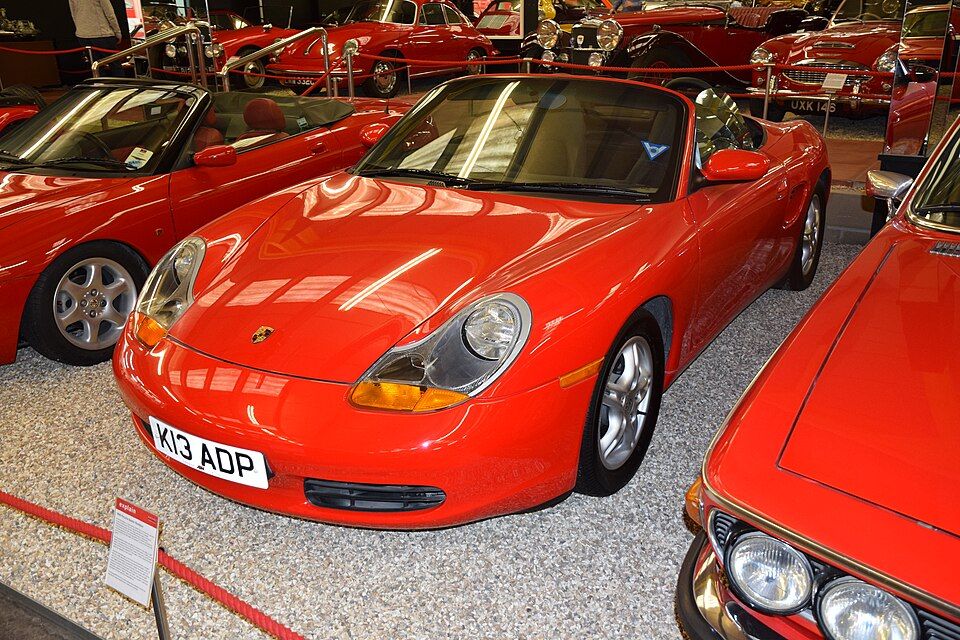
Photo: 1998 Porsche Boxster Roadster at the Haynes International Motor Museum, Sparkford by Hugh Llewelyn from Keynsham, UK, CC BY-SA 2.0, via Wikimedia Commons.
A Porsche Boxster from the 986 years is now old enough to be seen as a modern classic by many drivers, but it can still feel usable rather than precious. That’s a nice sweet spot. You get a car with a proper story, a lovely shape, and a driving feel that still makes sense today. Of course, buyers need to be sensible. Any used sports car deserves careful checks. Service history matters. Condition matters. Tyres, brakes, cooling systems, roof operation, warning lights, and signs of poor past repairs all matter. No fuss. No panic. Just proper checking. At Dace Motor Company, every vehicle we sell is fully HPI checked, and that kind of background check matters because it helps uncover things like outstanding finance, insurance write-off records, mileage issues, and stolen vehicle markers. With a car like a Boxster, or any used performance car, you want the fun without nasty surprises hiding in the glovebox. Finance can be part of the chat too, especially if you want to spread the cost, and a soft search can help you explore options without affecting your credit score. But the bigger point is this: a Boxster should be bought with both heart and head. Heart, because it’s a sports car and you’re allowed to enjoy that. Head, because a poorly chosen one can turn a dream into a headache. The right one, though? That could be a lovely thing to own, especially around our roads, where a compact, balanced car can be far more fun than something massive and shouty.
A Manchester and Stockport kind of sports car?
There’s something about the Boxster that suits real roads. Not perfect roads. Real ones. The kind with tight bends, speed bumps, wet roundabouts, parked vans, and that one pothole you swear wasn’t there yesterday. Around Stockport and Manchester, a huge supercar can feel a bit silly unless you’re just parking it up for people to stare at. A Boxster feels more usable. You could take it from Reddish to Marple, out toward the Peaks, or across to Sale and Altrincham, and it wouldn’t feel like hard work. It’s small enough to place easily, quick enough to make you grin, and special enough to turn a normal drive into something with a bit of theatre. You don’t need to be on a race track. You don’t need to be doing daft speeds. That’s the charm. And maybe that’s why the Boxster still has such a loyal following. It gives you the Porsche feeling in a way that fits normal life. Yes, it has history. Yes, it helped save the company. But it also works as a car you can understand right away. Roof down. Engine behind you. Steering that feels alive. A sense that someone cared about how it would feel on a Tuesday evening, not just how it would look in a magazine photo. That’s rare. And it’s why the Boxster’s place in Porsche history feels earned, not exaggerated.
The Boxster’s comeback story still has a lesson for drivers today
The Porsche Boxster is a reminder that the “smaller” choice isn’t always the lesser one. That’s true with cars, and to be honest, it’s true with lots of things. People can get caught up chasing the biggest engine, the highest badge, the most expensive trim, or the version their mate reckons is best. But the best car is the one that fits your life, your roads, your budget, and the kind of driving you actually enjoy. The Boxster worked because it had a clear purpose. It didn’t pretend to be a family car. It didn’t pretend to be a 911. It didn’t pretend to be sensible in the same way a hatchback is sensible. It was honest about what it was: a compact, open-top Porsche built to make driving feel special. That honesty helped Porsche recover in the 1990s, and it still helps the Boxster feel appealing now. If you’re looking at used cars in Manchester or Stockport, whether it’s a Porsche, BMW, Audi, Mercedes-Benz, Mazda, Toyota, Volkswagen, Ford, or something else entirely, the Boxster story is a useful reminder. Buy the car that makes sense, but don’t ignore the one that makes you smile. The sweet spot is where both meet. That’s where good car buying lives. And the Boxster, back in 1996, found that sweet spot for Porsche at exactly the moment Porsche needed it most.