


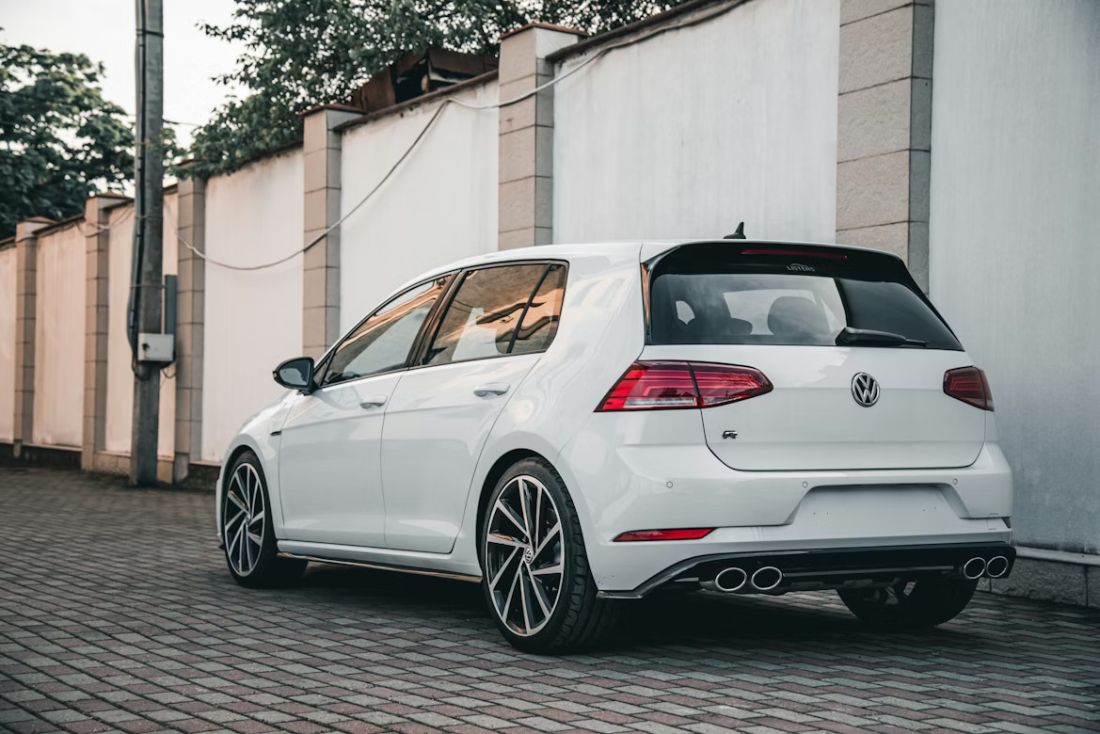
Models That Quietly Became Bestsellers Without Hype
You know those cars you see everywhere, but nobody really makes a big song and dance about them? They’re not the ones plastered across giant billboards on the way past the Trafford Centre. They’re not the “look at me” cars that get everyone arguing online. They’re the cars that just… get on with it. Rainy school run in Stockport. Stop-start traffic on the Mancunian Way. A run up the A6 with a boot full of shopping. And somehow, year after year, they sell in huge numbers anyway. That’s what we mean by “quiet bestsellers.” No hype. No drama. Just a load of people handing over their money because the car makes sense.
At Dace Motor Company, we see this pattern all the time on the used side. The flashier stuff gets the chatter, sure. But the steady sellers are the ones people come back for. They’re easy to live with, easy to park, and easy to trust. And to be honest, a lot of buyers don’t want a “headline” car. They want something that starts in the morning, doesn’t feel like a headache, and fits real life in Greater Manchester. If you’ve ever tried squeezing into a tight spot near Edgeley after work, you’ll get it.
In this post, we’re going to talk about a handful of models that became massive sellers without needing a big hype machine. We’ll keep it simple, and we’ll keep it real. You’ll get the “why people bought loads of these” part, plus what you should check when you’re looking at one used. Because the funny thing is, a quiet bestseller can be a brilliant used buy… but only if you pick a cared-for one. And if you’re thinking about finance, yes, you can do a soft search that won’t dent your credit score while you’re still in the “just looking” phase, which helps you plan without the stress.
Toyota Corolla: the car that just kept winning, year after year
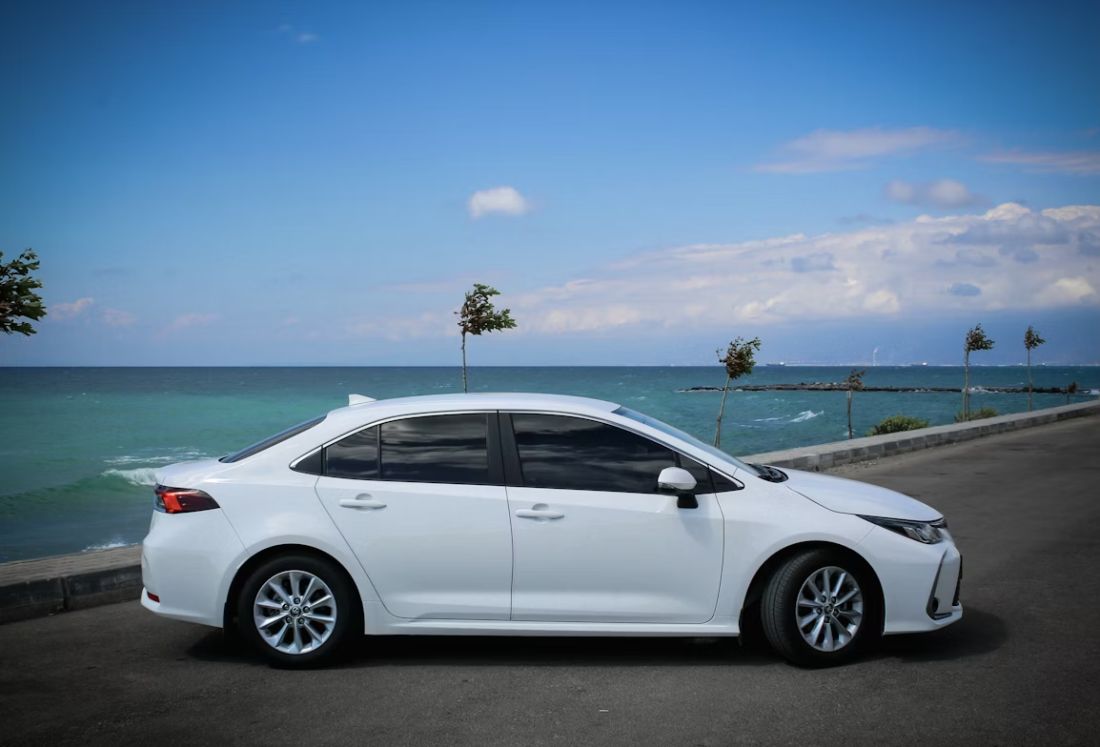
If cars had a “most reliable mate” award, the Toyota Corolla would be up there every single time. It’s not trying to be cool. It’s not trying to be rare. It’s just been quietly sold in massive numbers for decades, and Toyota hit a big milestone in 2021: the 50-millionth Corolla was sold worldwide. That number is honestly hard to picture. Fifty million is like… imagine everyone in England getting a Corolla, and then doing that again and again until you’re bored of counting. That’s why it’s such a perfect example of a quiet bestseller. People didn’t buy it because it was the loudest thing on the road. They bought it because it was the sensible answer.
There’s also a real person behind the early Corolla story. Toyota talks about Tatsuo Hasegawa, the chief engineer who oversaw the Corolla’s development, and he had an aircraft background, which is kind of cool when you think about how much focus went into making things work cleanly. But even if you don’t care about the history bit, the big point is simple: the Corolla earned trust, one owner at a time. That’s how you sell millions without hype. People tell their brother. Their neighbour. Their friend at work. And it keeps rolling.
If you’re looking at a used Corolla around Manchester or Stockport, don’t just assume “it’s a Toyota, it’ll be fine.” Check the service history properly, because the best ones are the ones that had regular care, not just a last-minute fix before selling. Have a look at the tyres too. Uneven wear can hint that the car’s been smacked into kerbs (and let’s face it, we’ve all seen those tight kerbs near busy junctions). On a test drive, listen for clunks over speed bumps and feel for any wobble in the steering. Nothing fancy. Just normal, practical checks. The Corolla’s superpower is being easy to live with, and a good one will feel calm and tidy, not tired and rattly.
Volkswagen Golf: the “everyday” car that became a giant
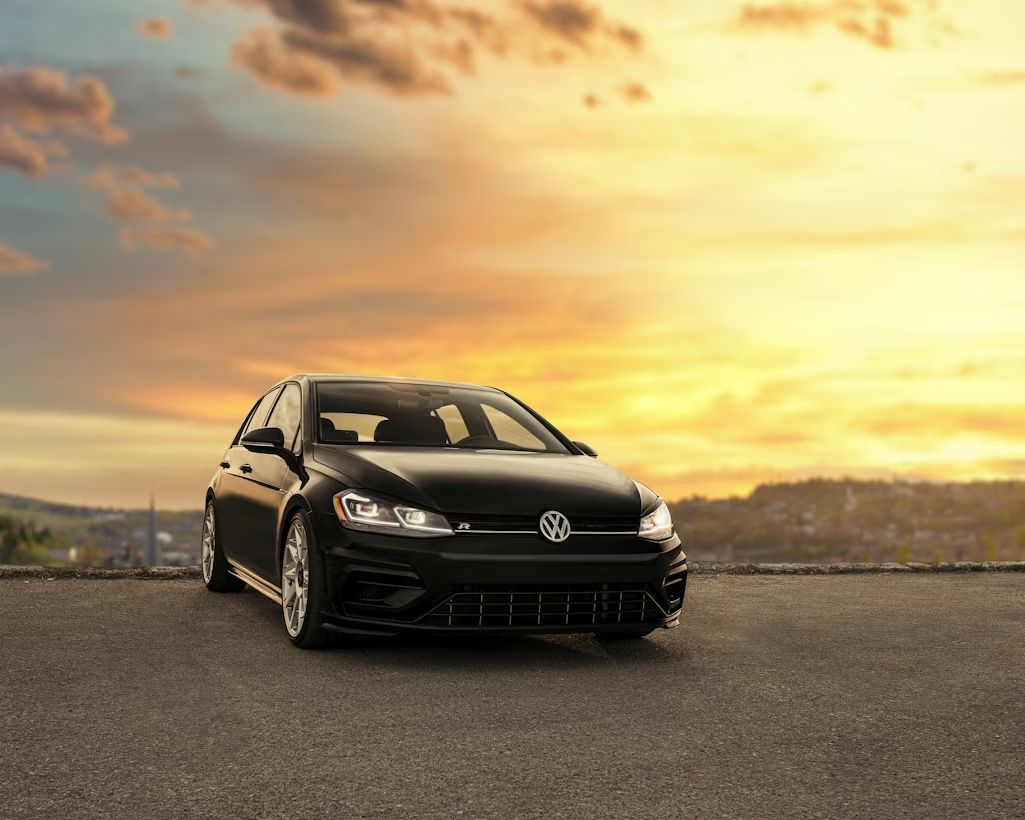
The Volkswagen Golf is funny because it’s so normal-looking that people forget how big its story is. Volkswagen says more than 35 million Golfs have been produced worldwide since the first one. That’s a ridiculous amount of cars, and yet the Golf rarely feels like it’s shouting for attention. It’s the car you spot outside a corner shop, then you spot another one at the next set of lights, then another one outside Old Trafford on match day. It’s everywhere, but it’s never trying too hard.
And yes, there are real names behind it. Volkswagen’s own history pages talk about the first Golf being designed by Giorgetto Giugiaro (working with Volkswagen). That first shape was clean and simple, and the model just kept evolving, staying familiar while still feeling “current enough” for normal people buying normal cars. That’s the quiet bestseller trick: don’t scare people off. Don’t make it weird. Keep it useful.
So why did the Golf sell so well without needing constant hype? Because it hit a sweet spot for loads of drivers. It’s big enough for everyday life, small enough to park without sweating, and it fits loads of different needs. First car. Family runaround. Commuter car. That “do a bit of everything” role is a big deal in places like Manchester where your week can be a mix of city driving, motorway, and back streets with potholes that feel like they’ve been there since the Industrial Revolution.
If you’re buying a used Golf, don’t get distracted by shiny trim bits. Focus on how it drives and how it’s been treated. Make sure the car feels smooth pulling away and doesn’t shudder or feel jumpy. Test all the electrics-windows, lights, heating-because small electrical niggles can be annoying. Look at the body lines and paint in daylight if you can, since car park lights can hide a lot. And if the car’s been driven mainly around town, check the brakes feel clean and strong, not spongy. A good Golf feels “together.” That’s the best way to describe it. No fuss. No weirdness. Just solid.
Ford Fiesta: the sneaky king of British roads
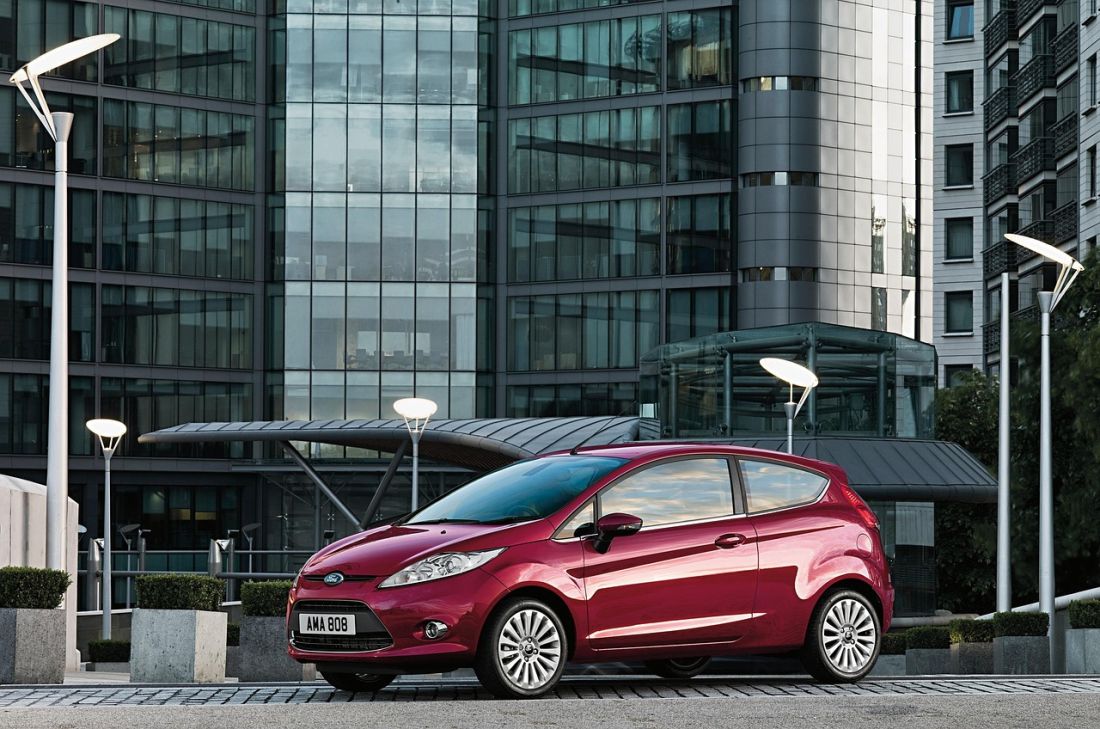
The Ford Fiesta is one of those cars people talk about like it’s just a normal little hatchback, and then you see the numbers and go, “Wait, what?” In 2014, Ford said the Fiesta became the best-selling car of all time in the United Kingdom, passing 4,115,000 registrations since 1976. That’s not a small achievement. That’s a “this car basically lived on our roads” achievement. It also spent a long stretch as the best-selling new car, and the Society of Motor Manufacturers and Traders reported the Fiesta was the best-selling new car in 2010. Yet the Fiesta never really needed to act like a superstar. It just quietly got chosen, again and again.
Why? Because it fits British life. Simple as that. It’s the sort of car that can handle a tight terrace-street parking spot, then pop onto the motorway without feeling out of place. In Manchester, that matters. Some days you’re doing short hops in traffic near Deansgate. Other days you’re looping around the M60. You don’t want a car that feels too big, too delicate, or too awkward. The Fiesta’s “quiet bestseller” vibe comes from being easy to live with, and people don’t always realise how much they value “easy” until they’ve owned something that isn’t.
Used Fiesta shopping tip: don’t just look at mileage and think that tells the whole story. A car with a bit more mileage but a proper service record can be a safer bet than a low-mileage car that’s been ignored. Check the clutch feel on the test drive (it should bite cleanly, not feel like it’s slipping), and listen for knocks from the suspension over rough patches. Manchester roads can be brutal, and you can tell when a car’s had a hard life over potholes and speed bumps. Check for scuffed wheels too-lots of kerb kisses can hint at a driver who wasn’t very gentle. And be honest with yourself about what you need. If it’s mainly city driving, a smooth, tidy runaround matters more than fancy extras you’ll barely use.
Nissan Qashqai: the quiet family favourite built up the road
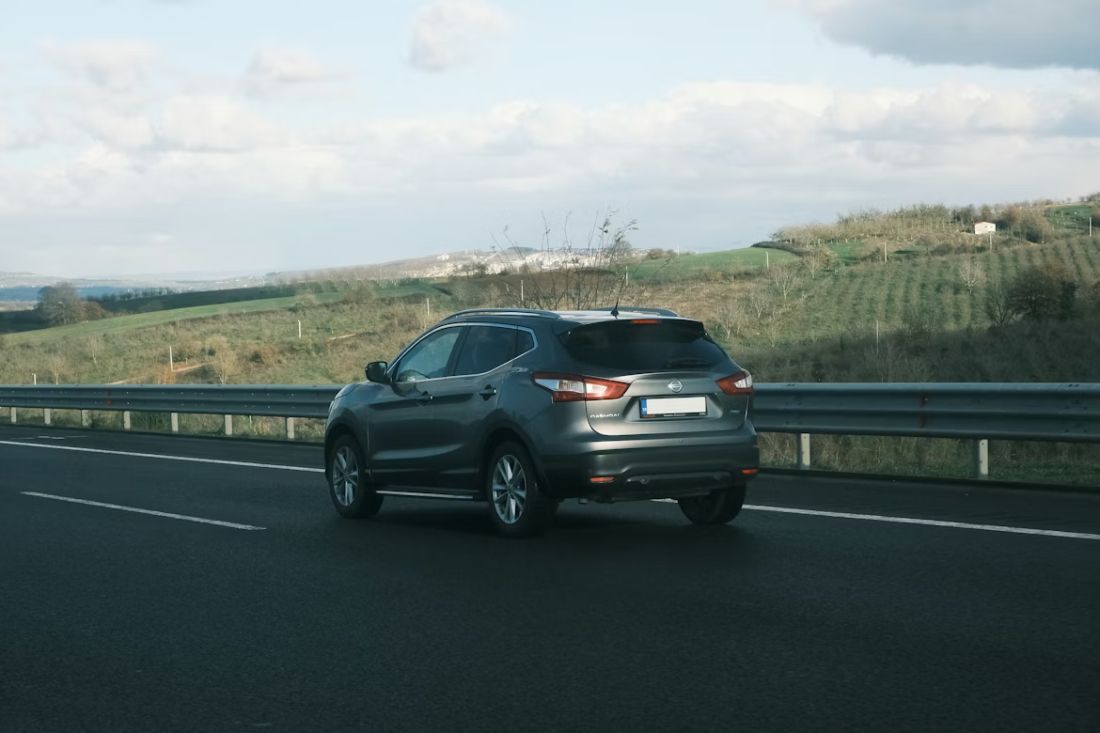
If you’ve lived in the North West for any amount of time, you’ve seen a Nissan Qashqai. Probably today. It’s one of those models that slid into daily life so smoothly that people forget it was a big deal. Nissan has talked for years about production milestones at its Sunderland plant, and in 2018 Nissan announced the three-millionth Qashqai built in the United Kingdom. Three million. From one model line. Built up the road. That’s proper scale. And it didn’t get there by being some wild, attention-grabbing machine. It got there by being the kind of car that makes family life easier without shouting about it.
The “quiet bestseller” recipe here is simple: higher driving position, practical space, not too massive, not too tiny. People like feeling they can see a bit more in traffic, especially in busy areas where lanes appear and disappear like a magic trick. And it’s not just random luck. Nissan was talking about the Qashqai as a new kind of crossover idea back in the early days, and the design side of it has names attached too, like Shiro Nakamura from Nissan Design Europe. But if we strip away the design talk, what buyers cared about was: can it handle the weekly shop, kids, bags, and still feel manageable in a car park? For a lot of people, yes.
If you’re looking at a used Qashqai around Stockport or Manchester, check the basics that matter for a family car. Open and close all the doors and make sure they feel solid. Try the boot. Fold seats if you can. If it’s been used hard, you’ll see it in scuffed plastics and worn seat edges. On the road, listen for any humming or roaring sounds at speed (that can point to tyre issues or wheel bearing wear). Make sure the steering feels straight and the car doesn’t drift, especially on a flatter bit of road. And don’t forget to check that all the driver-assist stuff works as it should if the car has it-cameras and sensors can be expensive to sort out if they’ve been ignored. A good Qashqai should feel like a calm, capable tool for real life, not a tired taxi.
Škoda Octavia: big numbers, low drama, loads of sense
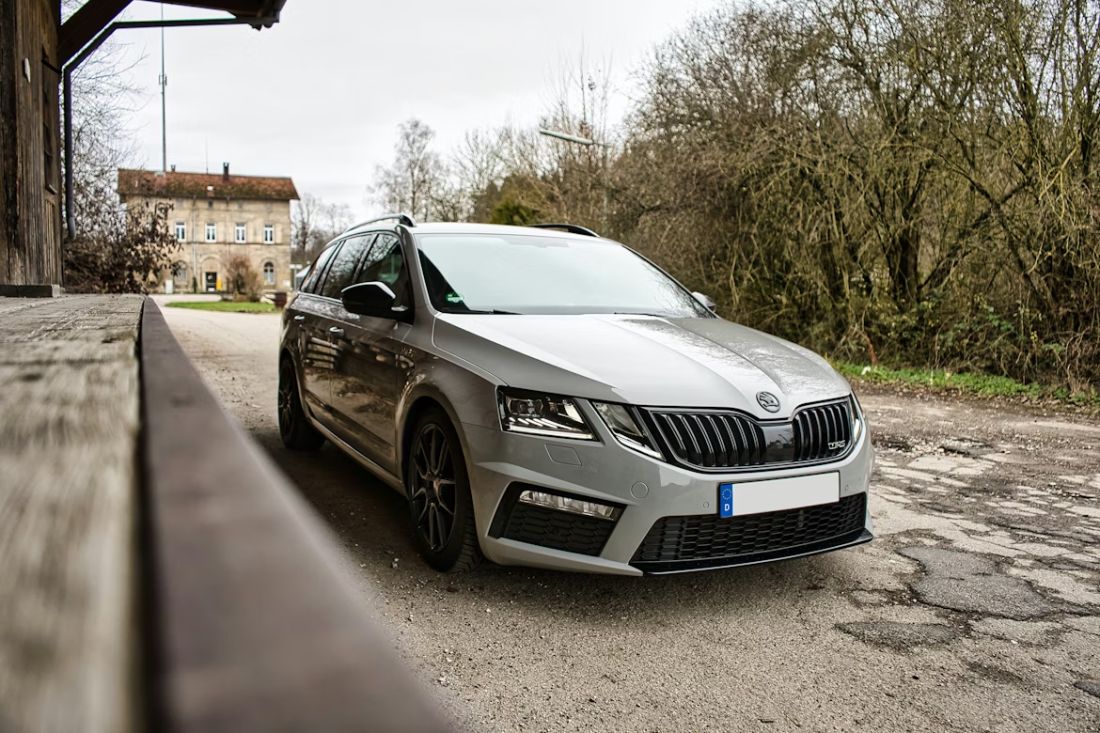
The Škoda Octavia is the sort of car that people underestimate until they’ve sat in one and gone, “Hang on, this is roomy.” It’s a classic quiet bestseller because it wins on the stuff that matters in day-to-day life, not on being flashy. Škoda has said the Octavia passed the seven-million production milestone, with the seven-millionth Octavia rolling off the line. Seven million of one model, and yet it still feels like a bit of an inside secret. That’s the whole vibe of this post.
A lot of Octavia love comes from the way it fits families and work life. Big boot. Comfortable cabin. Straightforward layout. It’s the kind of car that suits someone who drives to sites for work during the week and then does family stuff on the weekend. In the Manchester and Stockport area, you see plenty of them doing exactly that-steady motorway miles, then crawling around town, then back out again. And because it’s such a practical choice, you also see it in company fleets. That helps a model rack up big numbers without needing hype, because fleets don’t buy cars to show off. They buy cars that do the job.
Used Octavia tip: be smart about ex-fleet cars. They can be brilliant buys if they’ve been maintained on schedule, because many company vehicles follow strict servicing. But you still need to check for signs of hard use, like lots of stone chips on the front (motorway life) and worn steering wheels or seats. Check that the air conditioning blows cold, that the car doesn’t pull under braking, and that the boot area hasn’t been battered by heavy gear. On a test drive, it should feel stable and relaxed, like it wants to cruise. If it feels jittery, knocks over bumps, or has warning lights on, walk away. There are plenty of good ones out there, and the whole point of buying a quiet bestseller is getting that calm “this just works” feeling.
Honda Civic: quietly huge, built on trust and consistency
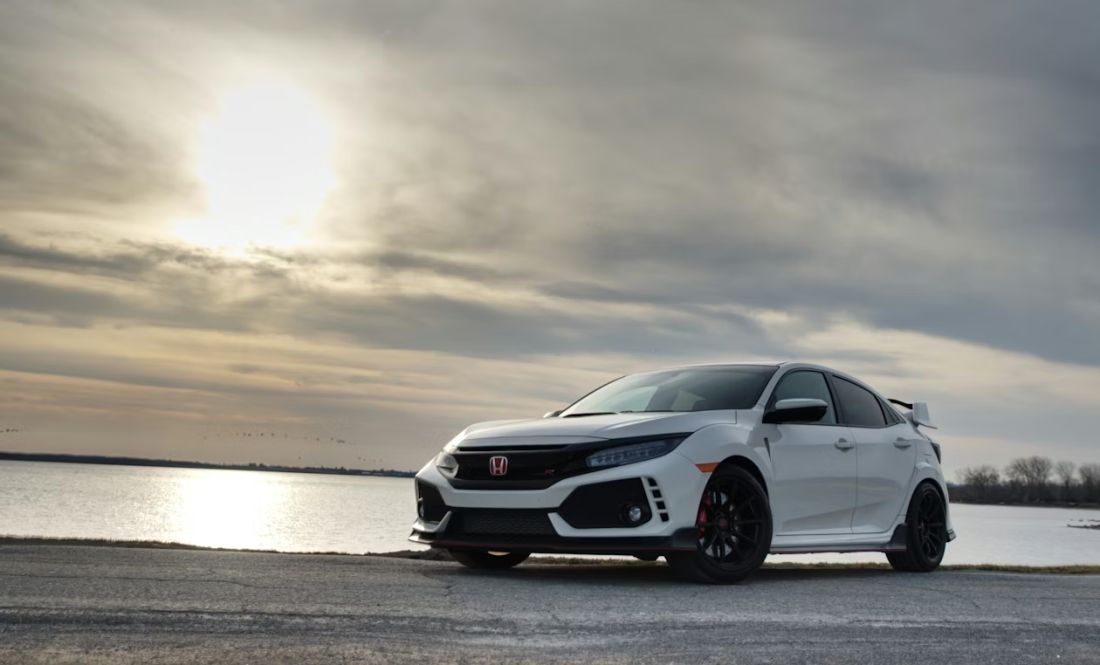
The Honda Civic is one of those cars that people think of as “a normal car,” then you look at the sales history and realise it’s been a monster seller for decades. Honda has said cumulative worldwide sales of the Civic series since 1972 have reached about 27 million units. Twenty-seven million is massive, and yet the Civic doesn’t always get the same loud attention as some other big-name models. It’s another quiet bestseller: it builds a reputation, keeps it, and people keep buying it because they trust it.
It also helps that Honda has a strong identity behind the brand. Soichiro Honda is a real figure people still talk about because the company grew out of a very hands-on engineering mindset. You can feel that in how the Civic tends to be built: it’s meant to be driven every day, without feeling fragile. That’s a big deal in a place like Manchester where the weather, the roads, and the traffic don’t really care about your car’s feelings. You want something that feels like it can take the routine without turning ownership into a constant project.
If you’re buying a used Civic, keep it basic and honest. Check the service record, same as always. Look for smooth running on a cold start, because that’s when problems like misfires show themselves. On the test drive, the Civic should feel clean and responsive, not sluggish or rattly. Check for accident repairs by looking at panel gaps and paint consistency in daylight. And check inside for signs the car’s been driven hard, like worn pedals or a shiny, worn steering wheel on a low-mileage car. That mismatch can be a clue. If everything lines up-history, condition, and how it drives-you can end up with a car that feels like a bargain because the Civic’s “quiet bestseller” status keeps it sensible, not silly.
And if you want to compare a few of these calm, big-selling models back-to-back, that’s where having a big used selection helps. We don’t need to force it, but yes, at Dace Motor Company we’re set up across Stockport and Manchester, so you can see a few options in one trip, take a proper test drive, and make a choice that fits your life rather than somebody else’s idea of what’s trendy.