


Jaguar XJ220: How a 1990s Supercar Became Both a Legend and a Controversy
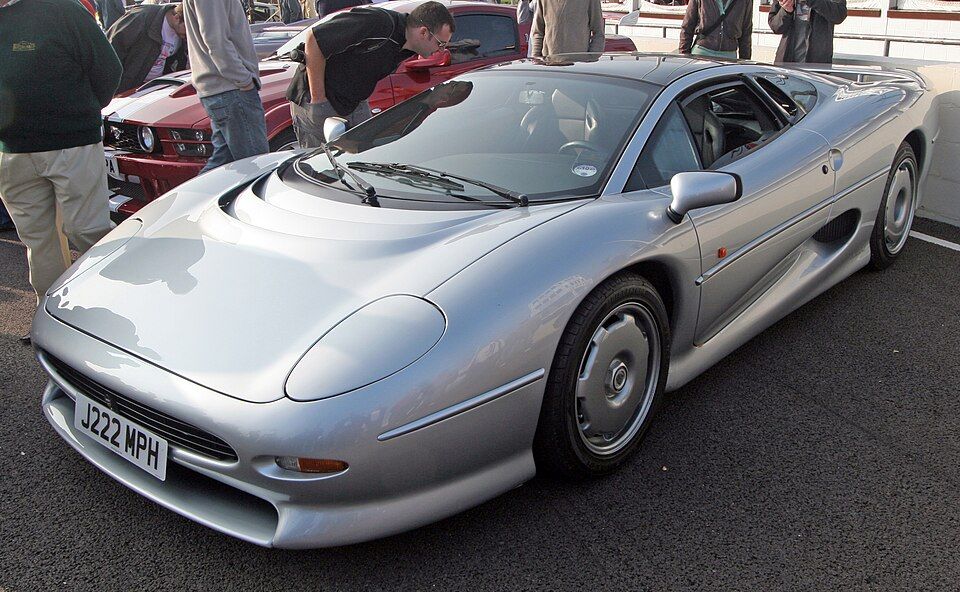
Photo: Jaguar XJ220 by Brian Snelson, CC BY 2.0, via Wikimedia Commons.
Some cars arrive quietly. The Jaguar XJ220 did the complete opposite. When Jaguar showed its silver concept car at the British Motor Show in Birmingham in 1988, it looked like something visitors weren’t prepared for. It was enormously wide, incredibly low, smooth from nose to tail, and nothing like the Jaguar saloons people knew from ordinary roads. Imagine walking through the halls expecting a pleasant day looking at new cars, then seeing a machine shaped like it had slipped out of a film set. That was the effect. Here at Dace Motor Company, we see why cars with a strong story stay in people’s minds, especially around Stockport and Manchester, where a rare car passing through traffic can turn a grey afternoon into a talking point.
If an XJ220 eased along Deansgate, crossed the Mancunian Way or appeared near Stockport Viaduct, phones would be out before it reached the next lights. Back in 1988, that shock was even sharper because the car was fresh, unexpected and proudly British. The idea came from Jaguar chief engineer Jim Randle, while Keith Helfet shaped the body. Jaguar Heritage even tells a lovely detail about an early cardboard centre section, which led Randle to joke that it had been created using “Cardboard Aided Design.”
It began as a show car, a statement of what Jaguar’s people could build when given room to be bold. It wasn’t meant to become a showroom model at first. But people didn’t just admire it and wander off. They wanted one. That reaction moved the XJ220 from a striking display car into a serious production plan, and from that moment the pressure became enormous. A dream had been shown to the public. Buyers expected Jaguar to deliver that dream almost exactly as they had seen it.
Why the XJ220 Name Made a Huge Promise
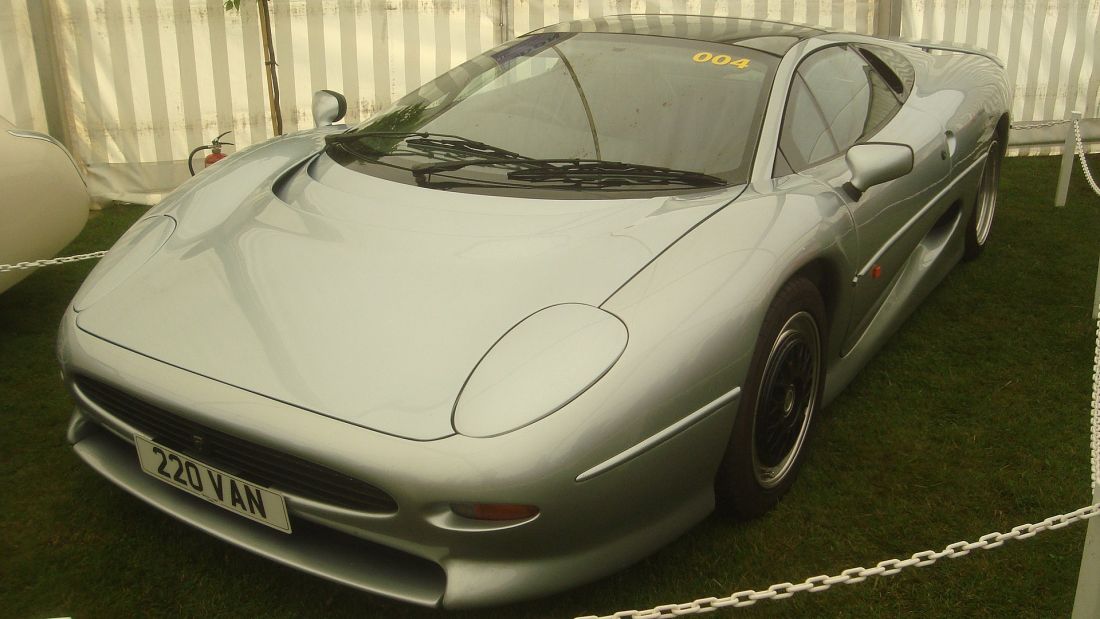
Photo: 1991 Jaguar XJ220 by Kieran White from Manchester, England, CC BY 2.0, via Wikimedia Commons.
The name XJ220 wasn’t chosen because it sounded neat on a badge. The number pointed to the hoped-for top speed of 220 miles per hour. That single choice gave the car a target people could remember, repeat and judge. You didn’t need to know much about engines or racing to get the idea. Two hundred and twenty miles per hour sounded outrageous, and it still does. The concept car gave the promise even greater weight. It used a large twelve-cylinder engine, the sort of engine layout linked with expensive grand touring cars and Jaguar’s racing past, and it sent its drive through all four wheels. In everyday language, that meant buyers saw a car with a big, dramatic engine and a system intended to grip the road through all four tyres. The combination made it feel like Britain’s answer to the era’s most famous supercars.
Jaguar hadn’t just sketched a sleek body and added a brave number. It had brought a complete fantasy to a major show, one that looked ready to challenge the Ferrari F40 and Porsche 959. Demand became hard to ignore. Jaguar approved a limited production project in late 1989, working with Tom Walkinshaw Racing through JaguarSport. People who wanted a place in the queue were asked for a deposit of £50,000. Let’s face it, that wasn’t a casual “maybe I’ll have one” payment. It was the price of a substantial car in its own right, handed over before the final customer XJ220 existed. Buyers were buying into the car’s shape, its headline speed, its twelve-cylinder heart and the sense that they were securing a rare piece of history. That’s where the later row began, even before anyone was angry. The promise had become very detailed in people’s heads. Change one small detail and perhaps they’d shrug. Change the engine and the driven wheels, and those customers were always going to ask serious questions.
The Road Car Was Stunning, but It Wasn’t the Same Car
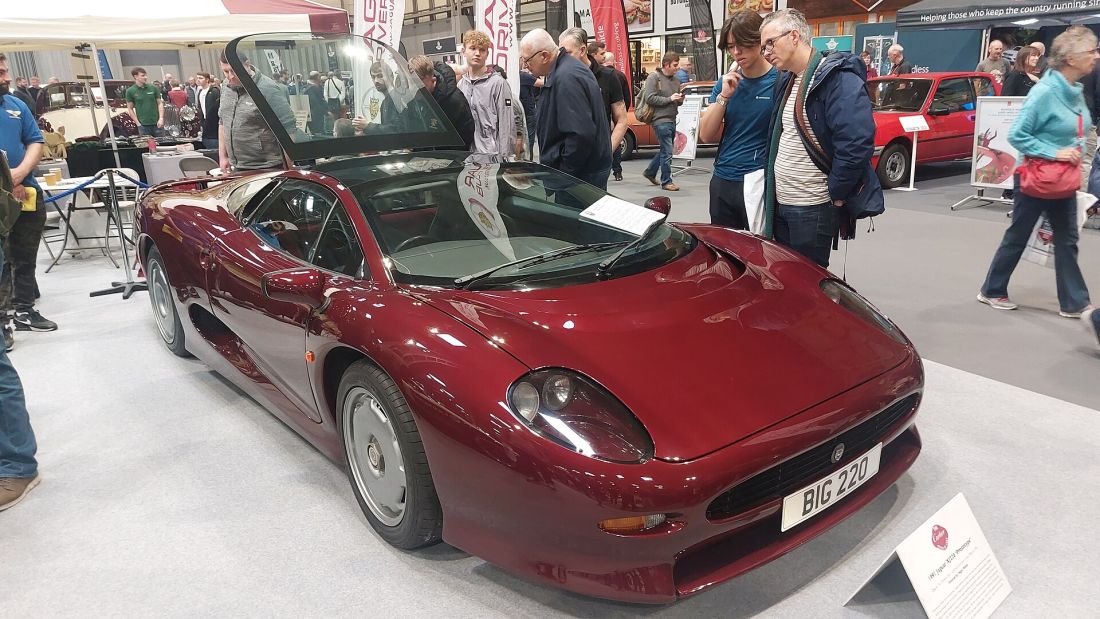
Photo: 1991 Jaguar XJ220 Prototype chassis no 005 by Kieran White from Manchester, England, CC BY 2.0, via Wikimedia Commons.
By the time the production XJ220 was ready, the big surprise was hiding behind the seats. The twelve-cylinder engine from the concept had disappeared. The customer car used a 3.5-litre six-cylinder engine with two turbochargers instead. A turbocharger is a device that helps an engine pull in extra air, letting it make a much stronger push without needing to be physically huge. The production car also drove its rear wheels rather than all four wheels. That change wasn’t a tiny switch buried in a brochure. It altered two features that had helped sell the dream in the first place. Jaguar had sensible engineering reasons. The smaller engine helped make the car shorter and lighter, while meeting rules for road-going exhaust gases was a key concern.
A simpler rear-drive layout also meant less weight and fewer parts. In a practical meeting room, those arguments can sound convincing. In the mind of someone who had put down a deposit after seeing a twelve-cylinder, four-wheel-drive showpiece, they sounded very different. Picture ordering the most exciting birthday cake imaginable after seeing a towering display in the bakery window, then collecting a smaller cake with a new flavour. It might taste brilliant. It might even be easier to carry home. But it isn’t the exact thing that made you reach for your wallet. That was the XJ220 problem in a nutshell. The final car wasn’t some poor substitute. Far from it. It remained long, beautiful and stunningly quick. Yet the first car had set an emotional trap. Many buyers didn’t want an explanation about weight, packaging or exhaust rules; they wanted the car they believed Jaguar had promised. Even now, people argue about whether the production car should be judged on its own ability or against the concept that came first. The honest answer is that both views matter. The final car was remarkable. The switch still stung.
Then It Went Fast Enough to Silence Almost Everyone
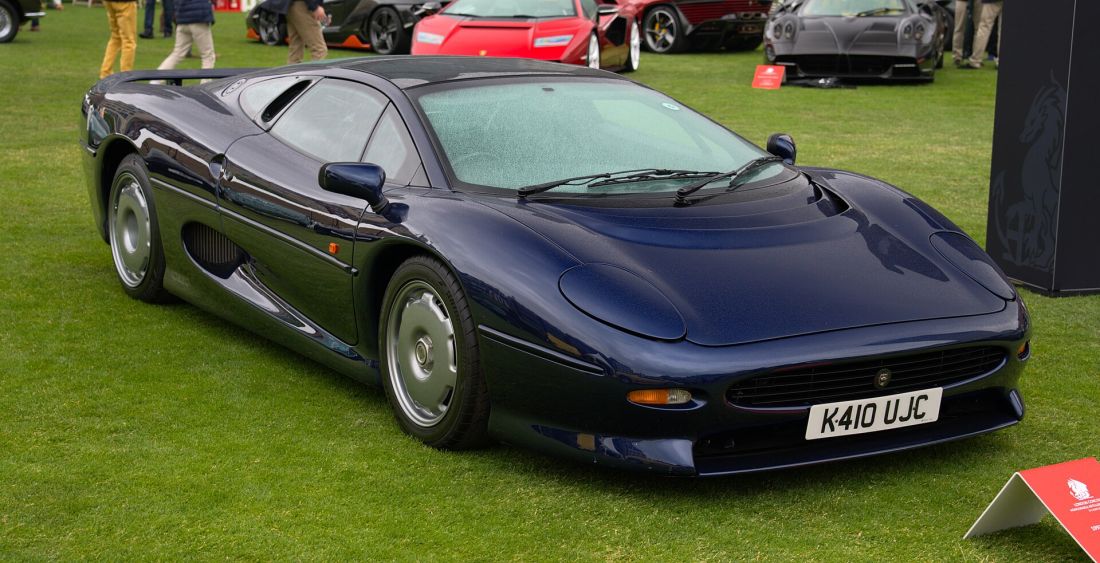
Photo: 1992 Jaguar XJ220 by MrWalkr, CC BY-SA 4.0, via Wikimedia Commons.
Here’s the twist: the changed XJ220 was breathtakingly quick. Jaguar’s archive states that, when launched in 1992, it reached about 213 miles per hour and held the highest maximum speed of any production car at that time. The same official account says its aluminium honeycomb structure kept weight to just 1,470 kilograms, despite a body that looked almost as long as a narrow terraced house frontage. It also reached 60 miles per hour in under four seconds. For a simple comparison, imagine standing beside the road as a car moves from stillness to motorway pace before you’ve finished reading a short shop sign. That sort of speed can make your stomach feel as if it has missed a step. And it came from the engine that had caused so much complaint. There’s an important difference between the numbers people quote, too.
The normal road-car claim sits around 213 miles per hour, supported by Jaguar Heritage and Jaguar’s media archive. During later high-speed running, an XJ220 reached roughly 217 miles per hour after changes were made for the attempt, including removing its catalytic converters, which are exhaust parts that help clean gases before they leave the car. So, the XJ220 didn’t quite reach the 220 written into its name in normal road form. Yet missing that target by seven miles per hour hardly turned it into a failure. At the time, it had reached a height other road cars had not. Picture it heading across a closed runway, low body settled, the driver focused far into the distance, with the speed climbing past 200. That image helped repair some of the damage caused by the production changes. People could complain about what Jaguar removed, and many did. But they couldn’t fairly call the finished car slow, timid or forgettable. The smaller engine had arrived under a cloud, then gave the XJ220 a record-setting chapter of its own.
The Deposits, the Price and the Courtroom Row
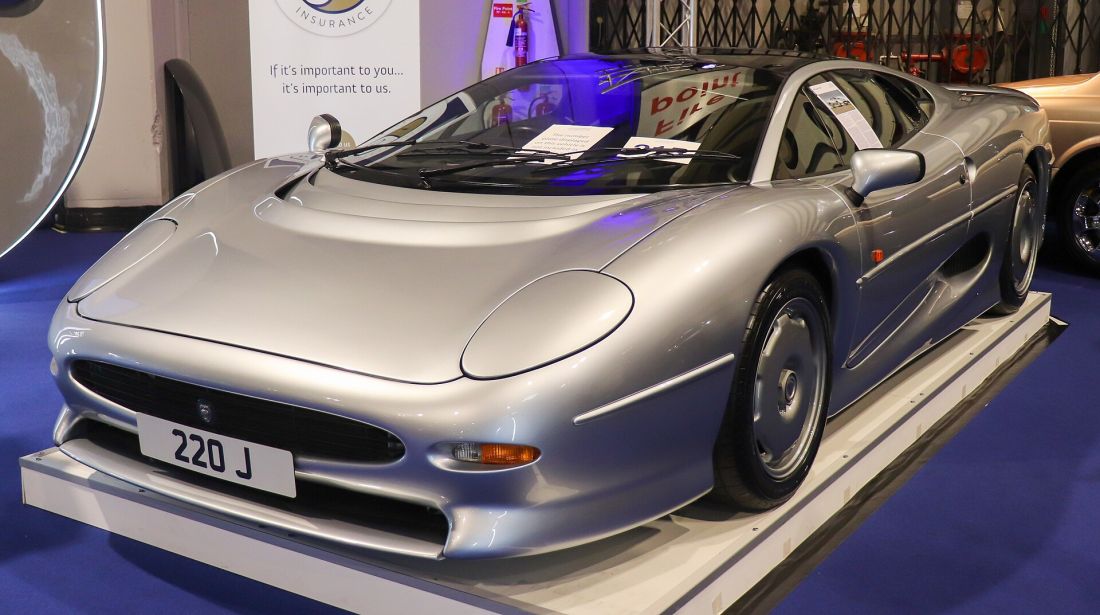
Photo: 1993 Jaguar XJ220 by Vauxford, CC BY-SA 4.0, via Wikimedia Commons.
A supercar can be beautiful and still arrive at exactly the wrong moment. The XJ220 did. During the excitement of the late 1980s, rare exotic cars attracted buyers who loved cars, buyers who wanted an exclusive toy, and buyers who hoped a limited model would rise in value before they had even collected it. Then the early 1990s brought a hard financial slump. Expensive cars became harder to sell, confidence fell, and anyone expecting an easy profit had a nasty shock. Add the production changes, and the queue of eager XJ220 customers became far less comfortable. Jaguar’s 2012 archive release says the first customer car was completed in June 1992 with a retail price of £470,000. Jaguar Heritage gives a published new price of £400,000, so there are two official figures in circulation, likely reflecting different descriptions of price and timing. Either figure was colossal. A person in Stockport could have bought property for that kind of money in the early 1990s, rather than one two-seat car.
Jaguar Heritage’s feature on the period recounts that Jaguar issued legal claims against wealthy deposit holders who tried to get out of buying an XJ220, while the customers threatened action of their own. Their complaints included the changed specification and the effect of another rare Jaguar-linked supercar, the XJR-15, on the XJ220’s appeal. To be honest, this is the part of the story that gives the car its bruised reputation. People don’t like feeling that the item they reserved has shifted under their feet, especially when the bill is enormous. Yet Jaguar had also completed a hugely costly engineering project and expected signed buyers to keep their agreements. No neat cartoon villain appears here. Jaguar had a car to sell; buyers had expectations and a worsening market. The result was a famous car wrapped in a dispute that stayed in conversation almost as long as its speed record.
How Many XJ220s Were Built? Even Jaguar Sources Differ
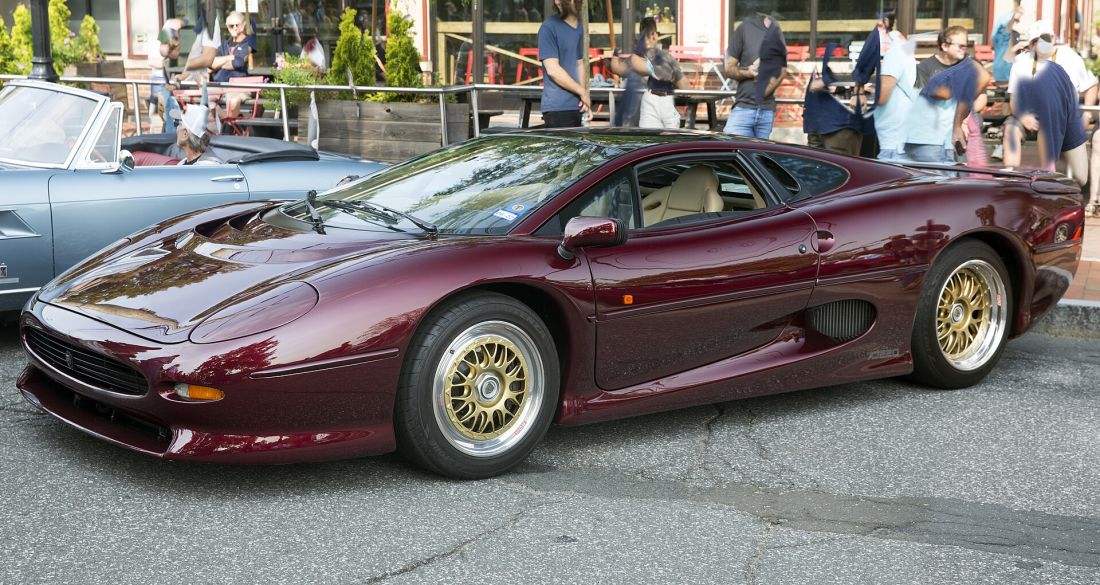
Photo: 1993 Jaguar XJ220 by Mr.choppers, CC BY-SA 3.0, via Wikimedia Commons.
With very rare cars, a small number matters. One extra car can change how collectors speak about a model, and a difference of six cars is enough to cause debate. Here, the safest approach is to be open about what the sources say. Jaguar’s media archive stated in 2012 that production ceased in 1994 after 275 cars had been built. The Jaguar Daimler Heritage Trust page says that 281 XJ220 cars were produced from 1992 to 1994 by JaguarSport at Bloxham in Oxfordshire. Those figures aren’t identical, and there’s no need to pretend they are. Counts for rare cars can vary because one source may include pre-production cars or vehicles kept for testing while another may focus on customer production examples. Without a line-by-line factory ledger in front of us, the honest summary is that fewer than 300 XJ220s were made, with Jaguar-linked records giving totals of 275 and 281. Either way, that makes one an extraordinary sight.
Think about the number of used cars you pass in a week around Greater Manchester: family hatchbacks by the retail parks, delivery vans moving through Eccles, commuter cars threading along the A6, taxis near Piccadilly. You could look for years without catching an XJ220 in regular traffic. Its rarity became part of its charm, especially after values and opinions recovered from the early criticism. Each production car was hand-built at Bloxham, and its long shape remains immediately recognisable. It has no need for an oversized badge or loud paint to make people look twice. The proportions do the job: huge width, low roof, long tail and curved glass that makes the cabin feel tucked inside the body. Back when buyers were upset, rarity may have looked like a sign of weak demand. Seen from today, it is part of the reason an XJ220 draws such intense attention whenever one leaves a collection and appears at a show or on the road.
Le Mans Added Glory, Then Took It Away
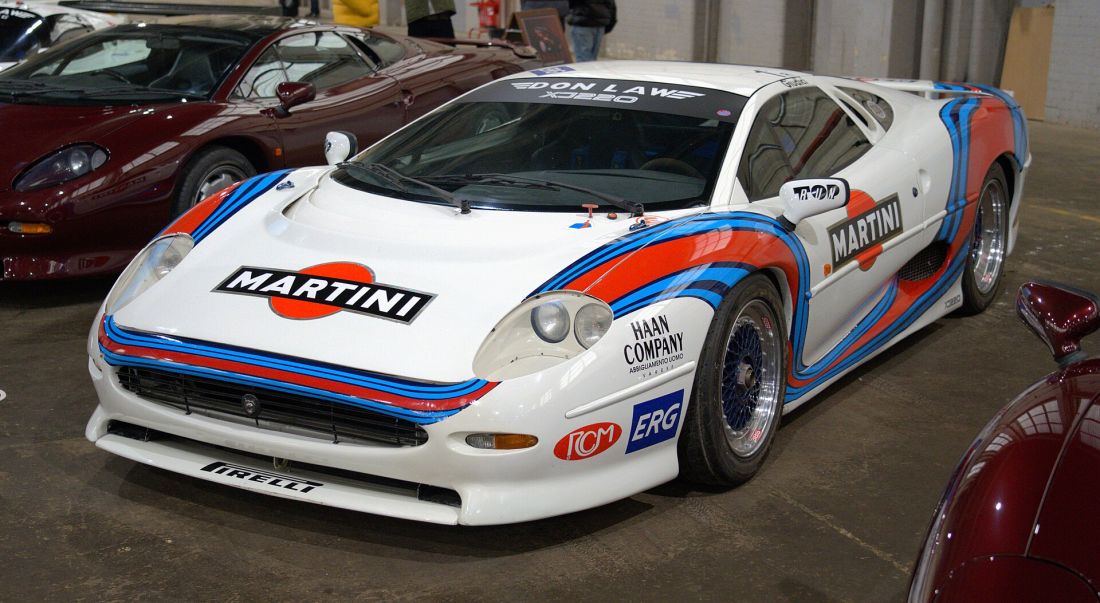
Photo: 1993 Jaguar XJ220 by MrWalkr, CC BY-SA 4.0, via Wikimedia Commons.
The XJ220 story would already have enough twists without racing, but the car went to Le Mans and somehow found fresh drama there. Le Mans is a twenty-four-hour race in France where cars run through daylight, darkness and morning again. Speed counts, of course, but so do brakes, tyres, fuel stops, repairs and the ability to avoid a small failure that ends a whole weekend. In 1993, three racing XJ220 C cars entered the event. One of them, driven by David Brabham, John Nielsen and David Coulthard, crossed the line first in its class and fifteenth overall. For Jaguar fans, it seemed like the perfect reply to doubters: the road car might have caused arguments, but the racing version had delivered on a huge stage. Then the celebration fell apart. According to a detailed history of the race car, officials had questioned the exhaust arrangement before the race because the cars ran without catalytic converters, unlike the road car. The Jaguars were allowed to start while the issue was under appeal.
A month after the race, the cars were disqualified because the appeal was judged not to have been lodged in time, even though the argument over the exhaust rules was far from simple. That is an almost painfully fitting chapter for the XJ220. Again, the car proved what it could do. Again, a disagreement about equipment and rules pulled attention away from the result. Imagine your local side winning a cup final at Wembley, celebrating for weeks, then being told the trophy no longer counted because a form had arrived late. Fans would talk about it for decades. XJ220 followers do much the same. The Le Mans result doesn’t appear in the record book as a class win, yet the race still strengthened the car’s legend because it showed the speed and toughness hidden beneath all the arguments.
Why People Are Kinder to the XJ220 Now
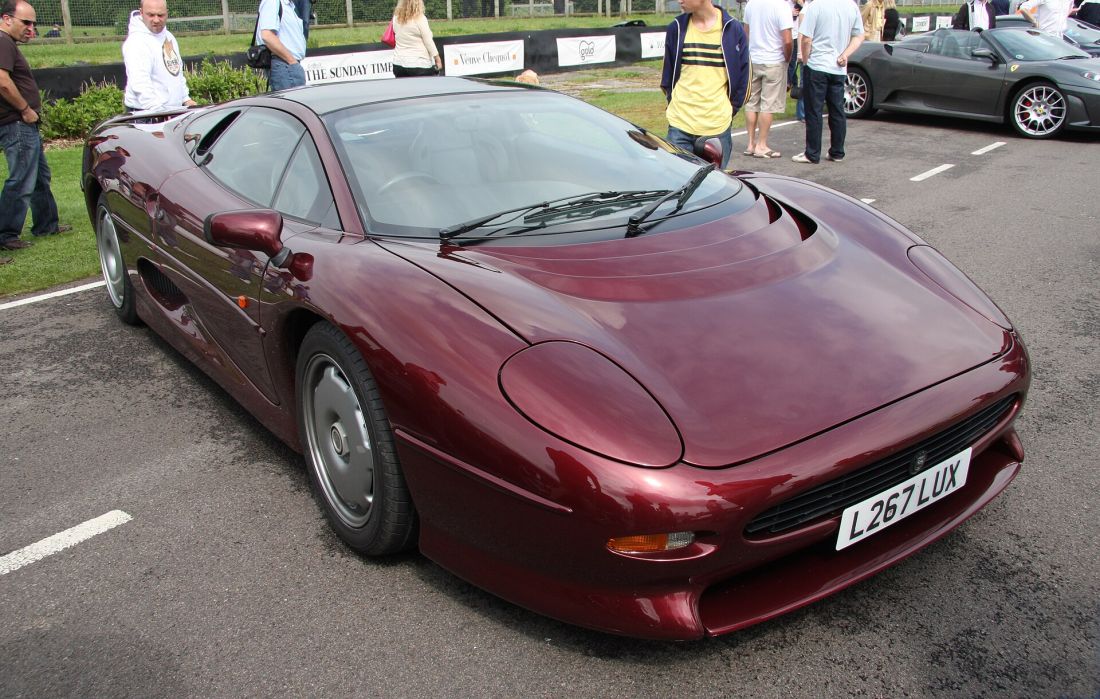
Photo: Jaguar XJ 220 by Brian Snelson from Hockley, Essex, England, CC BY 2.0, via Wikimedia Commons.
Cars are judged differently once the invoices, deposits and fresh disappointment belong to the past. In 1992, a buyer may have looked at the XJ220 and seen a painful price, a changed car and a market that no longer made the purchase feel safe. Today, most people see something else first: that shape. The silver body still looks wonderfully clean, with curves that haven’t aged like many loud 1990s designs. It feels dramatic without needing fins, giant air scoops or styling tricks shouting for attention. Then there’s the achievement. A British-built road car, assembled in very small numbers, ran at around 213 miles per hour in the early 1990s. It did so with a six-cylinder engine many people had dismissed simply because it wasn’t the twelve-cylinder unit they wanted. That reversal is part of why the XJ220 is so interesting. The feature that caused annoyance also helped the final car become fast enough to earn a headline place in motoring history.
We shouldn’t erase the buyers’ complaints. They had fair reasons to feel upset when the finished car differed so much from the show car. But neither should we let those complaints block the view of what Jaguar achieved. A good car story doesn’t need everyone to agree. Around Stockport and Manchester, where people know the pleasure of spotting something special on an ordinary day, an XJ220 would still stop conversations in a car park or turn heads outside a café. You don’t need to own one to feel the appeal. You simply need to see the roofline, the broad rear and that long, silver sweep disappearing up the road. The controversy explains why the XJ220 had a difficult start. The car itself explains why people kept caring after the argument had cooled.
A Jaguar That Is Better Because Its Story Isn’t Neat
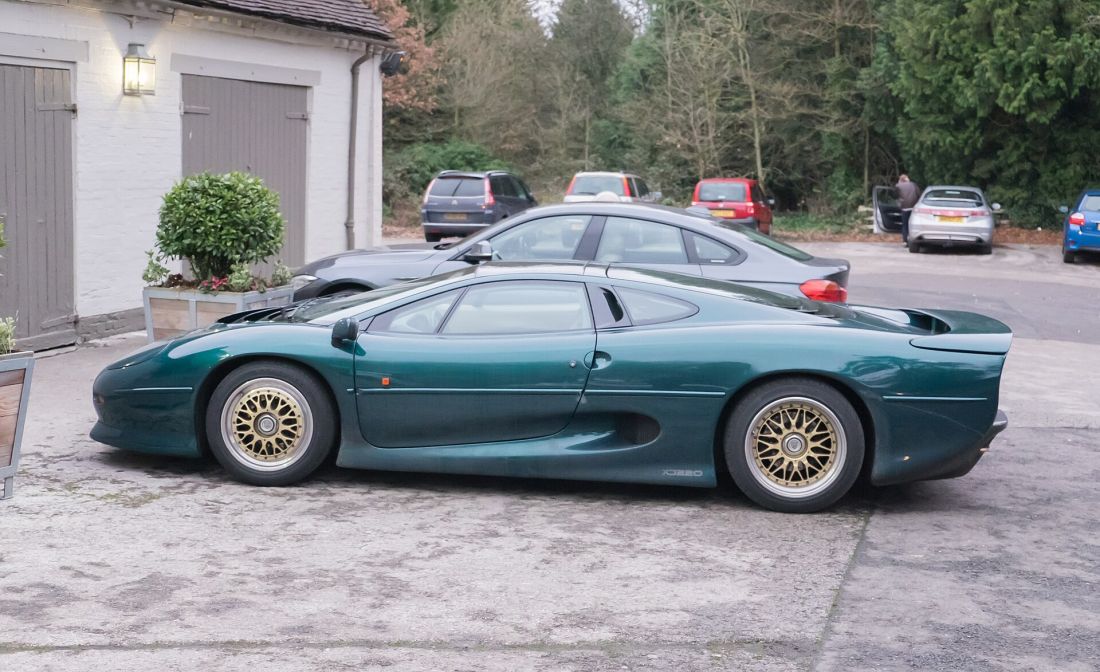
Photo: 1997 Jaguar XJ220 by DeFacto, CC BY-SA 4.0, via Wikimedia Commons.
Some famous cars are remembered for one simple reason. They won races. They sold in huge numbers. They appeared in a film. The Jaguar XJ220 isn’t that easy to sum up, and that’s exactly why it has stayed interesting. It began with engineers creating an astonishing concept that Jaguar never first planned to sell. It drew crowds, attracted large deposits and made a bold claim through its very name. Then real production changed the plan: six cylinders instead of twelve, rear-wheel drive instead of four driven wheels, and a finished bill that arrived in an unfriendly economy. Buyers pushed back. Lawyers became involved. The press had a story it could keep returning to. And then, almost inconveniently for anyone ready to dismiss it, the final car was magnificent at what it did. It was rare, extremely fast and beautiful from nearly every angle.
Its Le Mans chapter followed the same pattern: a class finish worth celebrating, followed by a disqualification that kept the debate alive. In a funny way, a perfectly calm launch might have made the XJ220 less memorable. A neat car can be admired and then put away in the mind. The XJ220 asks questions every time it’s discussed. Was it fair for buyers to expect the concept specification? Yes. Was Jaguar’s production car still a major achievement? Yes again. Did the loss of the twelve-cylinder engine ruin it? For some buyers then, perhaps. For most fans looking at it now, clearly not. That’s the beauty of this Jaguar. It isn’t famous despite the argument. The argument, the speed, the racing disappointment and the sweeping shape all sit together. So, if you ever see one at a show, or perhaps on a very lucky day somewhere near Manchester or Stockport, take a proper look. You’re not just looking at a rare supercar. You’re looking at one of Britain’s most fascinating automotive debates, formed in aluminium and still impossible to ignore.