


How to Decode a VIN: What Every Used Car Buyer Should Know
So… What’s a VIN, and Why Should You Care?
Alright, imagine this. You're standing in front of a shiny used BMW at Dace Motor Group’s German Car Centre on Manchester Road. It looks spotless. It sounds lovely. The seats are clean, the tyres are decent, and the price looks fair. But here's the thing: how do you really know where that car’s been? Has it had three owners or thirteen? Was it ever written off and brought back to life? Is the mileage genuine? Has it been to places it shouldn’t have? That’s where the VIN comes in. VIN stands for Vehicle Identification Number. And yeah, it might sound boring-like something hidden in small print-but trust us, this little 17-character code is your car’s fingerprint. No two are the same. It tells a story. A long story. You just need to know how to read it. We’re not saying you need to become some kind of car detective, but a bit of VIN know-how can save you a lot of bother. Especially if you’re browsing through our stock at Greg Street in Stockport or one of our Specialist Centres. We see all sorts come through the gates-Alfas, Audis, Peugeots, even the odd Lexus that looks like it’s been polished by angels. So if you’re thinking about buying a used car, knowing how to spot what a VIN can tell you is kind of like knowing where to check for loose tiles when you’re buying a house. It’s not glamorous, but it’s useful. And honestly, once you’ve cracked the code a couple of times, it becomes second nature. Let’s break it down, step by step. And don’t worry-we’re not gonna get all textbook on you.
The VIN Is Hiding in Plain Sight
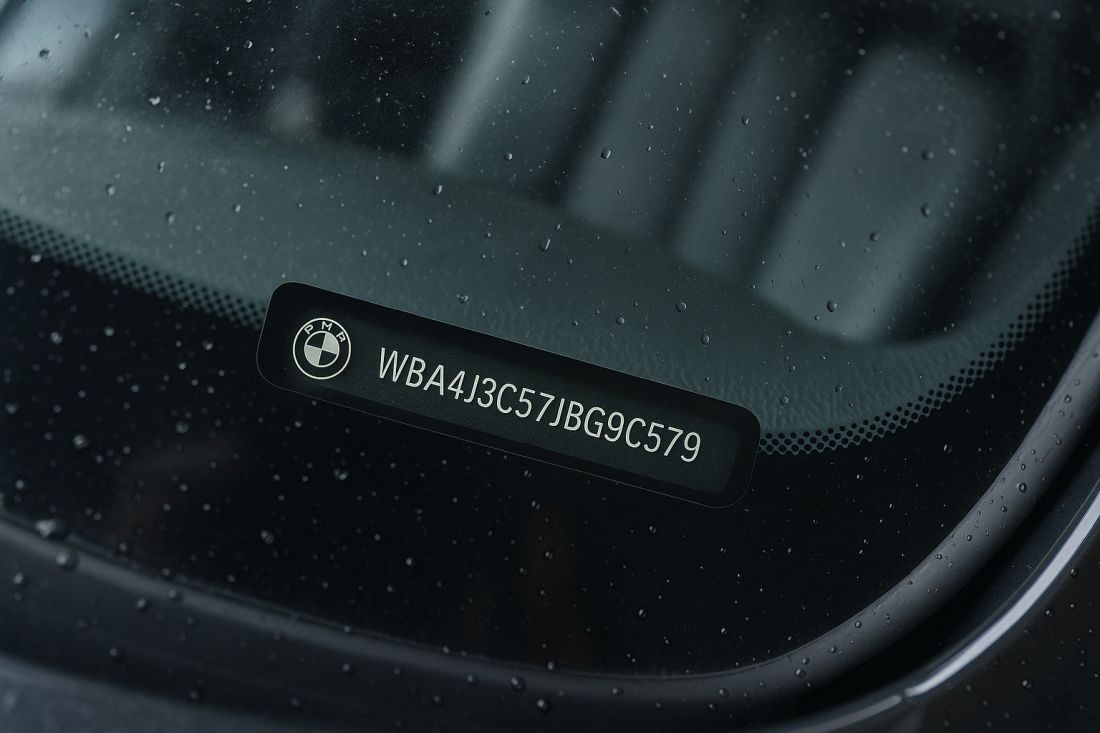
First thing you need to know? The VIN isn’t buried deep in the engine like some secret chamber-it’s actually pretty easy to spot. Most cars have it in a few places, but the most common spot is at the bottom of the windscreen on the driver’s side. You’ll usually see it on a little metal plate behind the glass. Sometimes it’s on the driver’s door frame or under the bonnet too. It’s just 17 characters. But they pack in a lot of info.
Here's an example: WBA3C1C59FK123456
Looks like gibberish, right? Nah, not really. It’s a code. And once you know what each part means, it starts making sense. Think of it like breaking down a postcode-you know how M20 gets you to Didsbury and SK5 takes you into Reddish? Same vibe. Each chunk of the VIN tells you something different about the car. The first three characters are about where the car was built and by which company. That "WBA" up there? That means it’s a BMW made in Germany. Clever, right? After that, the next bit gives you info about the car model, engine type, and stuff like that. Kind of like the car’s birth certificate. Then there’s a check digit-sort of like a password, really. It’s how systems know the VIN’s legit and not made up. Following that, you get the year the car was made and the factory where it was built. The last few digits are the serial number-so think of that like the car’s individual name tag. All this might sound a bit geeky, but once you’ve done it once or twice, it’s honestly no harder than reading your Wi-Fi password. And the best bit? You can look it up online for free.
What You Can Learn From a VIN (And Why You’d Want To)
Now let’s get into the real reason we’re talking about this-what you can actually find out from a VIN. And let’s be honest, it’s more than you'd expect from a bunch of numbers and letters. For starters, you can check the make, model, and year. Handy when you’re looking at listings online, right? We’ve had customers walk into our showroom thinking they’re looking at a 2019 Fiesta, only to find out from the VIN it was actually built in late 2017. It’s not a con-some cars just sit in stock for a while before they’re sold. But still, wouldn’t you want to know? Then there’s the issue of recalls. Manufacturers don’t always shout about those from the rooftops. But if you punch the VIN into a recall checker, it'll tell you if the car’s ever been called in to fix something. Think airbags, seatbelts, or dodgy electronics. One of the big ones, though, is checking if the car’s ever been written off. This is huge. Just because a car looks alright now doesn’t mean it hasn’t had a rough past. At Dace, we HPI check every car, so you don’t have to worry. But if you’re buying privately or from a seller with a dodgy reputation, a VIN check can tell you if the car’s ever been involved in a serious crash or had insurance pay out on it. You can also spot mileage tampering. Bit of a cheeky one, this. If a car’s VIN history says it had 90,000 miles three years ago and now it’s magically down to 45,000-well, something’s fishy, isn’t it? And let’s not forget-you can even check if the car’s stolen. Yep, that happens more than you think, even around Stockport and Manchester. We’ve had a few come through our doors before we had the chance to get them checked, and you’d be surprised how well some stolen cars are disguised. The VIN is how the police and DVLA track 'em.
How to Check a VIN Without Making It a Chore

Alright, so you’re not a mechanic. You don’t want to spend your Saturday evening decoding VINs like Sherlock Holmes. We get that. But checking one doesn’t have to be hard. Here’s the lazy person’s method-and we say that with love. First, take a photo of the VIN on your phone. Easy. Then, use a free VIN decoder website. There’s loads of them-AutoCheck, CarVertical, even the RAC has one. Just Google "VIN check UK" and off you go. Some of them give you basic info for free-like make, model, build year, engine type. That’s usually enough for a quick check. If you want the full works (accident history, recalls, theft checks), you might have to pay a few quid. But honestly? It’s peanuts compared to the trouble you can dodge. And if you’re buying from Dace Motor Group, the good news is-you won’t have to do any of this. Every car we sell is already checked. We HPI every single one. We even give you a full printout if you want it. And if you’re not sure how to read something, our team will talk you through it. No pressure, no eye-rolling. Just straight answers. If you’re coming down to one of our showrooms-like the big one on Greg Street, or the one on Buxton Road in Stockport-our team’s always up for a chat. We’ve been doing this for over 25 years, and honestly, we’ve seen just about everything. Bent VIN plates, dodgy paperwork, fake logbooks. You name it. We’ve dealt with it.
Why All This Matters More Than You Think
Look, we know most people don’t wake up thinking, "Today I’m going to decode a VIN." You probably just want a decent car that won’t give you a headache. Something you can drive to work in. Or take the kids to football on Sunday. Or just nip to Tesco without wondering if the engine's going to fall out. But buying a used car is still a big deal. Whether it’s a £4K runaround or a £30K SUV, it’s your money-and you want to know what you’re getting. The VIN gives you a peek behind the curtain. It’s like reading the footnotes before you sign the contract. At Dace Motor Company, we’re big on transparency. It’s why we price-check our cars daily. It’s why we offer an in-house warranty-no third-party runaround. And it’s why we’re Trading Standards Approved. We want you to feel confident before you even put your name on anything. That’s also why we’ve got Finance Managers at each site. So if you do want to run a soft search or figure out what sort of package works best for your budget-without wrecking your credit score-we’re here to help. No awkward conversations. Just real talk. And the thing is, once you get into the habit of checking VINs-even just a quick glance-you start spotting things other folks miss. You make smarter calls. And that’s the whole point, right? Cars might be complicated, but buying one shouldn’t be. Just remember: that little 17-digit number? It’s not just some technical nonsense. It’s your shortcut to the truth. And if you’re ever stuck or just want a second opinion, give us a ring. We’re open every day. Or drop by. Whether you’re in Stockport or over in Eccles, there’s a Dace showroom not too far away.