


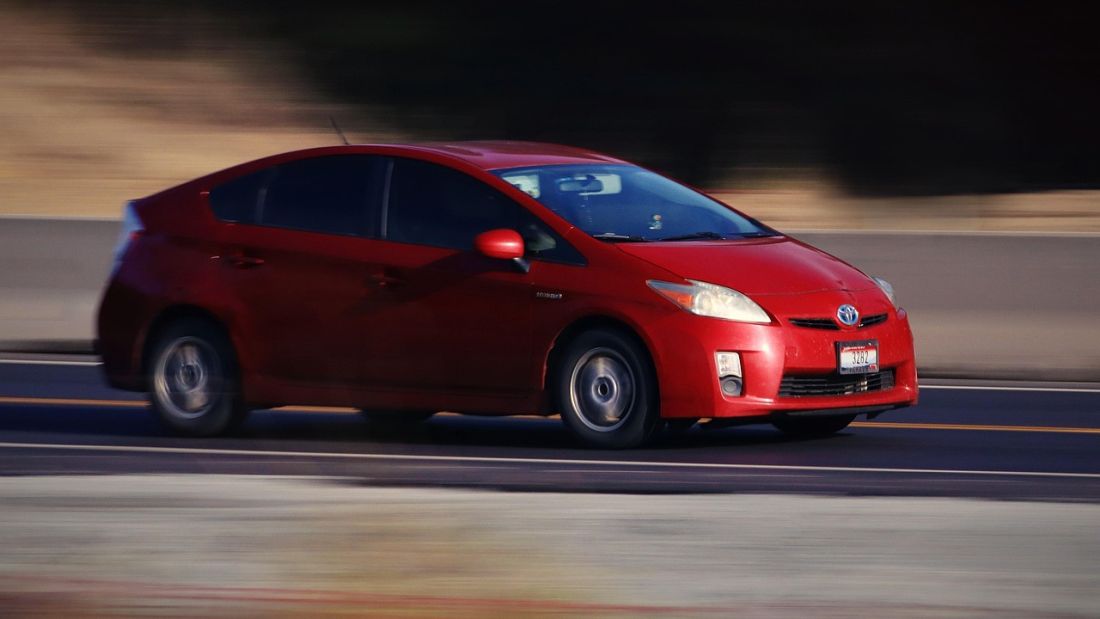
How the Toyota Prius Changed the Public Image of Hybrid Cars
If you’re old enough to remember the late 1990s and early 2000s, you’ll know cars were sold with a very simple message. Bigger engine, more noise, more speed, more excitement. That was the mood. A lot of drivers still judged a car by what came out of the exhaust, how quick it felt at the lights, and whether it looked sharp parked outside the house. A car that mixed a petrol engine with electric help? For loads of people, that sounded odd. Maybe clever, sure, but also a bit uncertain. A bit “we’ll see if that lasts.” And that’s the bit younger readers might miss now. Hybrid cars did not arrive to instant cheers. They arrived in a car culture that could be pretty stubborn.
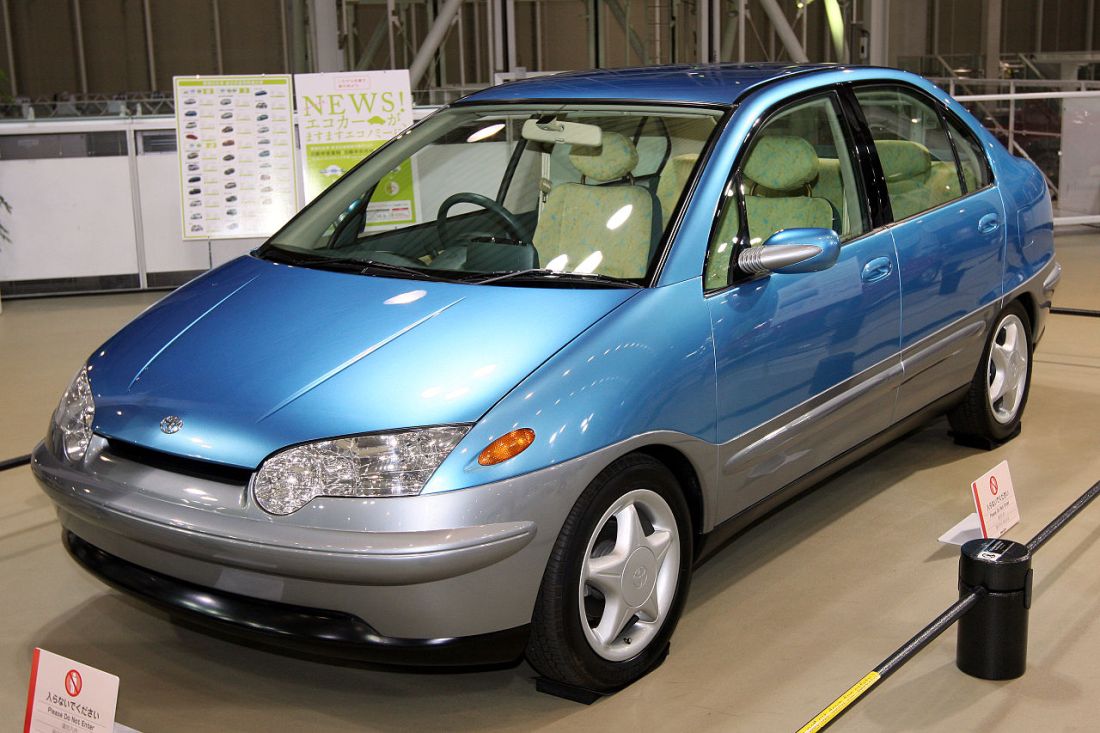
Photo: 1996 Prius prototype by Morio, CC BY-SA 3.0, via Wikimedia Commons
Then Toyota launched the Prius in Japan in 1997, and by 2000 it had gone on sale around the world. That mattered because it was not some tiny test run or a one-off concept at a motor show. It was a real family car that normal people could buy, drive, and live with every day. That alone shifted the conversation. The Prius gave the hybrid idea a face, a name, and a place on real roads. Instead of being a vague future thing, it became a car you could spot outside the shops, in traffic, or sitting in a car park while the rain hammered down, which, let’s face it, sounds very Manchester already. At Dace Motor Company, we know that public trust matters just as much as clever engineering, and the Prius was one of the first cars to prove that a greener idea could move out of the lab and into daily life without feeling like a science lesson.
Toyota made a hybrid feel like a proper family car
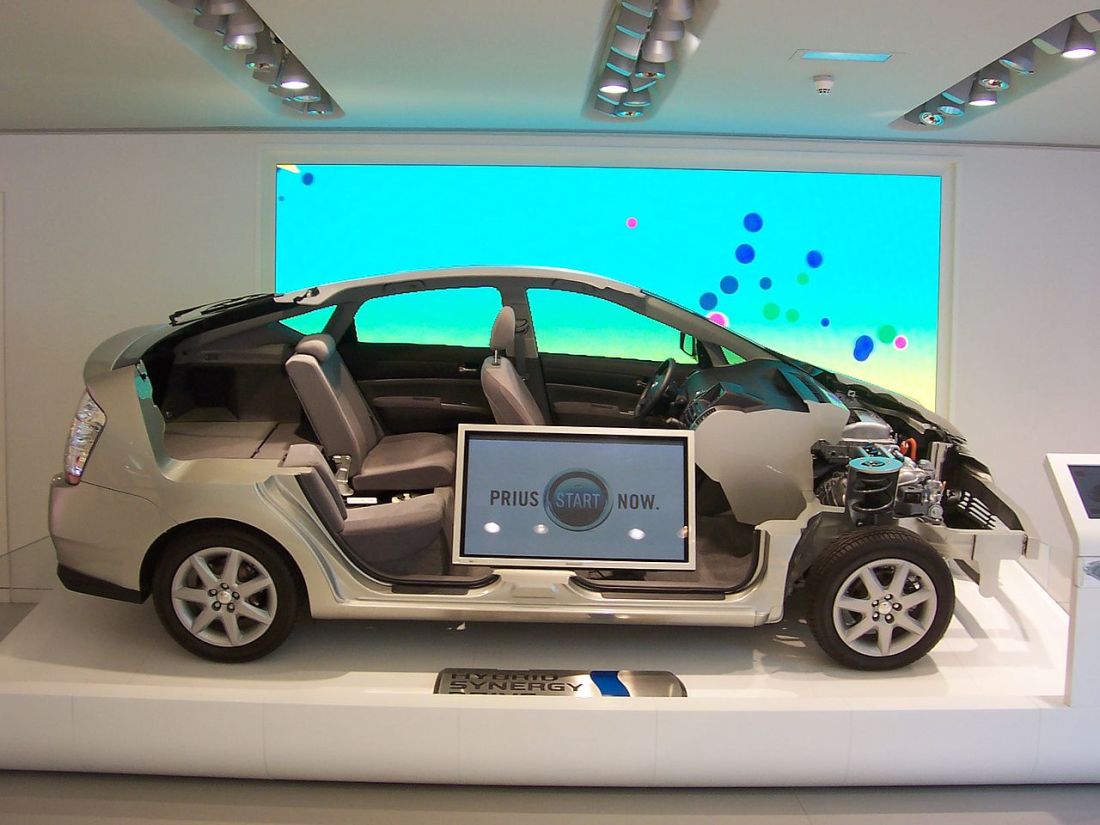
Photo: 2006 Prius cut-away in a Toyota showroom in Paris by Michael Plasmeier, CC BY-SA 3.0, via Wikimedia Commons,
The clever part was not just that Toyota built a hybrid. It was that Toyota made the Prius feel usable. That sounds obvious now, but it was a big deal then. People don’t buy cars as homework. They buy them because they need to get to work, do the school run, visit family, carry shopping, and get home without drama. The first Prius started that change, and the second generation really pushed it into public view. Toyota’s own history of the model says the first generation created the hybrid market, the second generation raised the Prius’ popularity with a more advanced image, and the third generation helped lock in mass-market success. That tells you a lot.
The Prius stopped being a curiosity and started looking like a serious answer to a real-world problem: how do you use less fuel without giving up the basics of everyday driving? Awards helped too, because they gave people a reason to look again. The Prius won the 2005 European Car of the Year title, and its hybrid system picked up a major engine award in 2004. That sort of recognition matters because it tells buyers the car is not just different. It’s good. It also helped move hybrids away from the old picture of slow, compromised, awkward machines. People could now say, “Hang on, this thing isn’t just sensible. It’s actually well thought out.” And once that door opened, the public image of hybrids started to soften. They were no longer just for people making a point. They were for anyone who wanted a smart daily car. On a crawl around the M60 or a stop-start trip past Stockport town centre, that kind of thinking suddenly felt very real.
Looking different turned out to be a huge part of the story
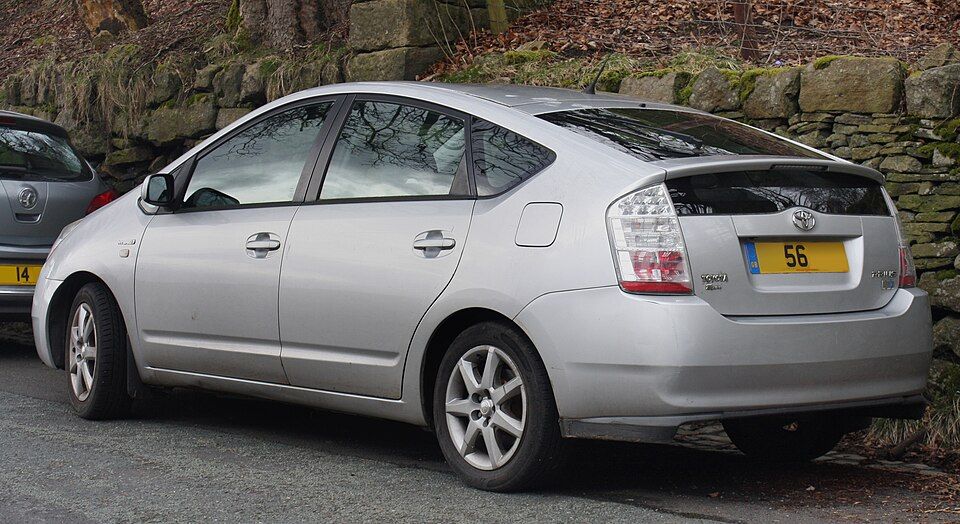
Photo: 2006 Toyota Prius T Spirit by DieselFordMondeo, CC BY-SA 4.0, via Wikimedia Commons
Here’s the funny bit. One of the biggest reasons the Prius changed the image of hybrid cars was that it did not try too hard to blend in. It looked different, and that mattered far more than people first realised. Toyota’s 2003 redesign gave the Prius that now-famous shape, and the company later said that version helped cement its image as a fuel-saving car. You could spot one in seconds. And that visibility changed how people thought about hybrids. A regular car with hidden hybrid parts could save fuel, sure, but it didn’t announce anything. The Prius did.
Researchers later studied this and found that the Prius carried extra value because its shape made a driver’s green choice visible to everyone else. In simple terms, some buyers liked the fact that the car said something about them. It said they cared about fuel use, emissions, new ideas, or at least that they wanted to look like they did. That might sound a bit cheeky, but it’s true, and it matters. Cars have always been part transport, part self-image. The Prius just flipped the script. Before that, if a car stood out, it was usually because it was fast, expensive, or flashy. The Prius made a different kind of statement. Quietly, but clearly. It told the street that being thoughtful about fuel and air quality could carry social weight too. That was new. And once a greener choice became something people could feel good about in public, hybrid cars stopped looking like worthy little side projects. They became part of mainstream identity. You could say the Prius turned efficiency into something people could actually see, and once people can see a thing, they talk about it, copy it, and get used to it.
The Prius made “green” feel less like sacrifice and more like common sense
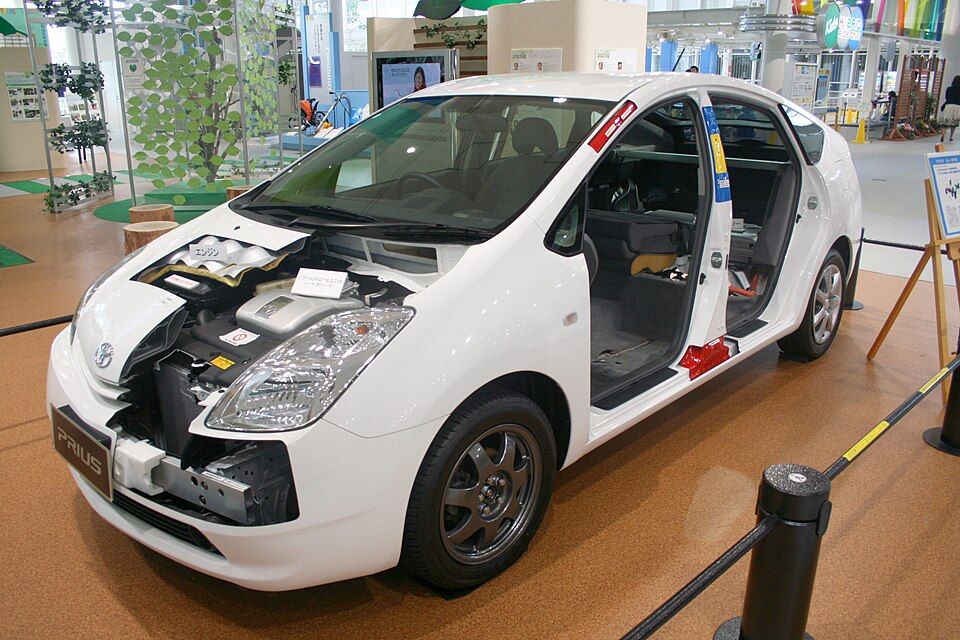
Photo: 2007 Toyota Prius cutmodel ????, CC BY-SA 3.0, via Wikimedia Commons
That image shift was massive because early eco-friendly cars had a problem. A lot of them felt like they were asking you to give something up. Give up comfort. Give up space. Give up style. Give up fun. Give up pride. The Prius did not fix every one of those worries at once, but it did something just as useful. It made compromise feel smaller. You still had a proper car. You still had seats for the family. You still had boot space. You still had a car that could handle normal life. That sounds basic, I know, but public opinion changes through boring success, not flashy speeches. If a driver can use a car for years without endless bother, the image of that type of car starts to improve. Bit by bit.
The Prius kept pushing that door open. It showed that lower fuel use and lower emissions did not have to belong to weird little city pods or niche machines that looked like props from a film set. You could have a sensible hatchback shape, a decent cabin, and a drive that felt calm and easy. That matters even more in places like Manchester and Stockport, where a lot of driving is not glamorous at all. It’s queues, traffic lights, roundabouts, drizzle, and a constant stop-start rhythm. In that kind of daily grind, the Prius made hybrid driving feel less like a moral lecture and more like common sense. And once people saw friends, neighbours, taxi drivers, and co-workers getting on with life in one, the image softened again. The hybrid stopped being “that odd thing.” It became “that car people seem happy with.” That’s a much stronger advert than any billboard, and it’s one reason the Prius left such a deep mark on how hybrid cars were viewed.
Celebrity attention helped, but everyday visibility did the real work
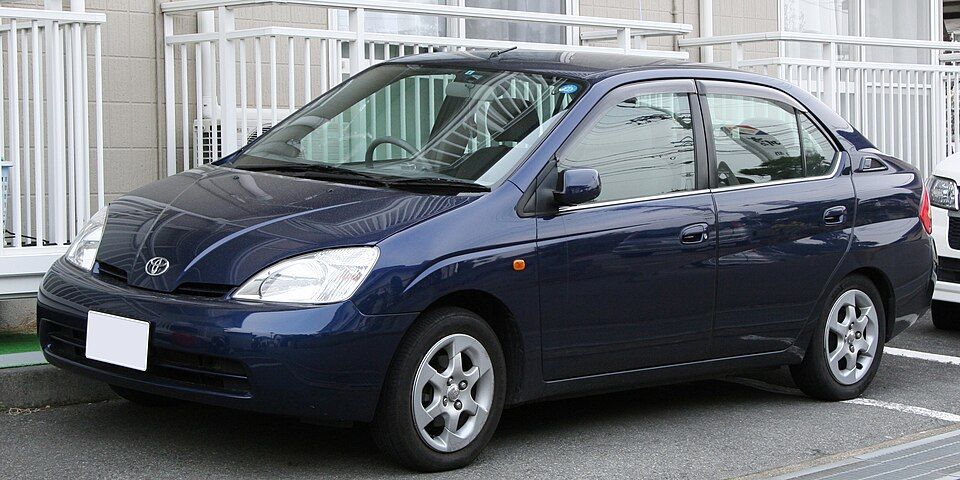
Photo: 2000 Toyota Prius by TTTNIS, CC0, via Wikimedia Commons.
A lot gets said about celebrities and the Prius, and there’s truth in that. The United States Department of Energy says that when the Prius went on sale worldwide in 2000, it became an instant success with celebrities, helping raise the profile of the car. That gave it a cultural push, no doubt. When famous people pick a car that is known for saving fuel instead of showing off, people notice. The car ends up in magazine photos, chat shows, gossip pages, airport drop-offs, and all the rest of it. Suddenly the hybrid is no longer just a technical idea. It becomes part of culture. But to be honest, famous faces were only part of the reason the public image changed. The bigger reason was repetition.
The Prius kept appearing. Again and again. On normal roads. In ordinary traffic. Near train stations, shopping parks, office blocks, supermarkets, and kerbsides. You’ve probably had that feeling yourself with certain cars. At first you barely notice them. Then one week you see three. Then ten. Then it feels like they’ve been there forever. That kind of visibility is powerful because it makes a new idea feel safe. Familiarity chips away at doubt. You stop asking, “Will this work?” and start asking, “Should I have a look at one?” The Prius got to that point in a way earlier hybrids never really had. It became recognisable without being unreachable. It had a clear identity, but it was still a car normal households could picture themselves owning. That mix is rare. It’s one thing for a car to be known. It’s another for it to feel close enough to your own life that you can imagine driving it home through Deansgate, up the A6, or into a wet supermarket car park on a Sunday afternoon. The Prius managed both.
Big sales numbers turned curiosity into trust
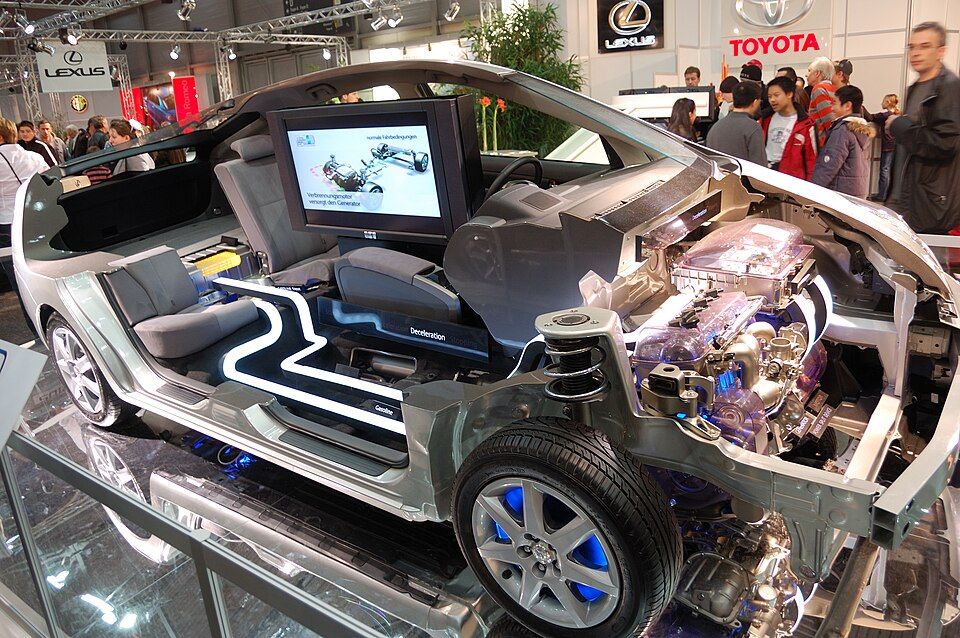
Photo: 2008 Toyota Prius by Cha già José from Vienna, Austria, CC BY-SA 2.0, via Wikimedia Commons
At some point, every new idea in motoring hits the same test. Nice concept, sure, but are people actually buying it? With the Prius, the answer became a very loud yes. By April 2008, worldwide Prius sales had passed 1 million. In Europe, Prius sales hit 100,000 by May 2008 and then doubled to 200,000 just two years later. That last bit matters because it shows momentum. The Prius was not hanging on through novelty. It was moving faster as more people got used to the idea. And then you zoom out even further and the scale becomes even clearer. Toyota’s sustainability data says cumulative electrified vehicle sales reached 23.15 million by the end of the 2023 financial year.
The Prius did not do all of that on its own, of course, but it kicked the door open. It proved the formula could work at scale, which gave Toyota room to spread hybrid tech across other models and gave buyers more confidence in the whole category. That is how public image really changes. Not through one flashy launch, but through a pile of evidence that keeps growing. Neighbours buy one. Then relatives. Then work fleets. Then private hire drivers. Then people who said they’d never touch a hybrid start checking used listings. Sales figures may sound a bit dry, but they matter because they tell the public that a car is not a fad. Once a million people have bought into an idea, it stops feeling risky. Once hundreds of thousands of those sales happen across Europe, the car stops feeling foreign or unusual. It starts to feel established. The Prius gave hybrid cars that established look. It told buyers, in effect, “This is not some passing experiment. This is a real lane in the road now.” And once that sank in, the image of hybrids changed for good.
Other car makers got the message, and that changed everything
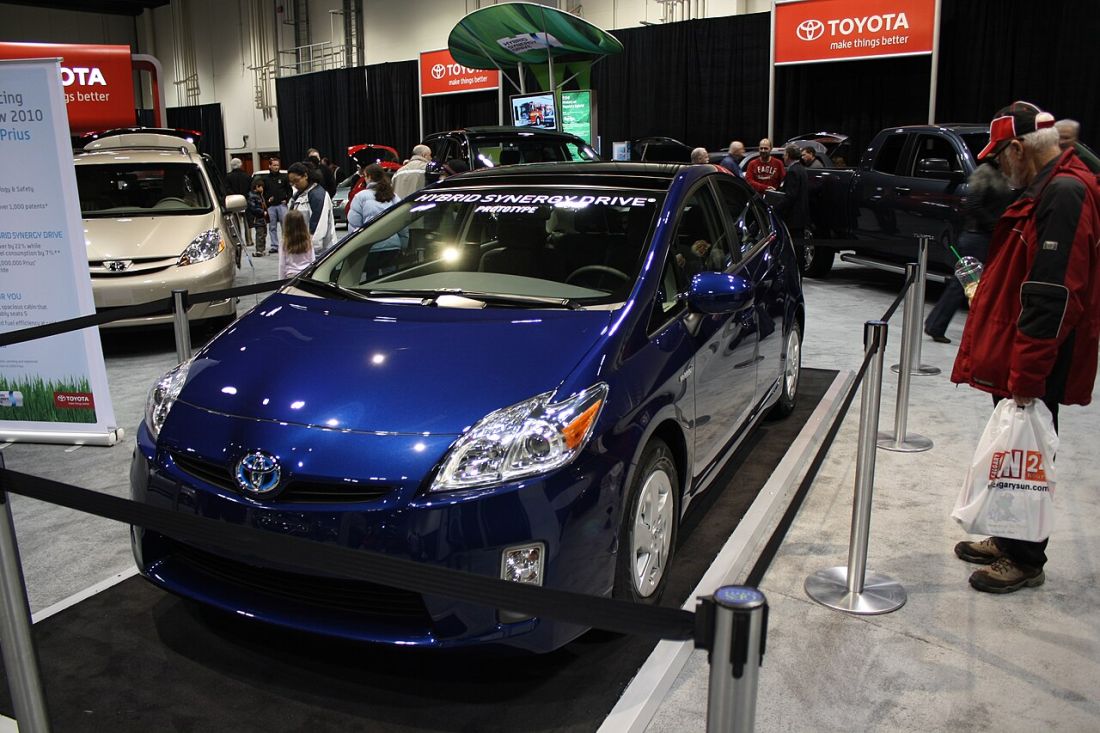
Photo: 2010 Toyota Hybrid Synergy Drive Prototype by Jyle Dupuis from Canada, CC BY-SA 2.0, via Wikimedia Commons
One reason the Prius matters so much is that it changed more than Toyota’s image. It changed the whole market. Once one car proves there is demand, rivals stop laughing and start planning. That is exactly what happened here. Toyota later said the first-generation Prius created the hybrid market, the second generation lifted the model’s popularity, and the third helped lock in mass-market success. Academic work looking back on the market makes the same basic point in a different way: since Toyota took the Prius global in 2000, many manufacturers developed hybrid models of their own. That chain reaction is a huge part of the Prius story. Before the Prius, a hybrid could be dismissed as a niche idea. After the Prius, every major maker had to decide how it would answer it. Some copied the shape of the argument, if not the shape of the car. Better fuel use. Lower emissions. Quiet running in town. A more modern image. That meant the public stopped seeing hybrids as one oddball branch of motoring and started seeing them as a real category. And categories feel safe. They feel normal. By 2010, Toyota said Europe had hit a tipping point for hybrid sales, with growth across brands accelerating sharply after the early years. That is a big shift from “interesting experiment” to “established part of the market.” It also changed what buyers expected from a new car. Saving fuel was no longer a fringe bonus for people with special priorities. It became a proper selling point for everyone. You can trace a lot of today’s hybrid market back to that moment. The Prius didn’t just persuade buyers. It forced the rest of the industry to treat hybrid power as serious business, and once the industry did that, the public image followed right behind.
The biggest change was emotional, not mechanical
This is the part people miss if they only look at engines, batteries, or fuel figures. The Prius changed feelings. That might sound soft, but it’s the core of the whole story. Before the Prius, a car with a greener message could feel like a lecture on wheels. Useful, maybe, but joyless. The Prius changed that by giving hybrid cars a personality. At first, that personality was quirky, clever, and a bit unusual. Later, it became familiar, trusted, and even aspirational in its own odd little way. And years later, Toyota pushed the image again by making the newest Prius lower, wider, and far more dramatic in shape, saying it wanted owners to fall in love with it at first sight. That line would have sounded mad in the early Prius days, because the old public picture of a hybrid was all caution and practicality. The fact that Toyota could later sell the Prius with real style appeal shows how far the image had moved. A hybrid no longer had to apologise for itself. It didn’t have to say, “Please forgive the looks, I’m efficient.” It could simply say, “I’m efficient, and I look good too.” That is a huge emotional change from where hybrids started. And you can feel the effect even outside the Prius badge. Loads of modern hybrids are sold as smooth, smart, desirable cars first, with the low fuel use folded into the appeal rather than presented like medicine. That shift did not happen by accident. The Prius helped train the public to see electrified driving as normal, useful, and socially accepted. At Dace Motor Company, that matters because many drivers looking at used hybrid cars today are still living in the world the Prius helped create, whether they realise it or not. It made hybrids easier to trust, easier to understand, and, maybe most of all, easier to want.
Why that still matters on roads around Manchester and Stockport
For drivers here in Greater Manchester, the Prius story still hits home because the reasons people warmed to hybrids back then are still the reasons people look at them now. Real roads. Real fuel bills. Real traffic. Real family life. The school run from Reddish, a crawl near the Trafford Centre, a stop-start route through Stockport, or a damp evening drive home after work all reward the same things the Prius made people notice years ago: quietness, smooth pull-away, sensible fuel use, and less stress at the petrol station. But the bigger lesson is about trust. The Prius helped teach buyers that a hybrid could be ordinary in the best possible way. It could just get on with it. That shift opened the door for the used hybrid market we see now, where buyers are far less nervous than they once were. They’re asking sharper questions too. Not “Is this weird new tech?” but “Does this fit my driving?” That’s a healthier place to be. If your trips are a mix of town driving, short hops, and regular traffic, a hybrid can make a lot of sense. If you do longer motorway miles all week, you’ll weigh things up differently. Either way, the Prius deserves credit for making that conversation normal. It changed hybrid cars from a talking point into a real option people could compare next to any petrol or diesel car without feeling like they were signing up for an experiment. And that, really, is the whole thing. The Toyota Prius didn’t just sell loads of cars. It changed the picture in people’s heads. Once that picture changed, the market changed with it. That’s why the Prius still matters, even now, long after the first one rolled out and made people look twice. ([The Department of Energy's Energy.gov][4])