


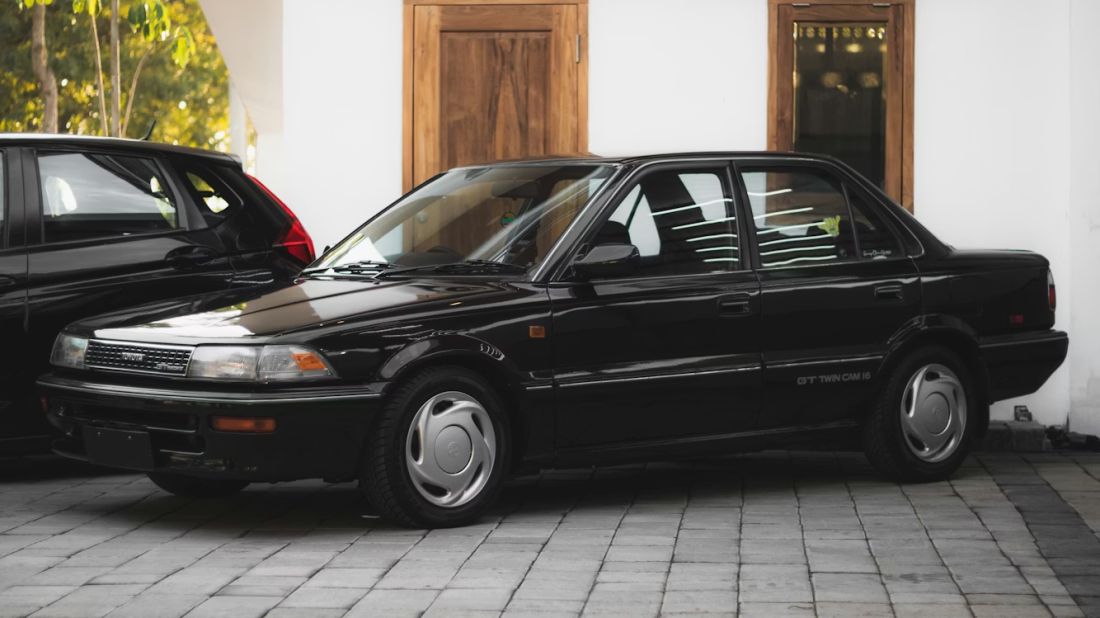
How the Toyota Corolla Became the Best-Selling Car in History
At Dace Motor Company, we spend a lot of time around cars with good stories behind them. Some are quick. Some are posh. Some are a bit left field. But every now and then there’s a car that wins in a different way. It doesn’t need to be the loudest or the flashiest. It just needs to fit into real life so well that millions of people keep coming back to it. That’s the Toyota Corolla. And to be honest, its story is a lot more interesting than people give it credit for. This is a car that first showed up in November 1966 and just kept rolling, decade after decade, across family driveways, city streets, school runs, motorway miles, and tiny parking spaces all over the planet.
Toyota says Corolla sales had reached about 55.46 million worldwide by December 2024, and the model line is sold in more than 150 countries and regions. That’s a silly-big number. Bigger than the population of many countries. Bigger than most people can even picture in their heads. And the wild part is, Corolla didn’t get there by being some rare dream machine pinned on bedroom walls. It got there by being useful, dependable, easy to live with, and always just good enough in the places that matter. You know how it is. People talk a lot about cars that make your heart race, but when it’s dark at half six, raining sideways near the M60, and you just want to get home without drama, a different sort of car starts to make a lot of sense. That, really, is where Corolla built its legend.
It started with a simple idea, give ordinary people a car they’d actually want
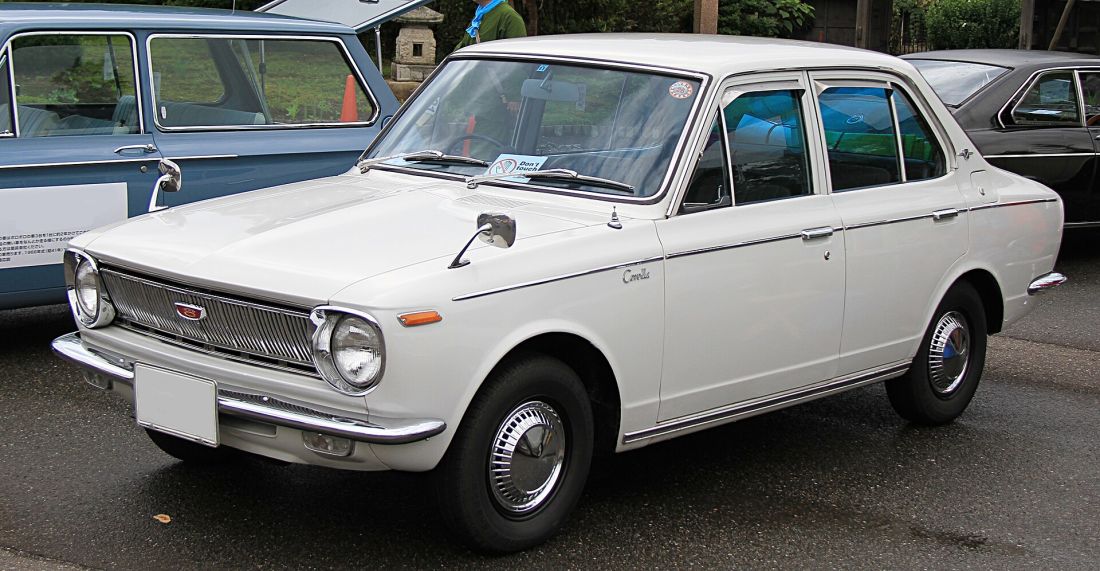
Photo: 1968 Toyota Corolla 1100 Deluxe (E10) by TTTNIS, CC0, via Wikimedia Commons.
To get why the Corolla took off, you have to go back to Japan in the 1960s. More people were earning enough to think about buying a car, but a cheap car on its own wasn’t the answer. Toyota had already tried that with the Publica, and it didn’t land the way they hoped. The lesson was pretty clear: people didn’t want the bare minimum. They wanted something they could afford, yes, but they also wanted a car that felt like a proper step up in life. A car with a bit of pride to it. Toyota’s answer was to place the Corolla right in the middle, between the smaller Publica and the larger Corona. The company described it as a compact five-seat family car, launched in November 1966, built to bring together quality, good running costs, comfort, and solid performance in one package.
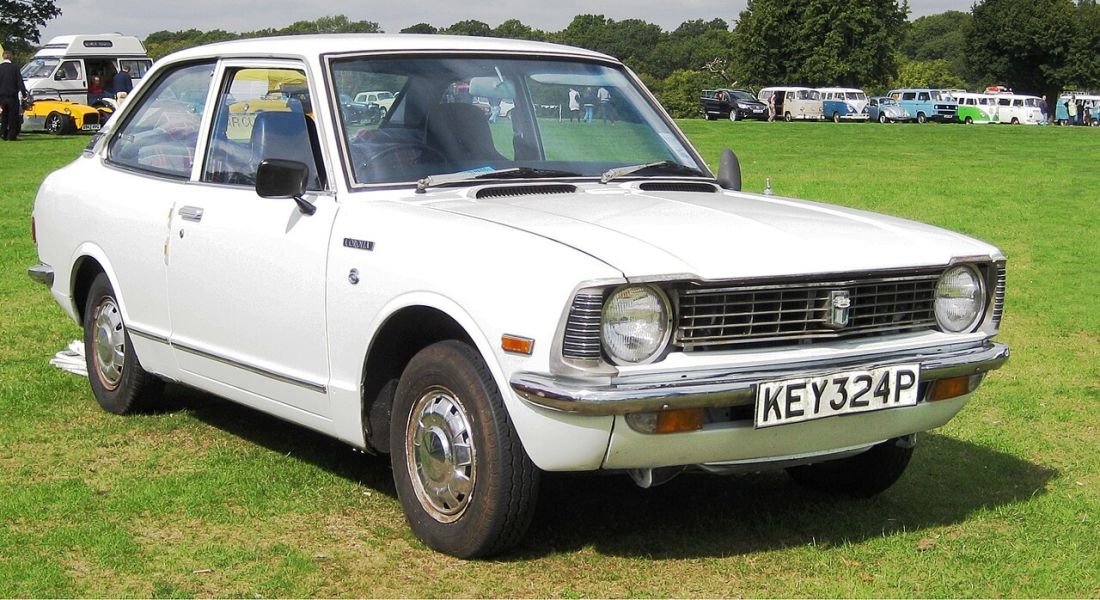
Photo: 1976 Toyota Corolla (E20) by Charles01, CC BY-SA 3.0, via Wikimedia Commons.
There’s a great line in Toyota’s own history where Eiji Toyoda basically says people think the Corolla rode the wave of car ownership in Japan, but he saw it the other way round: Corolla helped create that wave. That’s a big claim, but the more you read, the less it sounds like bragging. Toyota built new engine and assembly plants for the car, which shows how seriously they took it from day one. So this wasn’t some side project or a quiet little runabout they hoped might do okay. It was a bet, and quite a bold one. And it was aimed straight at families, young workers, and people who had a licence in their pocket and a wish for a car outside the house. That’s a huge reason Corolla matters. It didn’t start out trying to wow a tiny crowd. It went after the broad middle, the place where most people live, and it did it with very sharp timing.
Toyota got the recipe right, and it was smarter than it looked
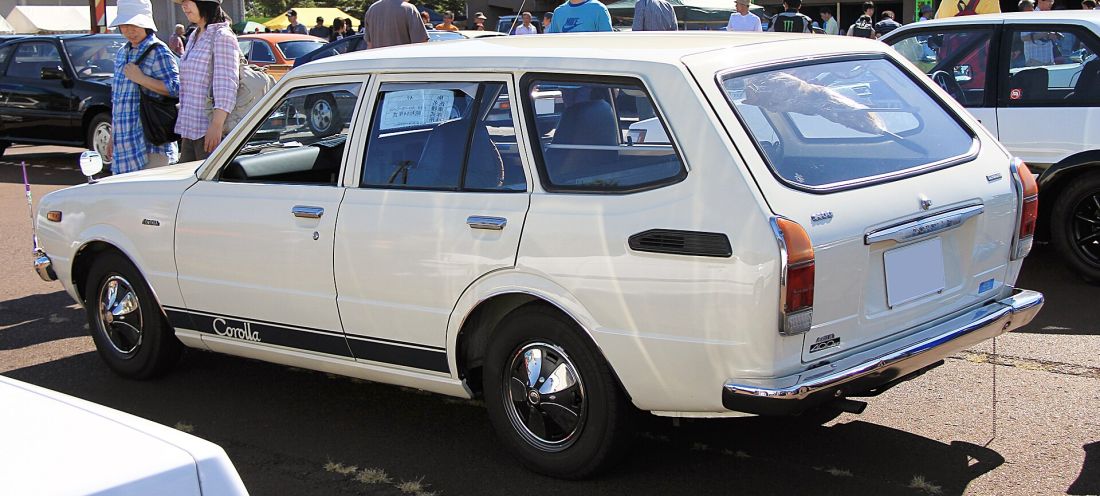
Photo: 1979 Corolla 1400 Deluxe (TE36V) Five-Door Van by TTTNIS, CC0, via Wikimedia Commons.
This is the bit people miss. The Corolla wasn’t successful because Toyota stumbled into luck. It was successful because the people behind it were very clear about what sort of car they wanted to build. Toyota’s history records the thinking behind the original Corolla as scoring well in all the things ordinary people care about, then adding something extra that makes the car feel a cut above. In plain English, the idea was this: don’t build a car that’s brilliant in one area and poor in three others. Build one that’s good across the board, then give it a little spark. For the early Corolla, that spark was sportiness and ease of use. Reuters reports that the first-generation car had a four-speed floor-shift manual at a time when three-speed column-shift setups were still common, and Toyota’s own history says it used a newly developed 1,077 cc engine that gave it extra punch over many other small cars of the day.
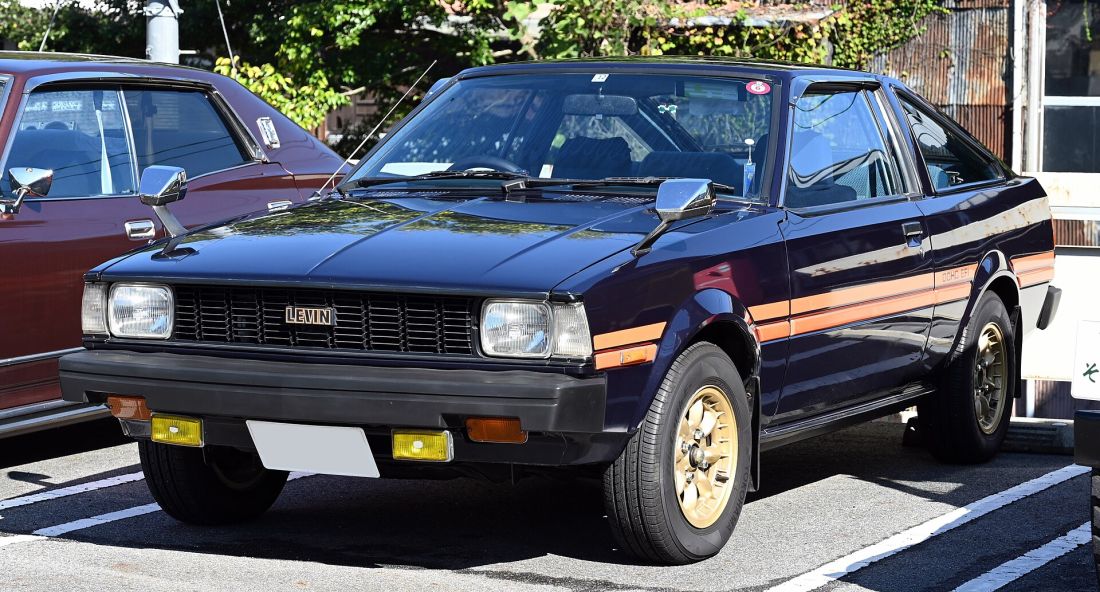
Photo: 1979-1981 Corolla Levin 3-door liftback coupé (TE71) by TTTNIS, CC0, via Wikimedia Commons.
Toyota also pushed new suspension ideas, worked hard on ride comfort and space, and paid attention to maintenance, with longer service intervals than people might have expected from an affordable family car in the 1960s. That matters because families do notice the little things. They notice whether a car feels gutless on a hill. They notice whether it feels cramped. They notice whether it costs them time and money. Let’s face it, people have always wanted value, but value doesn’t mean “cheap and a bit grim.” It means getting a lot for what you pay. Corolla understood that very early. It wasn’t trying to be an empty box on wheels. It was trying to feel a bit better than the price tag suggested. That’s a clever move, and it still works now. In a funny way, the Corolla became huge because it respected ordinary buyers. It assumed they’d spot the difference between basic and smart. And they did.
The early years were huge, and they set the pace for everything that came after
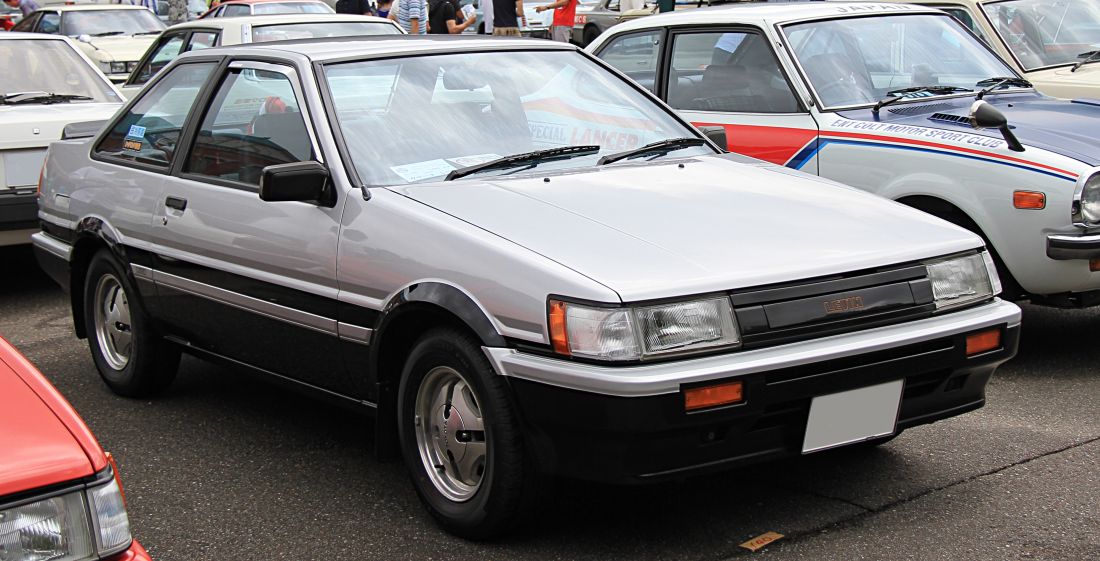
Photo: 1983 Toyota Corolla Levin 2-door coupé GT-APEX (AE86) by TTTNIS, Public domain, via Wikimedia Commons.
Once the Corolla hit the market, it moved fast. Really fast. Reuters says Toyota planned to build 30,000 a month at a time when its total monthly vehicle production was around 50,000. That tells you the scale of belief inside the company. Toyota’s history adds another mad detail: launch events held across Japan on 5 and 6 November 1966 drew more than 1.3 million visitors. That’s not a small ripple. That’s a proper splash. Then the sales numbers started piling up. Toyota says Corolla sales, leaving out commercial-use versions, passed 10,000 units in May 1967, climbed to 167,000 in 1968, and then 248,000 in 1969. Reuters says that within three years of launch it had become Japan’s top-selling car. And then came the overseas push. Toyota’s UK media history says exports to North America began in 1968, helping the Corolla reach its first million sales by 1970. That’s a massive step because it turned Corolla from a strong home-market car into a global story.
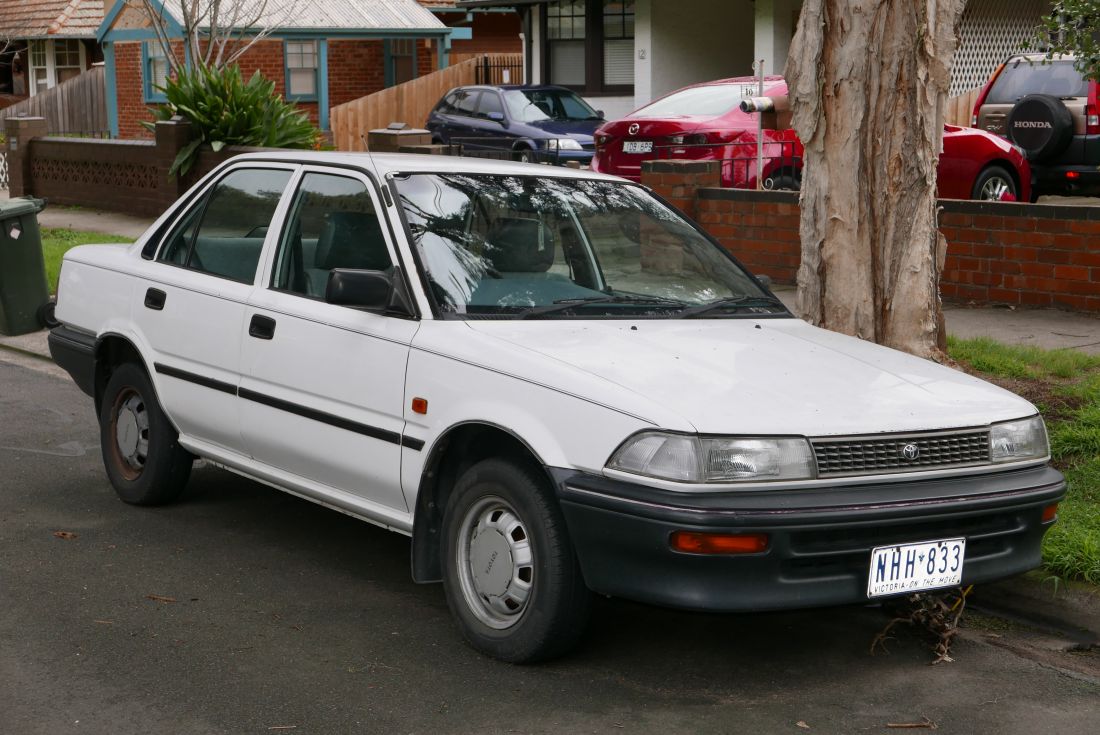
Photo: 1993 Toyota Corolla (AE92) SE Sedan by OSX, Public domain, via Wikimedia Commons.
A lot of cars do well in one place and then fade when they try to travel. Different roads, different buyers, different tastes, different weather, different fuel costs, different expectations. But Corolla started proving very early that it could move across borders and still make sense. That is a rare trick. It also meant Toyota could build momentum instead of peaking too soon. Every new market added another layer to the legend. And the thing is, these weren’t sales built on a craze or a short-lived fashion. They were built on people seeing the car, trying the car, buying the car, then telling someone else that, actually, yeah, this thing is pretty decent. That kind of word-of-mouth matters, whether you’re chatting on a driveway in Reddish or outside a shop near Stockport Market. Cars earn trust one owner at a time, and the Corolla started doing that from the very beginning.
People kept buying it because it made everyday life easier, and that beats hype
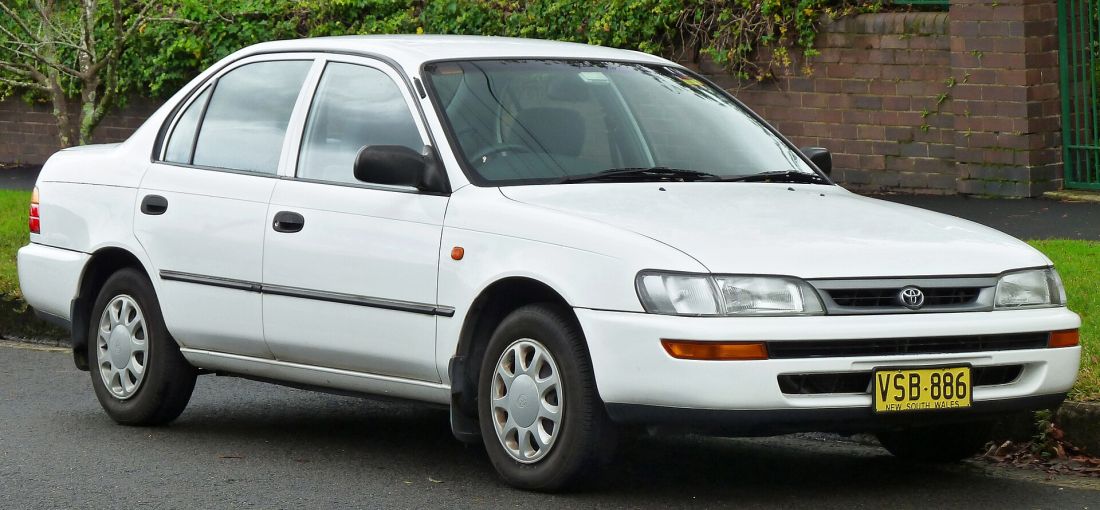
Photo: 1999 Toyota Corolla (AE101R) CSi sedan by OSX, Public domain, via Wikimedia Commons.
Here’s where the Corolla really separated itself. It wasn’t just about selling well in year one, or even year five. It kept selling because it made ordinary ownership feel easy. And easy, in the best way, is powerful. Toyota’s own historical material says the Corolla was built with maintenance in mind, with features aimed at making routine upkeep less of a pain. A Reuters report on the model’s 50th anniversary says Toyota kept bringing new tech into a car meant for regular buyers, rather than saving everything for expensive models. And one of Toyota’s UK stories about a 1977 Corolla Deluxe gives a brilliant little snapshot of why buyers liked the thing so much. Compared with rivals, that car came with useful standard features such as a radio and a heated rear screen, plus a tool kit in the boot. That might sound small now, but it mattered.
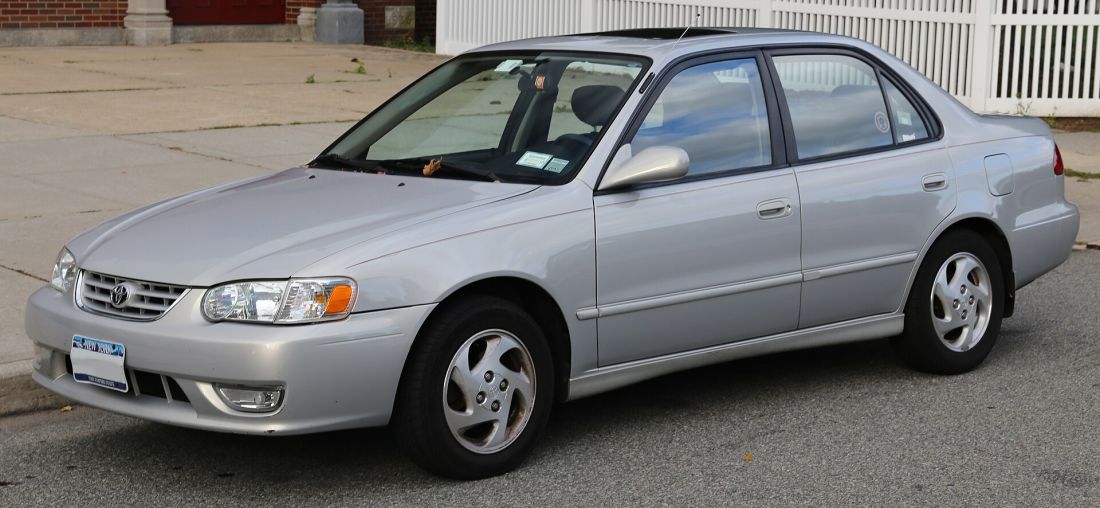
Photo: 2001 Toyota Corolla S by Mr.choppers, CC BY-SA 3.0, via Wikimedia Commons
Those little extras changed how a car felt day to day. They made it feel thought through. They made owners feel looked after. And once a brand gets known for that, the reputation sticks. That reputation for quality is something Toyota still leans on today, and Toyota Europe says the company has built its heritage around quality and constant improvement. Now, sure, no car is magic, and every used car should be judged on condition, history, and how it’s been looked after. We’d say that about anything on any forecourt. But the Corolla’s long-running image as a car that starts, goes, and gets on with life did not appear from nowhere. It was built through years of giving buyers what they actually needed. Think of it like this: the Corolla was never trying to win a shouting match. It just kept turning up with sensible answers. That’s why so many people trusted it with school runs, first jobs, family holidays, rainy commutes, and all the boring little miles that fill up real life. Cars that cope well with the boring stuff end up becoming stars. Funny, but true.
It became a global car without feeling like the same car forced on everyone
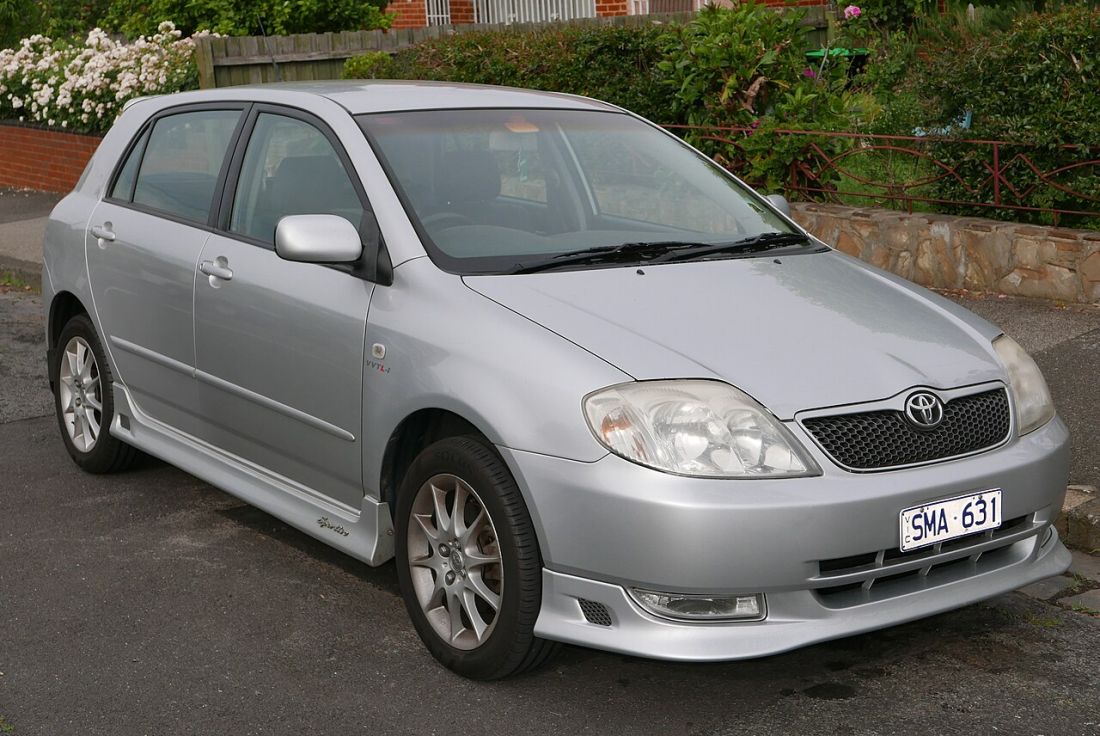
Photo: 2003 Toyota Corolla (ZZE123R) Sportivo 5-Door Hatchback by OSX, Public domain, via Wikimedia Commons.
Another big reason Corolla became the best-selling car in history is that Toyota didn’t treat the whole planet like one giant copy-and-paste market. That would’ve been a mistake. What worked in Japan might not work in Britain. What sold in North America might need a different shape, feel, or setup in Europe or Asia. Toyota’s historical material says Corolla production spread out into many regions, and by 2015 the company said the model was being built in 13 countries and regions across 16 plants, with production localised by region. That word, localised, matters a lot. It means Toyota wasn’t just shipping one fixed idea everywhere and hoping for the best. It was adapting. It was learning. It was meeting people where they were. Toyota Europe’s more recent Corolla material makes a similar point in a different way, saying the model has kept pace with changing customer tastes and kept improving over time. That’s a huge part of the story.
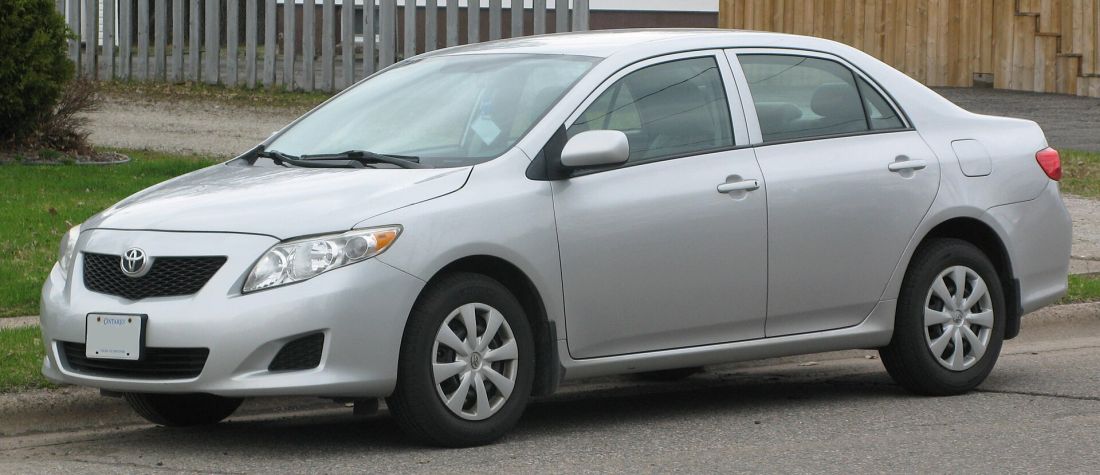
Photo: 2010 Toyota Corolla CE by SsmIntrigue, CC BY-SA 4.0, via Wikimedia Commons
The Corolla didn’t survive by refusing to change. It survived by changing just enough, again and again, while still keeping the core idea intact. Reliable. Sensible. Good value. Easy to live with. Toyota’s UK media history says Corolla passed the Volkswagen Beetle in 1997, when cumulative sales hit 22.65 million, becoming the world’s best-selling car model. Guinness World Records also lists the Corolla as the first car ever to sell 30 million units, a mark it reached in 2005. So the rise wasn’t one giant leap. It was a steady climb, like a football team that keeps turning out solid seasons until one day everybody looks up and realises they’re top of the table by miles. That sort of success can look boring from the outside, but it really isn’t. It’s hard. It takes discipline. It takes listening. It takes knowing what not to mess up. And that, to be fair, is where Toyota judged the room very well.
The Corolla kept moving with the times, which is why it never turned into yesterday’s news
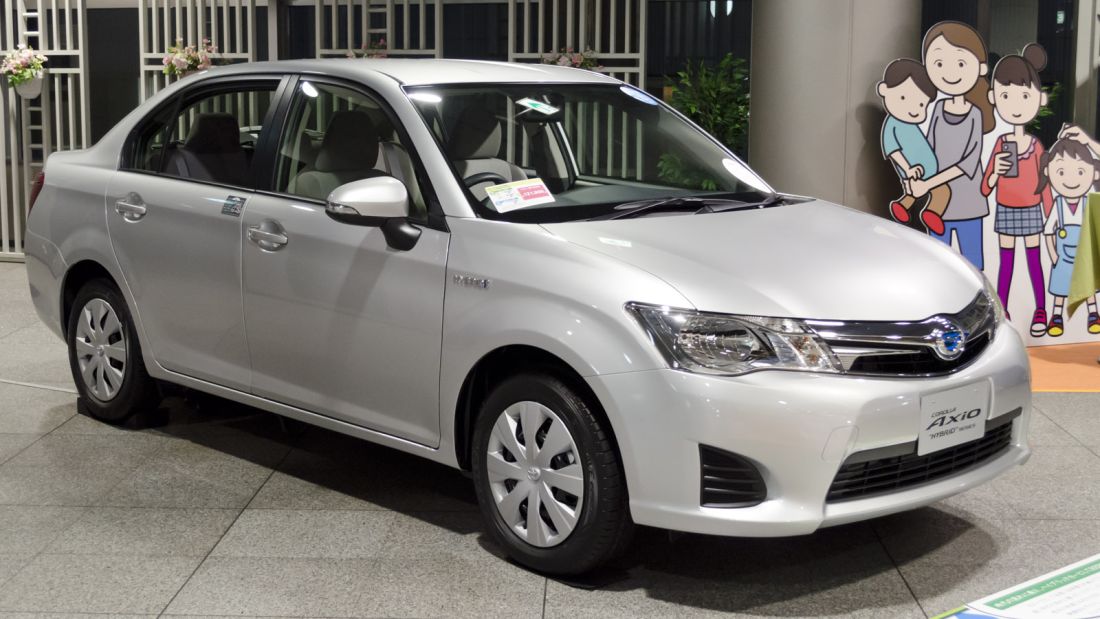
Photo: 2013 Toyota Corolla-Axio-Hybrid by Mytho88, CC BY-SA 3.0, via Wikimedia Commons
Loads of cars start strong and then get stuck. The market shifts, buyers change, cities get busier, fuel prices bite, safety rules tighten, people want different shapes and different tech, and suddenly the old formula feels old. The Corolla dodged that trap by keeping the basic promise the same while updating the way it delivered it. Toyota’s Europe newsroom says the current Corolla sits in a long line shaped by constant improvement, and that recent versions have moved on with better safety, stronger digital features, and hybrid power. Toyota’s 2021 milestone announcement said the car was in its 12th generation when it crossed 50 million sales, and Toyota’s fact sheet says cumulative sales had risen to roughly 55.46 million by December 2024. That shows something really important: Corolla didn’t become the best-selling car in history and then stop.
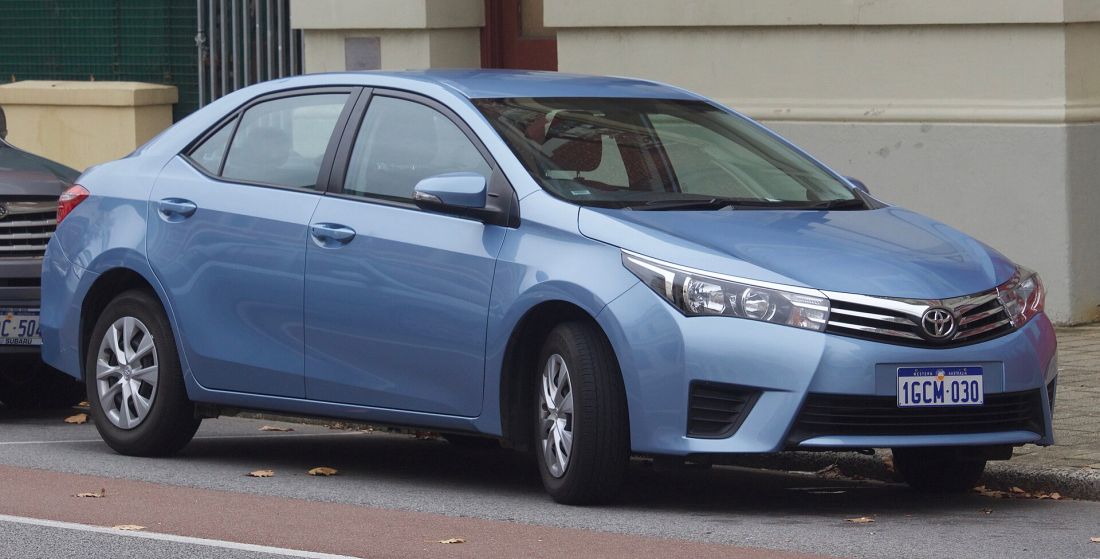
Photo: 2016 Toyota Corolla (ZRE172R) Ascent sedan by EurovisionNim, CC BY-SA 4.0, via Wikimedia Commons
It kept adding to the total because the car kept staying relevant. In the UK, the story has another layer. Toyota says Burnaston in Derbyshire built its five millionth UK-made car in October 2024, and that landmark vehicle was a Corolla. The same release says the Burnaston plant has been building Corolla models since 1998, with the Corolla name returning to the UK market in 2019 for the 12th generation. So yes, the Corolla is a Japanese-born success, but it also has a proper place in the British car story. That matters for readers around Manchester and Stockport because this isn’t some far-off legend with nothing to do with our roads. You’ve probably seen Corollas near the Trafford Centre, sat behind one on the A6, or clocked one heading round the M60 in the drizzle. That kind of familiarity is part of the point. The Corolla stayed present. It stayed useful. It didn’t ask buyers to change their lives around the car. The car changed just enough to fit the way people already lived. That’s a very big reason it lasted.
So why this car, out of all cars, ended up on top
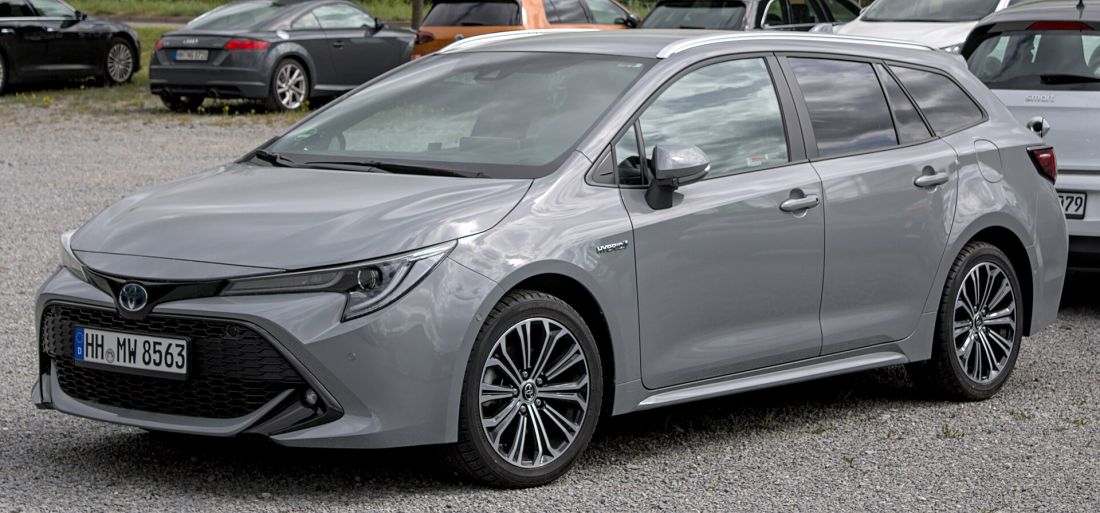
Photo: 2020 Toyota Corolla Touring Sports Hybrid (E210) by Alexander Migl, CC BY-SA 4.0, via Wikimedia Commons
When you put the whole story together, the answer is pretty simple, even if the result is huge. The Corolla became the best-selling car in history because Toyota kept solving the same basic problem for generation after generation: how do you make a car that regular people can afford, trust, use every day, and still feel good about owning?
The first Corolla gave buyers more than the bare basics. It arrived at the right moment. It sold fast. It spread overseas quickly. It kept getting better without losing its identity. It built a reputation for quality. It added useful features rather than silly gimmicks. It was produced around the world instead of being treated like a one-country product. And when the market changed, Corolla changed with it. That sounds straightforward, but it’s actually very hard. Most cars trip up somewhere. They get too expensive. Or too odd-looking. Or too flimsy. Or too niche. Or they drift away from what made them popular in the first place. Corolla didn’t do that. It kept one foot on common sense. And common sense sells. Maybe not with fireworks on day one, but over years, and then over decades. At Dace Motor Company, that’s part of what makes the Corolla story worth talking about. It reminds us that the cars people remember most aren’t always the ones that shout the loudest. Sometimes they’re the ones that just keep turning up, keep doing the job, and keep earning trust with families, commuters, learners, and long-distance drivers. No fuss. No drama. Just a car that made sense to millions of people, in millions of little everyday moments. That’s how you get from one model in 1966 to the best-selling car line the world has ever seen. Bit by bit. Sale by sale. Year by year. And before you know it, history’s been made.