


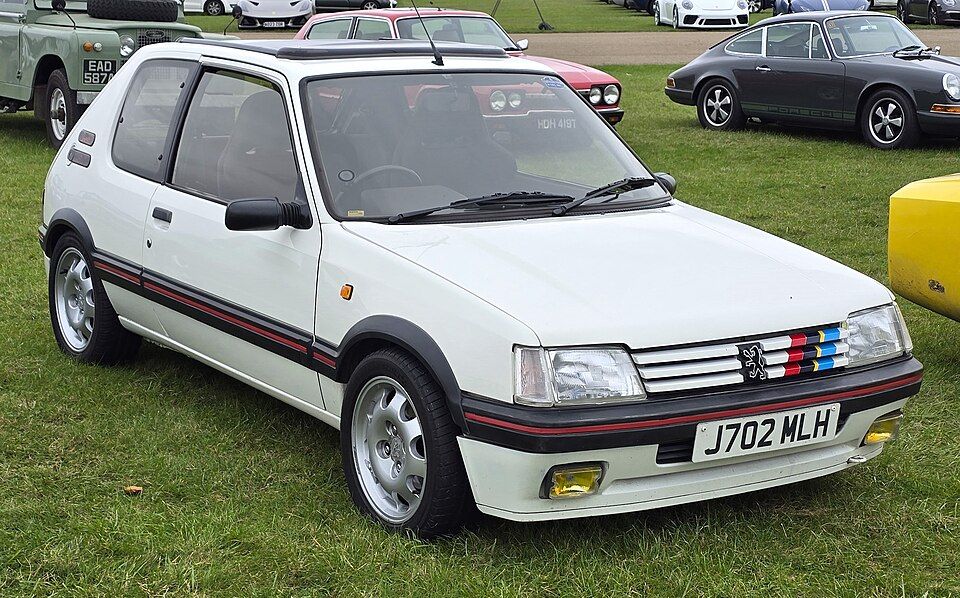
How the Peugeot 205 GTI Earned Its Legendary Status
Photo: 1992 Peugeot 205 GTi by MrWalkr, CC BY-SA 4.0, via Wikimedia Commons
Some cars are good. Some are fast. A few land at just the right moment and catch fire in people’s minds. That’s what happened with the Peugeot 205 GTI. The regular 205 arrived in 1983, and Peugeot has said it helped push the brand into a new era, with a fresh look, smart packaging, and a style that felt modern right away. Then, in April 1984, the GTI version showed up with a 1.6-litre engine making 105 horsepower, a weight of under 900kg, and performance that made people sit up straight. It could hit 62mph in 8.7 seconds, which still sounds lively now, never mind back then.
And what made it matter was this: it wasn’t some giant, noisy machine built for bragging rights outside a nightclub. It was small, sharp, and usable. You could park it outside the chippy, thread it through busy town traffic, then head for a twisting road and have a proper grin on your face. That mix hit people hard. Autocar called it a “standard-setter” in 1984, and that says a lot, because car magazines are not known for giving out praise like free samples. The 205 GTI felt like a fast car that ordinary people could actually live with, and that gave it a kind of pull that flashier cars sometimes miss. From our side at Dace Motor Company, that’s a big part of why this car still gets talked about. It made performance feel close enough to touch. Not distant. Not fancy. Real.
It was small, light, and full of attitude
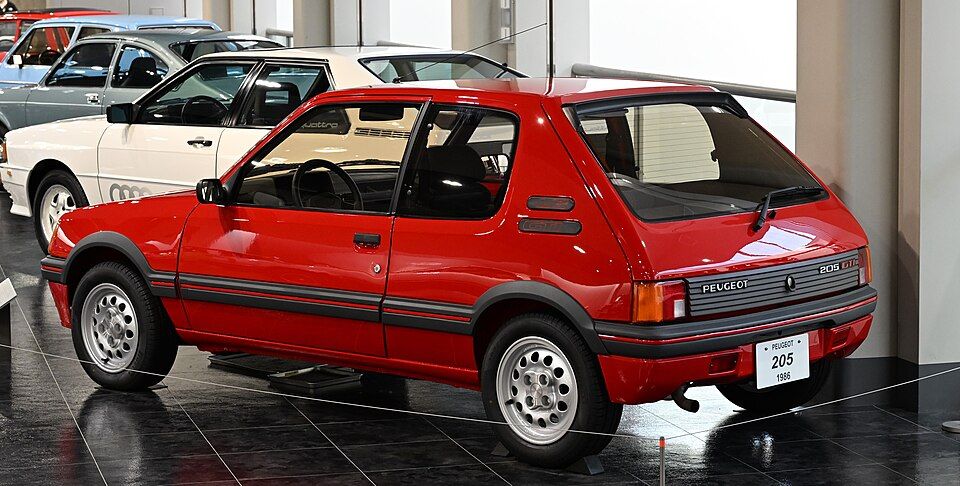
Photo: 1986 Peugeot 205 GTI by TTTNIS, CC0, via Wikimedia Commons.
The real magic of the 205 GTI starts with something very simple. It didn’t carry extra bulk around. It wasn’t trying to be a grand tourer, a luxury car, or some over-complicated tech showcase. It was a light little hatchback with a big streak of confidence, and that gave it a feel people still bang on about now. Evo described it as having a “terrier-like” character, which is a pretty perfect way to put it. You know the kind of dog that’s half the size of everything else in the park but still acts like it runs the place? That was the 205 GTI. It darted. It reacted. It wanted to play.
Top Gear has said the car “reframed the template” for what a fast hatch could be, and that feels right too, because the 205 GTI didn’t just copy the earlier formula and add a few stripes. It made the idea feel lighter on its feet, cheekier, and more alive. You sat low, the glass area gave you a clear view out, and the car felt easy to place on the road, which matters more than huge power figures ever will. Think about roads around Stockport or a run out toward the Peak District. You don’t need a massive engine there. You need something that feels eager, something that makes each bend feel like a little event. That’s where the Peugeot came alive. And, to be honest, that’s why people forgive its rough edges. A car that gives you something back, every single time you drive it, gets away with a lot. The 205 GTI gave people that feeling in spades.
The 1.6 and 1.9 versions gave fans something to argue about for decades
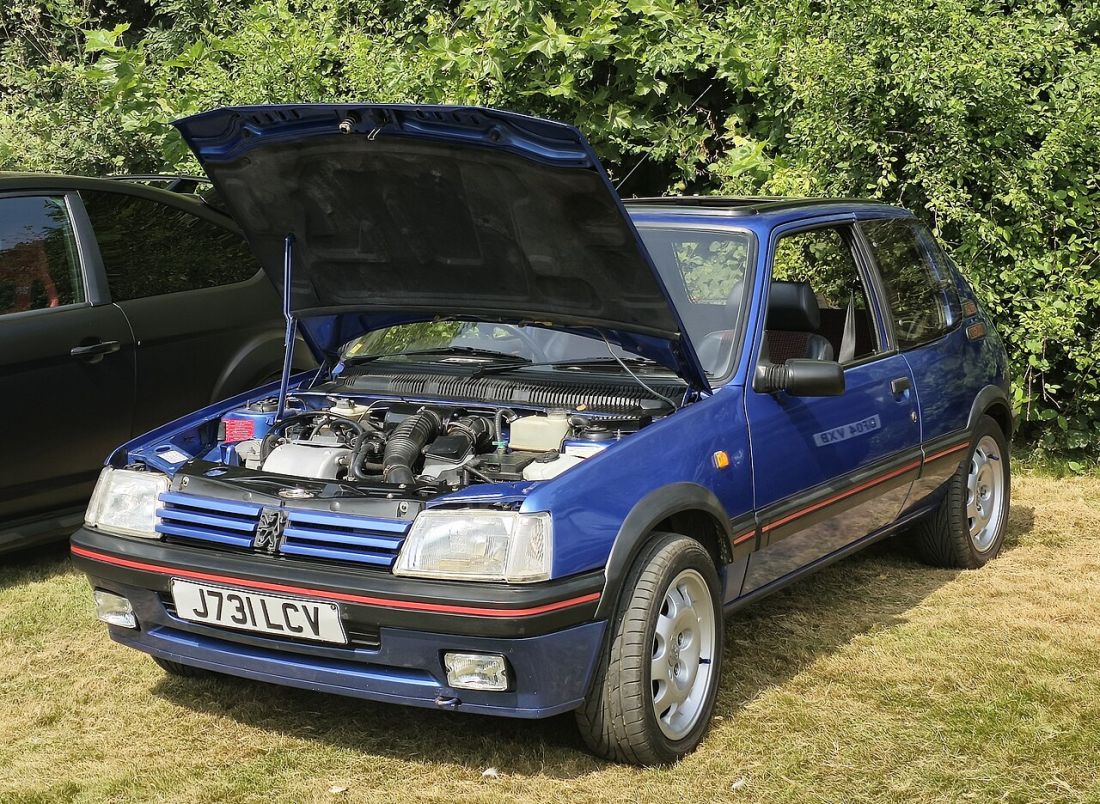
Photo: 1992 Peugeot 205 GTi by Calreyn88, CC BY-SA 4.0, via Wikimedia Commons
A legendary car usually needs a good pub debate attached to it, and the 205 GTI has one of the best. Which is better, the 1.6 or the 1.9? Peugeot launched the first GTI with that 1.6-litre engine and 105 horsepower in 1984. In 1986, the 1.6 got bumped up to 115 horsepower, and that same year the 1.9-litre arrived with 130 horsepower. The numbers matter, sure, but what really made the argument stick was that the two versions felt different. Peugeot itself has said the 1.6 likes revs, while the 1.9 feels a bit more relaxed and leans on its extra pull. Autocar says people are still split now, with some preferring the zingier 1.6 and others liking the stronger shove of the 1.9. That kind of split tells you something important.
There wasn’t one “correct” version because the basic recipe was already so good. The 1.6 had a slightly sparky, busy feel that made you work a bit harder, and that’s exactly what some drivers love. The 1.9, with its extra pace, all-round disc brakes, and 7.8-second dash to 62mph, gave the car more muscle without losing the point of it. So the car never went flat as it grew. It just gave people choices. And that helped the legend, because once owners start arguing happily over which version has the sweeter feel, you know the car has got under their skin. It stops being transport and starts becoming a favourite song, where everybody has a version they swear is the best one.
It looked fast without making a huge fuss about it
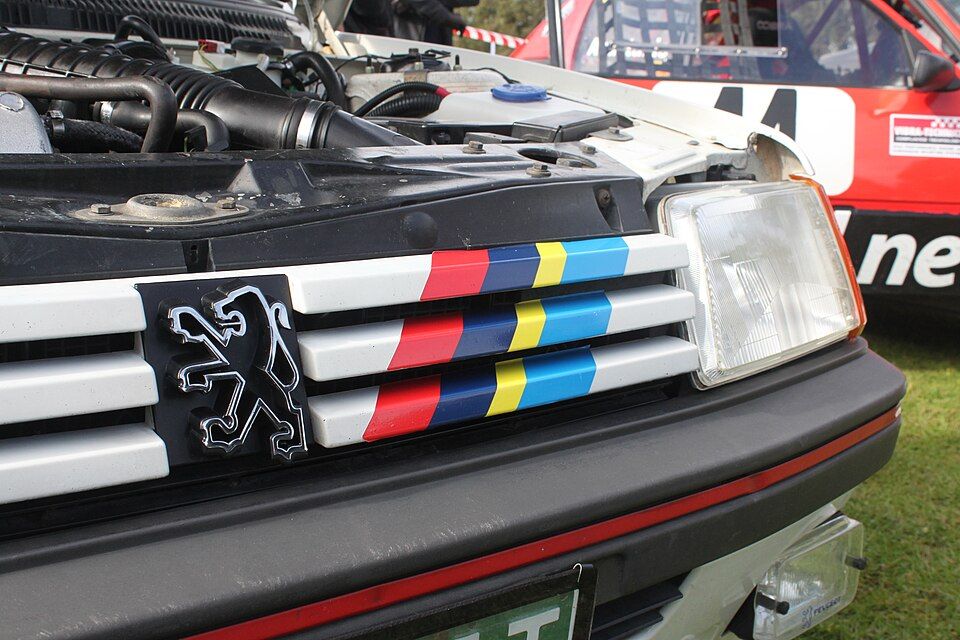
Photo: 1988 Peugeot 205 GTi by Jeremy from Sydney, Australia, CC BY 2.0, via Wikimedia Commons
Some performance cars wear their ego on the outside. Big wings, deep vents, fake aggression, the lot. The 205 GTI went another way, and that’s one reason it has aged so well. Peugeot’s own history notes say the 205 was designed in-house by Gérard Welter, while Paul Bracq shaped the interior, and that mix gave the car a neat, clean look before the GTI bits even came into play. The standard 205 already had crisp lines and tidy proportions. The GTI took that base and sharpened it just enough. The red trim, the wheel design, the stance, the subtle body changes, they all worked because they looked like they belonged there from day one. Nothing felt stuck on for show. And that matters, because people can smell pretend sportiness from a mile away.
The 205 GTI never looked desperate. It looked self-assured. Top Gear called it understated bodywork wrapped around a light, eager package, and that’s dead on. Even now, when you see one in a strong colour, it has that same effect. It catches your eye without shouting at you from across the car park. It’s a bit like spotting someone well dressed in Manchester city centre who hasn’t tried too hard and still looks better than everybody else. You notice. You remember. Peugeot’s recent press material says the 205 GTI still looks fresh four decades on, and that doesn’t feel like brand nostalgia talking. It’s true. Loads of cars from that era look trapped in their own decade. The 205 GTI doesn’t. It still looks tight, balanced, and ready for a scrap. And for a car that built its name on feel, that visual honesty really helped seal the deal.
Rallying gave it a bigger shadow than its size suggested
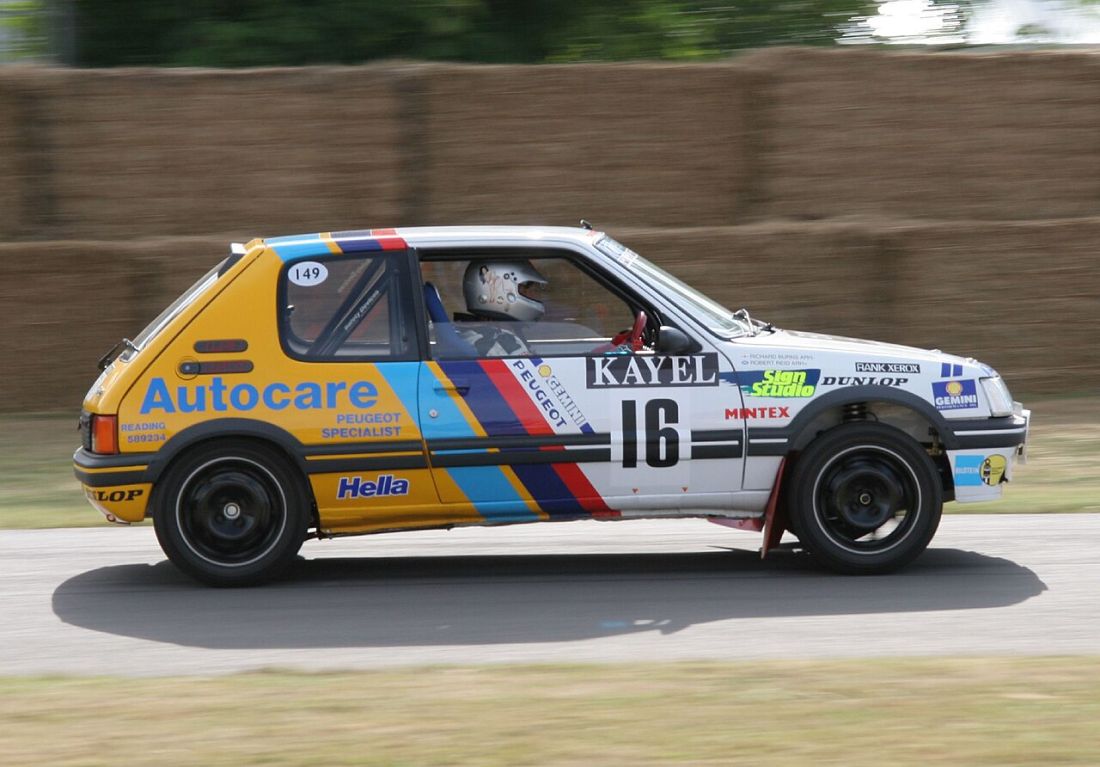
Photo: 1990 Peugeot 205 GTI Rally by Brian Snelson from Hockley, Essex, England, CC BY 2.0, via Wikimedia Commons
Here’s where the story gets even better. The 205 GTI was already a cracking road car, but the wider 205 family picked up serious motorsport heat at the same time, and that changed how people saw the badge. Peugeot’s official history says the 205 Turbo 16 hit the market in 1984, took its first World Rally Championship victory that year in Finland, then became world champion in 1985. The World Rally Championship records show Peugeot claimed back-to-back manufacturers’ titles in 1985 and 1986 with the 205 T16, a wild mid-engined, four-wheel-drive machine that shared little with the normal road car underneath.
Peugeot also says the broader 205 story includes 16 wins in the World Rally Championship and two Dakar Rally wins. Now, nobody sensible confuses a 205 GTI road car with the full-fat rally monster. They’re very different things. But car legends don’t live on engineering details alone. They live on mood, memory, and what a badge comes to mean. When fans saw the 205 name winning in rallying, spitting flames, bouncing over rough stages, and turning Peugeot into a motorsport force, some of that drama rubbed off on the GTI sitting in the showroom. Suddenly this wasn’t just a smart little fast hatch. It belonged to a family with edge. It had a halo above it. That matters, because people love owning a road car that feels linked, even loosely, to something heroic. It adds colour. It adds swagger. You can feel that in the way people still talk about the 205 today. The rally stuff made the whole 205 story bigger, louder, and harder to ignore, and the GTI was perfectly placed to soak up that excitement.
It made everyday roads feel special, and that’s harder than it sounds
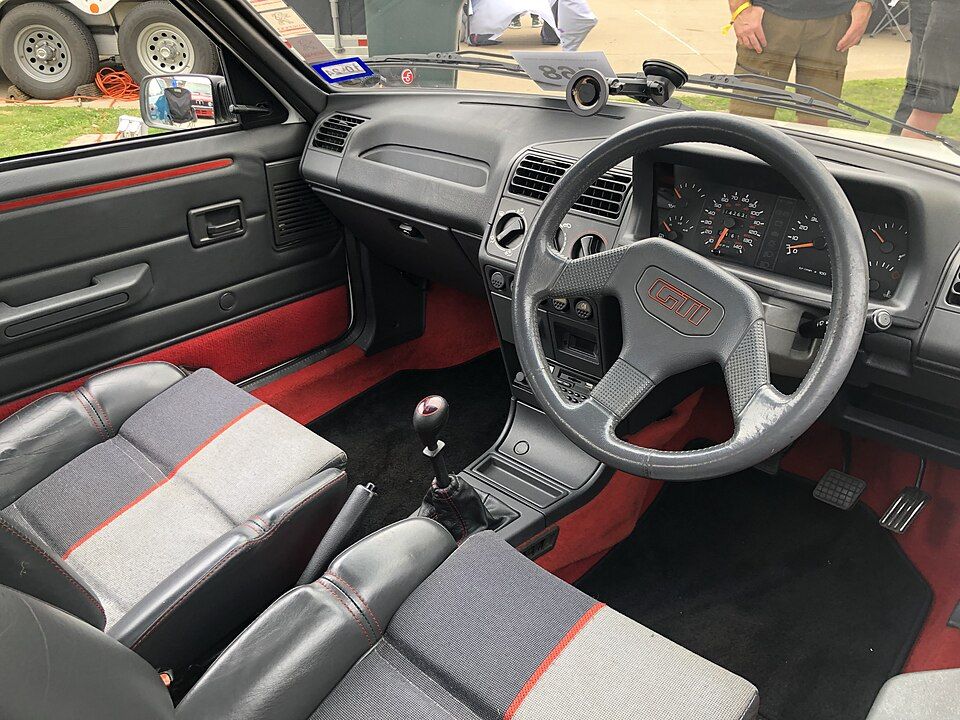
Photo: Peugeot 205 GTI interior by TKOIII, CC BY 4.0, via Wikimedia Commons.
This is the bit that really turns a good car into a loved one. Loads of cars can impress on paper. Horsepower, speed, grip, lap times, all that stuff looks nice in a spec sheet. But the 205 GTI earned its name on ordinary roads. Not racetracks. Not smooth test circuits. Actual roads, with bumps, cambers, rubbish surfaces, and corners that sneak up on you. Autocar’s old road test praised its performance and handling back in 1984, and later buying-guide coverage still says the car remains great fun by modern standards. Hagerty says its mix of interaction, looks, toughness, and fizz is hard to match, which sounds spot on. The 205 GTI asked you to pay attention, and then it paid you back. The steering could feel heavy at low speed, and if you were careless mid-corner the back end could get lively when you suddenly lifted off the throttle. But, weirdly, those traits are part of why people still talk about it with such warmth. It had character. It wasn’t a tablet on wheels trying to smooth everything over. You had to work with it a bit. And when you did, the whole car seemed to wake up. Let’s face it, that’s part of the thrill. It’s the same reason some people still prefer a proper old hi-fi with knobs and switches instead of tapping a glass screen. You feel involved. On a quiet morning heading out of Greater Manchester, with the road opening up past the last roundabout and the houses thinning out, a car like that feels alive in your hands. The 205 GTI gave drivers that feeling again and again, and feelings are what legends are built on.
It stuck in people’s heads, and then it stayed there
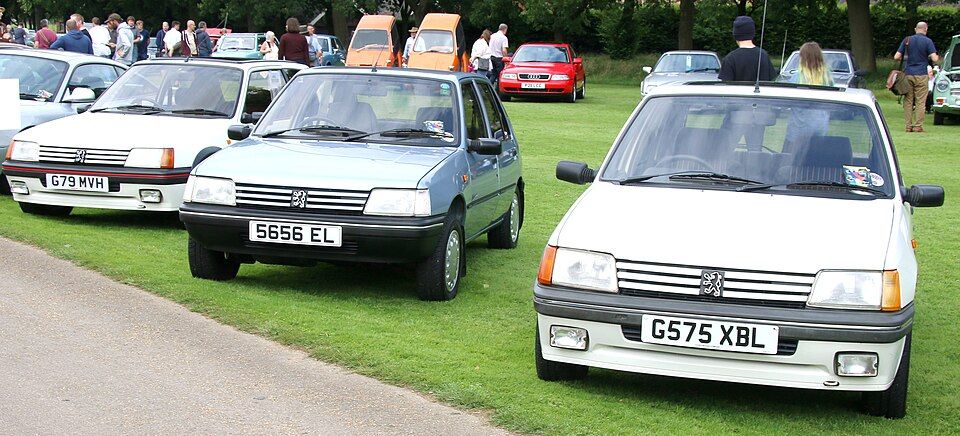
Photo: 1992 Peugeot 205 GTi by kitmasterbloke, CC BY 2.0, via Wikimedia Commons
Another reason the 205 GTI hit legendary status is simple. It didn’t fade after its showroom years were done. Some cars are huge for a bit, then slip quietly into the background. The Peugeot never really did. Autocar has said it’s still seen as one of the greatest hot hatches of all time, and Hagerty’s buying guide goes even bigger, arguing that few cars have matched its mix of interaction and charm since. Top Gear has also called it a totem of the Nineties modified car scene, even pointing out that it appeared on the cover of the first issue of Max Power magazine. That tells you the car crossed over from road test darling into something wider. It became part of youth culture, part of bedroom wall culture, part of “one day I’ll have one of those” culture.
And that matters because true legends don’t stay locked in one age group. The 205 GTI appealed to keen drivers, young modifiers, magazine readers, rally fans, and later on, collectors looking back with a bit of mist in their eyes. It had enough edge for the people who wanted to tweak and personalise things, but it also had enough purity for the people who wanted an original example and nothing messed with. That balance is rare. It means the car keeps finding new fans. One generation loved it when it was new. The next grew up hearing stories about it. The one after that met it online, in videos and auction listings, and still got hooked. You know how it is. Some names just stick. The 205 GTI stuck because it wasn’t famous for one single reason. It had style, speed, motorsport links, attitude, and a driving feel that people could still describe years later without sounding forced. That kind of memory lasts.
It still matters because it reminds people what fun feels like
The strongest legends keep teaching the same lesson long after production stops. The 205 GTI does that. Peugeot’s own heritage material says the full 205 range ran from 1983 to 1998 and sold 5,278,050 units, which is a huge number, but the GTI’s place in the story feels bigger than sales alone. It became the version people still point to when they talk about simple, light, honest fun. Even now, writers keep comparing newer fast hatchbacks to it, which tells you the benchmark never really went away. Autocar says Peugeot has never truly recaptured the magic since the original ended production in 1994. That might sound harsh, but it also shows the size of the car’s legacy. The 205 GTI set a mark that later cars kept chasing. And why? Because it reminds drivers that fun doesn’t need a silly power figure, five driving modes, or a cabin full of glowing graphics. It needs balance. It needs a sense that the car is talking to you. It needs a shape that still looks right, an engine with some spark, and a chassis that makes a B-road feel like an event. That idea still lands now, maybe even more than before, because modern cars can feel very polished and very distant. The old Peugeot wasn’t distant. It was chatty. A bit cheeky. Sometimes scruffy around the edges. But unforgettable. That’s why its status held firm. It earned it in period, then kept earning it every year after. And around places like Manchester and Stockport, where drivers still care about cars that work in the real world and still make you smile on a Sunday morning, that kind of legend makes perfect sense.