


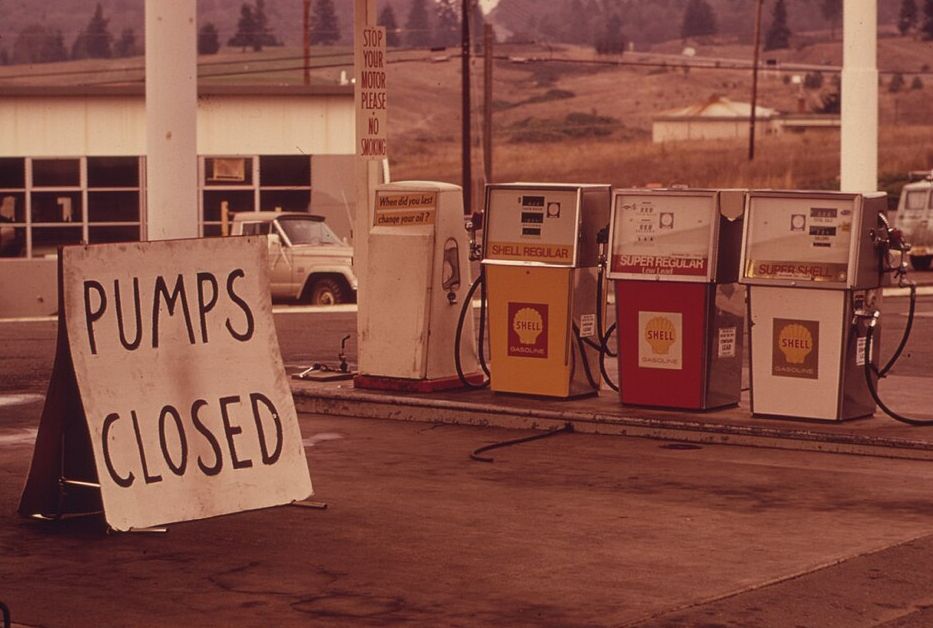
How the Oil Crisis of the 1970s Changed Car Design Forever
Photo: The Oil Crisis of the 1970s by David Falconer, Public domain, via Wikimedia Commons.
At Dace Motor Company, we spend our days around used cars from all kinds of brands, and that gives you a funny sense of history. A car parked up in Stockport in 2026 can still carry the shape of a fight that started forty years ago. And one of the biggest fights in car history happened in the 1980s, when Japanese makers stopped being the new kids and became the names everybody had to chase. This wasn’t some film-style takeover. No drama for the sake of it. No magic trick. It was quieter than that. A Toyota Corolla, a Honda Accord, a Nissan Bluebird, a Mazda that felt light on its feet. Cars that started in the rain, didn’t drink too much fuel, and gave people fewer reasons to groan on a cold Monday morning. That matters. If you’ve ever sat in traffic near the M60 or crawled along the A6 through Stockport thinking, “I just need the thing to work,” then you already get the heart of it. By 1980, Japan had moved ahead of America in automobile production, and Japanese industry output reached about 11 million vehicles that year, with exports rising hard because buyers around the globe wanted smaller cars. Toyota even said the Corolla posted the highest production total of any car in the world in 1980, for the second straight year. That’s huge. It tells you this wasn’t a niche win for enthusiasts in one country. It was a full-on change in what regular people wanted to drive and trust. And once that trust landed, it stuck. That’s why the 1980s matter so much. They didn’t just give Japan a good decade. They changed what people thought a good car was supposed to be.
The timing was perfect, and rough for everybody else
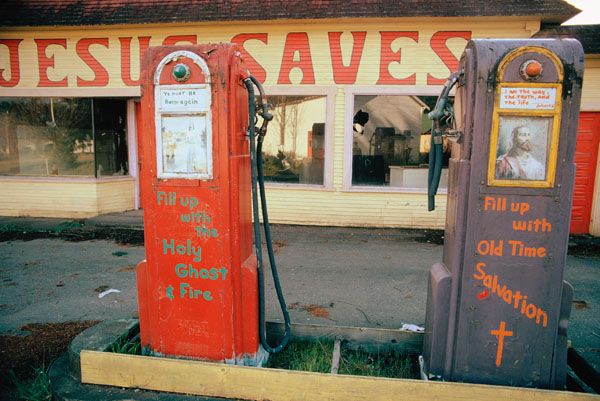
Photo: Gas stations abandoned during the fuel crisis in the winter of 1973-74 were sometimes used for other purposes. This station at Potlatch, Washington, west of Olympia was turned into a religious meeting hall. Signs painted on the gas pumps proclaim "fill up with the Holy Ghost . . . and Salvation" (by David Falconer, Public domain, via Wikimedia Commons).
You can’t tell this story properly without fuel prices. That’s the part some people skip, but it really matters. In 1973, the first oil crisis sent prices jumping hard, and then another oil shock hit in 1979. Big, thirsty cars suddenly looked a bit daft to a lot of families. That didn’t mean people stopped liking roomy cars or smooth engines. It just meant that paying for fuel started to hurt in a fresh way, and car buyers changed their minds fast. Japanese makers were in a good place for that moment because they were already very good at building smaller cars that made sense in the real world.
Toyota’s own history from the time says demand around the globe for small cars helped push Japanese exports to about 6 million vehicles in 1980. A Federal Reserve paper from the mid-1980s said Japanese brands had a clear edge in small, fuel-saving cars and had pushed their share of the American new-car market up to 21 percent by 1980. That’s the bit people felt in daily life. You’d go from a car that felt heavy, drank money, and needed excuses, to one that just got on with it. Let’s face it, buyers are not romantic all the time. A lot of them want something that starts, runs, sips fuel, and doesn’t turn every little job into a headache. Cleaner engines mattered too, because rules were changing and car firms had to keep up. Japanese companies were quick on that front as well. So the 1980s “takeover” wasn’t really about one clever advert or one big launch. It was about being ready when the mood changed. And the mood changed because life got more expensive, buyers got pickier, and the car that made the most sense started to win.
Small cars won the argument first
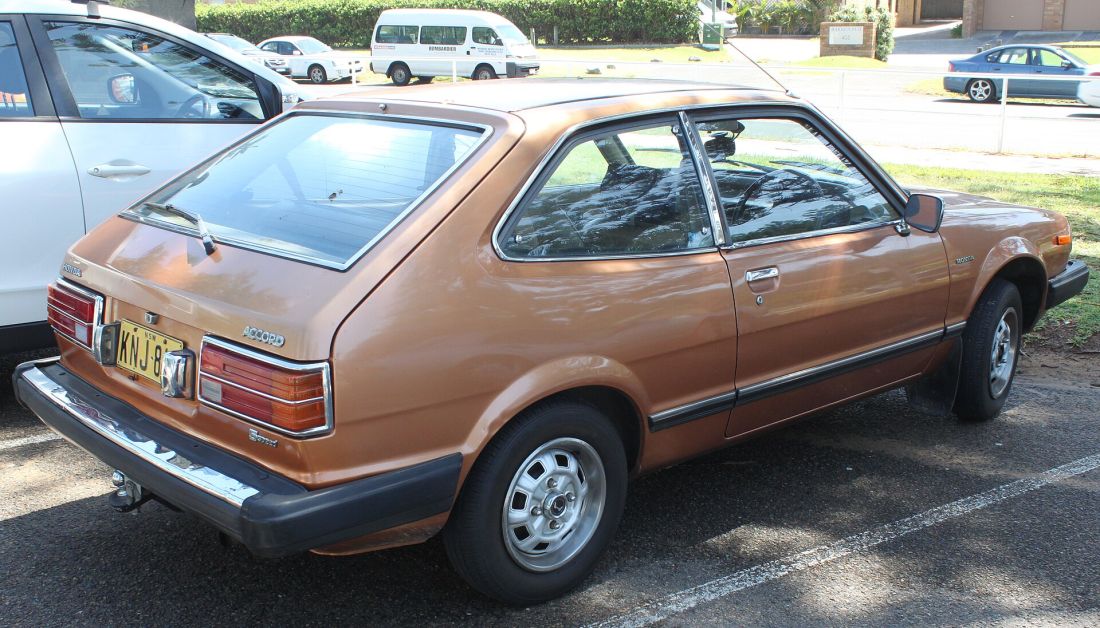
Photo: 1980 Honda Accord by Jeremy from Sydney, Australia, CC BY 2.0, via Wikimedia Commons
The clever part is that Japanese brands didn’t just show up with small cars. They showed up with small cars people could live with. That’s a big difference. Plenty of cheap cars in history have sold for a bit and then faded because they felt flimsy or gloomy. The Japanese cars that hit big in the 1980s had a different vibe. They felt sensible without feeling miserable. The Corolla is the easy example because it became massive, but it wasn’t alone. The Honda Accord, for one, started building a proper legend by being roomy enough for family life and dependable enough to calm people down.
Honda’s own history says the Accord became the first model from a Japanese car maker to be made in America in November 1982, which tells you how serious demand had become. These firms weren’t just shipping cars across oceans and hoping for the best. They were building followings. And then came the quality reputation. That’s the bit that turned curiosity into loyalty. A big quality study that began in 1987 had seven Japanese brands in its first top ten. That doesn’t happen by luck. It happens when buyers keep finding fewer faults than they expected. You know how it is. One good experience gets your attention. Three good experiences from your mate, your auntie, and the bloke down the road turn into a pattern. By the late 1980s, that pattern was hard to ignore. Japanese cars were no longer the “surprising” choice. They were the safe bet, the sensible pick, and, for loads of people, the smarter buy. Adults reading this will remember that shift. Kids can think of it like this: if one team keeps showing up prepared while the others keep forgetting their homework, sooner or later nobody is shocked by the report card anymore.
Then the factories started moving closer to buyers
And this is where the story gets even bigger, because Japanese brands didn’t stay as outsiders. They moved in. Honda’s Marysville plant in Ohio built its first Accord in 1982. Nissan started building a pickup in Tennessee in 1983, and those early models even wore both Datsun and Nissan names so buyers could keep up with the badge change. In 1984, Toyota and General Motors set up their joint factory in Fremont, California, with Tatsuro Toyoda as president, turning a trade headache into a shared lesson in how to build better cars. This part matters because by the early 1980s there was real political pressure in America. Toyota’s history says Japanese-made cars had reached 21.3 percent of the American market in 1980, and then talks between Japan and America led to export limits in 1981. In simple terms, Japanese brands were doing so well that the rules got tighter. But instead of shrinking back, they started making cars closer to the people buying them. That changed the argument. It’s one thing to call a car an import. It’s another thing when it’s being built down the road by local workers. The Japanese makers got that quickly. They didn’t just sell cars into a market. They planted roots. And once they did that, their place in the car business felt harder to shake. To be honest, this is one reason the 1980s feel like a real turning point rather than a hot streak. A hot streak fades. A turning point rewrites the map. By the time the decade was rolling along, Honda, Nissan, and Toyota weren’t just brands from far away anymore. They were part of American industry too, and they were dragging old ideas about quality, waste, and reliability into a fresh era whether rivals liked it or not.
Britain felt the change too, and drivers up here felt it in real life
For readers around Manchester and Stockport, this story isn’t just about Japan and America. Britain felt it as well. In fact, the British side of this shift is a big reason the whole thing feels real rather than distant. Nissan’s Sunderland plant was established in 1984 and production began in 1986. Honda of the U.K. Manufacturing was established in 1985 at South Marston near Swindon, with operations starting in 1986 and engine production beginning in 1989. Those are dry facts on paper, but they point to something bigger: Japanese car makers were no longer just sending cars into Britain. They were becoming part of Britain’s car story. That changes how buyers see a brand. It changes jobs, suppliers, training, and trust. And it changes what people spot on the road. By the late 1980s, Japanese cars were familiar to British drivers in a way that would have seemed unlikely years earlier. You didn’t need to be a car obsessive to notice. You just had to look around a supermarket car park, a school run queue, or a packed road on a wet weekday. If you imagine the same thing around Greater Manchester, it clicks fast. People here don’t hand out praise for free. A car earns its place by coping with rough mornings, short hops, long motorway runs, stop-start traffic, potholes, grime, and weather that can’t make its mind up. Japanese brands built a very strong case in those conditions because they felt dependable and easy to live with. That matters in London, sure, but it matters just as much in Reddish, Heaton Chapel, Eccles, or anywhere else where drivers want value without constant fuss. Britain didn’t just watch the Japanese rise. Britain became one of the places where that rise settled in and stayed.
Japan stopped being “the sensible choice” and started becoming the exciting one too
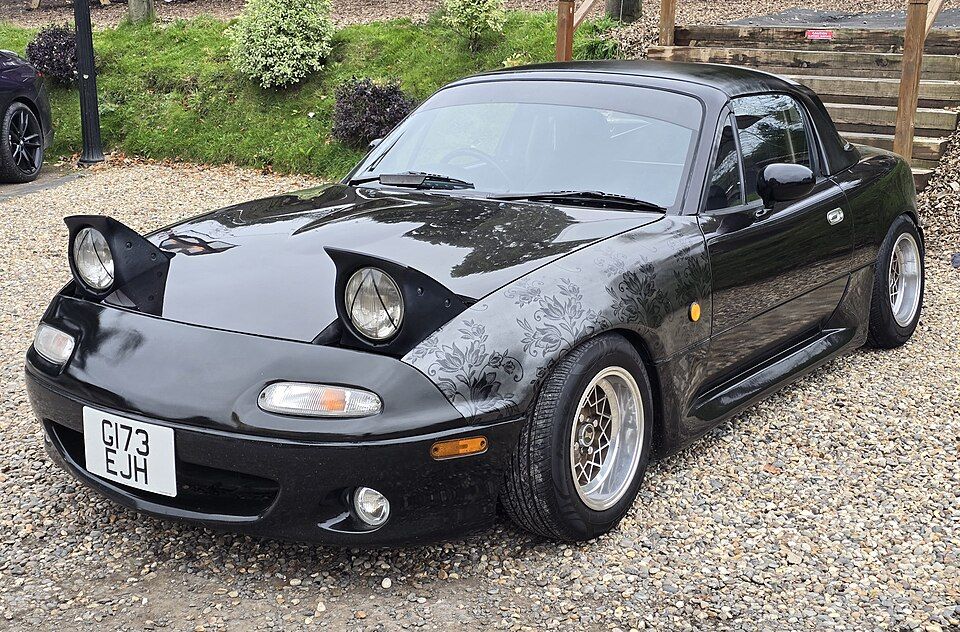
Photo: 1989 Mazda MX-5 by Calreyn88, CC BY-SA 4.0, via Wikimedia Commons
Here’s where the story gets really interesting. By the middle and end of the 1980s, Japan wasn’t happy just being known for sensible hatchbacks and dependable saloons. It wanted prestige. It wanted style. It wanted fun. And it went after all three. Honda got there first in America with Acura, which officially launched on 27 March 1986 and became the first Japanese luxury brand there. That was a statement. It told everyone that Japan did not plan to stay in the budget corner forever. Toyota followed by introducing the Lexus brand in 1989, with Lexus dealerships in America and the Lexus LS 400 launch that same year. Nissan launched Infiniti in 1989 too. So in the space of a few years, Japanese makers went from “good small cars” to “we can take on the best luxury cars as well.” That’s a massive jump in confidence. Toyota president Eiji Toyoda had set that tone back in 1983 when he challenged his team to build a car better than the best in the world. Big words, yes. But then the car turned up. And Japan’s 1989 party wasn’t just about luxury. Mazda unveiled the original MX-5 in 1989, and that little roadster reminded everybody that Japanese firms could build cars for joy as well as duty. Light, simple, playful. You didn’t need to know every spec to get why people loved it. This bit matters because it broke an old stereotype. Before this, some buyers still thought Japanese cars were smart but dull. After Acura, Lexus, Infiniti, and the MX-5, that line got a lot harder to say with a straight face. Japan had proven it could do everyday cars, fancy cars, and grin-inducing cars too. Once that happened, the takeover felt complete. It wasn’t just a value story anymore. It was a full-range story.
The real win was trust, and that still matters on roads around Manchester and Stockport
In the end, that’s what Japan really took over in the 1980s: trust. Sales matter, factory totals matter, big launches matter, but trust is the prize that lasts. Buyers started to believe that Japanese cars would do what they said on the tin. They’d be easier to live with. They’d give fewer nasty surprises. They’d keep their cool after years of school runs, rainy commutes, and supermarket dings. That belief didn’t appear out of thin air. It was built by years of solid cars, better quality scores, smart moves into overseas production, and a willingness to keep improving while rivals were still arguing with the market. We’ve all been there with products that promise the moon and then annoy us by Tuesday. The Japanese brands that rose in the 1980s got famous for the opposite. They won by being dependable enough that people recommended them without sounding like salesmen. And once families start passing that message around, it sticks for decades. That legacy is a big part of why buyers still walk into places like Dace Motor Company looking at used Honda, Toyota, Nissan, Mazda and Lexus models with a certain confidence already in their heads. It doesn’t mean every single car from Japan is perfect, and it doesn’t mean rivals stopped making great cars. Of course not. But the rules of the game changed in the 1980s, and a lot of the used market still lives in the shadow of that change. People in Manchester and Stockport want value, reliability, and something that feels worth the money. Back then, Japan made itself the benchmark for those things. And once a brand, or a whole country’s car industry, becomes the benchmark, everybody else spends years trying to catch up. That’s why the 1980s still matter every time someone turns a key and expects no drama.