


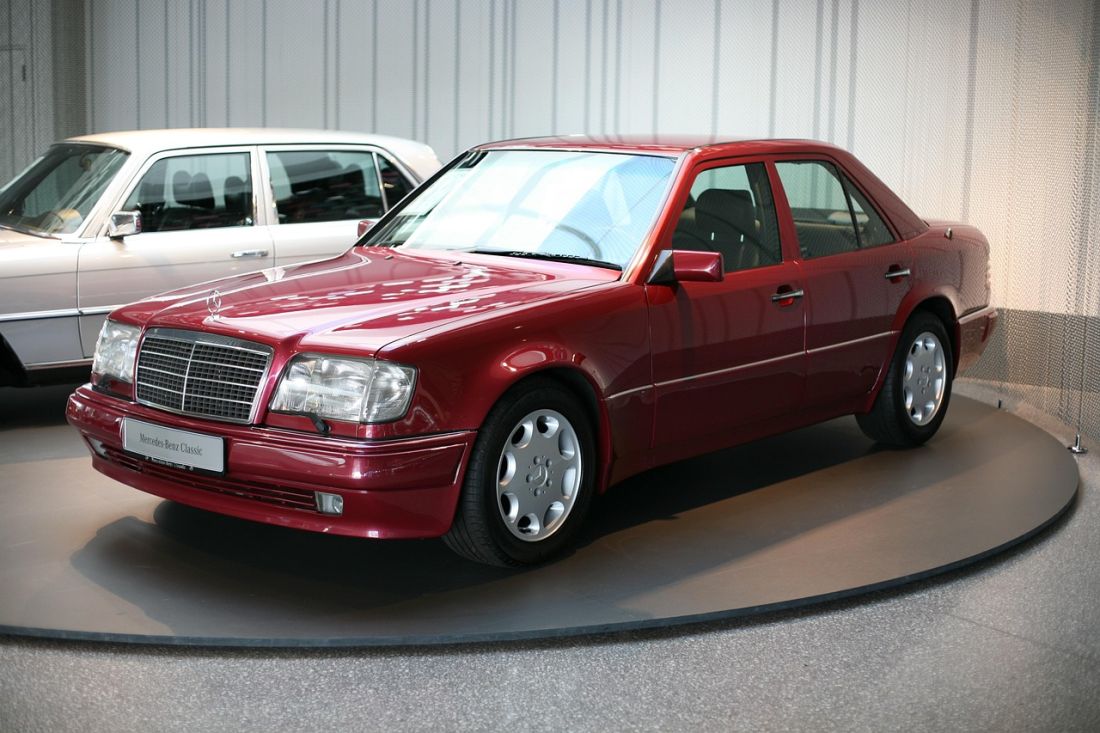
How the Mercedes-Benz W124 Became a Legend of Reliability
The Mercedes-Benz W124 never had the kind of look that begged for attention. It wasn’t trying to be loud. It wasn’t trying to be trendy. It just turned up, got on with the job, and somehow built one of the biggest reputations any old car has ever had. That’s part of the charm, really. You look at one and think, nice old Mercedes. Then you spend a bit of time reading about it, or talking to someone who’s owned one, and you start hearing the same sort of stories again and again. Big mileage. Years of daily use. Doors that still shut with a proper thud. Engines that keep pulling like they’ve got no interest in retiring.
The 124 series arrived at the turn of 1984 into 1985 as the replacement for the long-running W123, and Mercedes kept stretching the family out with more versions as time went on. The estate came in 1985, the coupé arrived in 1987, the cabriolet followed after its 1991 debut, and in 1993 the saloon range picked up the E-Class name. By the time production totals were counted up, Mercedes had built well over 2.5 million 124-series vehicles, which is a massive number for a car people now talk about with almost myth-like respect. At Dace Motor Company, we spend our days around used cars from every angle, and the W124 is one of those rare models that still gets that knowing nod. You know the one. The nod that says, “Yeah, that one was built right.” And that’s really where this story starts. The W124 didn’t become famous because of one ad, one shiny brochure, or one hero review. It became famous because real people used them hard, for years, and the cars kept giving them reasons to trust them.
Mercedes gave it a very hard brief, and that mattered
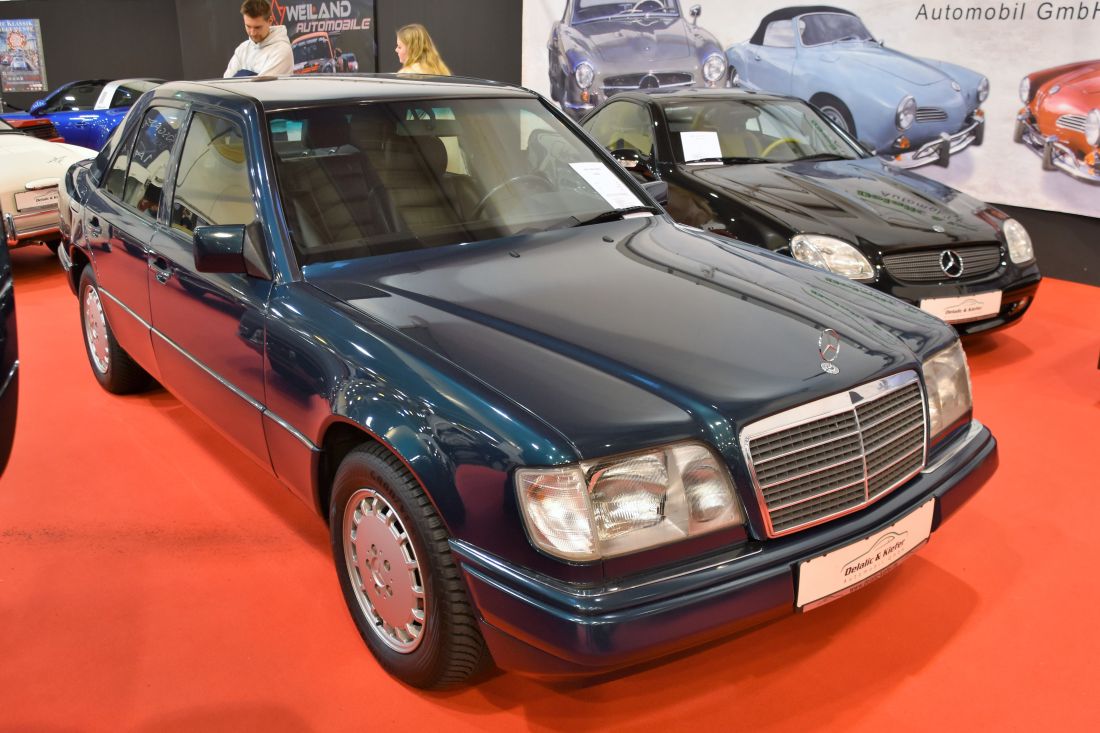
Photo: 1995 Mercedes-Benz E-Klasse (W124) E 320 by Charles from Port Chester, New York, CC BY 2.0, via Wikimedia Commons
To get why the W124 ended up with this reputation, you’ve got to look at what Mercedes was trying to do in the first place. Replacing the W123 was no small job. The older car was already loved for being tough and dependable, so Mercedes couldn’t just make something newer-looking and hope for the best. They had to build a car that felt like a step forward without losing the solid, long-life feel people expected. And they really went after it. The company says the 124 series used high-strength steel and other weight-saving materials, while the body was shaped to move through the air more cleanly. That helped cut fuel use, but it also shows the whole point of the car. It was meant to be clever without feeling flimsy.
Mercedes also pushed safety hard. The passenger cell was built for strong side-impact and rollover resistance, and the body used deformation zones at the front and rear so the force of a crash could be managed better. That doesn’t sound glamorous, and that’s fine, because glamour wasn’t the mission. Real-life strength was. The classic parts section from Mercedes still describes the 124 as a new generation in the mid-size class, built around innovative tech, strong safety, and a design that people can still pick out from across a car park. Let’s face it, that’s a big part of why the W124 aged so well in people’s minds. It wasn’t built around a fashion moment. It was built around jobs the car had to do, year after year, through rough weather, long motorway runs, school drop-offs, airport runs, and all the boring stuff that really tests a machine. That kind of thinking doesn’t guarantee perfection, but it gives a car very good bones. And with the W124, those bones mattered a lot.
The shape looked simple, but there was loads going on
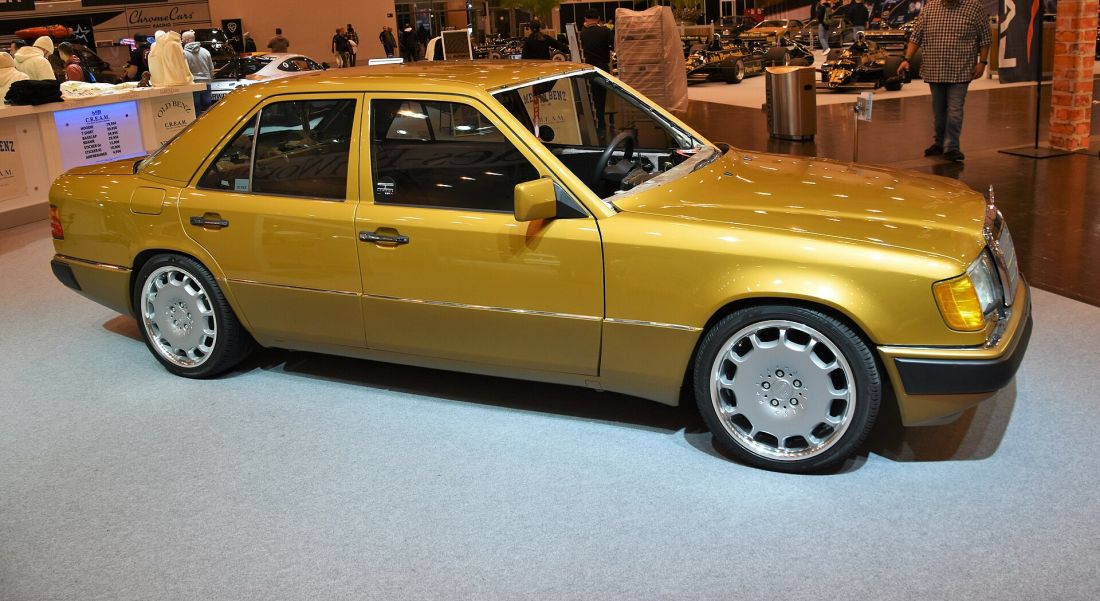
Photo: 1992 Mercedes-Benz Baureihe 124 (W124) 400 E by Charles from Port Chester, New York, CC BY 2.0, via Wikimedia Commons
One of the smartest things about the W124 is that it hides its cleverness in plain sight. You can stand next to one and miss half the story if you’re just looking for fancy styling tricks. The body was shaped in the wind tunnel, and Mercedes kept talking about function leading the design. That sounds a bit dry, but in real life it meant a car that felt calmer on the road and easier to live with every day. The tail shape was rounded in a way that helped the air leave the car more neatly. The boot lid and rear lights were shaped so the loading lip could sit lower, which made it easier to get luggage in and out. That’s the sort of detail people don’t cheer for on launch day, but they remember years later.
Then there was the single “panorama” wiper, one of the W124’s party pieces. Mercedes said it could wipe 86 percent of the windscreen, which was huge for the time, and it worked with a mix of sweeping and lifting motion so it could reach up into the corners better than a normal one-arm setup. Heated washer jets were standard too. If you live around Manchester or Stockport, that stuff makes sense straight away. A clever wiper is easy to laugh at until you’re stuck in greasy spray on the M60, or crawling down the A6 with that fine winter muck coating the glass. Then it stops being a gimmick and starts feeling like someone really thought the car through. And that’s the heart of the W124, really. The clever touches were there to help with real weather, real roads, real use. It didn’t need to shout about being smart. It just quietly made life easier, and people noticed, even if they didn’t always know why.
The real magic was in the mechanical basics
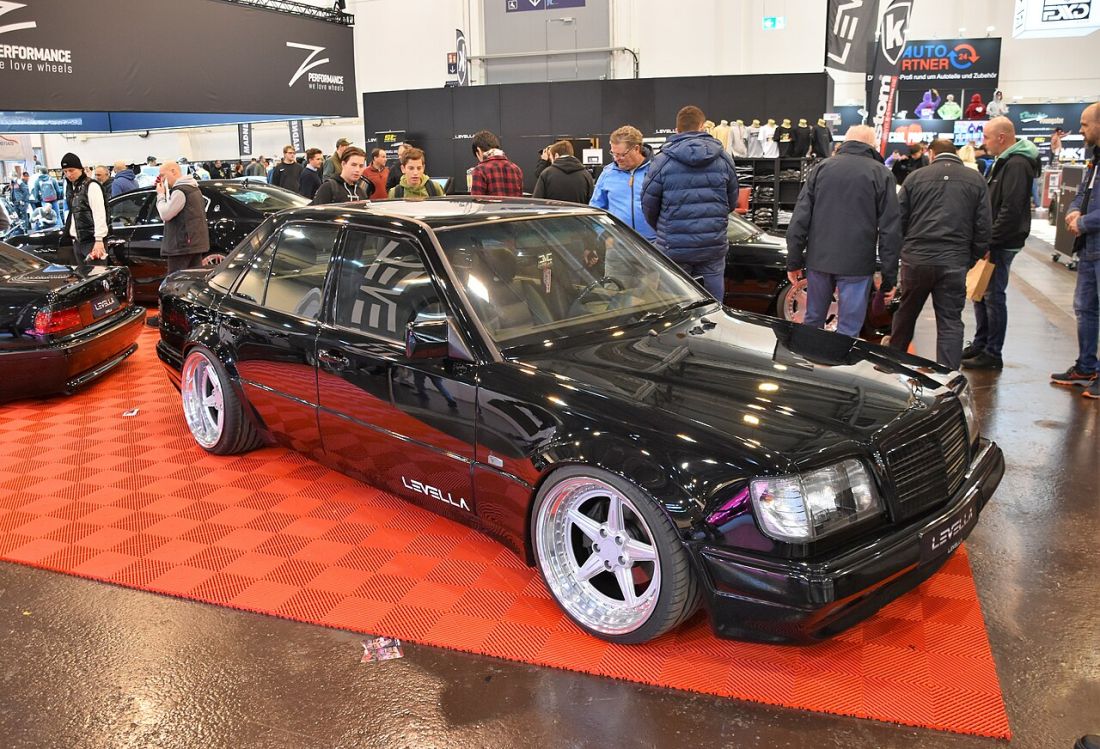
Photo: 1991 Mercedes-Benz Baureihe 124 (W124) 300 E by Charles from Port Chester, New York, CC BY 2.0, via Wikimedia Commons
A car doesn’t earn a long-life reputation on looks alone, and the W124’s real strength sat underneath. Mercedes gave it a front setup with anti-dive control and a rear setup where each back wheel was guided by five separate arms. That sounds a bit techy, but the easy way to picture it is this: Mercedes wanted the car to stay settled, ride well, and keep its tyres pointing where they should, even when the road got scruffy. The saloons got that clever rear layout from the start, and when the estate arrived in 1985 it carried over much of the saloon’s hardware, with changes for heavier loads and a self-levelling rear setup as standard. So even the family workhorse version was built with real care. The engine range mattered too. Mercedes says most of the engines were new developments, including fresh six-cylinder petrol units and a new diesel family.
That diesel side of the range became a big part of the legend because these cars were used hard and asked to do boring miles without fuss. And then there’s the other side of the story, the bit that proves how strong the platform was. This same basic car family could stretch from humble diesels all the way up to the 500 E, the eight-cylinder flagship unveiled in 1990, a car developed with Porsche that could do 0 to 100 km/h in 5.9 seconds. Think about that for a second. The same basic shell had to cope with taxi life, estate-car duties, motorway family hauling, and then a hand-finished performance version with a massive engine. That doesn’t happen by accident. It tells you the base structure had real depth to it. You know how it is with some cars, they feel like they were built for one job and only one job. The W124 felt like it could handle five. That breadth is part of why people still talk about it like it was made from thicker stuff, because in a lot of ways, it really was.
Legend status came from the street, not the showroom
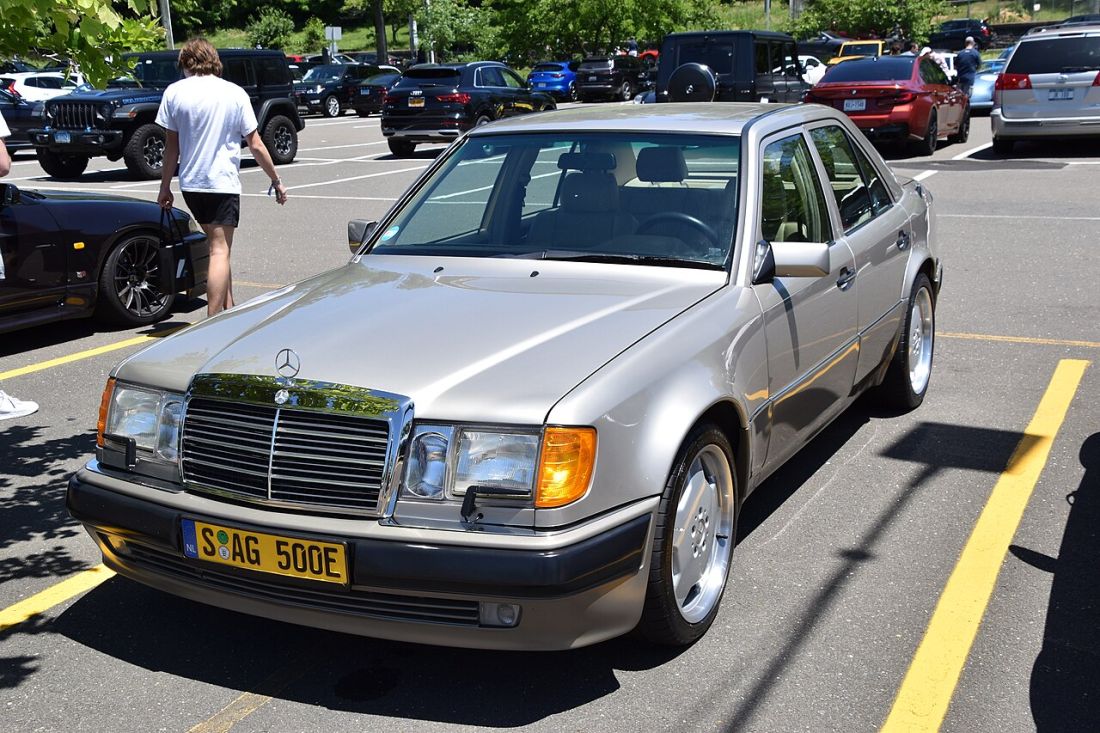
Photo: 1992 Mercedes-Benz 500 E (W124) by Charles from Port Chester, New York, CC BY 2.0, via Wikimedia Commons
Here’s the bit that really turned the W124 from “good car” into “legend.” People used them like tools. Hard tools. Taxi drivers loved them, families kept them for years, and long-distance drivers treated them like workhorses. That sort of life is brutal on any car. Stop-start use, endless idling, rough surfaces, heavy doors being opened and slammed all day, people climbing in and out, cold starts, hot starts, winter salt, cheap repairs, late-night runs, missed services, catch-up services, all of it. If a car keeps coming back for more under that kind of life, people remember. One reason the W124’s name still carries weight is that high-mileage stories never really stopped. In 2022, Motor1 reported on a 1993 W124 taxi in Albania that had covered 1,584,589 kilometres and was still running with its original engine.
The owner said he’d really only had one major problem, a head gasket issue. There are other stories too, like the well-known 200 D taxi reported by MercedesBlog after it reached 1.3 million kilometres. Now, one heroic car doesn’t prove every single W124 was indestructible. Of course it doesn’t. But these stories stack up with the wider reputation the model built in service, and that’s what matters. People didn’t just admire these cars from a distance. They relied on them for work and money. And if a taxi driver trusts something, that says plenty. Taxi life is a ruthless test. It’s a bit like saying a pair of shoes survived years of walking through town in Manchester rain, up and down station steps, then still looked ready for another shift. That means something. The W124 earned that kind of respect the long way. Through repetition. Through graft. Through doing the dull, difficult miles that break weaker cars and make stronger ones famous.
The truth is, reliability and durability are cousins, not twins
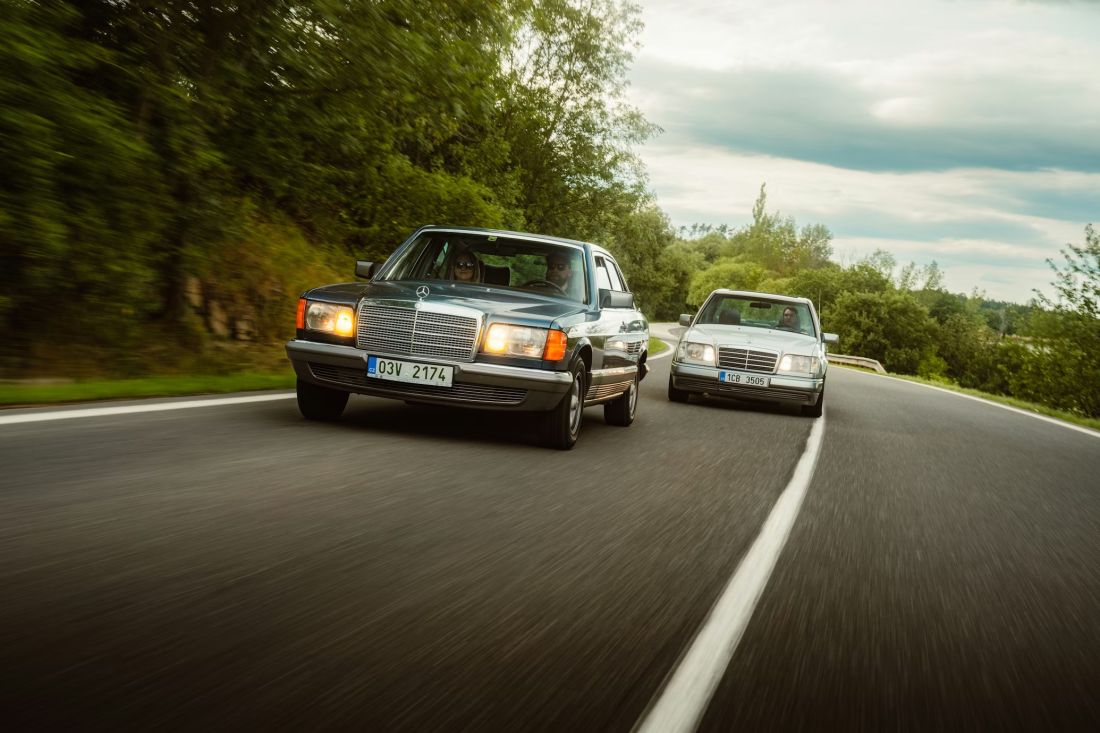
This is where the W124 story gets a bit more interesting, because to be honest, people use the word “reliable” in two different ways. Road & Track made a smart point about old Mercedes cars like the W124. They argued that the W124 is better described as durable than perfectly reliable in the modern sense. That sounds like hair-splitting, but it actually helps explain why the legend has lasted. A modern reliable car is one that asks very little of you for ten years, then gets thrown away when the numbers stop adding up. A durable car is different. A durable car can take huge mileage, wear, repairs, refurb work, and still keep going because the main pieces are strong and worth saving.
That’s the W124 in a nutshell. It may need bits sorting over time. A switch might fail. A seal might leak. A trim piece might age. But the core of the car, the shell, the engine design, the driveline, the basic engineering, tends to make people think, “Yeah, this is worth fixing.” And that feeling is gold. We’ve all been there with old stuff, whether it’s a bike, a coat, or a favourite set of tools. If the basic thing is good, you’ll put the effort in. If it feels cheap underneath, you won’t bother. The W124 made owners want to bother. That’s why the legend kept growing after production stopped. The cars that were cared for stayed on the road, and people kept seeing them. They saw estates still hauling loads. They saw saloons still doing daily-driver duty. They saw old diesel cars starting up again and heading off like they’d barely noticed the passing decades. So yes, the W124 became a legend of reliability. But the fuller truth is even better. It became a legend because it mixed reliability with deep durability, and that’s a much rarer thing.
Why some W124s still feel brilliant, and others really don’t
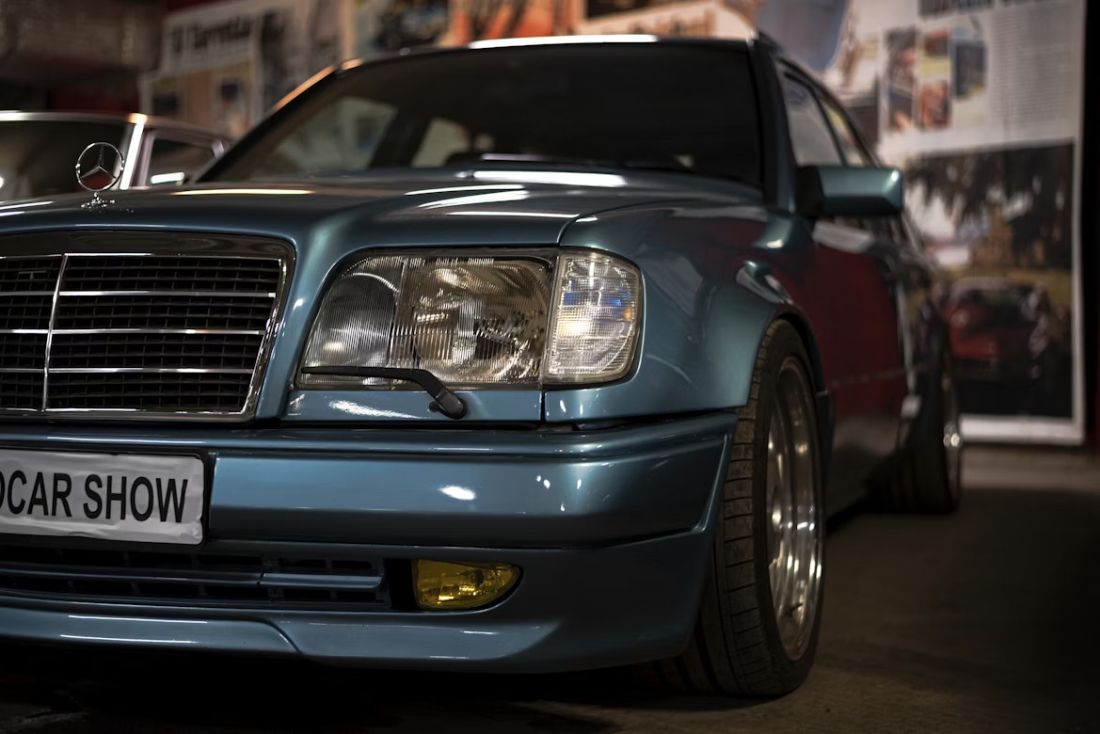
Now for the honest bit, because no old car gets a free pass forever. If you’re looking at a W124 today, the badge and reputation can only carry you so far. Condition matters, history matters, and neglect can wreck even a great car. Recent buyer guides still point to the same weak spots you’d expect on a car of this age. Rust is the big one. Check the rear inner arches, the jacking points, the floorpan, the subframes, and the area under the washer bottle in the engine bay. That’s where corrosion likes to sneak in. On later cars, especially from 1993 on, the engine wiring loom can go brittle and crumble with age, which can cause running problems and awkward electrical faults. That issue has become one of the best-known late-W124 headaches, so it’s something a buyer really does need to ask about. Cooling systems matter too.
A tired water pump or blocked radiator can push temperatures up, and like any older car, little faults become bigger ones if people keep driving and hoping for the best. The good news is that the basic gearboxes are widely seen as strong, and the diesel engines still get praised for being incredibly tough if they’ve been serviced properly. That little phrase, “if they’ve been serviced properly,” is doing a lot of work there. But that’s fair enough. Any car built decades ago needs care. So the smart way to look at a W124 now is this: don’t buy the myth, buy the actual car in front of you. A cherished one can still feel wonderfully solid. A tired one can empty your patience in a hurry. That isn’t the W124 failing its legend. That’s just age doing what age does. The legend came from cars that were used, maintained, and respected. The best surviving examples still show you exactly why.
Why the W124 still lands so well with buyers around Manchester and Stockport
There’s a reason the W124 still makes sense to people around here, even now. Our roads and weather have a way of cutting through nonsense. A car can look amazing on a sunny photo shoot, but that doesn’t help much on a wet morning in Reddish, a run through Stockport traffic, or a motorway slog where the spray seems to come from every angle at once. What people around Manchester and Stockport tend to respect is honesty. Good visibility. Solid controls. Comfort that doesn’t feel fussy. Build quality you can feel in the doors, seats, and switchgear. The W124 still has that pull. And it helps that support is still there. Mercedes-Benz Classic still lists genuine classic parts for the 124 model series across engine, transmission, brakes, body, lights, interior, and more, and it also flags parts that are no longer being reissued so owners know where they stand. That matters because legends stay alive when they can still be repaired, not just admired. From our side at Dace Motor Company, that’s one reason older Mercedes models like this still get respect without needing loads of sales talk wrapped around them. The appeal is already built in. The W124 feels like a car from a time when engineers were allowed to think a bit longer, test a bit harder, and send something out into the world that had a fighting chance of being around thirty or forty years later. It isn’t perfect. It never was. But that’s part of why people trust it. The trust doesn’t come from fantasy. It comes from decades of proof. And in a place where people know the difference between something that just looks the part and something that actually keeps turning up, the W124 still feels like the real thing.