


How the Lexus LS Shocked the Luxury Car Market
Photo: 1990 Lexus LS400 by ????, CC0, via Wikimedia Commons.
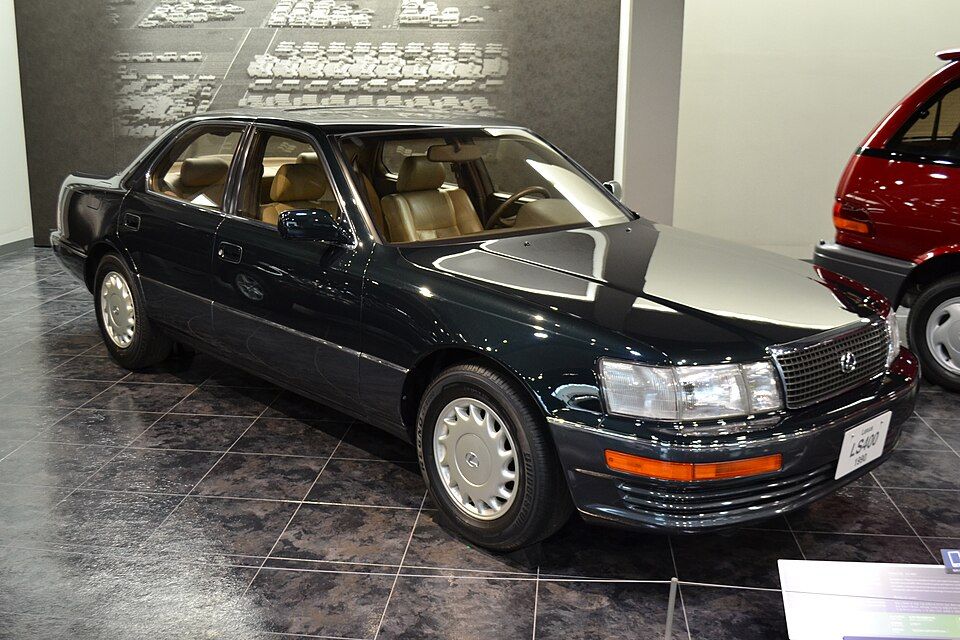
Back in the late 1980s, the top end of the car market felt like one of those places where everyone already knew the rules, and if you turned up without the right family name, the right accent, or the right badge on your bonnet, you were meant to stay outside. Mercedes-Benz had the big luxury saloon image locked down. BMW had the sporty, serious one. Jaguar had the old-school charm. American luxury cars still had plenty of badge pull too. Then Lexus arrived with the LS 400, and the whole thing went a bit wobbly. That’s the part people still talk about, because the shock wasn’t small. It wasn’t a gentle nudge. It was more like a new team turning up on opening day and playing like they’d owned the league for years. The LS 400 made its public debut in January 1989 and went on sale that September, and it didn’t sneak in quietly. It came in with the kind of polish people expected from the biggest names, yet it was priced way below similar German rivals. In the United States, the LS 400 started at about $35,000, and reports at the time said that put it roughly $20,000 below comparable West German luxury saloons. Car and Driver later summed up the shock in a line people still repeat in one form or another: the LS felt like it was playing in S-Class territory, but the price sat much closer to the rung below. For buyers, that was a proper head-turner. For rivals, it was worse. In its first full month on sale, Lexus even managed to outsell BMW in the United States. You can see why the old guard got twitchy. If you’re reading this in Stockport or Manchester, picture a new shop opening near the Trafford Centre and somehow offering top-shelf stuff for less than the names everyone had bragged about for years. People would talk. And they did.
Toyota didn’t stumble into this, it spent years chasing it
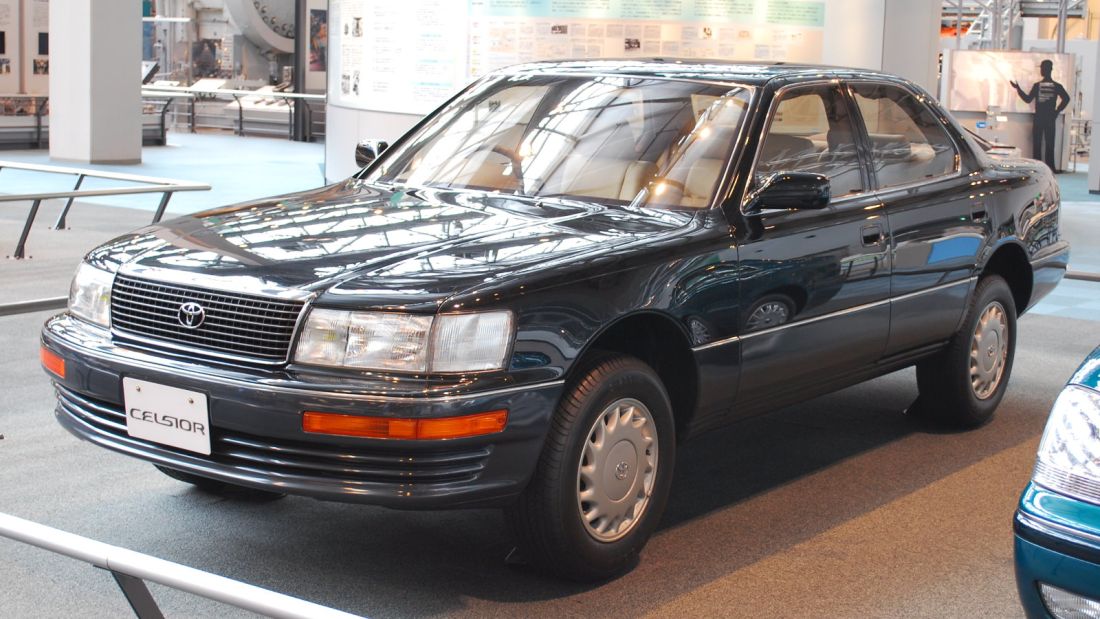
Photo: 1989 Toyota Celsior by Mytho88, CC BY-SA 3.0, via Wikimedia Commons
What makes the Lexus LS story even better is that this wasn’t luck, and it wasn’t Toyota throwing a fancy badge on an existing car and hoping nobody noticed. The whole thing started in 1983, when Toyota chairman Eiji Toyoda set a blunt challenge: build a luxury car that could beat the best in the world. That sounds simple when you say it fast, but it was a massive swing. Toyota was respected, sure, though it wasn’t seen as the maker of the finest big luxury saloon on Earth. So the company started a secret flagship project and went at it with a kind of stubborn focus that now feels almost unreal. Toyota sent people to the United States to study how luxury car owners lived, what they liked, and what they expected from a high-end car. Engineers and designers were told to chase comfort, speed, quietness, fuel saving, quality, and style all at the same time, which sounds a bit like asking for chips that stay crispy in a takeaway bag all the way from town to Reddish on a wet Friday night. Hard to do. Still, they kept pushing. Official Lexus and Toyota history pages say the job involved around 1,400 engineers, 2,300 technicians, about 450 prototypes, and millions of test kilometres. One account puts the total testing distance at more than 3.5 million kilometres, while another says it went past 4.4 million. Either way, it was huge. The targets were wild for the time as well. The car had to be slippery through the air, with a drag figure of 0.29, and the cabin noise at 100 kilometres an hour had to stay at 58 decibels. The team even tested 24 kinds of wood for the interior trim. That tells you a lot. They weren’t just building a car. They were fussing over every click, every hum, every surface your hand might touch. That level of care is a big reason the LS didn’t feel like a first try. It felt ready.
The reveal worked because the LS felt calm, clever, and strangely confident
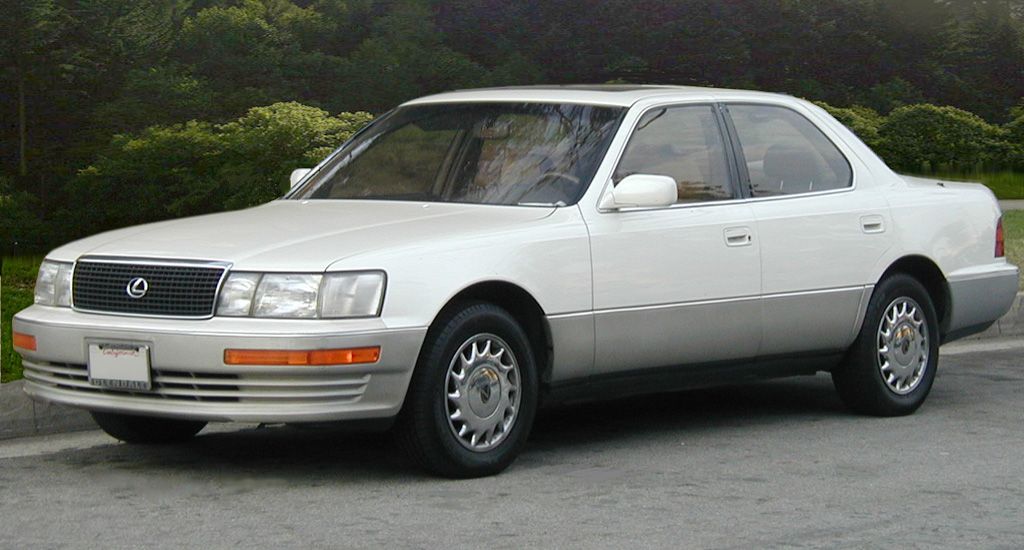
Photo: 1990 Lexus LS 400 (UCF10) by Enigma3542002 at English Wikipedia, Public domain, via Wikimedia Commons.
When the LS 400 finally showed up in Detroit in January 1989, Lexus didn’t pitch it like a noisy outsider trying too hard to be noticed. That would’ve backfired. Instead, the car arrived with a sort of cool confidence. The shape was clean and neat, familiar enough that luxury buyers wouldn’t feel lost, yet sleek enough to look modern. Lexus later described the idea behind it as “simple, clean, smart,” and that fits. It wasn’t trying to win people over with silly chrome tricks or weird styling stunts. It looked expensive without shouting. Then there was the way it was sold. Lexus was picky about where the car would be offered, with just 121 dealers selected in the first year.
That mattered, because the brand knew the showroom experience had to feel special too. And then came the pricing, which really made jaws drop. In those early reports, the LS 400’s base price sat thousands, and in some comparisons tens of thousands, below the German cars people thought it was chasing. Buyers clearly noticed, because the first month after launch brought almost 3,000 sales according to Lexus Europe’s history page. But the clever bit, maybe the bit people still remember best, was the famous champagne glass advert. A stack of glasses sat on the car while it ran on rollers, showing how smooth and vibration-free the engine was. It could’ve looked daft. Instead it became one of those car adverts that sticks in people’s heads for years. And to be honest, it worked because it turned a technical point into something anyone could get. You didn’t need to know anything about engines. You just had to look at those glasses and think, “Hang on, that’s properly smooth.” That’s why the LS landed so hard. It made luxury feel less mysterious and more measurable. You could hear the quietness. You could see the smoothness. You could spot the value. No waffle needed.
What really floored buyers was how little they had to give up
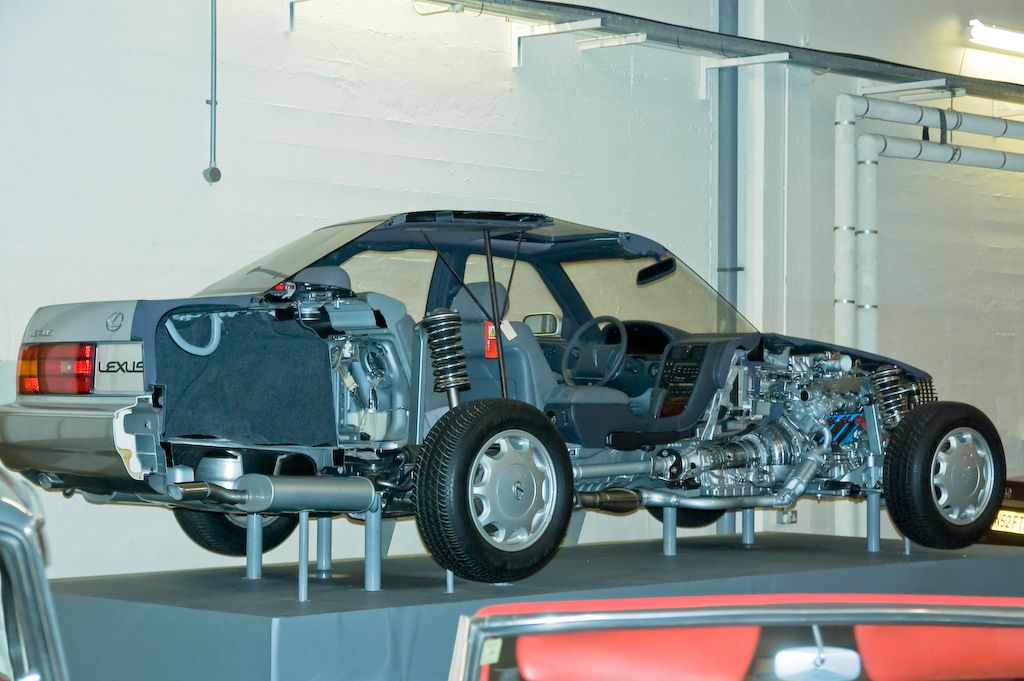
Photo: Lexus Cutaway LS 400 by Martyn from Wiltshire, England, CC BY-SA 2.0, via Wikimedia Commons.
Here’s the bit that really shook the market. The Lexus LS didn’t ask buyers to settle. That sounds obvious now, but back then it was a big deal. New brands usually come in cheaper because they’re missing something. Maybe the interior feels a bit thin. Maybe the drive is fine but forgettable. Maybe the badge is unknown and the whole thing feels like a compromise. The LS 400 didn’t feel like that. Car and Driver wrote that it looked almost like an S-Class, drove almost like an S-Class, and was quieter than an S-Class. That’s an outrageous thing for a brand-new luxury badge to pull off on day one. Another Car and Driver comparison from the time said the Lexus had already beaten six rivals in an earlier luxury saloon test, and Time reported that Car and Driver rated it better than the much pricier Mercedes 420SEL and BMW 735i in ride, handling, and performance.
That’s where the real market shock came from. Buyers didn’t just see a cheaper luxury car. They saw one that could stand in the ring with the class leaders without looking scared. And the people buying it weren’t who everyone expected. Toyota had thought a lot of Lexus customers would be moving up from cheaper Japanese cars, but early sales showed something else. By October 1989, the Los Angeles Times reported that 35 percent of first buyers had traded in European luxury cars, mainly BMW and Mercedes-Benz models. That’s huge. It means people who already knew the old names looked at the new one and thought, “You know what, this makes more sense.” Let’s face it, that’s the nightmare scenario for any premium brand. It’s one thing to win bargain hunters. It’s another to tempt people away from cars they’ve already been proud to own. And once that started happening, the story around Lexus changed fast. It stopped being “Can they build a luxury car?” and became “How long before everyone else has to respond?”
The customer service bit hit just as hard as the car itself
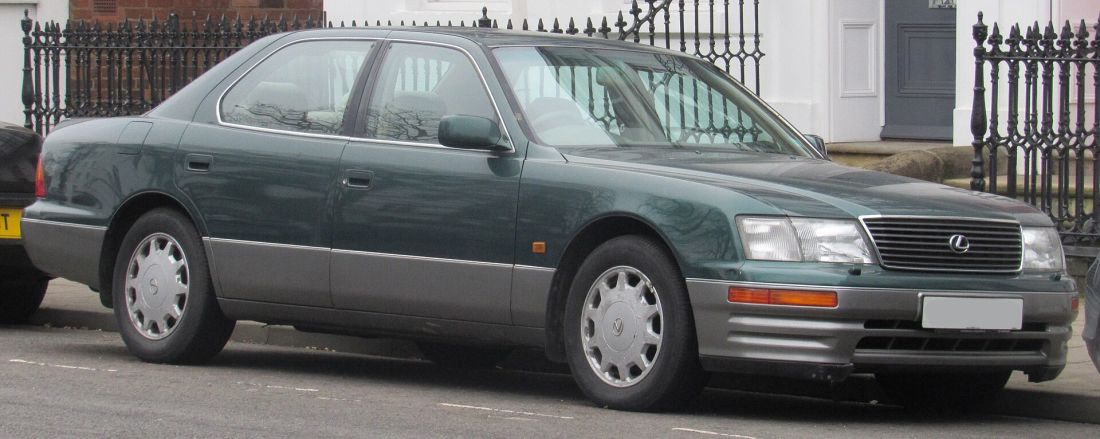
Photo: 1996 Lexus LS 400 (UCF20; pre-facelift, UK) by Vauxford, CC BY-SA 4.0, via Wikimedia Commons
People love talking about the engineering side of the first LS, and fair enough, because that part was brilliant. But the reason the car shocked the market so deeply wasn’t just the metal. It was the way Lexus treated owners. Early on, after complaints about faulty wiring and an overheated brake light, Lexus moved fast and recalled about 8,000 cars. Now, a recall doesn’t sound like a winning moment, does it? Yet this one turned into proof that the company was serious. Lexus and major news reports said the cars were picked up, repaired, and returned to customers within about 20 days, free of charge. In some cases, technicians even travelled long distances so owners didn’t have to mess about. That kind of treatment made a huge impression. It told buyers that luxury wasn’t just soft leather and hush on the motorway. It was also being looked after when something went wrong.
That’s a massive deal, because anyone can be nice while they’re taking your money. The real test comes after. Lexus passed it early. And then the awards and sales results started piling up. Lexus history pages say that by 1991 the brand had won major J.D. Power customer satisfaction honours and had become the number one luxury import brand in the United States, outselling both Mercedes-Benz and BMW. Think about that for a second. The brand launched in 1989. By 1991, it was already beating the names people had grown up seeing as the standard. That’s barely enough time for people in Greater Manchester to decide whether a new chippy is worth the walk, never mind enough time for a car brand to rewrite the pecking order. But Lexus did it. The LS didn’t win because it was loud or flashy. It won because it made buyers feel smart. Smart for the money they spent, smart for the comfort they got, and smart for the way they were treated after the sale. That combination was nasty news for everyone else.
The shock didn’t stop with the first car, it changed what people expected after that
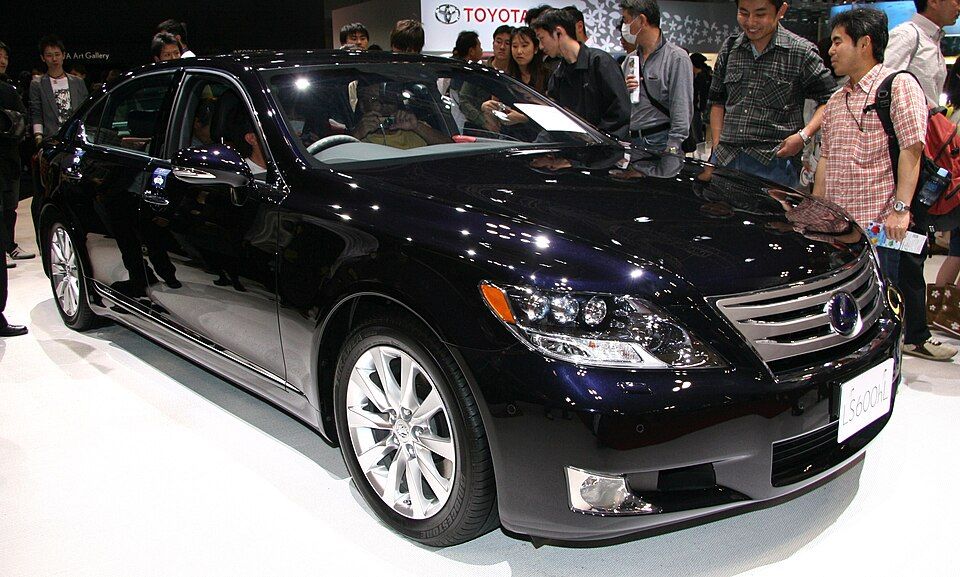
Photo: 2009 Lexus LS600hL by TTTNIS, Public domain, via Wikimedia Commons.
One reason the Lexus LS matters so much is that it didn’t fade away as a one-hit wonder. The first car cracked open the door, then later LS models kept proving that Lexus meant business. The second-generation LS 400 arrived in 1994, and Lexus history notes that it carried the same calm, steady idea forward instead of throwing everything out for the sake of drama. That’s important, because the brand had worked out what buyers liked: quiet comfort, strong quality, and tech that felt useful instead of gimmicky. By 1998, the European-spec LS 400 became the first car in the world to have satellite navigation fitted as standard, which is one of those details that sounds normal now but was a proper big deal then. In 2006, the LS 460 arrived, and Lexus says it brought the world’s first eight-speed automatic transmission in a production car.
Then in 2007 came the LS 600hL, described by Lexus as the world’s first full V8 hybrid luxury saloon. So the original LS shock was never just about undercutting German prices. It was also the start of Lexus building a long-running idea of luxury that mixed quietness, comfort, fresh tech, and careful build quality. By 2020, Toyota’s global newsroom said the LS had sold about 870,000 units in more than 90 countries and regions. That tells you the first car didn’t just make a splash and disappear. It built a lasting lane for itself. And you can trace a lot of modern luxury car thinking back to that moment. Buyers started expecting more smoothness, more calm, more reliability, and better treatment. They started asking harder questions too. Why should the badge alone explain the price? Why should a premium car feel fiddly or fragile? Why should great comfort come with a shrug from the dealer once the cheque clears? The LS didn’t invent every good idea in luxury motoring, of course. But it shoved those questions right into the middle of the market, and nobody could ignore them after that.
That old Lexus lesson still matters if you’re shopping used today
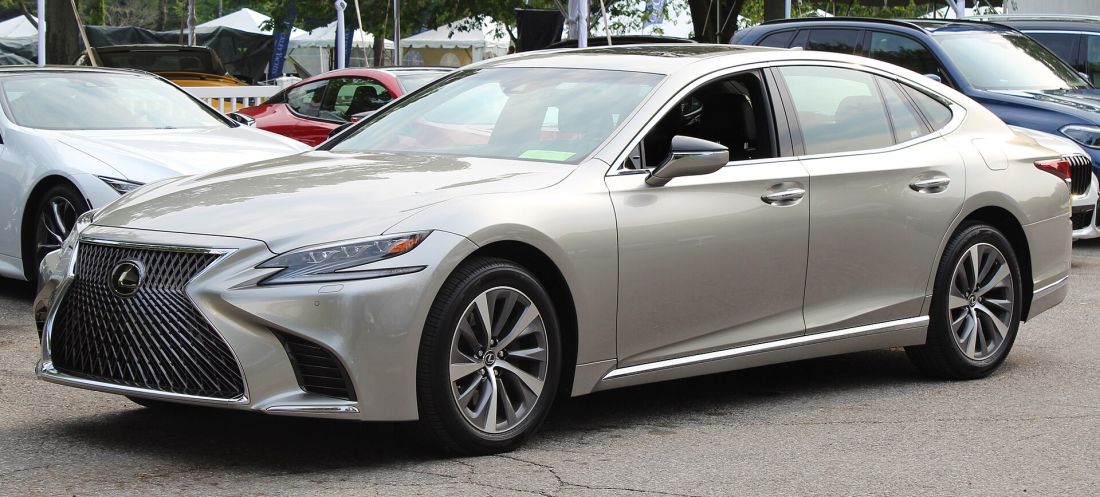
Photo: 2019 Lexus LS 500 AWD (VXFA55, US) by Kevauto, CC BY-SA 4.0, via Wikimedia Commons
This is where the story gets useful for real people, because the Lexus LS isn’t just a nice bit of car history for pub quizzes and late-night YouTube watching. It still tells you something good about how to shop for a used car now. At Dace Motor Company, and really anywhere sensible, the smart move is to look past the badge and ask what the car is actually giving you day to day. The LS made that point loudly from the start. Its whole rise came from giving buyers the kind of comfort, smoothness, and trust they expected from the biggest names, without making them feel mugged on price. And years later, Lexus was still talking about durability as a core part of the model’s story. In the 2012 LS press kit, Lexus said more than 730,000 LS models had been sold since 1989 and that the majority were still on the road.
That doesn’t mean every old LS is a magic carpet, because let’s be honest, age catches everything sooner or later. But it does tell you why the car has held such a strong reputation for so long. If you’re looking at a used luxury car around Manchester or Stockport, that matters. You want the nice bits, sure. Quiet cabin, comfy seats, smooth drive. But you also want signs that the thing has been cared for. You want service history that makes sense, buttons and features that still work, a drive that feels settled over broken roads, and an engine and gearbox that behave the same when cold as they do after a longer run. Try the car where real life happens, on scruffy roads, in stop-start traffic, around roundabouts, maybe along the A6 or near the M60 where a car’s manners show up fast. The LS story is a reminder that value isn’t about buying the cheapest thing in sight. It’s about buying the car that keeps making sense after the novelty wears off. That’s why the first LS still matters. It taught buyers to look harder and buy smarter.
Why the LS story still lands with drivers around Manchester and Stockport
There’s a reason this story still feels fresh, even now. Greater Manchester drivers know what real car life is like. One minute you’re inching through traffic near Deansgate, the next you’re heading past Salford Quays, then you’re joining the M60 in drizzle, then you’re bouncing over a rough patch that feels like it’s been there since forever. Fancy badges are nice, but they don’t make a miserable commute pleasant on their own. A car has to feel settled. It has to feel easy. It has to make the boring parts of driving less tiring. That’s really where the Lexus LS landed its best punch. It showed that luxury could be calm instead of showy. It could be dependable instead of dramatic. It could feel expensive without asking for silly-money justification every time someone looked at the badge. That’s why the LS shocked the luxury car market. It didn’t win by playing the old game better than everyone else. It changed the game people were judging. It made quietness matter more. It made build quality matter more. It made owner treatment matter more. And, maybe most of all, it made value matter in a part of the market that had spent years acting like value was beneath it. You know how it is. Once somebody proves you can have the nicer thing without the nonsense, it’s hard to go back. That’s what Lexus did with the LS. It forced buyers, critics, and rival brands to rethink what a top-end saloon should be. And that’s why, all these years later, the LS still gets that little nod of respect from car people. Even people who’d never buy one tend to admit it changed the script. For a brand-new luxury badge to do that in a couple of years was wild then, and it still looks wild now. The first LS built the foundation of Lexus, and it did it by asking a simple question the old guard hated hearing: if the car is this good, why should anyone pay more just for the badge?