


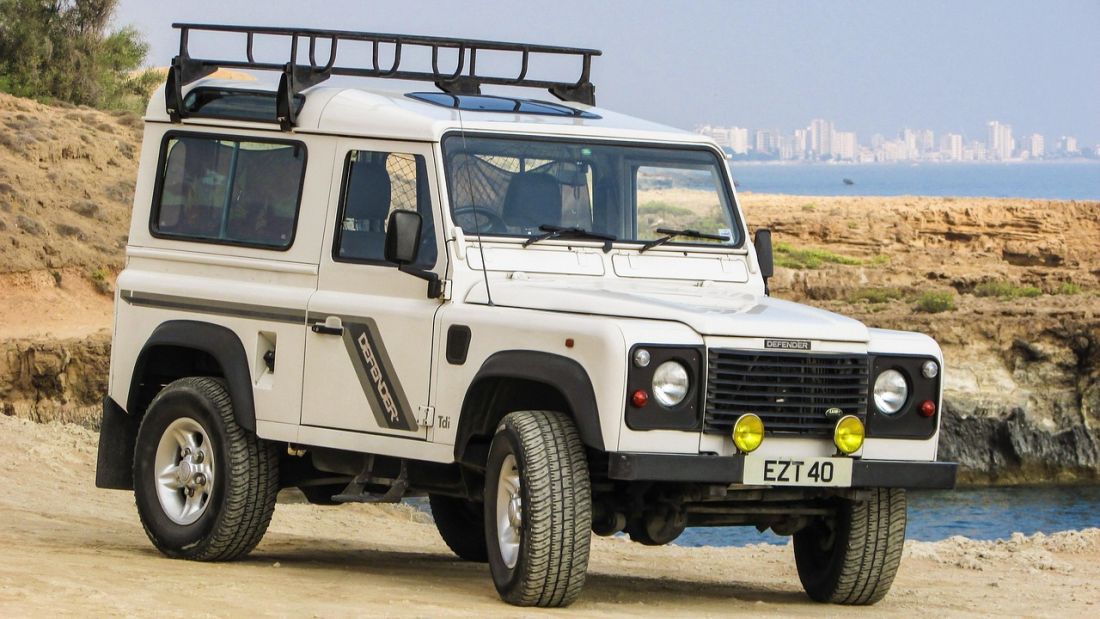
How the Land Rover Defender Became an Off-Road Icon
If you look at the Land Rover Defender now, it’s easy to think of it as a big-name 4x4 with loads of history, loads of attitude, and a face people spot from miles away. But the funny thing is, it didn’t begin life trying to be famous. It began because Britain needed a tough vehicle after the Second World War, something simple that could work hard on farms, on rough tracks, and in places where normal cars would just give up. The first idea came in 1947, when Maurice Wilks drew the outline of what became the Land Rover in the sand at Red Wharf Bay on Anglesey. Within a year, the first production model appeared at the Amsterdam Motor Show in 1948.
That alone tells you a lot about why this vehicle mattered so much from day one. It wasn’t built to look fancy outside a restaurant. It was built to get dirty and keep moving. That original recipe was dead simple and dead clever at the same time: lightweight aluminium body panels, short overhangs, and selectable four-wheel drive. Back then, that mix made it useful to farmers, tradespeople, rescue workers, and people heading into rough country where a normal road car would struggle. And that’s the bit people in places like Manchester and Stockport can get straight away. We all know there’s a big difference between looking tough and actually being tough. A car might look ready for the moors, but once it hits a muddy lane after a week of North West rain, the truth comes out pretty fast. The Defender’s roots are why people trusted it. It had a job to do, and it did it without much fuss. Before it became an icon, it became useful. And to be honest, that’s a much better starting point for any legend.
Its shape barely changed, and that helped people fall for it
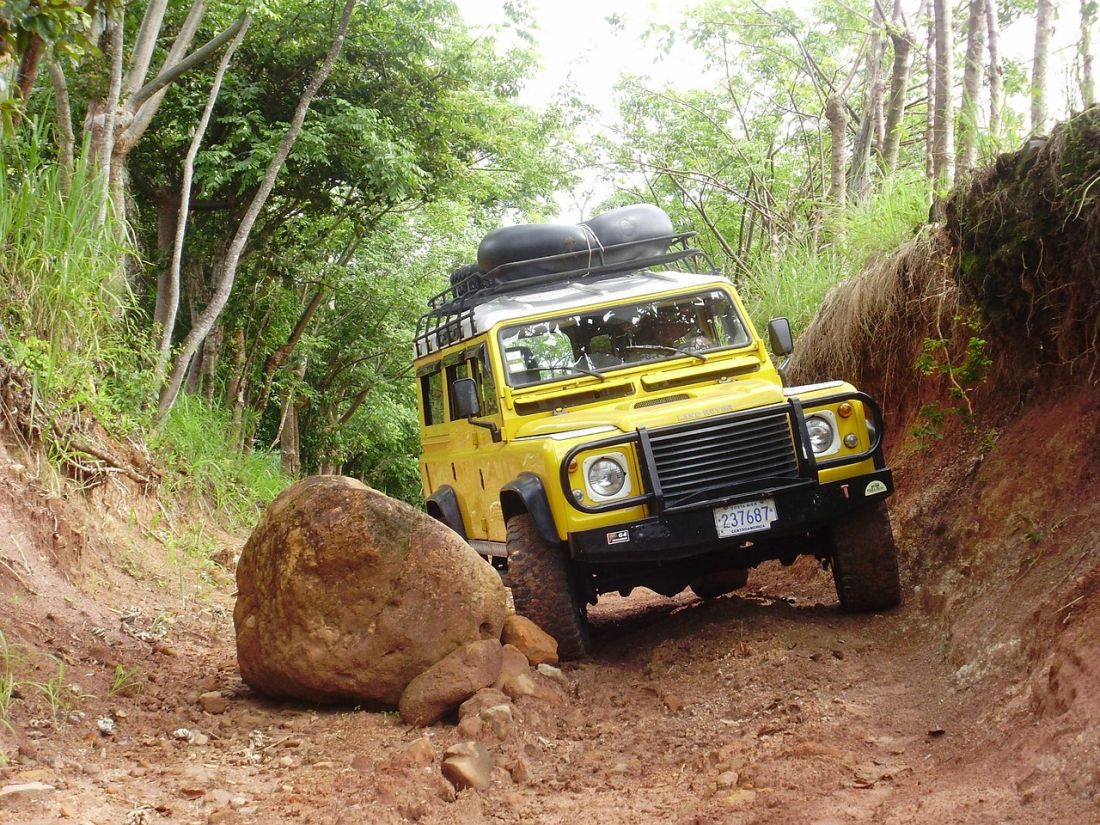
One big reason the Defender became such a giant in off-road culture is that it never chased trends the way loads of other cars did. You know how some vehicles change shape every few years until they barely look related to the ones that came before them? The Defender didn’t play that game. Even as it changed under the skin, the basic look stayed blunt, square, upright, and honest. That gave it something loads of modern cars would love to have: a face and shape people could draw from memory. The early coil-sprung models arrived in 1983 as the Land Rover One Ten, with the Ninety following in 1984. Then in 1990, the name Defender was introduced. That happened because Land Rover had added Discovery to the line-up, so the old workhorse needed a clear name of its own. “Defender” fit perfectly, and it stuck because it sounded like what the vehicle already was in people’s minds: dependable, rugged, and ready for a hard day.
The numbers 90, 110, and later 130 helped too. They gave buyers simple choices without spoiling the whole no-nonsense feel. That shape, those flat sides, that tall glasshouse, the spare wheel on the back door, the stance that looked ready to climb over a wall if needed, all of that became part of the magic. And there’s a human side to that. People trust what feels familiar. If you grew up seeing Defenders on farms, on TV, near building sites, or parked by a muddy gateway on the way out to the Peak District, that shape gets stitched into your memory. It starts to feel like a proper piece of British life. Around Stockport and Greater Manchester, where weather can turn a green lane into a slippery mess before lunch, that sort of sturdy, straight-talking design makes sense. It looks like it belongs there. And because it looked like it belonged, people believed it could handle almost anything.
It earned respect by going where other vehicles wouldn’t
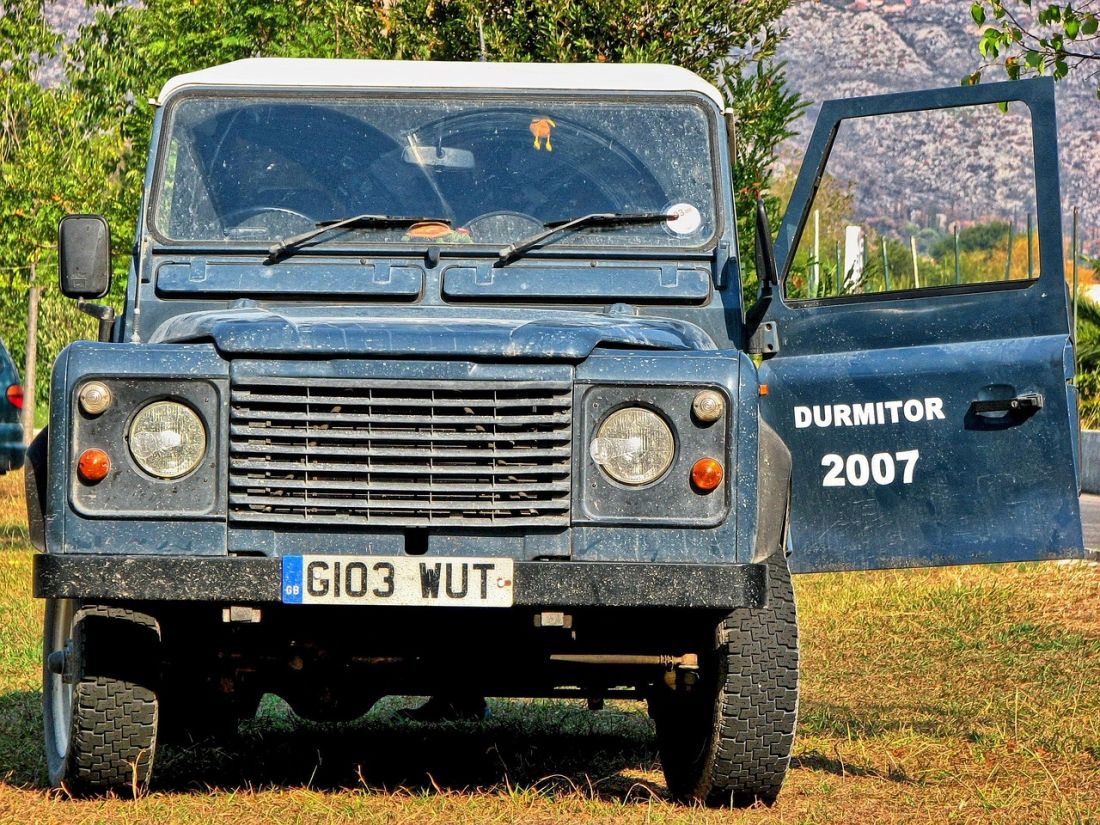
A lot of cars become popular because of clever ads. The Defender became respected because people saw what it could actually do. That’s a huge difference. Off-road legends don’t get their name from sitting under bright lights in a showroom. They get it from mud, rocks, ruts, steep climbs, river crossings, and long days in places where help isn’t just around the corner. The Defender built that kind of reputation over decades. Farmers used it. Utility companies used it. Aid groups used it. Military forces used Land Rover utility vehicles for years. And the British Red Cross partnership tells you a lot about why the Defender name carries so much weight. Land Rover says the partnership with the British Red Cross and Red Crescent Movement began in 1954, starting with a Series I used as a mobile dispensary in the Dubai desert. By 2024, that partnership had reached 70 years, with Defender helping support work in more than 50 countries and helping over two million people.
That’s not about image. That’s about turning up in hard places where roads are broken, weather is rough, and people need a vehicle that won’t throw a tantrum halfway there. The Defender’s off-road image comes from that kind of work. It became the sort of vehicle people pictured when they thought about getting through the impossible bit, the boggy track, the flood-hit lane, the rough mountain road, the place where normal tyres and normal ground clearance stop being enough. And let’s face it, that matters more than any glossy photo shoot. It’s a lot like local trust in Greater Manchester. You don’t rate a chippy because of the sign outside. You rate it because the food’s good every time. Same thing here. The Defender got its name by showing up, year after year, in situations where strength and grip mattered. That’s why people didn’t just like it. They believed in it.
It had flaws, but that made the legend feel real
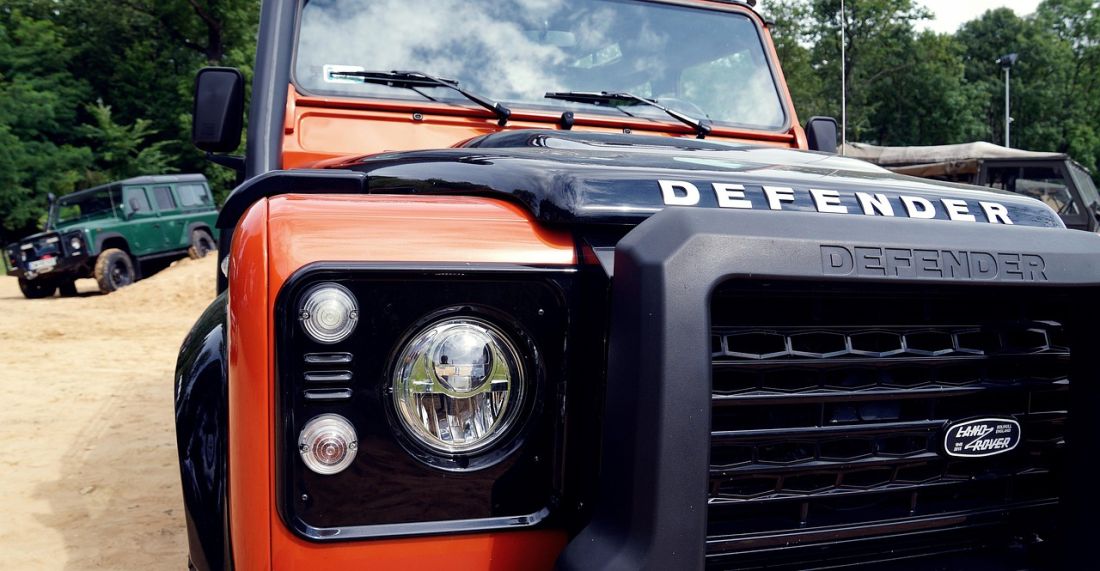
Here’s something that makes the Defender story better, not worse: it was never perfect. Not even close. And weirdly, that helped it become an icon. People who love Defenders will tell you about draughty cabins, heavy controls, basic interiors, odd driving positions, and the kind of road manners that asked for patience. It wasn’t a soft, polished thing. It felt mechanical. You could sense the chassis, the steering, the gears, the whole lot working underneath you. For some drivers, that was part of the point. It made the experience feel direct, physical, and honest. The old Defender was the sort of vehicle that asked something from you. You had to drive it properly. You had to respect what it was. That gave it character, and character matters. Cars people remember usually have some sort of edge to them. The Defender’s edge was that it always felt like a machine first and a lifestyle object second. Even as engines improved over the years and later models got useful updates, it never lost that hard-working streak. And because the thing stayed in production, in one form or another, for decades, people had time to build family links with it. Grandparents knew it. Parents knew it. Kids spotted it and knew what it was. Land Rover reached the two millionth Series Land Rover and Defender build milestone in 2015, which says plenty about how long this vehicle stayed part of real life. Then on 29 January 2016, the last classic Defender rolled off the line at Solihull after 68 years of production history connected to the Series and Defender family. That ending mattered because it proved the old formula had lasted way longer than most people thought possible. It had survived fashion, changing road habits, and loads of newer rivals. Plenty of vehicles are better behaved. Plenty are quieter. But very few feel this real, and that gritty honesty is a huge piece of why the Defender legend still sticks.
It became part of British life, and that gave it staying power
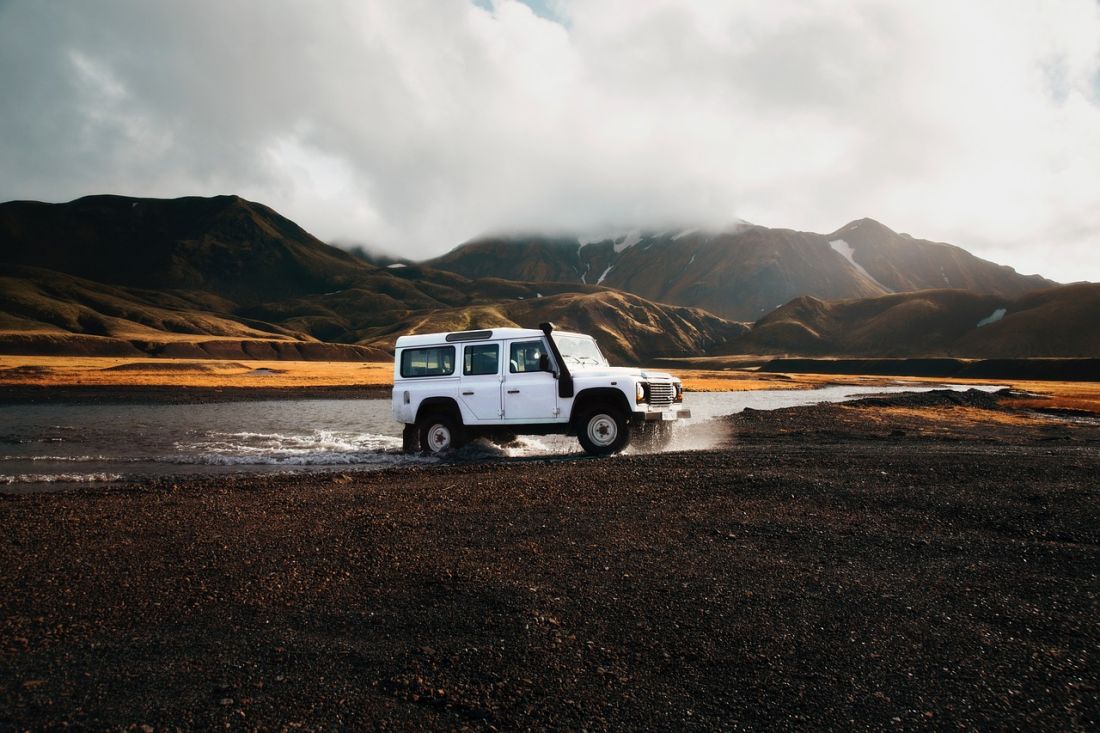
The Defender didn’t become an off-road icon in a vacuum. It became one because it got woven into everyday British life. That’s a big deal. When a vehicle stops feeling like a product and starts feeling like part of the scenery, you know it has gone beyond normal car status. For years, Land Rovers and later Defenders were tied to farms, coastlines, mountain rescue work, military use, country estates, utility jobs, and rough-weather driving. You’d see them in fields, on building sites, on lanes deep in the countryside, and outside homes where people cared more about capability than polish. That mix gave the Defender a rare kind of fame. It was admired by people who’d never owned one and relied on by people who did. And that spread matters. A lot of icon cars belong to one little crowd.
The Defender didn’t. It crossed over. It was practical enough for work, cool enough for enthusiasts, and familiar enough for the wider public to feel a connection to it. That’s a hard trick to pull off. Around here, that broad appeal makes total sense. Head out from Stockport and you’re not far from roads and trails that remind you why a proper 4x4 still has a place. Think wet lanes, broken surfaces, hills, farm tracks, and those days when the weather’s doing its usual North West thing and everybody’s shoes are filthy by noon. A Defender suits that backdrop. It feels at home near the Peaks, near muddy Cheshire routes, and even parked up in town looking like it would rather be somewhere wilder. That contrast is part of the charm. It can sit outside a café, sure, but it still looks like it belongs halfway up a rough trail. Dace Motor Company sees that same pull in the used market too. People aren’t just drawn to the badge. They’re drawn to what the Defender stands for. It says grit, self-reliance, and getting on with the job. In Britain, that message lands. It always has.
The name survived the end of the old model because the idea was bigger than the metal
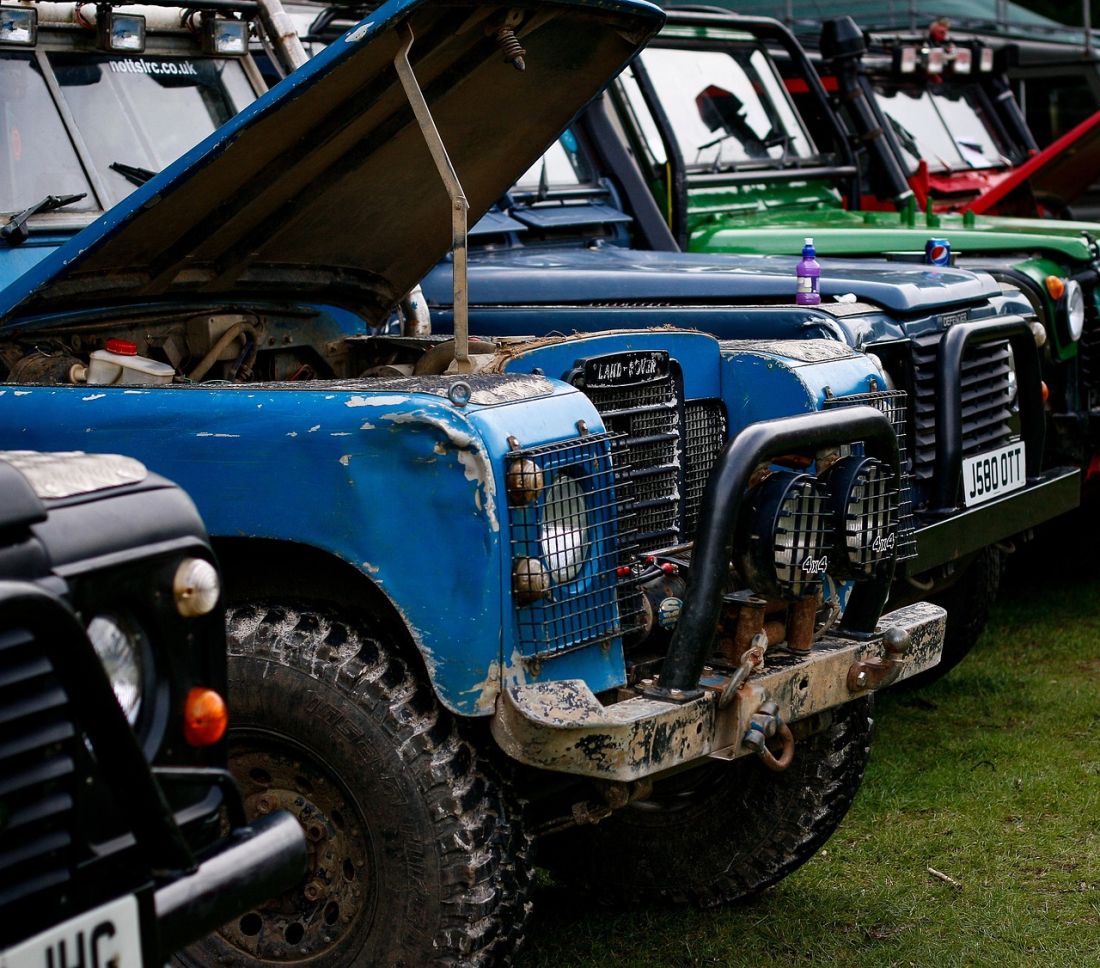
When the classic Defender stopped production in January 2016, loads of people thought that might be the end of the story. You could see why. The old model had become such a fixed part of the car scene that replacing it felt risky. But the truth is, the Defender had already become bigger than the exact nuts and bolts of the old version. It had turned into an idea. Toughness. Adventure. Durability. A vehicle that can cope when the road turns rough and the weather turns nasty. That gave Land Rover a hard job, because bringing back a name like that means you can’t just make something new and hope people go along with it. You have to prove it deserves the badge. The all-new Defender was unveiled on 10 September 2019 at the Frankfurt Motor Show, and Land Rover pitched it as the toughest and most capable Land Rover it had built. That’s a bold claim, especially with this name. What helped the new model was that it didn’t try to pretend the world hadn’t changed. Safety rules had changed. Buyer expectations had changed. Technology had changed. So the new Defender had to be different. But it also had to keep the spirit of the old one alive. That’s why the design still nodded back to the old machine with its upright shape, spare wheel on the rear, alpine-style side windows, and chunky, ready-for-anything look. It felt familiar without being stuck in the past. And that’s a tricky balance. You know how it is when a band brings out a new album and fans say they want something fresh, but then complain if it sounds too different? Same problem. The new Defender worked because Land Rover knew the icon was never just about old-school bits. It was about confidence. It was about being ready. Once that clicked, the Defender stopped being just a surviving old 4x4 and became a name that could keep moving with the times.
The best icons make people feel something, and the Defender really does
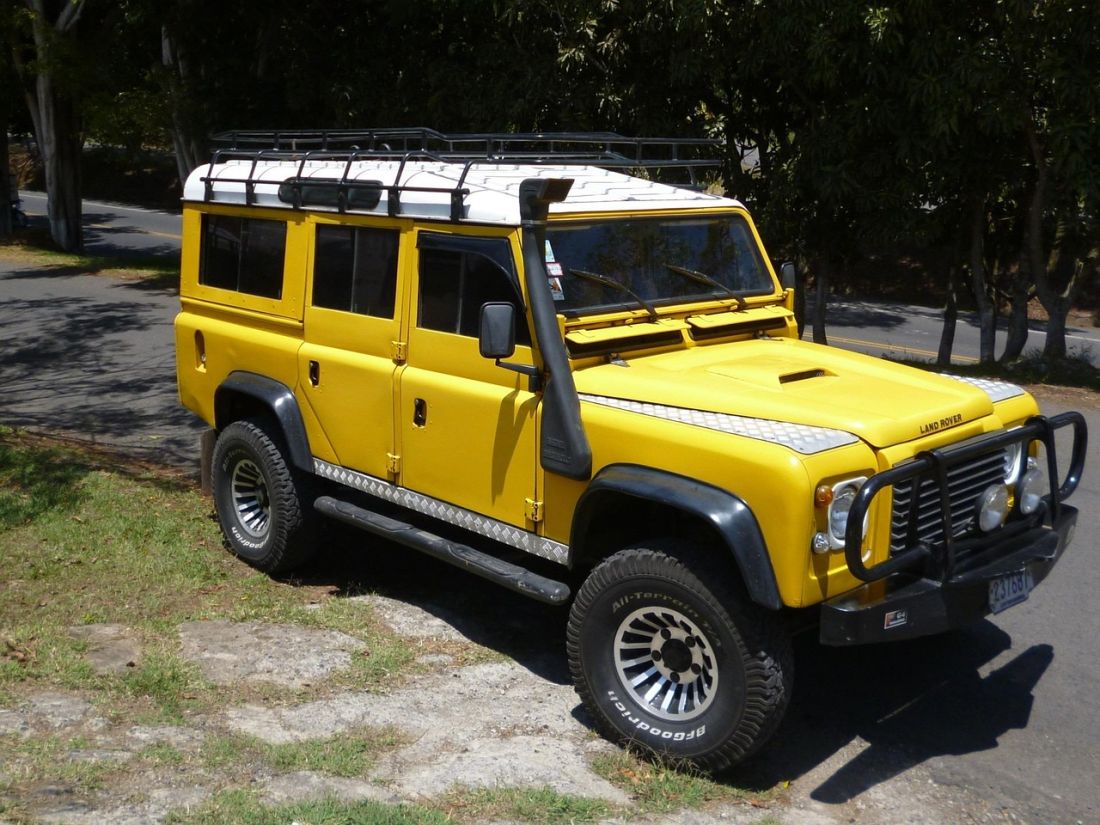
This is the bit people miss when they talk about off-road cars like they’re just a pile of parts and numbers. The Defender became an icon because it makes people feel something. For some, it feels adventurous. For others, it feels comforting, like a machine that won’t let them down when things get rough. For others, it’s tied to memories of growing up, seeing one parked outside a farm, or bouncing along in the back on a rainy day, or spotting one on holiday and thinking it looked tougher than anything else on the road. That emotional side counts for a lot. It’s why some cars get praised and then forgotten, while others hang around in people’s heads for years. The Defender has this mix of toughness and warmth that’s pretty unusual. It can look hard as nails, yet still feel friendly. A lot of that comes from the design. It’s simple enough to be readable. Even a 12-year-old can look at a Defender and get the idea straight away: this thing is built for rough stuff. No massive explanation needed. That clarity helped it become a symbol. And symbols matter because they carry bigger ideas with them. The Defender came to stand for getting outdoors, being prepared, handling bad conditions, and keeping calm when the easy route disappears. In places like Manchester and Stockport, where we’re used to weather changing its mind every five minutes, that kind of dependable image has real appeal. People want a car that feels ready for the school run in the rain, the motorway slog, and the weekend trip out past the city where the roads get narrower, muddier, and more interesting. Even for buyers who never plan to tackle deep ruts or remote tracks, the Defender’s image still works on them. It whispers that you could. And that quiet confidence is a huge part of why the Defender still stands tall in the used market and in the wider car culture.
Why the Defender still matters if you’re buying used today
So why does any of this history matter if you’re just looking for a used car now? Because with the Defender, the backstory changes how people see the vehicle in the present. You’re not looking at a model with a random badge and a bit of marketing gloss. You’re looking at something built on decades of trust. That doesn’t mean every Defender is right for every buyer, and it doesn’t mean you should choose with your heart and ignore the facts. You still need to think about budget, running costs, the kind of driving you actually do, and how much space you need. But the Defender’s long run at the top of off-road culture explains why people stay interested in it year after year. It has proper heritage, and not the fake kind where a brand digs up an old name just to sound cool. This one earned it in fields, deserts, mountain roads, aid work, and rough weather. It earned it over time. That’s why the Defender name still carries weight in a used showroom. Buyers know what it means. They know it points to capability, presence, and a very clear personality. At Dace Motor Company, we know plenty of drivers across Stockport, Manchester, and the wider North West want a vehicle that feels solid and ready for anything, whether that means family trips, country drives, towing, or just dealing with roads that aren’t always kind. The Defender speaks to that side of people. It has a purpose-built feel that’s hard to fake. And that, really, is how it became an icon. It didn’t chase cool. It built trust. It didn’t start with luxury. It started with work. It didn’t become famous overnight. It took decades. Through all those years, from Maurice Wilks’ sketch in the sand to the modern version launched in 2019, the Defender kept the same promise at heart: when the surface gets rough, keep going. That promise is simple. It’s clear. And it still means something now.