


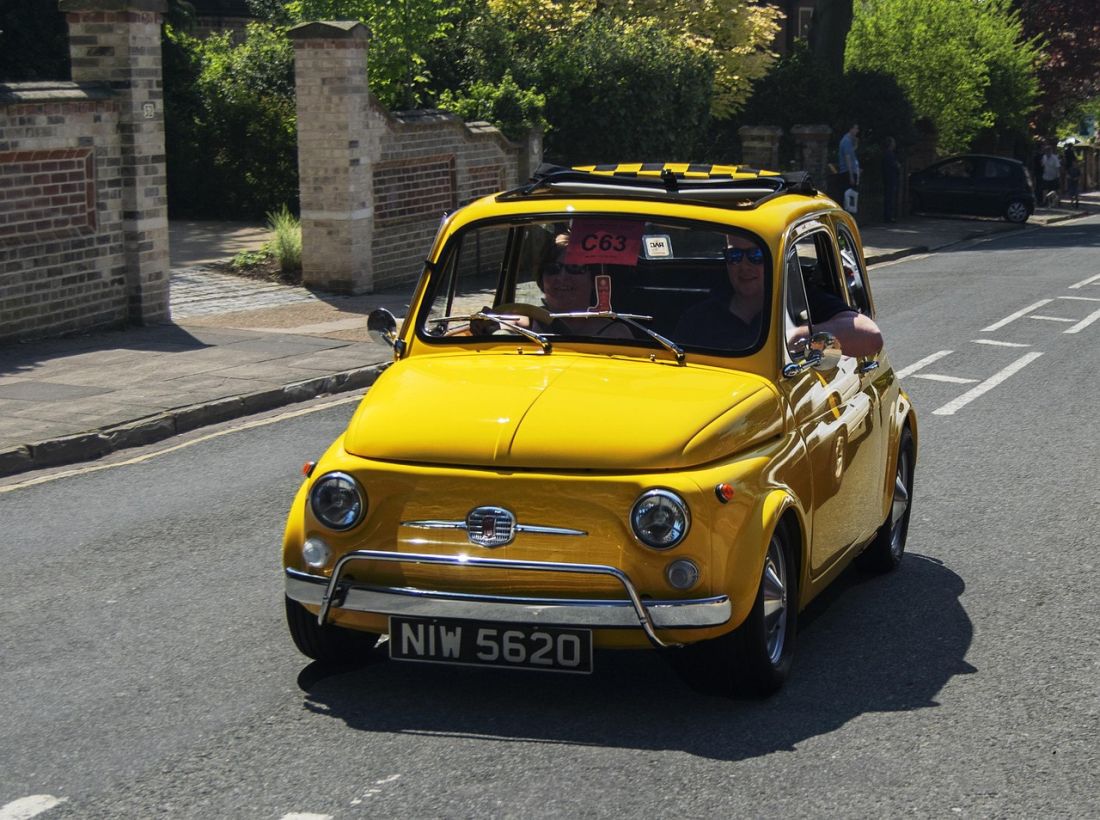
How the Fiat 500 Became an Italian Cultural Icon
At Dace Motor Company, we spend a lot of time thinking about why certain cars stick in people’s heads. Some are fast. Some are fancy. Some just look good parked outside a café. But the Fiat 500 became something much bigger than a car people bought and sold. It turned into a symbol. A mood. A piece of Italy on wheels. And the strange thing is, it did that by being small, simple, and pretty modest. The story really gets going on 4 July 1957, when Fiat launched the Nuova 500 in Turin. Engineer Dante Giacosa had shaped it during the years before that, and the brief was clear enough: build a car that normal people could afford and use every day. Italy was still rebuilding after the war, and loads of families wanted a better, freer life.
A car like this could change what a normal week looked like. Suddenly, work felt closer. A day trip felt possible. Visiting family didn’t need a train timetable and a full day of planning. The 500 replaced the older Topolino and came in as a smaller, cheaper choice than the Fiat 600. That mattered. It wasn’t aimed at rich buyers who wanted to show off. It was aimed at people who needed a real answer to real life. And let’s be honest, that gives a car a very different kind of magic. It becomes part of family history. It becomes the thing your grandad talks about at the table. It becomes the car in old photos, parked under washing lines, outside little shops, beside beaches. That’s a big reason the Fiat 500 still means so much. It wasn’t born as a toy or a style piece. It was born to help people get on with life, and that gave it heart from the very start.
Why the shape mattered as much as the engine
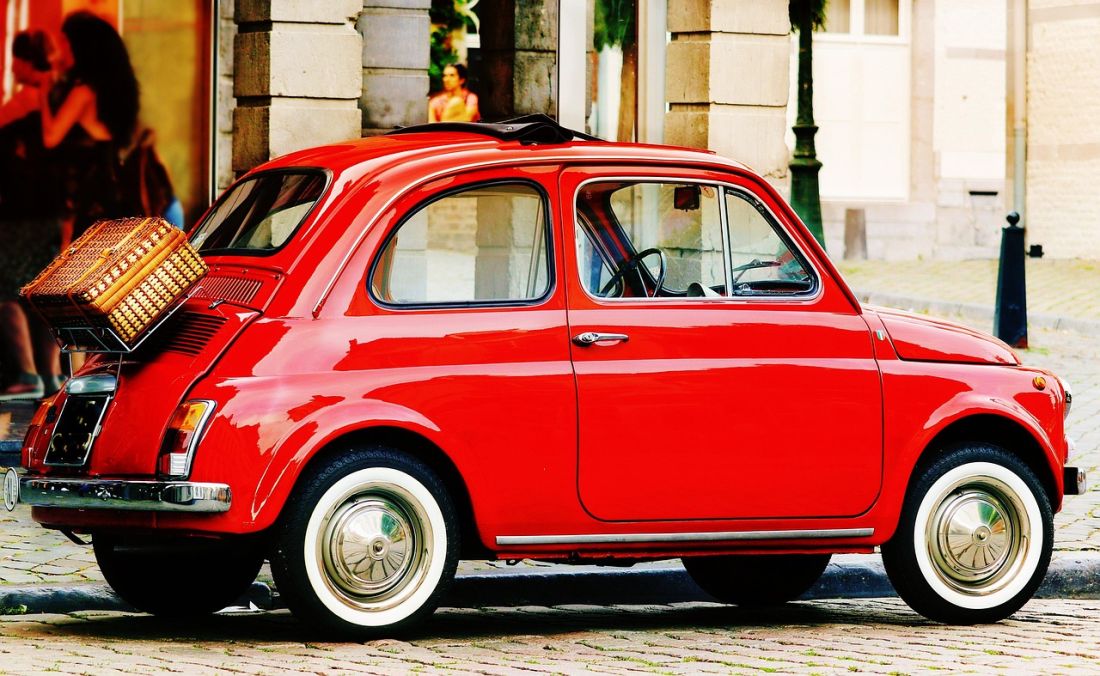
Now here’s the part that makes the 500 easy to love, even if you’re not a car person. It looked cheerful. That sounds a bit daft at first, but you know exactly what that means when you see one. The rounded nose, the tiny body, the little wheels pushed to the corners, the fabric roof folded back like the car was ready for sunshine even before the sun showed up. The first Nuova 500 used a small two-cylinder rear engine, and it was light, narrow, and made for city streets that weren’t built with giant cars in mind. It wasn’t trying to be muscular or aggressive. It had no interest in acting hard. It felt friendly, almost like it had a face. That matters more than people think. Cars become icons when people connect with them in a split second. A Ferrari can make you stare. A Land Rover can make you think of mud and hills.
A Fiat 500 makes a lot of people smile. And smile is the key word here. The design was clever because it felt human. Small enough to squeeze into tight spaces, simple enough to use, and cute without trying too hard. If you’ve ever tried parking near a packed high street, or easing through older roads where every bay feels about two inches too small, you can see why a car like this got such affection. In Italy, that made it perfect for busy city life. Outside Italy, that same look gave it a kind of postcard charm. It seemed to carry the spirit of narrow streets, warm evenings, and that easy, breezy feeling people connect with Italian style. It didn’t need loads of chrome or a huge grille to stand out. It stood out by being neat, bright, and full of personality. That’s a hard trick to pull off. The Fiat 500 did it straight away. And once people fell for the shape, the legend had room to grow.
The perfect car for Italy’s boom years
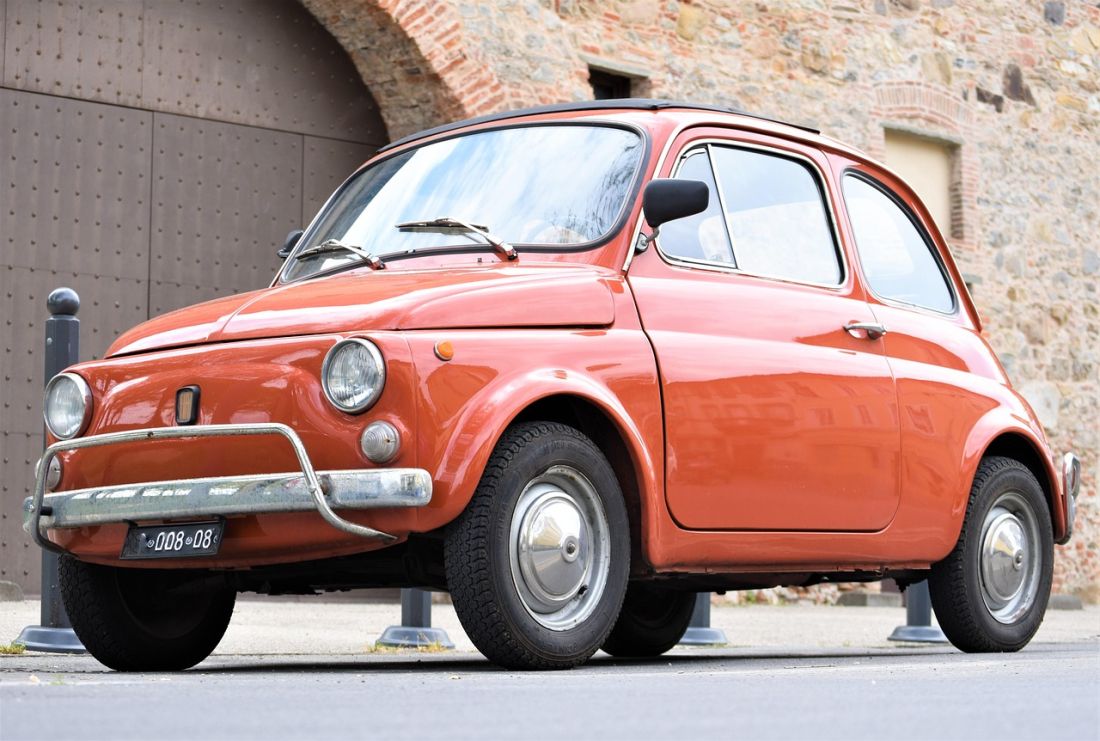
Timing helped. A lot. The Fiat 500 arrived right as Italy was changing at full speed. The late 1950s and early 1960s are still talked about as the Italian economic miracle, a spell when jobs, industry, roads, and everyday living standards all moved up in a big way. Britannica points out that from 1958 to 1963 this growth was so strong that Fiat cars were among the products that came to dominate markets in Europe and beyond. That’s the wider picture. But on the ground, what it meant was this: people who had once thought a car was out of reach could finally start thinking, “Maybe we can do this.” That’s huge. The 500 became part of that new feeling. Stellantis Heritage describes it as the car that got Italy moving again, and that doesn’t feel like a dramatic line when you place it in the mood of the time. People were moving from countryside to cities. Families wanted freedom. Workers wanted independence. Young couples wanted weekends away. Mothers wanted something practical. Men commuting into town wanted something cheap to run. The 500 fit into all of that. It was small, but it carried very big hopes. And this is where a useful car turns into a cultural icon. It stops being just transport and starts standing for a better life. You can see the same thing in little ways today. A first car still means freedom. The first set of keys still feels like growing up. The first solo trip still feels special even if it’s just to the shops and back. In Italy back then, the 500 was tied to that feeling on a national scale. It stood for fresh starts, new jobs, beach trips, family visits, and the simple thrill of getting in and going. No fuss. No drama. Just a small car opening up a bigger life. That kind of emotional timing is hard to fake, and the Fiat 500 never had to fake it.
From everyday streets to the Italian imagination
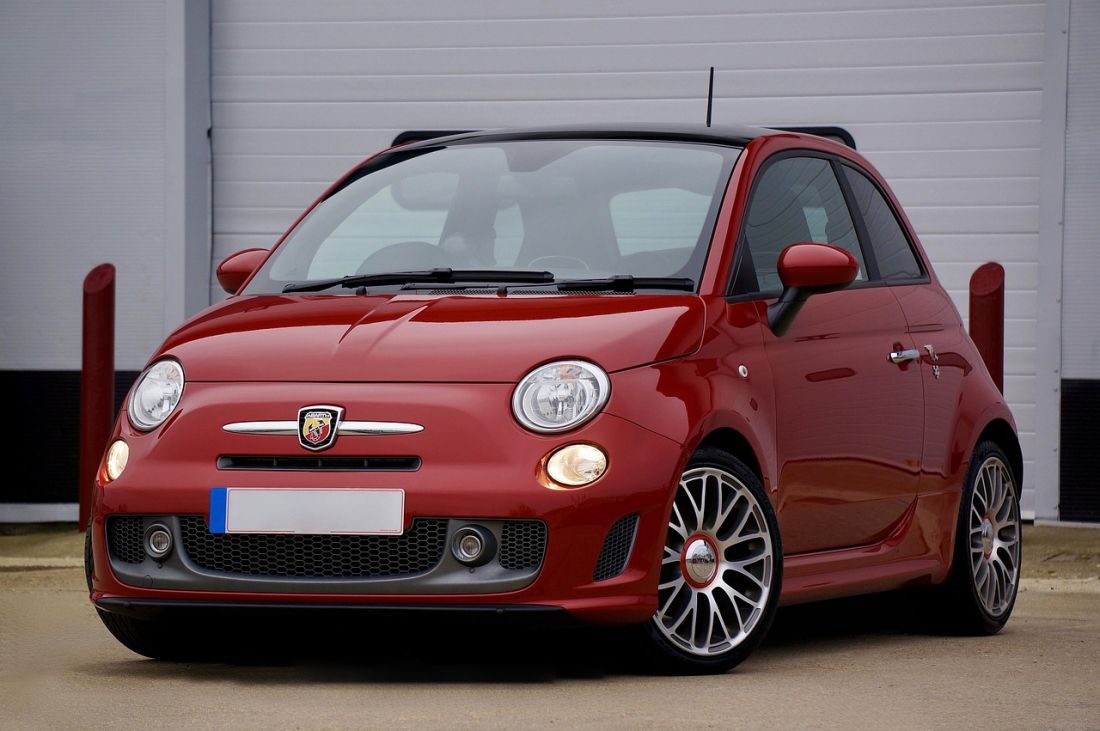
This is where things get really interesting, because the Fiat 500 didn’t stay in the lane of “cheap practical motor.” It slipped into the look and feel of Italian life. Stellantis Heritage says the country’s dreams of la dolce vita were wrapped up in the 500, and that rings true because the car kept appearing anywhere people imagined a lighter, brighter, more stylish Italy. Turin had built it, but the whole country seemed to adopt it. It popped up in adverts, on city streets, by the seaside, and in the kind of scenes that made people think of freedom with a bit of glamour thrown in. One real name tied to this early image is Mirella Rovatti, the model from the first Fiat 500 advertising campaigns. Her story matters because it shows the car was linked to a changing Italy from day one. She had moved with her family to Turin in the 1950s, and her connection with the car became part of that bigger story of movement, work, ambition, and change. That gives the 500 a human face, and icons need that.
They need people around them. They need memory. They need stories you can tell without sounding like you’re reading a brochure. The 500 also had another big advantage: it looked good in real life. Not just on a stand. Not just in a magazine. In real life. It looked right outside a block of flats, right beside old stone buildings, right on a coast road, right in a crowded square. That’s rare. Some cars look brilliant in a photo shoot and a bit awkward at the local petrol station. The Fiat 500 somehow managed both. That’s why it became part of Italy’s visual language. Even people who know very little about cars can picture one straight away. Tiny. Rounded. Full of charm. Roof rolled back. Sun out. Maybe a suitcase in the back. Maybe a couple laughing as it rattles past. That picture is powerful. And once a car becomes a picture in people’s minds, it’s already halfway to becoming an icon.
It kept changing without losing itself
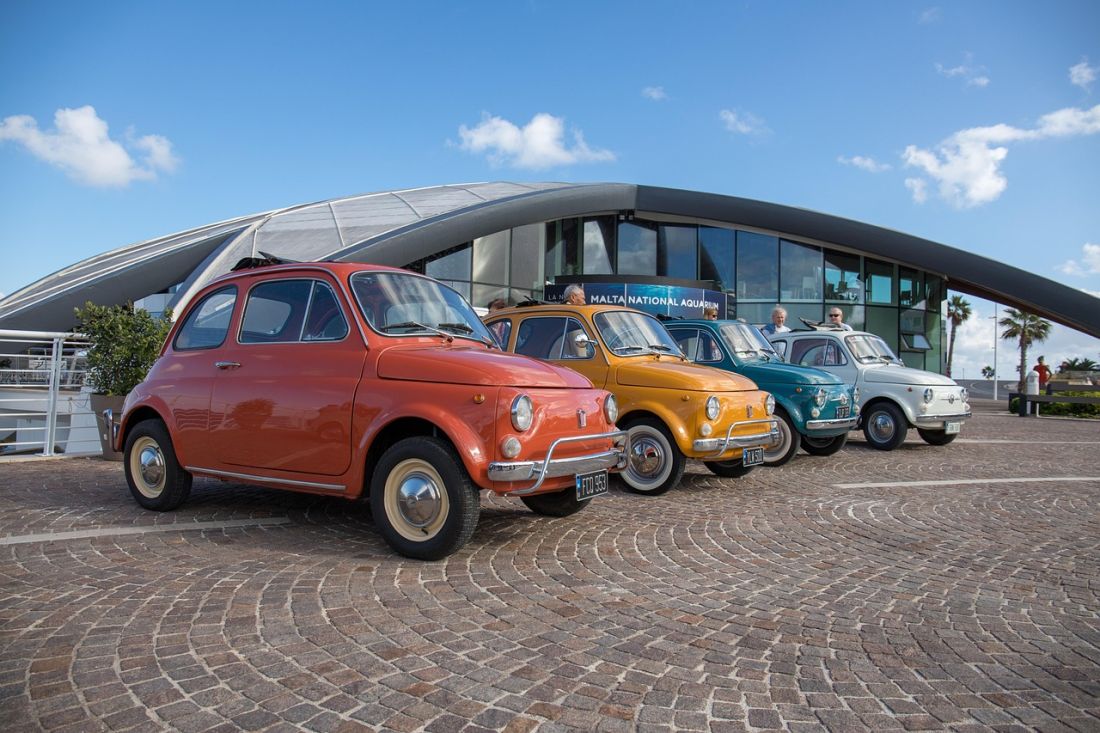
Another reason the Fiat 500 lasted is that Fiat didn’t leave it frozen in time. The shape stayed familiar, but the model kept shifting with what people needed. In 1958 came the 500 Sport, with more power and a livelier look. In 1960 came the 500 Giardiniera, which stretched the idea into a roomier estate-style version. Then in 1965 the 500 F arrived and brought a change that owners still talk about today: the move away from the earlier rear-hinged doors. Later on came the 500 R, which carried the story right up to the mid-1970s. Each update kept the car useful, and usefulness is a big part of why the public stayed close to it. But the amazing bit is that the 500 did all this while keeping its own face. You could still tell what it was. It didn’t lose the very thing people loved. By 1975, the original run was over, yet the image had already burned itself into Italian culture. Then something even stranger happened. The little runabout that had once helped ordinary families get from A to B began to be treated as a design classic. MoMA in New York added a Fiat 500F to its permanent collection, and Martino Stierli said the car had changed automotive design and production. Think about that for a second. A tiny, affordable city car made to help regular people live their lives ended up in one of the most famous modern art museums on earth. That says everything. It says good design doesn’t have to be flashy. It says beauty can live in simple things. It says a car can be useful and lovable at the same time. That blend is very Italian, really. Smart design, real purpose, no waste, and a bit of flair. And yes, loads of cars claim that. The Fiat 500 actually pulled it off.
The comeback in 2007 made a new generation care
Plenty of famous cars fade into nostalgia and stay there. The Fiat 500 didn’t. On 4 July 2007, exactly fifty years after the original launch, Fiat brought the 500 back in Turin. That date was no accident. Fiat knew the old car still meant something deep to people, and the relaunch leaned right into that history. The new version had modern safety, modern engines, modern comfort, but it borrowed the old car’s visual clues so well that even people who had never driven the 1957 original could feel the family link straight away. And that relaunch worked. Really worked. Stellantis said the modern 500 was sold in over 100 countries, and by May 2018 the company had built the two millionth example of the new generation at the Tychy plant in Poland. That’s not a polite little retro hit. That’s global success. The modern 500 turned the old cultural memory into something current. It became a fashion car, a city car, a first car, a second car, and a car that people bought because it simply made them happy. You’d see it outside restaurants, on commuter routes, in glossy adverts, and on ordinary streets where it added a bit of spark to a grey day. And that matters in places like Manchester and Stockport too, where people like cars that feel usable but still have character. You can picture a Fiat 500 looking perfectly at home tucked into a parking space near the Northern Quarter, or bouncing around the tighter roads where a big SUV feels like wearing hiking boots in your living room. The comeback also proved that the original idea still had life in it. Small footprint. Distinct look. Friendly vibe. Real city sense. Those things didn’t belong to 1957 alone. They still made sense fifty years later, which is a very strong sign that the original got something right at a basic human level.
Why the Fiat 500 still feels bigger than its size
So why did this little Fiat become a cultural icon while loads of other useful small cars faded into the background? Part of it is timing. Part of it is design. Part of it is that it arrived when Italy needed hope you could actually buy and park outside your house. But there’s another part, and it’s the emotional bit. The Fiat 500 feels personal. It doesn’t feel cold. It doesn’t feel bossy. It doesn’t try to scare the road into making way for it. It feels like a car built for people with real lives, real budgets, real errands, real plans. That’s a very different energy from cars that exist to impress the neighbours. The 500 became the sort of car people remember with a grin. They remember family drives, summer air through the rolled-back roof, the sound of the small engine, the way the car seemed game for anything even though it was tiny. And then, years later, younger drivers looked at it and saw something else: style without snobbery. That’s a rare mix. At Dace Motor Company, we see that kind of bond all the time with certain cars. People don’t always choose with a spreadsheet in hand. They choose with memory, feeling, and a sense that a car says something about who they are. The Fiat 500 has been saying the same thing for decades, just in slightly different voices. It says life can be lighter. It says good design doesn’t have to shout. It says small can still matter. Maybe that’s why it has lasted so well. Maybe that’s why a car created for ordinary people in post-war Italy still turns heads and starts conversations. And maybe that’s the clearest sign of all. A true icon doesn’t need explaining every time it appears. People just get it. The Fiat 500 has been getting that reaction since 1957, and there’s a good reason it still does.