


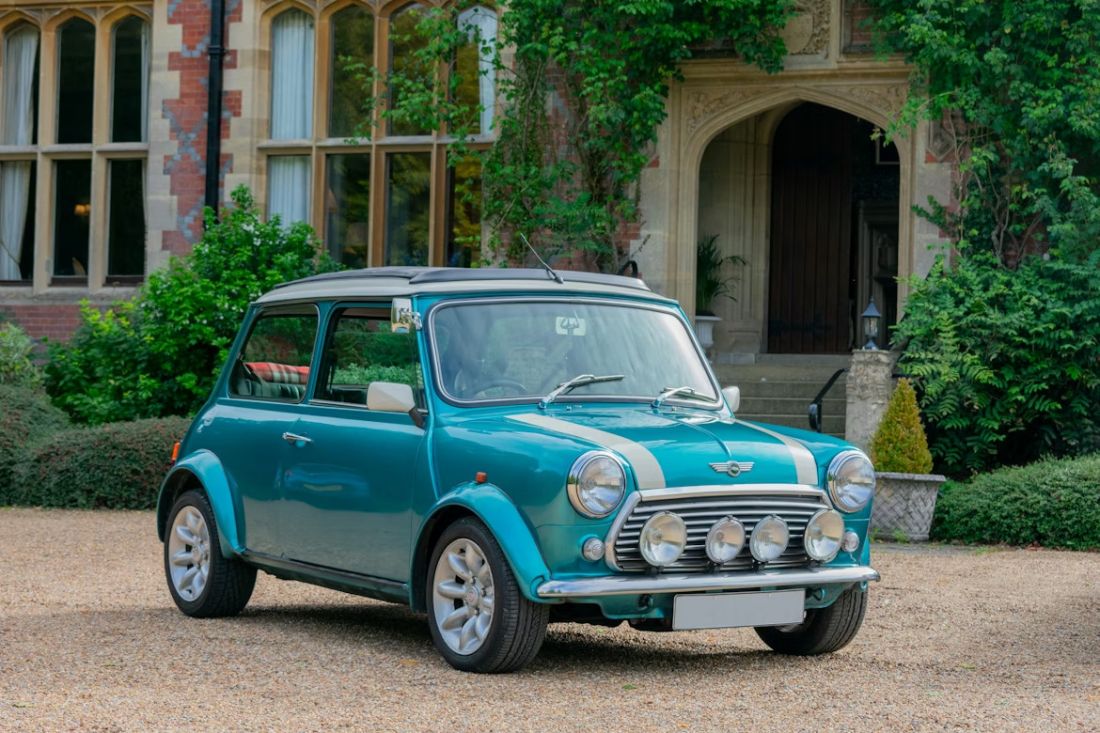
How Mini Became a Cultural Icon Beyond Just a Car
Mini didn’t start out trying to be “cool.” It was meant to be clever. Back in 1959, the British Motor Corporation launched the Mini as a small, fuel-saving car, and the whole point was simple: squeeze as much space as possible into a tiny footprint without it feeling like a punishment to sit in. The brain behind it was Sir Alec Issigonis, who pushed a layout that made room for people and shopping, not wasted metal and empty air. And that’s the first reason Mini turned into a big deal: it solved a real problem in a way that felt almost cheeky. Small on the outside, roomy enough on the inside. That “how is this even possible?” feeling is exactly the kind of thing people love to talk about. Then the look helped too. The shape was friendly. It didn’t try to look like a bully on the road. It looked like it had a personality. And once something has a personality, it’s way easier for it to end up in films, on album covers, in fashion shoots, and parked outside places where people want to be seen. That’s how a car stops being “just transport” and starts becoming a symbol.
Here in Greater Manchester, you can kind of get why that matters. We’re a region that likes stuff with character. A bit of grit, a bit of charm, something that doesn’t take itself too seriously. A Mini fits right in outside a coffee spot in the Northern Quarter, or tucked on a side street near Stockport Market, or rolling under the Stockport Viaduct like it owns the place. And at Dace Motor Company, we see it in real life: people don’t just shop for a Mini with their head. They shop with their memories too. Some remember their mum’s old one. Some just like the idea of driving something that feels like it belongs to the city, not something that takes up half the lane like a sofa on wheels.
The “small car” that embarrassed bigger cars on big stages
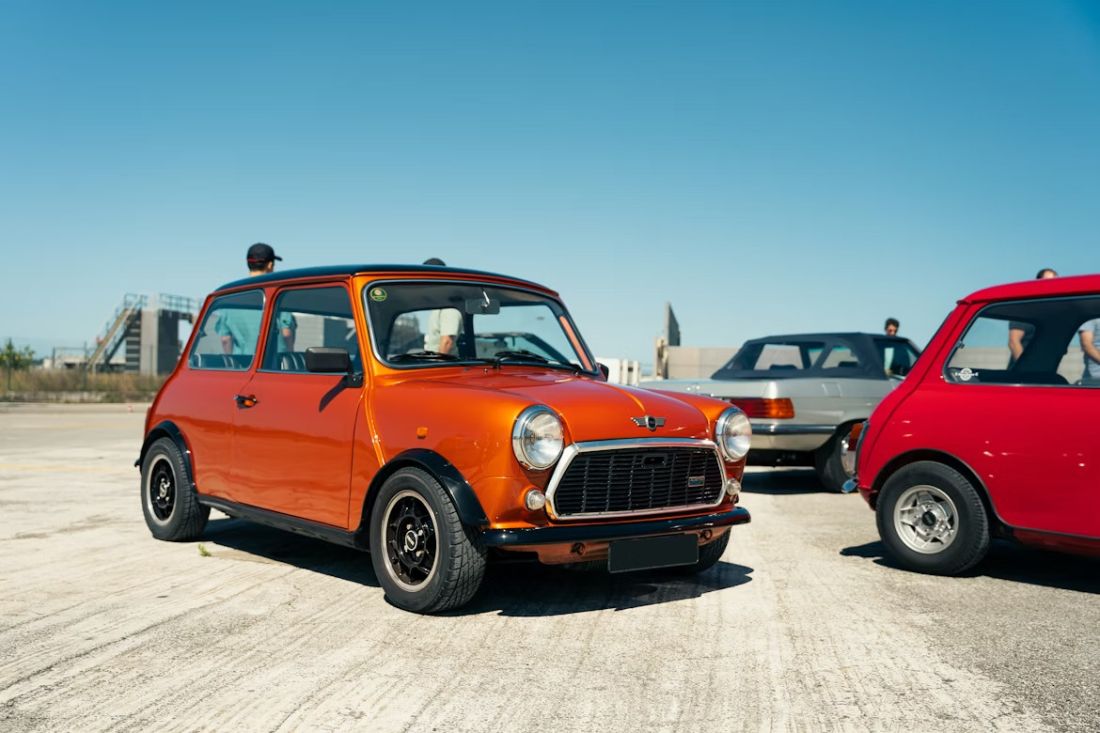
If Mini had stayed as “that neat little runaround,” it would’ve had a nice history… and that would be that. But then it started doing something that made people properly pay attention: it won where it wasn’t supposed to win. In 1964, a Mini Cooper S driven by Patrick “Paddy” Hopkirk, with Henry Liddon as co-driver, won the Monte Carlo Rally. That’s not a tiny local trophy either. That’s one of those events where tough roads and rough weather can make grown-up, expensive cars look silly. The Mini became this scrappy hero story on wheels. People love an underdog. And once you’ve got an underdog story, you’ve got the kind of tale that spreads. It gets retold at pubs, in magazines, on telly, and later online. It becomes part of a car’s “legend,” like a football club’s best season that everyone still talks about years later.
And here’s the thing: that rally win wasn’t just about speed. It was about the idea that clever beats big. That’s a theme people latch onto. You see it in music too, where a small band from up north can end up changing the whole sound of a decade. That feeling is familiar round here. Manchester has always backed the idea that you don’t need to be the biggest to be the best. A Mini winning against bigger names feels like that same attitude, just on a snowy mountain road instead of a stage at the Apollo. So when a Mini shows up in culture, it isn’t random. It already had a reputation. It already had a story people wanted to attach themselves to.
If you’re shopping used, this part of Mini history is still handy. A car with a proper backstory tends to keep attention longer. That can mean stronger demand, more clubs, more community, and more support if you want parts, advice, or a specialist who’s seen it all before. You don’t have to be a rally fan to benefit from that. You just get to enjoy being part of something bigger than your morning commute.
Mini on the big screen: when a car becomes a character
Some cars appear in films like furniture. They’re there, then they’re gone. Mini didn’t get that treatment. It got starring roles. The biggest one people still bring up is The Italian Job (the 1969 original), where Mini Cooper S cars tear around Turin in a chase that’s basically burned into pop culture. It’s hard to explain how much that kind of moment matters. Once a car is tied to a scene that people replay in their heads, it becomes a character. Like, you remember it the way you remember the main actor. And yes, Michael Caine is the face everyone quotes, but those Minis are the reason the action still gets talked about decades later. You don’t need to know every detail of the film to know the vibe: fast, cheeky, nimble, and a bit rebellious.
Then you’ve got Mr Bean. Completely different energy, same effect. Mr Bean’s Mini is one of those TV cars that people recognise instantly, even if they don’t know much about cars. MINI itself has described the best-known version as a 1977 Mini 1000 Mark IV in Austin Citron Green, with a matte black bonnet and the number plate SLW 287R. That’s a weirdly specific set of details for a sitcom, but that’s the point: the car mattered. It was part of the joke, part of the chaos, part of the identity. And because Mr Bean travelled all over the world as a show, the Mini got beamed into homes far beyond the UK. People who’ve never set foot in Stockport have still laughed at that Mini getting bullied by a three-wheeler. That’s global fame, delivered through comedy.
If you want a simple way to spot “icon status,” look for this: does the thing get recognised as itself, instantly, in a completely different context? Mini does. It can be cool in a heist film and ridiculous in a comedy, and it still feels like Mini. That’s rare. And it’s why, even now, you’ll see Minis popping up in adverts, music videos, and social posts without anyone needing to explain what it is.
Music and celebrities: when famous people pick something for fun, not flex
There’s a certain type of celebrity car that screams “I’m trying too hard.” Mini is kind of the opposite. In the 1960s, it became a favourite with famous musicians because it was playful, customisable, and genuinely usable in real life. One of the best-known stories is tied to The Beatles. George Harrison owned a customised Mini that got a psychedelic paint job and appeared in the band’s 1967 film Magical Mystery Tour. That’s not just “a musician owned one.” That’s “the car became part of the art.” A moving canvas. A rolling piece of the era. And once that happens, the Mini stops being linked to one person and starts being linked to the whole vibe of the time: colour, creativity, youth, and the feeling that rules were getting rewritten.
Why did that matter? Because music isn’t just sound. It’s style, attitude, and what people imagine when they hear the songs. If you picture the Swinging Sixties, you’re probably picturing bold colours, sharp haircuts, and little cars zipping around London. The Mini fits that mental image perfectly, even if you’ve never watched a documentary about it. It’s like how certain trainers are tied to certain bands, or how a parka can make you think of a whole music scene. The object becomes shorthand.
And there’s another angle that feels very Manchester. This city’s music history has always been about being yourself, even if it’s a bit odd. The Mini has that same vibe. It’s small, a bit mischievous, and it doesn’t care if someone thinks bigger is better. That’s why it still clicks with people who love music culture now. You’ll see a Mini parked up near a gig at Albert Hall or outside Band on the Wall, and it doesn’t look out of place. It looks like it belongs. Like it’s part of the night.
If you’re thinking of buying used, this celebrity-and-music connection isn’t just trivia. It’s why there are so many special editions, colour combos, stripes, and personal touches people add. Minis invite custom style. Just keep it sensible: mods that are reversible tend to keep value and make life easier if you ever sell on.
Fashion got “mini” fever, and the car helped make the word stick
Here’s a fun twist: “mini” isn’t only a car thing. It became a fashion word too. And yes, there’s a real link between the two. Designer Mary Quant, a key name in 1960s fashion, is strongly tied to the rise of the miniskirt, and she even said the name was inspired by her favourite car: the Mini Cooper. That’s such a simple detail, but it’s massive for culture. A car name helping label a fashion movement? That’s the kind of crossover brands dream about, but this happened in a messy, real, human way. People were changing how they dressed, how they moved, and how they showed confidence. The word “mini” was already in the air because the car was everywhere. It was a word that felt modern, quick, youthful, and a bit daring. So it fit.
Now, fashion history can get heated because people argue about who “invented” the miniskirt, and museums have pointed out it was more of a gradual shift, not one single invention moment. But the cultural point still stands: Mary Quant helped push the look into everyday life, and the “mini” label became sticky. It travelled. It sounded fun. And it matched the time. Once a word becomes a symbol, it spreads fast. “Mini” turned into a whole mood: short, sharp, bold, youthful.
Even if you don’t care about skirts, you’ve felt this effect. Think about how certain words become part of everyday talk because they’re tied to a famous thing. Like how “Google it” became a normal phrase. “Mini” did something like that, just decades earlier, and in a more playful way. It became a cultural shorthand for a certain kind of cool. And that helped the car too. Because now the Mini wasn’t just a product name. It was part of a whole style story that included clothes, photography, magazines, and the street look of the era.
And honestly, you still see echoes of that now. Minis still get picked by people who care about design. People who want something with a bit of flair. Something that looks good parked outside a bar in Spinningfields, or outside a bakery in Heaton Moor on a Sunday morning. The car and the fashion idea keep feeding each other. That’s how icons stay alive.
Why the Mini shape works in art, photos, and street culture
Some designs are like background noise. Mini isn’t. The shape is instantly readable, even in a blurry photo. That matters more than you’d think. Artists, photographers, ad people, film directors… they all like objects that communicate fast. A Mini does. Round lights, short overhangs, a boxy but friendly stance. You can draw it with a few lines and people still get it. That’s basically logo-level recognition, and it’s one reason it keeps showing up in posters, murals, and stylised graphics.
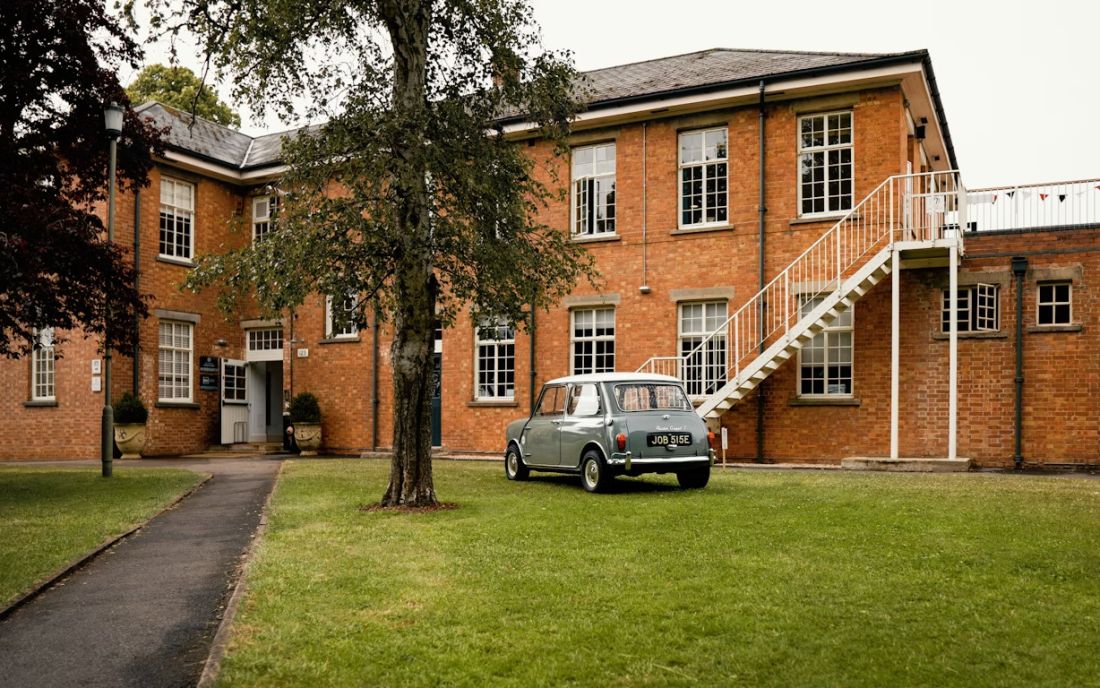
There’s also the way it sits in a city. Big cars can feel like they’re fighting the street. Minis look like they’re cooperating with it. In places like Manchester and Stockport, where you’ve got tight terraced streets, busy parking, and those moments where you’re squeezing past a van that’s half on the kerb, small cars feel like a win. The Mini became part of that daily reality, so it got linked to real urban life. Not the fantasy of open highways, but the proper everyday stuff. The school run. The dash to the shops. The quick trip into town. That’s where culture actually happens, because that’s where people live.
And then there’s custom style again. Minis take stripes, roof wraps, bold colours, and little details really well. That’s why they’re such a favourite for photos. A matte roof, a contrast mirror cap, a cheeky badge… it all reads clearly even on a phone screen. Which is part of why Mini culture thrives online now. People share their car the way they share their trainers or their favourite jacket. It’s personal style you can park.
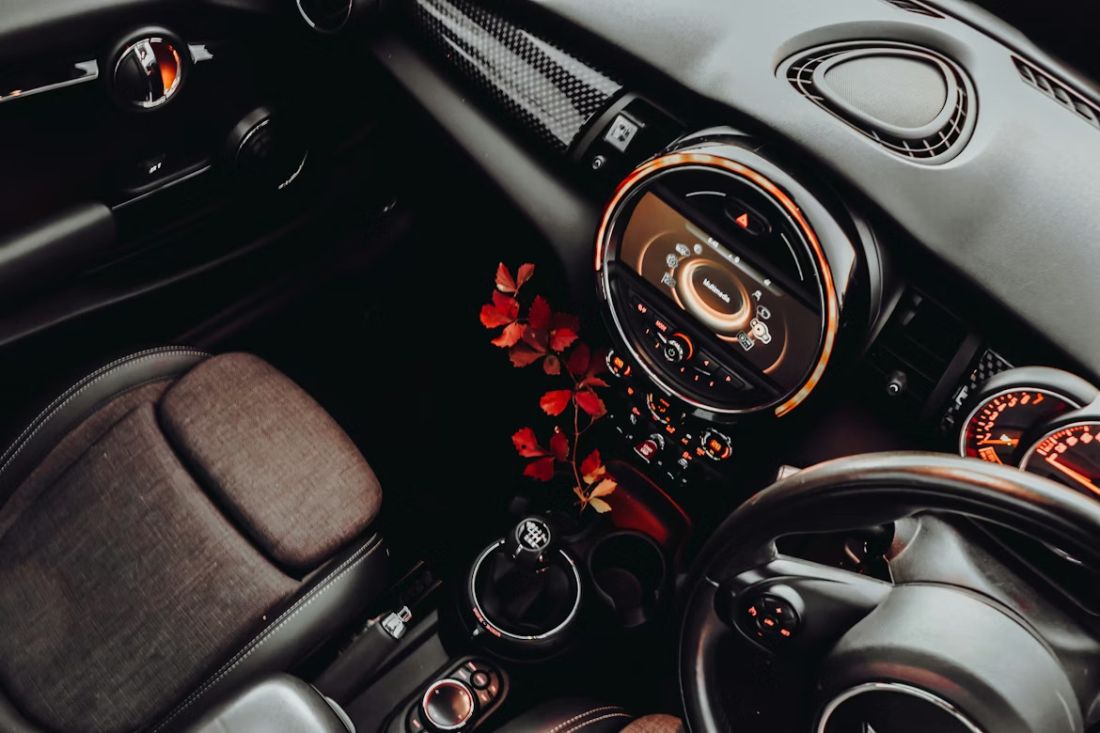
If you’re reading this and thinking, “Okay, but what does that mean for me?” Here’s the practical bit: if you’re buying a used Mini because you like the look, take a second to think about the look you’ll still like after six months. Go for a spec you won’t get bored of. Clean, classic colours age well. Loud graphics can be fun, but make sure they’re your fun, not someone else’s. And check the basics too: service history, tyres, and how it drives over bumps. A stylish car that thumps and rattles over every pothole on the A6 gets old fast.
The Mini community: clubs, meets, and that “I’ve got the same one!” feeling

Icons don’t survive on nostalgia alone. They survive because people keep them alive. Mini has one of those cultures where strangers will talk to you at petrol stations. It’s the “nice Mini” nod. The quick chat at traffic lights. The person who points and says, “My grandad had one of those.” And that community runs deep because Minis have been around in different forms for a long time, with a strong heritage story stretching back to the 1959 launch and the way the original design influenced small-car thinking.
This matters because community creates momentum. Owners share tips, recommend trusted garages, and warn each other about common problems. They organise meets and charity runs. They swap parts and stories. And because Minis have appeared in big cultural moments-rally wins, films, TV-the community always has something to talk about beyond “what’s your mileage?” It’s “remember that chase scene,” or “did you know that plate number,” or “look at this old photo of a custom paint job.” That’s the kind of chat that keeps a car from fading into the background.
Around Manchester and Stockport, this community vibe fits the local personality. People here like a good club. A good hobby. A good excuse to meet up. It’s the same energy you see at classic car gatherings or weekend events where everyone’s got a story and a brew in hand. And if you’re new to it, you don’t have to be a hardcore car person. Minis are friendly like that. You can be the person who just likes the look and still get welcomed in.
If you’re thinking about buying used and you want to feel confident, lean on that community idea. Search for owners’ groups, read what people say about the model year you’re eyeing, and pay attention to repeated themes. If lots of owners mention the same weak spot, treat it seriously. Also, don’t be shy about asking a seller what’s been replaced recently and what hasn’t. A good seller won’t get defensive. They’ll just tell you. And if they dodge the question, that’s a signal all by itself.
So… is buying a used Mini today about style, or does it still make sense?
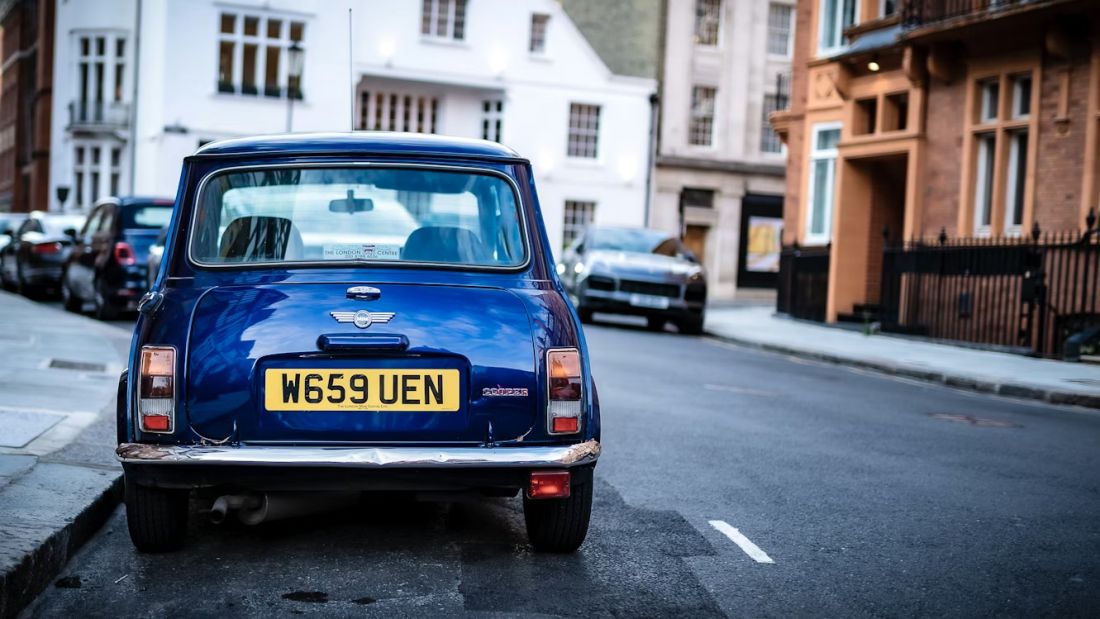
Let’s be honest, plenty of people buy a Mini because it looks good. That’s fine. Life’s too short to drive something you don’t like looking at. But it still has to work for your real life in Manchester and Stockport. Think about where you drive. If you’re doing loads of motorway miles, you’ll care about comfort and noise. If you’re mostly popping around town-Edgeley, Reddish, the Trafford Centre, MediaCity, the back roads near Marple-then the Mini’s size can be a proper bonus. And yes, style can still be practical. You can have both, if you shop smart.
Here’s a concrete way to approach it without getting lost. First, decide what “Mini vibe” you want: classic and simple, sporty and sharp, or a bit luxury-feeling with nicer trim. Then match that to your budget and running costs. Second, test drive it on the kind of roads you actually use. Don’t just do a smooth bit by the dealership. Find a stretch with speed bumps, rough patches, and some stop-start traffic. That’s real life. Third, check the paperwork properly. Service history matters. So does a clean record. And if you’re using finance, be sure you know what you’re signing up for month to month, because the car should make your life easier, not give you that sinking feeling every time a payment date rolls around.
This is where we keep it simple at Dace Motor Company. We know people want a car that feels good and makes sense, and we also know finance talk can feel like a headache. The key is making sure you can explore options without stressing about your credit score right away, which is why soft searches can help you check eligibility without that hard hit upfront. And once you’ve got a clear view, you can decide with a cooler head.
The funniest part? All this practical stuff loops back to culture. Because the Mini became iconic by fitting into real life-city streets, youth culture, music scenes, film scenes-without losing its character. If it fits your life now, you get that same magic. You’re not buying a museum piece. You’re buying a little slice of a story that’s still going.