


How Citroën DS Became the Most Futuristic Car of Its Time
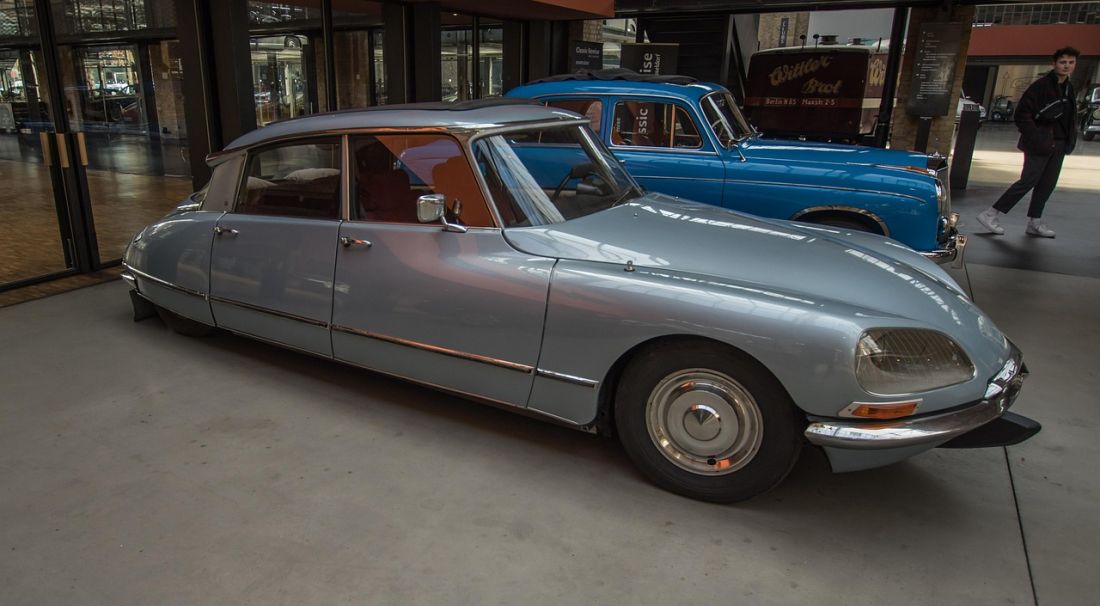
The Citroën DS didn’t creep into history quietly. It made a massive entrance, the kind that makes people stop mid-sentence and just stare. Back in 1955, at the Paris Motor Show, Citroën pulled the cover off a car that looked like it had dropped in from years ahead. People genuinely hadn’t seen anything like it before. While other cars still looked boxy and stiff, the DS arrived smooth and low, like it was slicing through the air even while parked. Within minutes, orders were stacking up. By the end of that first day, thousands of people had put their names down. Imagine the Trafford Centre on a Saturday afternoon, packed to the rafters, and then imagine everyone wanting the same thing at once. That’s the vibe. This wasn’t hype built up by clever ads either. It was pure shock and excitement. The DS made other cars nearby look old overnight. To put it simply, Citroën had skipped ahead while everyone else was still catching their breath.
What’s wild is that this moment didn’t happen by luck. Citroën had spent years quietly pushing ideas that most other car makers wouldn’t touch. They were happy to ruffle feathers. And you know how sometimes people say something is “ahead of its time”? This actually was. The DS arrived when roads were rougher, driving was harder work, and comfort meant little more than soft seats. Then here comes a car that felt calm and smooth even on terrible surfaces. Think of bouncing along a pothole-filled road near Stockport town centre and suddenly floating over it instead. That alone changed expectations. And for people seeing it for the first time, it wasn’t just transport. It felt like a peek into the future. Something bold, confident, and slightly rebellious. That first reveal set the tone for everything that followed. The DS wasn’t here to blend in. It was here to stand apart.
The minds who dared to do things differently
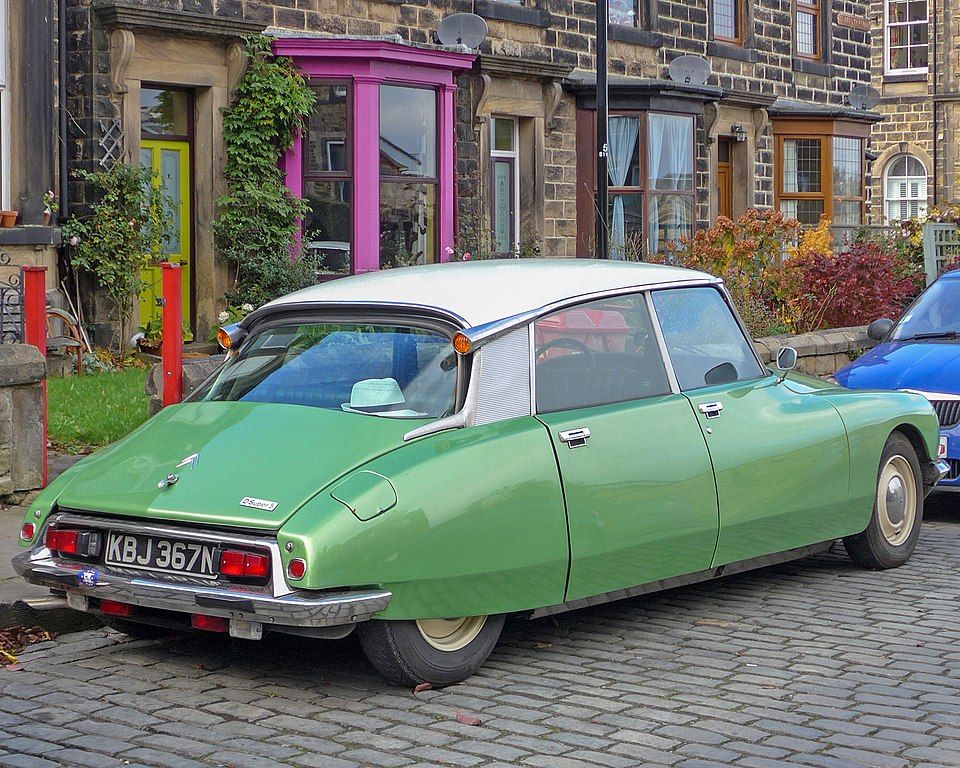
Photo: Citroen DS by Tim Green, CC BY 2.0, via Wikimedia Commons
Behind every bold idea, there’s usually at least one stubborn person who refuses to follow the usual rules. With the DS, there were two. André Lefèbvre was the engineer. Flaminio Bertoni was the designer. And together, they were a dangerous mix, in the best way. Lefèbvre didn’t come from a typical car background. He worked on aircraft before cars, which explains why he cared so much about airflow and balance. Bertoni, on the other hand, was a sculptor as much as a designer. He shaped cars the way others shaped art, by feel as much as by measurement. That mix mattered. Because the DS wasn’t built by ticking boxes. It was built by people asking “why not?” again and again.
Most car makers at the time were happy to tweak last year’s model and call it progress. Citroën went the other way. They questioned everything. How the car sat on the road. How it steered. How comfortable it could be. Even how it should look at rest. Bertoni didn’t want sharp lines or heavy shapes. He wanted movement, even when the car wasn’t moving. The bonnet dipped gently. The roof floated lightly above the body. It looked soft, but confident. Lefèbvre matched that with engineering that supported those shapes, not fought them. That’s harder than it sounds.
And here’s the thing. These weren’t safe ideas. If the DS had flopped, Citroën would’ve taken a huge hit. But they believed in it. That belief carried through to the smallest details. Controls were placed where drivers actually reached, not where tradition said they should be. The steering wheel had a single spoke, which looked strange but gave a clear view of the dashboard. Little choices added up. The DS felt thoughtfully put together, like someone cared how it felt to live with, day after day. Even now, that mindset feels fresh. It’s the same spirit we appreciate at Dace Motor Company when we see cars that dared to be different instead of just safe.
A ride so smooth it felt slightly unreal
Picture driving from Manchester out into the Peak District on older roads, long before they were smoothed out. In most 1950s cars, that meant bouncing, rattling, and gripping the wheel tighter. In a DS, it meant calm. The car adjusted itself, keeping the body steady and the wheels doing their job underneath. Passengers noticed straight away. Journeys felt easier. Less tiring. And that mattered, because back then, driving wasn’t the relaxed experience we expect now.
What really impressed people was how the system adapted. Load the boot with bags, people, or tools, and the car stayed level. Change a wheel at the side of the road, and the car could lift itself up. No jack needed in the usual sense. That blew minds. This wasn’t about showing off. It made life simpler. And safer. The suspension also helped with grip, keeping tyres firmly on the road. That confidence was rare. Many drivers felt like the DS was helping them, not fighting them.
Sure, it took some getting used to. Early owners talked about the strange feeling of the car settling when you started it. But once you trusted it, going back to a normal setup felt rough. Almost unfair. The DS didn’t ask drivers to suffer for style or speed. It gave comfort without fuss. Even today, that idea feels modern. Comfort shouldn’t be a luxury. It should just be there.
Looks that broke every rule going
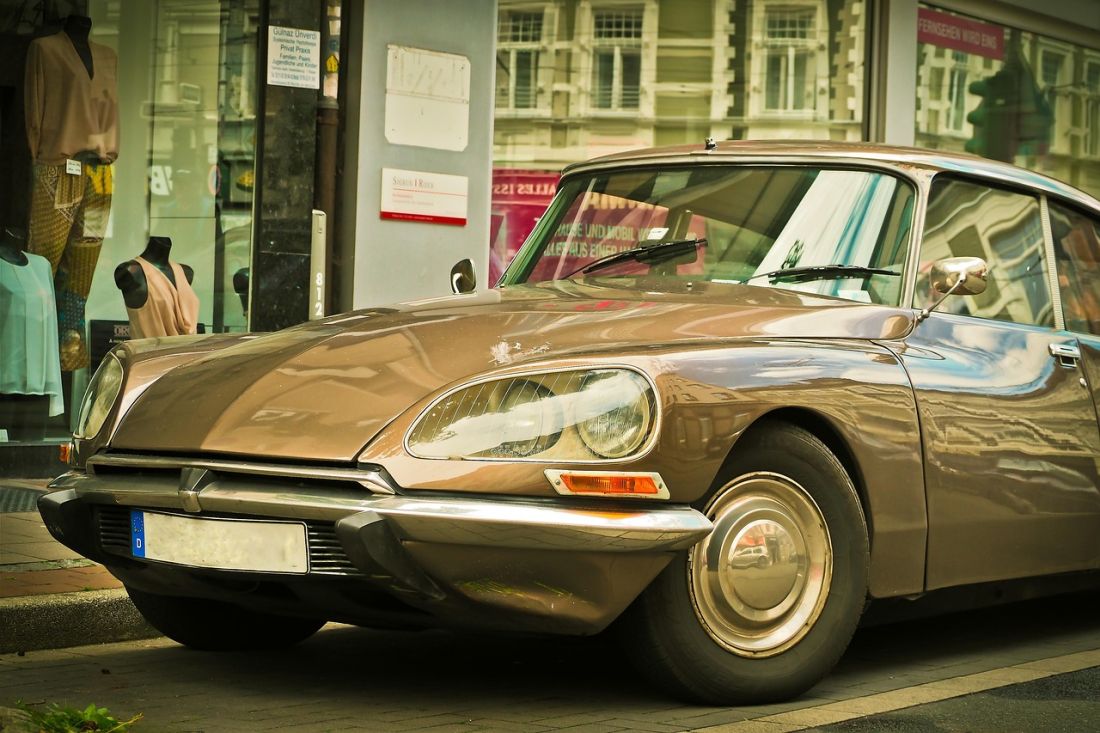
At first glance, the Citroën DS didn’t look like a car people were used to. And that was the point. Cars in the early 1950s were upright and heavy-looking, almost apologetic. The DS arrived long, low, and sleek. The shape wasn’t decoration. It had a reason. Lefèbvre’s aircraft background pushed the focus on airflow, even before wind tunnels were common for cars. The DS cut through the air more easily than most things on the road at the time. That helped with speed and fuel use, but also gave it that smooth presence.
The roof was another smart touch. It was made of a lighter material than the body, which lowered the centre of balance and helped handling. Again, this wasn’t about flair. It made the car better to drive. Still, the look grabbed attention first. From the side, it seemed to flow like a single shape, not parts bolted together. No sharp edges shouting for attention. Just calm confidence.
Inside, things felt just as different. The single-spoke steering wheel raised eyebrows, but it made sense once you sat behind it. Your view was clearer. Controls were placed where you’d naturally reach. The dashboard didn’t overwhelm with clutter. Everything felt considered. Almost gentle. That was rare in an era when many cars felt mechanical and heavy-handed.
And let’s face it, daring designs don’t always age well. Plenty of so-called futuristic cars look awkward later on. The DS avoided that trap. Its look stayed graceful. Even decades on, it still turns heads, whether it’s parked outside a café or rolling past traffic in the rain. That’s proper design. The kind that ignores trends and focuses on shape that feels right. We see cars come through Dace Motor Company that try hard to look bold, but few manage this balance. The DS didn’t try. It just was.
Safety ideas before safety was a selling point
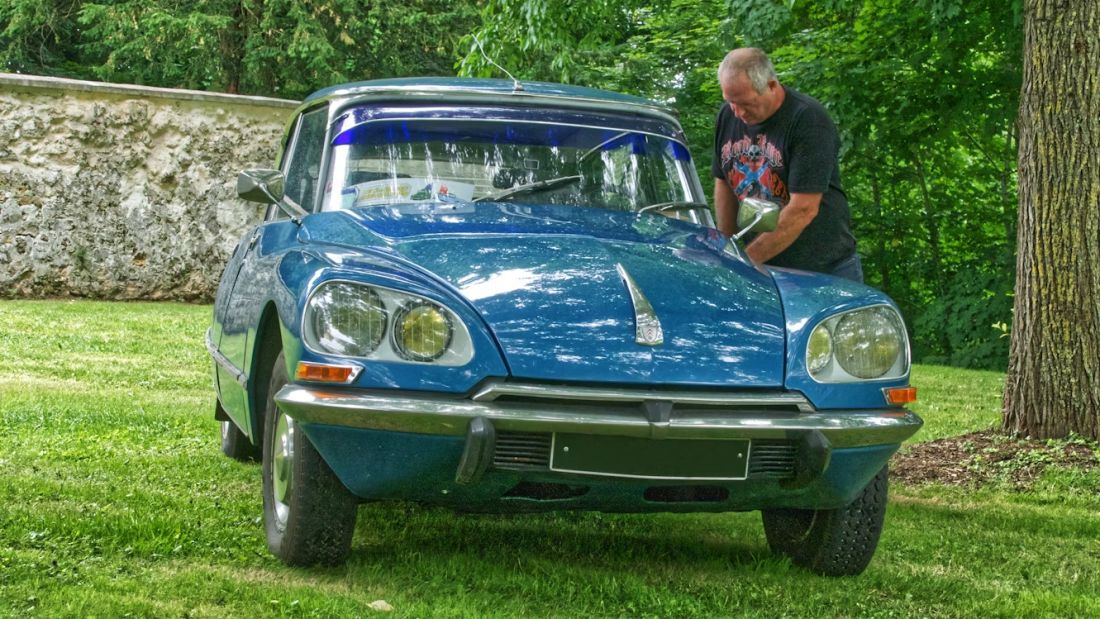
Safety wasn’t the buzzword it is now. In the 1950s and 1960s, most people accepted that driving came with risks you just dealt with. The DS quietly challenged that idea. It introduced features that helped protect people without making a song and dance about it. Disc brakes were a big one. While many cars still relied on older systems, the DS used discs at the front, offering stronger and steadier stopping power. That meant more control when things got tense.
The steering wheel design wasn’t just for looks either. That single spoke was shaped to reduce injury in a crash. The structure around it aimed to absorb impact instead of sending it straight to the driver. Even the dashboard avoided sharp edges where possible. Small details, sure. But they added up.
Handling played a safety role too. The suspension kept tyres in better contact with the road, which meant more grip when turning or braking. Drivers found they could react more confidently in tricky moments. There’s even a well-known story where French President Charles de Gaulle survived an assassination attempt partly because his DS remained stable after its tyres were shot. The car didn’t panic. It kept its line long enough to get him away. That’s not marketing spin. That actually happened.
And think about how bold that was. Citroën built safety into the car without making it feel restrictive or dull. There were no lectures. Just quiet help when it mattered. That balance is still hard to get right. Some cars feel wrapped in rules. The DS felt free, but supportive. Like a mate who’s got your back without hovering. Even now, that feels like the right way to do things.
Why people felt proud to own one
Owning a DS wasn’t just about getting from A to B. It said something about you. You were someone open to new ideas. Someone who trusted clever thinking over tradition. That mattered, because buying one meant trusting a brand that broke rules. Not everyone was ready for that. Some mechanics were wary. Some drivers stuck with what they knew. DS owners leaned into the difference.
There was also a sense of calm confidence about the car. It didn’t shout. It didn’t flash chrome everywhere. It just did its thing, smoothly and quietly. That appealed to people who valued comfort and ease. Families liked the space and relaxed ride. Drivers liked how undemanding it felt over long distances. Even now, talk to classic owners and you’ll hear the same thing. The DS feels like it’s looking after you.
It also stayed relevant for years. Over time, Citroën refined it, but they didn’t mess with the core ideas. Production ran for two decades, which says a lot. Most radical ideas burn bright and fade fast. The DS kept going. It became familiar without losing its spark.
Around Manchester and Stockport, you still spot them now and again at shows or rolling through quieter streets on a sunny day. And people notice. Kids point. Adults smile. There’s a warmth to it. It doesn’t feel distant or untouchable. It feels friendly. Like it belongs on the road, not behind ropes in a museum. That’s special. Plenty of cars are admired. Few are genuinely liked.
What the DS still teaches us now
The Citroën DS reminds us that progress doesn’t always come from small steps. Sometimes it comes from stopping, clearing the table, and starting again. That kind of thinking takes bravery. It risks judgment. But when it works, it changes expectations for everyone else. After the DS, comfort mattered more. Design mattered more. Safety mattered more. Other brands had to catch up.
We see echoes of that today in cars that challenge habits, whether through comfort, layout, or style. And while technology has moved on, the thinking behind the DS still feels fresh. Put the driver at ease. Make life simpler. Don’t cling to tradition just because it’s familiar.
At Dace Motor Company, we handle cars from all sorts of eras and brands. Some follow rules perfectly. Others bend them. It’s the ones with a bit of guts that stick in the memory. The DS sits high on that list. It wasn’t chasing trends or competing on flashy promises. It was built with care, curiosity, and confidence.
And there’s something reassuring about that. Especially now, when everything feels loud and rushed. The DS has patience. It encourages you to slow down, enjoy the drive, notice how things feel. That’s a lesson worth keeping, whether you’re driving a classic icon or popping down the road in something newer. Good ideas don’t expire. They just keep rolling, quietly proving themselves, mile after mile.
Where its legacy still lives
You don’t have to be a car expert to feel the impact of the DS today. Plenty of modern features trace their roots back to ideas Citroën pushed all those years ago. Comfortable suspension that adapts. Thoughtful layouts. A focus on how driving feels, not just how fast it goes. Those ideas stuck. The DS also showed that cars could be graceful without being fragile, clever without being cold. That balance is hard. Many have tried. Few nailed it. Which is why the DS still pops up in conversations, books, and collections all over the place. It’s remembered because it earned that spot. Even here in the North West, where practicality rules and people value honesty, the DS gets respect. It didn’t pretend. It delivered. Smooth rides. Calm driving. A sense that someone had really thought about your day behind the wheel. That’s the real story. Not just a fancy shape or some clever engineering tricks. It’s about making driving better in ways people actually feel. The Citroën DS did that, without shouting about it. And that’s why, decades later, we’re still talking about it.