


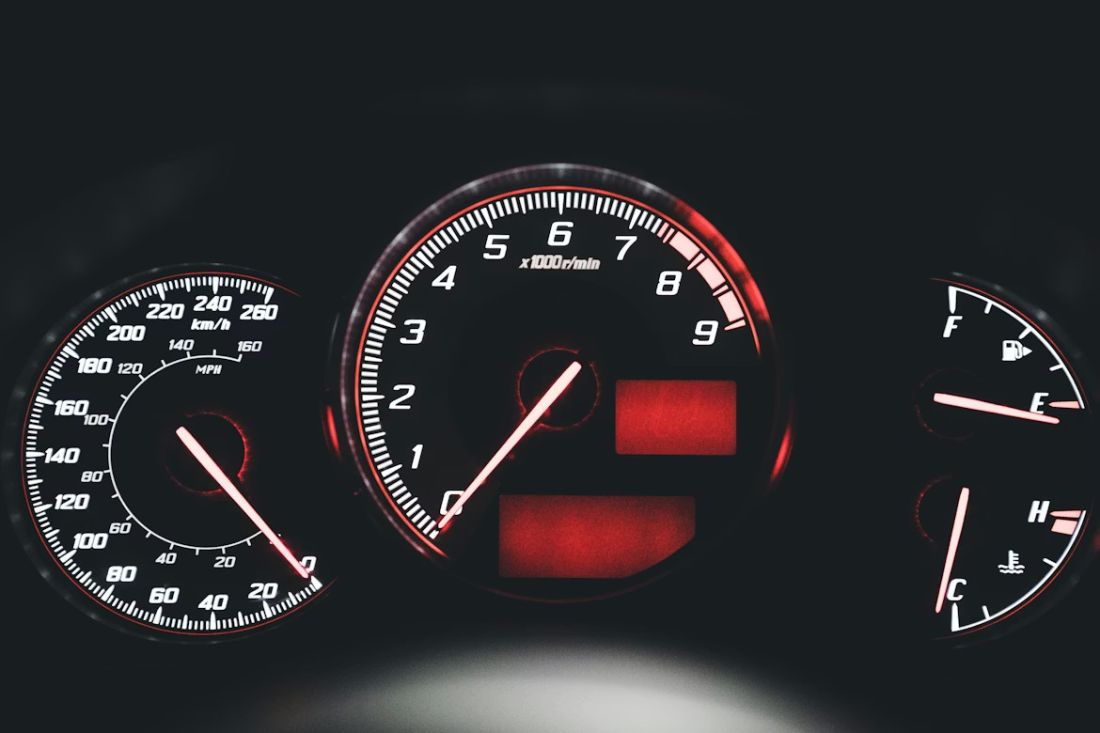
How Car Makers Decide Maximum Speed Limits
Why a car can do “silly fast” speeds even though you’ll never use them on the M60
If you’ve ever looked at a car review and seen a top speed number, you’ve probably had the same thought we hear in our showrooms in Stockport and Manchester: “Why does that even matter? I’m stuck behind a bus on the A6 half the time.” Fair point. In the UK, your real-life speed is basically set by road signs, traffic, weather, and the fact that there’s always roadworks somewhere between Stockport and Eccles. For cars, the headline national limits are 30 miles per hour on lit streets, 60 on single carriageways, and 70 on motorways and dual carriageways (with a different default in Wales for built-up areas). So no, nobody needs a car that can do 155 miles per hour to get to the Trafford Centre.
But car makers still have to decide what the car can do at the very top end. They can’t just shrug and say “don’t worry about it.” Why? Because a car is sold in loads of places with different roads, different rules, and different expectations. Germany is the big one everyone talks about, because some motorway sections there don’t have a set speed limit. That doesn’t mean it’s a free-for-all, but it does mean cars get used at higher speeds than they would on the M62. And even in the UK, car makers still have to build a car that feels stable, doesn’t overheat, and doesn’t shake itself to bits when someone’s doing a steady motorway cruise for hours. That same engineering also covers emergencies. Imagine you’re joining the motorway near Stockport Viaduct, a lorry’s crawling, and you need a quick burst of speed to merge safely. Nobody’s trying to hit the maximum speed there, but the car still needs to have extra in the tank, and it needs to behave. So the “top speed” question isn’t just about showing off. It’s about setting a safe ceiling for the whole package: engine, tyres, brakes, cooling, and the rules the company chooses to follow.
So why do loads of cars land on 155 miles per hour? The German 250 rule
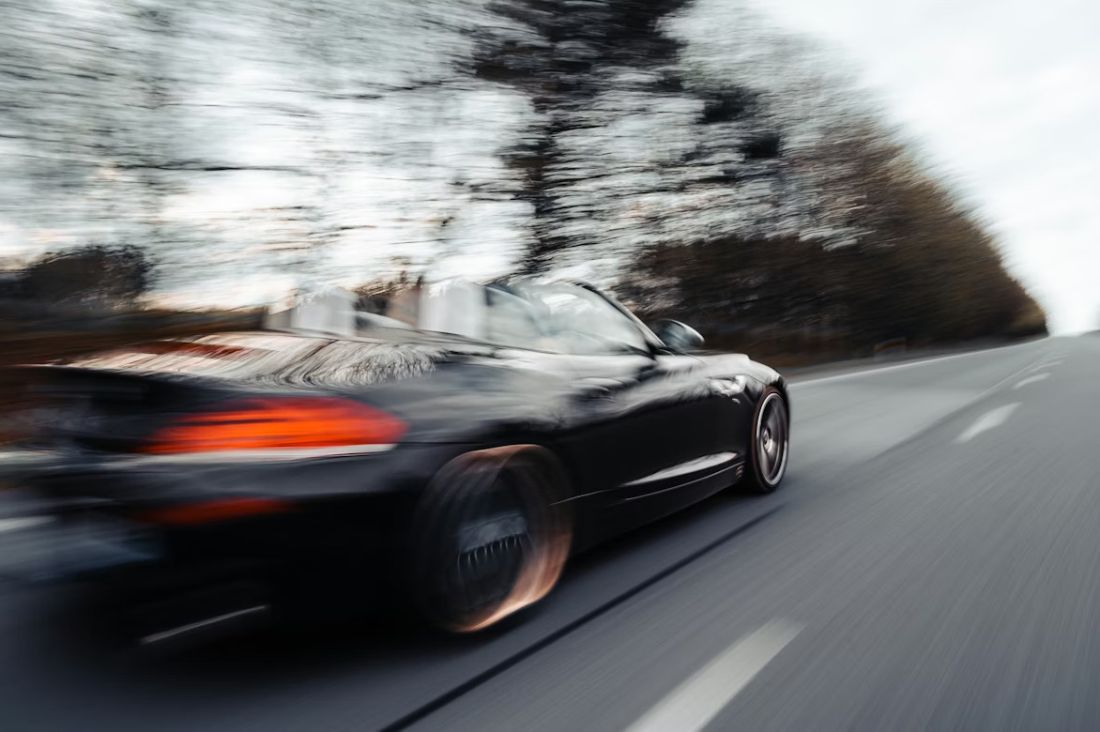
Right, let’s talk about the famous number: 155 miles per hour, which is 250 kilometres per hour. You see it again and again on German brands, and not by accident. For years, the big German makers have followed a voluntary agreement to limit many of their cars to 250 kilometres per hour. It’s one of those “we all agree to do this so nobody turns it into a contest” situations. It’s also tied to politics and safety pressure, because once cars started getting seriously fast, there were louder calls to put a blanket speed limit on German motorways. This agreement helped calm that down by saying, in simple terms, “we’ll keep mainstream cars from turning the motorway into a runway.”
A concrete example that gets mentioned a lot is the late-1980s BMW 750i from the second-generation 7 Series. BMW’s own press material describes that car being electronically limited to 250 kilometres per hour “in agreement with other vehicle manufacturers,” and it links the decision to tyre capability at the time. That’s a big clue: this wasn’t just a random PR move, it was tied to what the rest of the car could safely handle. Wikipedia’s page on that BMW 7 Series generation also talks about the 750i having an electronically limited top speed of 250 kilometres per hour, and it frames it as part of the German makers’ agreement.
And here’s the bit people miss: the agreement isn’t a law. It’s more like a shared house rule. Some brands and special models don’t play along, and some cars can go higher if you pick certain factory options. But for regular saloons and everyday fast models, 250 kilometres per hour became the neat, repeatable number. It’s high enough to be “serious performance,” but it stops the one-upmanship of “our family car does 190, yours does 192.” That’s why you’ll see 155 miles per hour pop up on loads of used German cars too, including the sort of Audi, BMW, Mercedes-Benz, Volkswagen and others that we get asked about at Dace Motor Company.
Tyres are the quiet boss of top speed (because rubber gets hot and grumpy)
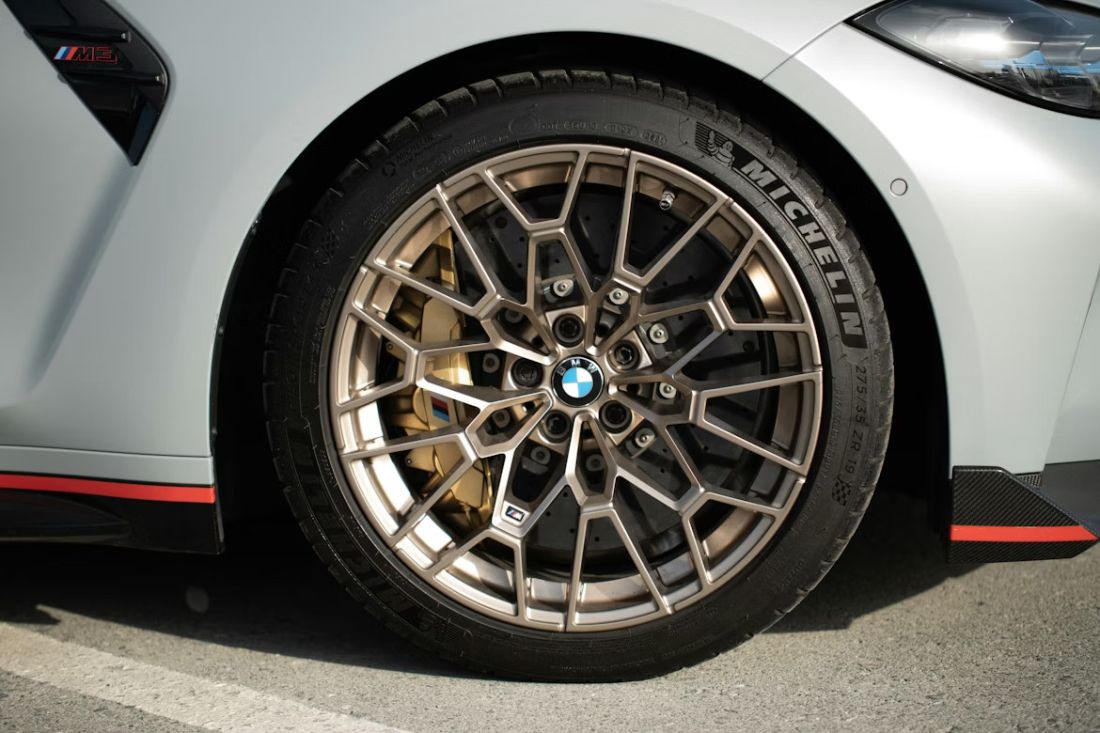
If you take one thing from this post, make it this: tyres have a bigger say in top speed than most people realise. The engine might be the loud bit, but tyres are literally the only part touching the road. And at high speed, they’re dealing with heat, pressure, and forces that go up fast. That’s why tyres have a speed rating system, shown as a letter on the sidewall. In plain English: that letter tells you the maximum approved speed the tyre can handle when it’s carrying the right load. TyreSafe (a UK tyre safety charity) lays it out clearly: a “V” rated tyre is approved up to 149 miles per hour (240 kilometres per hour), “W” up to 168 miles per hour (270 kilometres per hour), and “Y” up to 186 miles per hour (300 kilometres per hour).
Now look at those numbers and you’ll spot something interesting. 250 kilometres per hour sits between the “V” and “W” ratings. That matters, because if your car maker is selling a high-speed car to lots of people, they don’t want it relying on super-expensive tyres that buyers might not replace correctly. They also don’t want a car capable of going well past what the standard tyre fitment is made for. Back in the day, BMW’s own write-up about the 750i links the 250 kilometres per hour cap to the tyre capability of the time. That’s not saying the car would instantly explode above that speed. It’s saying the company wanted a sensible limit that matched the real-world tyre situation and kept a safety margin.
This is also why, when someone’s buying a used car, the tyre choice matters more than people think. Two identical-looking cars can behave differently if one has the correct rated tyres and the other has cheaper tyres that don’t match what the manufacturer expected. And no, we’re not saying you’re going to drive at 150 miles per hour. You’re not. But tyres that are right for the car are also built for its weight, grip, braking, and stability in normal driving. That shows up on rainy mornings near Stockport town centre, and it shows up on a windy run up the M56 too. Top speed talk sounds like bragging rights, but the tyre sidewall is where the real grown-up decision lives.
The “wall of air” problem: why going faster gets harder way quicker than you’d guess
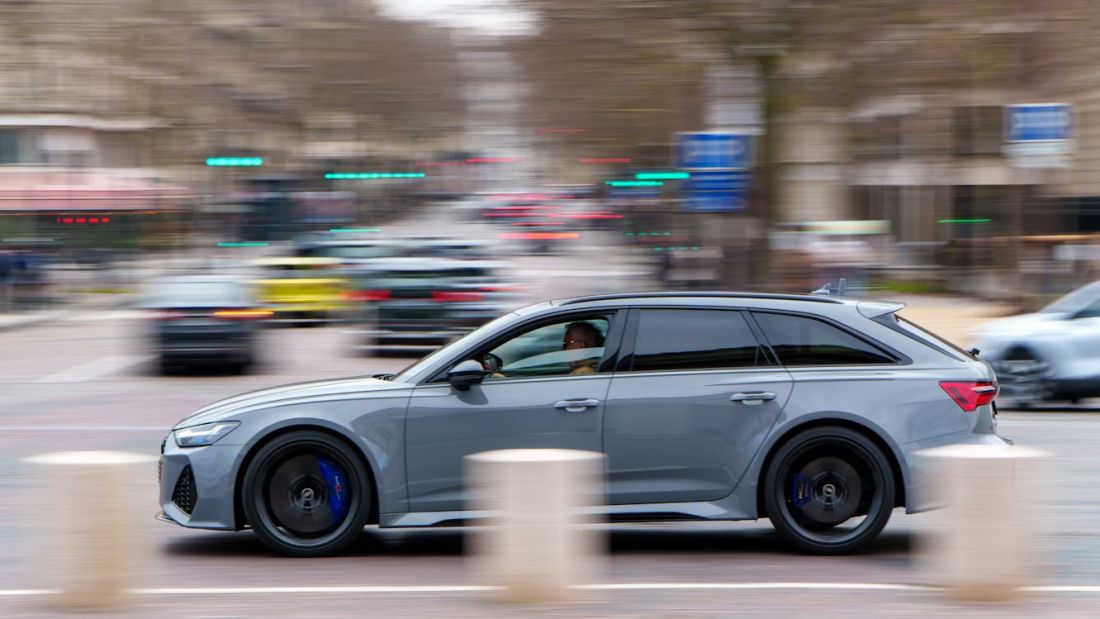
Here’s a simple way to picture it. At walking pace, air is basically nothing. At 30 miles per hour, you feel it a bit if you stick your hand out the window. At motorway speed, you can hear it, and you can feel it pushing the car around on an exposed bit of road. Now crank the speed way up. The air doesn’t just get a little harder to push through. It gets a lot harder, and it keeps climbing. So even if an engine has loads of power, the car might still run into a point where the air is the main enemy. That’s why top speed isn’t just “more power equals faster.” Shape matters. A low, smooth car slices the air better than a tall boxy one, even if the tall one has a strong engine.
And air isn’t the only thing. Heat becomes a drama too. The engine is working harder, the tyres warm up, the brakes get hot if you’re slowing down from high speed, and the car’s cooling system has to cope. Car makers have to pick a top-speed limit that the car can hold for a reasonable stretch in safe conditions without cooking itself. That’s part of why a sensible limit exists at all, even on roads where a high speed is legal. It’s also tied to noise. At high speed, wind noise rises, tyre noise rises, and the whole car gets louder. If you’ve ever driven past the Etihad on a blustery day and the wind’s smacking the side of the car, you already know how much noise and buffeting weather can add, even at normal speeds. Now imagine that scaled up.
This is also why you’ll see car makers limit the maximum speed on cars that aren’t “performance cars.” They could let it run higher, but they’d need to engineer more cooling, fit higher-rated tyres as standard, maybe change the gearing, and then test it all. That testing costs money, and if the car is mainly built for families and commuting, that money is better spent on stuff you’ll use every day: braking feel, wet grip, comfort, and reliability. Top speed is the headline, but the real goal is a car that feels planted on a normal motorway run and doesn’t feel nervous when you pass a lorry or hit standing water.
Engines and gears: why some cars are limited by design, even before software steps in
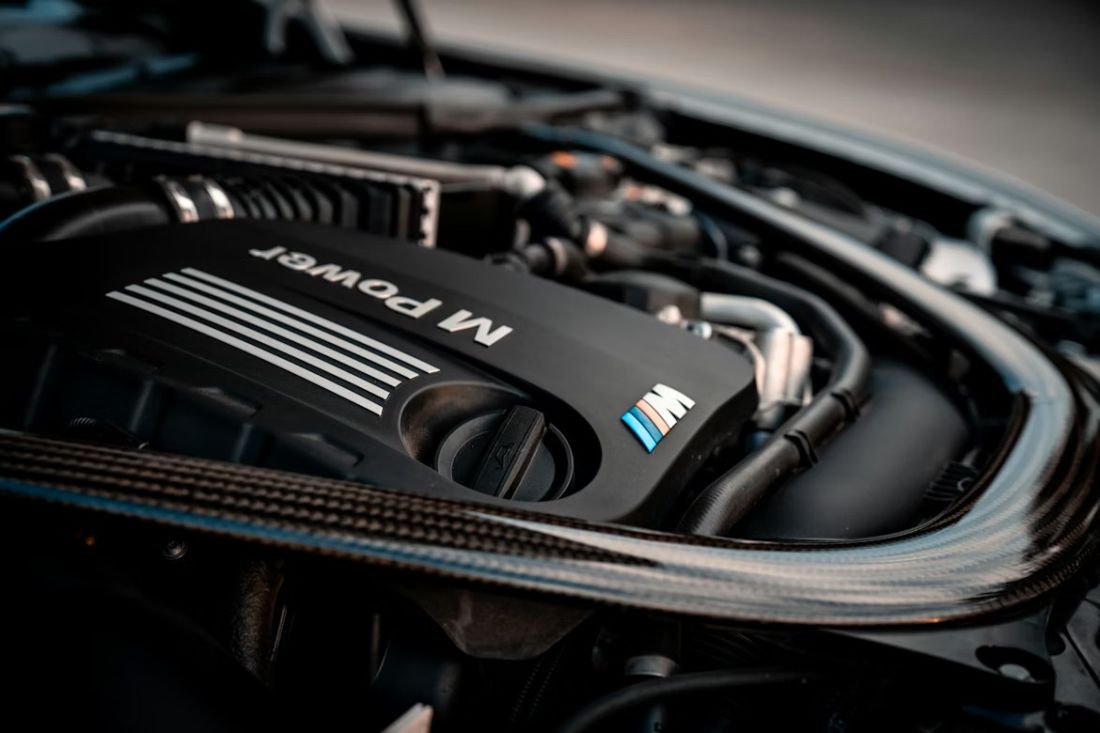
Before we even get to electronic limiters, some cars have a “natural” maximum speed because of how they’re built. Think of it like a bicycle. If you’re in a low gear, your legs spin really fast but you don’t go that quick. If you’re in a high gear, each pedal turn pushes you further, but it takes more effort to keep it moving. Cars are the same. The engine can only spin so fast safely, and the gearbox ratios decide how that engine speed turns into road speed. So one car might hit its maximum because the engine reaches its safe upper spinning speed in top gear. Another car might have more “gear” left but runs out of power because the air is pushing back too hard. Two different ceilings.
Car makers choose those ratios for how the car is meant to be used. A small city car is geared for pulling away smoothly, saving fuel, and staying calm at 70 miles per hour. A sporty saloon might be geared so it still pulls strongly when you overtake on the motorway. A proper performance car might be geared to chase a very high maximum speed. That gearing choice is one reason why some cars feel relaxed on the motorway and others feel buzzy. It’s also why two cars with similar engine power can have different maximum speeds in the real world.
And then there’s the “whole car” issue. The suspension, steering, and even the shape of the mirrors come into play at high speed. Car makers test stability and how the car reacts to bumps, crosswinds, and quick steering inputs. You don’t want a car that feels fine at 60 but starts feeling light and twitchy past that. That’s where brands make their choices: do we chase a higher number, or do we set a cap that keeps the car calm and predictable? For most road cars, calm wins. That’s why you’ll see big, comfy motorway cars with a cap that feels “lower than expected,” because the maker decided the car’s job is to feel solid and safe, not to win a pub argument.
A bit of history makes this feel less mysterious too. The first big petrol car pioneers like Karl Benz and Gottlieb Daimler weren’t building cars to set speed records; they were trying to make a machine that would run reliably. Same with Henry Ford making cars for everyday people. Top speed bragging rights came later, once cars became common and brands started fighting for attention. The limit is part engineering, part brand choice, part “what trouble do we want to avoid?”
Electronic limiters: the invisible hand that says “nope, that’s enough now”
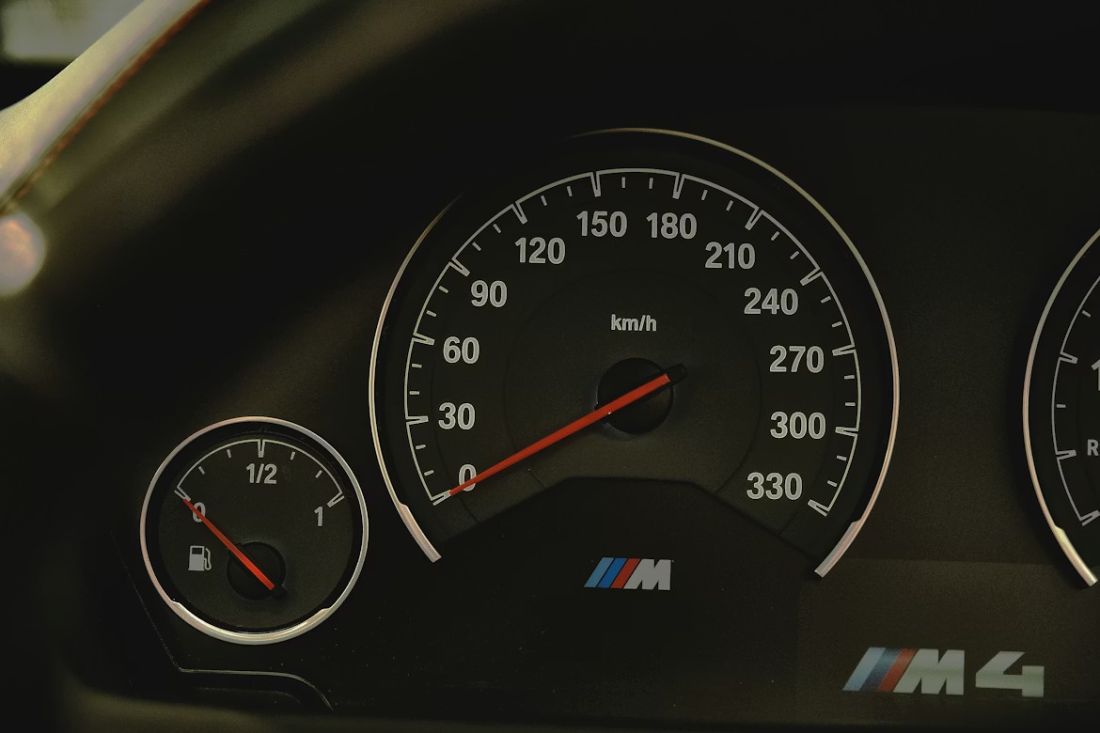
So how does a modern car actually stop itself from going faster? In most cases it’s software. The car knows how fast it’s moving, and once it gets to the set cap, it reduces engine power so the car can’t accelerate beyond it. It’s not slamming on the brakes like a panic stop. It’s more like a bouncer on a club door putting a hand on your shoulder and saying, “That’s you.” Smooth and controlled.
The German 250 kilometres per hour cap became famous because it was applied this way. BMW’s own material about the 750i straight-up says the top speed was electronically limited to 250 kilometres per hour, and it links that to agreement with other manufacturers and tyre limits at the time. The Autobahn article on Wikipedia also describes major German manufacturers (with Porsche as a notable exception) using electronic limiters to cap top speed at 250 kilometres per hour on many models. And Autocar India explains the idea of Audi, Mercedes and BMW agreeing to cap most mainstream models at 250 kilometres per hour, with some special models and paid upgrades going higher.
Once you realise it’s software, you also realise why car makers like it. It’s consistent. It’s testable. It’s easy to apply across a range of engines and trims. And it protects the company from the “speed war” where everyone keeps chasing a bigger number just because a rival did. On the safety side, it’s also a way of saying, “We’re not building a road car that encourages extreme speed.”
Some brands have taken this idea in a different direction. Volvo is the clearest example. Volvo announced a top speed cap of 180 kilometres per hour on new cars, and it added a feature called a Care Key so owners can set an even lower cap when lending the car to someone else. In Volvo’s own press release, Malin Ekholm (head of the Volvo Cars Safety Centre) talks about the company’s view that car makers have a responsibility to improve traffic safety, and it frames the speed cap as part of that. Different vibe from the German “let’s all stop at 250,” but same basic tool: software decides the ceiling.
Rules, pressure, and reputation: why brands don’t want a headline saying their car did 200 in town
Let’s face it, car companies live and die on reputation. They want you to see them as safe, sensible, and trustworthy… even when they sell fast cars. If a brand becomes known for cars that encourage risky driving, they get heat from politicians, safety groups, and the general public. That pressure is one reason the German makers’ agreement matters. Autocar India says the agreement was linked to concerns like safety and emissions, and also to the fear of future nationwide limits on the German motorway network. It’s basically damage control, but also a genuine attempt to stop speeds spiralling.
This kind of pressure isn’t just a Germany thing either. In Europe, new-car rules have been pushing more “speed help” technology into vehicles. Under the General Vehicle Safety Regulation, a system called Intelligent Speed Assistance became mandatory for new vehicle types from July 2022, and for all new cars sold from July 2024 in the European Union. The European Road Safety Charter page explains that the driver stays in control and can override it, but the system can warn you, push back on the accelerator a little, or gently reduce speed depending on how it’s set up. That’s not the same as a fixed top-speed cap like 155 miles per hour, but it shows the direction of travel: more tech that nudges drivers away from speeding.
And then there’s the boring-but-real stuff: warranties, customer complaints, and legal risk. If a car maker lets a mainstream saloon do a super-high maximum speed, they’ve got to engineer the tyres, brakes, cooling, and stability to match, then stand behind it when owners have issues. That’s expensive. For a road car that’s mainly used for commuting from Reddish to Manchester or taking the kids to school in Heaton Moor, it’s hard to justify. So brands pick a cap that fits the car’s purpose and avoids hassle.
For used-car buyers, this is actually good news. A capped car is, in many cases, a sign the maker aimed for consistency and safety rather than chasing the highest number possible. You’re buying the whole package, not just a brag.
What this means when you’re buying a used car around Stockport and Manchester
If you’re shopping used, the top speed figure isn’t the thing you should obsess over, but the reasons behind it can help you spot a well-looked-after car. Here’s what we mean at Dace Motor Company when we say “look at the whole car.” Start with tyres. Check they match what the car should have, including the speed rating letter. TyreSafe explains that the rating is tied to the maximum approved speed at the recommended load, and it gives the letter-to-speed chart. Even if you’ll never touch those speeds, the correct-rated tyres are part of how the car was meant to steer, brake, and grip in normal British weather. If you see cheap mismatched tyres on a powerful car, that’s a red flag. Not a guaranteed disaster, but it tells you the previous owner might have cut corners.
Next, be wary of heavy modifications aimed at removing limits. We’re not doing scary stories here, just common sense: if someone has changed the car’s software or fitted parts without matching upgrades elsewhere, you can get odd behaviour, warning lights, or insurance headaches. A factory cap is tested as a package. Random changes aren’t. That’s also why asking for service history matters, and why a proper vehicle history check matters too. You want to know the car’s been cared for, not just polished.
And finally, think about how you’ll actually use the car around here. Manchester traffic can be stop-start. Stockport’s got hills, roundabouts, and junctions that reward a car with smooth power delivery and good brakes more than a huge maximum speed. If you’re financing a used car, a quick eligibility check that doesn’t leave a mark on your credit file can be a nice first step before you fully apply (we offer that kind of soft check). It helps you shop with a clearer idea of budget, without feeling like you’re rolling the dice each time you ask a question.
If you want to chat it through in person, we’ve got multiple sites across Stockport and Manchester, so you’re not trekking miles across the North West just to look at a car. And if you’ve ever wondered why that “155” number keeps showing up on certain models, now you know: it’s not magic, it’s a mix of shared rules, tyres, physics, and brands trying to keep things sensible.