


How Car Horn Sounds Differ Around the World
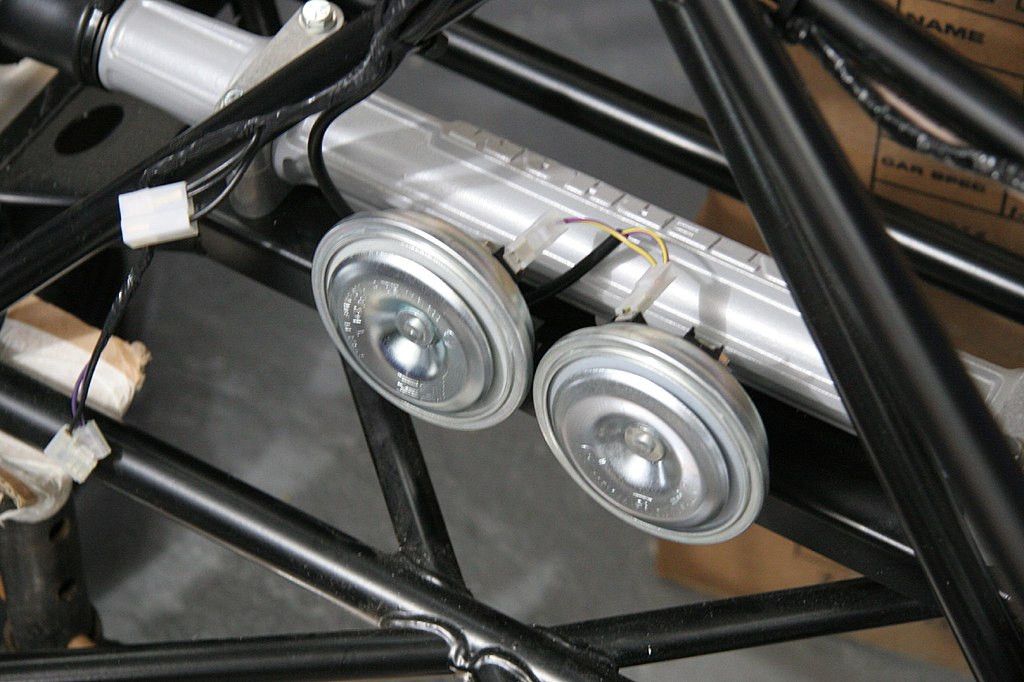
Image: Car Horn by Brian Snelson from Hockley, Essex, England, CC BY 2.0, via Wikimedia Commons
A beep isn’t always just a beep
You might think a car horn is the same everywhere. You press the button, it makes a loud noise, people move out of the way. Simple, right? Not quite. The funny thing is, that short sharp sound we hear on Stockport Road or the A6 doesn’t always sound the same in Tokyo, New York, or Rome. Different countries actually have different horn tones, volumes, and even habits when it comes to using them. And it’s not just about the mechanics of the horn-it’s about culture, too. The way people drive, how polite or impatient the roads are, and even what the local rules say all affect how horns get used.
You see, car manufacturers don’t just sell one universal horn. They adjust them depending on the market. A car built for Britain might have a slightly different sounding horn compared to the same model sold in Japan or the US. Some of that’s because of road laws, and some of it is down to what drivers are used to. For example, in busy cities where traffic’s tight and noisy, horns might be sharper and higher-pitched so they cut through all the background sound. In quieter towns or more spread-out areas, a deeper sound might do the job better.
And then there’s how we use them. Here in Manchester, most of us hit the horn when someone cuts across at the roundabout or if we’re stuck behind a daydreamer at the lights. Over in India, though, the horn is practically part of the language of driving. Drivers use it all the time to say “I’m here,” “I’m coming through,” or even “cheers for letting me past.” Imagine Deansgate at rush hour with horns blasting every few seconds-it’d be chaos. But in some places, that’s just how traffic flows.
So a beep isn’t just a beep. It’s a clue about how people drive, how roads are built, and what drivers expect from each other. And the sound itself? That can change more than you’d think.
Why horns don’t sound the same everywhere
Here’s the thing most people don’t realise: car horns aren’t all tuned the same. They’re basically little metal diaphragms that vibrate when electricity passes through. Change the shape, size, or even the voltage, and you get a different note. Most horns are made to sit somewhere between middle C and high A on a piano, but some markets prefer higher notes while others go for something deeper.
In Europe-including Stockport and Manchester-you’ll often hear a dual-tone horn. That means the car actually plays two notes at once, which gives it that punchy “beep-beep” sound that’s hard to ignore. It’s loud enough to grab attention but not so harsh that it feels aggressive. In Japan, though, horns are sometimes softer, almost more like a polite “excuse me” than an angry blast. That fits with the driving culture there, where being overly loud on the road can come across as rude.
In the US, horns are generally louder and lower-pitched. Think of those big pickup trucks rumbling down American highways-they need a horn that matches their size and presence. Meanwhile, in places like Italy or France, where the roads are packed tight and tempers can flare quickly, horns are higher-pitched and often used a lot more frequently. Spend a day in Rome and you’ll swear the horns are part of the city’s soundtrack.
And let’s not forget about rules. Some countries have limits on horn volume. Others even restrict when you can use them-like in certain residential areas late at night. That’s why manufacturers tweak their designs. A car sold in Britain might legally need a horn at around 100 decibels, while the same car in another country could be allowed or even required to sound louder.
So no, it’s not your imagination. That Audi you test drove here in Stockport might sound just a little different if you bought it in Berlin or Tokyo. Same badge, same car, different horn personality.
What a horn “means” depends on where you are
Let’s be honest-most of us in the UK only use the horn when we’re annoyed. Someone cuts you up on the M60, or the driver in front takes forever to notice the light’s gone green. That’s usually when the horn comes out. It’s not really seen as friendly-it’s more of a warning or a “come on, mate” kind of thing.
But go halfway across the world, and the horn isn’t just about frustration. In India, for example, it’s practically essential. Trucks even have “Horn OK Please” painted on the back, which literally tells you to honk if you’re overtaking. It’s part of the road etiquette. Drivers use horns constantly to let each other know where they are. It’s noisy, sure, but it’s also how traffic keeps moving without as many wing mirrors or clear lane markings.
Over in Japan, horns can mean the opposite of what we’re used to. There, drivers might give a short, gentle toot to say thank you. Imagine if you let someone out at Stockport’s Pyramid roundabout and instead of a wave, you got a tiny cheerful beep. That’s the norm there. And it doesn’t come across as aggressive-it’s just polite.
In America, horns can swing either way. In big cities like New York, they’re used often, usually as a sign of impatience. But in quieter states, people can go weeks without touching the horn. It really depends on the pace of life.
And then in countries like France or Italy, the horn is basically an extension of your voice. Drivers use it to complain, celebrate, say hi, or just express whatever mood they’re in. Picture being in a café in Paris with the windows open, and you’ll hear a chorus of horns as part of the daily rhythm.
So, depending on where you are, the horn could mean “watch out,” “thanks,” “move over,” or just “I’m here.” It’s like an accent in language-the same sound, but a completely different meaning.
Why all this matters to drivers in Manchester and Stockport
You might be thinking, “That’s interesting, but why do I need to know this if I’m just driving around the North West?” Well, for one thing, more of us are travelling and even driving abroad than ever before. You could hire a car on holiday and suddenly realise that pressing the horn doesn’t get the reaction you expect. What feels normal in Eccles or Stockport might come across as rude in Tokyo, or barely noticeable in Rome.
It also matters because car culture is global now. A lot of the cars we sell at Dace Motor Company come from international manufacturers. That BMW you’re looking at was designed with German roads in mind. That Honda? Built with Japanese drivers in mind. Even though they’ve been adapted for the UK market, traces of their original “voice” can still be there. You might notice it in the horn, the lights, or even the little design touches.
And for anyone who’s curious about how small details affect the driving experience, horns are a perfect example. They show how cars aren’t just machines-they’re shaped by the people who drive them. Roads in Manchester, Stockport, and the rest of Britain have their own flow and rhythm. The horn you hear on the A6 is part of that rhythm, just like church bells in the village or the sound of fans outside Old Trafford.
We also get customers asking about imports. Sometimes a car brought in from another country has a horn that doesn’t quite match what people expect here. It can sound unusual, sometimes even funny. Knowing why that happens makes it less of a mystery.
At Dace Motor Company, we spend a lot of time making sure the cars we sell feel right for our customers here in the North West. From sound to safety checks, we want every little detail to be spot on. And yeah, that includes making sure the horn does what it’s meant to do-get you noticed without sounding out of place.
So the next time you hear a horn in Stockport town centre, think about it. That simple beep carries a lot more history, culture, and design choices than most people realise. It’s a small thing, but like many small things, it makes a big difference on the road.