


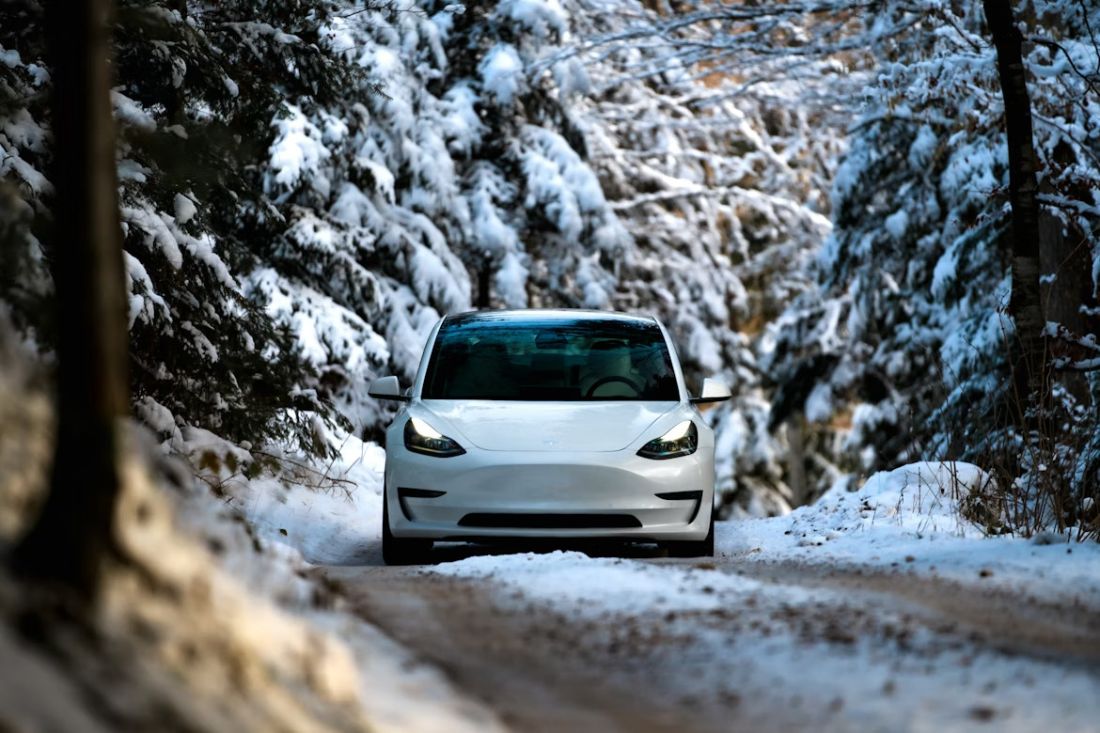
How Car Heating Works in EVs (And Why Range Drops in Winter)
Picture a wet January morning in Stockport. You scrape the screen, your breath’s doing that little cloud thing, and you’re thinking, “Please… just get warm.” In a petrol car, you start it up, the engine gets hot, and the car basically steals that spare heat to warm you up. Easy. In an electric car, there isn’t a big hot engine sat there making loads of extra heat. So the car has to make heat on purpose, using the same battery energy you also want for driving. That’s the whole story, really. Your electric car can feel brilliant in winter, but if you crank the heater like you’re trying to turn the cabin into a sauna, you’ll watch the miles tick down faster than you expected. And then there’s the cold itself. Cold slows down what’s going on inside the battery, so the car may hold back some energy until things warm up. Add damp roads, denser air, tyres losing a bit of air pressure, and you’ve got the perfect Manchester winter combo. You end up doing the same commute from Reddish to Eccles, but the car needs more energy to do it. At Dace Motor Company we get asked about this loads, especially by people looking at used electric cars and trying to work out if winter driving is going to be a pain. It doesn’t have to be. You just need to know what the heater is actually doing, why it’s different, and what small habits make a big difference when it’s freezing and you’re stuck on the M60 with everyone else.
Why a petrol car gets warm fast, and an electric car doesn’t
Let’s talk about why petrol cars feel “free” to heat. A petrol engine wastes a lot of energy as heat. That’s why you can feel warmth coming off the bonnet after a drive, and why the radiator and coolant system exist in the first place: they’re trying to stop the engine from getting too hot. The cabin heater is basically a smart shortcut. Hot engine coolant runs through a small radiator (a heater core) behind the dashboard, and a fan blows air across it into the cabin. So when you turn the heater up, you’re not really asking the car to “make” heat. You’re just borrowing heat that was already there. An electric car doesn’t work like that. The electric motor and the electronics are much more efficient, so there’s far less spare heat lying around. That’s great for running costs. It’s not so great for that first ten minutes on a frosty morning when your hands are freezing on the steering wheel. This is why electric cars have their own heating setup that can create heat (like an electric fan heater at home) or move heat from one place to another (more like how a fridge works, but flipped around). A big report from the U.S. Department of Energy spells this out pretty clearly: electric cars use extra energy in the cold mainly because they need energy for cabin heat and because the battery chemistry works less well at low temperatures. The same report also points out that petrol cars are less sensitive to cabin heating needs because they can use “waste heat” from the engine, while electric cars can’t rely on that. So if you’ve ever thought, “Why can’t electric cars just heat up like normal cars?”… that’s your answer. They’re too good at not wasting energy, and winter is where you notice it.
The two main ways electric cars heat the cabin
Most electric cars use one of two setups for cabin heat, and some use a mix. First one is the simple one: an electric resistance heater. Think of it like a hair dryer or a toaster. Electricity goes through a part that resists it, and that makes heat. It warms up fast, and it’s straightforward. The downside is also straightforward: to get a lot of heat, it has to pull a lot of energy from the battery. The second setup is a heat pump. A heat pump is closer to an air conditioner working in reverse. Instead of “creating” heat the way a toaster does, it moves heat from outside air (even cold air has some heat in it) into the car, using a special fluid and a compressor. That’s why people like heat pumps in electric cars: you can get more heat into the cabin for the same amount of battery energy. One way people explain this is with a “multiplier” idea. With straight electric resistance heating, you put in one unit of electricity and you get roughly one unit of heat. With a heat pump, you can put in one unit of electricity and move two or three units of heat, depending on conditions. A good explainer on this “multiplier” concept is the coefficient-of-performance idea (we won’t get nerdy with the name), where a heat pump can deliver more heat than the electrical energy it uses because it’s moving heat, not making it from scratch. And yes, heat pumps do lose their advantage when it gets extremely cold, because there’s less heat in the outside air to grab, so some cars blend in resistance heating as backup. Edmunds describes the basic heat-pump setup in cars in a simple way: air is drawn in, a refrigerant cycle and compression create a heat boost, and warm air gets sent into the cabin. So in winter, the big question is: does your car mainly “make heat” the hard way, or “move heat” the clever way? That one detail can change how quickly your range drops on a cold run down the A6.
So what’s happening under the bonnet on a frosty morning?
When you hit start in an electric car on a cold day, the car is juggling a few jobs at the same time. It’s trying to keep you comfy, keep the windows clear, and keep the battery happy enough to deliver energy and accept energy (like when you’re charging or using regeneration). There’s usually a loop of coolant running around key parts of the car, kind of like veins carrying heat around. Valves open and close to send that warm coolant to the cabin heater, or to the battery, or to the motor and electronics depending on what needs attention. If the car has a resistance heater, it warms coolant or air directly. If it has a heat pump, it runs a refrigerant cycle that can pull heat from outside air, and in some designs it can also pick up “waste heat” from components that do warm up (like the motor and electronics) and reuse it for the cabin. That’s a big reason heat pumps help: they’re good at reusing and shuffling heat around instead of burning battery energy just to make new heat. There’s a really interesting example in a technical study that compared two versions of the same car model, Tesla Model 3, from different years. The study explains that earlier versions used a dedicated resistance heater for cabin heat, while a later update added a heat pump system with different operating modes that can pull heat from ambient air and also use waste heat from vehicle components. It even mentions a “lossy mode” idea for very cold temperatures, where the system can still produce heat when it’s bitter outside, without relying in the same way on a separate backup heater. You don’t need to remember those details day-to-day. The key point is: your car isn’t just turning on a heater. It’s running a full heat-management plan, and it changes that plan depending on temperature, how long you’ve been parked, and how hard you’re driving. That’s why the first few miles out of your driveway in Heaton Moor can feel like the “worst” bit for range. The car is warming itself up.
Why winter steals your miles: the three big drains
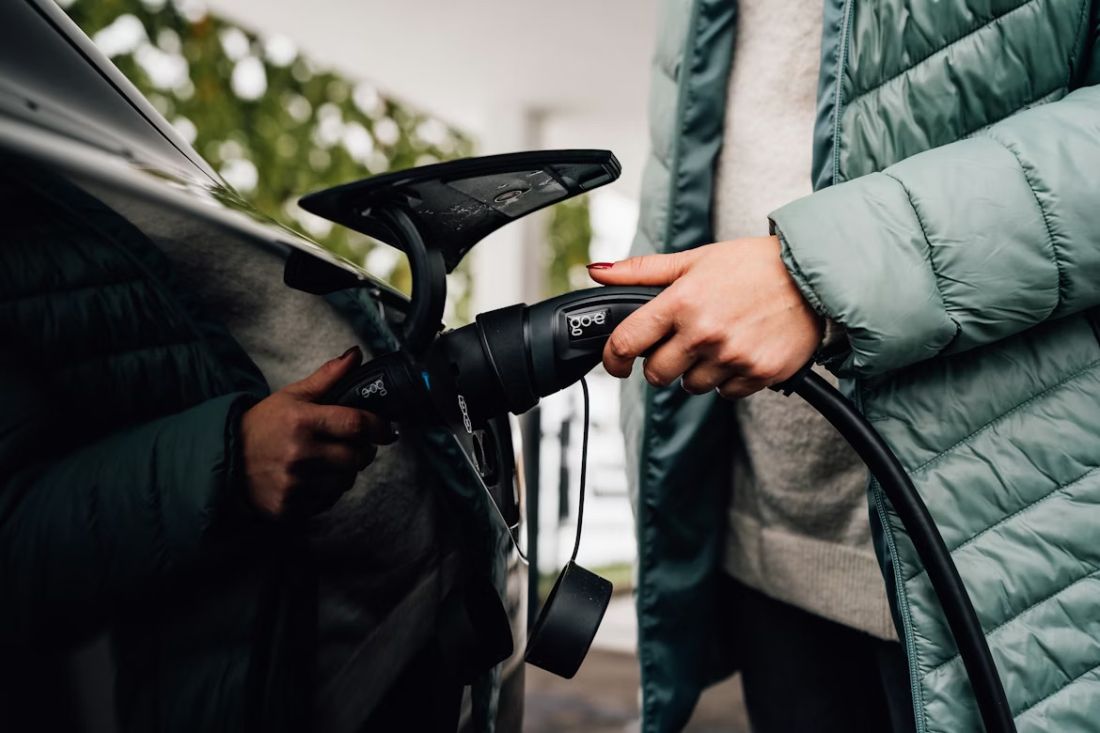
Range drops in winter for three main reasons, and they stack up. First drain is cabin heating. Heating air takes energy, and if your car is using resistance heating, that energy pull can be chunky. A U.S. Department of Energy program record shows real cabin-heating energy draws in cold weather, and it gives a neat comparison: a car with a heat pump plus resistance backup can cut the total heating-and-battery-temperature energy draw by 38% at 20°F compared with a car that only uses resistance heating. Same comfort target inside, less battery drain to get there. Second drain is the battery itself. Cold slows the chemical reactions inside lithium-ion batteries. The same Department of Energy report explains that low temperature reduces the efficiency of the battery chemistry, which reduces usable energy and output, and many modern cars use battery heaters to reduce that problem. So even before you touch the heater controls, the battery is just not in its happy place. Third drain is the road and air. Cold air is denser, which increases drag. Tyres lose pressure as the air inside cools, which increases rolling resistance. And if the roads are wet, slushy, or rough, you need more energy to keep moving. The International Council on Clean Transportation points out those same winter effects: denser air, lower tyre pressure, and snow-covered roads all add extra demand. Put those together and you get the “why did my range drop so much?” moment. It’s not just one thing. It’s heat for you, warmth for the battery, and a tougher environment outside. Let’s face it, a damp Manchester evening with stop-start traffic near Deansgate is already energy-hungry. Add the heater and a cold battery and you feel it.
Real numbers you can picture
People hate vague advice, so let’s put some real numbers on it. AAA did testing and shared a really clear headline result: at 20°F (about -7°C), with the heater running, the range can drop so much that “every 100 miles” of range becomes about 59 miles in mixed driving. That’s the kind of number that makes people panic, but it’s useful because it shows how big cabin heating can be. Now, the exact drop depends on the car, your speed, wind, how warm you set the cabin, and whether the car has a heat pump. The U.S. Department of Energy program record backs up the “cold can be brutal” message with lab test data: compared to a baseline test at 72°F, it reports an average range decrease of 41% for battery-electric cars at 20°F when the cabin is held at 72°F during the test. That’s a huge swing, and it lines up with what drivers feel in real life. On the other hand, the Department of Energy’s consumer advice page says range can drop “up to 32%” in freezing temperatures, which is a bit less scary than the worst-case lab numbers and probably closer to what some people see on shorter everyday trips where they’re not blasting the heater the whole time. So why do these numbers vary? Because “winter driving” isn’t one thing. A 15-minute hop from Stockport town centre to the Trafford Centre is different from a 90-minute motorway run up to the Peak District with the cabin set to tropical. Short trips can look worse because the car spends more of the time warming up from cold, and longer trips can settle down once everything is up to temperature. So if you’ve heard a mate say, “Mine loses half its range,” and another mate say, “Mine loses barely anything,” both can be telling the truth. Different cars, different heaters, different habits.
What you can do in Manchester and Stockport to keep your range
You don’t need to suffer through winter with cold fingers and constant charging. Small changes help, and they’re pretty easy once you get used to them. First, preheat the car while it’s still plugged in at home. That way, the energy to warm the cabin (and sometimes the battery) comes from the charger, not the battery you need for driving. If you’re parked on a drive in Bramhall or in a chilly flat car park in the city, this is a big deal. Next, lean on heated seats and a heated steering wheel if your car has them. They warm your body directly instead of trying to heat all the air around you. There’s solid research behind this. A National Renewable Energy Laboratory report tested “zonal” heating ideas (basically focusing heat on the driver) and found cabin-heating energy savings ranging from 5.5% up to 28.5% during a warm-up test, depending on the setup, while keeping comfort about the same. That’s a real chunk of energy back in your pocket. Also, keep the car’s windows clear without turning the cabin into a furnace. Use the screen demist to get going, then back it off once the glass is clear. Another habit: check tyre pressures when it gets cold. Tyres naturally lose pressure as the temperature drops, and that makes the car work harder. And if you’re heading to a fast charger, use the car’s built-in navigation to route to it if your car supports battery preheating for charging. The Associated Press shared advice (via Edmunds reporting) that preheating the battery while plugged in can help, and that using the car’s systems properly in winter makes a noticeable difference in real use, including charging speed and range. Basically, do the warm-up while you’re still on cheap home energy, not while you’re crawling through traffic near the Etihad on battery alone.
Buying a used electric car: heating features to look for
If you’re shopping for a used electric car, winter comfort and winter range are worth checking before you fall in love with the colour and the wheels. The biggest feature is whether the car has a heat pump. It’s not a magic wand, but it can cut the energy hit from cabin heating in cold weather compared with straight resistance heating, and the Department of Energy data shows heat pumps can reduce total heating-related energy draw at 20°F versus resistance-only setups. Some models added heat pumps in later years, so the badge on the boot won’t always tell you. It can come down to the trim level and the year. Next, look for heated seats and a heated steering wheel. That sounds like a luxury thing, but in winter it’s a practical range thing too, because direct heating lets you keep the cabin temperature a bit lower without feeling like you’re camping in the car. Also check whether the car lets you schedule preheating, or start cabin heating from an app, because that makes the “warm it up while it’s plugged in” trick painless. And check whether the car has a proper battery warming feature for winter driving and charging. The Department of Energy report explains that battery heaters help maintain usable energy in very cold conditions, and that’s one reason modern cars cope better than early ones. If you’re comparing cars, remember that real winter range isn’t just a single number. It’s your routes, your parking situation, and your heater habits. If your daily run is Stockport to MediaCity and back, you can plan around it. If you’re doing longer trips across the Pennines in cold snaps, you’ll plan differently. At Dace Motor Company we’ll happily talk this through without the hard sell, because it’s better you buy the right car than buy the wrong one and regret it in February. And if you’re sorting finance, we also offer a soft search option that doesn’t impact your credit score, so you can check your options without stressing. If you want to see a few electric cars in person, you’ll find us across our sites around Stockport and Manchester, including Greg Street in Reddish and Liverpool Road in Eccles.