


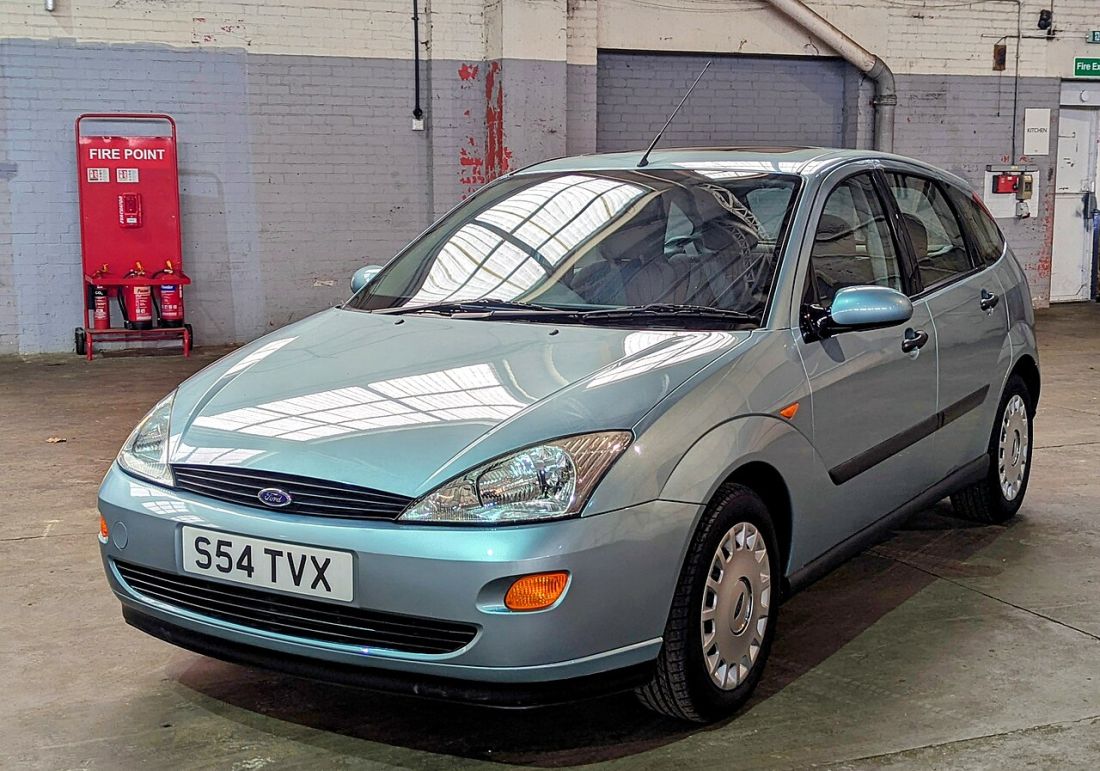
Ford Focus Mk1 and why Its Design Shocked Buyers in the Late 1990s
Photo: 1998 Ford Focus LX by Calreyn88, CC BY 4.0, via Wikimedia Commons.
Back in the late 1990s, family cars weren’t exactly known for making people spill their brew. They were sensible. Safe. A bit grey around the edges. If you were driving through Stockport, past the viaduct or along the A6 on a wet Tuesday morning, most hatchbacks looked like they’d been drawn with a ruler and a very careful hand. Then the Ford Focus Mk1 turned up and, well, it didn’t whisper. It shouted. Ford launched the first-generation Focus in Europe in 1998, replacing the Escort, a car name that had been part of British roads for decades. The Focus had a big job: win over families, company car drivers, new drivers, and people who just wanted a car that didn’t feel like a fridge on wheels. But Ford didn’t play it safe. The Focus arrived with sharp lines, odd angles, high rear lights, a pointy nose, and a cabin that looked like it had been sketched by someone who’d had enough of boring dashboards. Autocar summed up the mood well, saying Ford called the look “New Edge” and many people simply found it startling. At Dace Motor Company, we’ve seen loads of used cars come and go over the years, but the Focus Mk1 still has that “hang on, that was bold” feeling. Even now, parked next to newer cars, it doesn’t feel dull. A bit old-school, yes. But dull? Not a chance.
Why the Escort made the Focus feel even braver
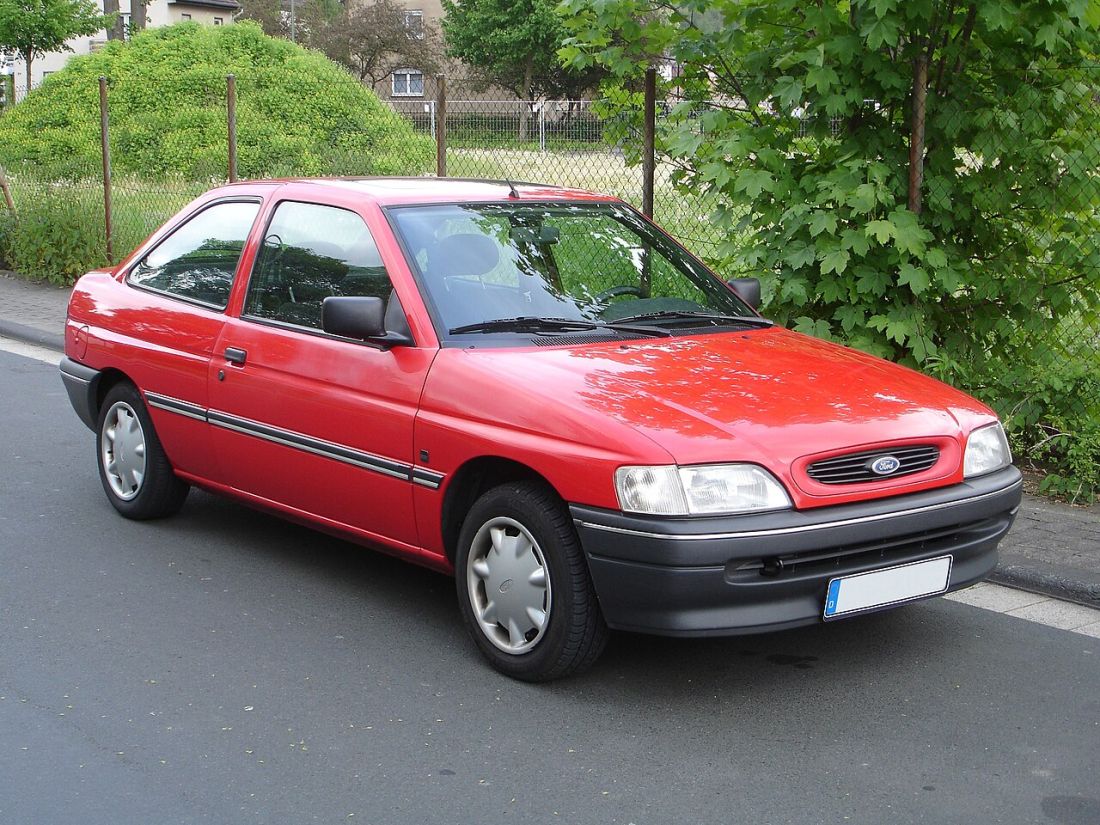
Photo: 1993 Ford Escort V by ONordsieck, CC BY-SA 2.0 DE, via Wikimedia Commons.
To get why buyers were so surprised, you’ve got to think about what came before it. The Ford Escort was familiar, like a local chippy you’d known since school. It did the job, and plenty of people trusted it, but by the 1990s it didn’t feel fresh. It was the sort of car you’d see outside a terrace in Reddish, outside a supermarket in Cheadle, or crawling through Manchester traffic near Piccadilly, and you wouldn’t really look twice. That wasn’t a bad thing. Loads of buyers wanted a car that didn’t draw too much attention. But Ford knew the Escort’s replacement needed a proper kick.
The Focus was meant to be a family car, yet it looked like a concept car had somehow escaped into the real world. Retro Motor says the Mk1 Focus was launched at the 1998 Geneva Motor Show and looked like “another planet” compared with cars such as the Volkswagen Golf and Vauxhall Astra of the same period. That’s the shock, really. People expected Ford to tidy up the Escort, maybe round the corners a bit, add a nicer radio, and call it a day. Instead, Ford changed the whole feel of the car. It wasn’t just a replacement. It was a reset. You know how it is when a shop you’ve known forever suddenly gets a glass front, neon lights, and a menu board written in a totally new style? That was the Focus. Same everyday purpose, very different attitude.
New Edge styling looked strange because most cars were playing it safe
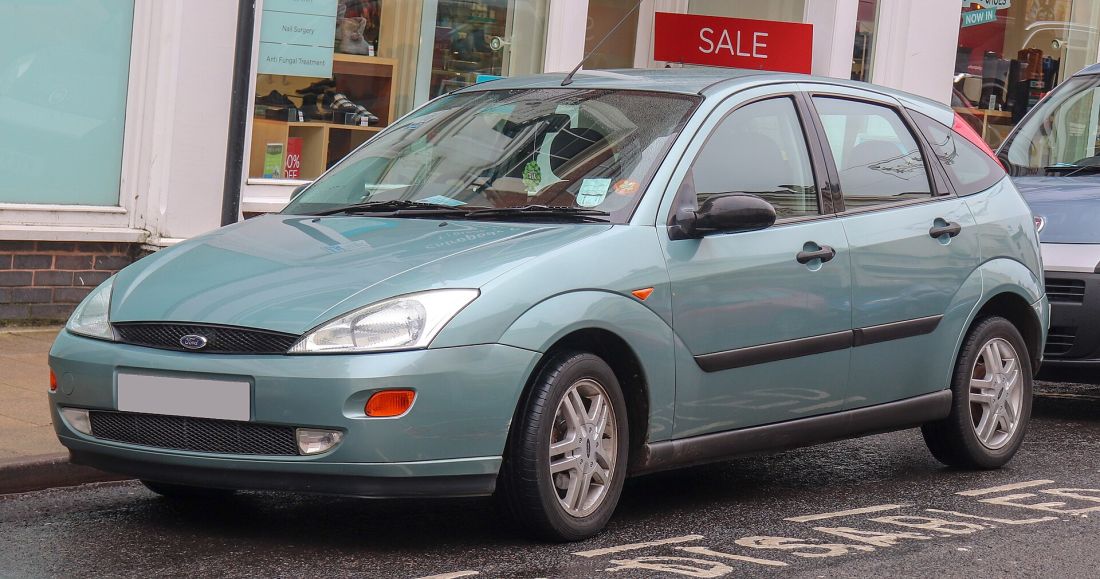
Photo: 1999 Ford Focus Zetec 1.8 by Vauxford, CC BY-SA 4.0, via Wikimedia Commons
The phrase “New Edge” sounds like something a car designer would say while pointing at a clay model under bright studio lights, but the idea itself was easy to spot. The Mk1 Focus used sharp corners, rounded surfaces, slim shapes, and little triangular details all at once. That mix made it feel a bit like a trainer from the late 1990s: chunky, confident, and trying something new. The headlights were pulled back. The rear lights sat high, almost climbing up the back pillars. The wheel arches looked wider than people expected on a family hatchback. And the side windows had a lively shape, not the usual flat line from front to back.
The thing is, British car buyers can be careful. We like a bit of flair, sure, but we also ask sensible questions. Will it date badly? Will the neighbours think I’ve lost the plot? Will it look daft parked outside the office? That’s why the Focus made such a stir. Ford had taken a car for school runs, work commutes, tip trips, and big shops at the weekend, then gave it styling that felt closer to a motor show stand than a supermarket car park. Driven to Write describes the Focus as a car that changed what a family hatchback could look like and how it could behave. And that’s the key point. The design shock wasn’t just about weird lights. It was about Ford saying, “This everyday car can have personality.” For a brand linked with normal life in Britain, that was a bold move.
The inside was just as surprising as the outside
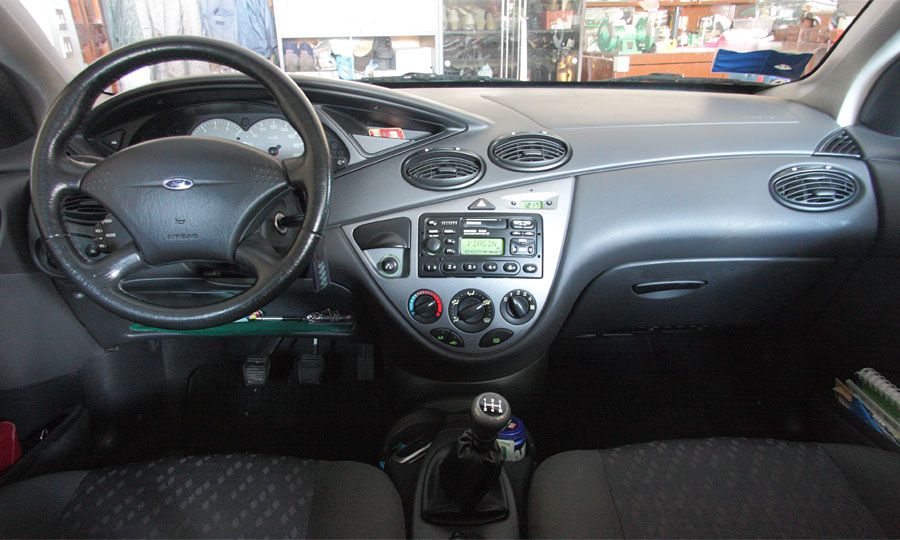
Photo: Ford Focus ML1 interior by Awd, CC BY-SA 3.0, via Wikimedia Commons.
Open the door of a Mk1 Focus and the surprise didn’t stop. The dashboard wasn’t flat and square like many cars from the same time. It swept across the cabin with curves, slashes, and shapes that seemed to point at the driver. The air vents looked unusual. The centre area had a strange, almost playful shape. For some people, it felt modern and exciting. For others, it was a bit much. Let’s face it, if you’d just got out of an Escort, the Focus cabin could feel like someone had changed the channel without warning. But here’s the clever bit: it still worked as a family car. It wasn’t a silly design for the sake of showing off.
There was decent room, the controls were easy enough to learn, and the car didn’t forget that people needed space for bags, kids, coats, football boots, and whatever else ends up in the back of a car after one normal weekend. RAC’s used review praised the Focus as stylish, roomy, good to drive, and well laid out inside. That mattered. A car can shock buyers in the showroom, but it only wins them over if it makes sense after the first week. The Focus did. You could take it down the M60, squeeze through tight streets near the Northern Quarter, park it outside a mate’s house in Heaton Moor, and it still felt useful. Odd-looking, yes. Annoying to live with? Not really. And that’s why the design started to age better than many people expected.
The real trick was how it drove
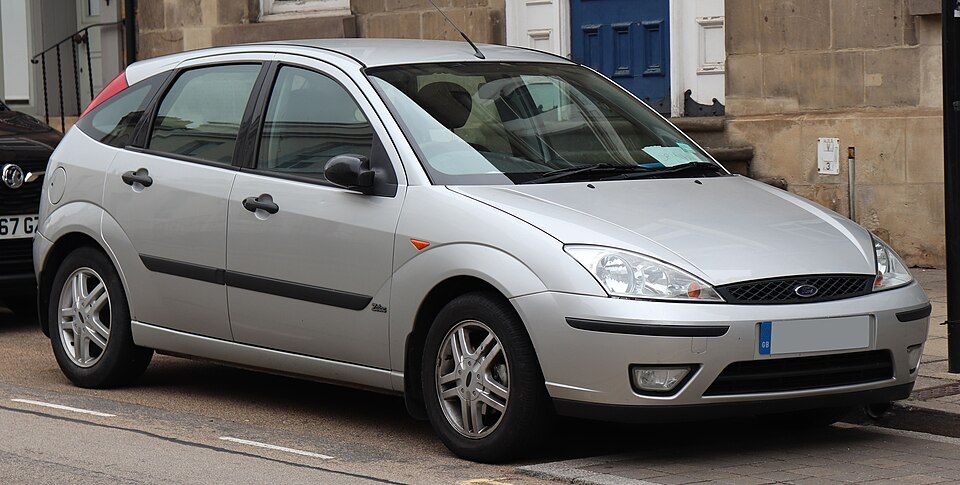
Photo: 2003 Ford Focus Zetec 1.6 by Vauxford, CC BY-SA 4.0, via Wikimedia Commons.
Here’s where the Focus Mk1 pulled a proper surprise. Plenty of cars look brave and then drive like a soggy sandwich. The Focus didn’t. Under the skin, Ford put serious effort into how the car felt on the road. The rear suspension, known as Control Blade, helped the car feel steady, sharp, and comfortable, without making it too stiff for normal family use. Now, that might sound a bit technical, so think of it like this: some cars feel fine in a straight line but get clumsy when the road bends or bumps. The Focus felt planted and alert. It made roundabouts, bends, and uneven roads feel less messy.
Around Greater Manchester, that’s no small thing. Roads can go from smooth to patched-up in about three seconds, and anyone who’s driven through busy bits of Stockport or across town in the rain knows a car needs to stay calm. Car of the Year praised the Focus for its fresh looks, range, build quality, and road holding, naming it European Car of the Year for 1999 with 444 points. That award helped change the story. At first, people talked about how strange it looked. Then they drove it. And then they talked about how good it felt. That’s a big reason the Focus became so respected. It wasn’t a fancy shell over a forgettable car. The style and the drive backed each other up, which is rare. Even today, that’s what people remember.
Why buyers changed their minds
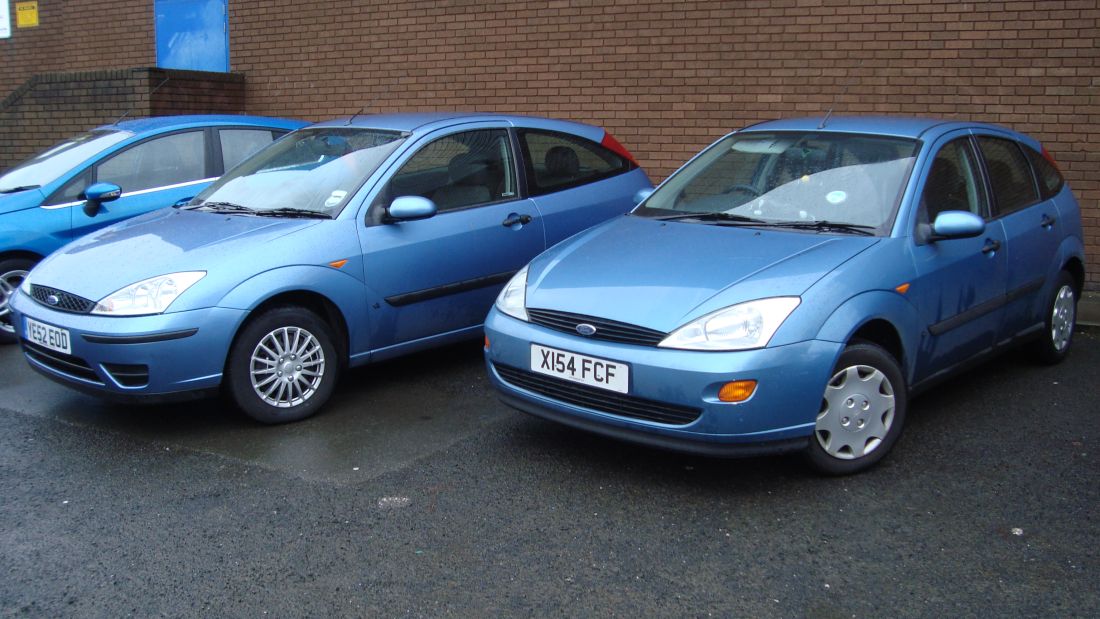
Photo: 2002 Ford Focus 1.4 CL and 2000 Ford Focus 1.8 LX by Kieran White from Manchester, England, CC BY 2.0, via Wikimedia Commons.
A lot of buyers need time with a bold car. First glance: “What’s that?” Second glance: “Actually, it’s interesting.” Third glance, after a test drive: “Right, I get it now.” That was the Focus Mk1 story for many people. At launch, the shape felt risky, especially for Ford, a brand people linked with dependable cars for normal lives. But once the Focus got out onto British roads, it started to make sense. The high rear lights became part of its identity. The sharp nose helped it stand apart. The cabin felt fresh without being hard to use. And because it drove so well, the styling didn’t feel like a gimmick.
Motor1 notes that the first-generation Focus arrived in Europe in July 1998 and was first sold as three-door hatchback, saloon, and estate body styles, with a five-door hatchback joining later. That range helped too. You could buy the version that suited your life, whether you wanted a small family hatch, a booted saloon, or an estate for bigger loads. Over time, the design shock became design confidence. It’s a bit like Manchester itself, really. Some buildings split opinion at first, then become part of the backdrop. People stop asking why they look different and start using them as landmarks. The Mk1 Focus did that on the road. It went from strange new arrival to normal street furniture, but with enough character to still stand out if you pay attention.
It made normal cars more interesting
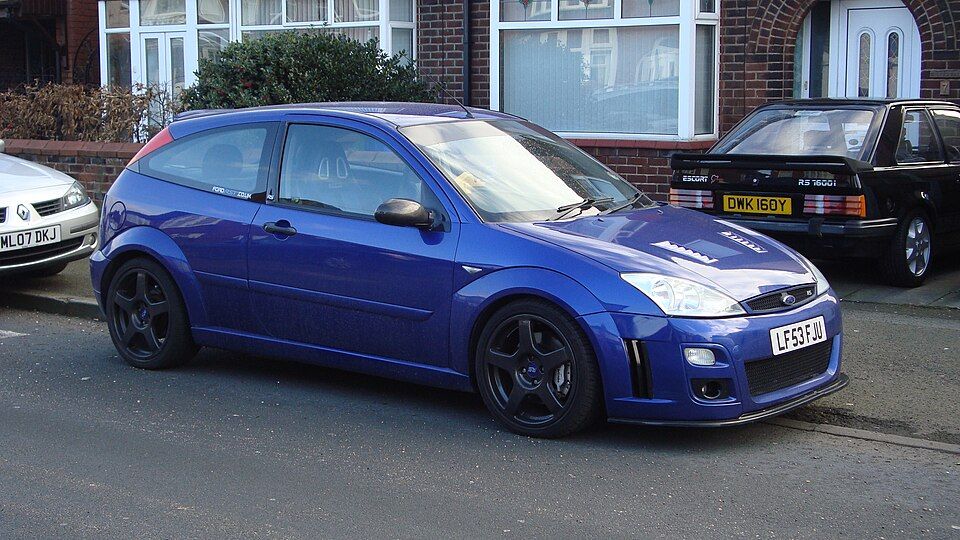
Photo: 2003 Ford Focus RS by Kieran White from Manchester, England, CC BY 2.0, via Wikimedia Commons.
The Focus Mk1 didn’t just sell because it was different. It mattered because it showed that a normal hatchback didn’t have to be dull. That sounds simple now, but in the late 1990s it felt like a proper change. Family cars had to be practical, affordable, and easy to own, yes, but Ford proved they could also have a bit of spark. The Focus arrived in a period full of big cultural shifts: Britpop was still echoing through pubs, mobile phones were becoming common, and people were getting used to the idea that everyday items could look fun and modern. Cars were part of that.
The Focus looked like it belonged to a newer, braver decade, even though it arrived before the year 2000. Ford later said that more than 16 million Focus cars had been sold around the world since the first generation was introduced in 1998. That doesn’t happen if the public rejects the idea. The Focus proved people could accept a bold family car, as long as it worked well. And it did work well. It was easy to live with, good to drive, and available in enough versions to suit plenty of buyers. The funny bit is that what shocked people in 1998 now looks fairly gentle next to some newer cars with huge grilles, wild lights, and giant screens inside. But the Mk1 Focus helped push that door open. It told car makers that everyday buyers had more imagination than they were given credit for.
What to look for if you’re buying one now
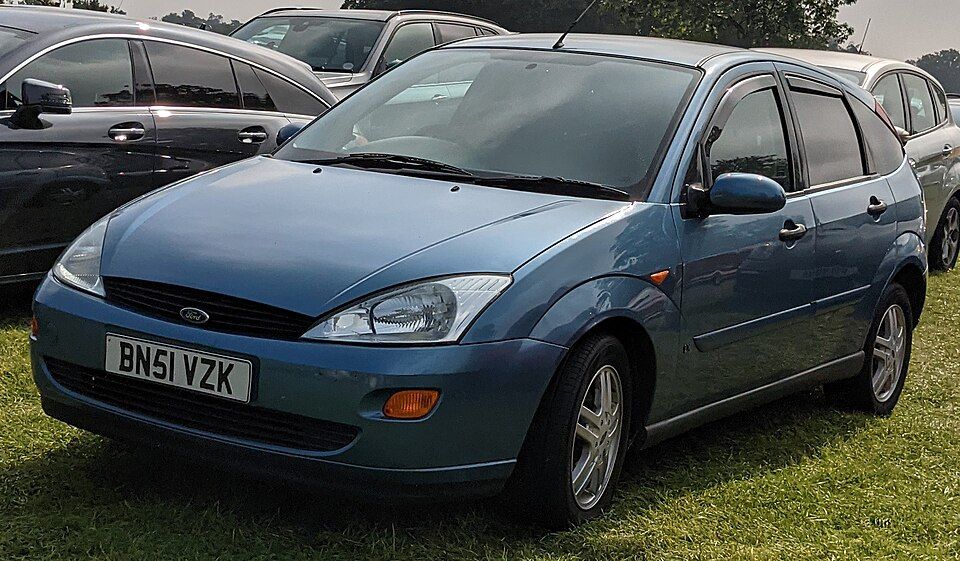
Photo: 2001 Ford Focus LX by Calreyn88, CC BY-SA 4.0, via Wikimedia Commons
If you’re looking at a Focus Mk1 today, the design is part of the appeal, but condition matters far more than nostalgia. These cars are old now, so a tidy one is worth taking seriously. Check the body carefully, especially around areas that can suffer with age. Look at the paint, panel gaps, sills, wheel arches, tailgate, and lower doors. Inside, don’t just sit in it and smile at the funky dashboard. Try everything. Windows, locks, heater fan, lights, wipers, boot release, heated screens if fitted, and the radio. RAC’s used review advises a proper test drive and says service history helps, while Classics World points out that electric windows, central locking, heater parts, tailgate wiring, and instrument issues can all be worth checking on older Mk1 cars. Also, listen on the test drive. Does it pull cleanly? Does it idle properly? Does it feel steady over bumps? Does the clutch bite smoothly? You don’t need to be a mechanic to spot a car that feels tired. Trust your senses. At Dace Motor Company, we always think a used car should feel right before it looks right. A shiny car with warning signs is still a warning sign. The nice thing with the Focus is that parts and knowledge are still around, and plenty of drivers know these cars well. But the best buy is still the car that’s been looked after. No fuss. No drama. Just a good, honest example.
Why the Mk1 Focus still feels special around Manchester and Stockport
There’s something very local-feeling about the Focus Mk1 now. You can imagine one outside a red-brick semi in Stockport, parked near a tram stop in Manchester, heading to a Sunday match, or loaded up for a run to the Peaks when the weather finally gives us a break. It belongs here because it was never some delicate showpiece. It was made for real roads and real people. That’s why the design shock still feels interesting. Ford didn’t make a wild sports car and ask people to admire it from a distance. It made a normal family car and gave it confidence. Buyers in the late 1990s were shocked because they weren’t used to a Ford hatchback looking that brave. Then the car earned trust because it was roomy, smart to drive, and easy to use. That mix is hard to pull off. Too strange and people walk away. Too safe and nobody remembers it. The Focus landed somewhere in the middle, even if it didn’t look that way at first. It had just enough attitude to shake up the street, but enough sense to handle school runs, commutes, shopping trips, and rainy drives down the A6. And maybe that’s why people still talk about it with a bit of warmth. The Mk1 Focus reminds us that everyday cars can have character. They can be useful without being dull. They can surprise you, then win you round. That’s a rare thing, and it’s why this once-shocking Ford still deserves a second look.