


Cars That Share Parts with Much More Expensive Models
You know that feeling when you spot a “posh” car and think, “Yeah… that’s way out of my price range”? Fair. But here’s the sneaky part: loads of cars on the road share the same bones, bits, and building blocks as cars that cost a lot more. Same underlying parts. Same basic engineering. Just wearing a different badge, with different styling and extra gadgets. And if you’re shopping used around Manchester and Stockport, that can be brilliant news, because it means you can get a lot of that “expensive car” feel without paying “expensive car” money. At Dace Motor Company we see this all the time on our forecourts, from the smaller hatchbacks people use for the school run to the big family wagons that swallow prams, football kits, and half of Tesco. The trick is knowing what’s related to what, and what that really means for you day-to-day. Because sharing parts doesn’t mean two cars are identical. One might have a quieter cabin, nicer seats, or a smoother automatic gearbox. The other might be the bargain that still drives really nicely and is cheaper to insure. And sometimes the “cheaper” car is the smarter buy, full stop. Let’s talk through some real examples that are well-known in the car industry, with proper sources at the end, and keep it simple. No car nerd gatekeeping. Just useful info you can actually use when you’re scrolling listings at night, thinking, “Do I want that one… or that one?” And yes, we’ll keep it local too, because a car that feels great on a smooth test route can feel very different when you’re crawling around the M60, bouncing over speed bumps in Reddish, or doing a tight turn near the curry houses on the Curry Mile.
So why do car makers share parts in the first place?
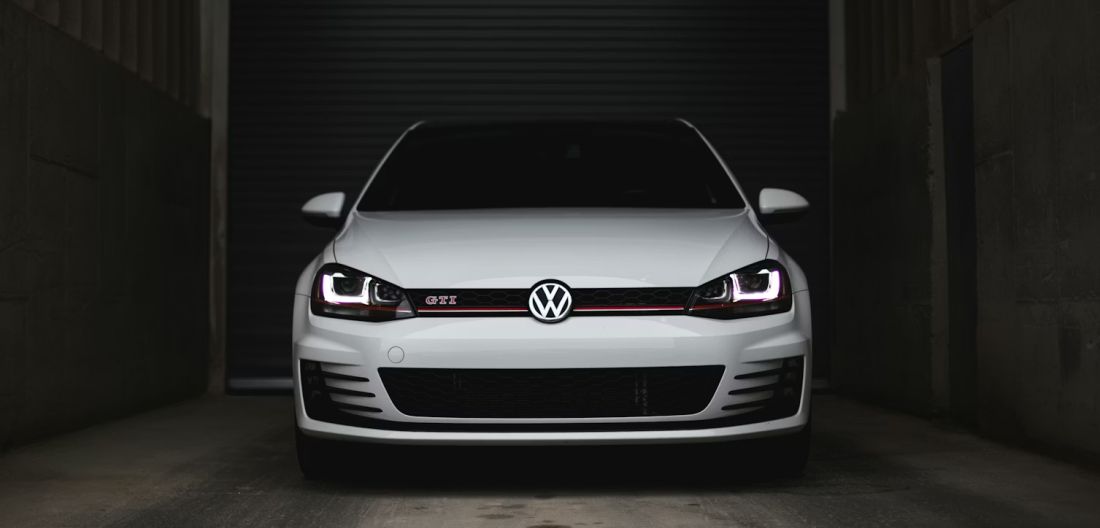
Car companies share parts because building a brand-new car from scratch costs a silly amount of money. Think about it like this: if you and your mate are building bikes, and you both use the same frame and wheels, you can spend your time making your own handlebars, paint, and seats feel different. Cars are like that, but on a bigger scale. One big group might own a few brands, and they’ll build multiple models using the same core layout underneath. That core can include things like the floor, the way the suspension mounts on, and the engine and gearbox placement. Volkswagen Group is famous for this kind of shared “kit” approach across Volkswagen, Audi, SEAT, and Skoda. They even have a named system for it, and they’ve talked about how it lets them build a lot of different cars from one shared set of components. The result for you, the buyer, is pretty interesting. It can mean parts are easier to find and repairs are less of a headache, because you’re not dealing with some rare, one-off piece that only fits one car. It can also mean a “regular” brand car has the same basic engineering as a pricier brand car, which is where the hidden value comes in. But let’s keep it real: the badge still matters for some things. A premium brand might use better sound insulation, fancier cabin materials, or a more advanced screen. You’ll feel that. Still, when you’re shopping used, you’re not just paying for the badge any more. You’re paying for condition, service history, and how the car fits your life in Manchester or Stockport. If you’re doing short trips around Edgeley and Heaton Moor, you want something that’s happy doing stop-start driving and parking in tight spaces. If you’re heading over to MediaCity or commuting across to Trafford Park, you might care more about comfort and motorway calm. Part-sharing won’t choose the car for you, but it can stop you missing a bargain that’s hiding in plain sight.
The “same underneath” family: Volkswagen Golf, Audi A3, SEAT Leon, Skoda Octavia
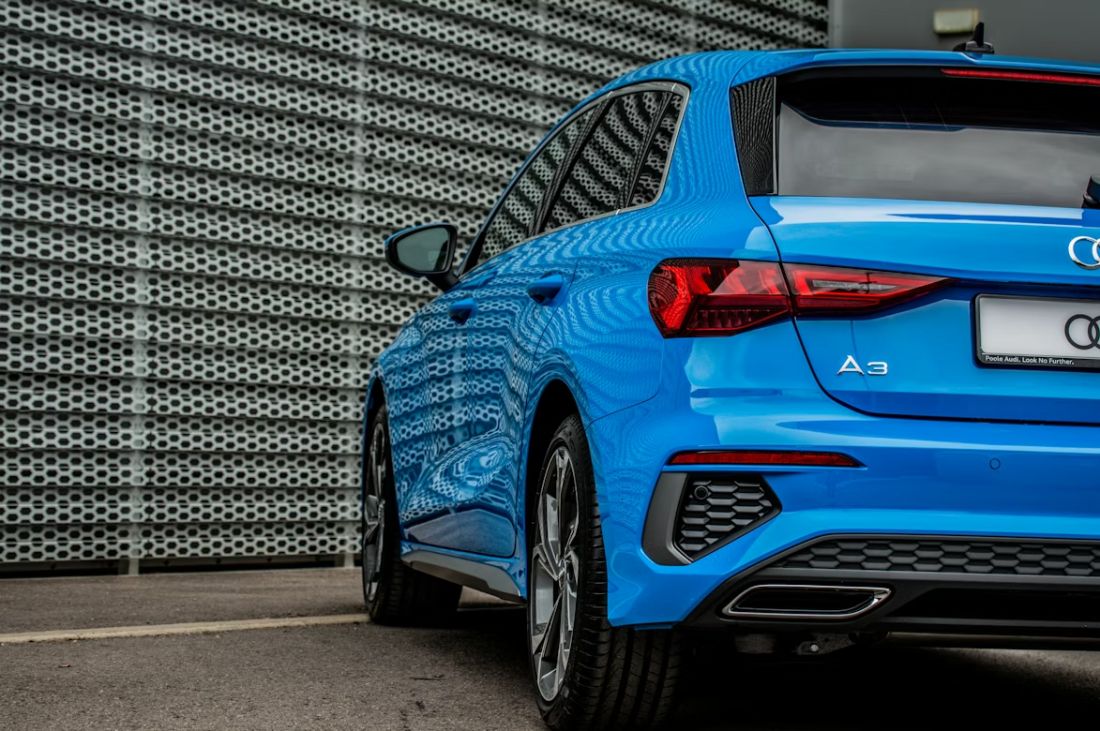
Let’s start with a proper classic set of cousins. The Volkswagen Golf, Audi A3, SEAT Leon, and Skoda Octavia have been closely related for years, because they’ve been built using Volkswagen Group’s shared component system, the one commonly called “MQB”. That system was rolled out on the Golf first, and it underpins versions of these cars across multiple generations. What does that mean in normal life? It means you can be looking at a used Golf and a used A3 and realise they might share a lot of the same behind-the-scenes engineering. Steering feel can be in the same ballpark. Ride quality can be similar, depending on wheel size and suspension set-up. Even some engines and gearboxes show up across the range. Then the brands do their own thing on top. Audi tends to push the cabin feel and the badge appeal. Volkswagen aims for a solid “does everything well” middle ground. SEAT usually goes for a sportier vibe. Skoda tends to give you loads of space for the money, which is why you see so many Octavias hauling families around Greater Manchester like it’s nothing. Top Gear even talked about these four cars together when explaining how that shared system was being used at the time. Here’s the “hidden value” angle: if you want a car that feels grown-up and planted on the motorway but you don’t care about showing off a badge outside the Trafford Centre, a well-specced Golf, Leon, or Octavia can be a smarter buy than stretching for an A3. On the flip side, if you do want the premium touch points and you find an A3 that’s been looked after properly, it can still be great value used, because the expensive part (the new price) has already taken the big hit. Either way, knowing they’re related helps you compare them fairly. You’re not guessing. You’re comparing cousins with shared roots, then deciding which one suits your budget, insurance, and the kind of roads you drive every day.
The “wait, these are related?” set: Touareg, Audi Q7, Porsche Cayenne, Bentley Bentayga, Lamborghini Urus
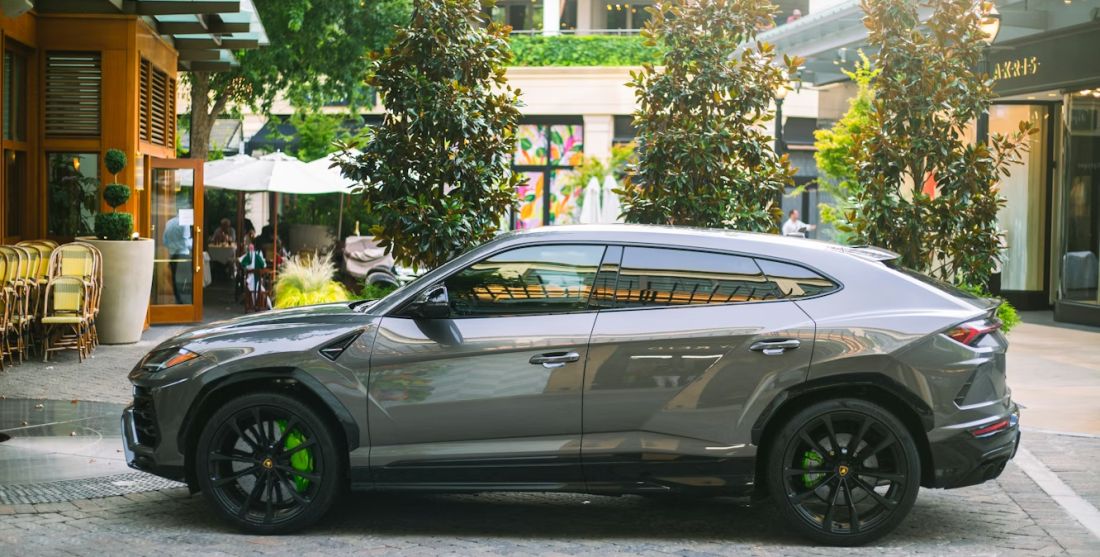
Now for the one that makes people do a double-take. There’s a whole group of big, luxury sports utility vehicles that share a common base in the Volkswagen Group family. We’re talking about cars like the Volkswagen Touareg and Audi Q7, and then the really expensive stuff like the Porsche Cayenne, Bentley Bentayga, and Lamborghini Urus. The Urus is built on the Volkswagen Group’s “MLB Evo” platform and is listed as related to the Audi Q7, Bentley Bentayga, Porsche Cayenne (third generation), and Volkswagen Touareg. Car and Driver also described the Touareg sharing its architecture with the Q7 and Cayenne, and even mentioned the Bentayga and Urus riding on that shared base too. Audi’s own model history pages and summaries back up that the Q7 shares its platform and chassis links with that same group. So yes, in a big-picture engineering sense, a Touareg and an Urus can be distant relatives. No, buying a Touareg doesn’t mean you’ve got a Lamborghini. Let’s not get silly. But it does mean some big, expensive engineering work was shared across the group. And that’s where the used-market value can pop up. A used Touareg or Q7 can deliver a lot of that “big, solid, long-distance” feel that people pay huge money for at the top end, just without the wild badge, supercar branding, and the price tag that makes your eyes water. For Manchester and Stockport drivers, this matters because these cars are built for comfort on longer drives. Think motorway runs past the Trafford Centre, trips up the M61, or heading over the Peak District edges near Buxton when you want some fresh air. Just be honest with yourself, though: bigger luxury vehicles can bring bigger running costs. Tyres cost more. Brakes can cost more. So the win here is getting the right one with strong service history and a clean record, not chasing the cheapest example and hoping for the best. Shared parts can help, but they don’t cancel reality.
Open-top cousins: Fiat 124 Spider and Mazda MX-5
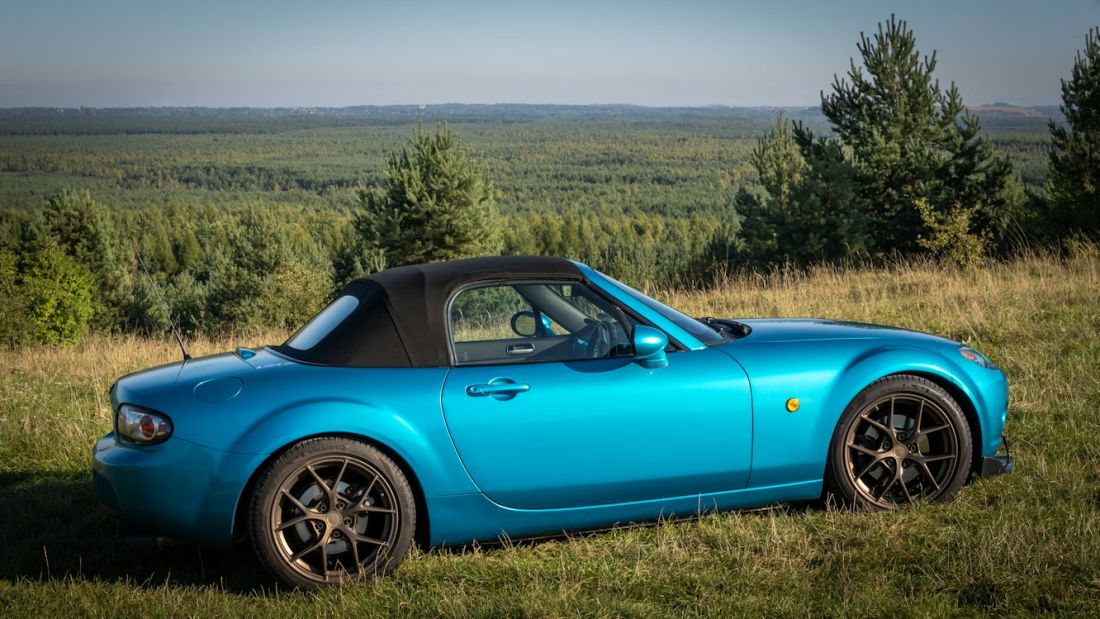
If you want a fun example that’s easy to explain, this is it. The Fiat 124 Spider from 2016 to 2019 is largely based on the fourth-generation Mazda MX-5, and it was even built alongside the MX-5 at Mazda’s Hiroshima plant in Japan. That’s not a rumour. It’s right there in the model background. The 124 Spider shares a lot of the platform and mechanical parts with the MX-5, while Fiat changed the styling and used its own turbocharged engine for many versions. What does that mean for someone shopping used in Greater Manchester? It means you can pick between two cars with a very similar feel: light, low, and built for enjoying corners. If you’ve ever driven out past Marple and found a stretch of road that’s actually enjoyable (before you get stuck behind a van), you’ll get why people like these cars. And because the base engineering is shared, you’re not taking some weird gamble on a rare, unsupported model. The MX-5 has a huge following, and that tends to help with parts availability and independent garage knowledge. The “hidden value” bit is that you might find a used 124 Spider priced differently from an MX-5 of the same year, even though they’re closely related. Sometimes the Fiat can look like the more unusual choice, which some people love. Sometimes buyers just default to “MX-5” because they’ve heard the name a million times. If you’re calm about it and you check the service history, condition, and any rust protection, you can land a cracking little weekend car without paying silly money. Just remember: small sports cars are about smiles per mile, not boot space. You can’t take half of IKEA home in one. And that’s the point.
Toyota and Subaru: the GT86, GR86, and BRZ link
This one’s a good lesson in how two companies can team up and make something that feels special without charging supercar prices. The Toyota 86 and Subaru BRZ were jointly developed by Toyota and Subaru, and they’re built at Subaru’s plant in Gunma, Japan. Subaru even put out a press release in 2012 saying the cars wouldn’t have been successfully developed without collaboration between the two companies. Toyota’s own press material for the GT86 talked about Toyota taking Subaru’s horizontally opposed engine design and adding Toyota’s fuel system technology to it, and it mentions the chief engineer, Tetsuya Tada, in the background story around the car’s development. So this isn’t just “they look similar.” They really are siblings. For a used buyer, that matters because you’re getting a car built around a clear idea: balanced handling, rear-wheel drive, and a low centre of gravity. You don’t need to be a car expert to feel that a car like this turns in nicely and feels connected to the road. The “more expensive model” angle here isn’t about a luxury badge cousin. It’s about getting a car with a proper enthusiast design brief without paying for a high-end sports car. In Manchester and Stockport, where roads can be busy and speed limits and cameras are everywhere, the charm is that you can enjoy the feel without needing to drive like a maniac. The car makes even normal speeds feel engaging. And because Toyota and Subaru shared the work, you’re not dealing with a tiny production oddball that nobody knows how to look after. Still, you’ve got to do the basics: check the history, check for signs of hard use, and make sure it’s been serviced correctly. Sports cars attract enthusiastic owners. Some are careful. Some are… less careful. You’ve probably dealt with this before with anything used. Describe it nicely online, then you show up and it’s been through a war. So you check. Always.
Jaguar and Land Rover: shared engines across “posh” and “everyday posh”
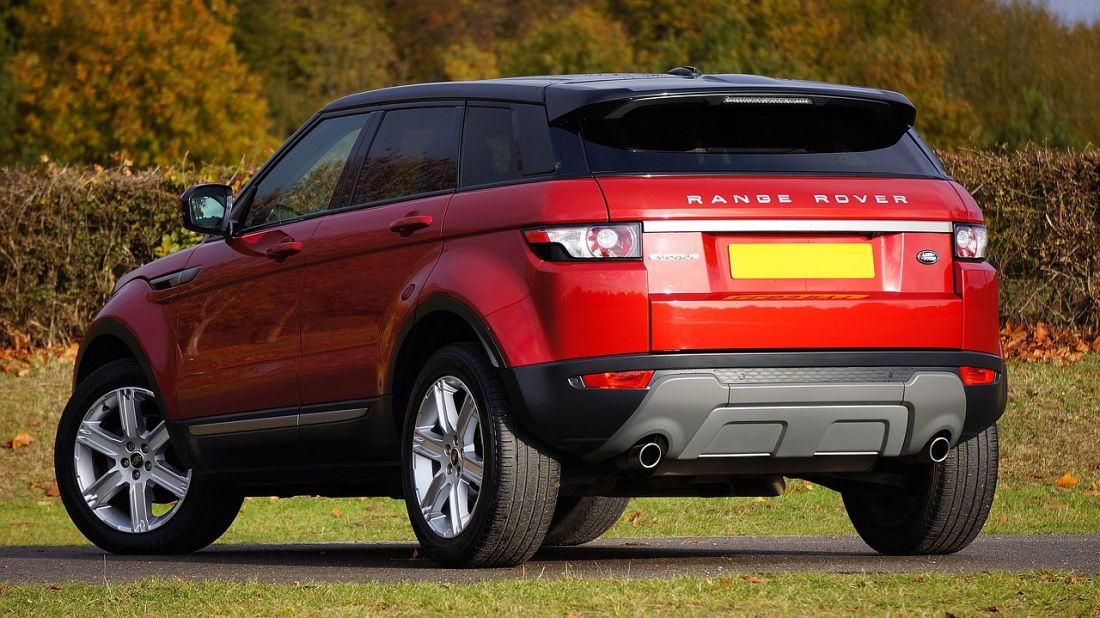
Here’s a different kind of part-sharing that matters a lot in real life: engines. Jaguar Land Rover has an engine family called “Ingenium” that’s used across multiple Jaguar and Land Rover models. Land Rover’s own media release in 2015 talked about introducing its Ingenium diesel engine to the Discovery Sport. Jaguar Land Rover’s media site also described Ingenium petrol engines being used in the Range Rover Evoque and Discovery Sport for the 2018 model year. What’s the hidden value here? It’s that you can be comparing a used Jaguar saloon or sport utility vehicle with a used Land Rover product and realise the engine tech and servicing “story” might be very similar. That can help you judge the risk and the running costs with clearer eyes. If you’re buying used around Stockport and you want something that feels premium for the commute, you might be choosing between, say, a Jaguar XE-style car feel and a smaller Land Rover product feel. Knowing they share an engine family can make your research simpler. You look up the known service points for that engine line, you check the records, and you ask the right questions. And yes, that also means a good independent specialist garage around Greater Manchester may already know the common issues, because they’ve seen the same engine design across different vehicles. Let’s face it, most people don’t want surprises. They want to know the car will start on a cold morning, handle the school run, and not throw a warning light the day after payday. Shared engines can help with predictability, as long as you’re still choosing a well-maintained example. A neglected car is still a neglected car, even if the engine is “from a good family.”
Mercedes and Renault: the surprising diesel connection
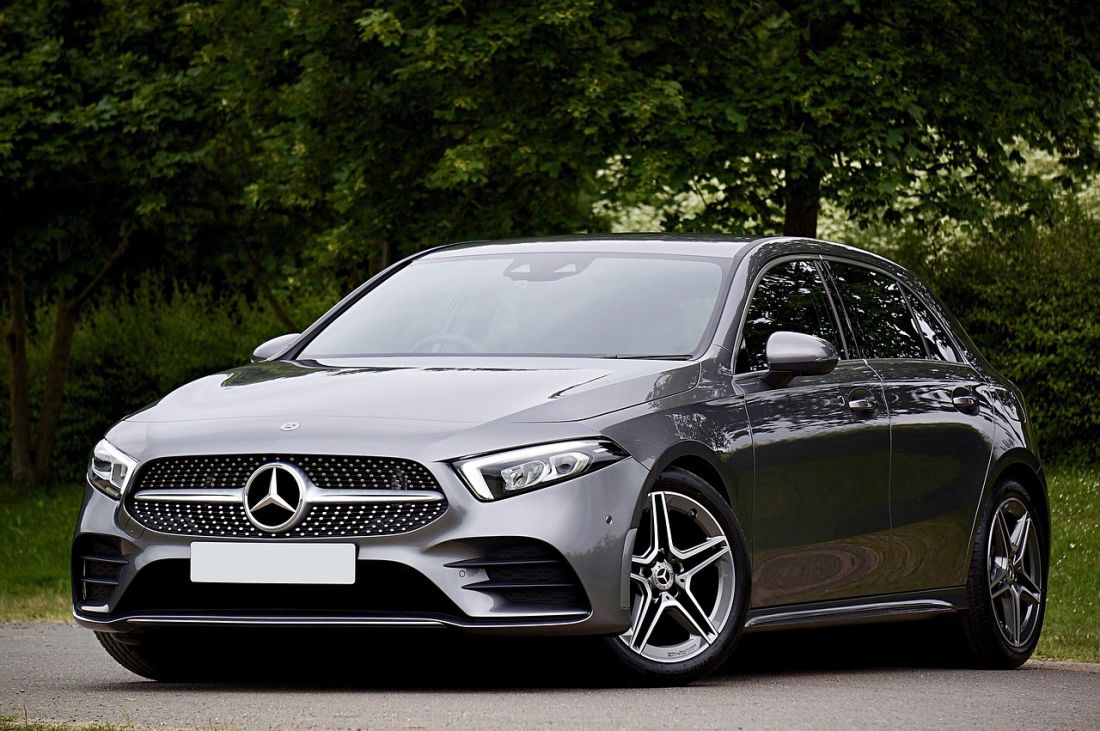
This one makes people argue online, so let’s keep it grounded. Mercedes did use a small diesel engine in some models that’s tied to Renault’s 1.5-litre diesel family. There’s even a Mercedes public archive entry listing an A 180 diesel engine designation as OM 607 for a specific generation. And legal filings and judgments about emissions-related claims have stated plainly that Mercedes used Renault engines in some vehicles, and discussed the relationship between Mercedes’ OM607 and Renault’s K9K engine. On top of that, the Renault K-Type engine reference material lists applications including Mercedes-Benz A-Class, B-Class, CLA-Class, and Citan under K9K variants that reference OM607 naming. So what’s the point for a used-car buyer in Manchester or Stockport? It’s not to start badge wars. It’s to understand that entry-level premium cars can share some core engineering with more mainstream partners, and that’s part of how they hit fuel economy and emissions targets while keeping costs under control. If you’re looking at a used Mercedes in that range, you can ask better questions. Has it been serviced on time? Is there proof? Has the correct oil been used? Any warning lights? And if you’re comparing it to a Renault or Nissan diesel from the same era, you may notice some familiar maintenance themes in forums and garage advice. That can be a positive, because common engines can mean plenty of knowledge and parts supply. But you still buy on condition. Always condition. Because the “hidden value” isn’t the fact a part came from somewhere else. The value is getting a car that fits your budget and your life, without paying extra just because the badge is shiny.
How to use this info when you’re shopping around Stockport and Manchester
So, how do you turn all this into a smarter buy, instead of just a fun trivia night fact? First, use the “cousin” idea to widen your search. If you like an Audi A3 but the prices you’re seeing are a bit spicy, check a Volkswagen Golf, SEAT Leon, or Skoda Octavia from the same era and compare like-for-like: mileage, service history, trim level, condition, tyre brand, and how it drives. The shared roots mean you’re not stepping into a totally different category. Second, don’t get hypnotised by big luxury vehicles. Yes, a Touareg or Q7 can feel properly expensive for used money, because of that shared big-platform engineering family. But you still check the running costs. Bigger wheels and brakes can bite. Third, when you’re considering something “fun” like a Fiat 124 Spider or an MX-5, remember you’re choosing between close relatives, so focus on the real differences: styling, engine feel, how it’s been looked after, and whether it fits your lifestyle. Fourth, use the shared-engine idea to guide your questions. Jaguar and Land Rover’s shared Ingenium family means you can research service points once and apply it across a few models you’re comparing. And for Mercedes in that smaller diesel bracket, knowing the OM607 / Renault K9K link helps you verify exactly what you’re looking at and avoid confusion. Last thing, and this is proper Manchester advice: don’t rush because you’re excited. You can be standing outside a showroom thinking, “This is the one,” with the rain coming sideways, and your brain goes soft. Take a breath. Check the paperwork. Check the tyres. Check the service book. And if you’re sorting finance, make sure you understand what checks are being done and what’s recorded, because you want the smoothest path possible. That’s how you land the hidden value. No fuss. No drama. Just a smart used car that feels like you paid more than you did.