



Car Myths That Everyone Believes (But Are Wrong)
You know how it is. Someone at work says something about cars with total confidence, and suddenly it becomes “the truth” for years. Then your cousin repeats it. Then your neighbour repeats it. Next thing you know, half of Stockport is doing the same weird car habit because “my dad always did it.” We hear these myths every week at Dace Motor Company, especially from people who are genuinely trying to look after their car and save money. And to be honest, some of these myths made sense… back when phones had buttons and cars had cassette players. Cars have changed. Fuels have changed. Even tyres have changed. But the myths? They just refuse to leave.
So let’s talk through the big ones, in plain English, like we’re having a brew and a catch-up. No scary words. No lectures. Just the stuff that actually matters, with real facts behind it, so you don’t waste cash or accidentally treat your car worse while trying to treat it better. We’ll keep it local as well, because Manchester and Stockport driving is its own little world. If you’ve ever crawled along the M60 near Stockport Pyramid wondering why life is pain, you already know what I mean. And if you’ve done the stop-start shuffle by MediaCity or past Old Trafford on match day, you’ve already met a few of these myths in the wild.
Myth 1: “Premium petrol makes any car faster and better”
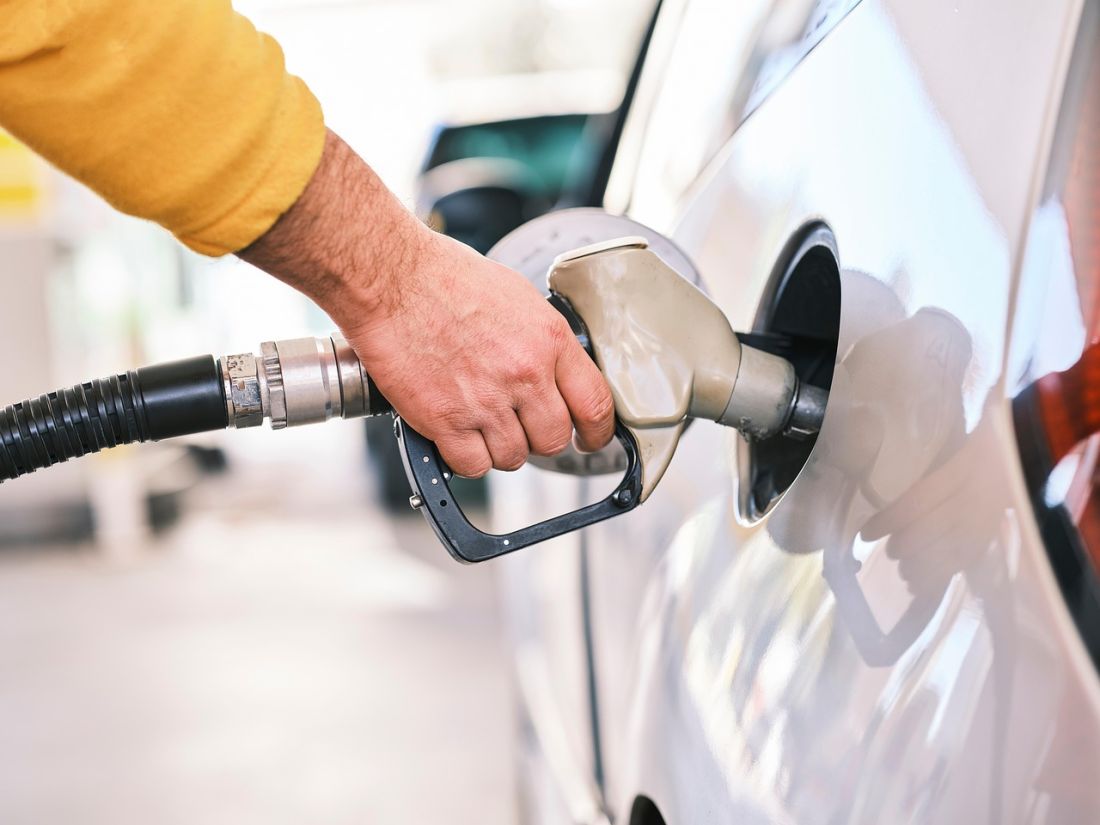
This one spreads like gossip. The idea is simple: pay more at the pump, get a better car. Sounds fair, right? The problem is, loads of cars don’t get any real benefit from premium petrol if the engine isn’t built to need it. You might feel like the car is smoother because you’ve just spent extra money and you want it to be true. That’s human. But it doesn’t mean your engine is suddenly living its best life.
The Royal Automobile Club puts it pretty bluntly: for many cars, premium fuel makes no clear difference to performance, and you can end up paying more for no real gain. Consumer Reports says the same thing from a different angle: if your car doesn’t require premium, using it won’t harm the car, but it’s basically a waste of money. That’s the key. Some cars really do need higher-octane fuel because the engine design demands it. If your fuel flap or handbook says it needs it, give it what it asks for. If it doesn’t, don’t get guilt-tripped into paying extra every fill-up.
Here’s a simple way to think about it. Imagine buying fancy trainers that are made for marathon running, then wearing them to walk to Tesco. The trainers are fine. They’re great trainers. But your walk to Tesco isn’t going to become a marathon. Same vibe. If you’re unsure, check the handbook, check inside the fuel flap, or ask someone who can look it up properly. And if someone tells you premium fuel “cleans the engine” in a way normal fuel can’t, take a breath. Modern fuels already include detergents, and the “cleaner engine” claim gets stretched way beyond reality. If you want to spend money on something that really helps, spend it on keeping tyres at the right pressure or keeping up with servicing. That’s where your car feels better for real.
Myth 2: “You should warm the engine up for ages before driving”

If your grandad taught you this, it’s not because he was trying to fool you. Back in the day, cars genuinely could be fussy when cold. But modern engines and modern oil don’t need you to sit there for ten minutes like you’re camping in the driver’s seat. In fact, leaving the engine running while parked can be a double-whammy: it wastes fuel and pumps out emissions for no reason.
Consumer Reports explains that the quickest way for most modern cars to warm up is to drive normally after a short moment, not to leave it idling on the drive. You still need a few seconds after starting to get settled, check mirrors, make sure the windows are clear, and get moving safely. But the old “leave it running until it’s properly warm” routine just isn’t needed for the engine in most cases.
And this links to another myth people love: “Idling doesn’t use much fuel.” It does. Cornwall Council (not exactly a petrol station trying to sell you fuel) says idling for an hour can waste 2.3 litres or more. That’s not a tiny amount. Imagine doing that a few times a week through winter because you’re trying to “be kind” to the car. Your wallet feels it.
Manchester and Stockport have loads of places where people idle without thinking. Waiting outside schools, sat near the precinct, stuck near busy lights where the traffic crawls. Some idling can’t be helped in traffic, but the avoidable idling is the one to cut. If you’re waiting for someone and you’ll be there more than a minute, turning the engine off is normally the smarter move. And no, restarting the car isn’t going to “ruin the engine” in some dramatic way. Cars are built for starts. You’re not harming it by switching off while you wait for your mate who said they’d be “two minutes” (and you know that means twelve).
Myth 3: “Tyre pressure is a small detail, so it can wait”
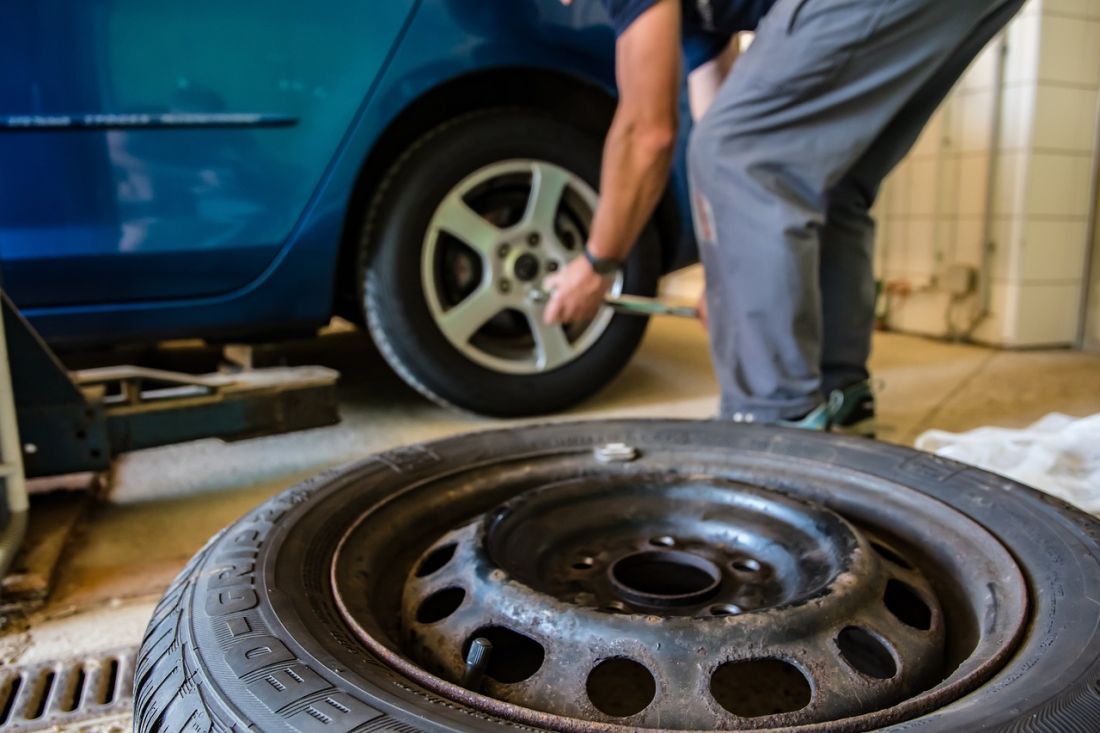
This is the myth that quietly drains money from people without making a fuss about it. Tyres that are too soft don’t just look a bit sad. They change how the car grips, how it stops, how it steers, and how much fuel it drinks. And because the change is gradual, people get used to it. Then they’re shocked when they top tyres up and the car suddenly feels lighter and calmer.
TyreSafe says that if your tyre pressure is 6 psi below what’s recommended, fuel use can go up by about 3%. That doesn’t sound massive until you remember fuel prices aren’t exactly friendly, and 3% keeps happening every mile until you fix it. National Highways also said tyre issues caused more than 41,500 breakdowns on their roads in a year, over 20% of all breakdowns on those roads. That’s not “just a small detail.” That’s loads of people stuck on the hard shoulder wishing they’d spent two minutes at the air pump.
And tyre pressure isn’t just about money. It’s safety. Softer tyres can heat up more, wear out faster, and behave worse in heavy rain. Which, let’s be honest, is not a rare event in Greater Manchester. If you’ve ever driven through a proper downpour near the M62 or been splashed by a bus in the city centre, you already know wet roads can get sketchy fast.
Make it easy for yourself. Check pressures once a month. Do it when tyres are cold if you can, because driving warms them up and changes the reading. The correct pressures are usually on a sticker inside the driver’s door or in the handbook. And if you’ve got a car that warns you with a tyre light, don’t treat that like a polite suggestion. It’s your car saying, “Something’s off.” It won’t always tell you which tyre, and it won’t always tell you early, so a quick manual check still matters.
Myth 4: “If the tread is legal, the tyre is fine”
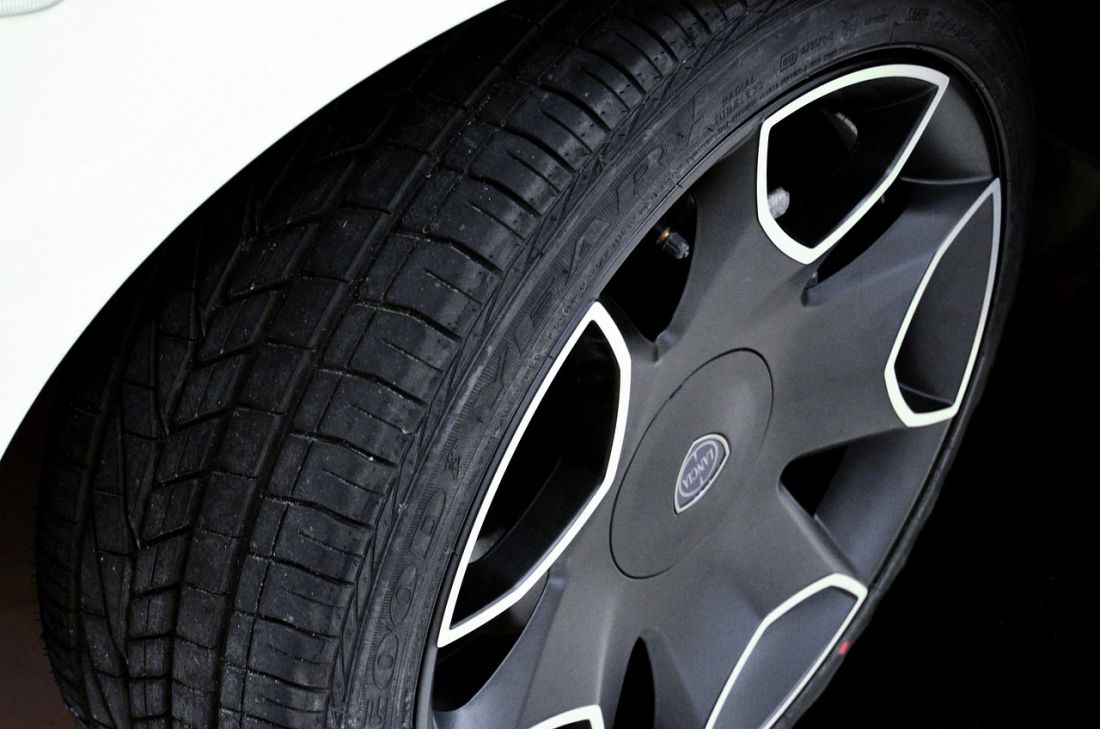
This one catches people out because the law number gets repeated a lot. In the UK, the legal minimum tread depth for cars is 1.6 mm across the central three-quarters of the tyre, all the way around. That’s in the government’s inspection manual for the yearly MOT test. The Highway Code repeats the same minimum. So yes, 1.6 mm is the legal floor.
But here’s the thing. “Legal” and “good” aren’t the same word. If you’re right at the legal limit, you’ve left yourself less grip for heavy rain, standing water, and emergency stops. TyreSafe recommends thinking about replacing tyres at 3 mm for better safety, especially in wet conditions. That doesn’t mean everyone must run out and replace tyres at 3 mm tomorrow. It means you should treat 3 mm like the point where you start planning, not panicking. Because if you wait until 1.6 mm, you’re basically playing chicken with time.
There’s also the classic “20p test” people talk about. It’s handy as a quick check, but don’t let it become your whole tyre strategy. A cheap tread depth gauge is clearer, and plenty of petrol stations have one built into the air pump area. If you’re not sure what you’re looking at, get someone to show you once. After that, you’ll spot it easily.
And here’s the part nobody likes hearing: you can have legal tread and still have a dodgy tyre. Sidewall cracks, bulges, cuts, nails, slow punctures - all possible while the tread looks fine. If you clip a kerb in Stockport town centre (no judgement, those kerbs jump out), check the tyre after. If you notice the car pulling to one side, check tyres. If the steering feels weird, check tyres. Tyres are literally the only part touching the road. Everything else is along for the ride.
Myth 5: “You must change engine oil every 3,000 miles, no matter what”
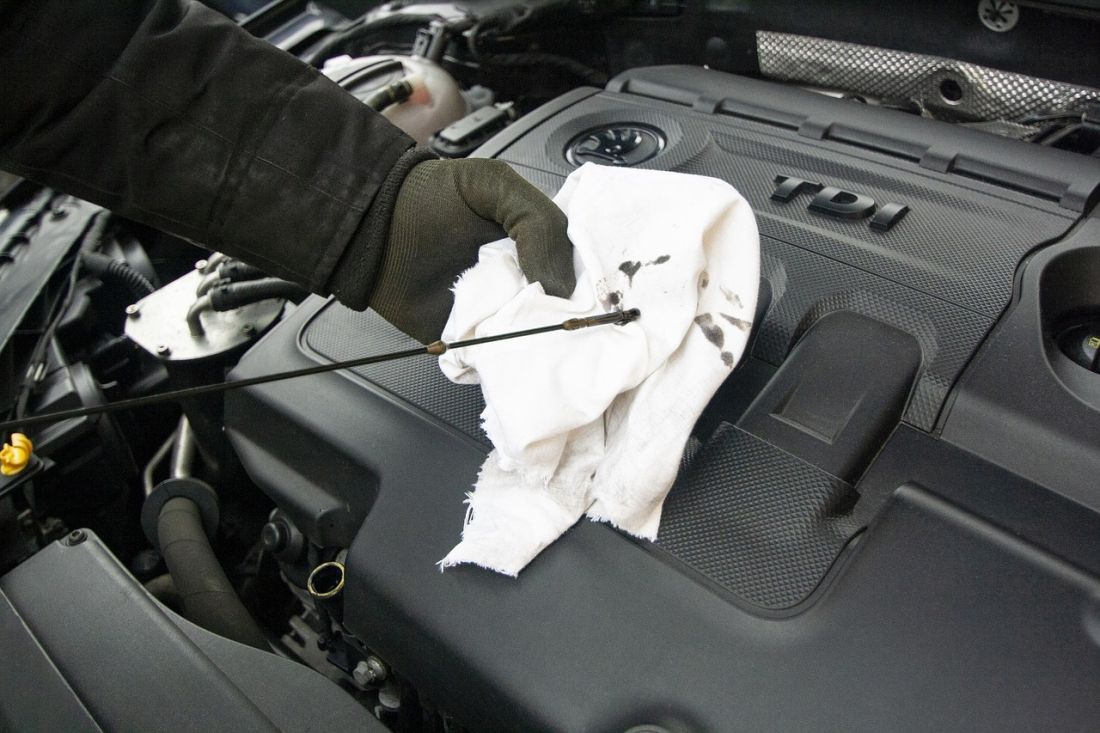
This myth is so stubborn it deserves its own museum. The “3,000 miles” rule comes from an older world, with older oils and older engine designs. These days, many cars can go much longer between oil changes, especially if they use modern synthetic oil and you follow the maker’s schedule.
Edmunds put it plainly: lots of newer cars with synthetic oil can go 7,500 miles, 10,000 miles, and some even 15,000 miles between oil changes, depending on driving style and the car itself. The important bit is “depending.” If you do loads of short trips, sit in traffic a lot (hello, Manchester ring roads), or drive in a way that works the engine hard, you may need shorter intervals than someone who does relaxed motorway miles.
The Royal Automobile Club also talks about engine oil care and makes the bigger point: if you get an oil warning light while driving, you should pull over safely and check it, because low or no oil can seriously damage the engine. That’s the real issue - not whether you changed oil at exactly 3,000 miles like it’s a magic spell. Dirty oil, low oil, the wrong oil, or ignoring warning signs will hurt an engine way quicker than missing some old-school mileage rule.
A name you might see on Royal Automobile Club pages is Nick Mullender, their Lead Mobile Mechanic, and he sums up the basics well: oil deteriorates over time and that can lead to wear if ignored. That’s the vibe you should take from this. Follow the service schedule for your car. Check the oil level now and then. Don’t ignore warning lights. And don’t let someone scare you into changing oil far earlier than needed “just because.” Extra oil changes won’t break the car, but they can break your budget for no good reason.
Myth 6: “E10 petrol will ruin every older car”
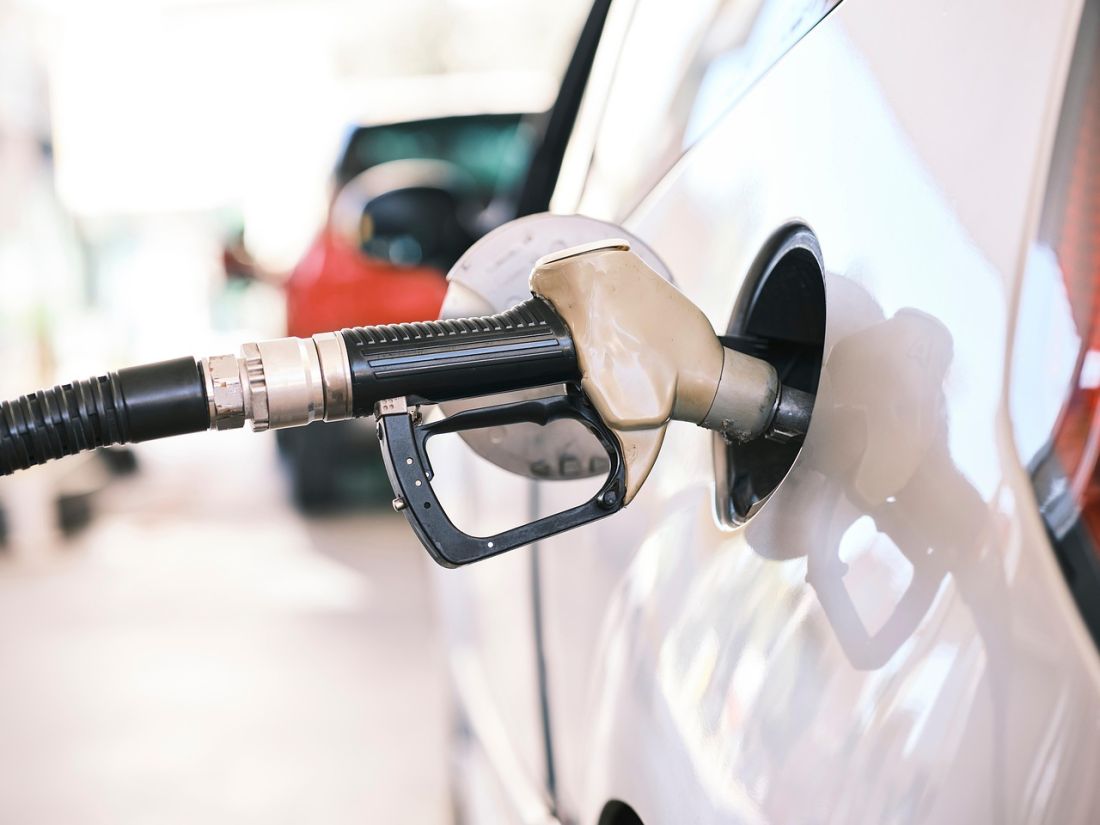
E10 petrol is the normal “standard” petrol in the UK now. It has up to 10% ethanol, which is where the “10” comes from. People hear “ethanol” and immediately picture their engine dissolving like a sweet in tea. The truth is calmer than that.
The government has an online checker that lets you see if your vehicle can use E10. It also says most petrol vehicles can use it. The Royal Automobile Club says around 3% of vehicles on UK roads aren’t compatible, and points people to the government checker to be sure. So the sensible move isn’t panic. It’s checking.
If your car isn’t compatible, it doesn’t mean you’re doomed. It means you should use the higher grade petrol that stays available for the small group of cars that need it. It’s annoying, yes. But it’s manageable. And loads of people with cars built before 2011 get nervous because they’ve heard “pre-2011 equals unsafe.” Auto Trader says some cars made before 2011 may not be compatible, which is why checking your exact model matters more than guessing by age.
Here’s the part that gets missed in pub chats: compatibility isn’t only about age. It can be about specific engines, specific fuel system materials, and specific models. That’s why a proper checker exists. If you’ve bought a used car and you’re not sure what it takes, check the handbook, check the fuel flap label, or use the official checker. And if someone tells you, “Mate, E10 will ruin any car that’s older than me,” smile, nod, and check anyway. Facts beat fear every time.
Myth 7: “Coasting in neutral saves fuel, and engine braking wastes it”
This myth pops up a lot with people who are really trying to save fuel. The idea is: if you pop the car into neutral and roll, the engine is doing less, so you save money. Sounds logical. But modern fuel-injected cars work differently than people expect.
The Royal Automobile Club’s fuel-saving guide explains that when you slow down while staying in gear, a fuel cut-off system can activate in fuel-injected engines, meaning almost no fuel is used while slowing down in that moment. That’s a big deal. In plain terms: staying in gear while easing off can be smarter than rolling in neutral, and it also gives you more control of the car. More control is never a bad thing, especially on wet Manchester roads or on a steep bit of Buxton Road in Stockport.
Also, coasting in neutral can make braking feel different, and it can reduce your ability to respond quickly if traffic changes. If you’ve ever had someone cut in front of you near the A6 or slam brakes near a roundabout, you know you want the car ready to respond without extra steps.
Now, does that mean you should aggressively use engine braking all the time and never touch the brakes? No. Brakes are for braking. Engine braking is just a tool, like easing off early when you see a red light ahead. Smooth driving is the main fuel saver, not weird tricks that make the car harder to control.
So the myth-busting version is this: don’t rely on coasting in neutral as your fuel plan. Look ahead, keep the car in gear while slowing, and drive smoothly. You’ll save fuel, feel calmer, and you’ll be less likely to do that last-second brake stomp that makes passengers grab the door handle like it’s a theme park ride.
Myth 8: “Warning lights are drama queens, and the car will tell you when it’s serious”

This one is risky because it trains people to ignore the one thing your car does to communicate in plain sight. A dashboard warning light isn’t your car being moody. It’s your car saying, “Something’s wrong, and I’ve noticed it.” Sometimes it’s small. Sometimes it’s a “stop now” situation. The point is, guessing is a bad habit.
For the yearly MOT test in the UK, the government inspection manual includes checks for the engine malfunction indicator lamp on certain diesel vehicles, where the tester checks that the light comes on and then goes off as it should. Translation: warning lights and how they behave can matter for roadworthiness checks, depending on the vehicle. And outside of tests, they matter because they can stop small problems turning into massive bills.
Take the oil warning light example. The Royal Automobile Club says if the oil warning light comes on while driving, you should pull over safely, turn the engine off, check the oil level, and avoid driving if the light stays on, because low or no oil can seriously damage the engine. That’s not “maybe.” That’s “your engine can be wrecked.”
And let’s be honest, plenty of people in Greater Manchester push their luck because life is busy. School run. Work. Traffic. The car still moves, so it feels fine. But a warning light is like your mate messaging “can we talk?” You can ignore it, but it doesn’t disappear. It just waits and gets worse.
If a light comes on and you’re not sure what it is, check the handbook first. If it’s red, treat it seriously. If it’s amber, don’t treat it like wallpaper. Get it checked. If you’re buying a used car, don’t accept “it’s always been like that” as an explanation for a warning light. A car that’s been “fine with a light on” is like a fridge that’s “fine” while it’s warm. It’s not fine. It’s just not broken yet.